

STEAM · EXTRACTION · SURFACES
TEMPLESTOWE · MELBOURNE
Mould Removal Templestowe
Steam that remains in an ensuite after a shower can leave more than misted glass. If mould has appeared on a Templestowe ensuite ceiling, describe how the room dries, whether extraction operates and what changes between showers.
Drying pattern considered
Ceiling access planned
Ventilation limits explained
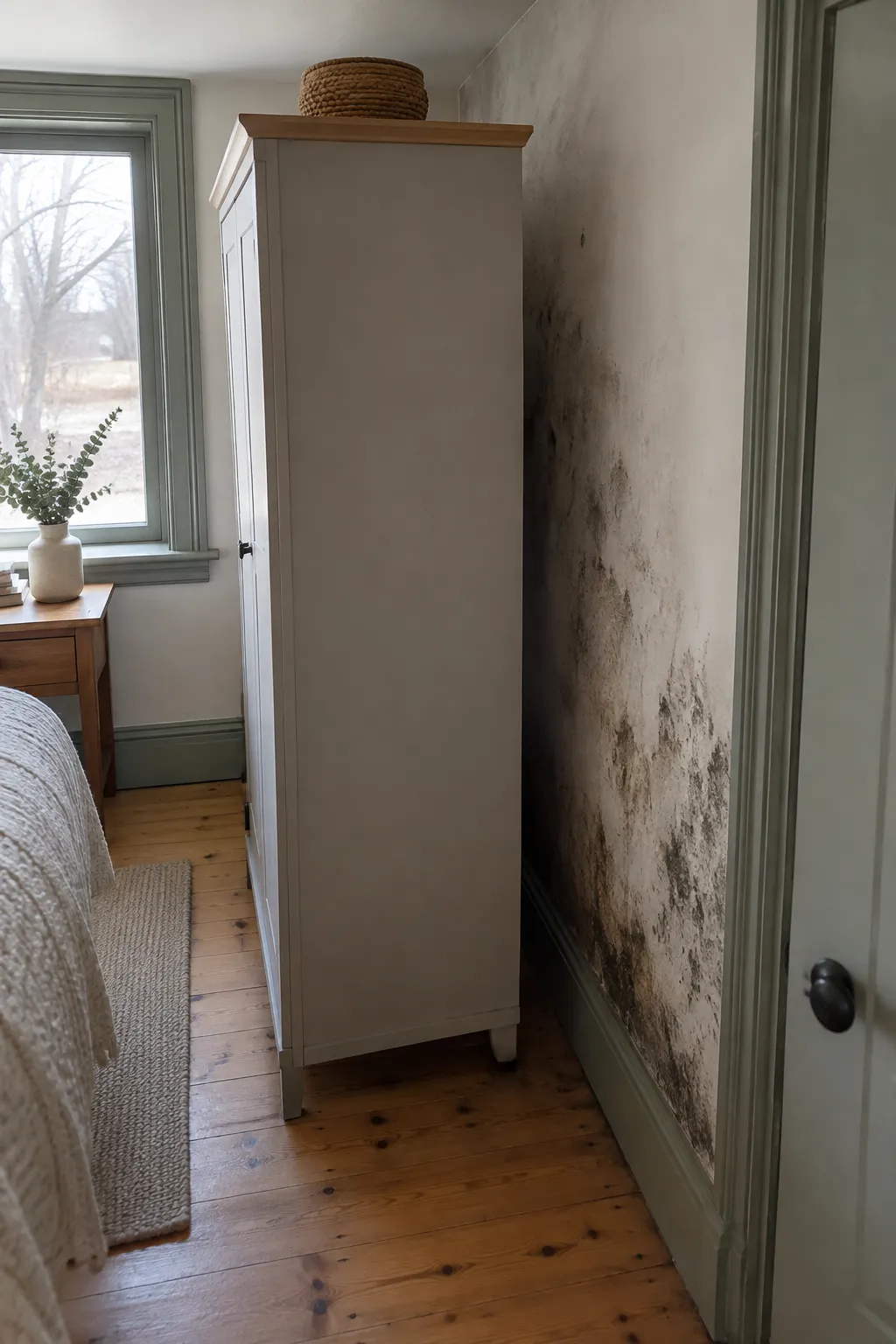
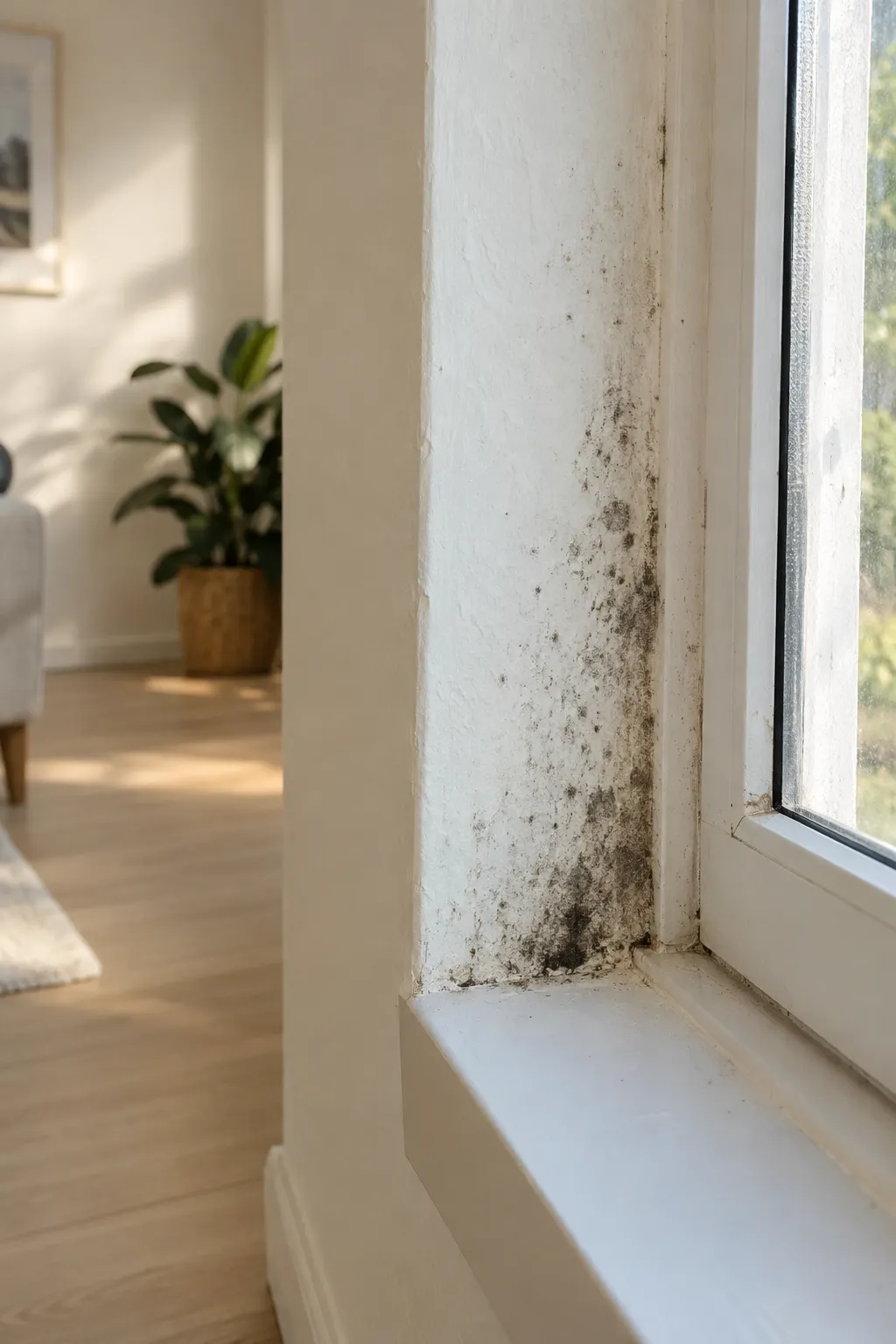
THE ROOM TELLS A STORY
The shower ends.
The moisture may linger.
Templestowe is listed as a Manningham locality. For an ensuite enquiry, focus on the room’s actual layout and use. A closed door, an operating fan and a clear window do not each prove that damp air leaves effectively. Note how long the ceiling or glazing remains wet after an ordinary shower.
Describe whether the patch is over the shower, at a corner or near a ceiling stain. Mention earlier roof or plumbing work as well as ventilation concerns. These details support mould inspection without automatically attributing every overhead mark to shower steam.
UNDERSTANDING MOISTURE
Check the drying.
Question the assumptions.
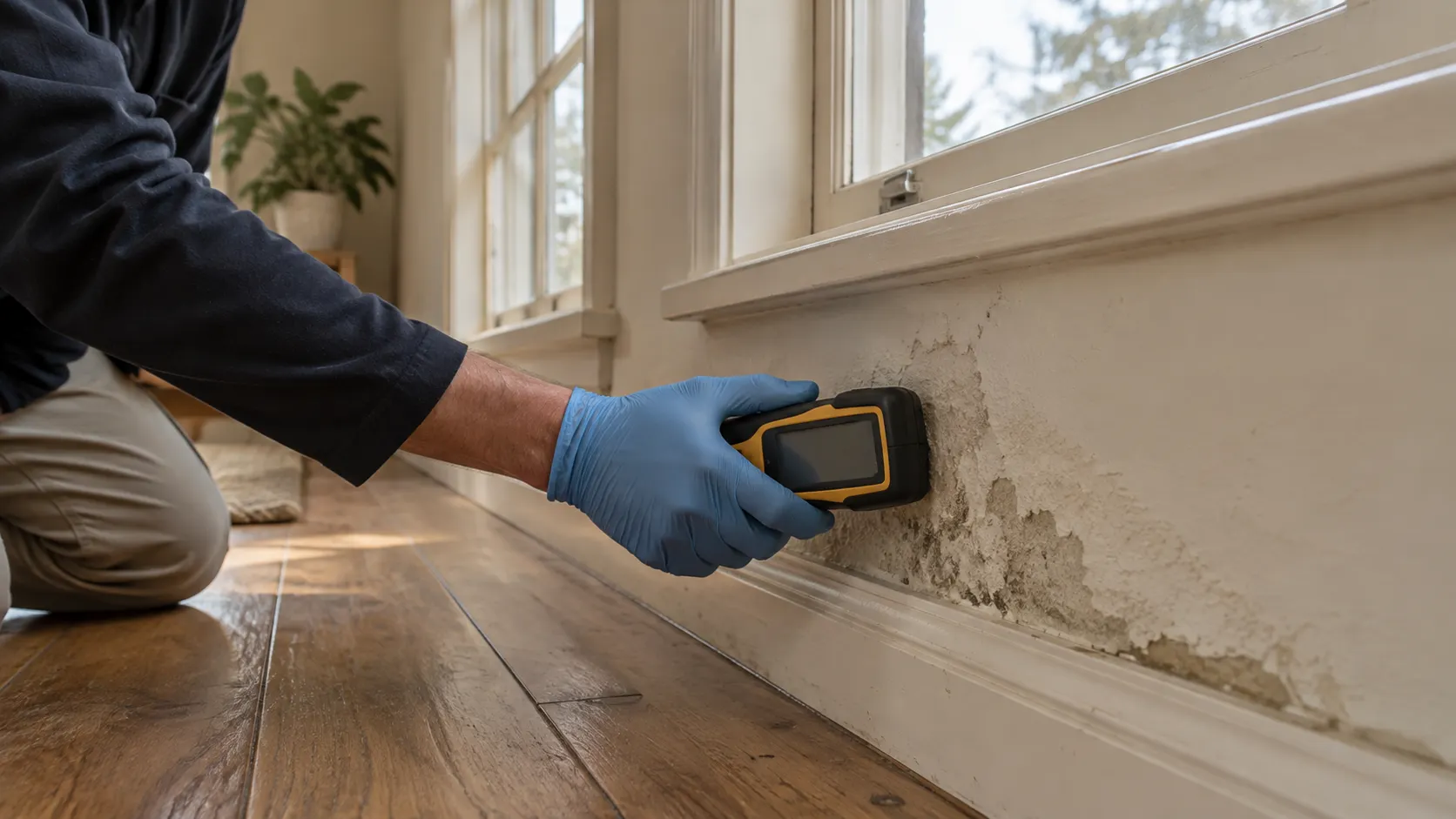
What happens after use
Observe the same surfaces when the shower finishes and later when the room should have cleared. Repeated droplets or slow drying are useful clues. A note about door position and extraction use adds context to the photographs.
A fan is part of a system
Sound or blade movement does not demonstrate effective discharge outdoors. Explain any known ducting or maintenance history without dismantling the unit. An ineffective or uncertain installation needs a suitable trade; surface work cannot renew the ventilation system.
A ceiling with another history
Record changes after rain or when the bathroom has not been used. Staining and weakened plaster may involve more than condensation. Accessible surface checks can contribute evidence, but cannot establish the condition of every concealed pipe or roof component.
OUR REMOVAL PROCESS
Understand the room.
Prepare the overhead work.
Describe an ordinary shower
Record how the room is used rather than changing every habit before observing it. Include extraction operation, lingering steam and whether surfaces dry before the next use.
Mention the room’s constraints
A compact ensuite may have little room for equipment. Show the full layout so access and protection can be discussed before an appointment is arranged.
Identify who checks extraction
If the fan seems ineffective, ask the relevant trade to assess its arrangement. Keep that decision distinct from removal of visible growth from accessible bathroom surfaces.
01
Map the visible growth
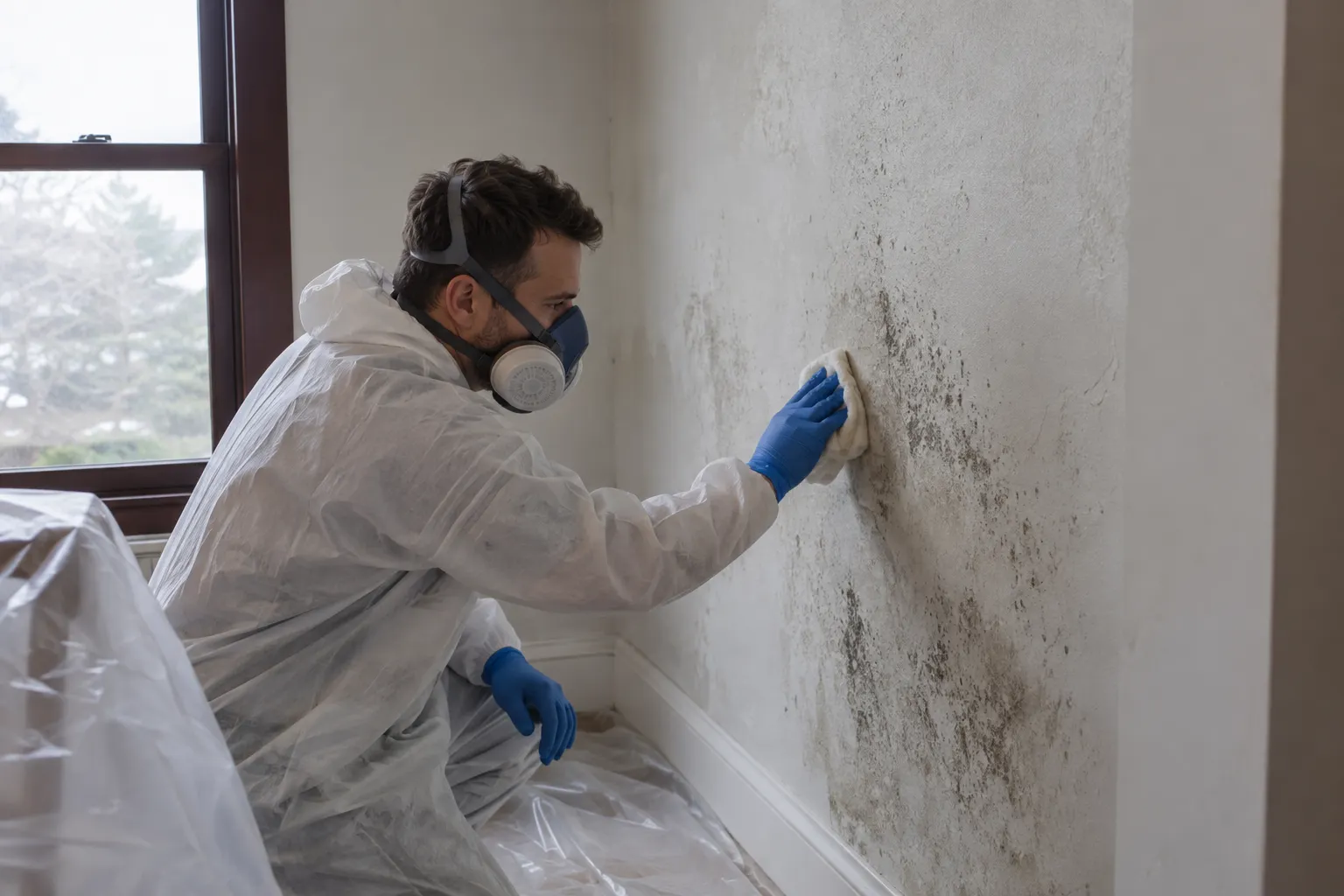
Describe the position, extent and ceiling finish. Discuss removal against the accessible area, identifying damaged sections or fittings that need care. A shower screen or high ceiling may change the practical access.

02
Set preparation responsibilities
Agree what should be cleared from the ensuite and how adjoining belongings will be protected. Explain restricted space, fragile fittings and access from the bedroom. Do not disturb the ceiling or fan merely to prepare photographs.
03
Review moisture follow-up
Discuss remaining staining and the ceiling material after the agreed work. Mould remediation connects removal with these wider decisions, while ventilation repairs and unresolved water entry need their own scope.
COMMON AREAS AFFECTED
From shower joints
to ceiling corners.
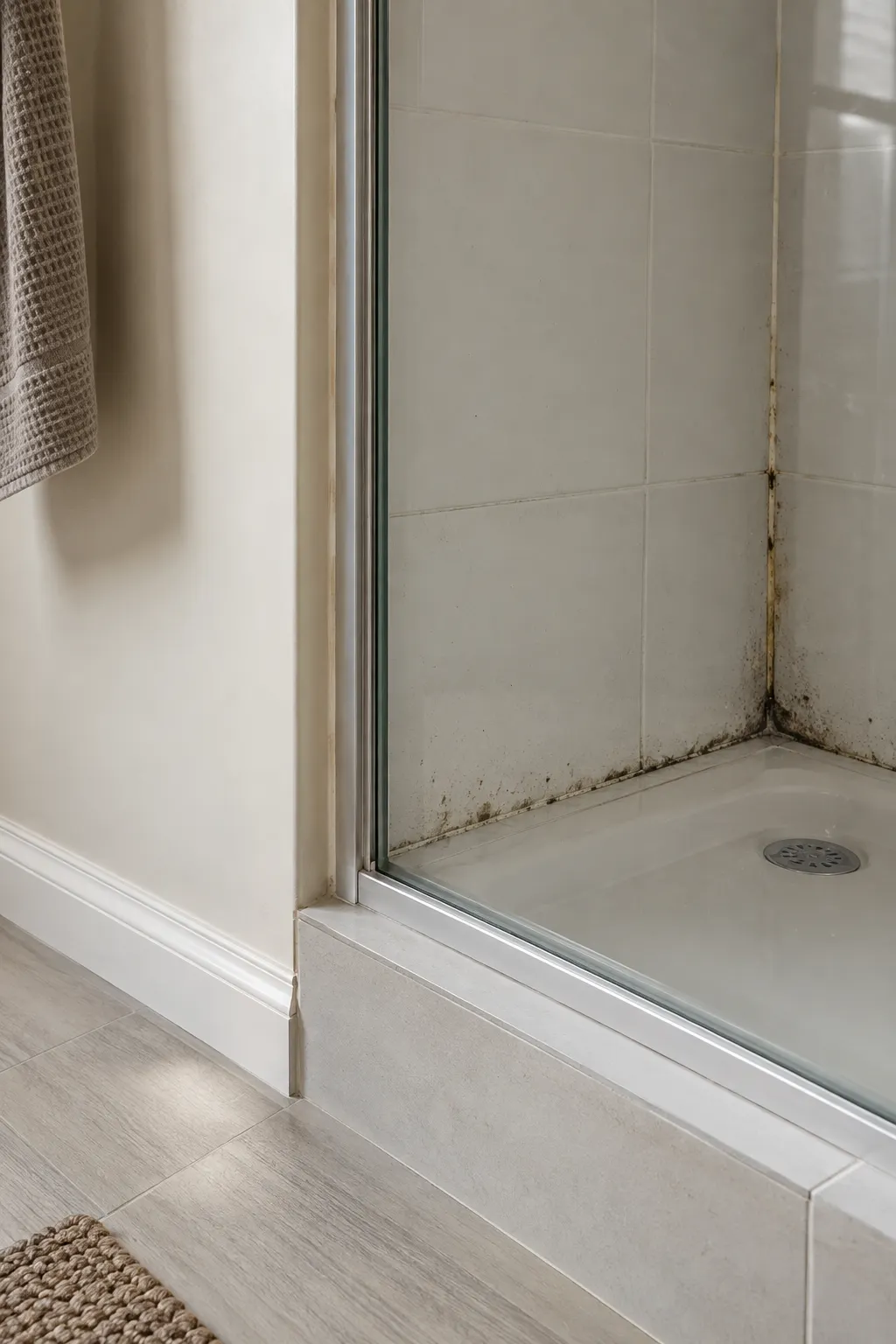
Silicone and grout
Joints may remain wet between showers even when the room’s general air has cleared.
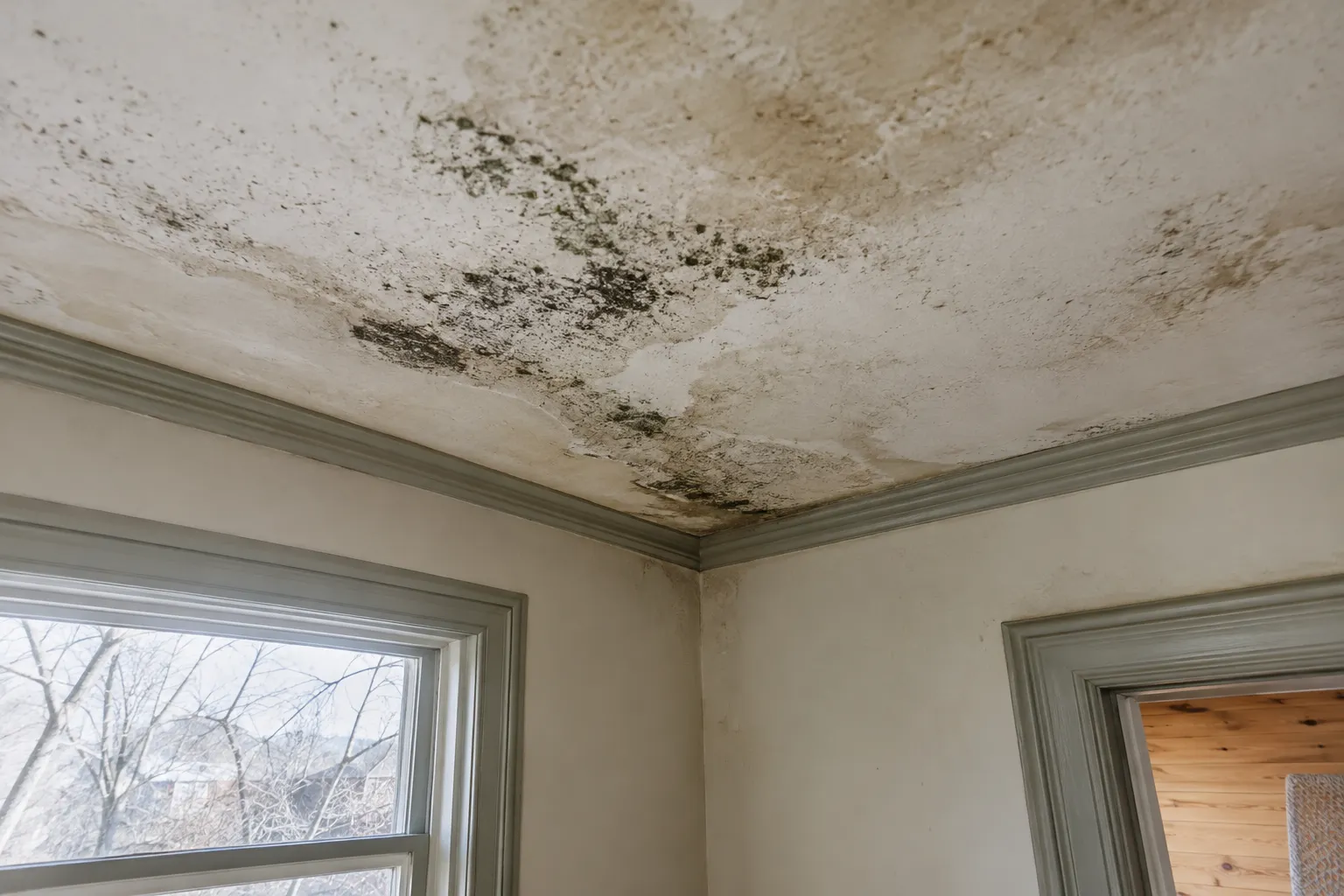
Overhead growth
Note the patch’s position and compare it with the areas where droplets collect.
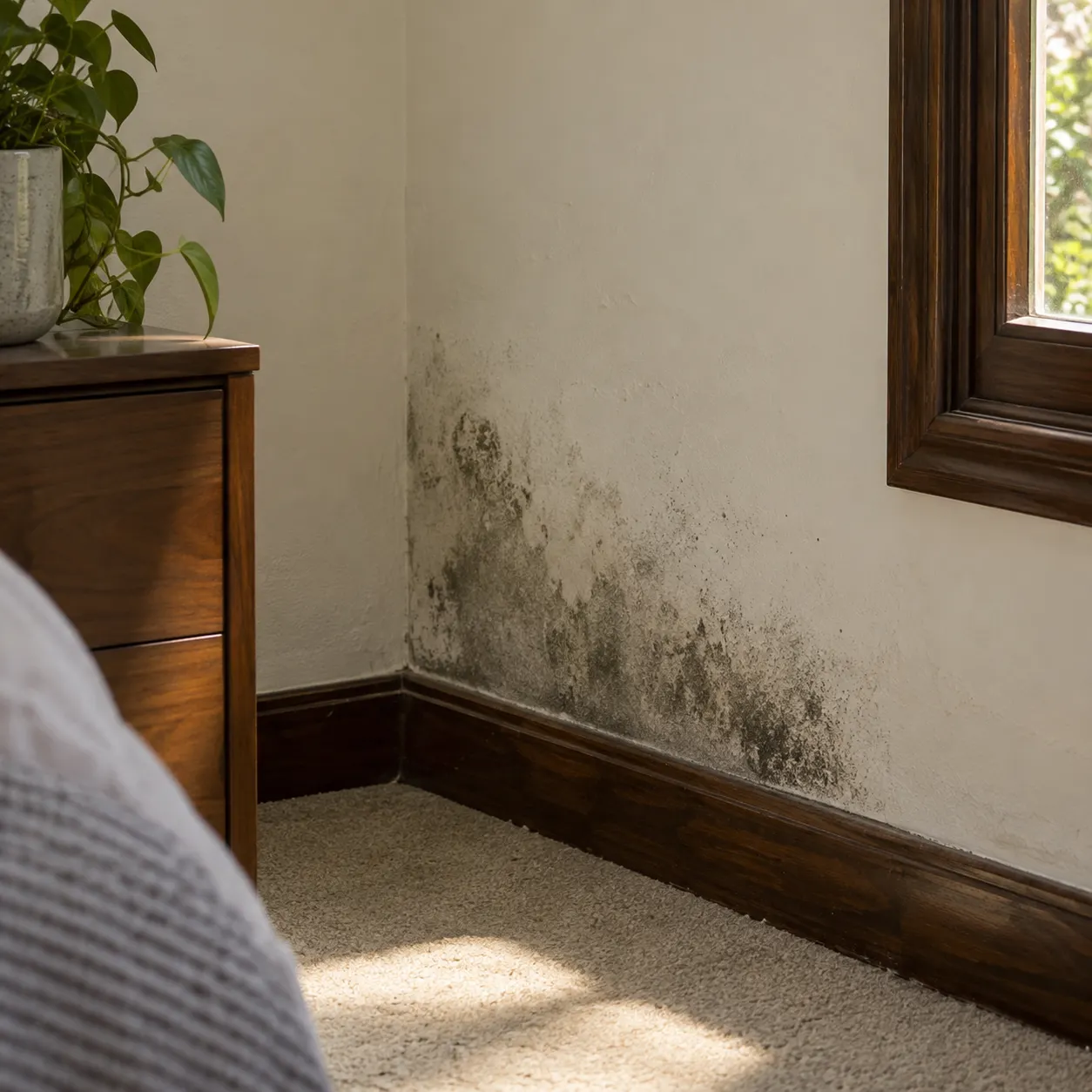
Painted corners
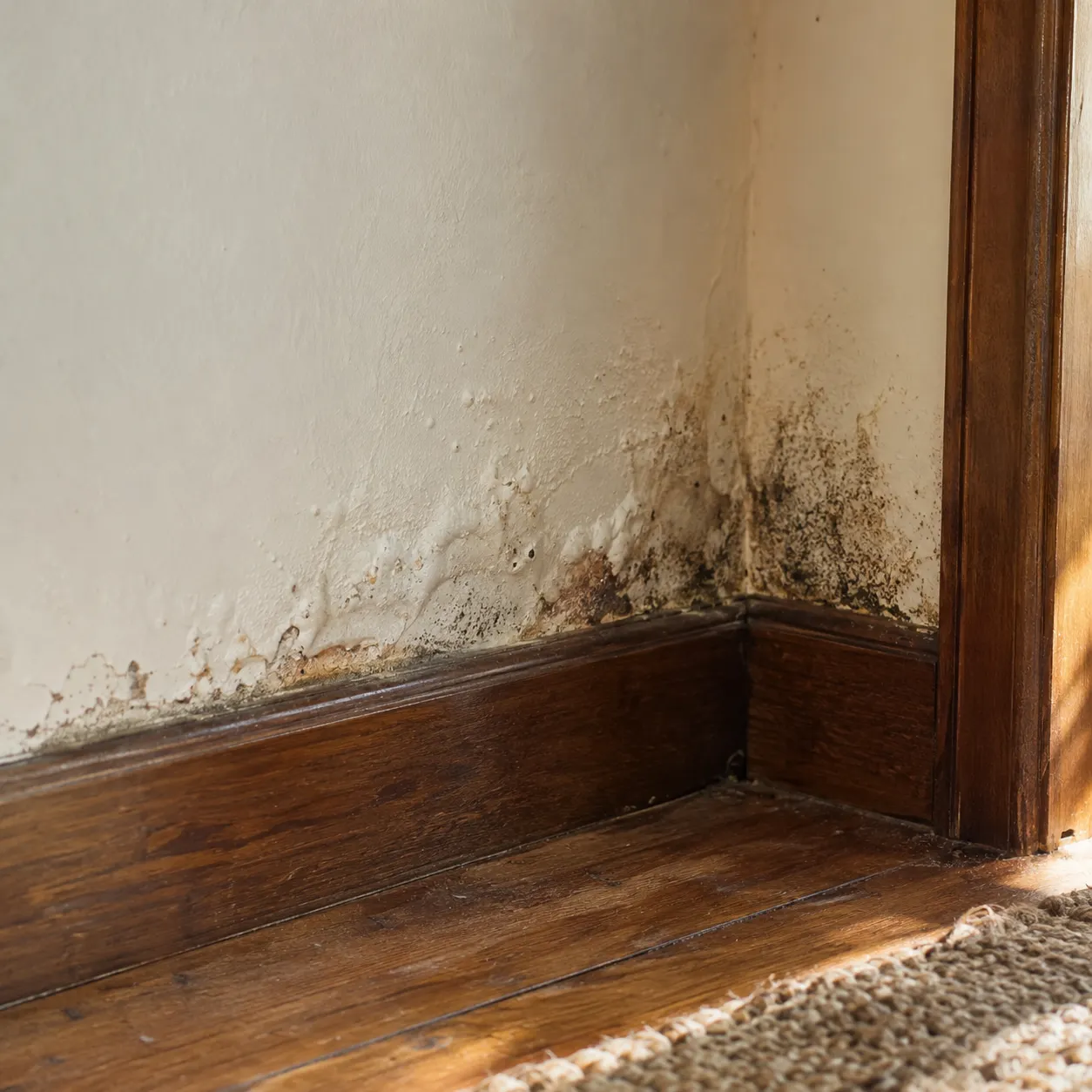
Describe whether growth extends beyond tiled surfaces onto adjacent paint or plaster.
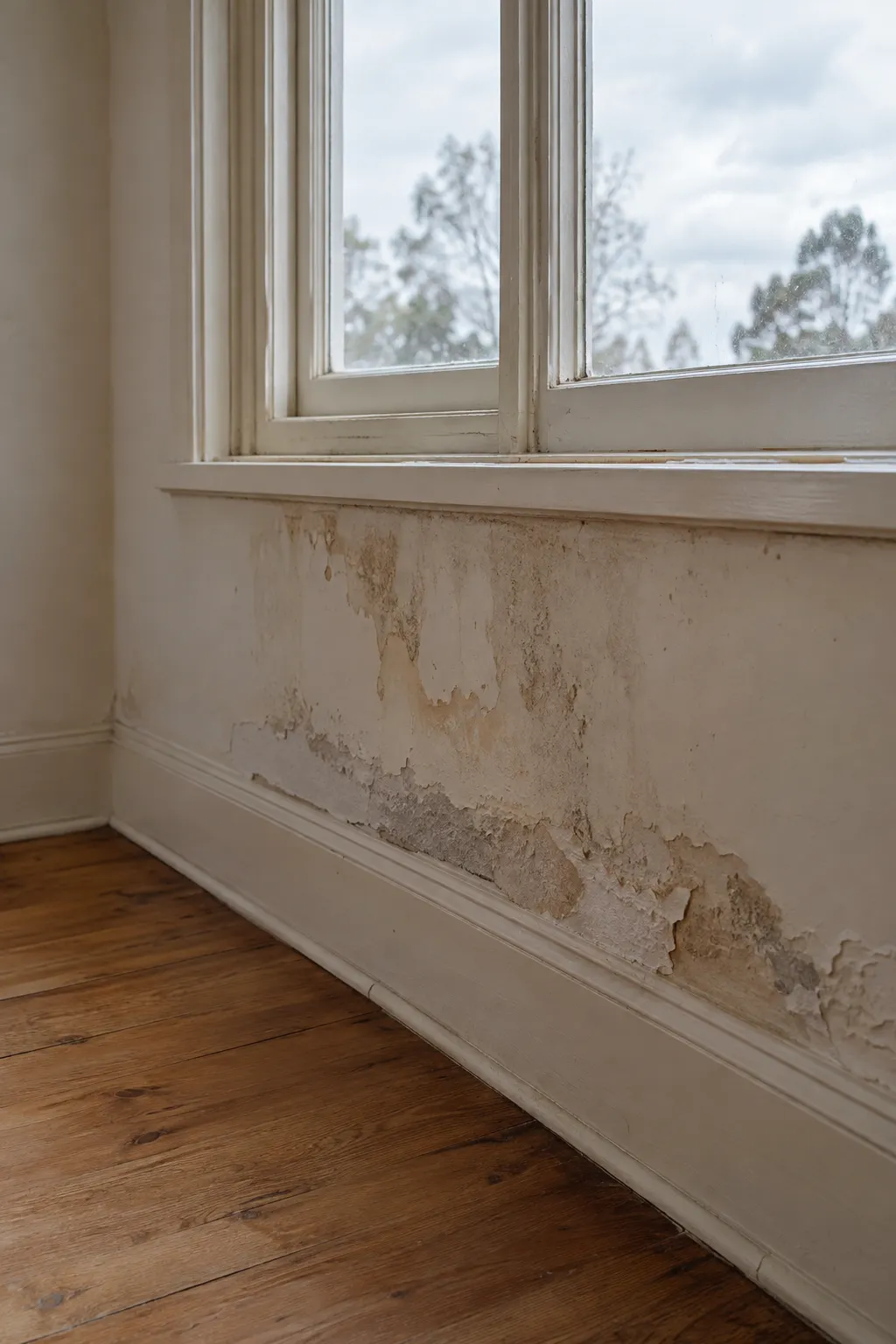
Deteriorated finishes
Damaged board or persistent wetness needs discussion before cosmetic repairs conceal it.
PREVENTION STARTS WITH
Let damp air out.
Watch the room recover.
Use extraction with a purpose
Operate suitable extraction during showers and allow time afterwards for moisture to clear. Check the effect on actual surfaces rather than relying on fan noise. Where it does not work effectively, arrange appropriate assessment instead of treating the ceiling as a cleaning issue alone.
Keep other sources in view
Dry excess water where practical and keep dated records if growth returns. A patch that changes after rain or while the ensuite is unused needs another source discussion. Surface treatment cannot promise permanent prevention while relevant dampness remains unresolved.
TEMPLESTOWE & NEARBY
Templestowe and
connected local questions.
The Doncaster guide and Bulleen guide consider other household moisture situations nearby. Confirm availability for your Templestowe street and explain the ensuite layout when calling.
BEFORE YOU CALL
Questions after
the shower.
Does a noisy fan show that extraction is effective?
No. Persistent steam and slow-drying surfaces may justify a check of discharge and installation by a suitable trade, even when the fan runs.
Should the door stay closed after showering?
The room needs a workable air path and suitable extraction. Discuss its arrangement with the relevant trade rather than assuming one door position suits every ensuite.
Can all ceiling spotting be attributed to steam?
No. Keep rain-related changes, plumbing history and damaged plaster in the discussion. Appearance alone does not settle the moisture source.
Is fan replacement included with removal?
Ventilation repair or replacement is separate work unless specifically agreed otherwise. Explain the concern so responsibilities and the removal scope are clear.
What should be cleared from a compact ensuite?
Discuss loose belongings, access and protection before the visit. Fixed screens, fittings or damaged ceiling material should not be moved or disturbed without suitable arrangements.
How can I record the drying pattern?
Note when the shower finishes, how long droplets remain and what extraction was used. Wider photos and dated ceiling views help explain recurring changes.
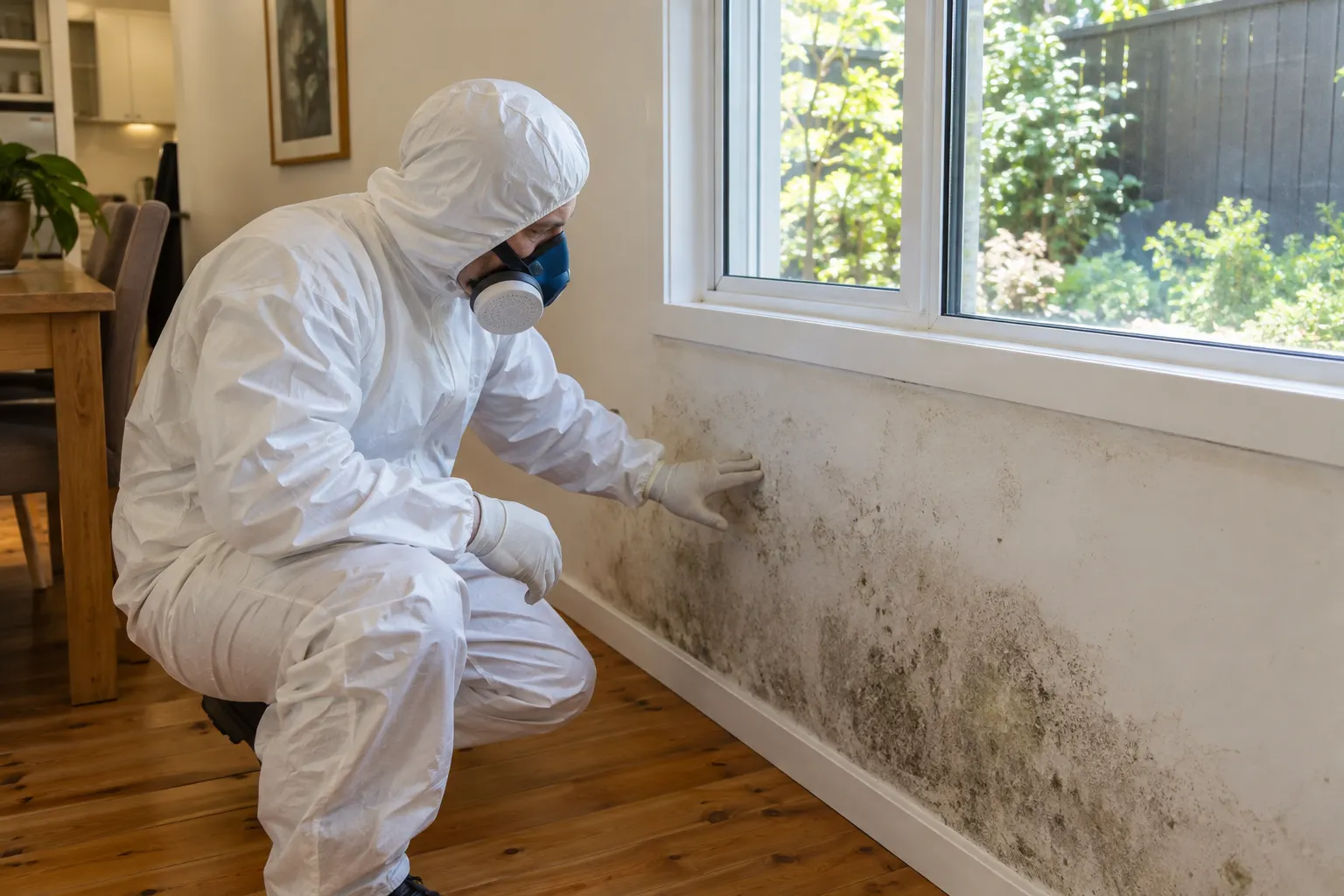
TELL US WHAT YOU CAN SEE
Describe the steam.
Show the ceiling.
Call 03 8652 1296 with your Templestowe address, drying observations and ensuite access details. Discuss the appropriate next step.
Local context: Manningham locality information