
HANGING · WALL · CONDITION
CANTERBURY · MELBOURNE
Mould Removal Canterbury
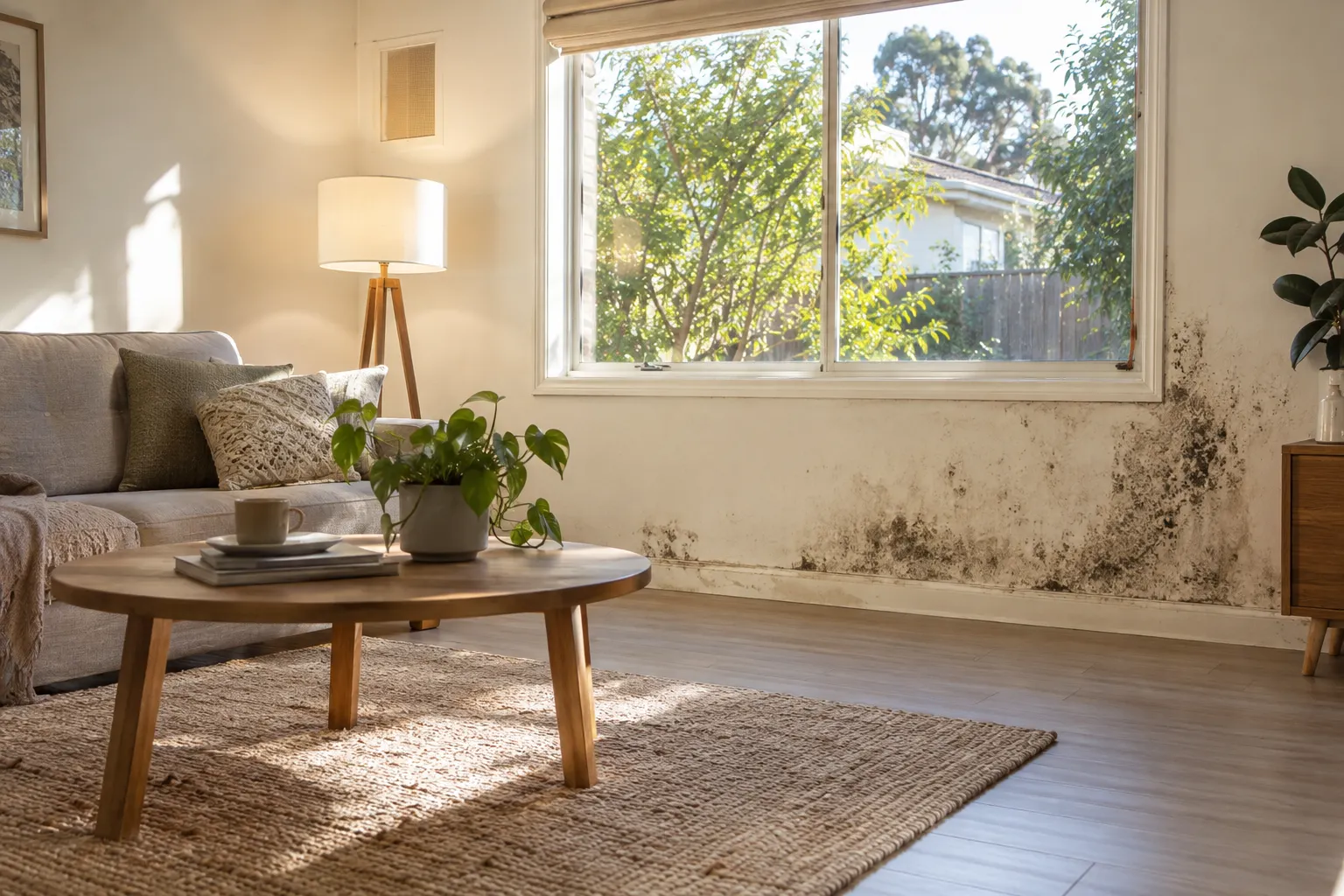
Taking down a picture can expose a patch that was hidden from ordinary room checks. For an affected Canterbury wall, describe the hanging, the building finish and nearby moisture clues. Artwork and the surface behind it need distinct decisions.
Delicate belongings identified
Covered wall condition considered
Surface scope distinguished
THE ROOM TELLS A STORY
Behind the picture.
Beyond its outline.
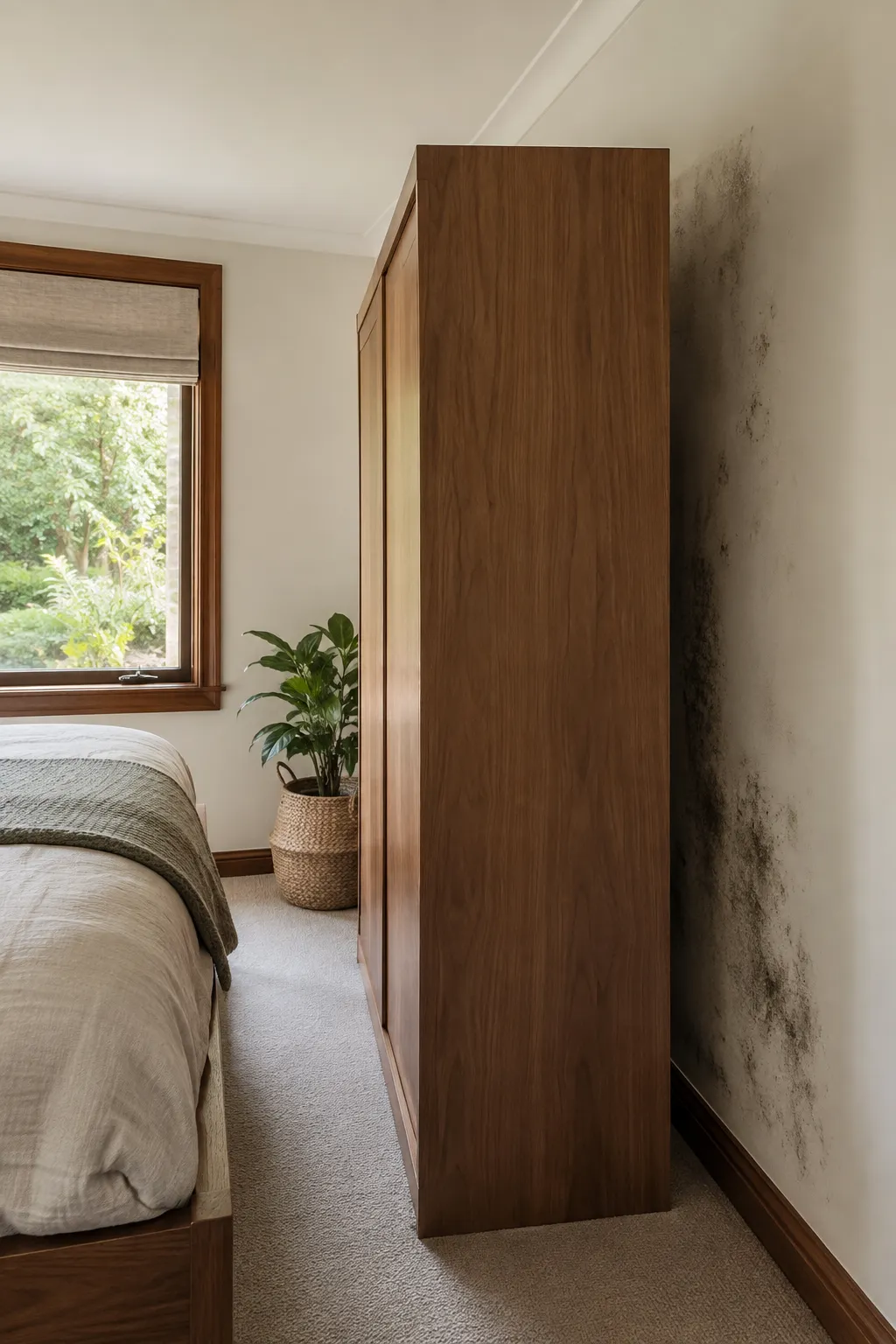
Canterbury is included in Boroondara’s locality listing. If growth is discovered behind a frame or wall hanging, record the discovery date and how long the item was in position. A shape resembling the covered area does not establish when growth began or exclude a source elsewhere in the building. Describe the exposed finish without making those assumptions.
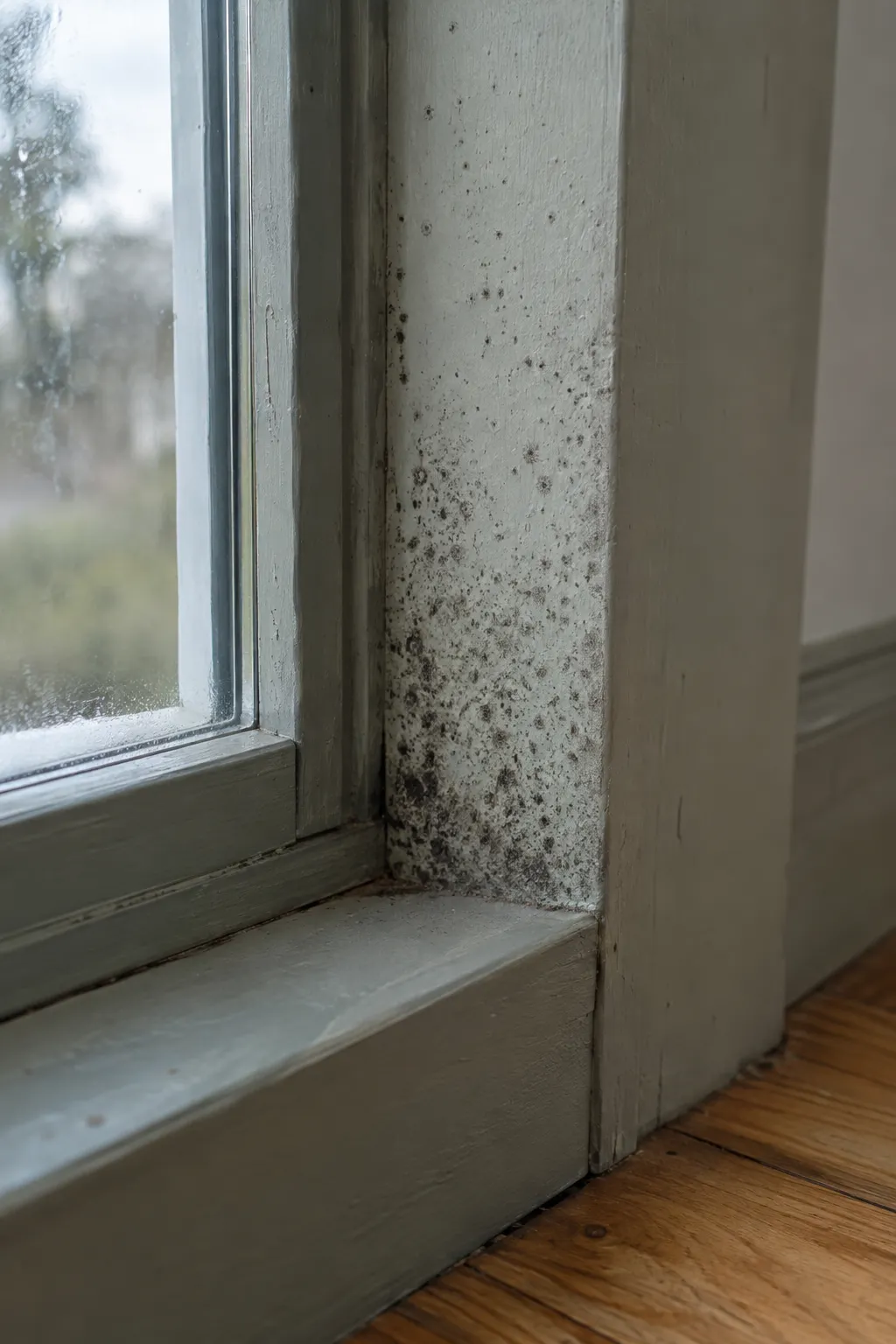
Show the wall in relation to a window, ceiling junction or nearby plumbing if relevant. Include a photograph of the arrangement before further movement. Inspection can consider the accessible building surface, while delicate artwork, framing or fabrics need separate advice rather than automatic inclusion in surface work.
UNDERSTANDING MOISTURE
Read the covered finish.
Keep the belongings separate.
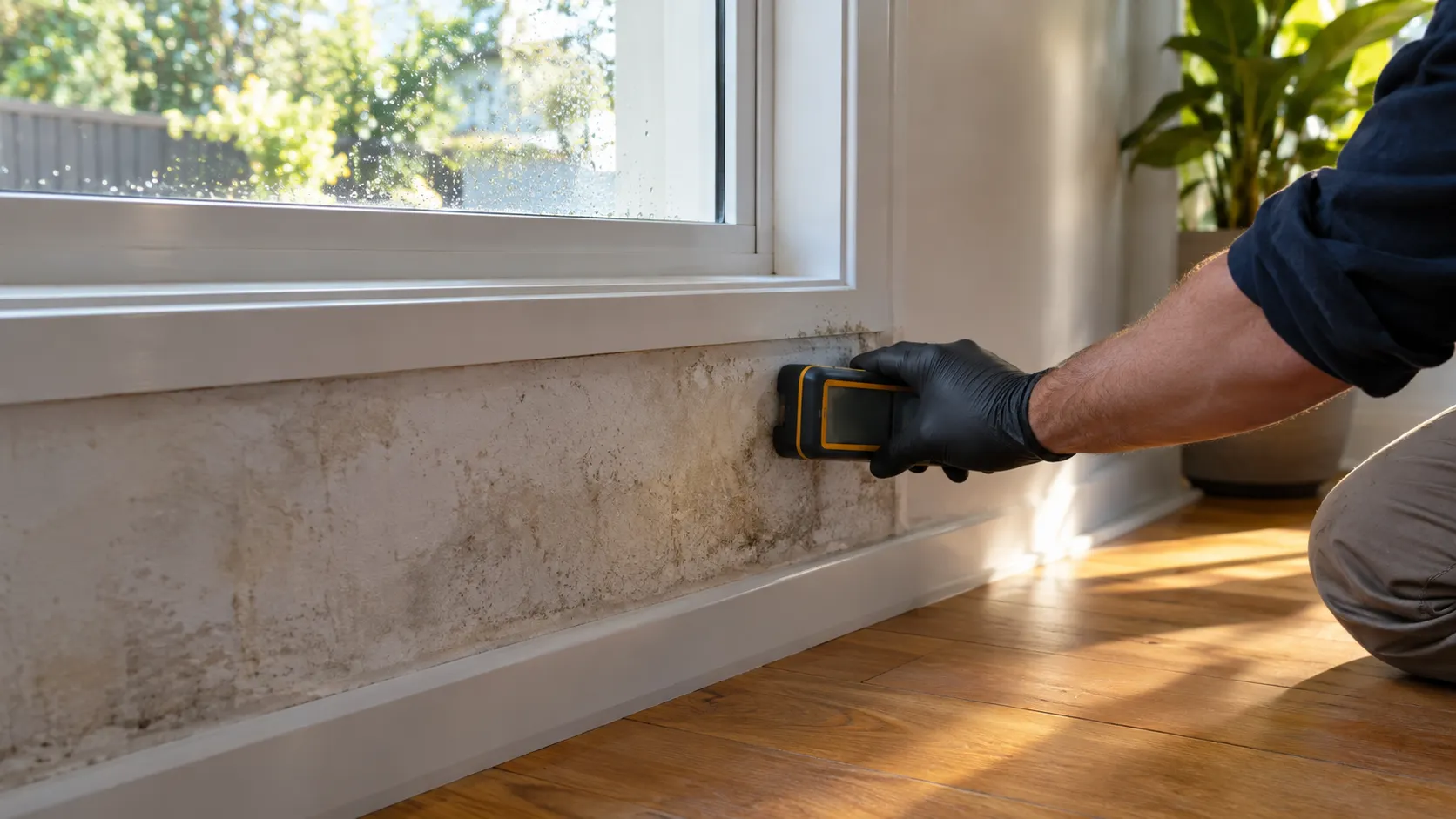
An obscured wall area
A hanging can hide early visible changes and restrict access to the finish. Compare the uncovered patch with adjoining exposed paint. Its outline is useful to record, but the effect of covering should be considered alongside actual moisture observations.
Window or ceiling connections
Record nearby condensation, staining and changes after rain. Keep those events distinct from the day a frame was removed. An opening or roofing repair may require a suitable trade; removing visible growth cannot establish that source work has been completed.
The wall and the object
Painted plaster, paper, fabric and frame backing are different materials. Identify visible damage separately. Accessible moisture assessment contributes to the building enquiry, but cannot certify the condition or appropriate restoration method for a delicate belonging.
OUR REMOVAL PROCESS
Protect the hanging.
Assess the wall.
Keep the first exposed view
Photograph the patch before repainting or changing the arrangement further. Include a wider image with recognisable wall features so future observations can be compared with the same position.
Mention specialist belongings
Raise delicate paper, fabric or framed pieces early. Their handling or restoration may need appropriate separate advice rather than assumptions about an ordinary household surface method.
Ask about returning the item
Discuss remaining dampness and the condition of affected belongings before rehanging. Keep the wall accessible for later checks where practical, especially if the moisture source has not yet been resolved.
01
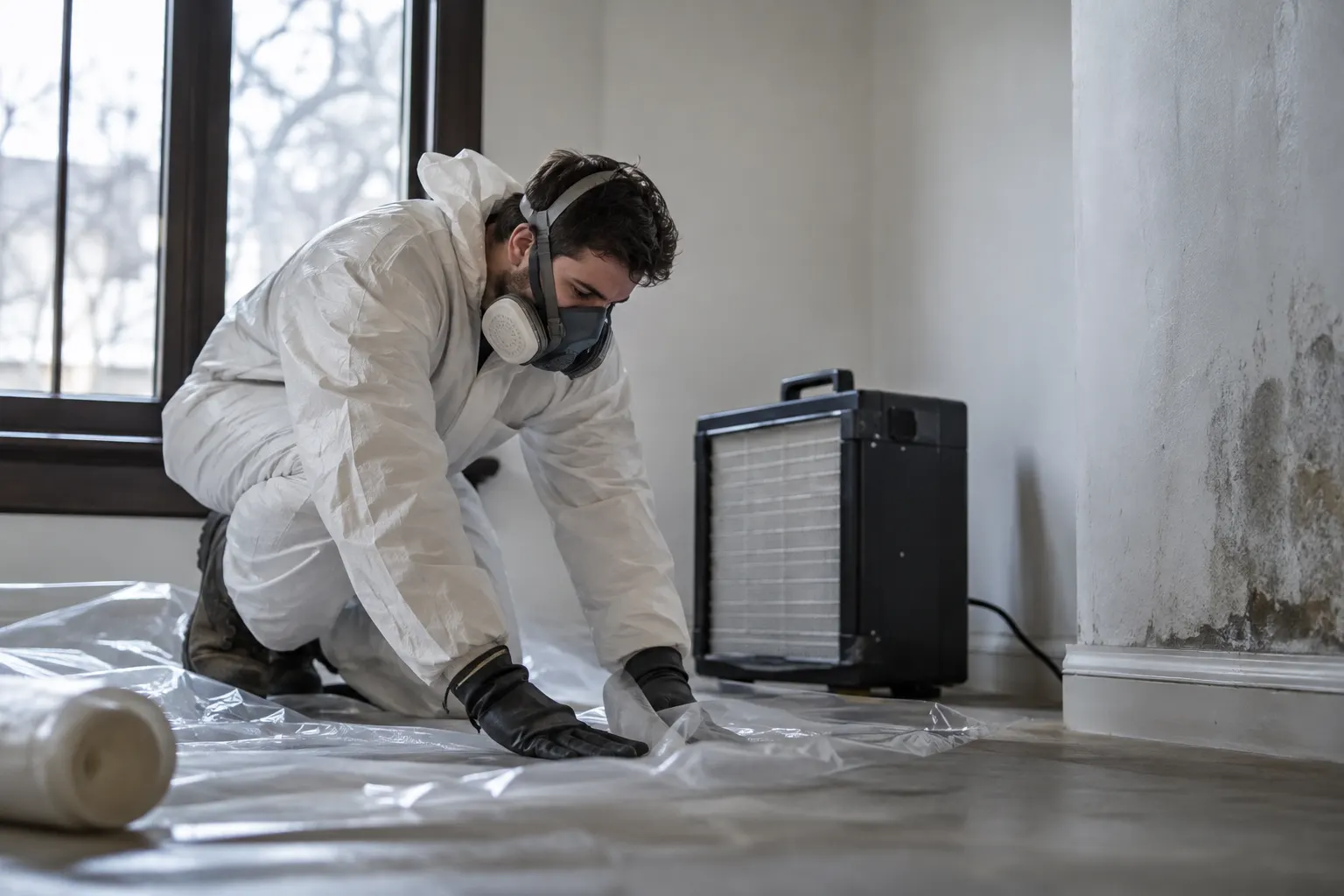
Describe the exposed surface
Give the visible extent and finish through mould removal. Mention fragile paint, staining and anything still concealed. The agreed scope should distinguish the building surface from a frame, artwork or wall hanging.
02
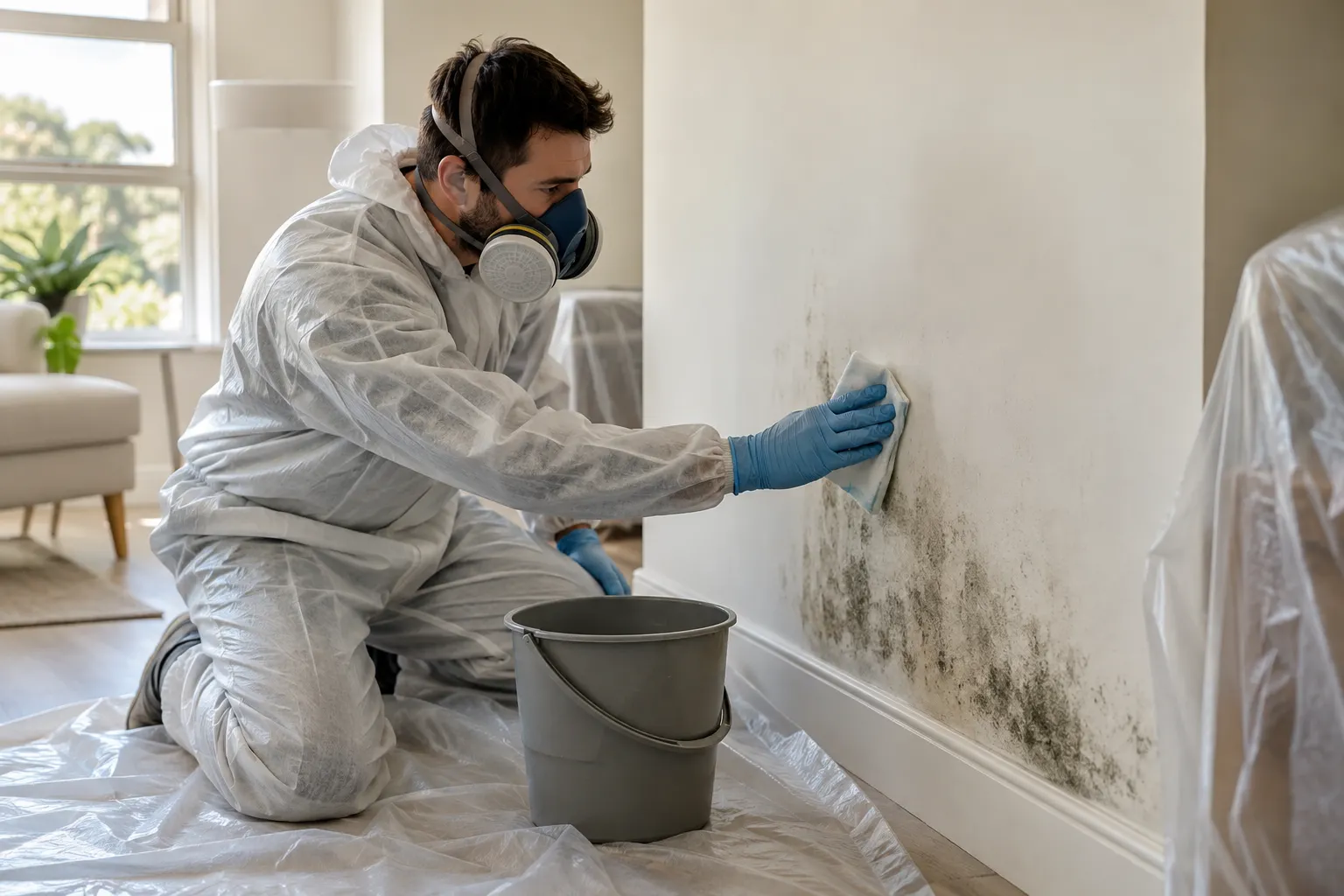
Arrange careful access
Explain the size, weight and mounting of the item. Do not move valuable or fragile belongings without suitable handling. Agree what can be cleared and how surrounding possessions will be protected before an appointment is arranged.
03
Review the remaining decisions
Discuss accessible treated paint or plaster, residual marks and unresolved dampness. Remediation connects moisture and material concerns with removal. A cleaner wall does not establish that the hanging or frame backing is suitable to return.
COMMON AREAS AFFECTED
Covered paint.
Adjoining household clues.
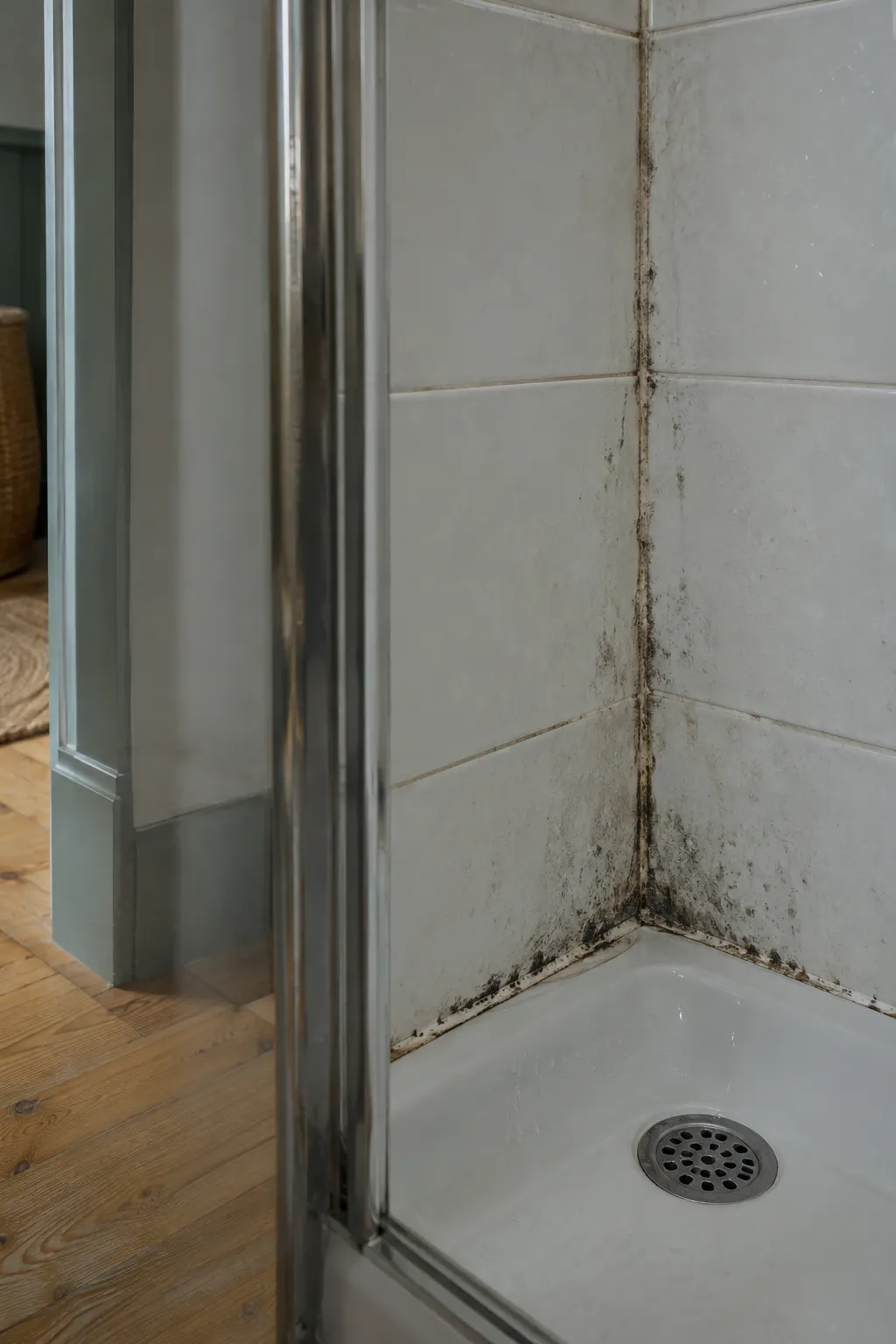
Other covered surfaces
A wet-room hanging may have different moisture exposure from artwork in a living room.
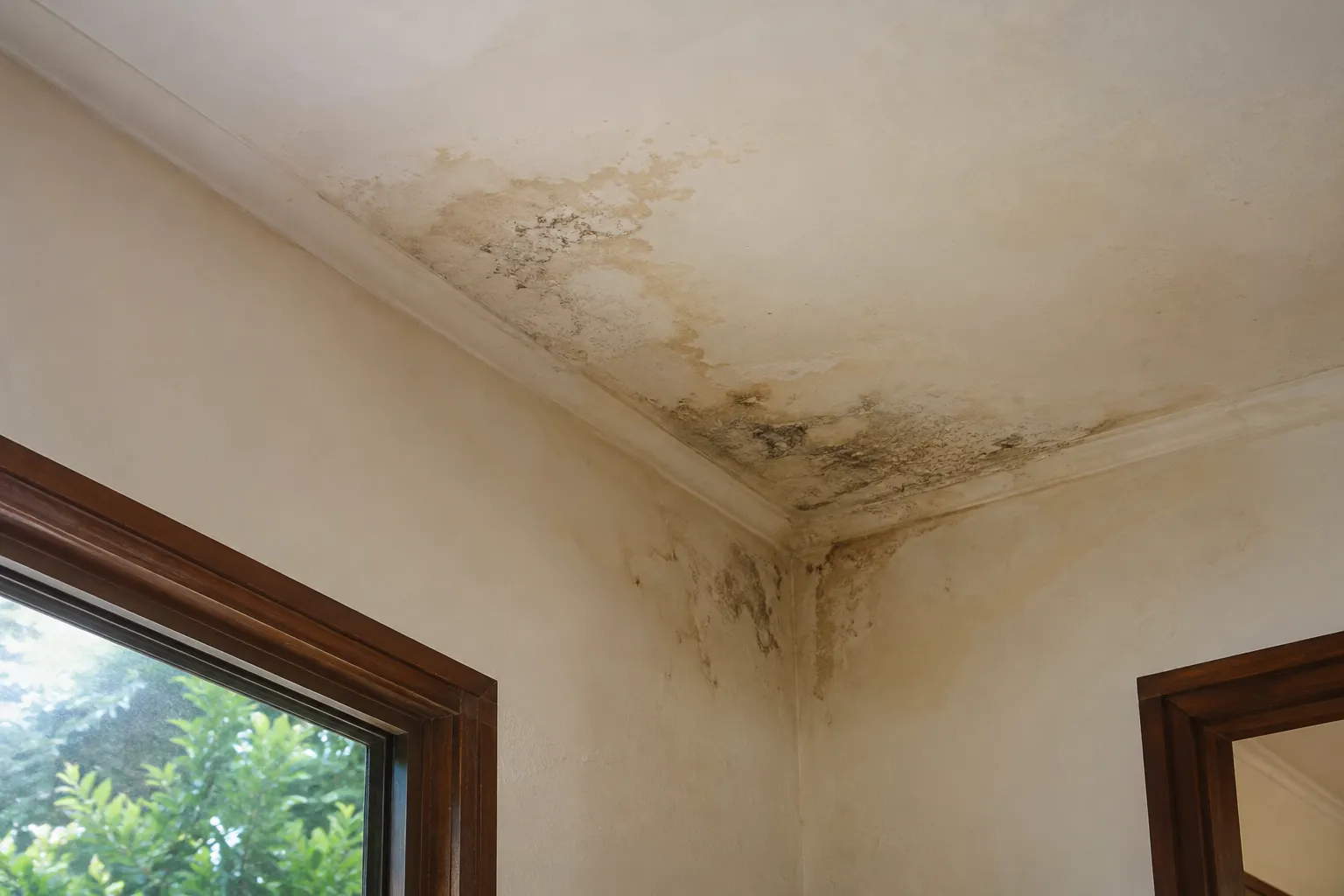
Above the picture
Retain any stain or water history at the junction over the affected wall.
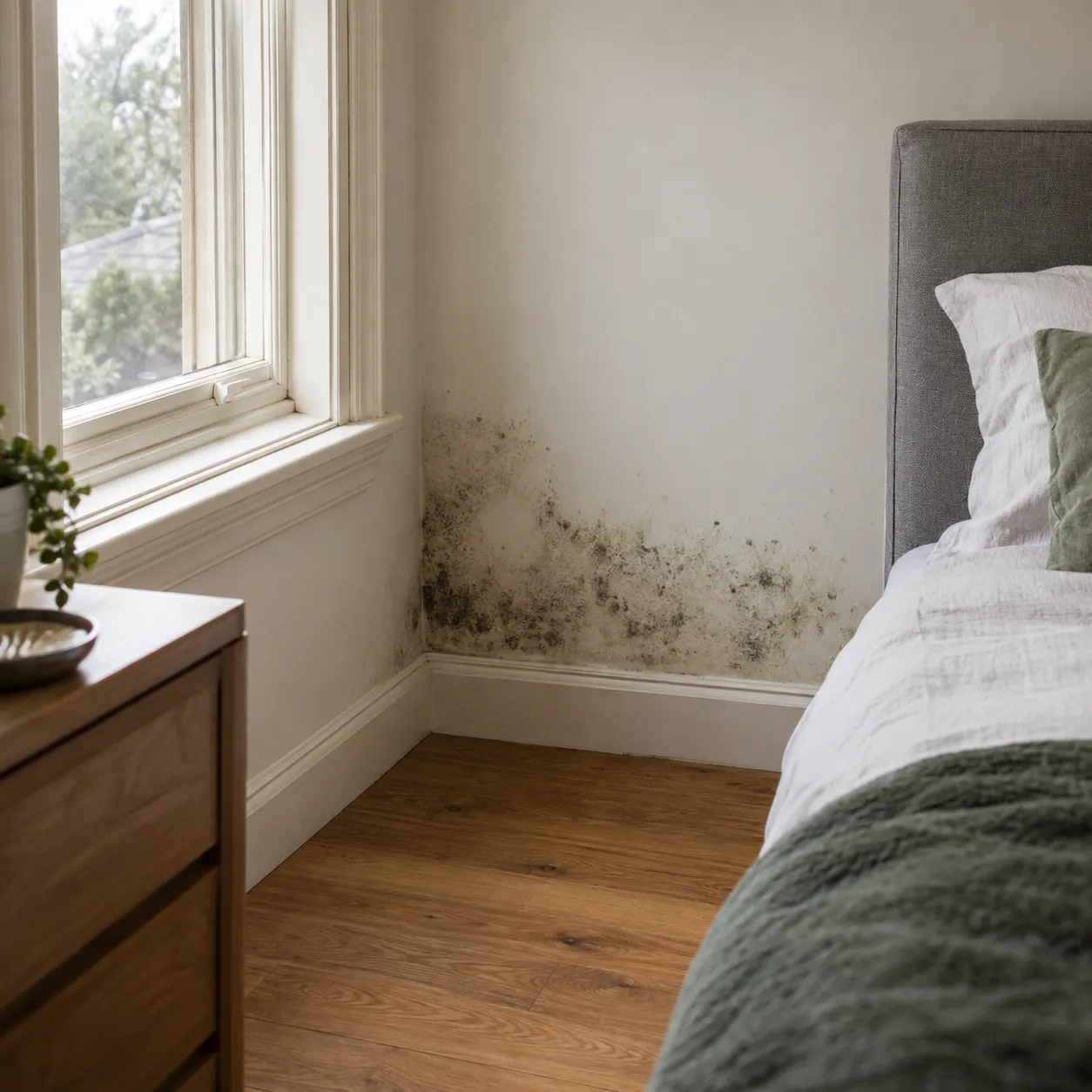
The exposed patch
Describe its edge and finish without scraping it to reveal more detail.
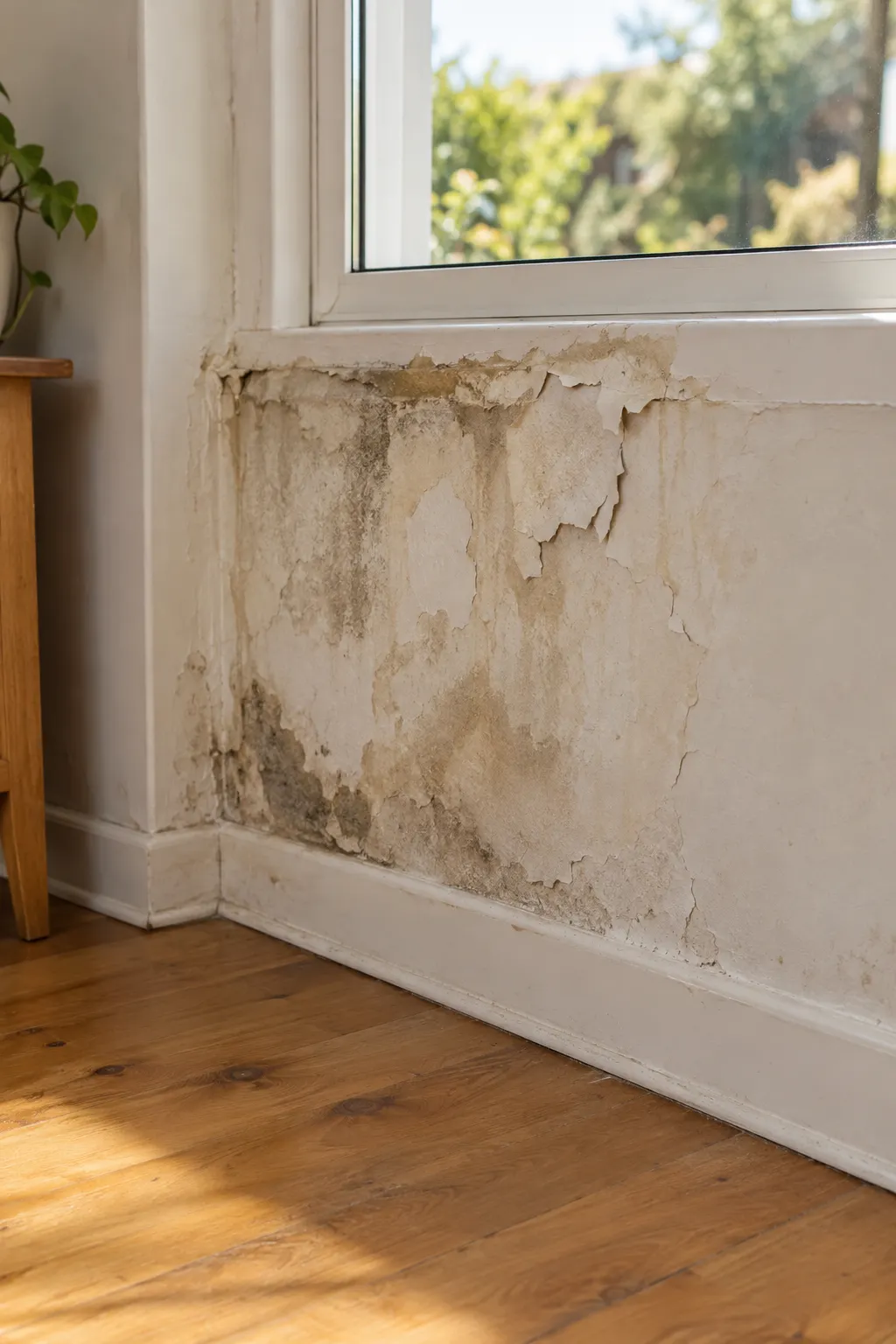
Material deterioration
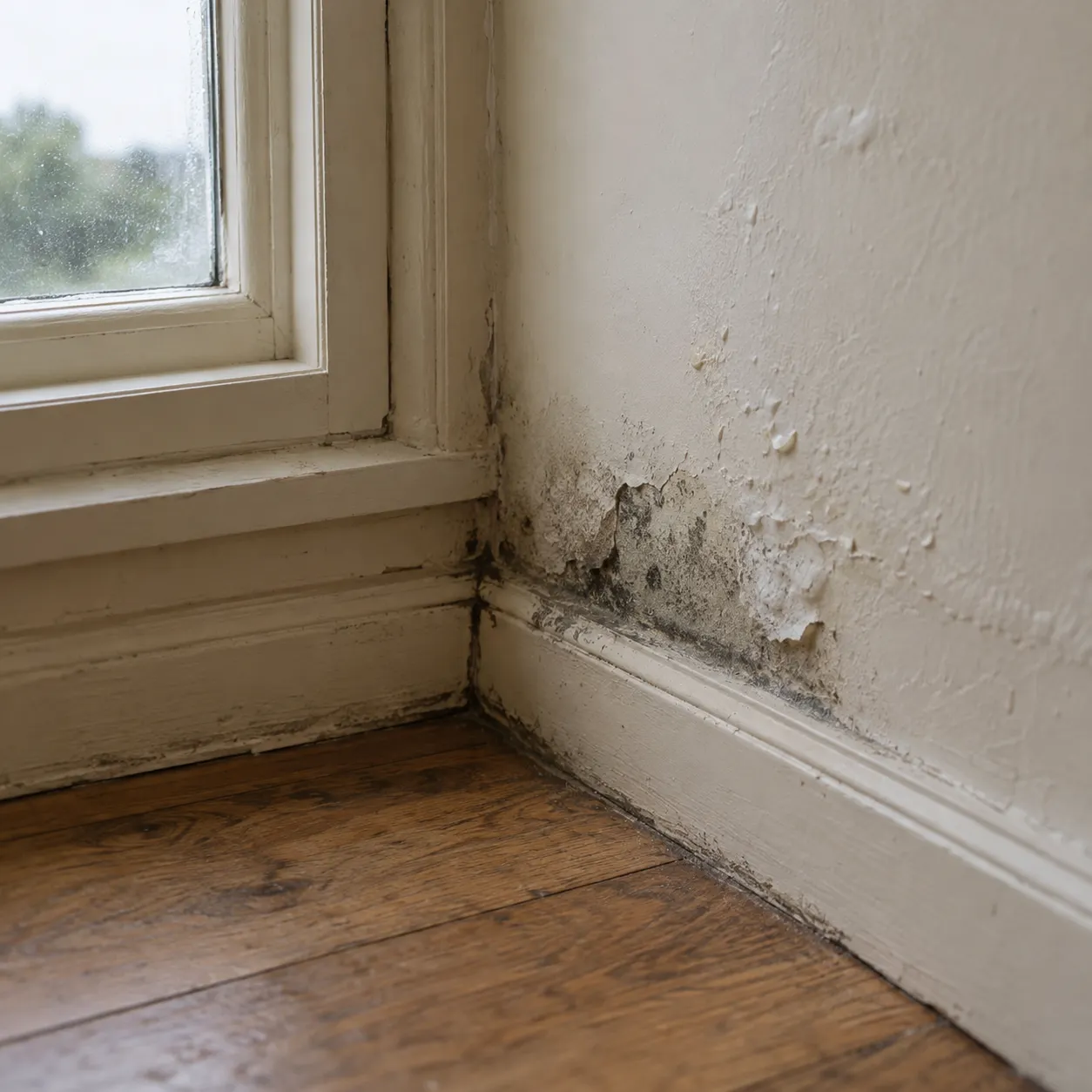
Lifting paint or soft plaster may require repair after the source is investigated.
PREVENTION STARTS WITH
Keep a view.
Respect the material.
Check before rehanging
Make sure unresolved dampness and affected material have been discussed. A wall decoration can hide a returning mark, so retain a dated reference photograph and practical access where possible. A new arrangement may help observation, but cannot repair water entering the building.
Follow recurring changes
If growth returns at the same position, compare room moisture and repair history before assuming the frame is the only explanation. Avoid repeated painting or changing artwork as a substitute for source investigation. Keep contents concerns distinct from the building surface throughout that follow-up.
CANTERBURY & NEARBY
Canterbury and
connected local room guides.
Explore the Camberwell guide and Balwyn guide for nearby household questions. Provide your Canterbury street, hanging arrangement and finish details when confirming availability and access.
BEFORE YOU CALL
Questions after
a picture comes down.
Does the picture-shaped patch prove the hanging caused it?
No. The outline is relevant to access and drying, but actual moisture history and building condition still need consideration.
Can artwork be included with wall treatment?
No. Artwork and textile furnishings are outside the structural-surface service. Delicate paper, fabric, backing and framing need separate handling or restoration advice from the accessible building surface scope.
Should a heavy frame be moved for photographs?
Do not take unnecessary handling risks. Describe the arrangement and visible edges, then agree suitable access before moving a large or fragile item.
Can the item be rehung straight after removal?
Discuss the wall’s condition, unresolved moisture and the item itself first. A treated finish does not certify affected belongings or guarantee prevention.
What if paint is lifting inside the covered area?
Report the deterioration without scraping it. The underlying material and moisture source may require assessment or repair beyond removing visible growth.
Which reference image is useful for later checks?
Use a dated wall view with recognisable corners or fittings as well as the close patch image. It helps compare the same position after changes.
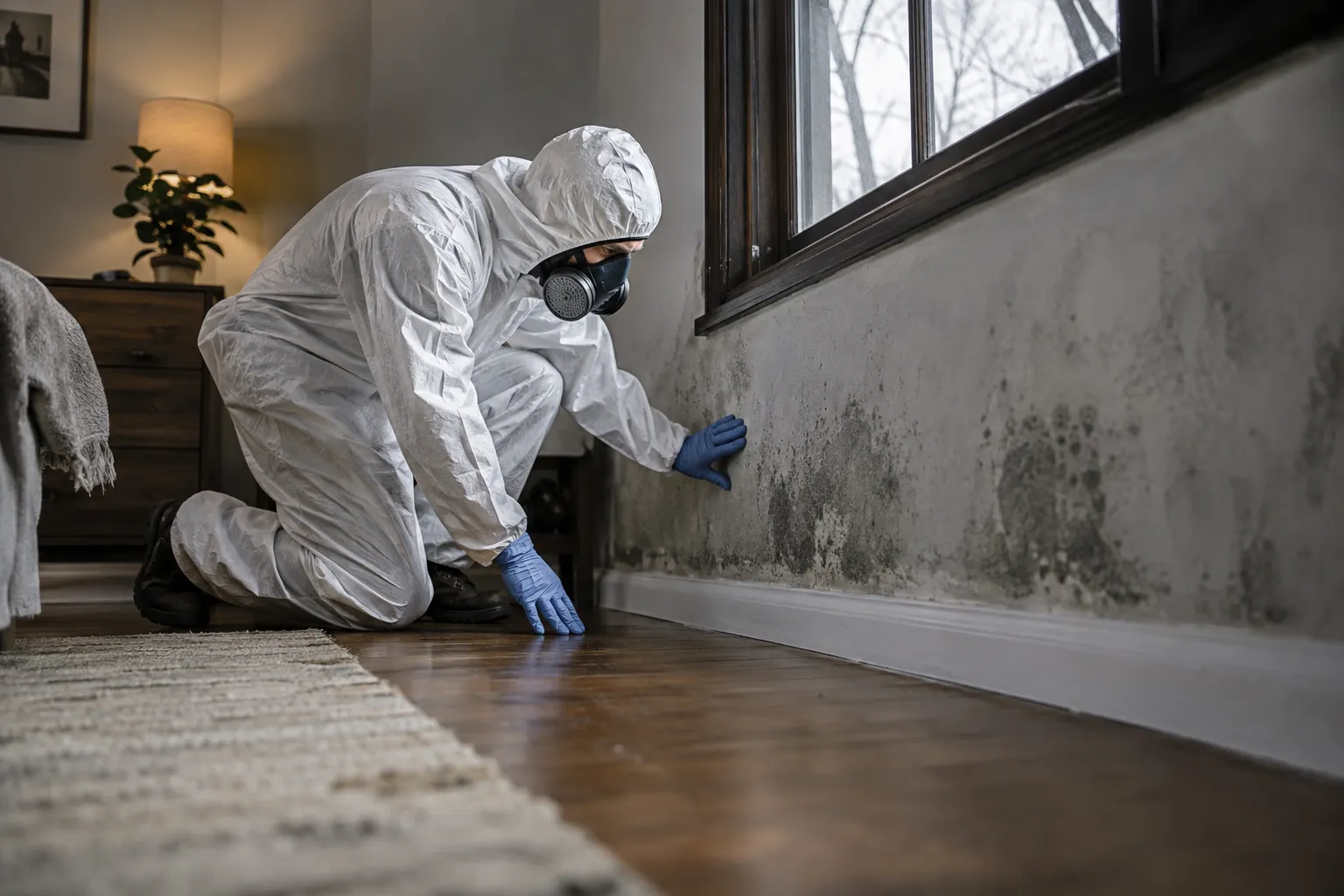
TELL US WHAT YOU CAN SEE
Show the wall.
Explain the hanging.
Call 03 8652 1296 with your Canterbury address, exposed-surface photographs and access concerns. Discuss an appropriate building-surface assessment and next step.
Local context: Boroondara locality information