
ALCOVE · FINISH · CONDITION
CAMBERWELL · MELBOURNE
Mould Removal Camberwell
A mark around a fireplace or alcove needs a clear description of the surrounding finish. If this is the affected area in your Camberwell home, record its position and water history without treating a nearby architectural feature as proof of the source.
Recess access considered
Surrounding materials identified
Source investigation kept separate
THE ROOM TELLS A STORY
Around the feature.
Beyond the assumption.
Camberwell appears in Boroondara’s locality information. This guide considers a fireplace-wall or alcove enquiry as a household possibility, without claiming a particular building age or construction across the suburb. Painted plaster, decorative trim and masonry can meet in a small area; identify the finish actually showing growth.
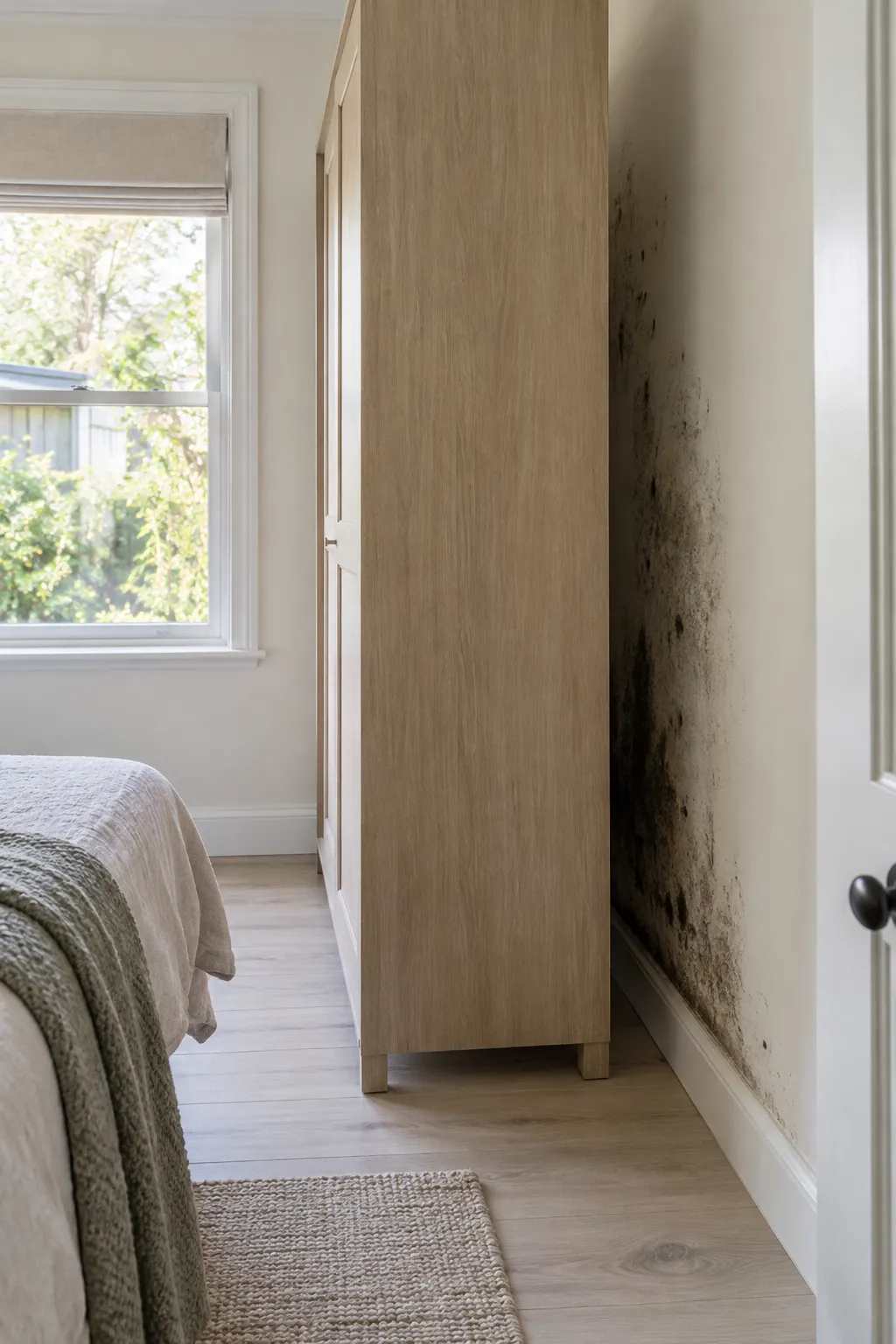
Record whether the mark sits above, beside or inside a recess and whether it changes after rain. Keep earlier repair details where relevant. Inspection can consider accessible evidence, while a concealed flue, roof or building component needs suitable separate investigation rather than a conclusion drawn from the wall’s appearance.
UNDERSTANDING MOISTURE
Locate the change.
Question the source.
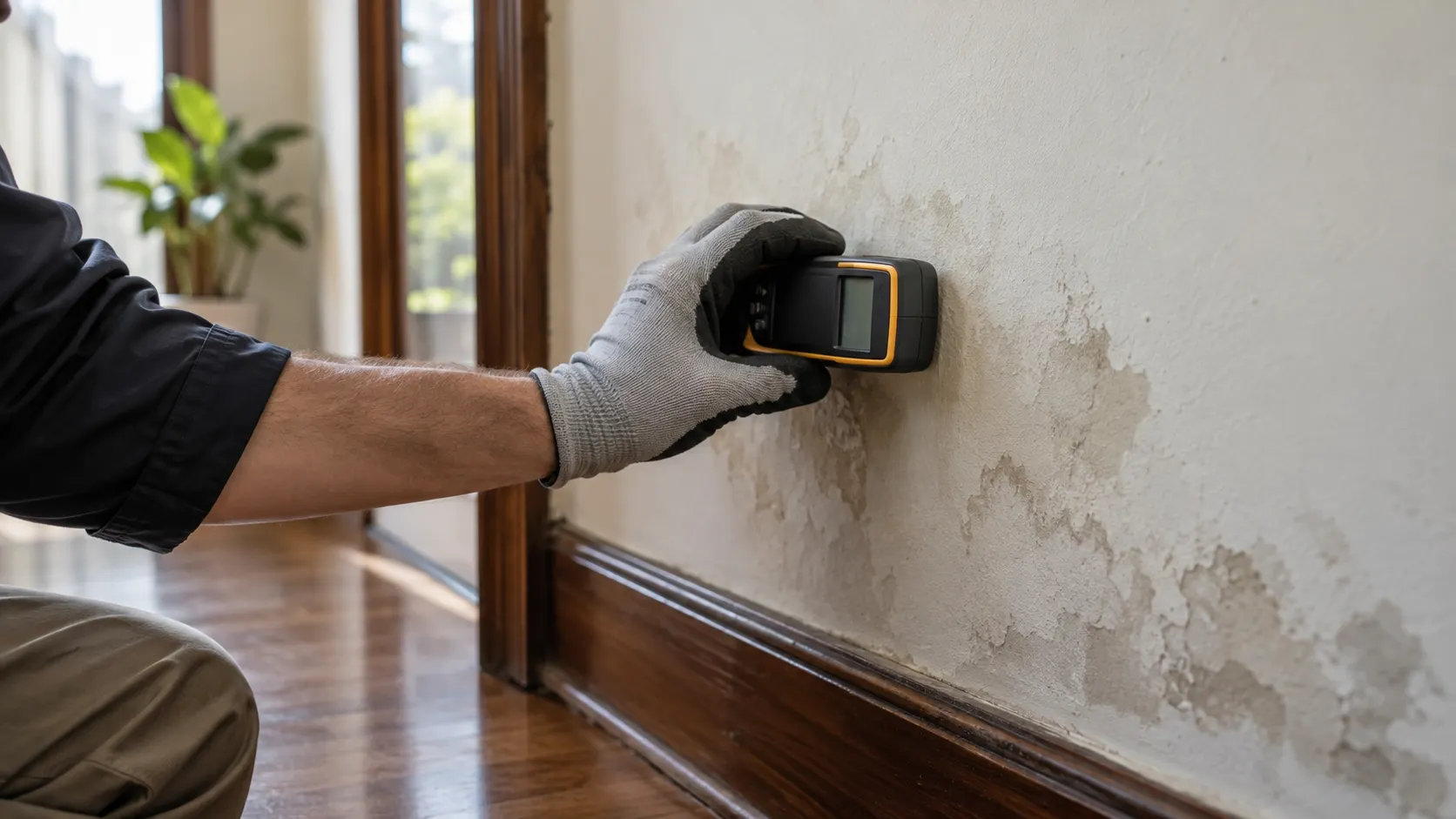
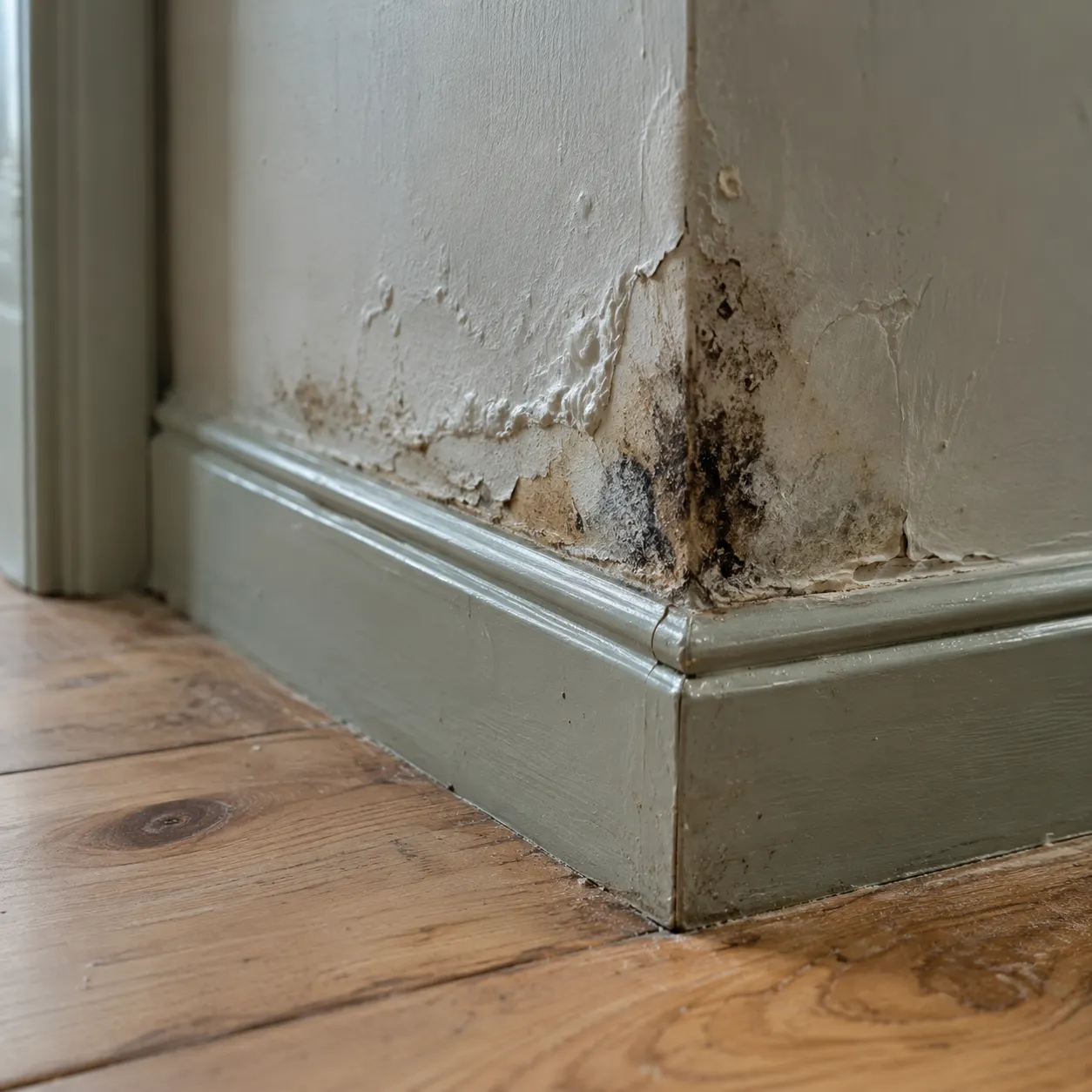
A mark at a junction
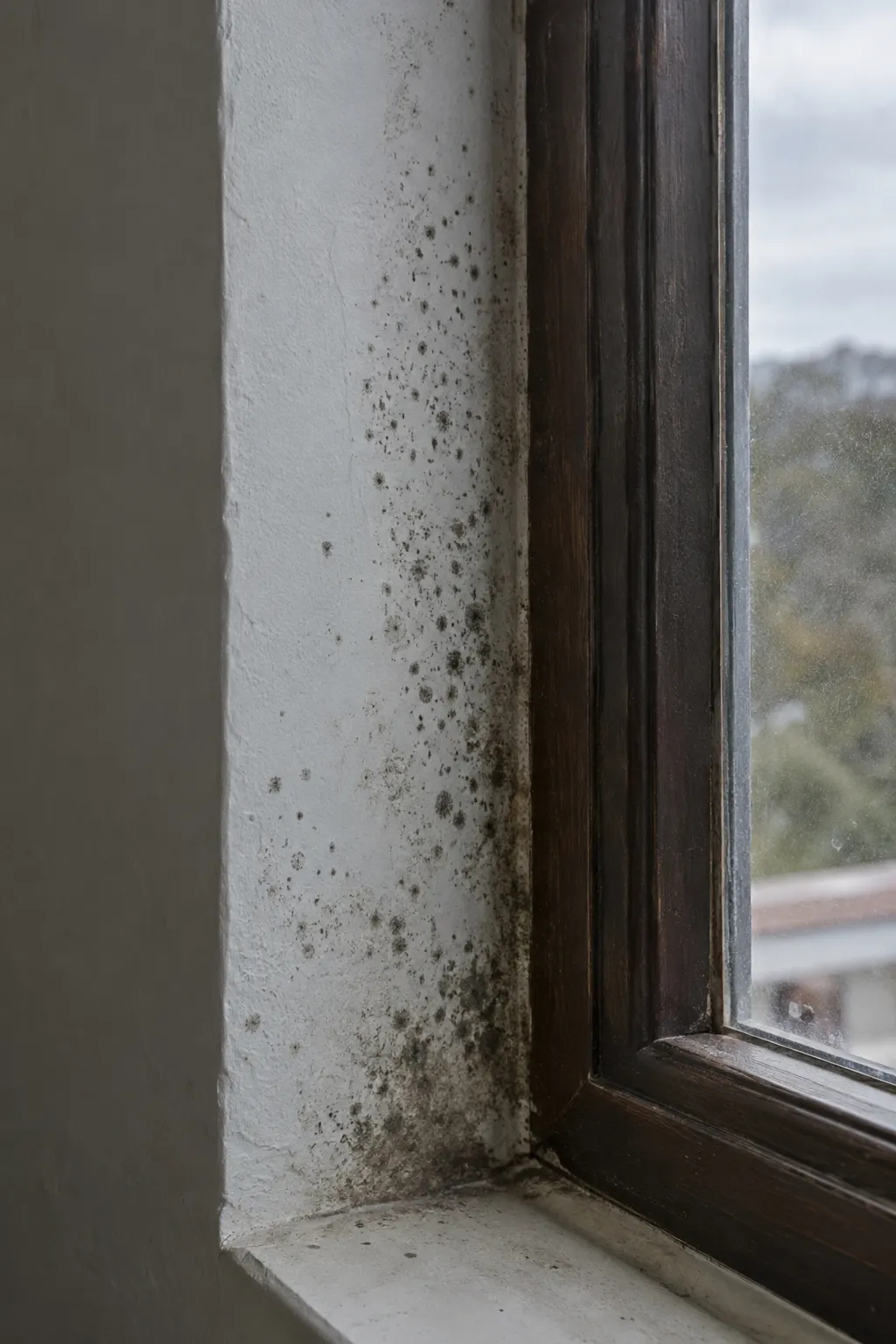
The shape and position of growth help describe the enquiry. They do not establish that the nearby feature caused it. Compare adjoining surfaces, window condensation and room-use history so the assessment includes more than the most obvious architectural detail.
A change after weather
Rain-related expansion or fresh staining deserves a source discussion. Retain dated photographs from a safe position and relevant repair records. Surface treatment cannot repair roofing or certify the condition of a concealed structure above or behind the affected wall.
Mixed finishes and damage
Distinguish peeling paint, soft plaster and deterioration of adjoining material. A moisture reading can assist an accessible assessment but cannot settle every hidden layer or restoration decision. Avoid scraping, sanding or removing decorative pieces before their condition has been discussed.
OUR REMOVAL PROCESS
Describe the feature.
Define the surface work.
Show the surrounding wall
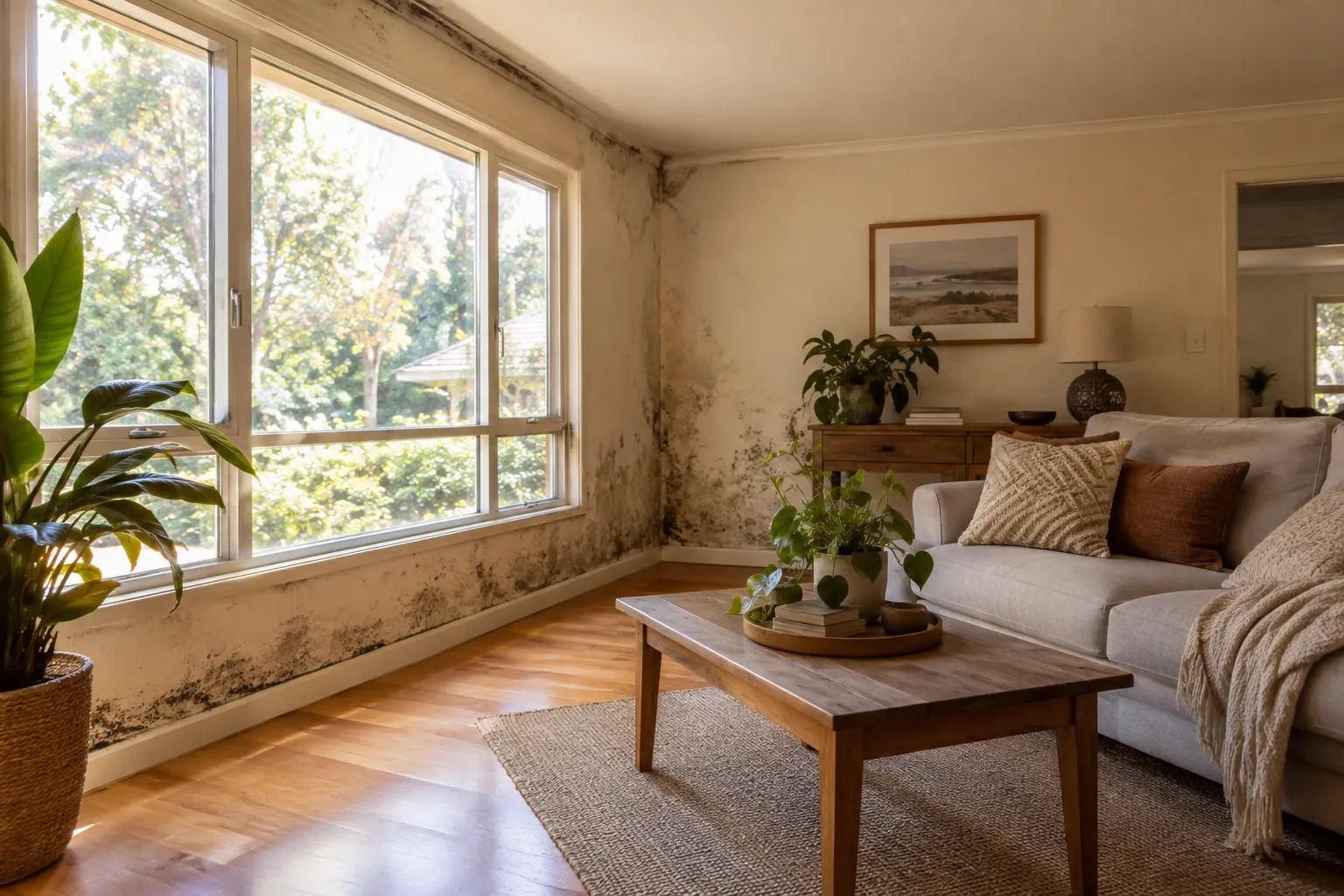
A wider image explains how the patch relates to windows, trim and the feature. Close views are most useful when their location can be understood without guessing the room layout.
Keep previous repairs available
Mention roofing or building work associated with the area, including dates and what changed afterwards. An old stain and a new moisture event should remain distinguishable in the enquiry.
Clarify specialist boundaries
Ask what requires further building advice or access. A removal scope should not imply inspection, repair or approval of features outside the accessible affected surface.
01
Identify the reachable areas
Explain the wall, recess and materials through mould removal. Agree what can be reached without dismantling the feature. Fragile trim, uncertain coatings or deteriorated finishes should be identified before deciding the suitable scope.
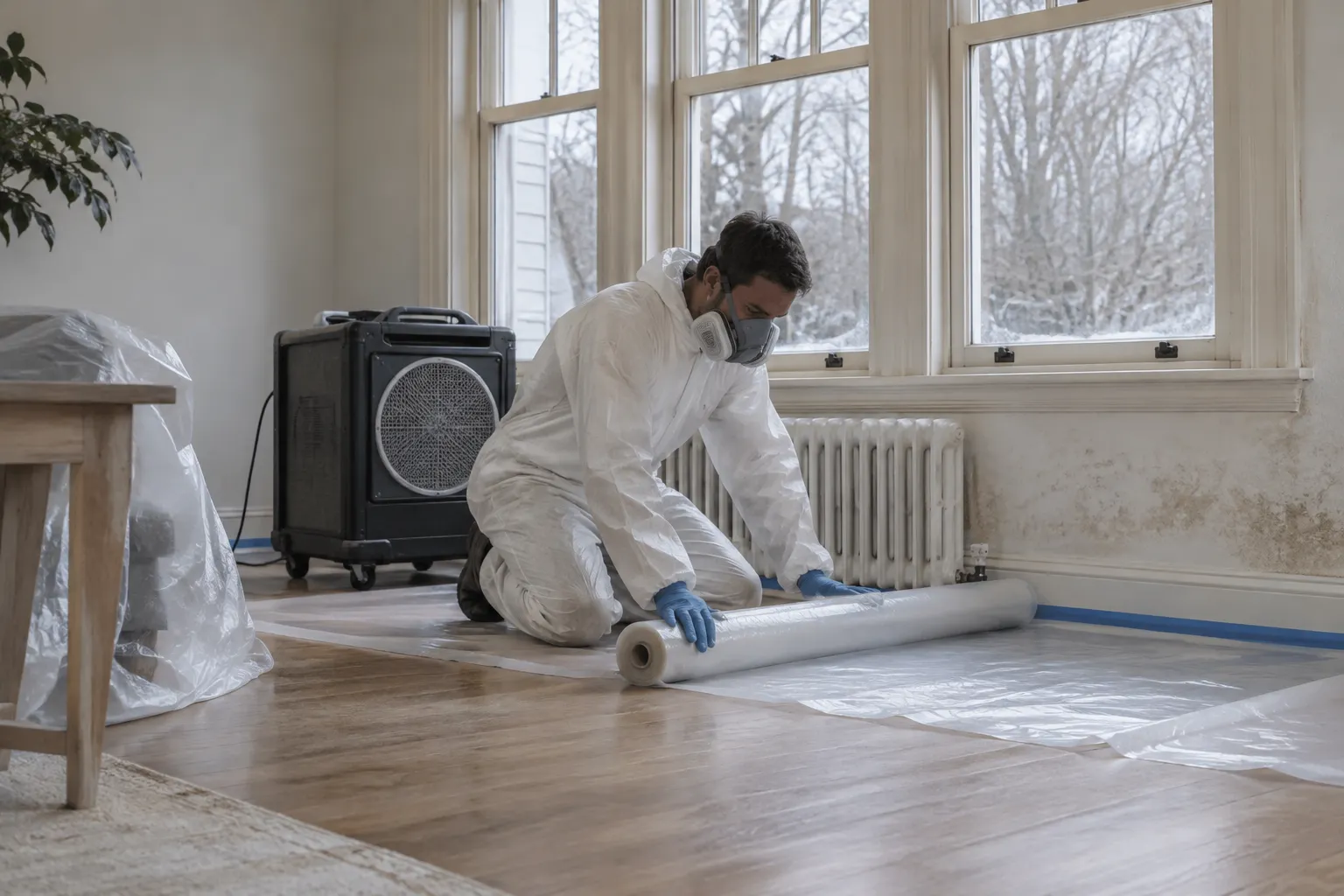
02
Plan room protection
Discuss furniture, hearth-level obstructions and decorative belongings near the area. Confirm preparation and equipment access in advance. Do not remove fixed parts or enter a confined recess simply to prepare it for an ordinary surface appointment.
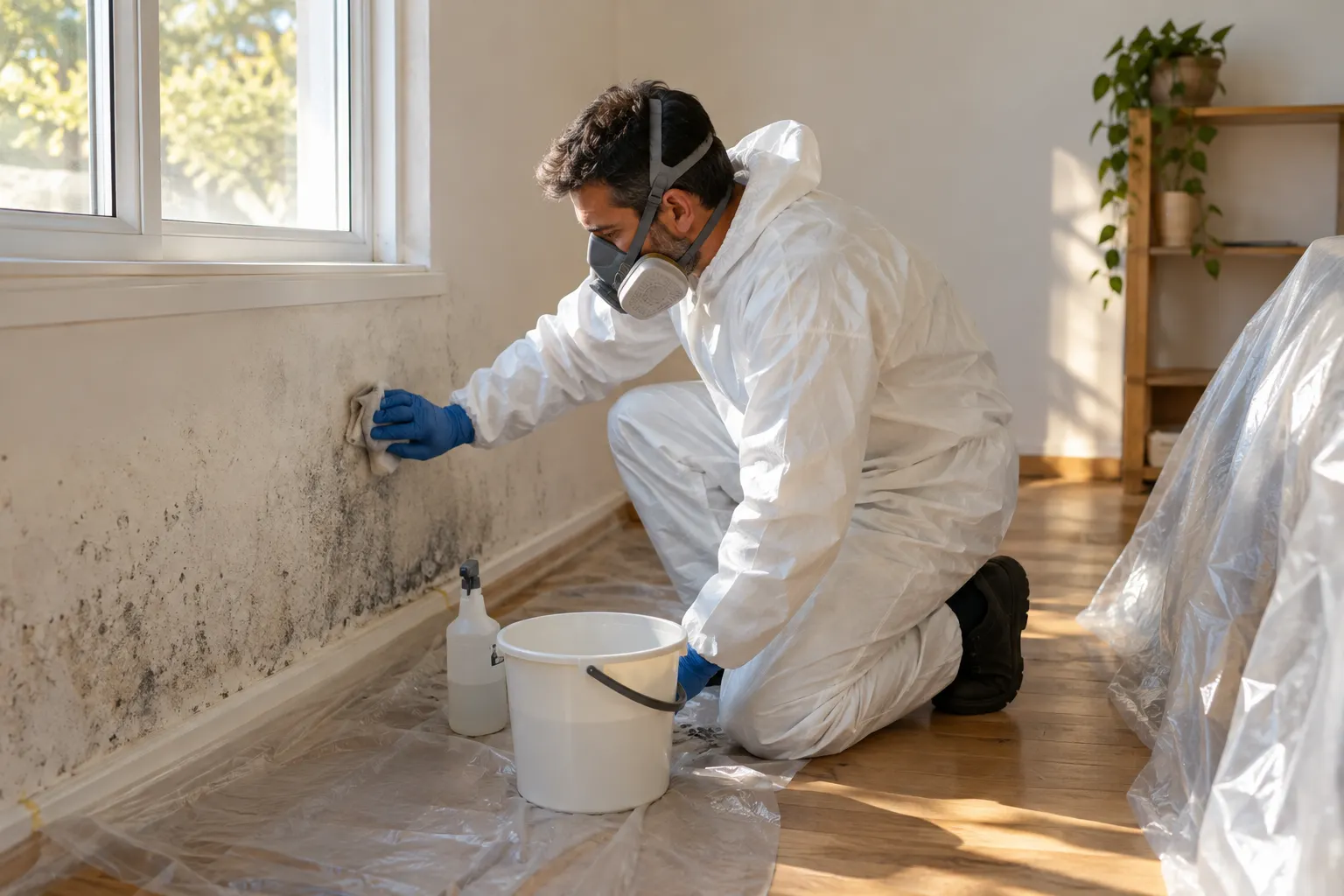
03
Review source and restoration needs
Discuss residual staining and unresolved material concerns. Remediation connects removal with those decisions, while building investigation and decorative restoration may require another trade. The accessible result cannot certify a concealed structure.
COMMON AREAS AFFECTED
One feature.
Several surface clues.
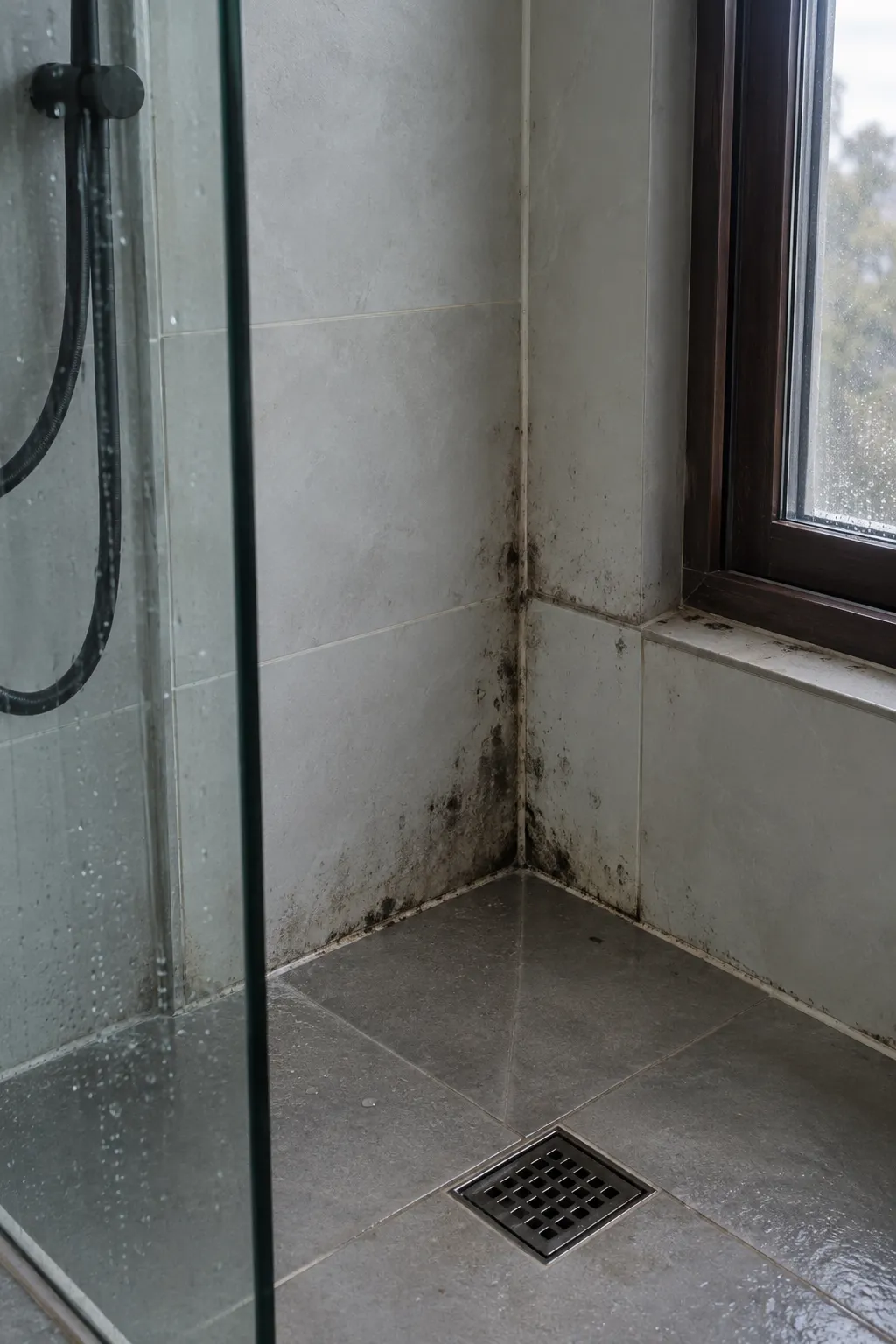
Separate household moisture
Compare wet-room observations only as relevant context, not as an assumed shared cause.
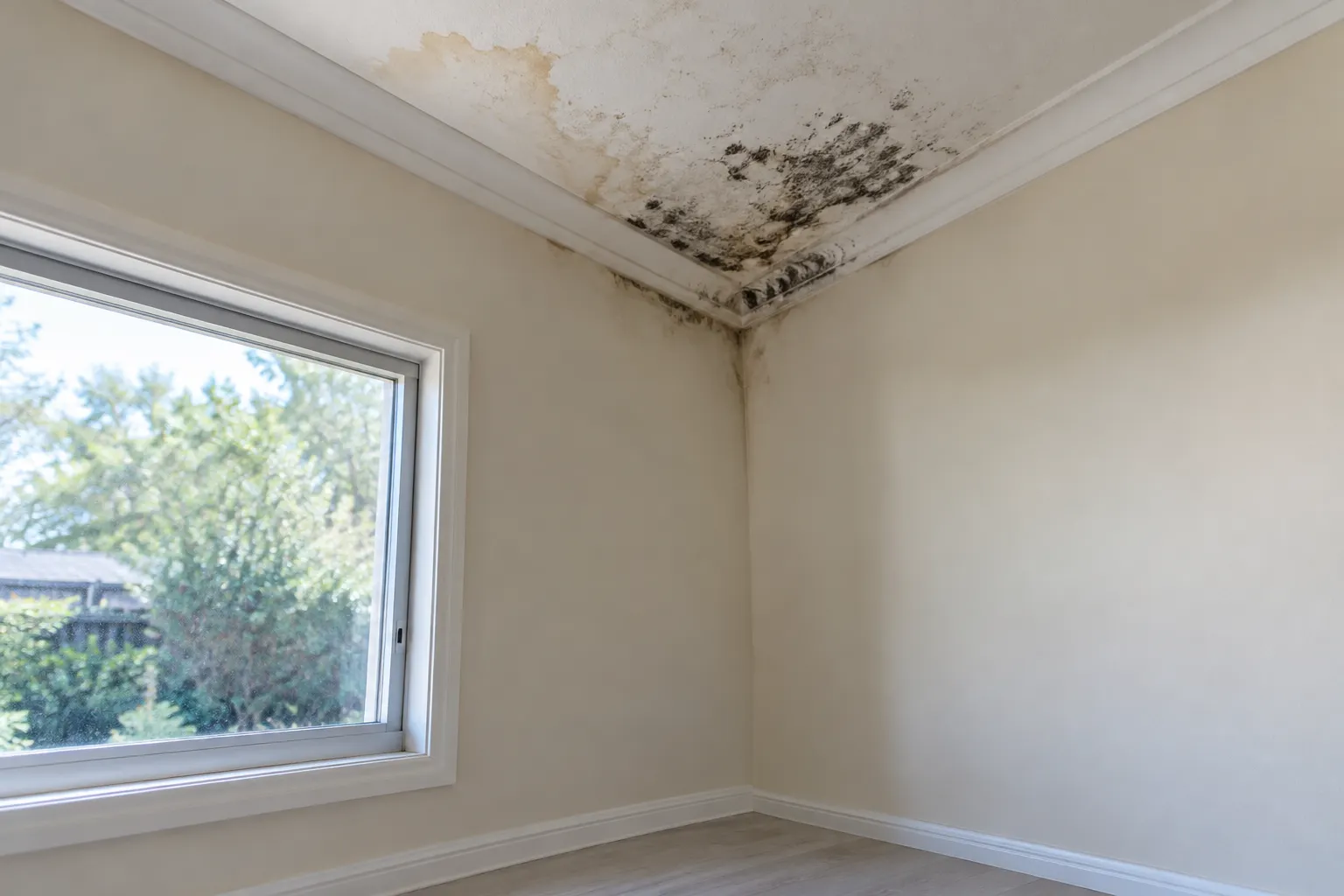
Above the recess
Record overhead stains and weather-related changes separately from the wall patch.
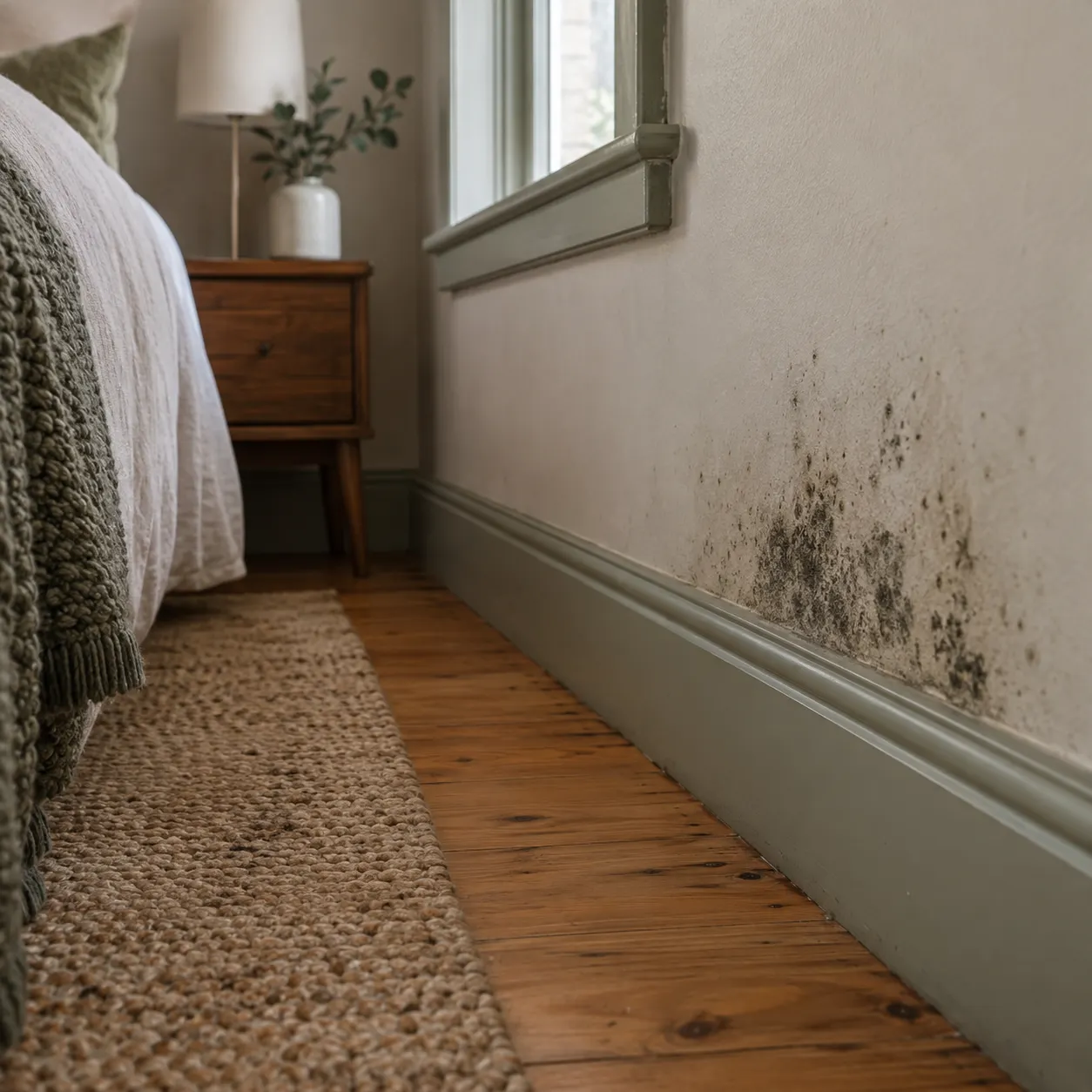
Surrounding finish
Describe the painted or plastered areas and any delicate trim beside the growth.
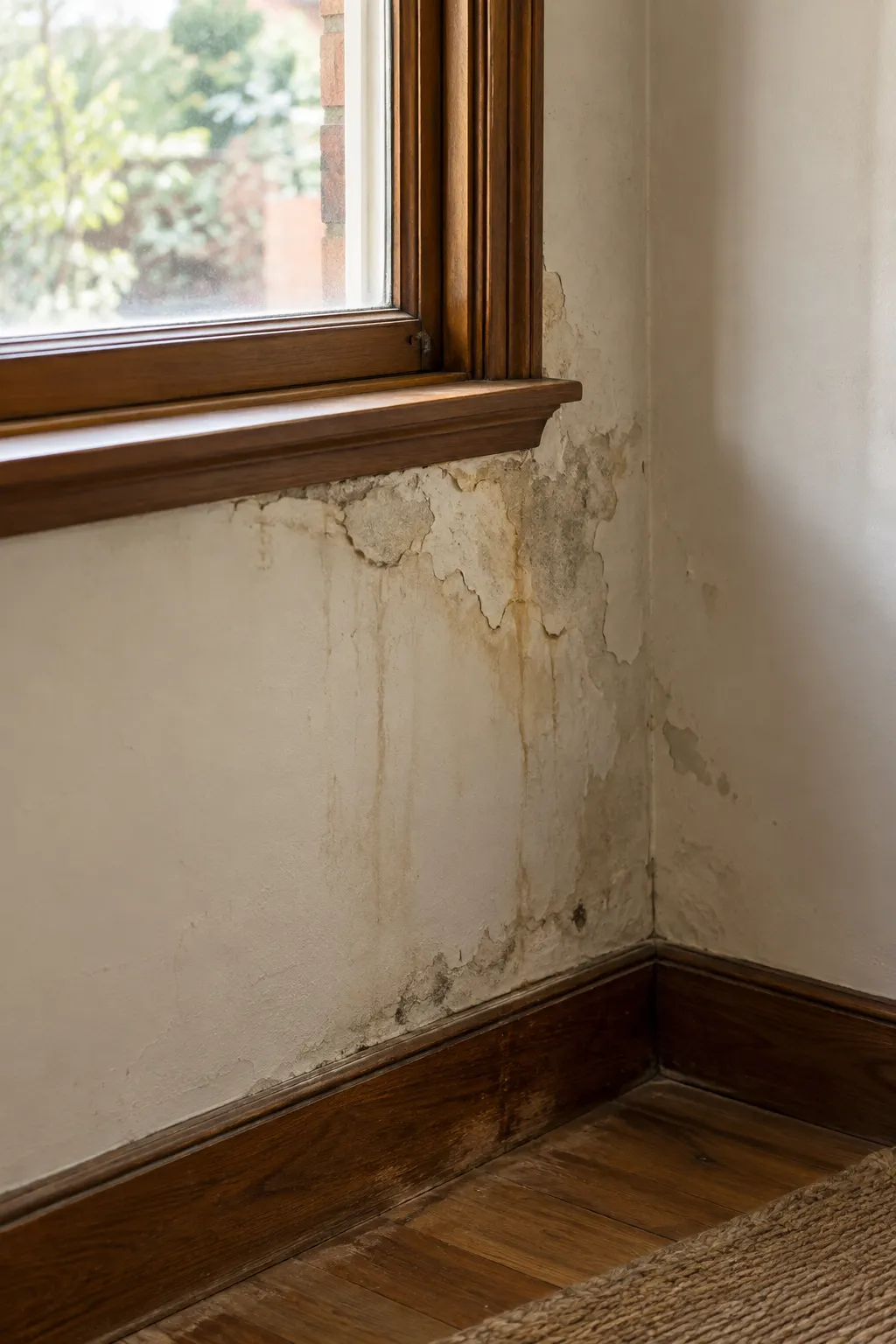
Changed material
Deterioration may need assessment or repair once the relevant water source is investigated.
PREVENTION STARTS WITH
Keep the feature visible.
Follow the evidence.
Do not cover the uncertain mark
Leave changing growth or dampness available for assessment before decorating. A new finish can hide the position without repairing the source. Where materials have deteriorated, coordinate source work and restoration rather than assume surface removal renews the surrounding feature.
Compare later weather events
Keep dated views containing a recognisable trim or corner. If the mark changes after rain, pass that evidence to the appropriate repair trade. Continue considering room moisture where relevant; one architectural feature cannot explain every condition throughout the adjoining walls.
CAMBERWELL & NEARBY
Camberwell and
nearby home guides.
Explore the Hawthorn guide and Canterbury guide for connected room enquiries. Give your Camberwell street, finish details and access limitations when confirming availability.
BEFORE YOU CALL
Questions near
a recess or feature.
Does growth above a fireplace prove a chimney problem?
No. The position is relevant evidence, not a source diagnosis. Rain timing, room conditions and suitable building investigation may need consideration.
Will an accessible removal visit inspect a concealed flue?
Do not assume that. Concealed or specialist features require appropriate separate arrangements; the surface scope should make its boundaries clear.
Should decorative trim be removed before calling?
Leave fixed or fragile details in place. Explain their condition and access rather than dismantling them to expose more of the patch.
Can mixed materials use the same method?
A painted wall, masonry and decorative finish can need different decisions. Identify what is affected and discuss its condition before agreeing an approach.
Is restoration of the feature included?
Removal does not automatically repair, refinish or restore surrounding components. Discuss residual marks and any separate restoration trade before booking.
What observations help when the stain changes after rain?
Retain dated room photographs, the exact location and relevant repair history. Provide the sequence without guessing what lies inside a concealed structure.
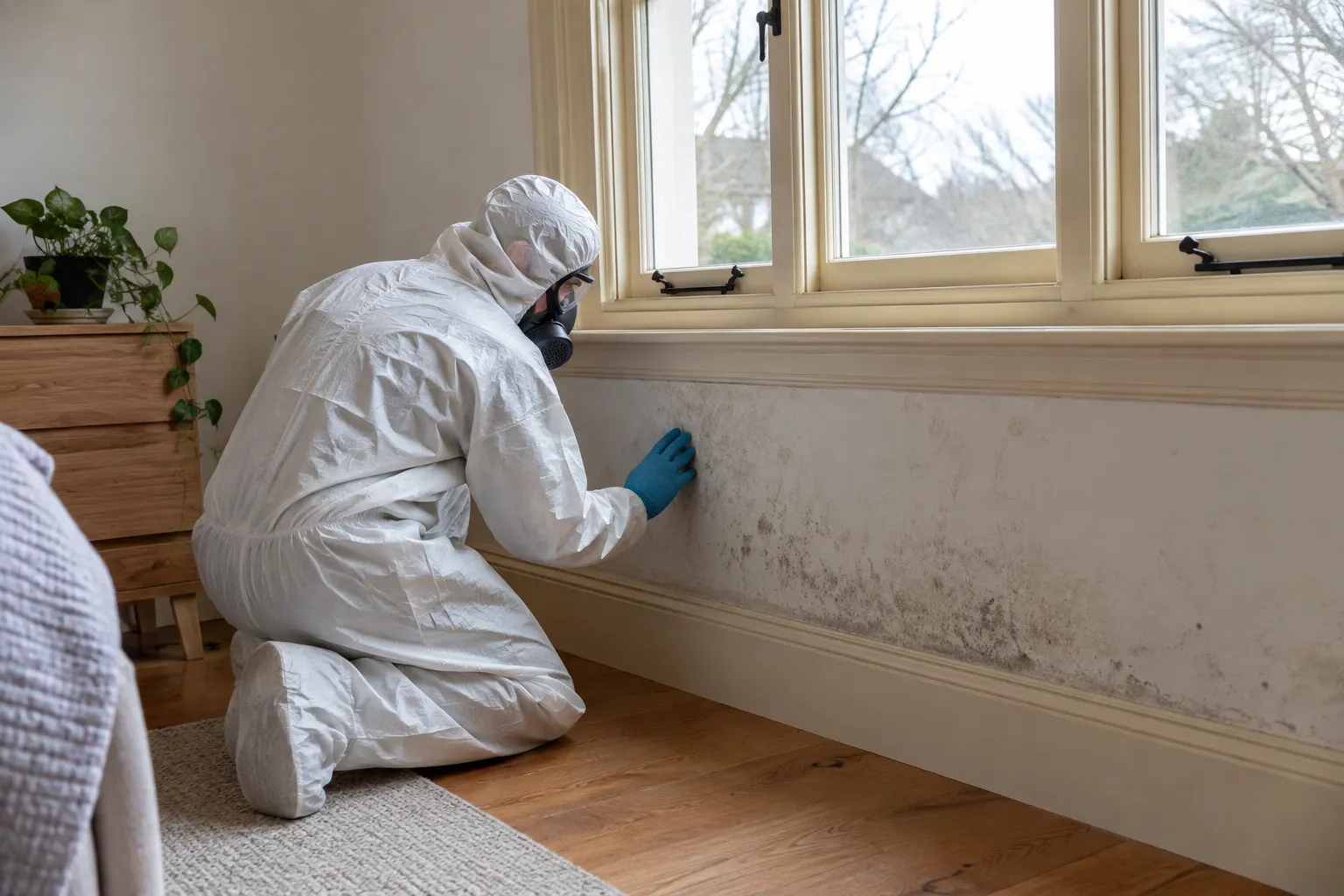
TELL US WHAT YOU CAN SEE
Describe the feature.
Keep the scope clear.
Call 03 8652 1296 with your Camberwell address, affected-surface photographs and water history. Discuss an accessible assessment and next step.
Local context: Boroondara locality information