
FABRIC · FRAME · WALL
HAWTHORN · MELBOURNE
Mould Removal Hawthorn
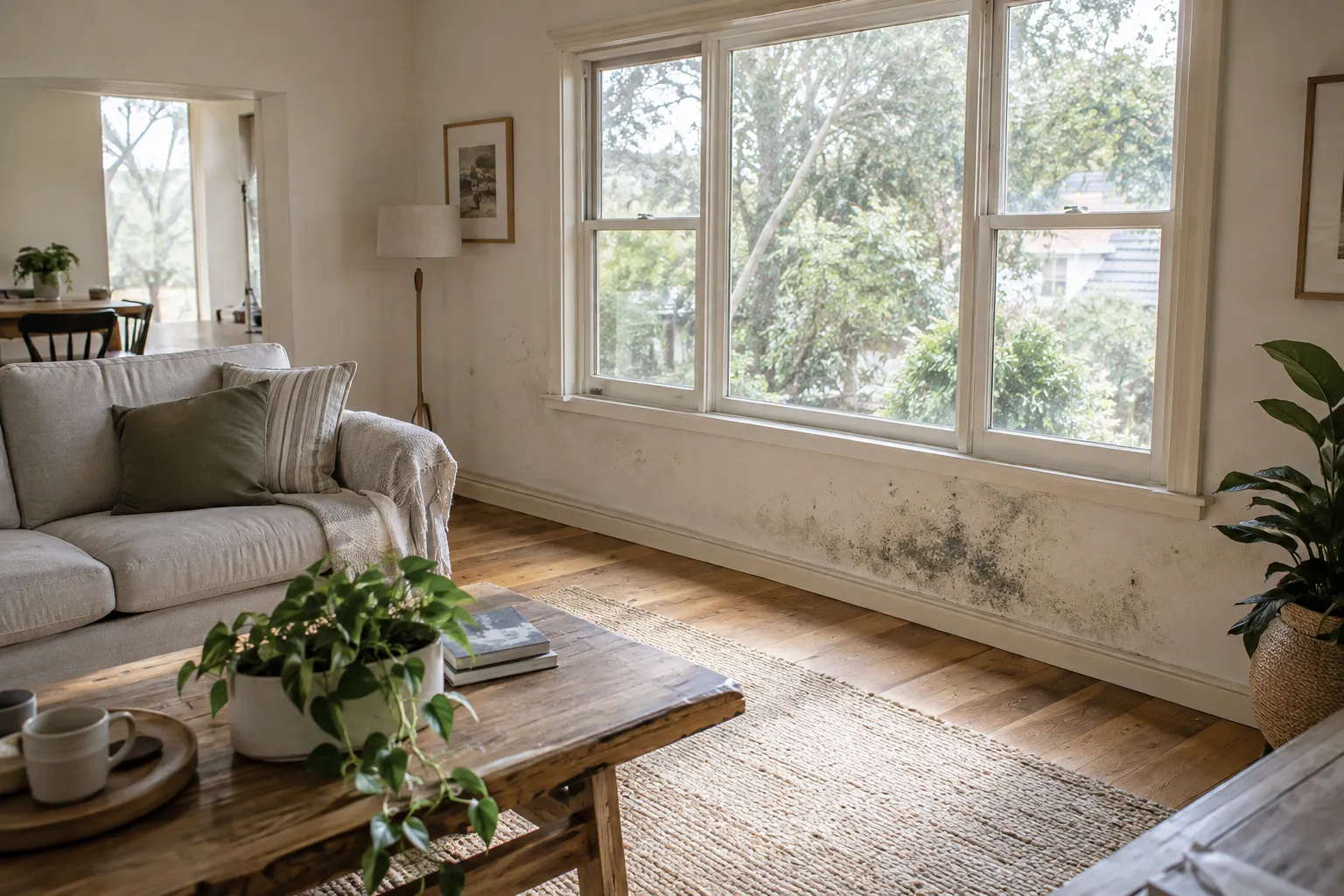
Curtains can hide the first signs of growth around a window. If an affected reveal or adjoining wall has come into view in Hawthorn, describe the fabric arrangement and water observations before assuming the building surface and curtains need the same attention.
Window access planned
Fabric concerns separated
Condensation timing discussed
THE ROOM TELLS A STORY
Draw back the fabric.
Read the whole opening.
Hawthorn is a Boroondara locality. For a curtained-window enquiry, note how the fabric sits against the frame or wall and which finish shows growth. A dark patch may be obscured when curtains remain closed, so the discovery date is not necessarily the beginning of the room’s moisture history. Describe that uncertainty openly.
Show the full opening, adjacent furniture and accessible patch. Record whether glazing collects droplets or water appears after rain. These observations help discuss inspection, while keeping the curtain material and the building finish as distinct parts of the enquiry. Do not assume a surface appointment includes treatment of all fabric.
UNDERSTANDING MOISTURE
Look behind.
Watch what dries.
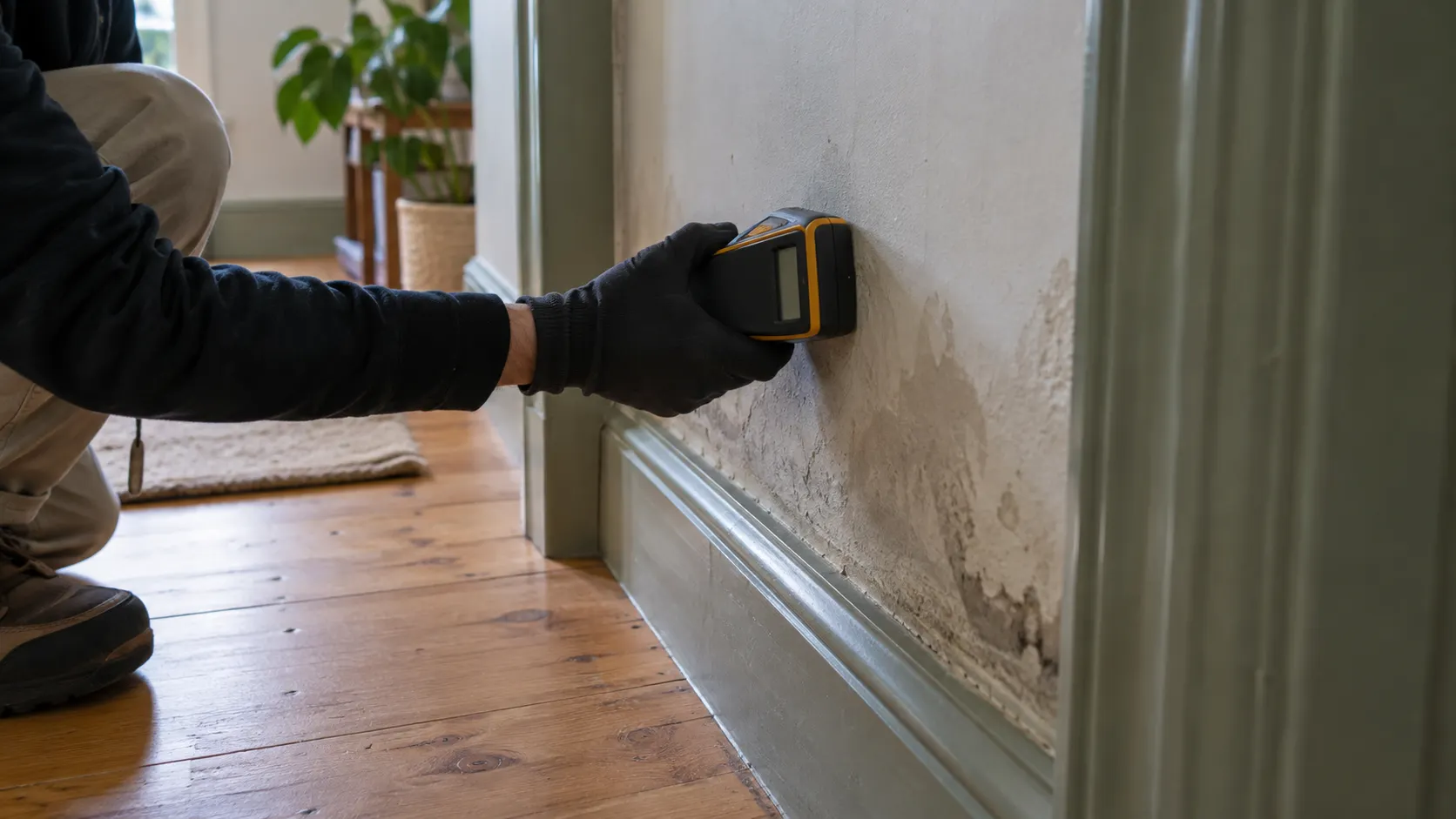
Contact with wet glazing
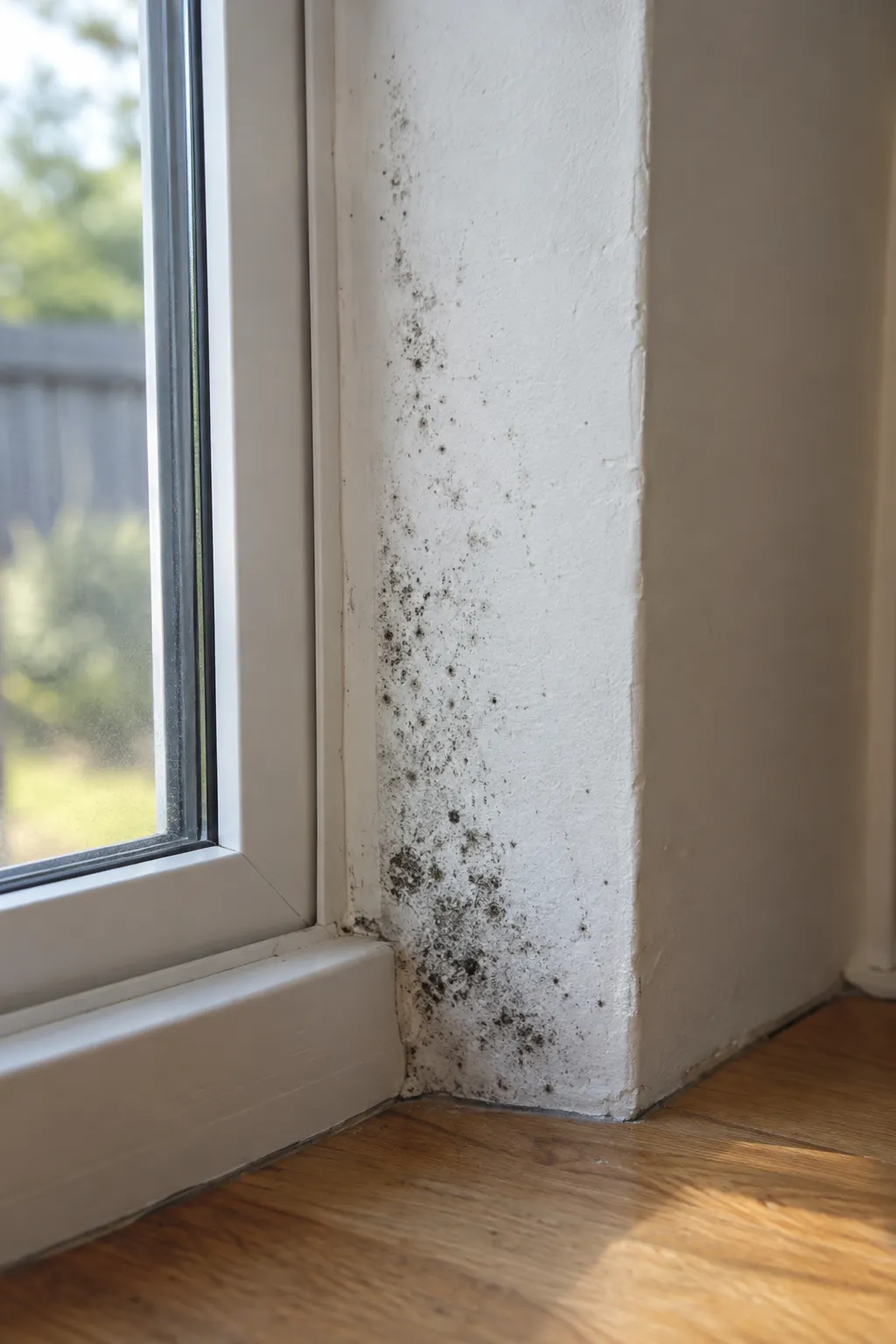
Fabric resting against a damp frame may stay wet longer than the visible room surface. Record that contact without assuming it explains every mark. Identify whether growth is on fabric, painted reveal, timber or more than one material.
A hidden drying pocket
A covered opening can be difficult to inspect during ordinary room use. Compare conditions with the curtains drawn back where practical. Changes in airflow may help explain drying, but they cannot exclude a damaged window or other water entry.
Weather-related wetness
Keep notes about rain separate from overnight condensation. Describe any window repair and whether the adjoining paint changed afterwards. Accessible moisture checks can contribute evidence; they cannot certify the concealed condition of the opening or repair faulty seals.
OUR REMOVAL PROCESS
Separate the materials.
Agree the access.
Keep fabric and wall photographs apart
Label visible growth on the curtain separately from the reveal. A wider image explains contact and the room layout; close images can then show each material’s condition.
Explain what cannot move easily
Mention fixed tracks, inaccessible fittings or delicate fabric. Agree who can handle these items before the appointment rather than assuming they form part of ordinary surface preparation.
Retain the window history
Keep dates of seal or frame repairs and recurring droplets. That sequence remains useful if an affected corner returns after changes to curtains or room ventilation.
01
Identify the affected finish
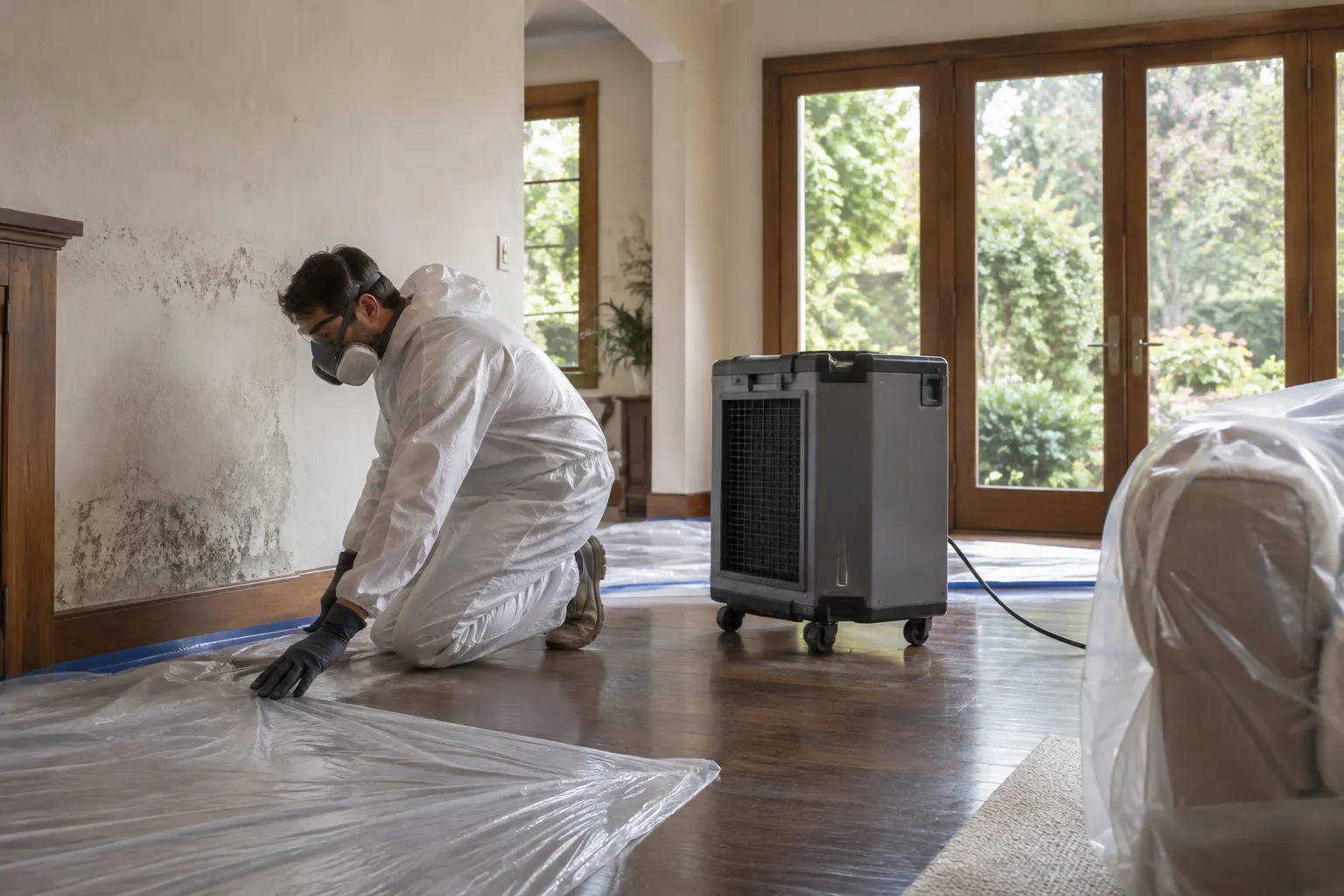
Describe visible growth through mould removal, specifying the building surfaces and the extent hidden by fabric. Mention delicate trim or damaged paint. The proposed scope should distinguish wall work from any separate concern about curtains.
02
Plan the curtain arrangement
Ask whether fabric needs moving and how fixed fittings or high tracks affect access. Explain fragile or heavy curtains before attempting removal. Equipment routes and room protection should be agreed without relying on improvised work at height.
03
Review the remaining moisture
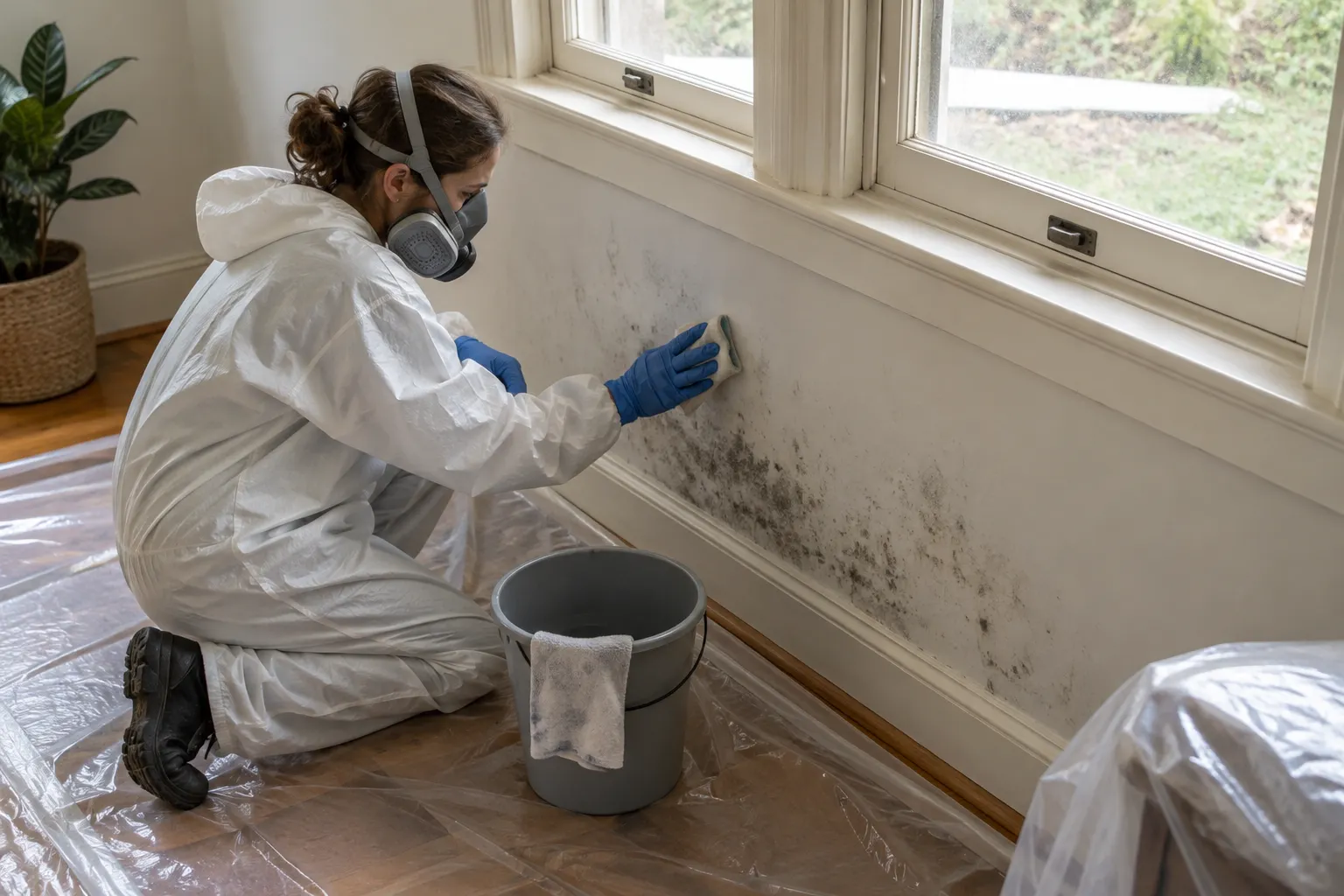
Discuss accessible treated areas and window-related follow-up. Remediation connects source and material concerns with removal, while fabric care, window repairs and decoration may require separate arrangements. A clearer wall does not establish that the opening is repaired.
COMMON AREAS AFFECTED
Around the opening.
Across adjoining finishes.
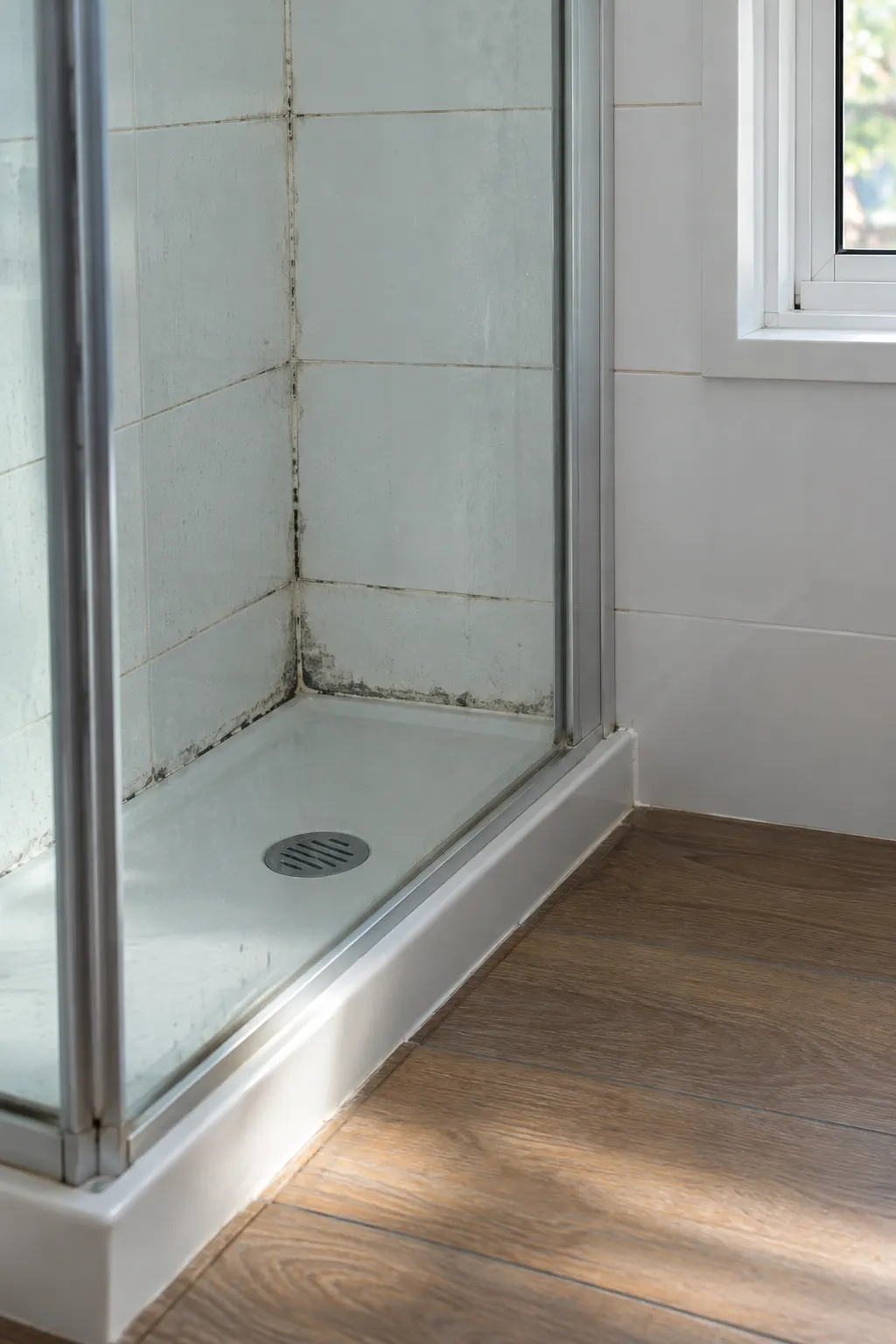
Other fabric contact
A bathroom window covering may have different water exposure from a living-room curtain.
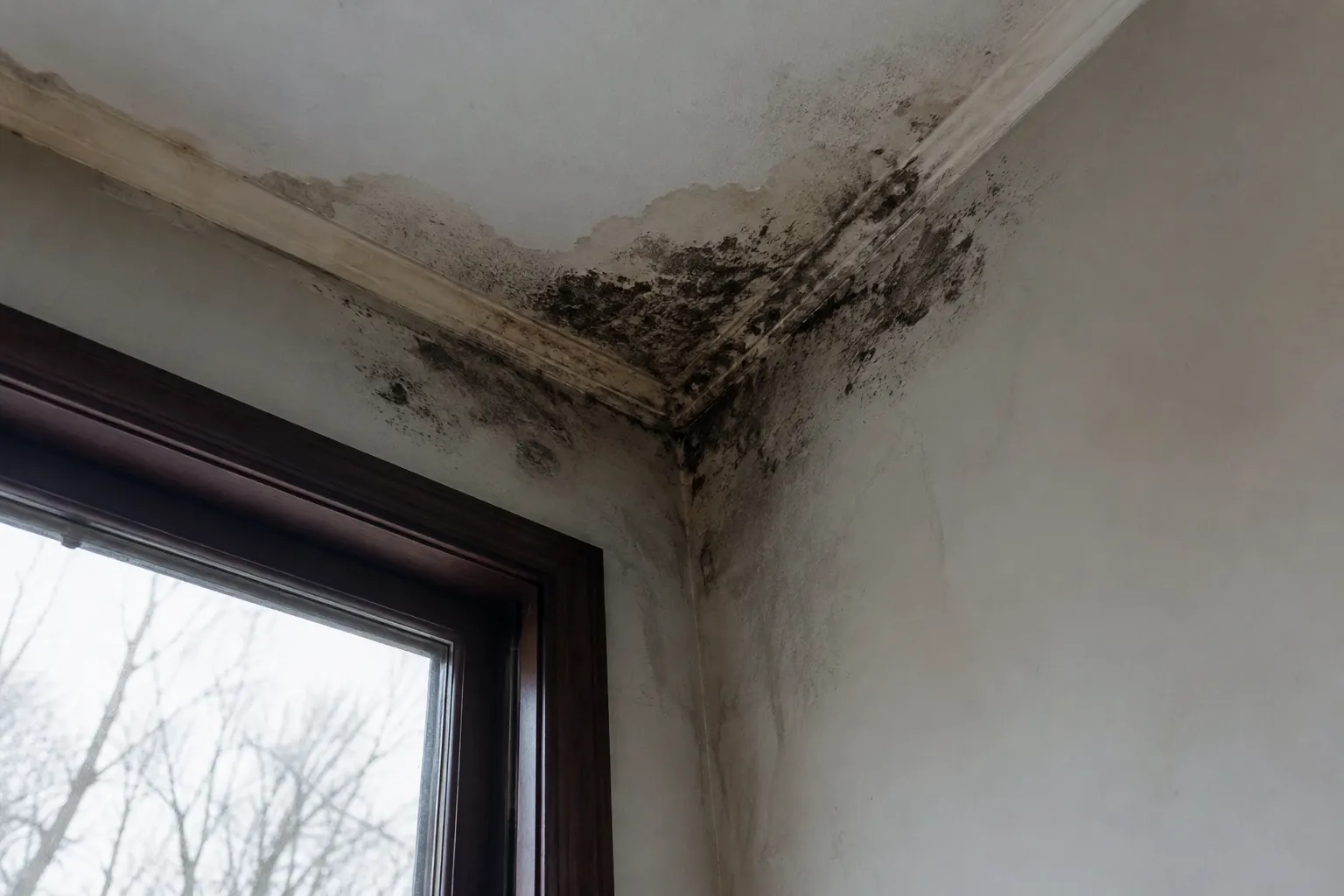
Above the track
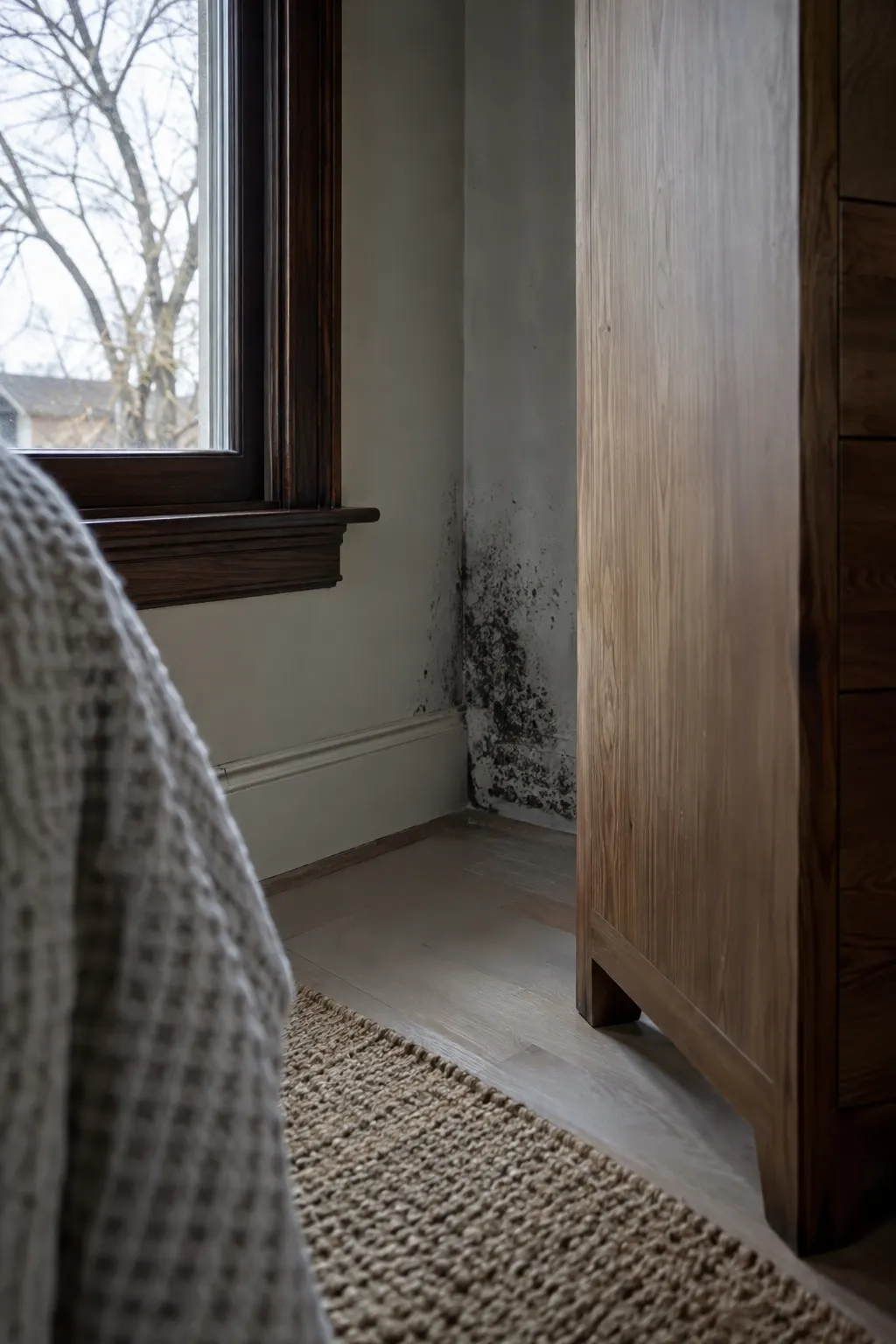
Note ceiling or upper-wall stains that fabric and fittings may hide from ordinary view.
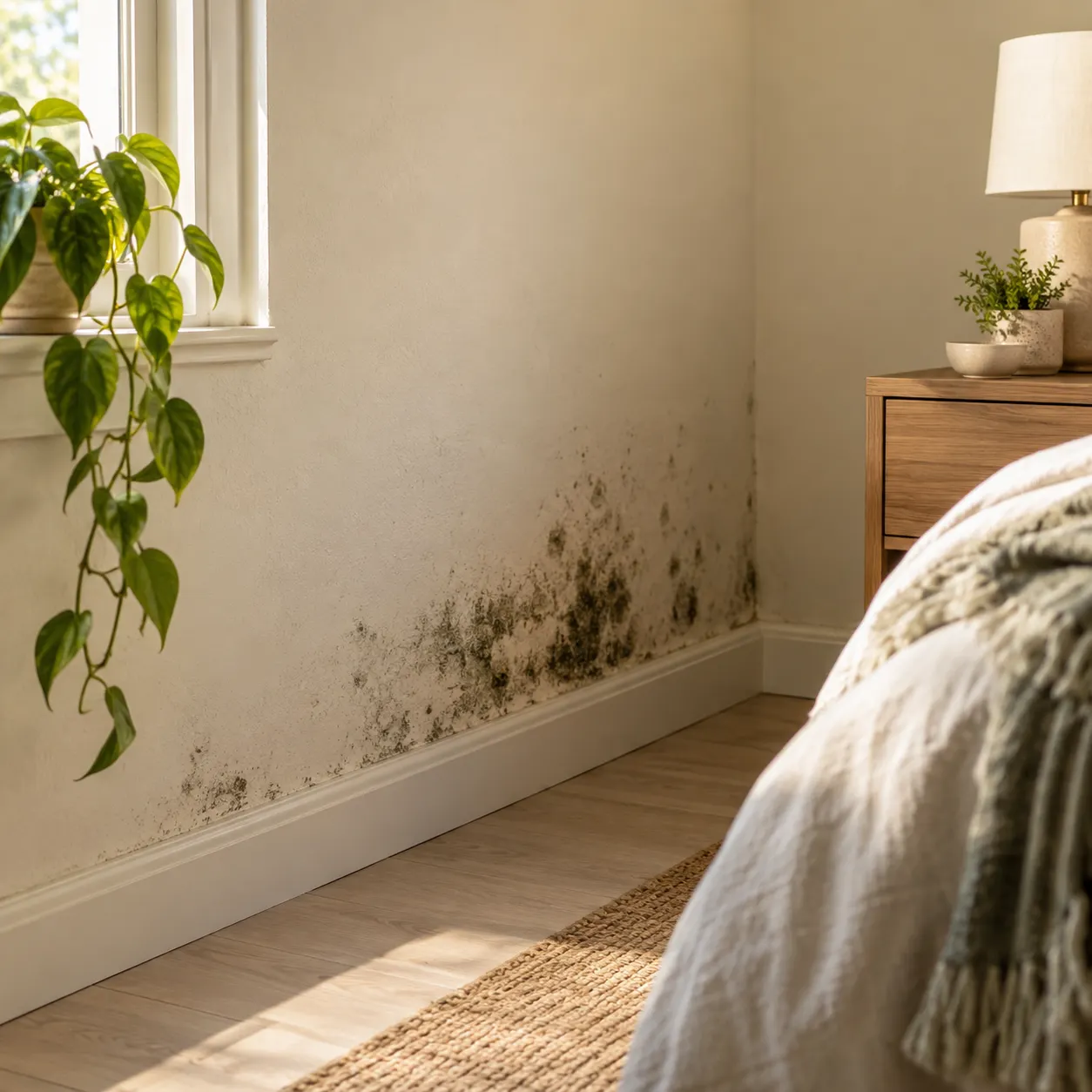
The covered reveal
Describe paint, trim and the portions visible without dismantling window fittings.
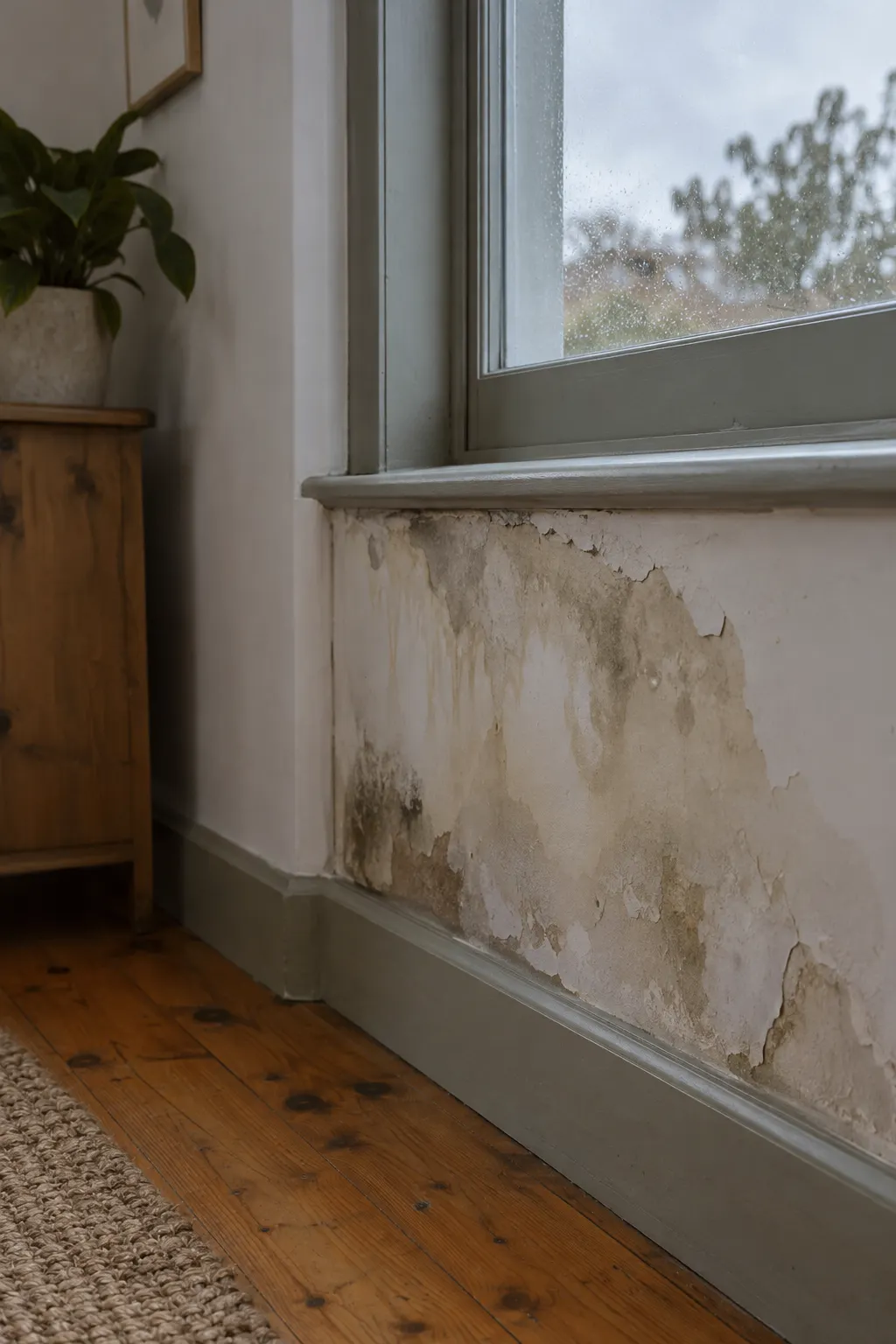
Deteriorated edges
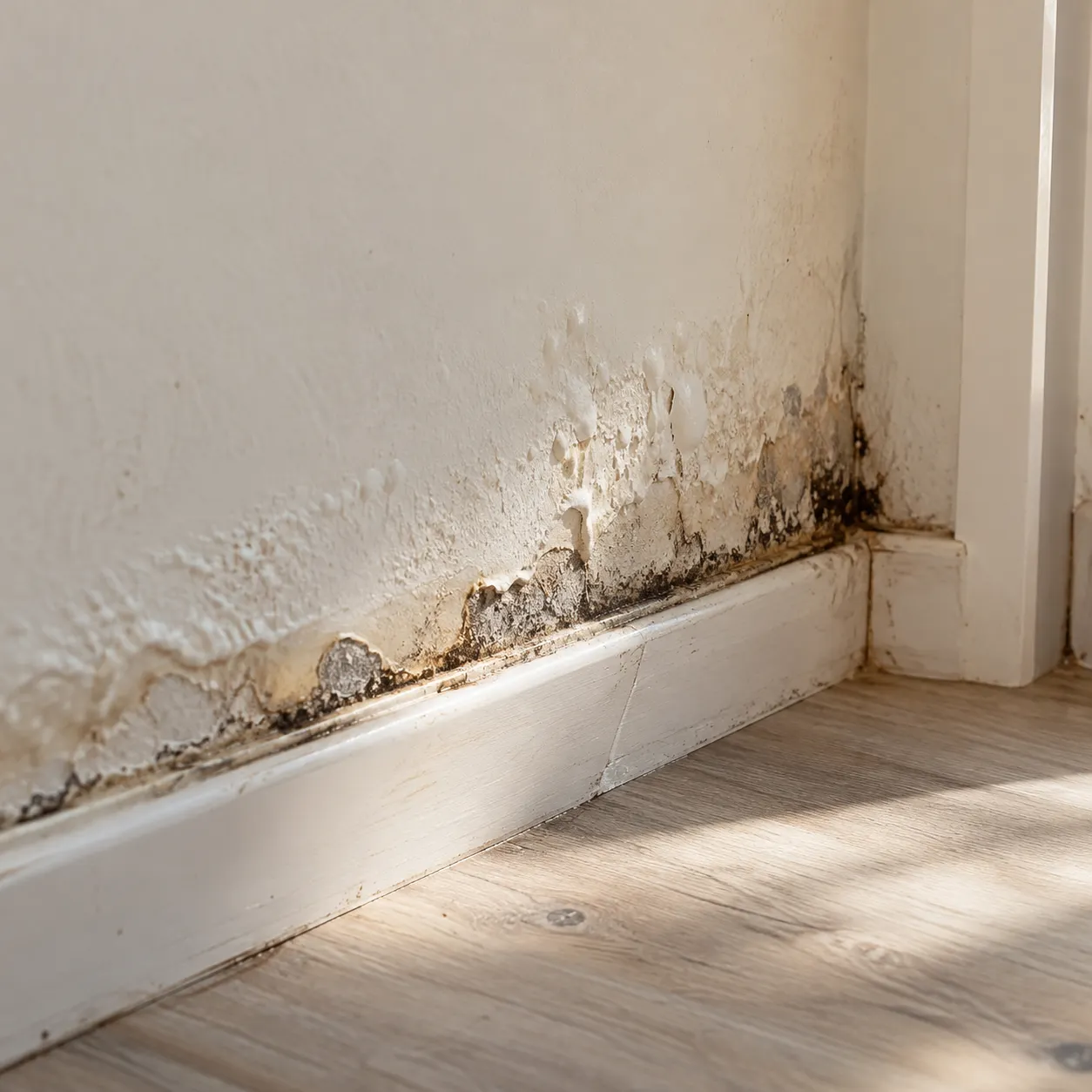
Swelling or softened material at the opening may need investigation or repair beyond cleaning.
PREVENTION STARTS WITH
Keep wet fabric clear.
Leave room to observe.
Reduce persistent contact
Where practical, avoid leaving fabric pressed against repeatedly wet glazing or trim. Wipe excess condensation and allow accessible surfaces to dry. Observe whether the change helps, while remembering that fabric placement cannot repair a leaking opening or restore damaged materials.
Recheck the covered area
Make the reveal part of a routine room check and retain dated photographs. If growth returns, compare condensation and rain events with any repair history. Do not repeatedly wash curtains or repaint the wall as a substitute for following up ongoing dampness at the opening.
HAWTHORN & NEARBY
Hawthorn and
connected household guides.
Explore the Kew guide and Camberwell guide for nearby room questions. Give your Hawthorn street, curtain arrangement and window observations when confirming availability and practical access.
BEFORE YOU CALL
Questions behind
the curtains.
Are curtains included when the wall is treated?
No. Fabric belongings are excluded from structural-surface removal. Fabric and building finishes need separate discussion. Identify the affected materials and ask what the agreed surface scope includes.
Should I take down a high curtain track first?
Do not attempt unsafe or unplanned work at height. Explain the arrangement and agree how access will be provided, including any suitable help needed.
Does drawing curtains back establish the cause?
It improves the view and may change drying conditions. It cannot prove a source or rule out water entering through the window.
What if the curtain is wet only at its bottom edge?
Record the position and contact with the frame or sill. Describe nearby droplets and the fabric separately from any affected paint or plaster.
Can window repairs be arranged as part of removal?
Discuss them separately with the relevant trade. Accessible surface work does not renew seals, restore frames or certify an external repair.
Which pictures help if the patch is partly hidden?
Show the full curtain and opening arrangement, then the visible affected surfaces. Avoid dismantling fittings or disturbing growth just to expose more detail.
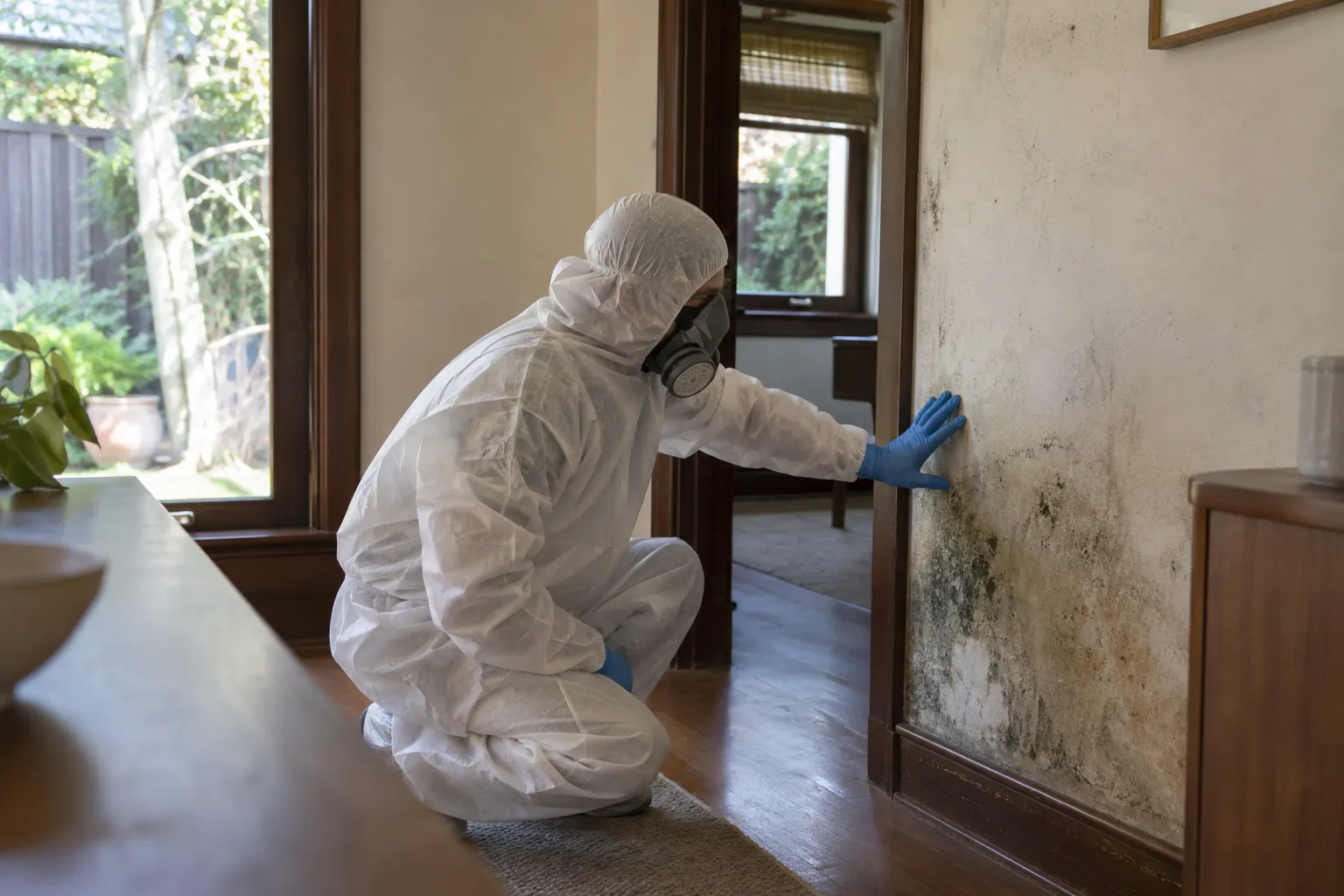
TELL US WHAT YOU CAN SEE
Show what is hidden.
Discuss careful access.
Call 03 8652 1296 with your Hawthorn address, window photographs and fabric arrangement. Discuss the building surfaces and appropriate next step.
Local context: Boroondara locality information