
DETAIL · HEIGHT · CONDITION
KEW · MELBOURNE
Mould Removal Kew
A dark line at a cornice draws the eye, but the decorative finish needs its own care. For mould along a ceiling junction in Kew, describe the material, any looseness and whether the mark changes after rain or room use.
Decorative details identified
High access considered
Repair boundaries explained
THE ROOM TELLS A STORY
A fine line.
A careful assessment.
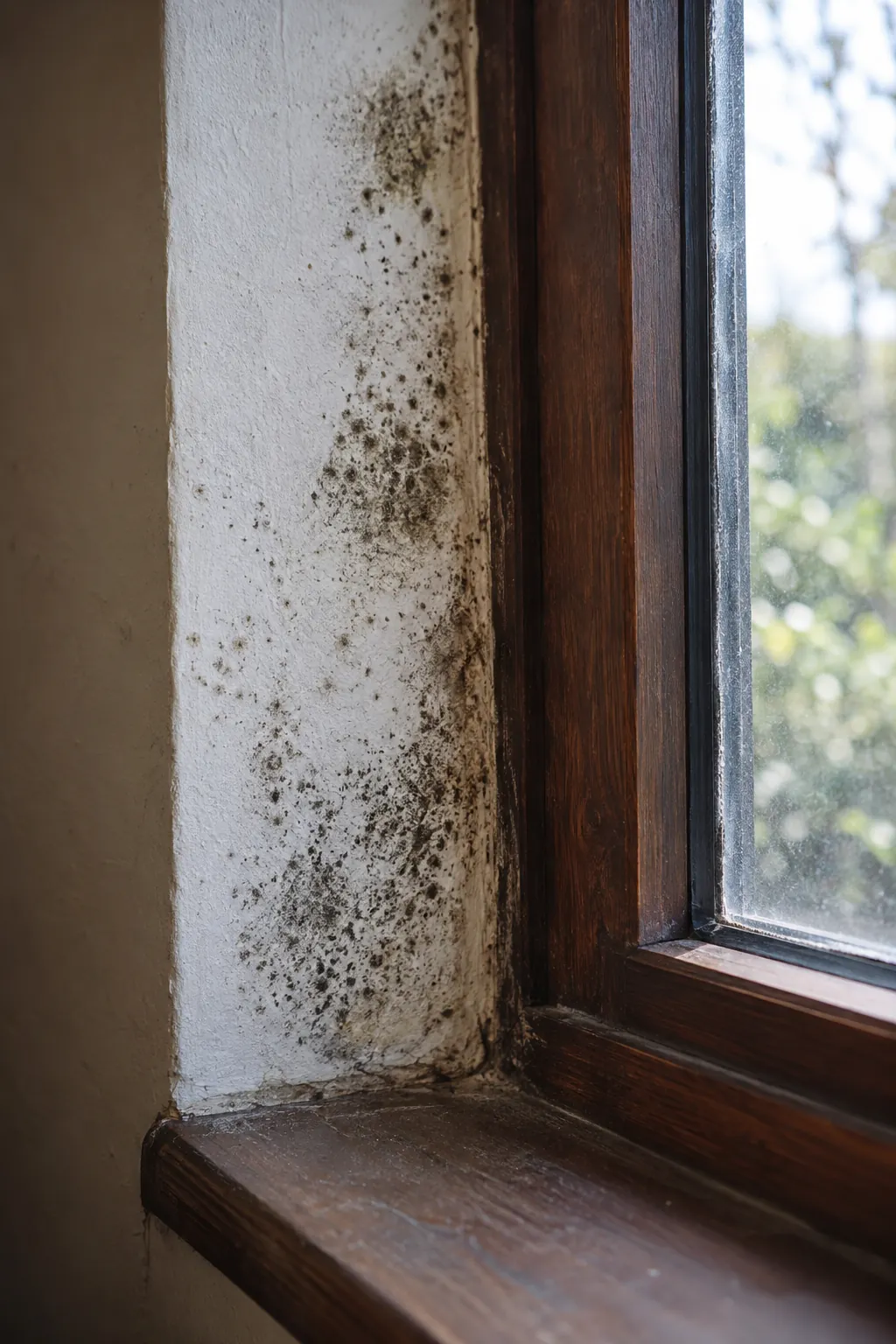
Kew is included in Boroondara’s locality listing. In a room with decorative plaster, an affected cornice should be considered as a finish with its own condition, rather than merely another strip of wall. Note cracks, detached edges or earlier restoration alongside visible growth. These details can affect the proposed method.
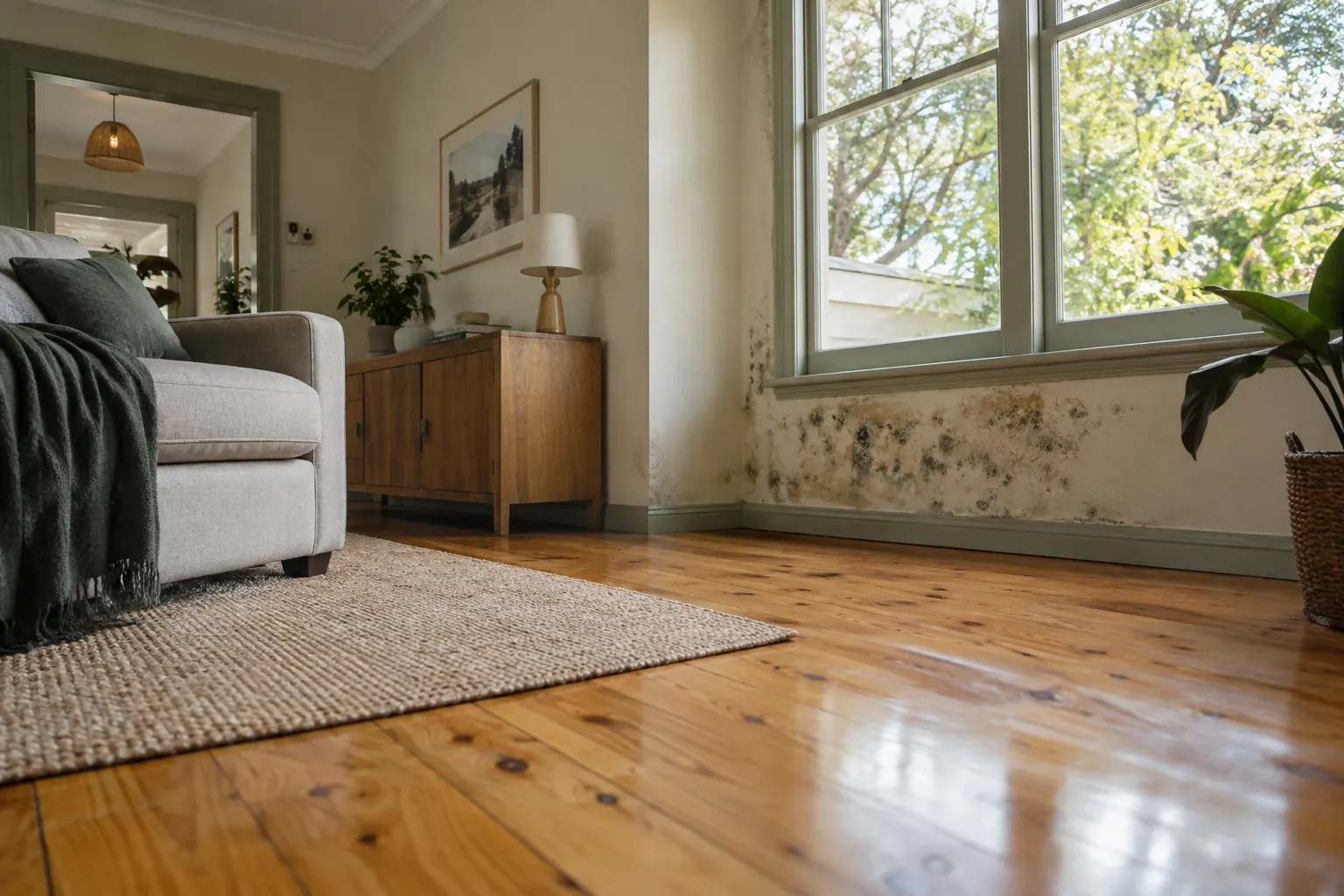
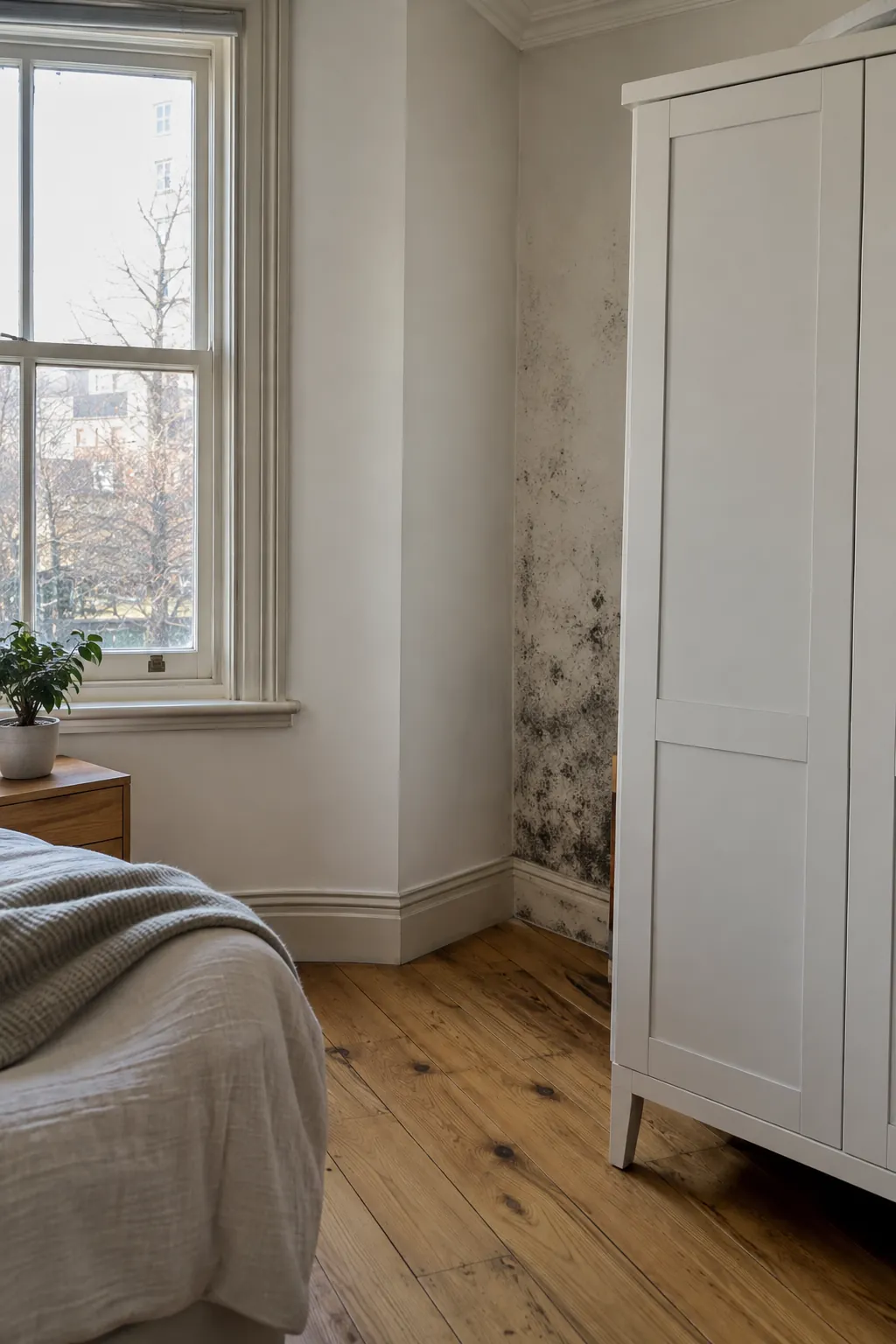
A floor-level photograph can show the junction and the adjoining ceiling without disturbing either. Include the wider room and explain its height. When arranging inspection, mention any previous water entry or repairs above the same corner so changes are viewed in their proper sequence.
UNDERSTANDING MOISTURE
Read the junction.
Check beyond the line.
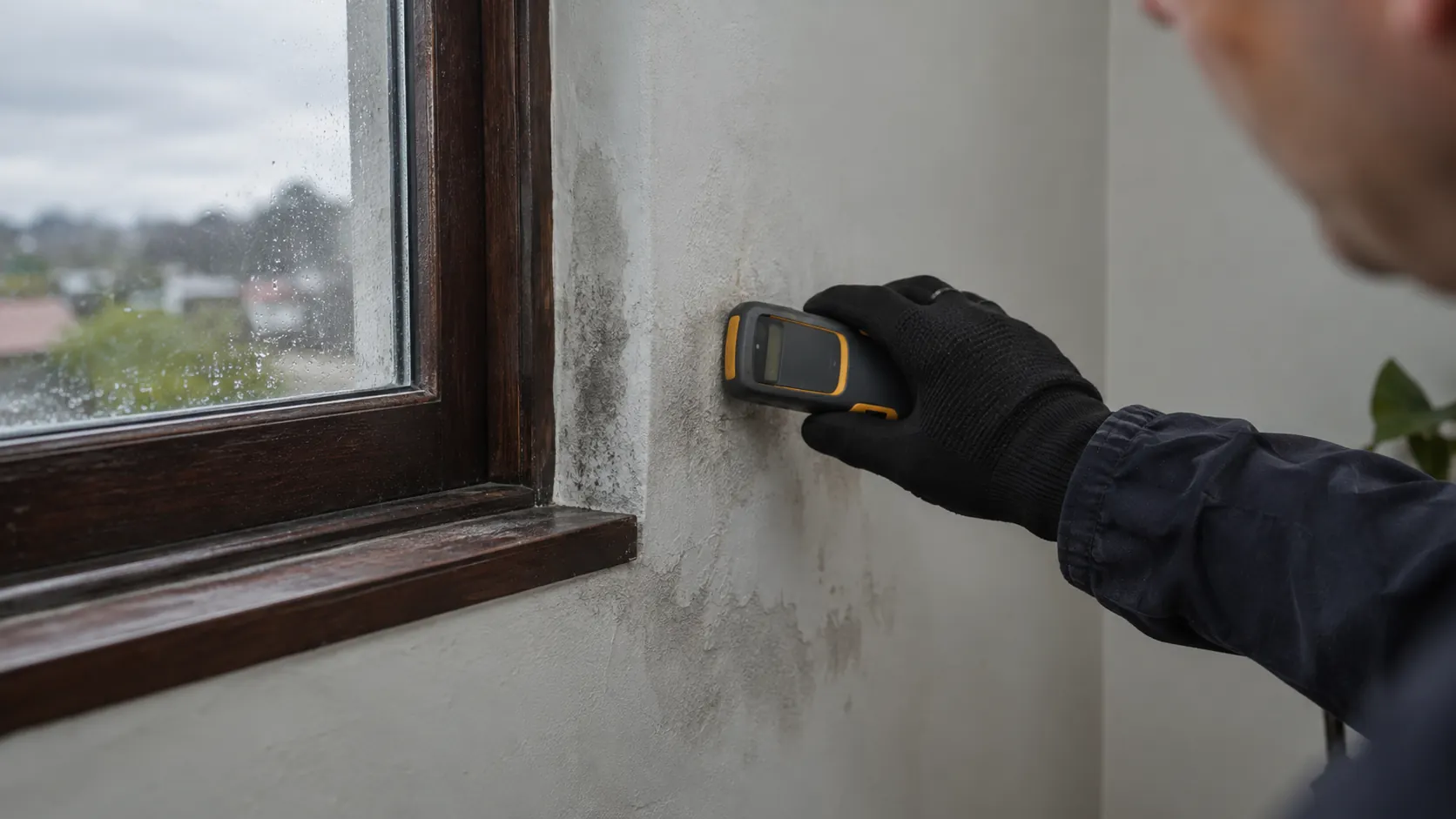
A mark at the meeting point
Observe whether the growth is confined to the cornice or extends onto the ceiling and wall. That shape helps describe the affected area, but cannot prove a source. Rain, condensation and concealed plumbing remain different questions to investigate.
The decorative material
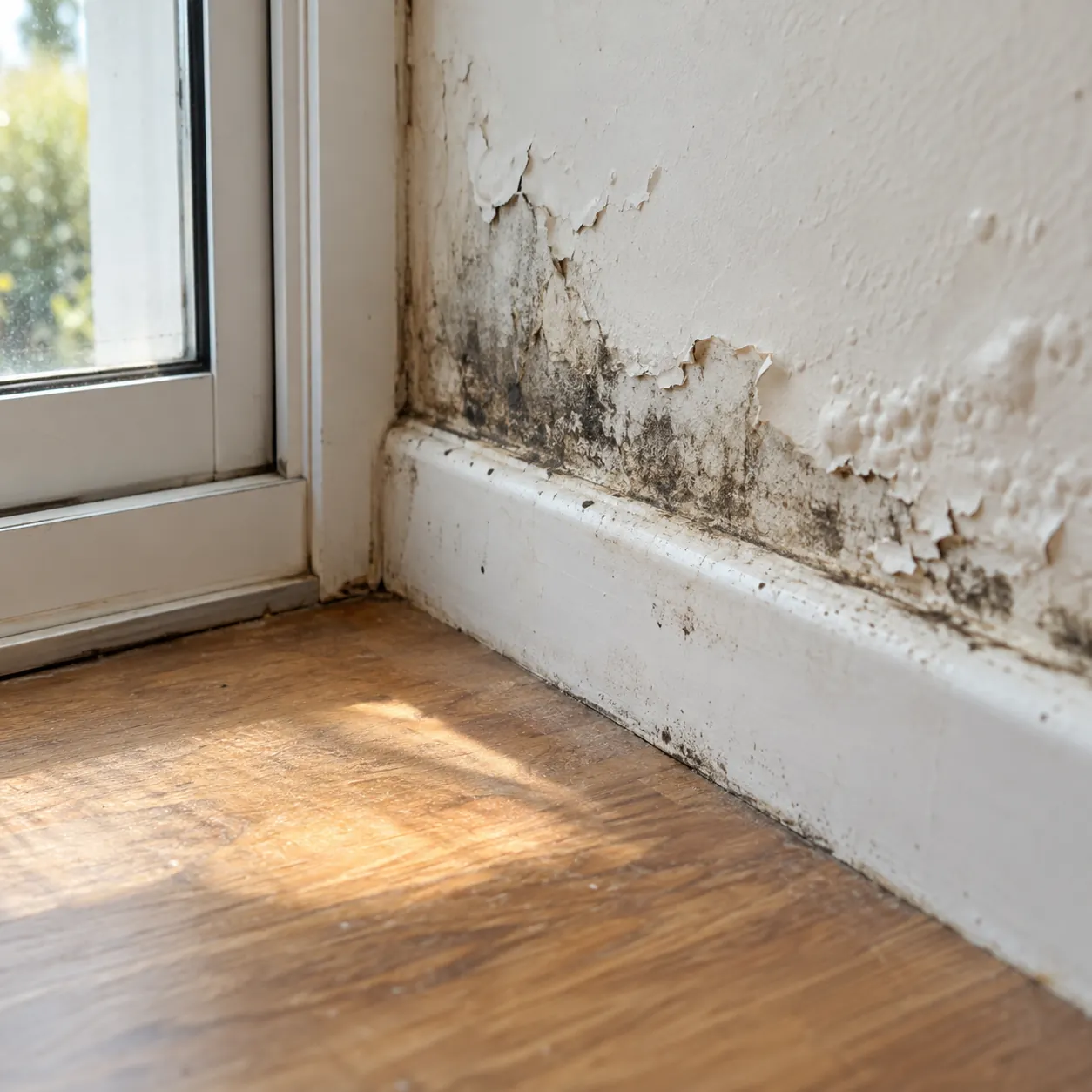
Loose plaster, flaking paint and staining are separate observations. Avoid probing an edge to see how firmly it is attached. Explain the visible condition; restoration or additional advice may be required where the finish is fragile or deteriorated.
Moisture above the finish
A surface assessment has limits where the cavity cannot be viewed. Keep any roof or plumbing reports available. Source repairs need a suitable trade and should not be assumed to form part of removing visible growth from the decorative face.
OUR REMOVAL PROCESS
Respect the detail.
Agree the method.
Keep useful photographs
Include one image showing the full ceiling corner and another showing the visible finish from a safe position. Note any stain that has changed since earlier roofing or plumbing repairs.
Mention fragile surroundings
Explain ornate joinery, framed artwork or furnishings near the work area. Protection should be planned around the room’s actual details rather than after equipment arrives.
Separate surface and restoration work
Ask whether damaged mouldings need another trade. Confirm exclusions and the sequence of repairs before assuming a removal appointment will return decorative plaster to its original form.
01
Identify what needs care
Tell us about the moulding and any restoration work. Establish the accessible scope through mould removal, with fragile sections or unknown materials discussed before a treatment approach is agreed.
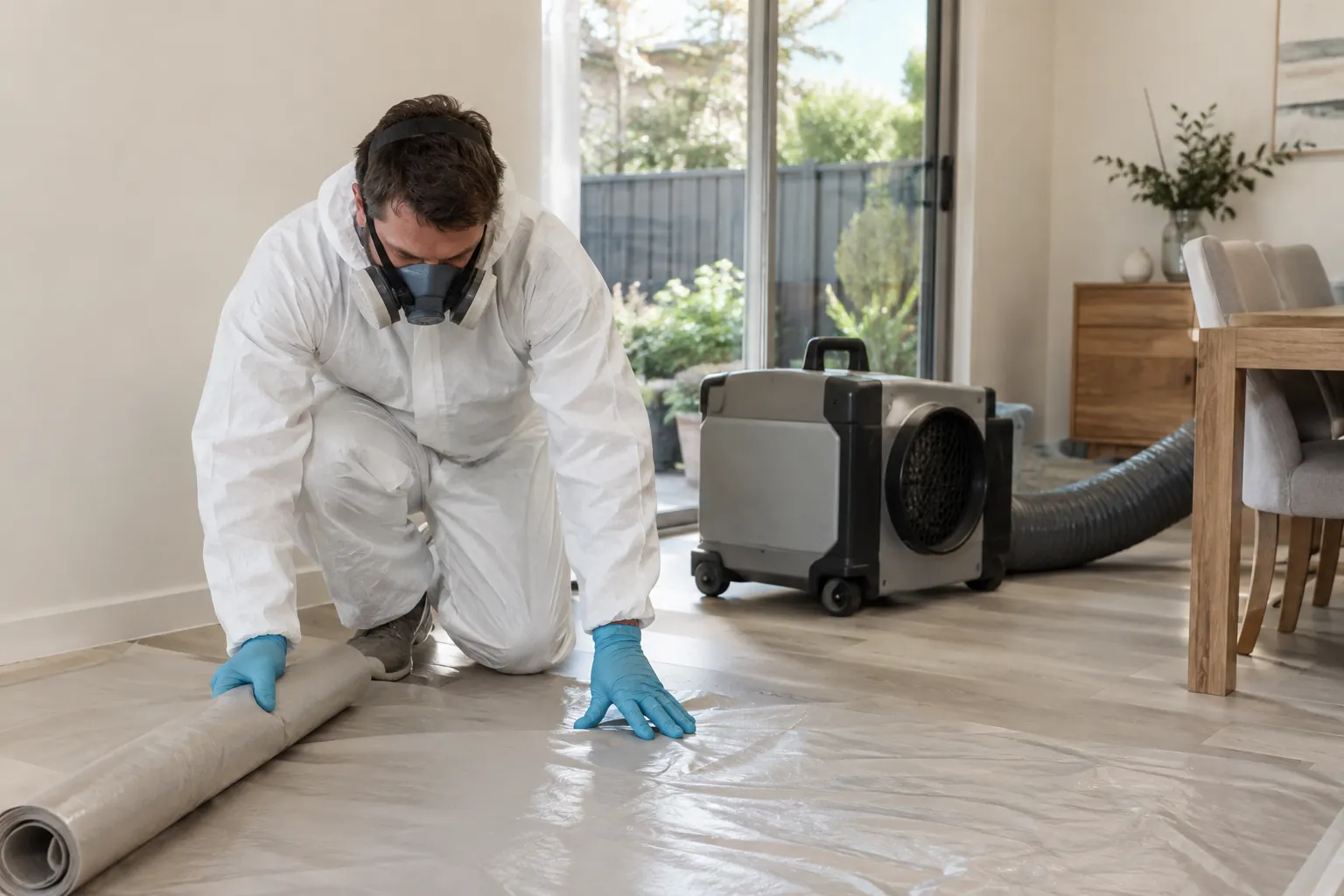
02
Prepare for overhead work
Describe furniture beneath the junction, delicate belongings and room height. Agree protection and equipment access beforehand. Do not scrape or scrub the cornice to prepare it; disturbing a loose finish can create another problem.
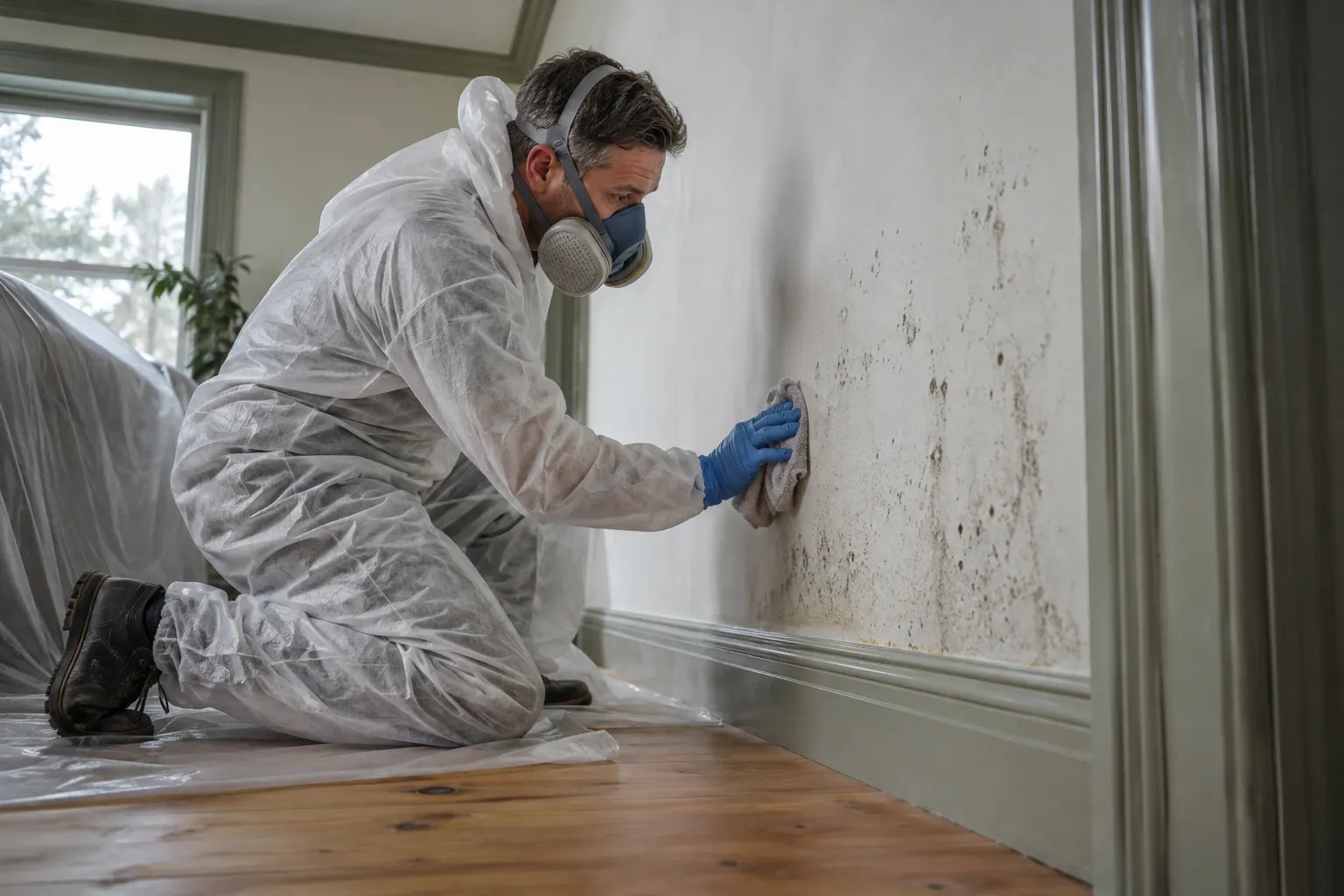
03
Discuss the outstanding finish
Review the treated surface and any remaining staining or damaged decoration. Mould remediation links removal with moisture and material concerns; reattachment, restoration and repainting may require separate work.
COMMON AREAS AFFECTED
The corner
and its surroundings.
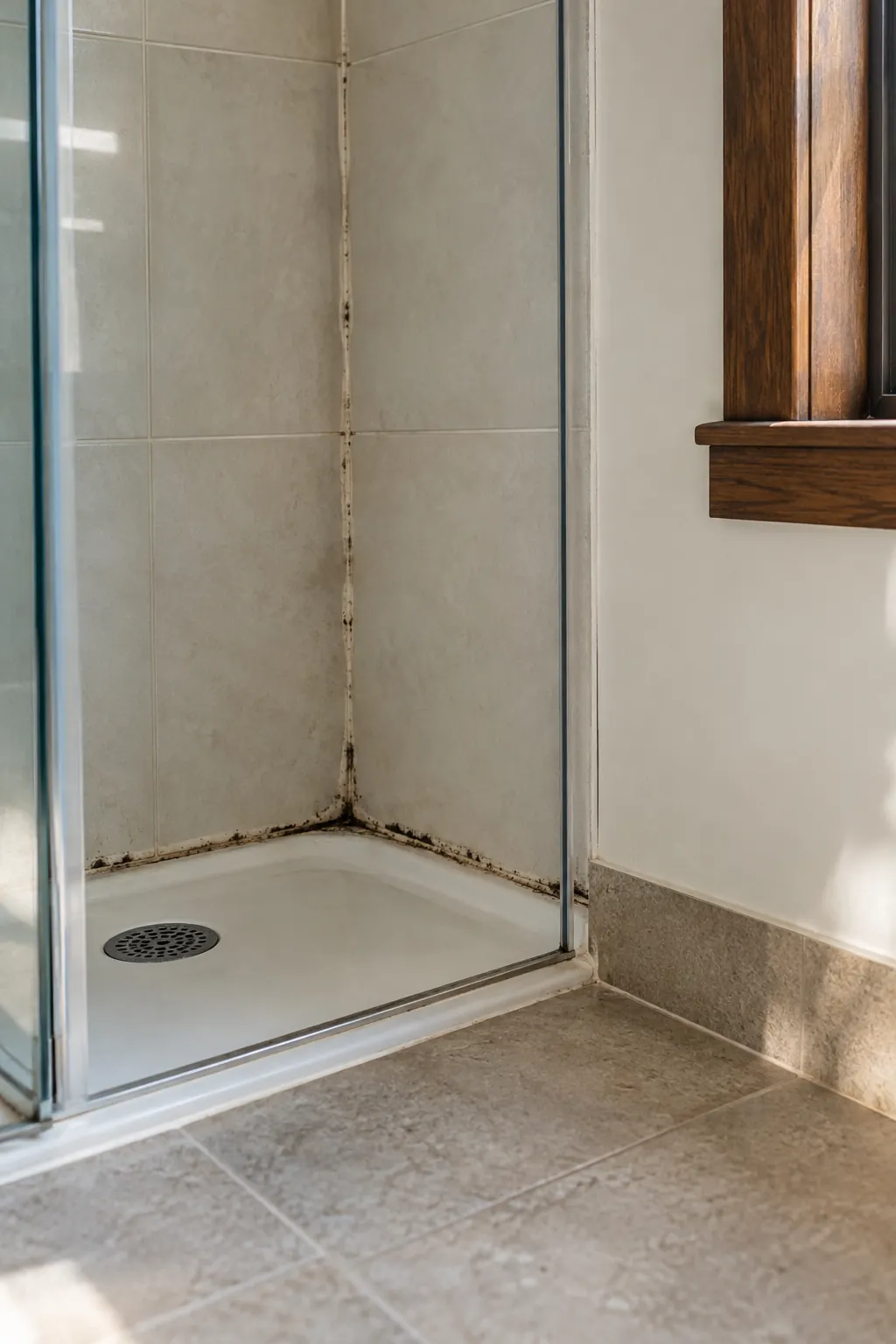
Steam-prone junctions
A bathroom cornice can require ventilation checks as well as assessment of its decorative condition.
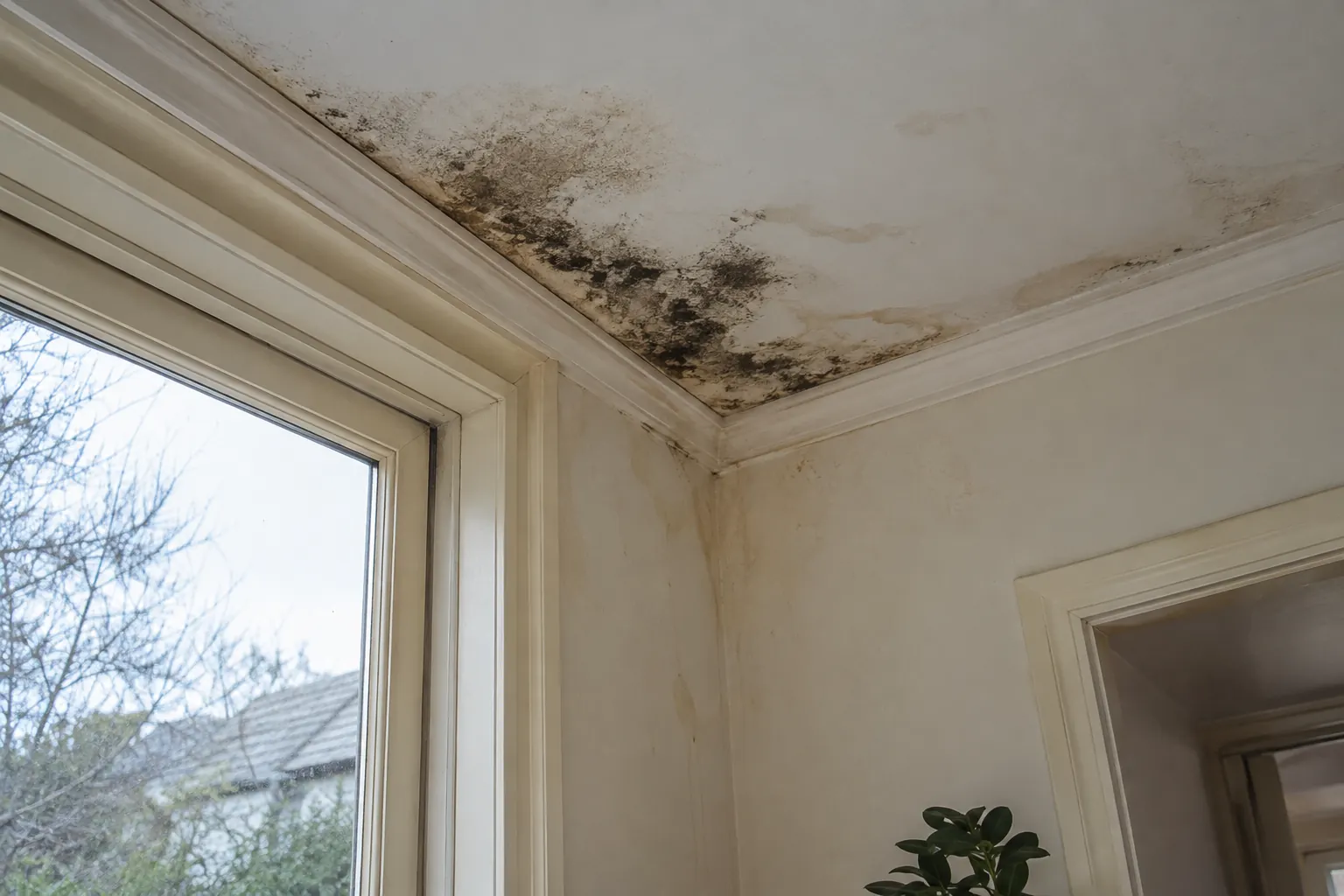
Overhead staining
Compare the dark line with any wider stain, distortion or peeling paint above it.
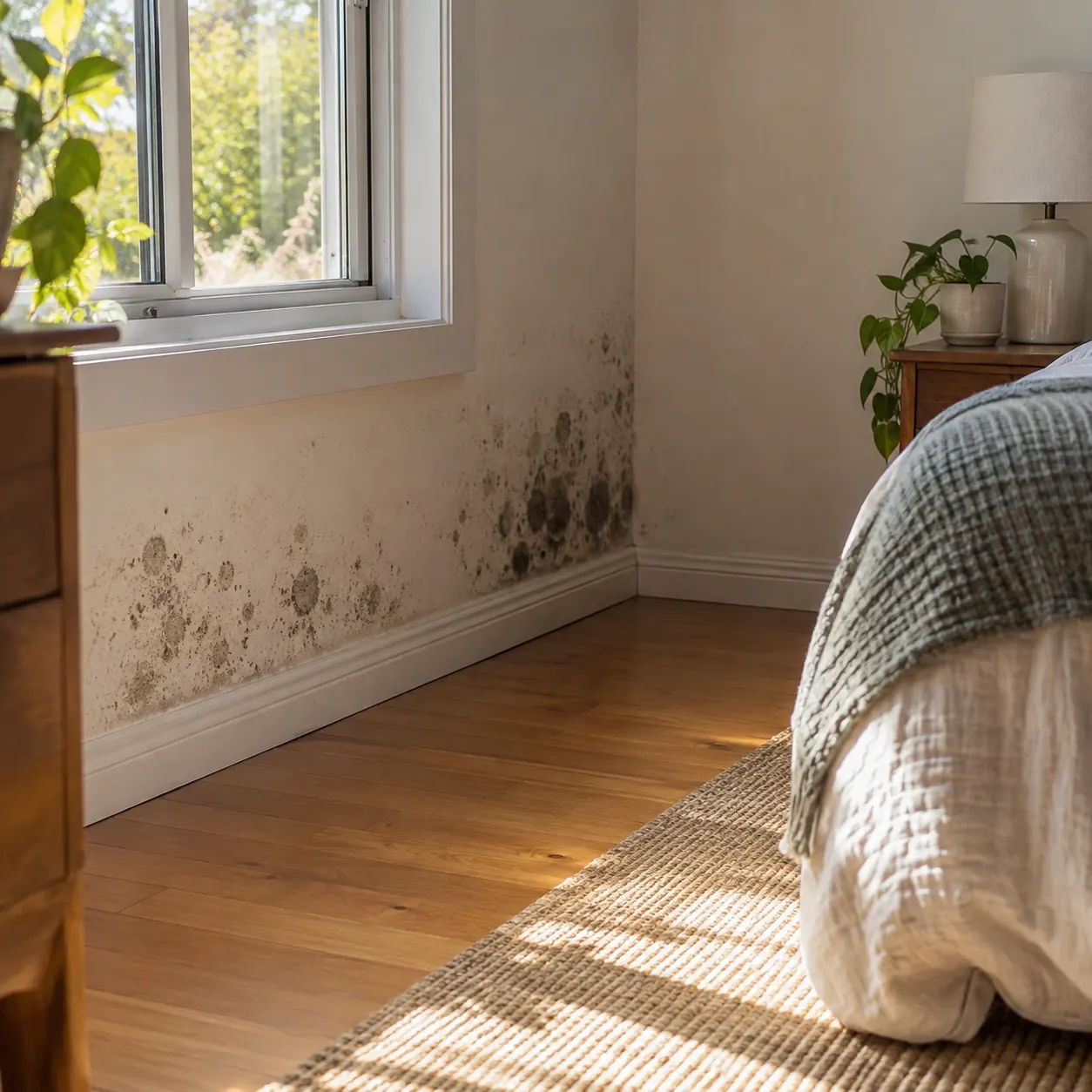
Adjoining paint
Record whether growth extends down the wall or remains at the ceiling junction.
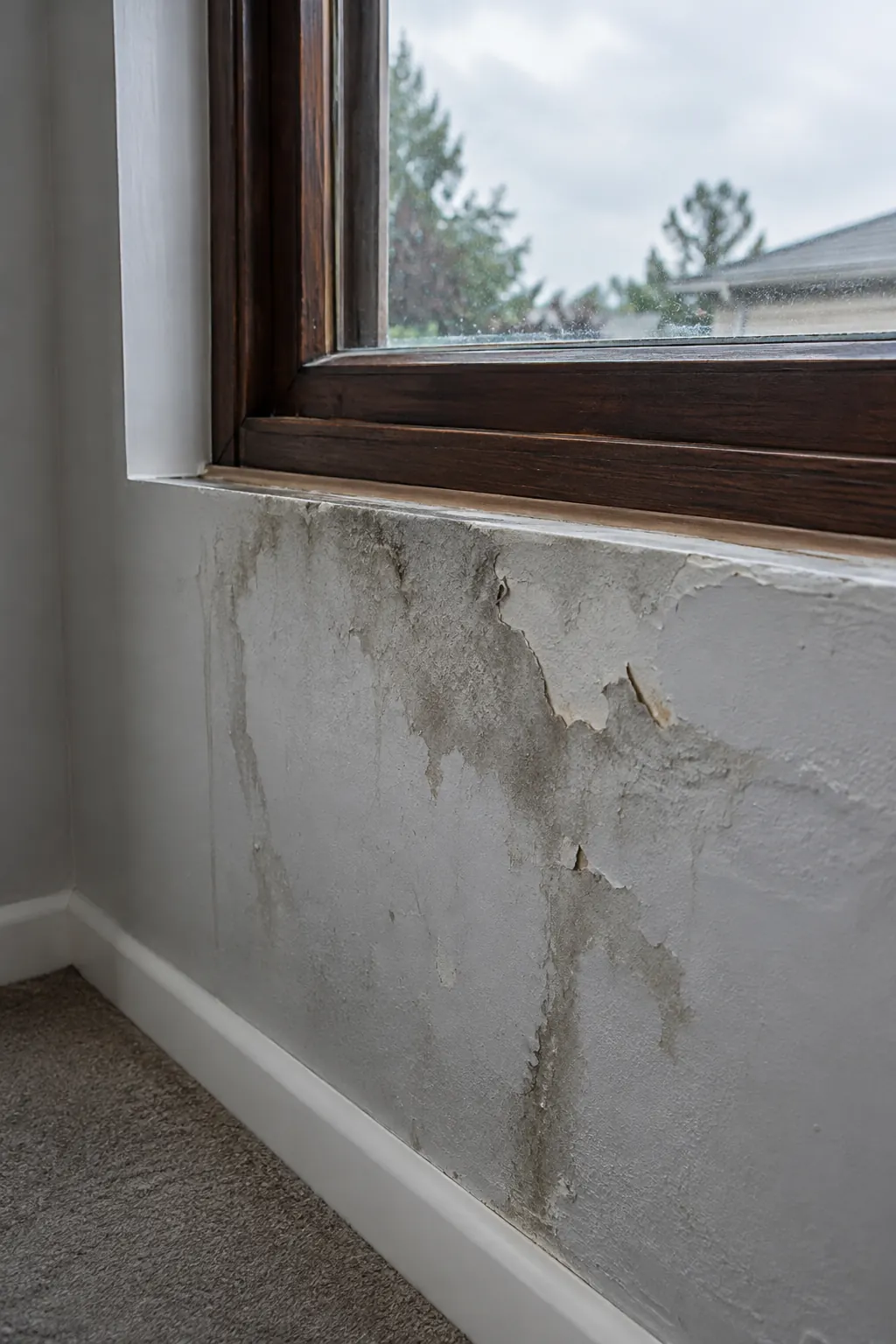
Deteriorated details
A softened or detached finish may need repair after the moisture source is addressed.
PREVENTION STARTS WITH
Preserve the detail.
Resolve the dampness.
Check changes after repairs
Keep photographs that include a recognisable part of the moulding. If the same line darkens again, record the timing and any relevant rain or room use. Pass source-related changes to the appropriate repair trade instead of repeatedly brushing the decoration.
Do not hide the material issue
Painting can conceal a stain without restoring a loose cornice or stopping water entry. Discuss the condition before decorative work begins. Where ventilation is implicated, check that moisture can leave the room and that the junction dries under ordinary use.
KEW & NEARBY
Kew and
connected room guidance.
Nearby guides include Hawthorn and Deepdene. For an enquiry in Kew, provide the street, ceiling height and finish details so access, availability and the next assessment step can be discussed.
BEFORE YOU CALL
Questions about
decorative plaster.
Can I scrub a moulded cornice before calling?
Leave the affected finish undisturbed. A decorative or loose surface may not tolerate aggressive brushing; explain its condition and ask about an appropriate assessment.
Does a dark cornice line always mean a roof leak?
No. The appearance describes the location of the mark, not its cause. Compare rain-related changes with room moisture and relevant plumbing history.
Is reattaching loose plaster part of removal?
Do not assume it is. Identify the damage before booking so restoration or building work can be separated from the agreed accessible surface scope.
How can I show a high corner safely?
Take a wider image from floor level and explain the height. Do not climb onto furniture or touch weak plaster simply to obtain a close photograph.
Will removal restore the original paint colour?
Staining or coating damage may remain. Discuss surface limitations and any separate decorative restoration before agreeing the work.
What should I retain from an earlier repair?
Keep the dates, location and any reports about water entry or damaged plaster. That history helps explain whether the current line is new, recurring or unchanged.
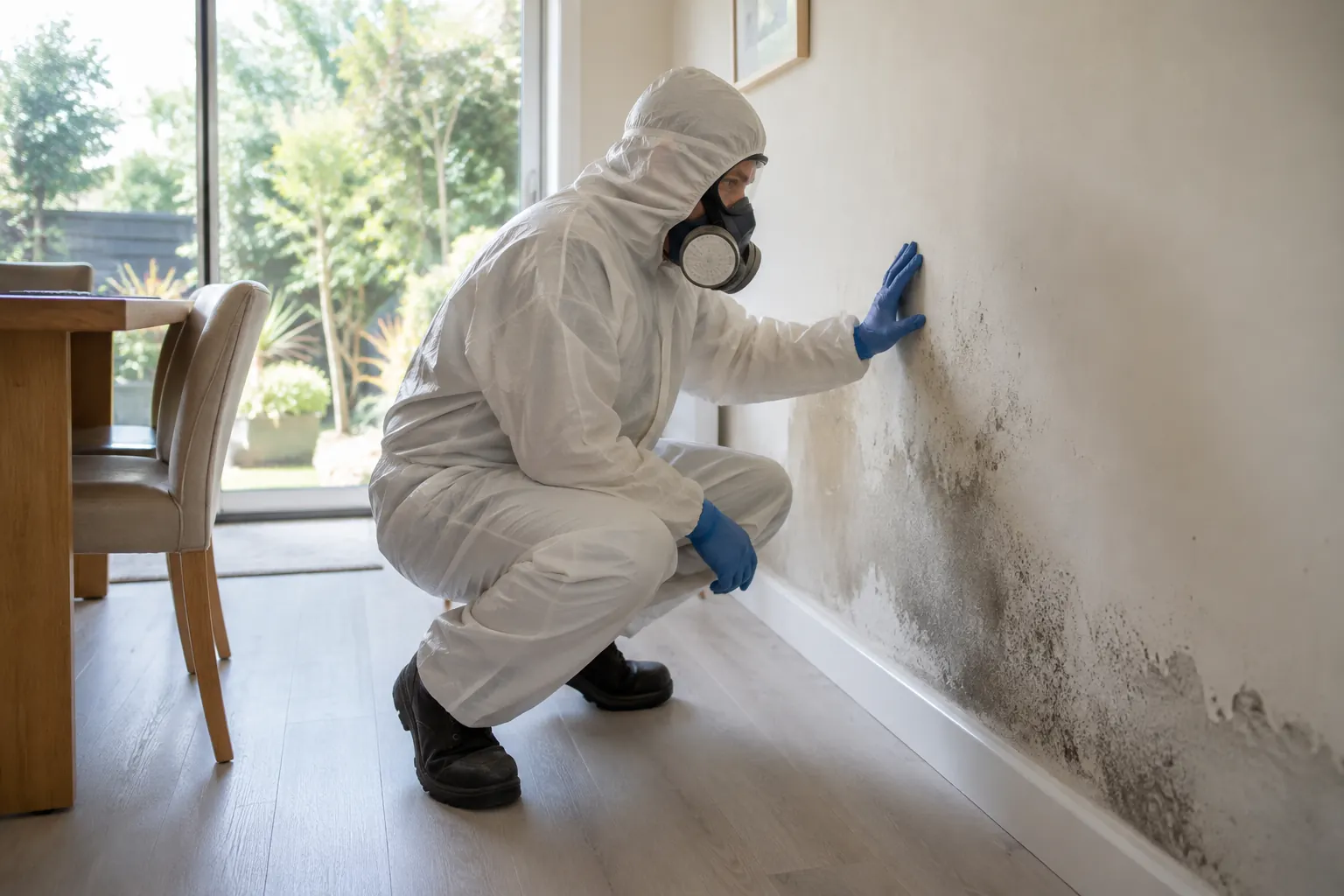
TELL US WHAT YOU CAN SEE
Tell us about
the ceiling detail.
Call 03 8652 1296 with your Kew room description, cornice condition and access information. We can discuss an appropriate next step.
Local context: Boroondara locality information