

STORAGE · LINING · ACCESS
DEEPDENE · MELBOURNE
Mould Removal Deepdene
A linen cupboard can hide damp lining behind neatly folded fabric. If you find mould in a built-in cupboard in Deepdene, show what can safely be seen and explain the shelving, contents and any plumbing nearby.
Lining and contents separated
Fixed access limits considered
Preparation responsibilities agreed
THE ROOM TELLS A STORY
Open the cupboard.
Understand its limits.
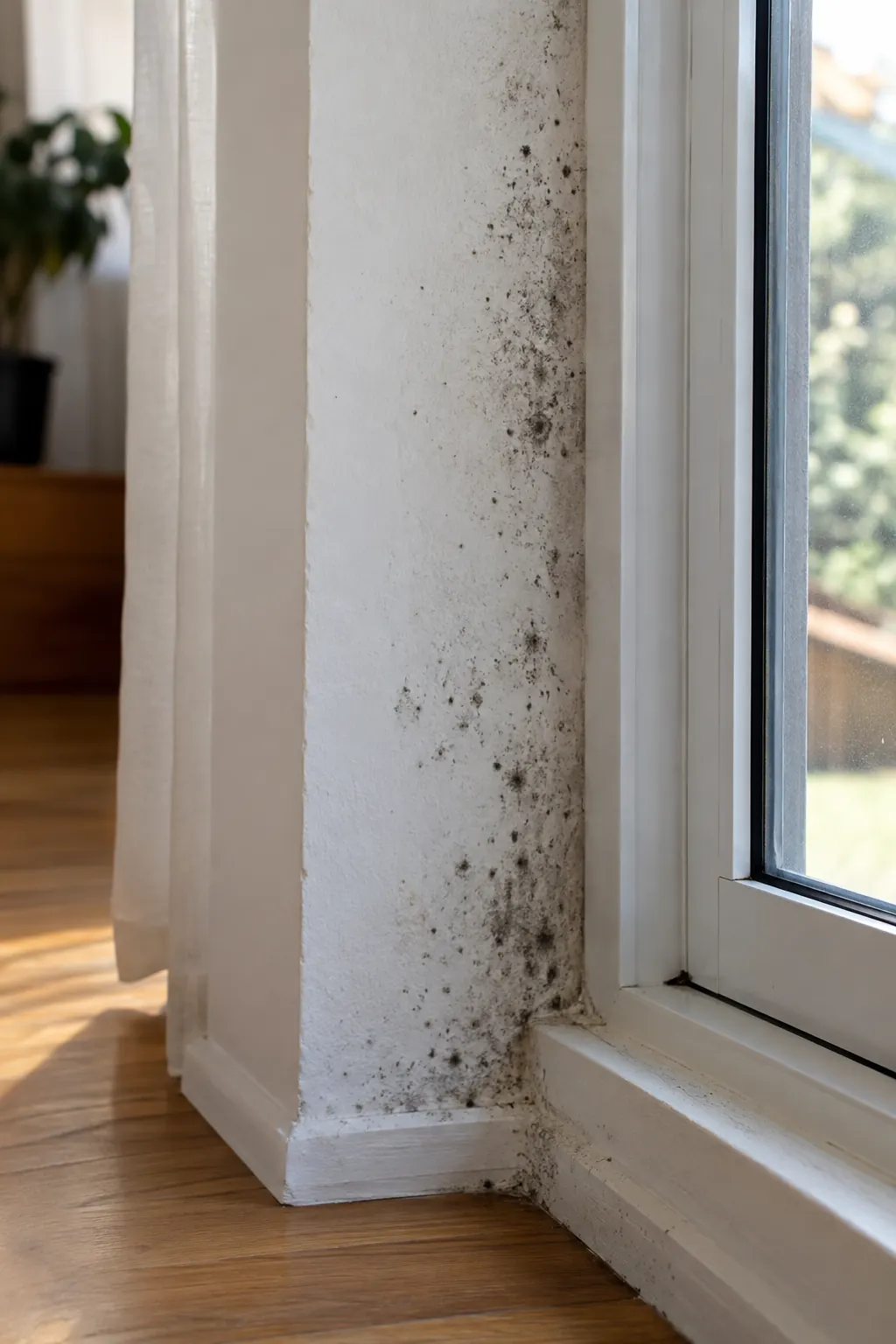
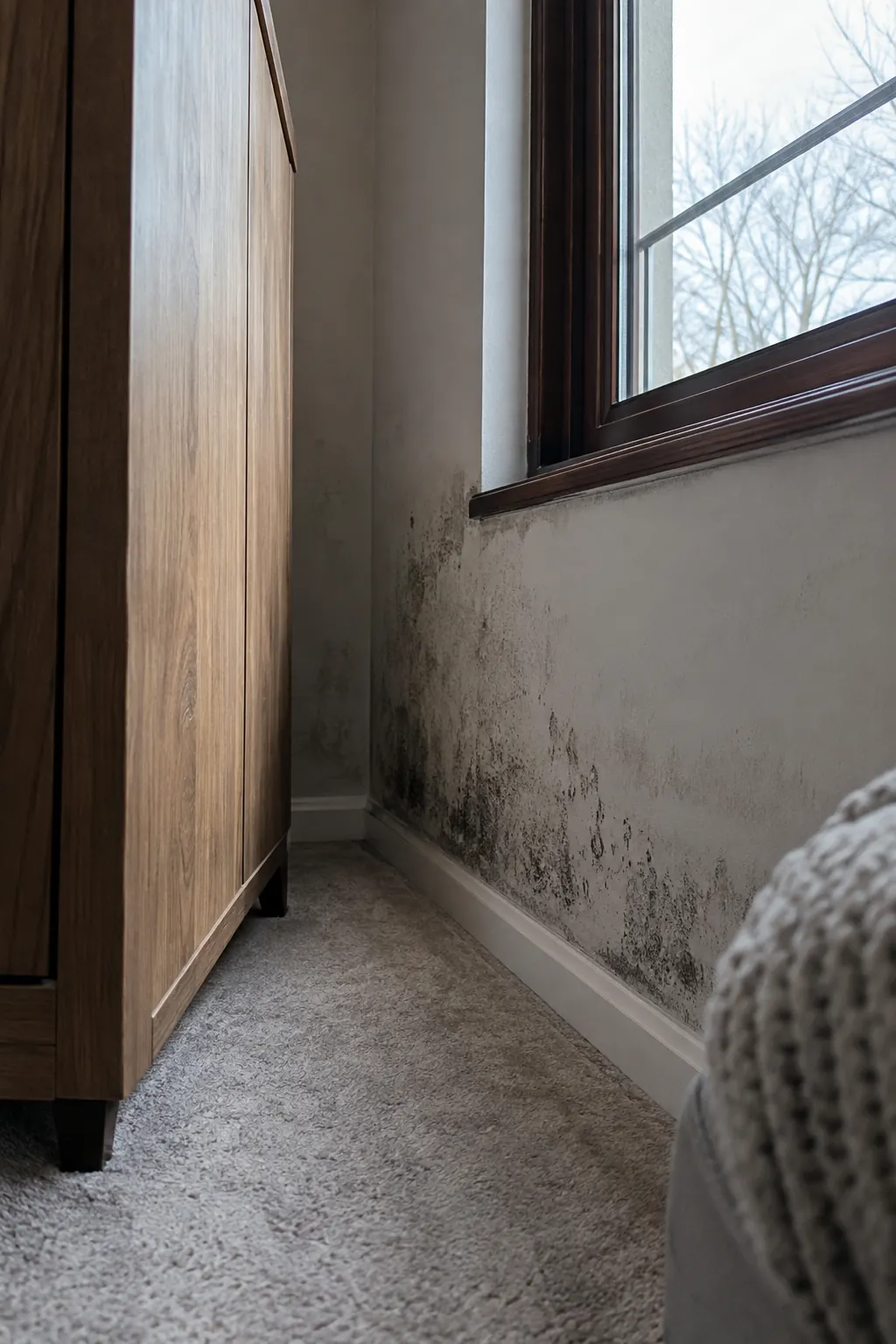
Deepdene is a Boroondara locality. A cupboard enquiry involves both the building surface and the belongings stored against it. A stained back panel, damp shelf and affected fabric are not automatically one treatment task. Identify each separately and avoid packing items tightly back over the evidence before the scope is discussed.
Describe the location within the home and what sits on the other side of its wall. Is the cupboard beside a bathroom? Has a plumbing repair occurred nearby? Explain those details when arranging mould inspection, while leaving concealed panels or fixed shelves undisturbed.
UNDERSTANDING MOISTURE
Look inside.
Consider what lies beside it.
The storage pattern
Note whether fabric has been stored against the lining and whether items were dry when put away. Limited circulation can slow drying, but the cupboard layout does not establish the whole cause. Compare exposed sections with the covered area.
Adjoining wet areas
A nearby bathroom or pipe is relevant history to report, not proof of a leak. Keep notes about water use, staining and repair dates. Investigation may be needed where dampness persists independently of what is stored in the cupboard.
Panel condition
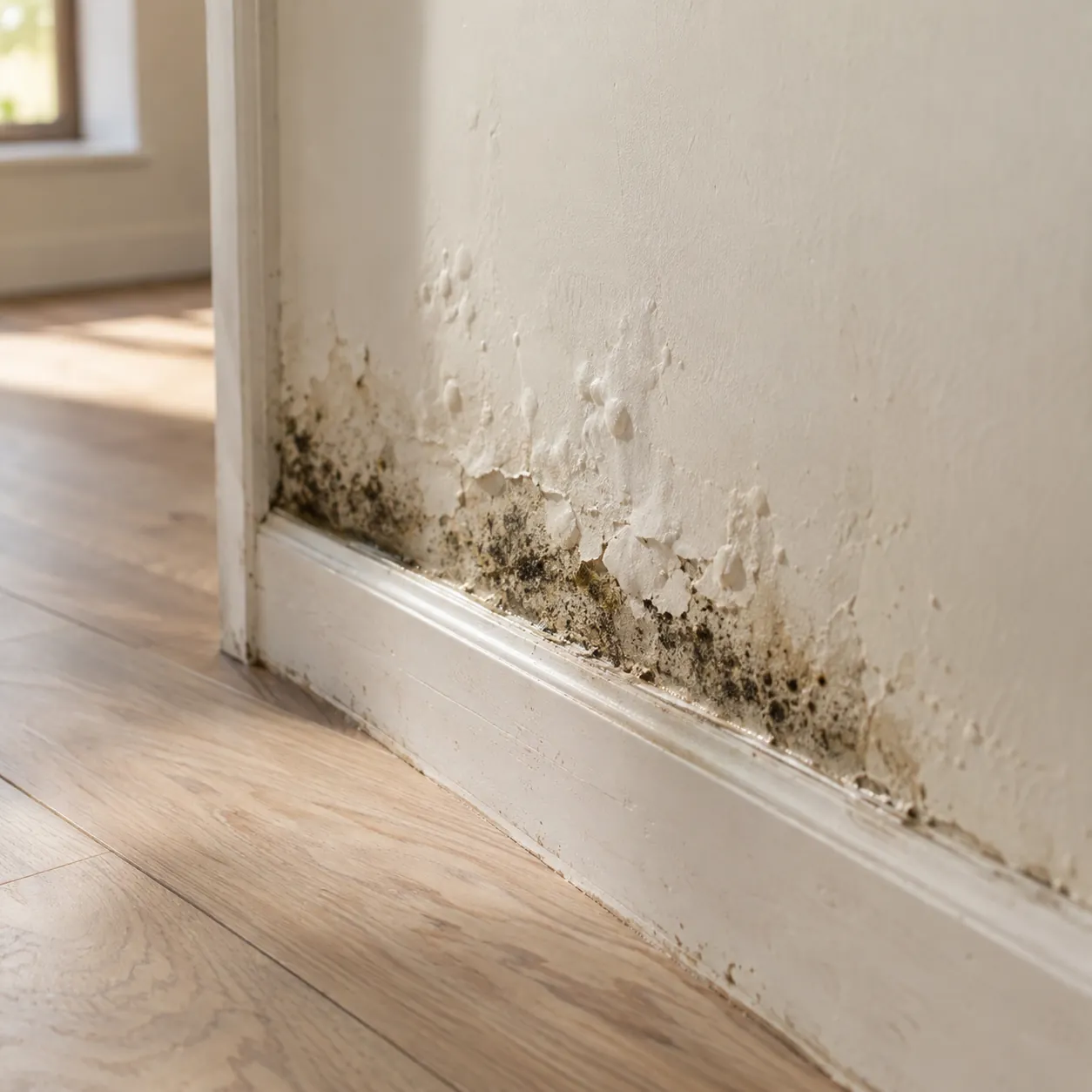
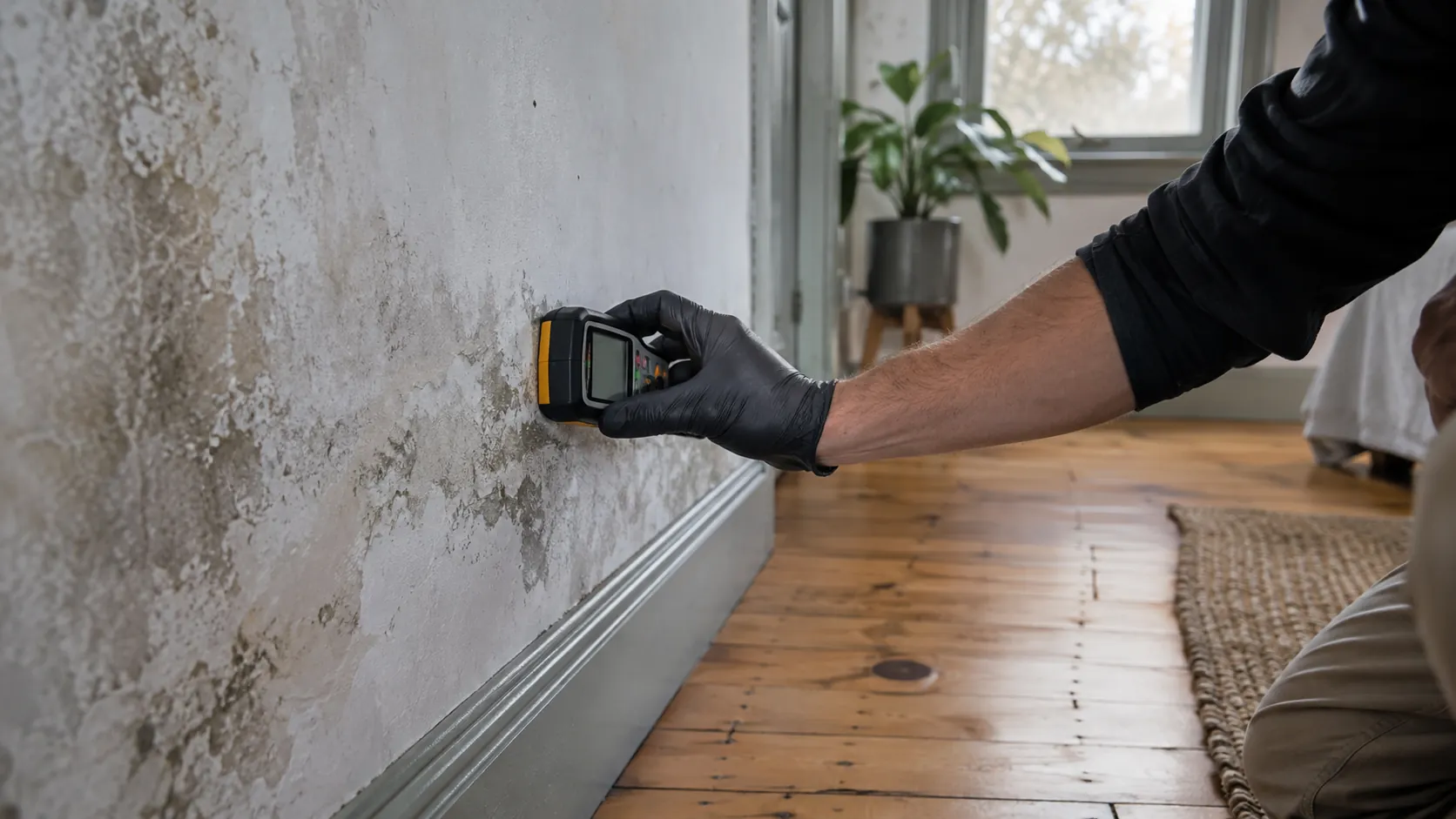
Swollen shelves, softened board or lifting paint deserve a material discussion. Moisture readings on accessible surfaces have limits; they cannot assess every concealed layer behind a fitted unit. Damaged lining or joinery may need separate repair or replacement.
OUR REMOVAL PROCESS
Separate belongings
from building surfaces.
Photograph the layout
Include the cupboard opening, shelves and visible lining. A closer patch image is more useful when the wider view explains where it sits and what obstructs access.
Keep the contents distinct
Mention damp or marked linen separately from the panel. Do not assume treatment of the building surface resolves belongings made from different materials.
Plan before refilling
Ask about drying, unresolved dampness and the lining’s condition. Agree what needs follow-up before storage returns to the same position against the affected surface.
01
Define the cupboard scope
Describe the lining, shelving and visible extent. Discuss surface removal without assuming that clothes, linen or the contents are included. Identify fixed obstructions that prevent a complete view.
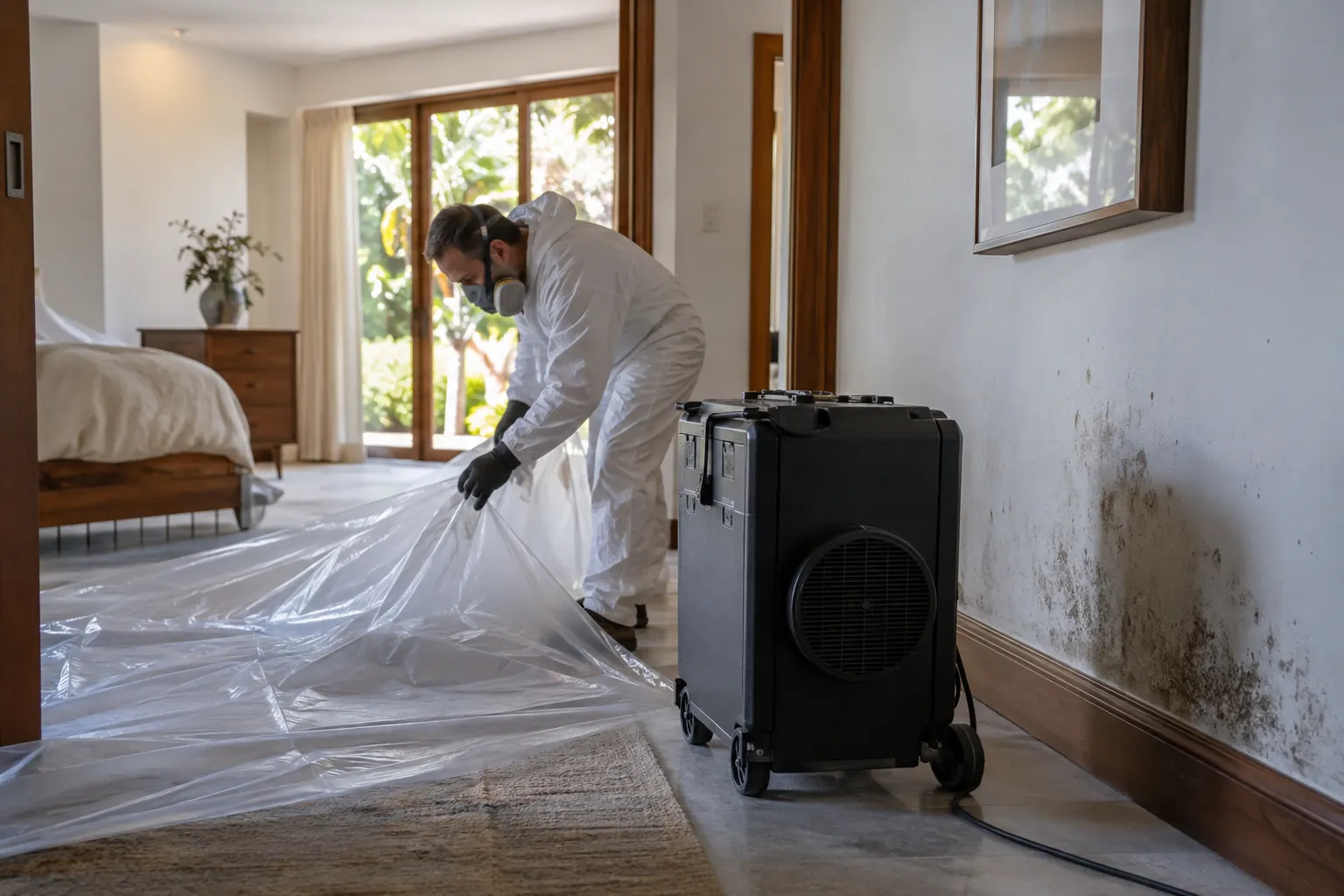
02
Agree how to clear it
Ask which loose items can be moved and where they should go. Affected contents need their own handling decision. Avoid dismantling fixed shelves or pulling off panels simply to prepare for an ordinary accessible surface visit.
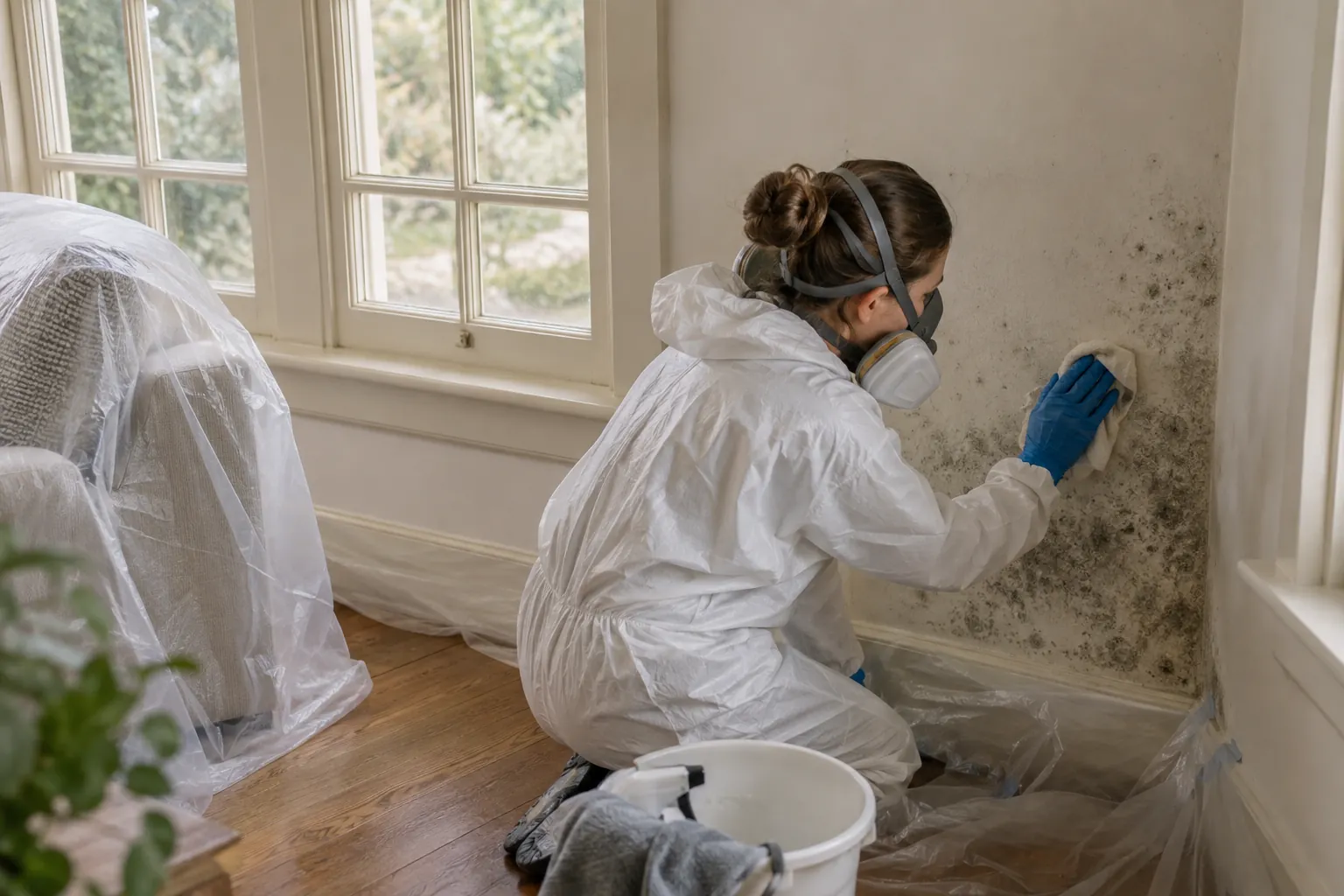
03
Review lining and moisture
Discuss what remains after the agreed work, including damaged board or persistent dampness. Remediation brings these wider decisions into view. Cleaning an accessible face does not certify the hidden space behind the unit.
COMMON AREAS AFFECTED
Stored items.
Surrounding rooms.
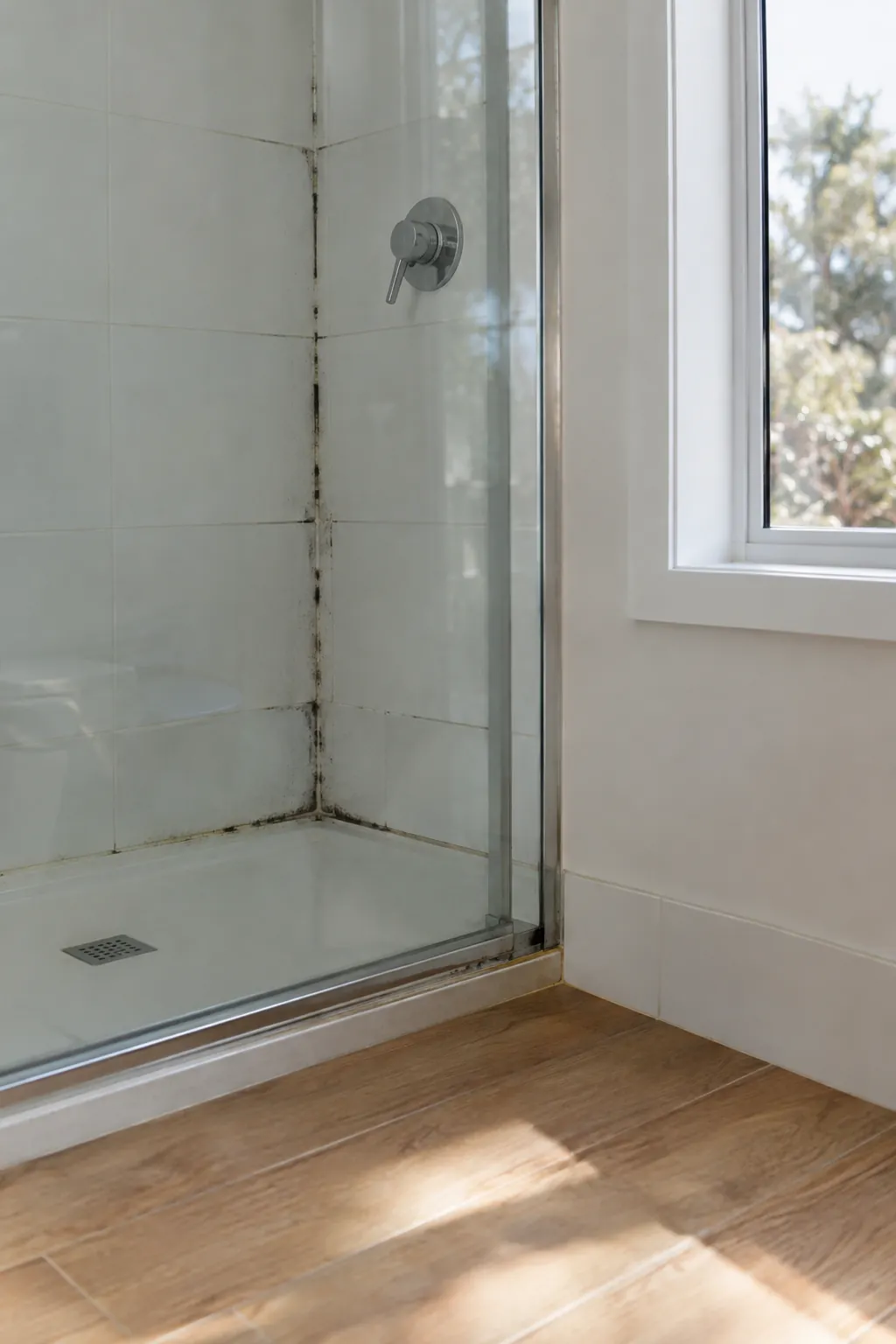
Nearby wet-area surfaces
Record bathroom moisture separately from dampness inside the cupboard, including any plumbing history.
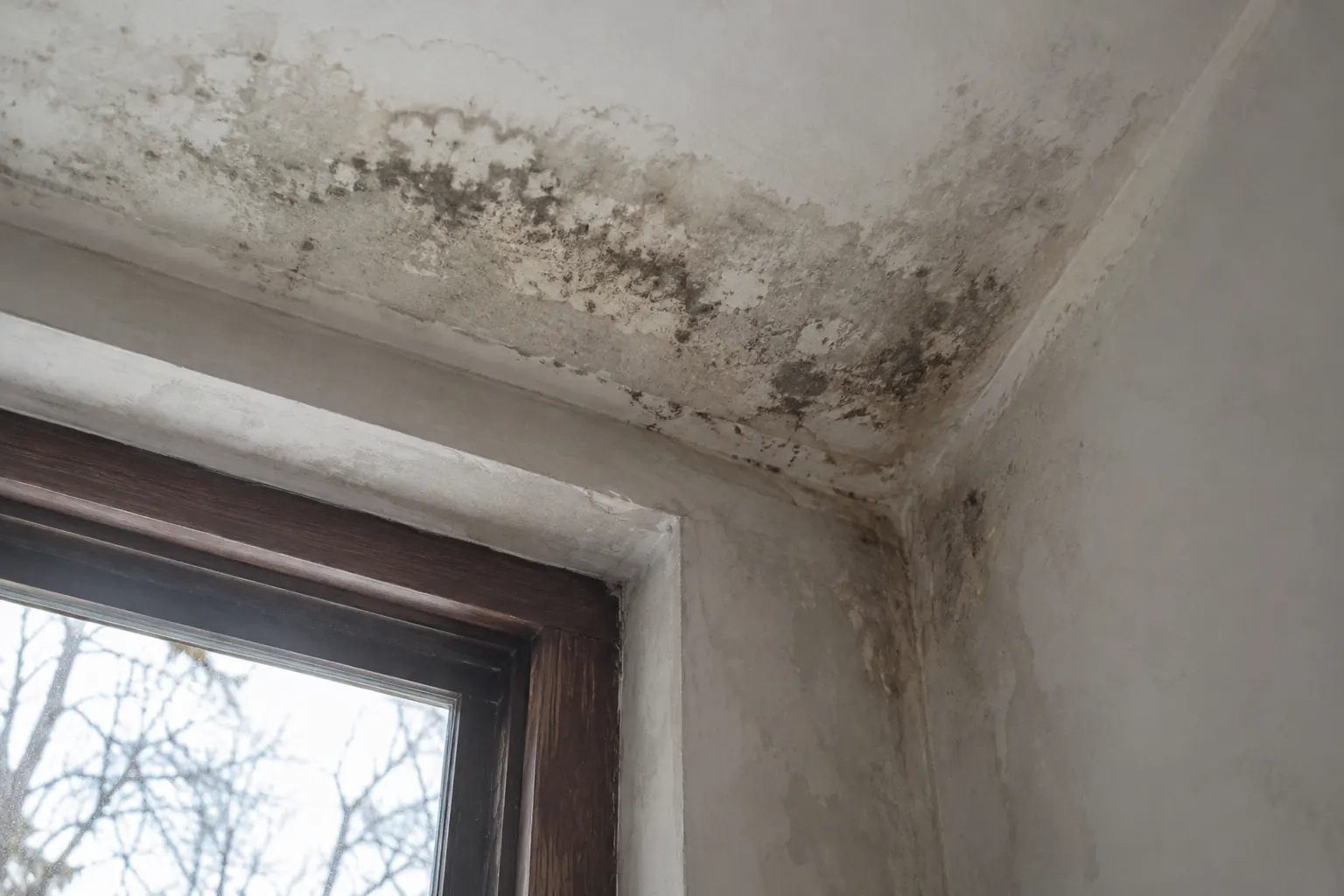
The top panel
Growth overhead or near a stain needs its own view; a shelf may conceal its extent.
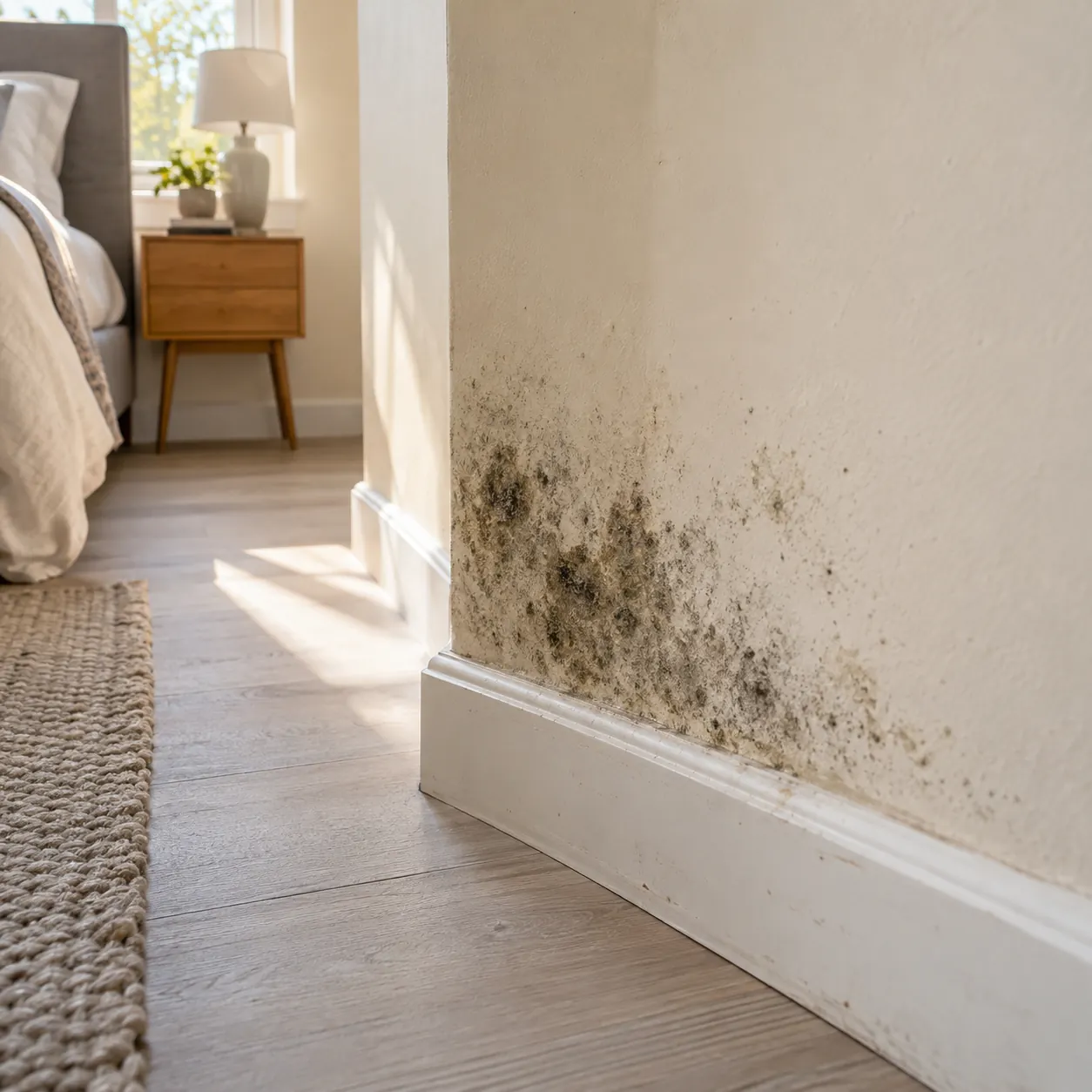
Behind stored linen
Describe the exposed lining and any section covered by belongings or fixed joinery.
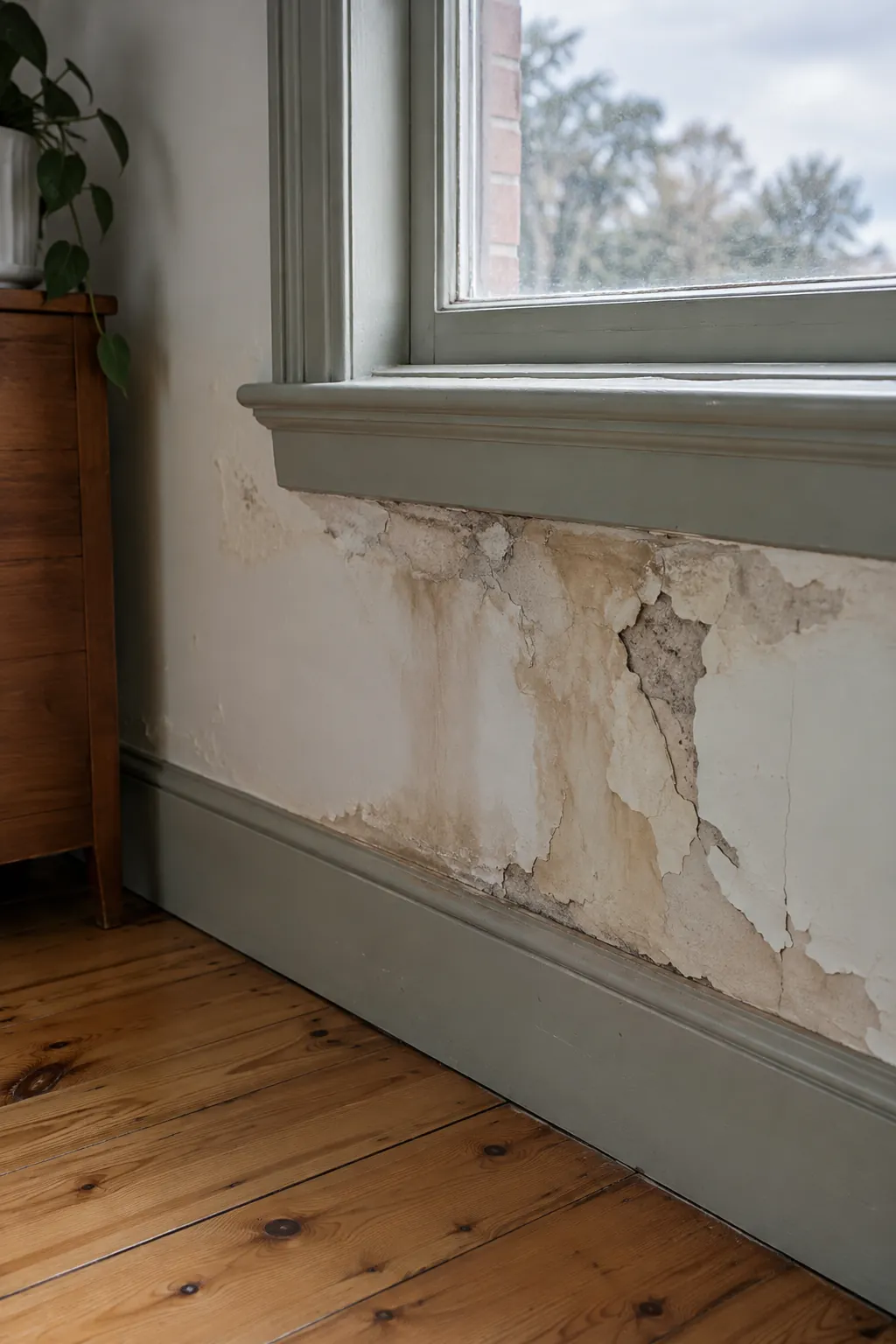
Swollen joinery
Material damage can remain after moisture is addressed and may need another trade.
PREVENTION STARTS WITH
Store dry.
Leave room to check.
Change the packing arrangement
Only put dry linen away and avoid pressing every item against a lining that has stayed damp. Where practical, leave circulation and a visible inspection gap. Monitor the actual result rather than assuming a reorganised cupboard cannot develop growth again.
Check the emptied space
If dampness remains when the cupboard is clear, revisit the adjoining room and building history. Keep dated photographs and follow up source repairs. A fragrance or fresh coat of paint cannot establish that the panel, hidden space or stored belongings are in suitable condition.
DEEPDENE & NEARBY
Deepdene and
connected local guidance.
Explore the Balwyn guide and Kew guide for window and ceiling questions nearby. For a Deepdene cupboard enquiry, give the actual address and fitted layout to confirm availability and accessible scope.
BEFORE YOU CALL
Questions before
the cupboard is refilled.
Does treatment of the lining include linen?
No. Textiles and other stored belongings are outside the agreed building-surface treatment. Fabrics and stored belongings need separate discussion from the building surface. Identify the affected items during the first enquiry.
Should I remove fixed shelves?
Do not dismantle fitted parts without agreement. Explain the obstruction so the accessible extent and any need for additional access can be established.
Can a damp smell identify mould behind a panel?
It cannot identify a species or reveal the hidden condition. Describe the smell and visible evidence; concealed concerns may require further investigation.
When can storage be returned?
Discuss the condition, drying and remaining moisture issues first. Replacing contents against unresolved dampness may reproduce the same problem.
Will removal restore swollen shelves?
It does not restore deteriorated joinery. Repair or replacement may be required separately, with that boundary discussed before work.
What if an empty cupboard still feels damp?
Record it and mention adjoining plumbing or repair history. The source needs consideration beyond reducing the quantity of items stored there.
TELL US WHAT YOU CAN SEE
Show the layout.
Explain the dampness.
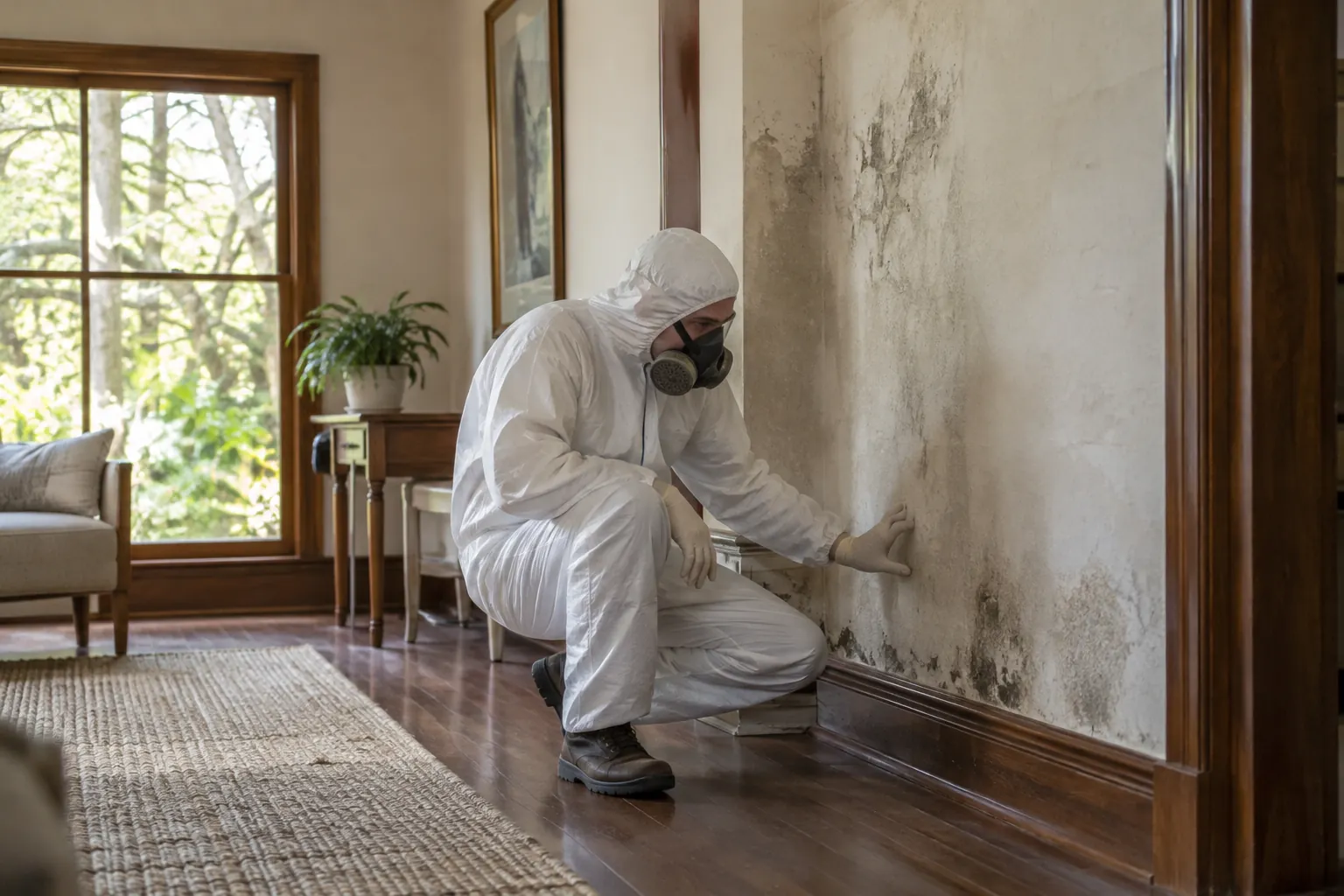
Call 03 8652 1296 with your Deepdene address, cupboard photographs and access details. Discuss the lining, contents and next assessment step.
Local context: Boroondara locality information