
LAUNDRY · AIR · DRYING
HURSTBRIDGE · MELBOURNE
Mould Removal Hurstbridge
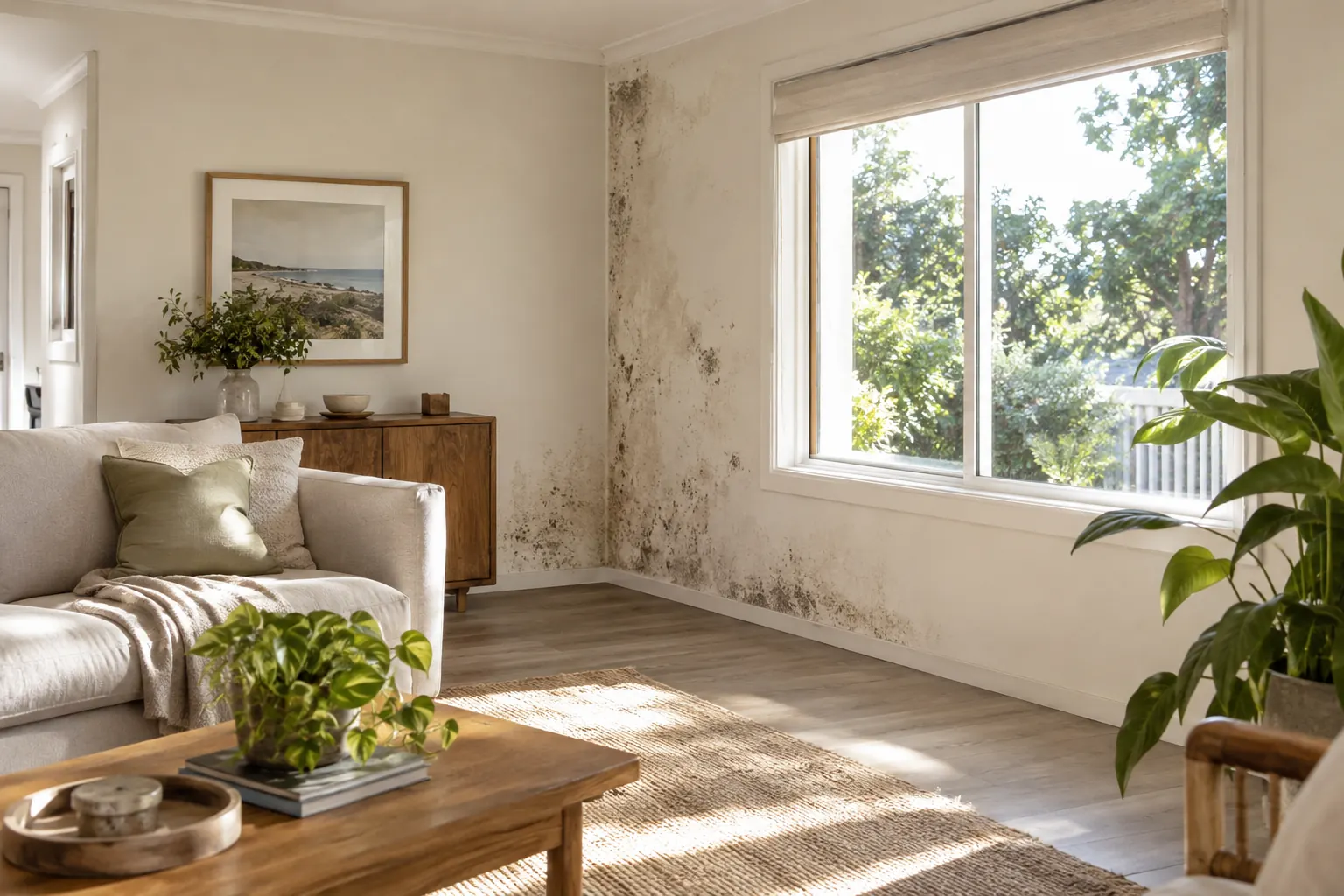
Wet clothes can add moisture to a room long after the washing finishes. If mould appears around a drying area in your Hurstbridge home, describe how the space is used and where the moisture seems to collect.
Room use considered
Drying equipment discussed
Accessible scope agreed
THE ROOM TELLS A STORY
The load is finished.
Is the room dry?
Hurstbridge is a township within Nillumbik. A laundry enquiry needs the room’s own drying history: where wet clothing hangs, whether a dryer operates there and how the surrounding surfaces behave afterwards. This does not assume a particular house type or that indoor drying is the only possible source.
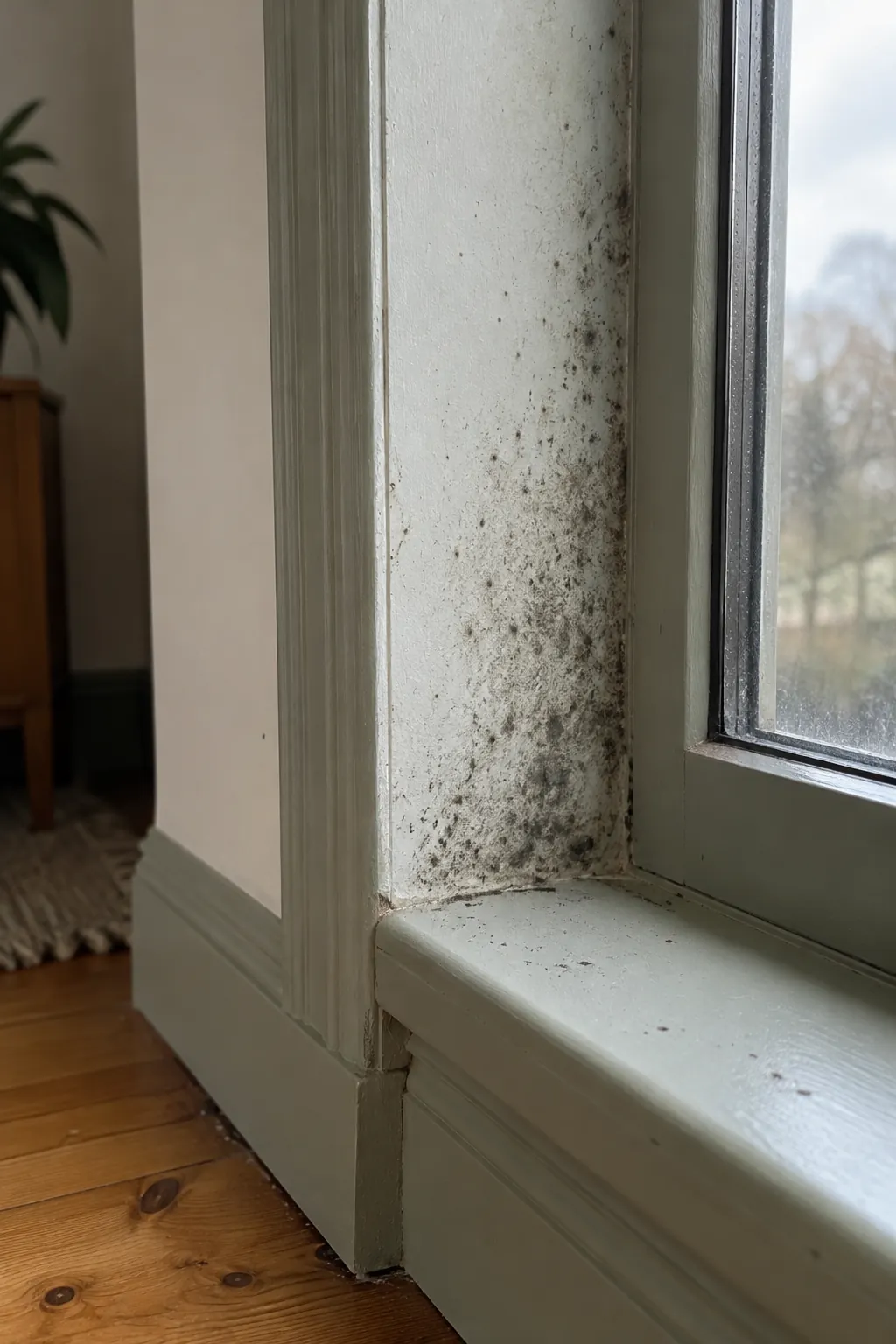
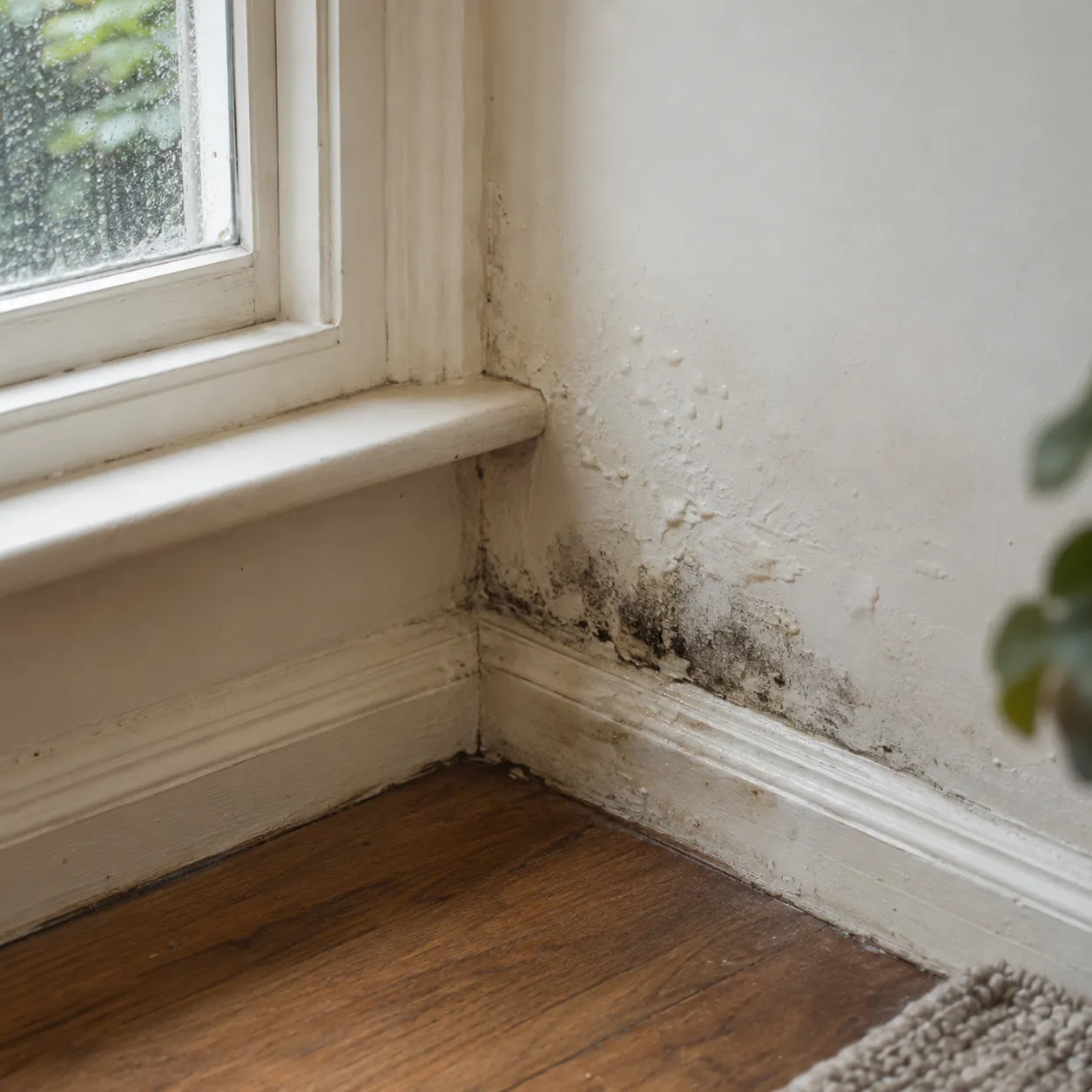
Look beyond the nearest patch. Water around a washing machine, damp cabinet edges and droplets on glazing can have different explanations. Record which changes follow washing, drying or rain. Tell us about those observations when discussing mould inspection, including any earlier appliance or plumbing repairs.
UNDERSTANDING MOISTURE
Separate the moisture
events in the room.
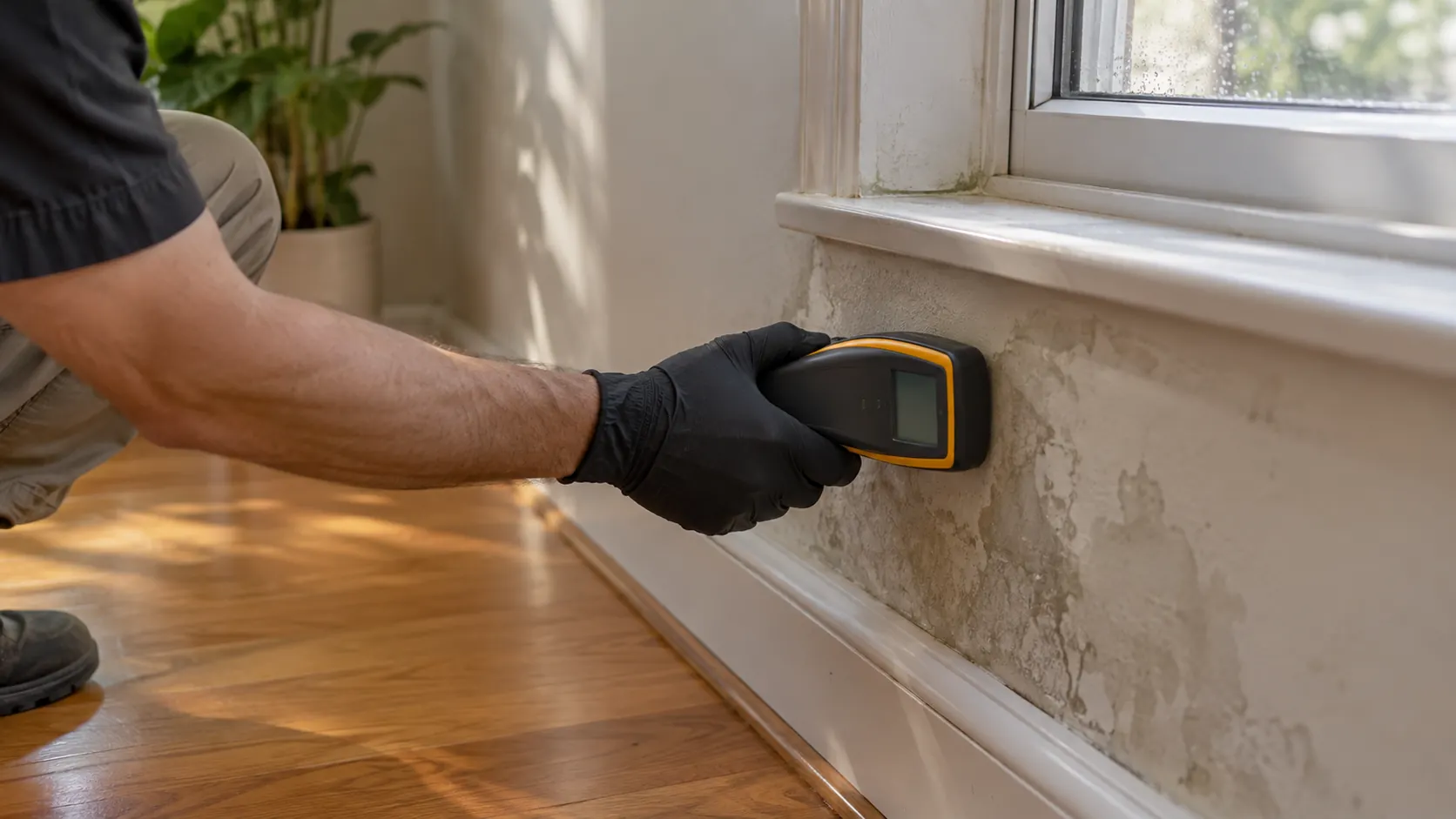
Moisture released indoors
A loaded drying rack may occupy the same corner for hours. Notice whether the glass or wall becomes wet during that period and how long it takes to clear. Damp clothing touching the wall adds another direct contact to consider.
The appliance arrangement
Identify the dryer and any ventilation arrangement without guessing where air is discharged. Installation and maintenance need to follow the manufacturer’s instructions. A surface removal service cannot correct an unsuitable appliance setup or replace a ventilation system.
Water that does not fit the routine
Dampness that persists when no washing or drying occurs needs separate investigation. Mention wet flooring, softened cabinetry or plumbing history. A moisture check contributes to the accessible assessment, but cannot reveal every concealed connection behind a fitted laundry.
OUR REMOVAL PROCESS
A clear laundry
makes a clearer plan.
Keep the activity log
A few notes about drying days, window droplets and room conditions can explain the sequence better than a single close photograph. Include occasions when the room stays damp despite being unused.
Clarify fitted obstructions
Describe fixed shelves, appliance recesses and narrow routes. Agree the accessible work before rearranging the laundry so responsibilities for moving equipment remain clear.
Ask about the next check
Confirm any recommendations for unresolved dampness or damaged material. Keep those actions separate from ordinary cleaning and agree how the room will be monitored after the appointment.
01
Describe the pattern
Tell us where growth is visible and which activities precede it. Establish the affected finishes and accessible extent through mould removal, identifying fitted cabinets or appliances that obstruct the view.
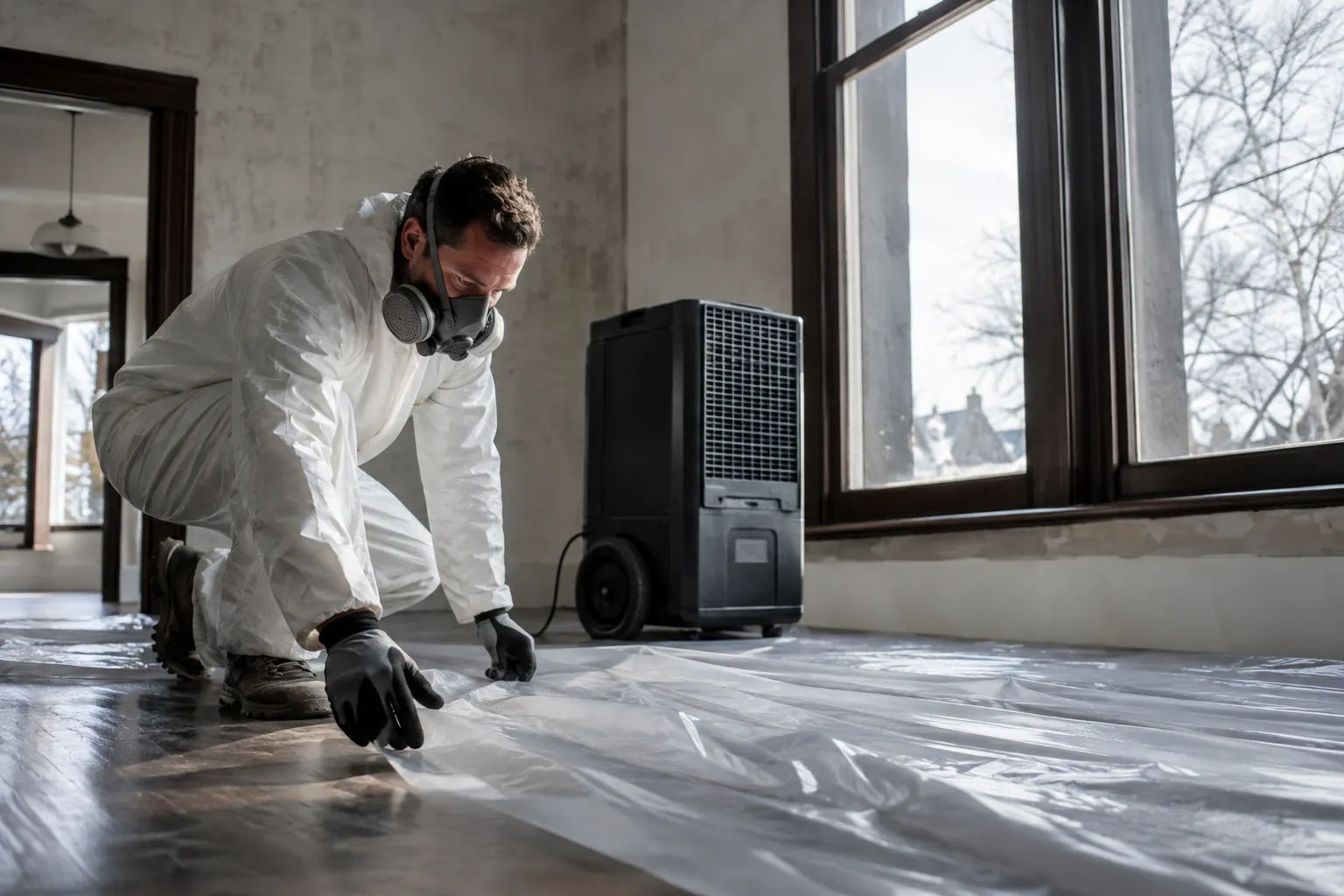
02
Agree a workable setup
Discuss racks, loose storage and laundry appliances before the visit. Avoid disconnecting a machine or shifting heavy equipment without suitable arrangements. Preparation and protection should fit the actual room rather than rely on a standard empty-space assumption.
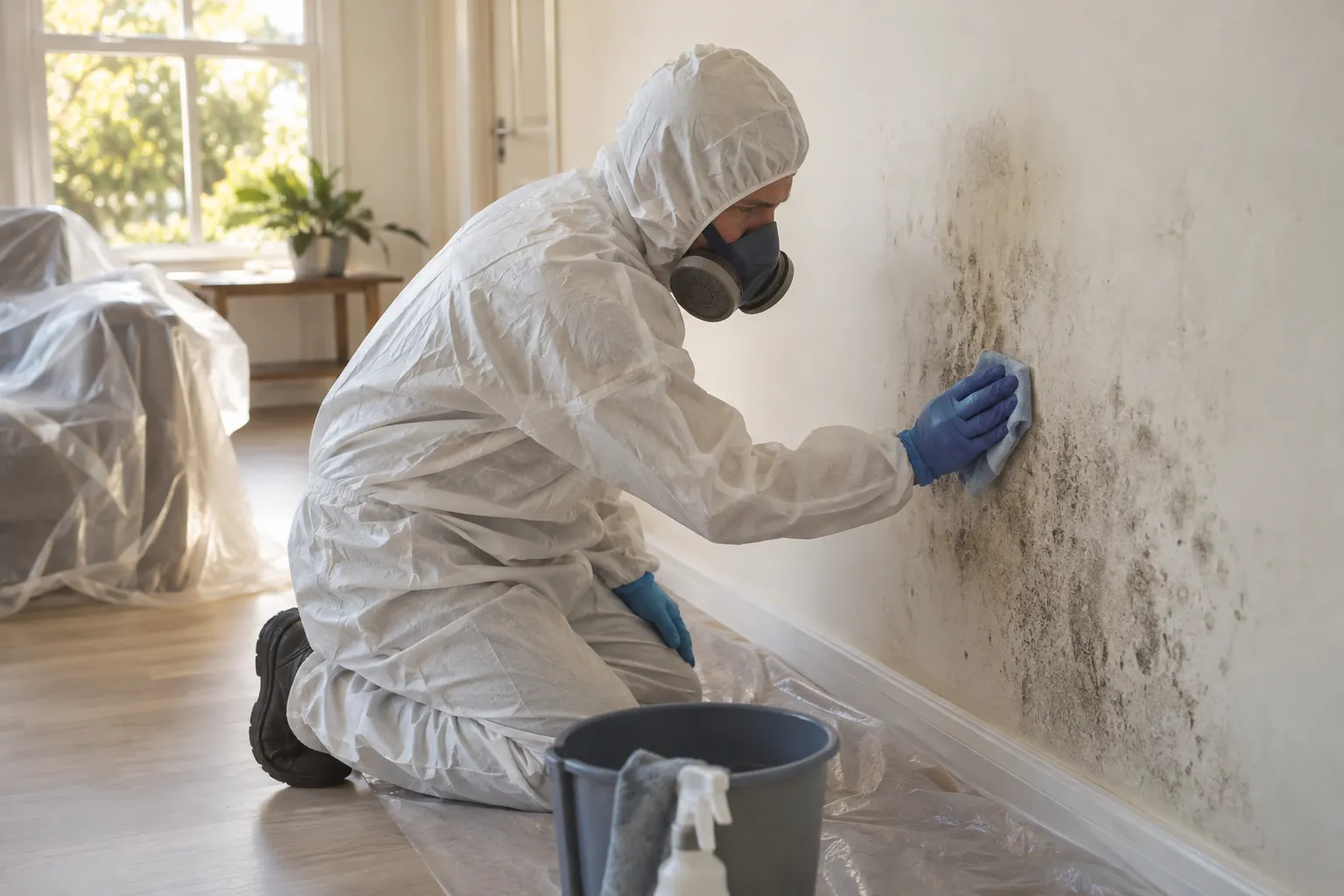
03
Review drying and surface issues
Discuss the treated areas and any damaged board or joinery. Remediation connects surface removal with the remaining moisture decisions; repair of plumbing or appliance ventilation may require a separate trade.
COMMON AREAS AFFECTED
Laundry clues.
Household comparisons.
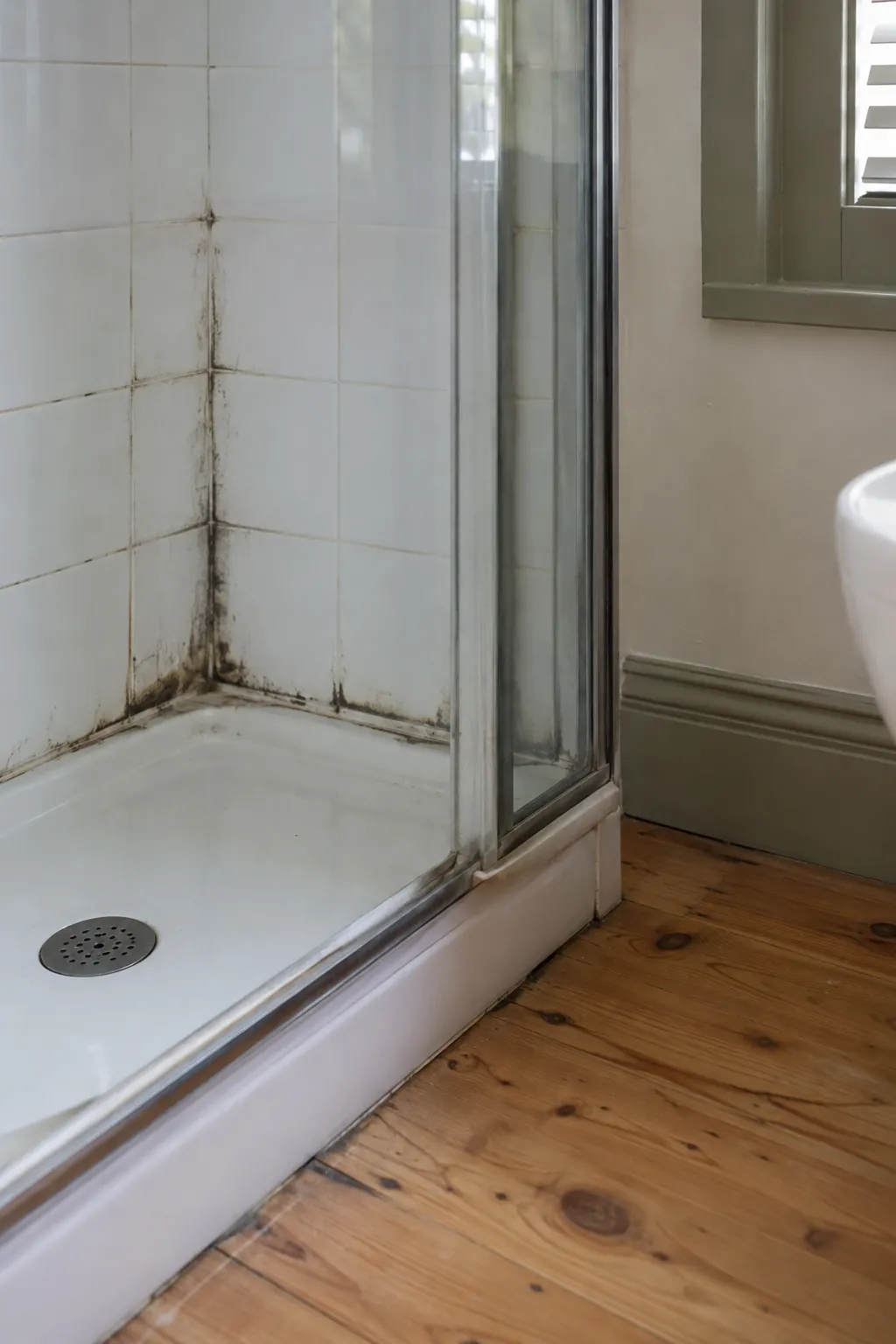
Another wet room
Compare how quickly shower surfaces dry with the laundry after a load of washing.
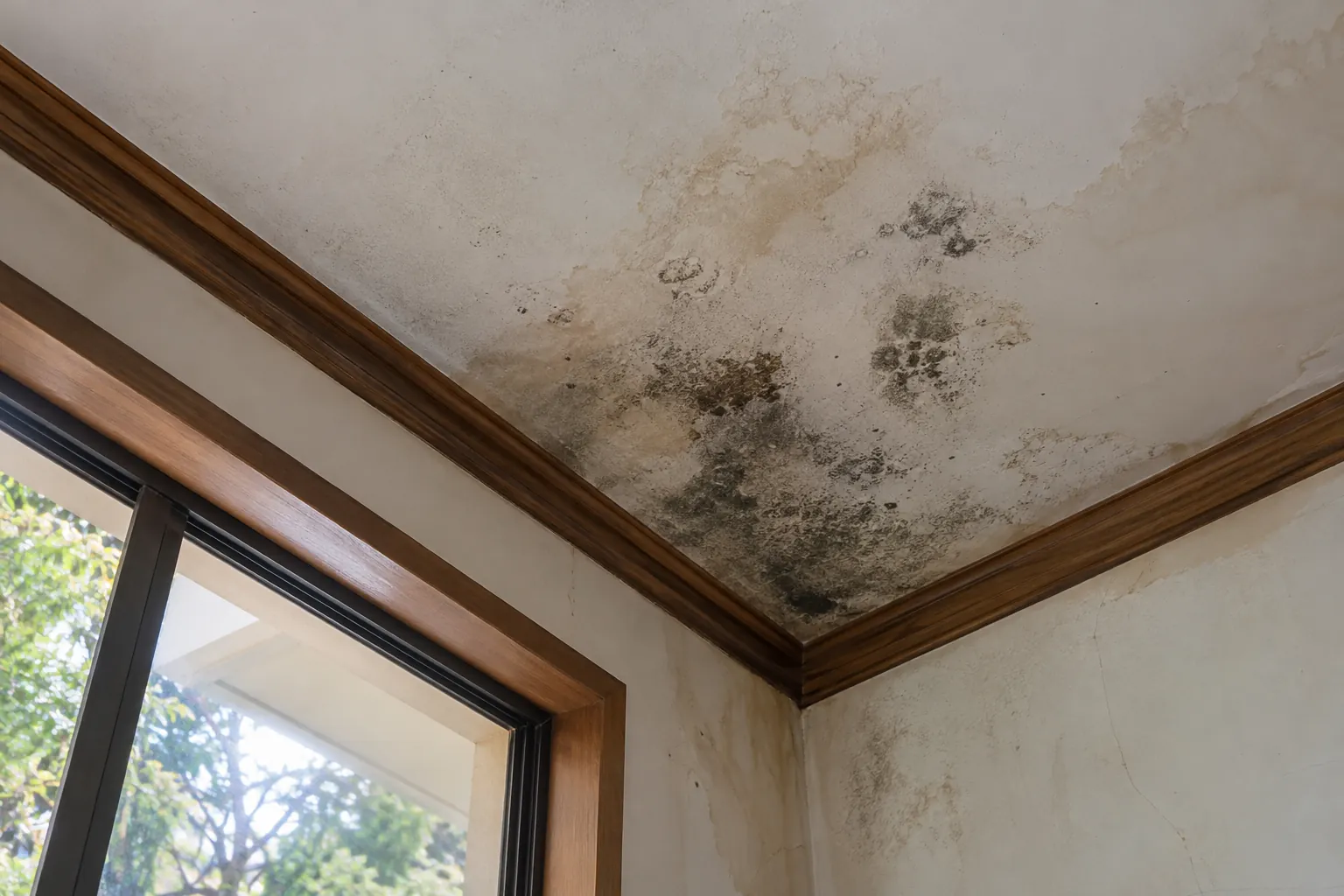
Overhead spotting
Ceiling marks may have a different history from growth beside the drying rack.
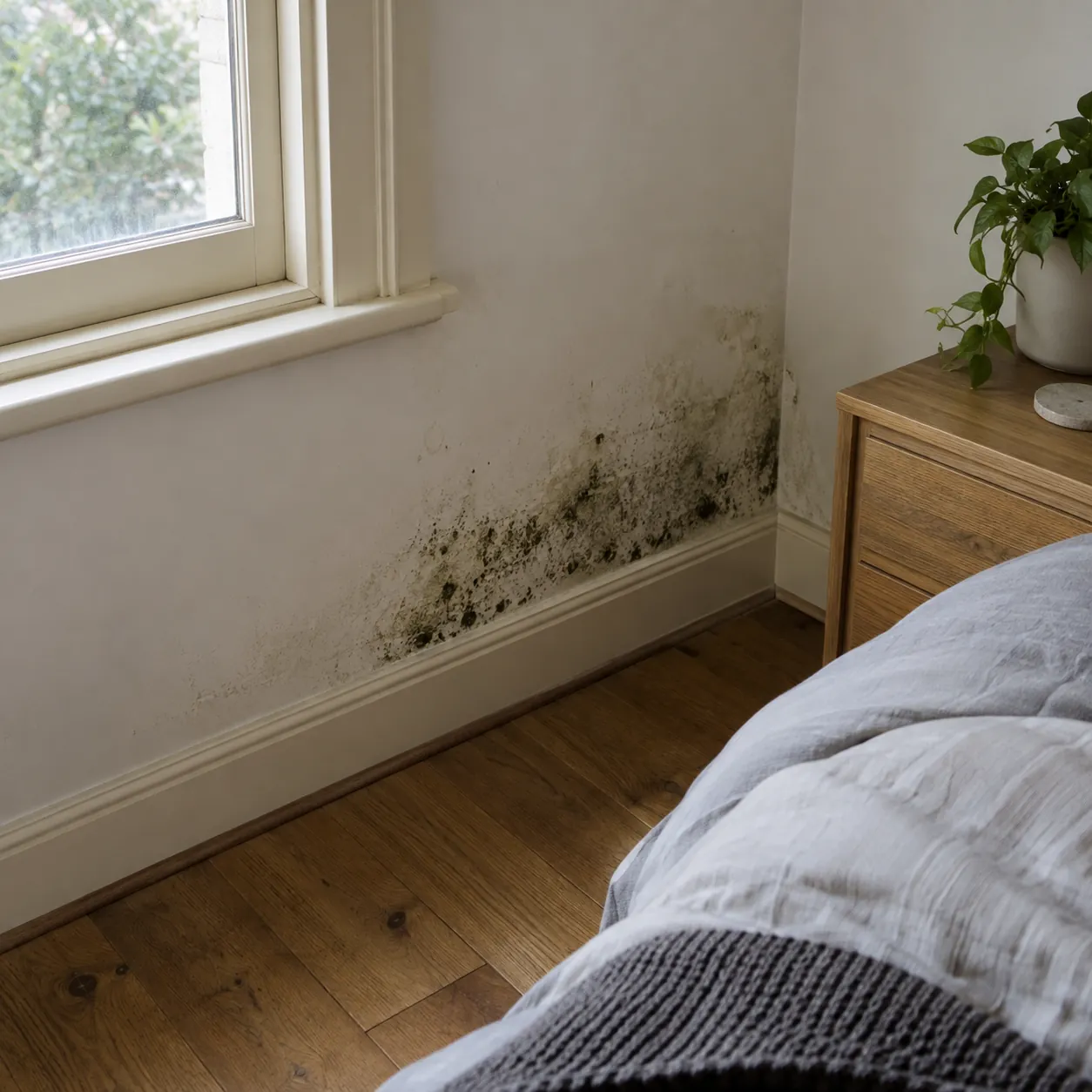
Behind the rack
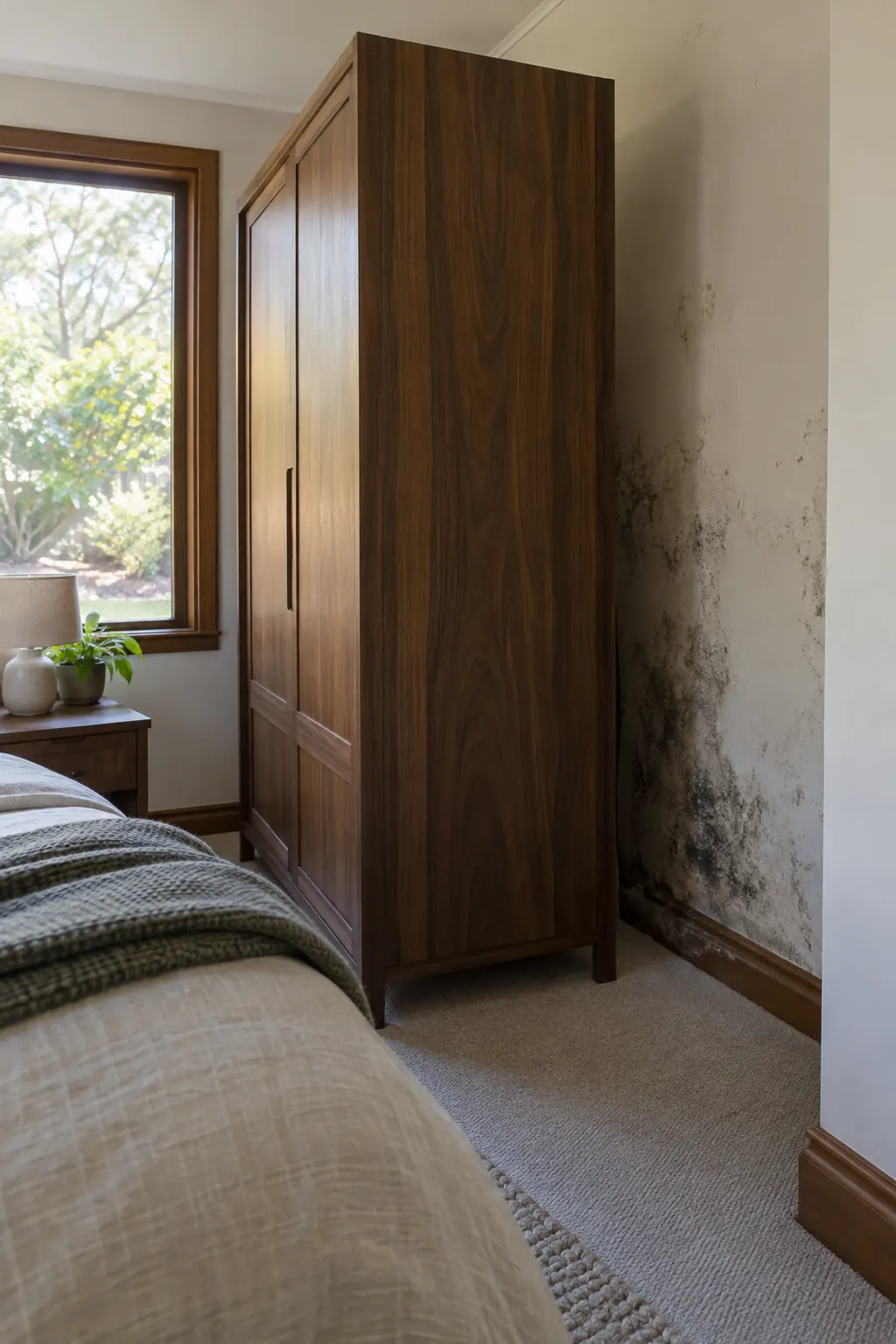
Check visible wall edges without disturbing the growth or pressing wet fabrics against them.
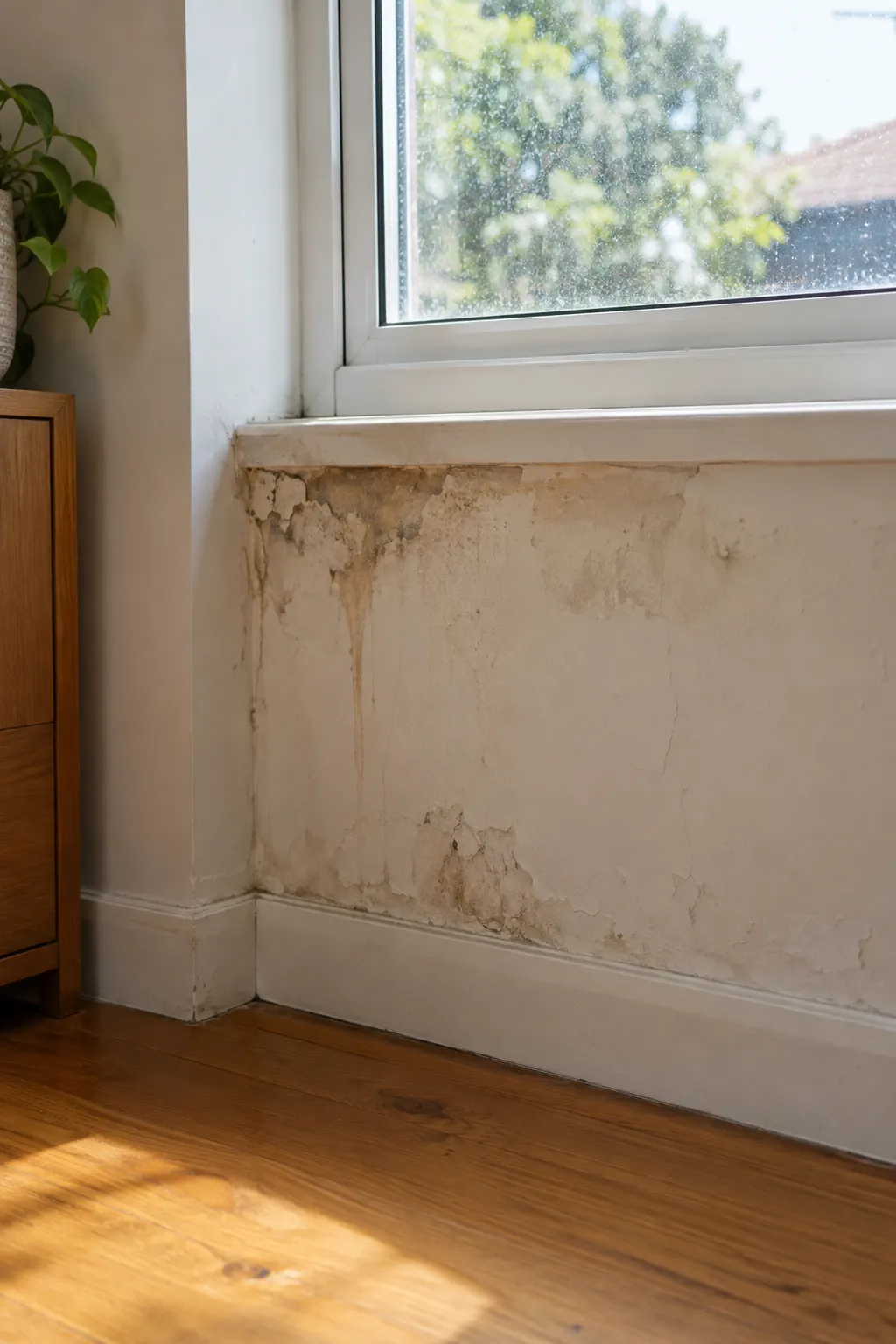
Appliance surrounds
Swollen cabinetry or wet floor edges should be described alongside the surface enquiry.
PREVENTION STARTS WITH
Dry the clothes.
Let the room dry too.
Give damp air a way out
Use suitable ventilation while drying and keep wet items off affected wall finishes. Check appliance instructions and raise ineffective extraction with the relevant trade. The aim is to observe better drying, rather than assume a new habit has solved every moisture source.
Revisit the unused room
Check the area on a day when no clothes are drying. Persistent wetness, fresh staining or a changing cabinet edge may point to another issue. Retain dated photographs and arrange appropriate investigation rather than repeatedly treating the mark as ordinary laundry condensation.
HURSTBRIDGE & NEARBY
Hurstbridge and
nearby local guides.
Explore the Diamond Creek guide and Yarrambat guide for additional household assessment questions. Give your Hurstbridge street and laundry access details when calling; availability needs confirming for the particular address.
BEFORE YOU CALL
Questions from
the laundry.
Can a drying rack contribute to condensation?
It can add moisture to indoor air. Record when droplets appear and how the room dries, while keeping leaks or appliance faults open as separate possibilities.
Does a dryer need to be disconnected for inspection?
Do not assume so. Explain its location and the obstructed surfaces. Agree any movement or disconnection with an appropriate person before arranging the accessible work.
Can you assess mould behind fixed laundry cabinets?
Access may be limited. Identify the fitted obstruction so the scope is clear; an ordinary surface visit cannot assess all concealed material without further arrangements.
What if the floor stays wet between loads?
Mention it promptly and consider plumbing or building investigation. Surface removal cannot correct a continuing water source or restore moisture-damaged cabinetry.
Is opening a window enough for every laundry?
There is no universal answer. Room layout, equipment and the moisture source matter. Follow appliance ventilation requirements and check whether surfaces actually dry.
Should wet clothes touch the affected wall?
Avoid that direct contact. Use a practical drying arrangement and leave the finish visible so dampness and access can be considered during the enquiry.

TELL US WHAT YOU CAN SEE
Explain your
drying routine.
Call 03 8652 1296 with your Hurstbridge address, laundry layout and moisture observations. We can discuss the accessible surfaces and next step.
Local context: Nillumbik locality information