
PAINT · HISTORY · CONDITION
MITCHAM · MELBOURNE
Mould Removal Mitcham
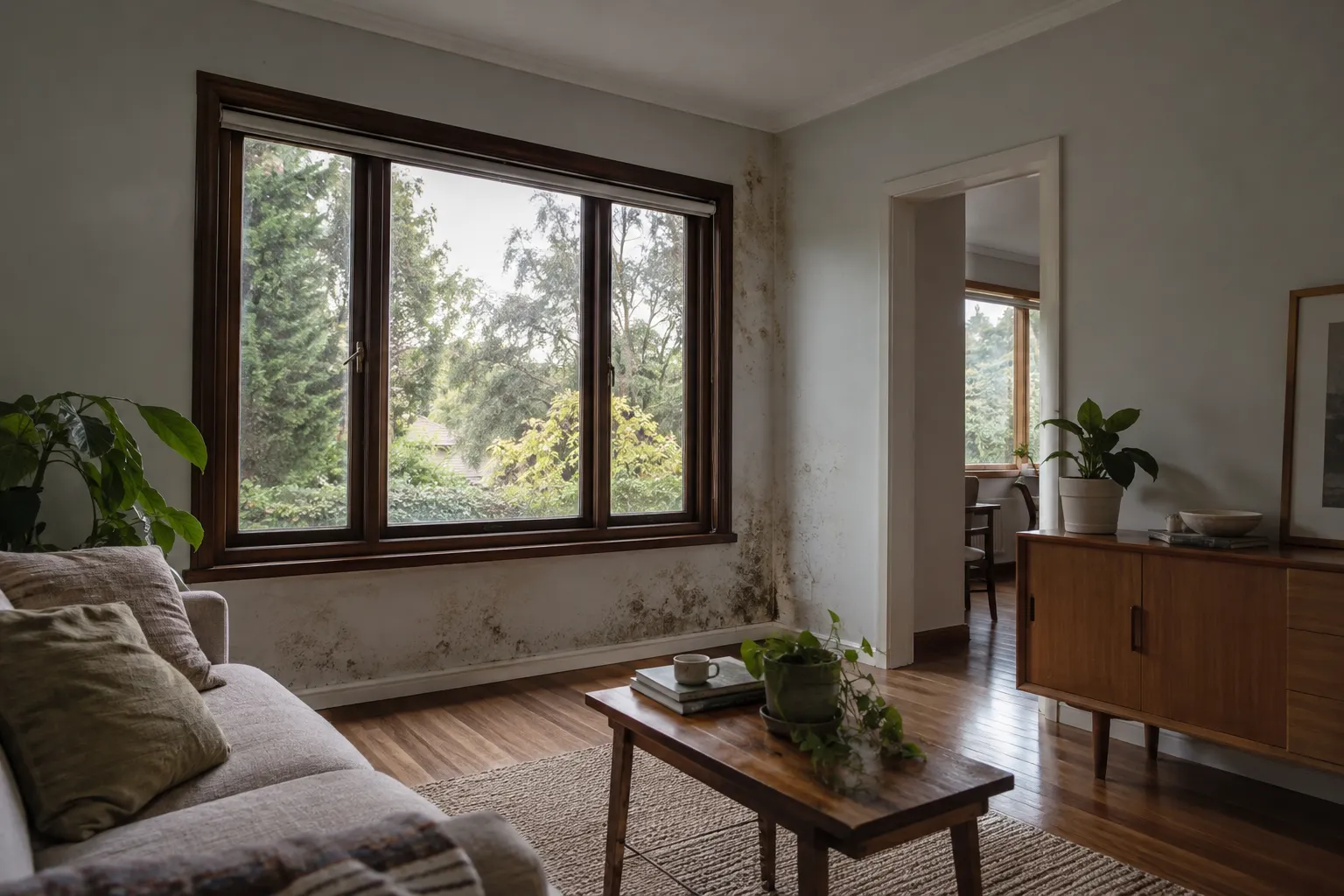
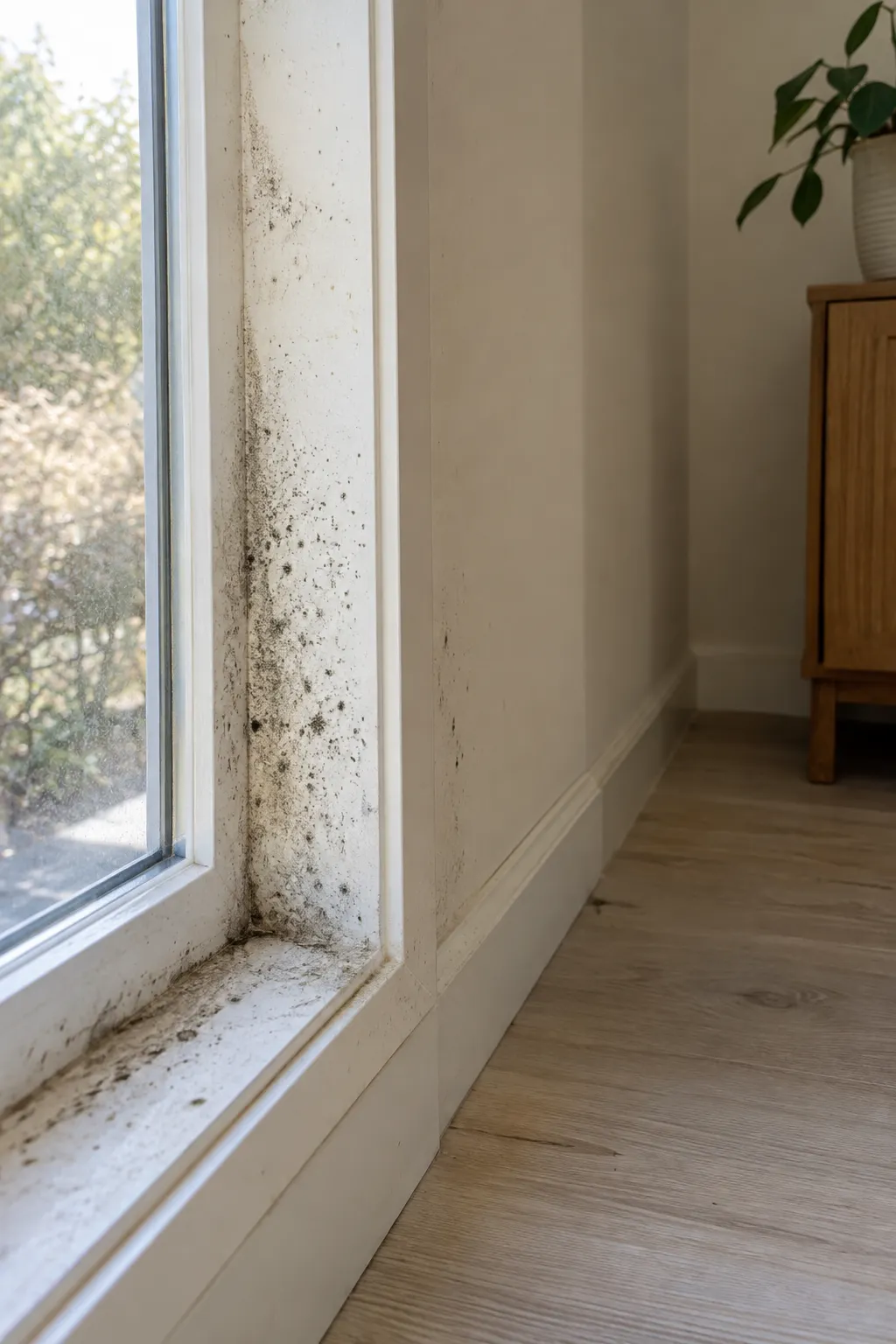
A new coat of paint can make a returning mark particularly frustrating. If growth or staining becomes visible after decoration in Mitcham, explain what the wall looked like beforehand and whether its moisture source was investigated. Fresh paint and a resolved building condition are different things.
Decoration history considered
Surface changes recorded
Removal and repairs separated
THE ROOM TELLS A STORY
A new finish.
An older question.
Mitcham is included in Whitehorse’s locality listing. For a recently decorated surface, keep the painting date separate from the first moisture observation. A patch seen through or on a new coating does not establish the age of growth or prove a particular product failed. Describe the condition before and after decoration without guessing those details.
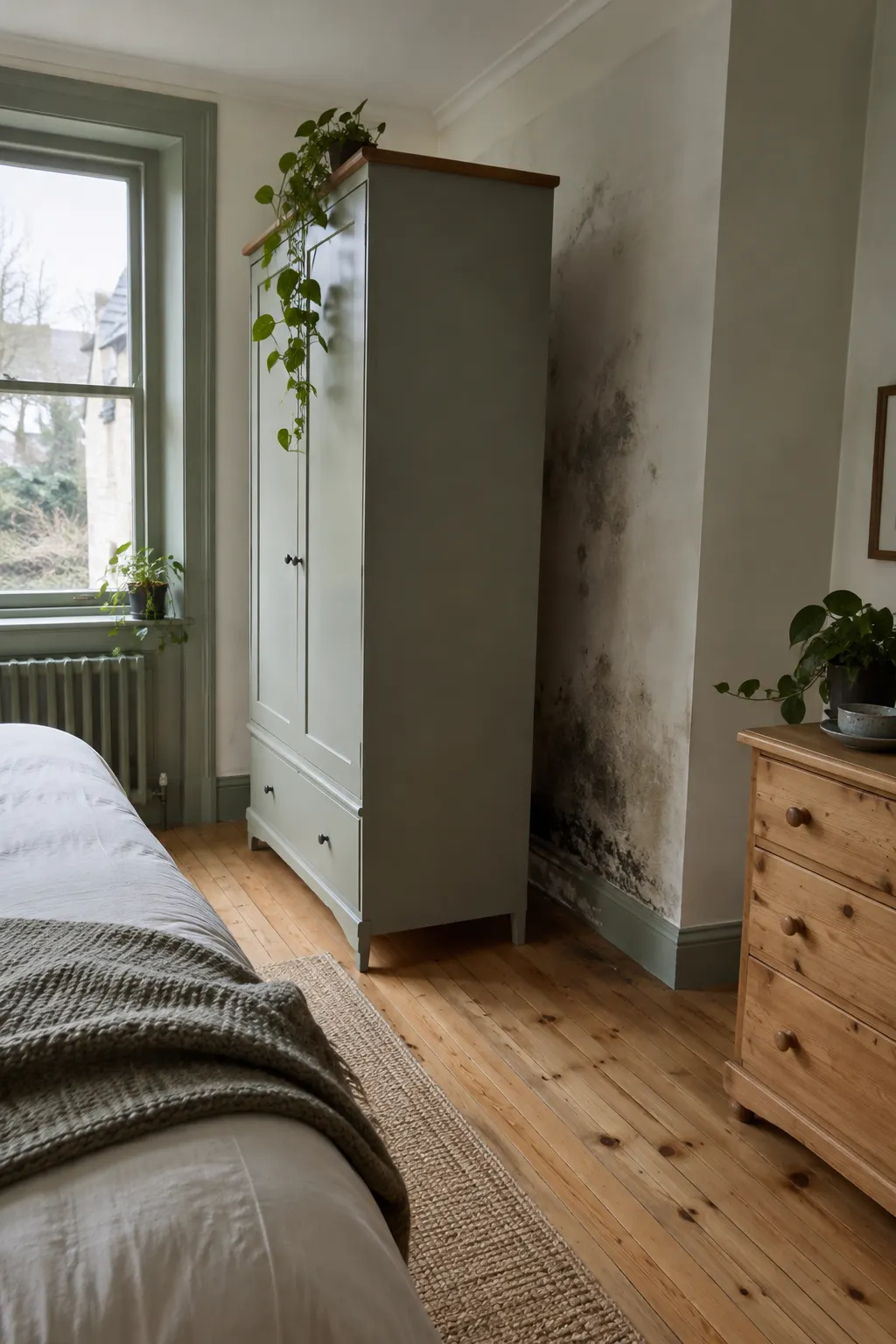
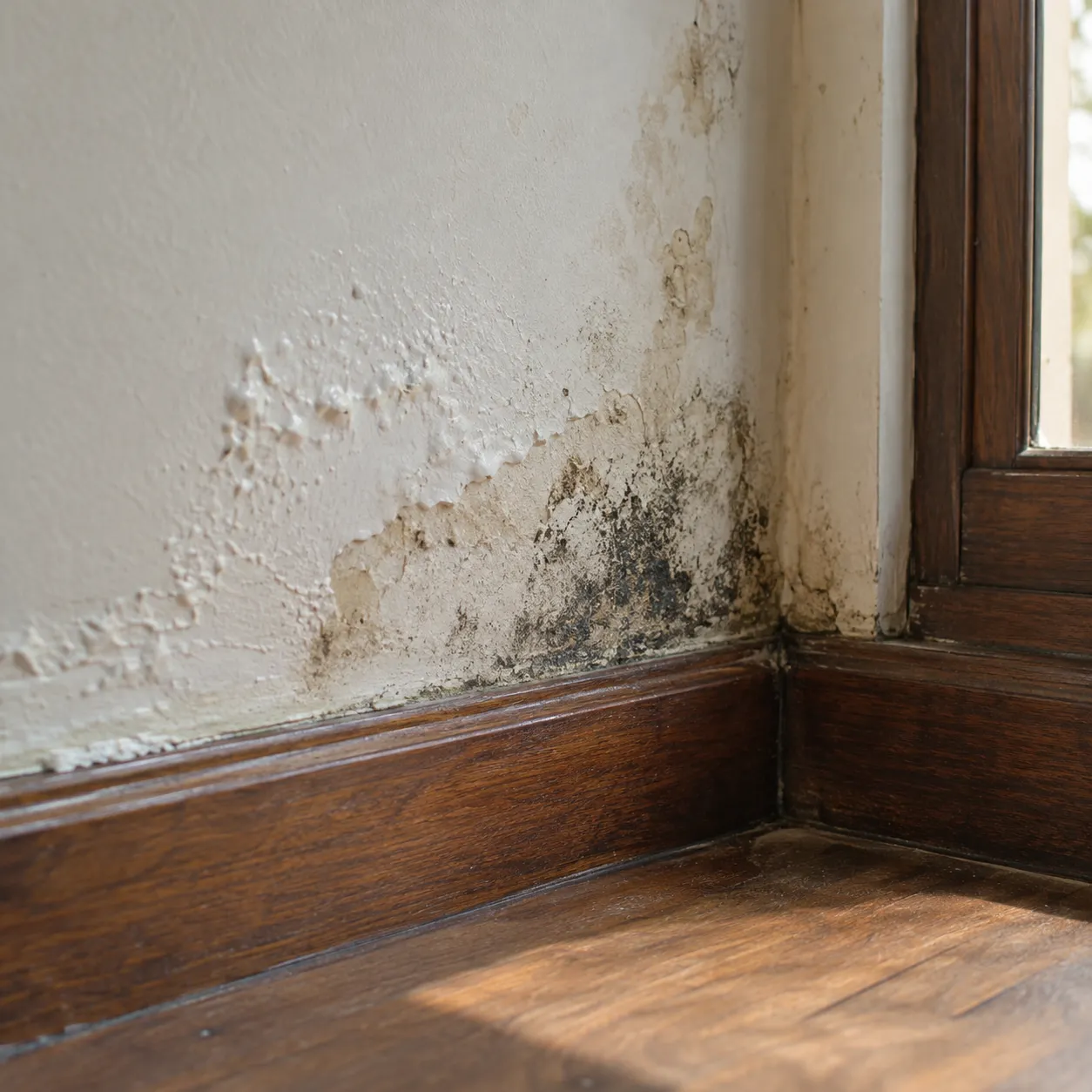
Retain earlier photographs and explain what preparation, drying or source work occurred. A wider view of the affected room helps discuss inspection, especially where new paint has changed the visible evidence. Identify lifting, bubbling or softness rather than grouping every discolouration as the same surface issue.
UNDERSTANDING MOISTURE
Read the earlier record.
Check the current finish.
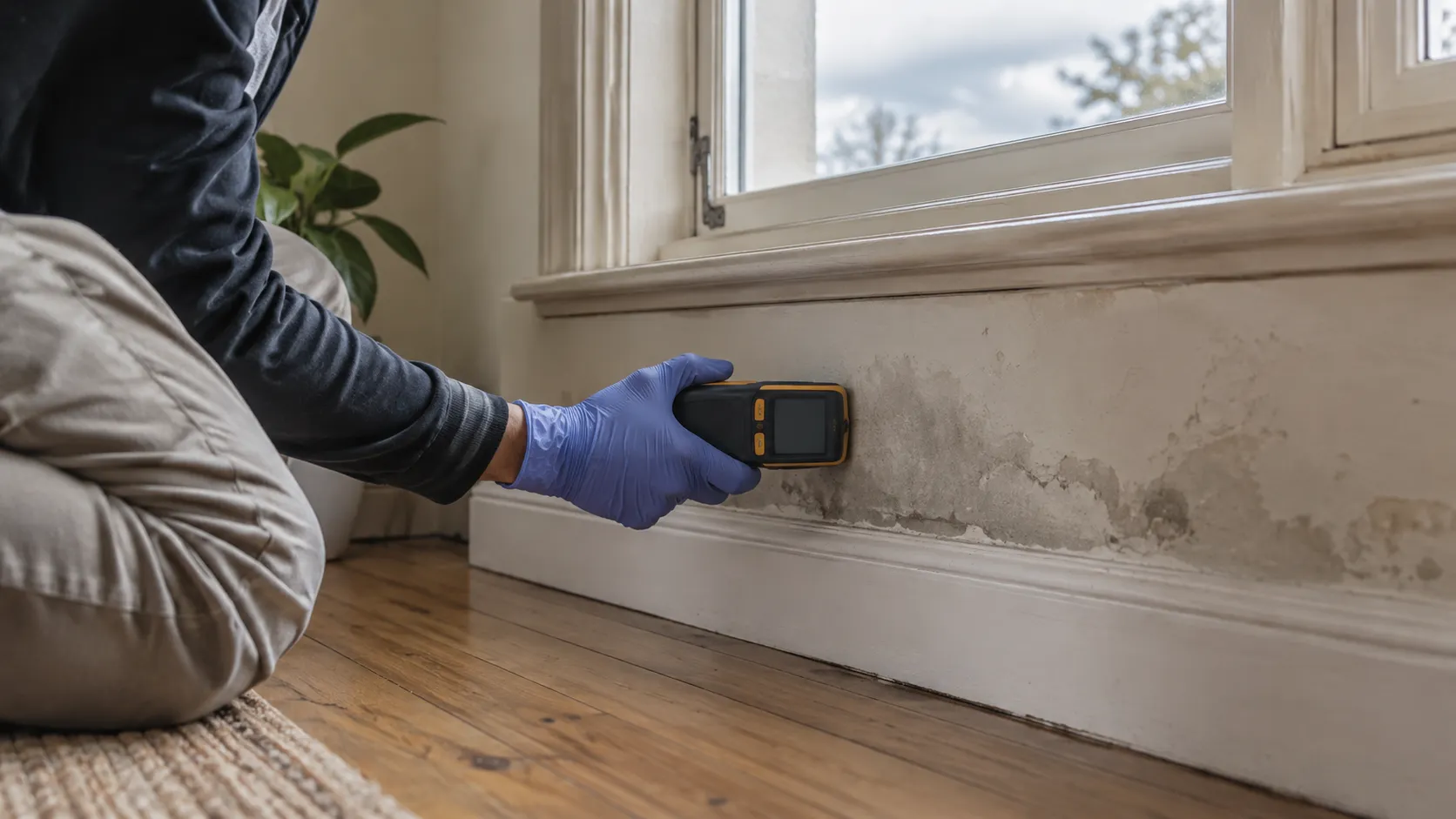
What happened before painting
Describe the original mark, any leaks and the work actually undertaken. Cleaning, drying and building repairs are different actions. A finished wall does not demonstrate that all three occurred, so keep unknown preparation details clear rather than reconstructing them confidently.
A change in the new coating
Photograph bubbling, peeling or darkening from a safe ordinary position. The appearance may indicate a finish needing assessment, but cannot by itself identify a species or the hidden condition. Avoid scraping the coating to obtain a stronger-looking photograph.
Moisture that persists
Record whether changes follow rain, condensation or plumbing use. Accessible readings can contribute evidence even where paint is new, with limitations explained. Continuing water entry or deteriorated material may require further investigation before another decorative coat is considered.
OUR REMOVAL PROCESS
Use the history.
Choose the next action.
Keep the before-and-after images
Pair earlier wall photographs with dated current views. Recognisable corners or fittings help show whether the returning mark occupies the same position or has changed extent.
Find useful product information
Retain coating details and any decorating paperwork you have. If preparation or product information is unavailable, say so; it is more useful than guessing what was applied beneath the visible layer.
Clarify the restoration sequence
Ask which conditions need checking before further decoration. Keep source work, drying and material repair identifiable so a new finish does not simply conceal the same unresolved concern.
01
Explain the current accessible area
Provide the visible extent, coating information and repair record through mould removal. Discuss the finish’s condition before assuming it can receive the same method as sound older paint. Fragile or damaged areas need a clear scope.
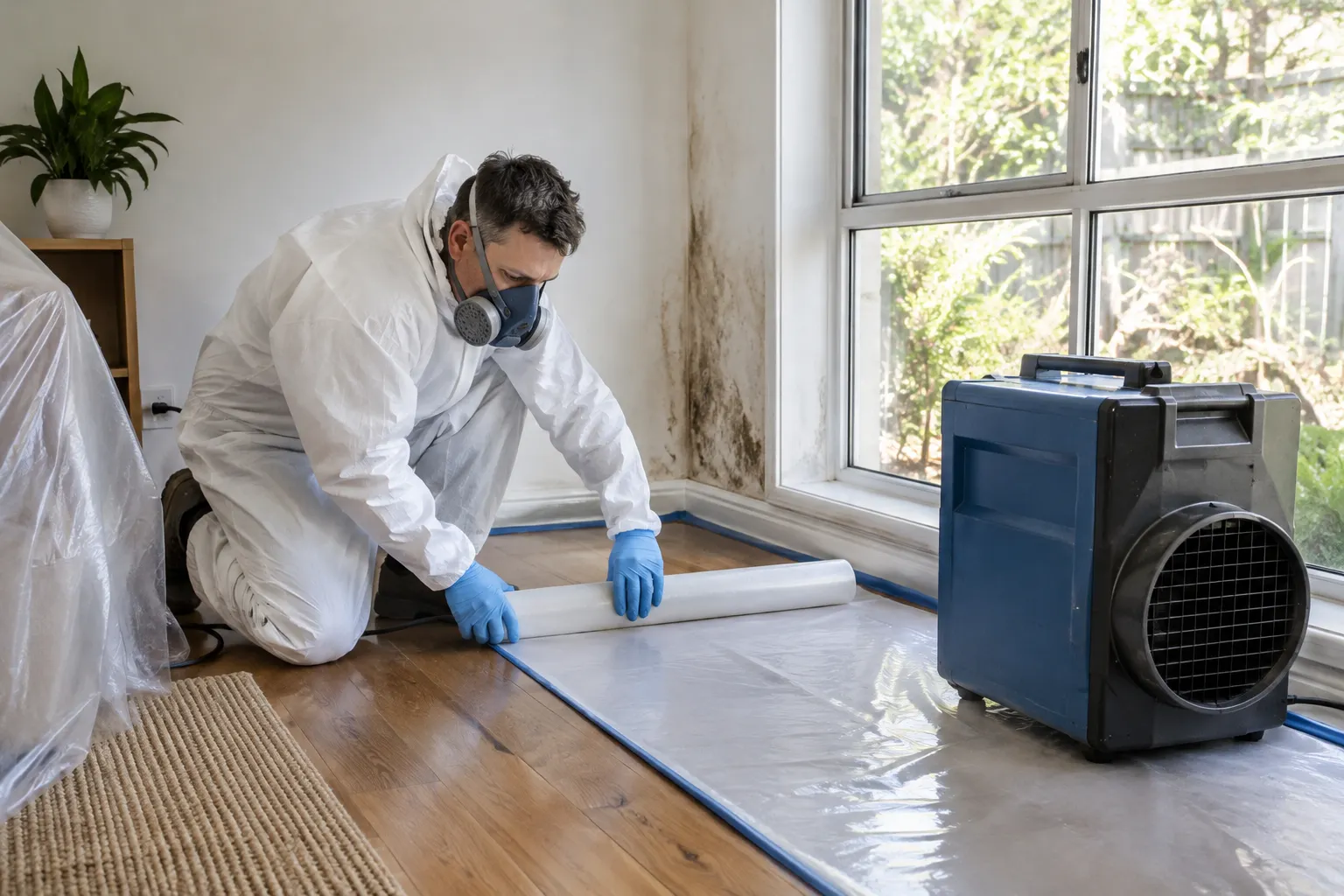
02
Leave evidence available
Agree belongings to clear and surrounding protection. Do not repaint or sand the mark in preparation for the visit. If coating removal or specialist advice is needed, that should be an explicit decision rather than improvised surface preparation.
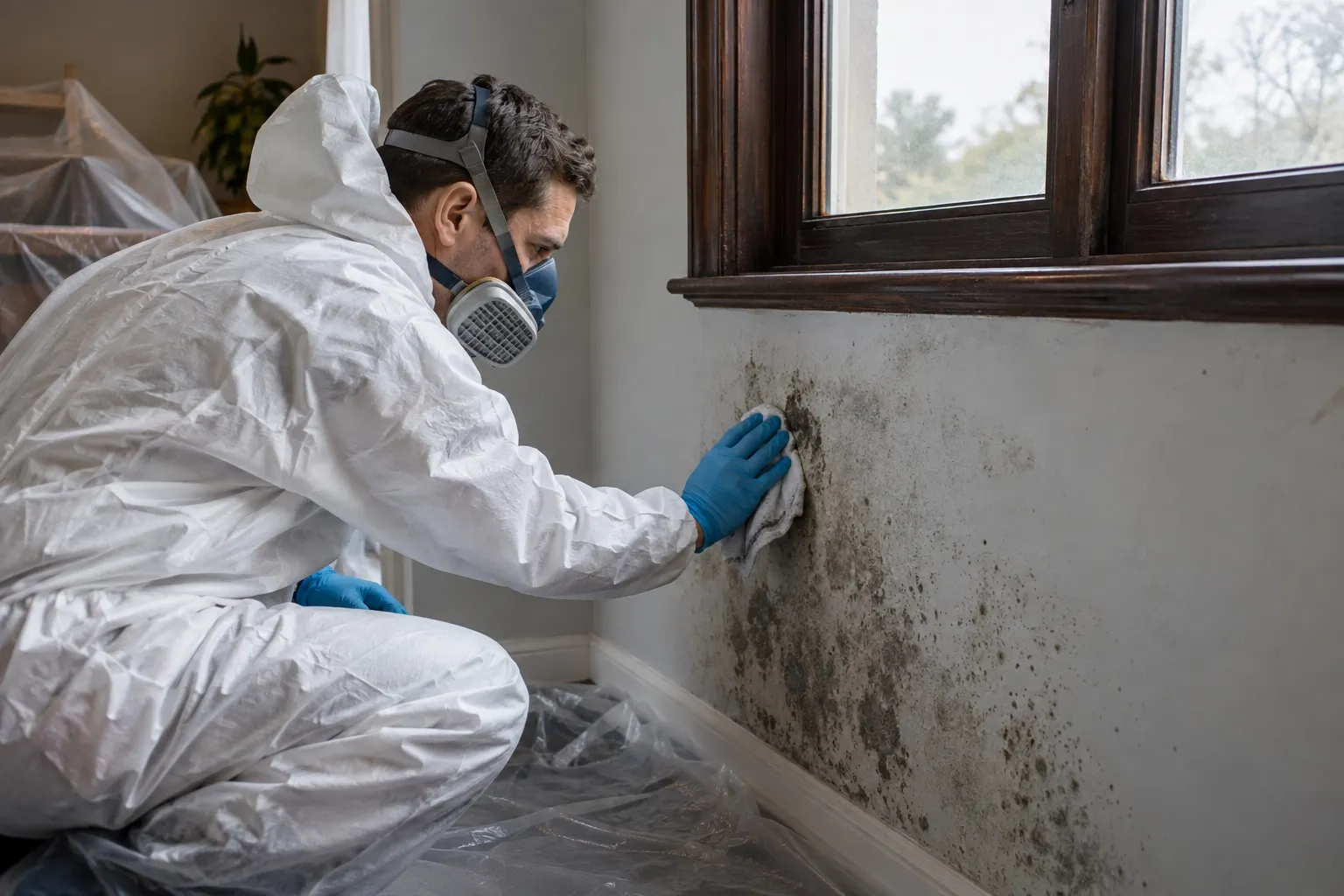
03
Review source and restoration decisions
Discuss remaining staining, coating damage and ongoing moisture. Remediation connects those wider issues with removal. A further paint job, damaged-board replacement or building repair may require another trade and should not be assumed included.
COMMON AREAS AFFECTED
New paint.
Different surface evidence.
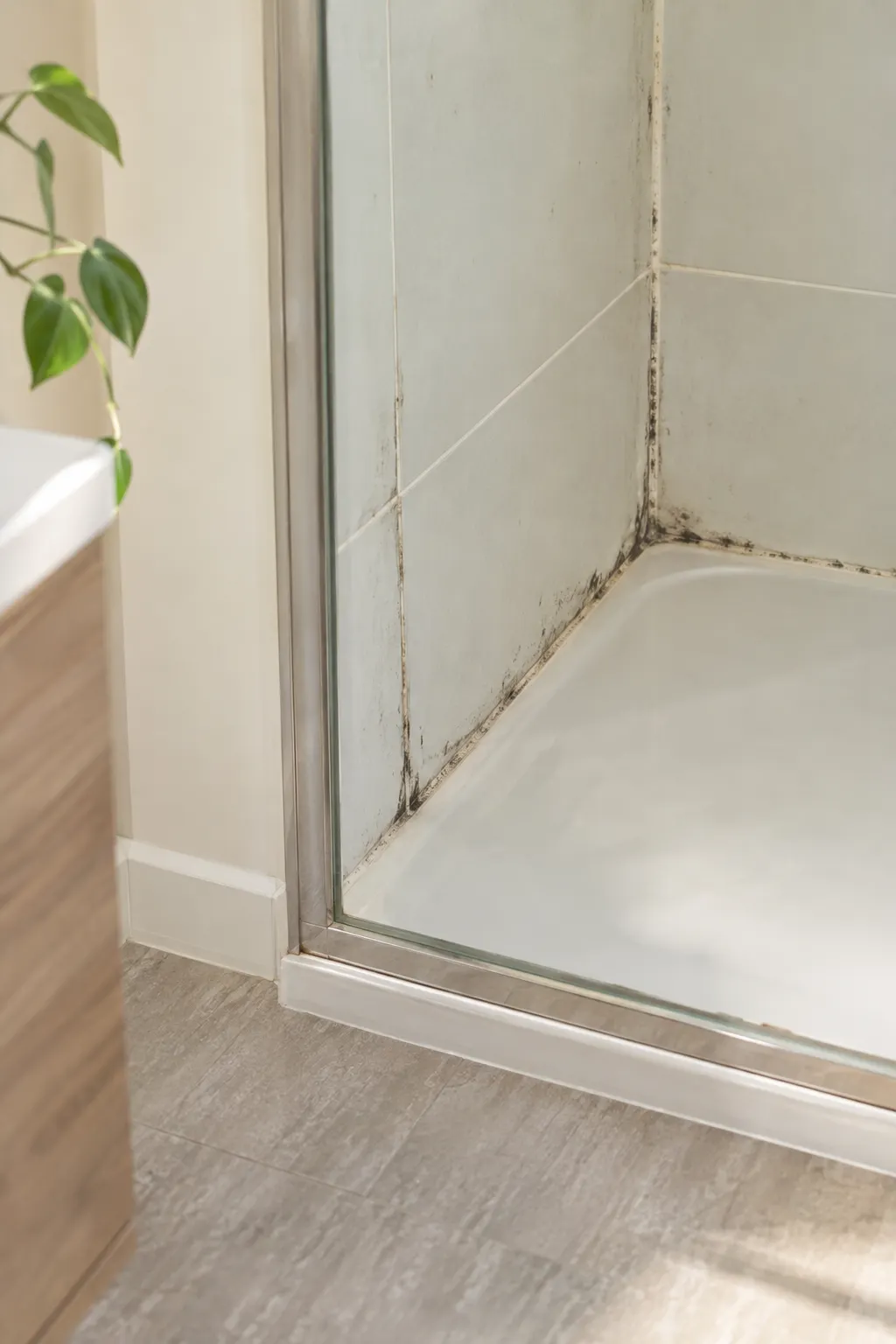
Fresh wet-room finishes
Record new coatings and the room’s actual drying pattern as separate observations.
Repainted overhead marks
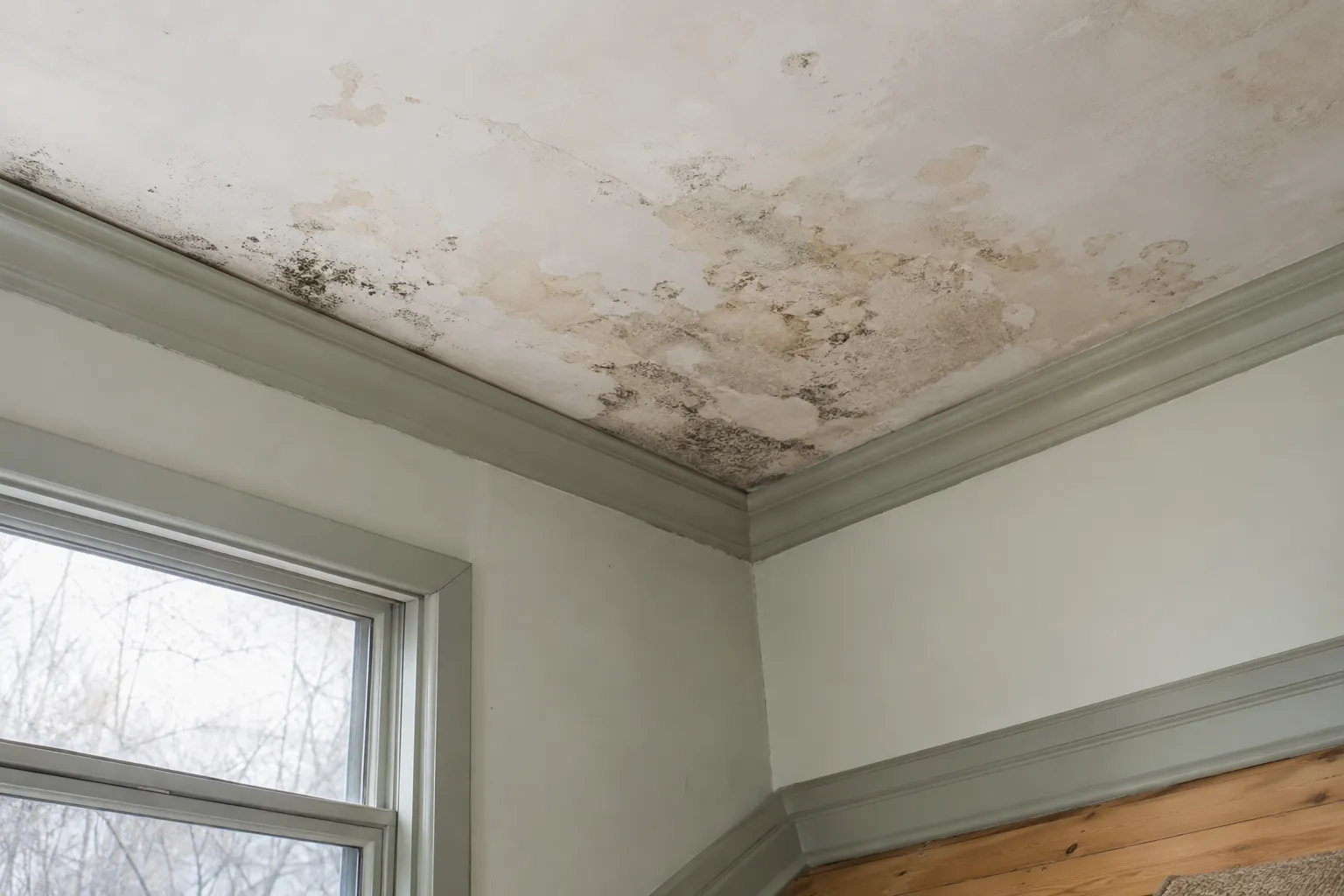
Keep earlier water-stain history even where the latest ceiling finish initially appeared clear.
Returning wall patches
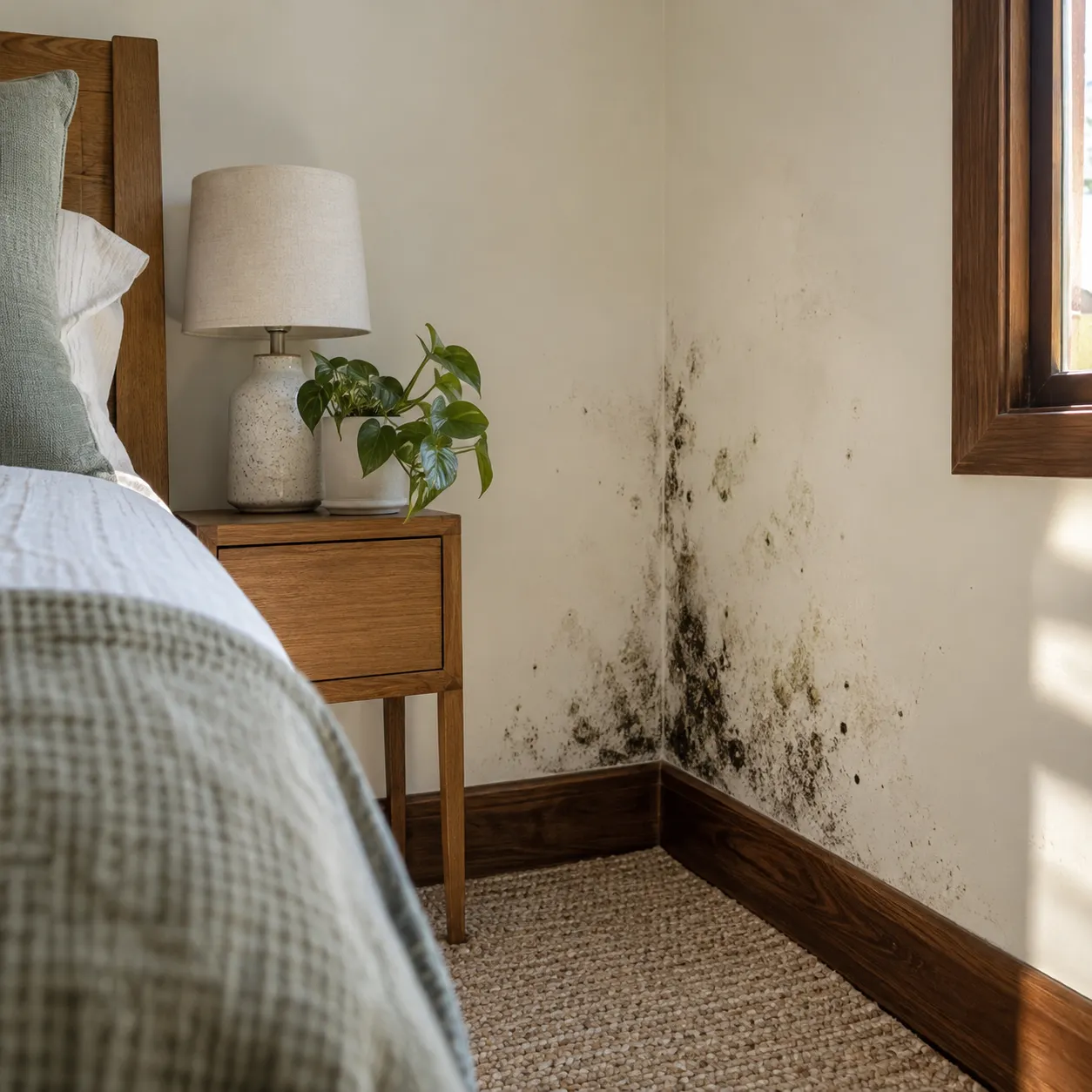
Compare the position and extent with the pre-decoration record where available.
Deteriorated beneath the finish
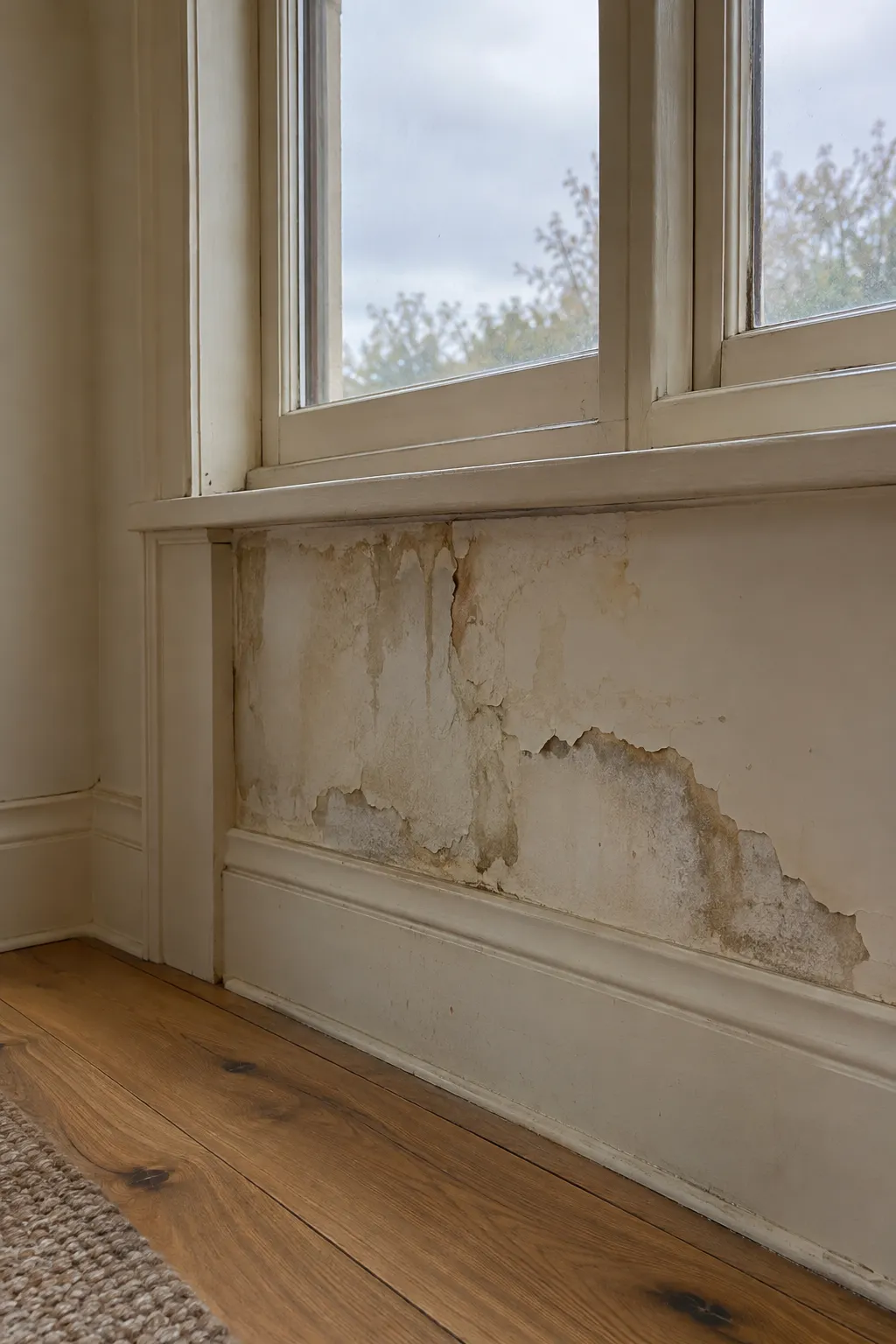
Material softness or distortion may need investigation beyond the decorative layer.
PREVENTION STARTS WITH
Resolve the condition.
Then revisit decoration.
Avoid another concealment cycle
Do not repeatedly cover a changing patch without discussing the moisture and material evidence. Ask whether drying or source repairs remain outstanding. A decorative product cannot be assumed to repair water entry or restore weakened board simply because the wall looks finished.
Watch the relevant event again
After repairs or practical room changes, retain observations from comparable rain, shower use or condensation periods. If growth returns, pass the new sequence to the relevant assessment or repair contact. Keep the original decorating record available so the follow-up does not begin with another guess.
MITCHAM & NEARBY
Mitcham and
connected surface guides.
Explore the Nunawading guide and Vermont guide for nearby household enquiries. Give your Mitcham street, decoration history and current surface condition when confirming availability.
BEFORE YOU CALL
Questions after
repainting.
Does a returning mark prove the paint product failed?
Not from appearance alone. The earlier surface, preparation, dampness and material condition need consideration before assigning a cause to the new coating.
Should I sand the patch back before inspection?
Leave it undisturbed. Explain the coating condition and discuss whether any further preparation or specialist advice is appropriate within an agreed scope.
Can another coat prevent the problem permanently?
No permanent prevention promise should be assumed. Painting does not repair a continuing source or restore damaged material; those conditions need their own decisions.
What if the previous preparation is unknown?
State the uncertainty and provide available dates or product records. Do not guess the hidden layers or assume every necessary source and drying action occurred.
Is repainting included after removal?
Discuss decoration separately. The accessible removal scope does not automatically include coating renewal, board replacement or repair of water entry.
Which photograph comparison is useful?
Show the same wall feature before and after decoration where possible. Keep dates and relevant moisture events beside the images so changes can be assessed in sequence.
TELL US WHAT YOU CAN SEE
Bring the earlier record.
Describe the new change.
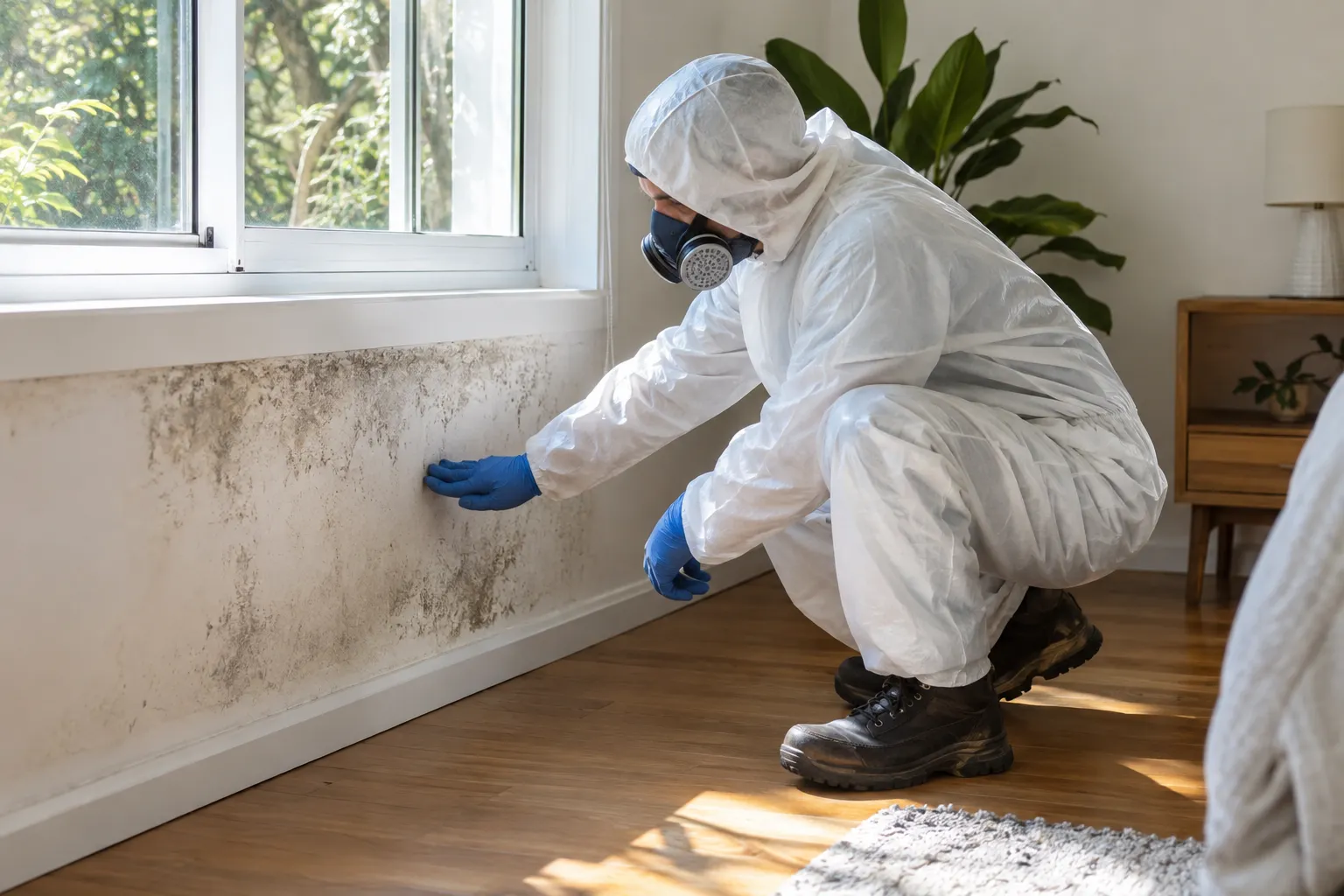
Call 03 8652 1296 with your Mitcham address, decoration details and current photographs. Discuss an appropriate surface assessment and next step.
Local context: Whitehorse locality information