
RETURN · DRYING · FOLLOW-UP
NUNAWADING · MELBOURNE
Mould Removal Nunawading
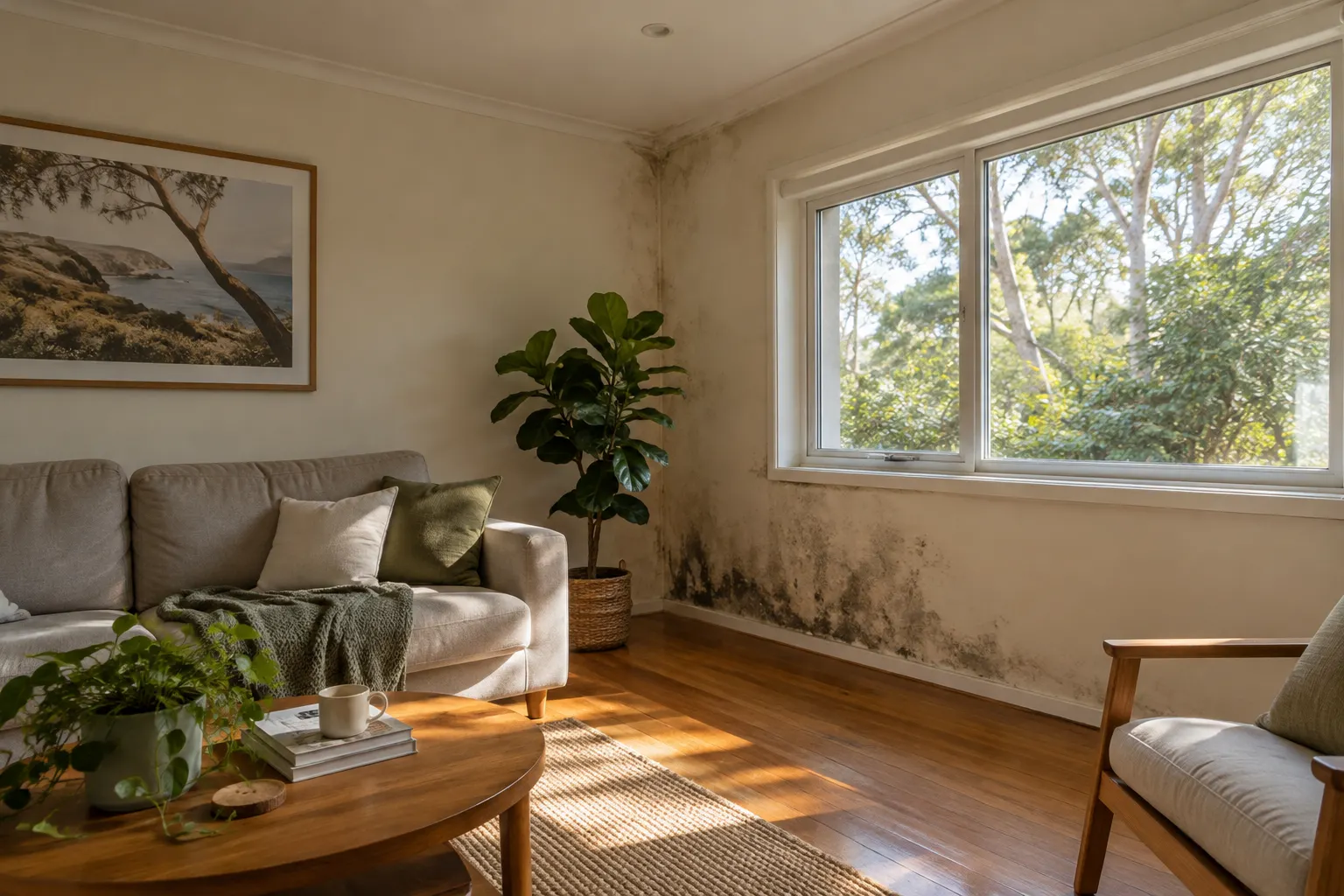
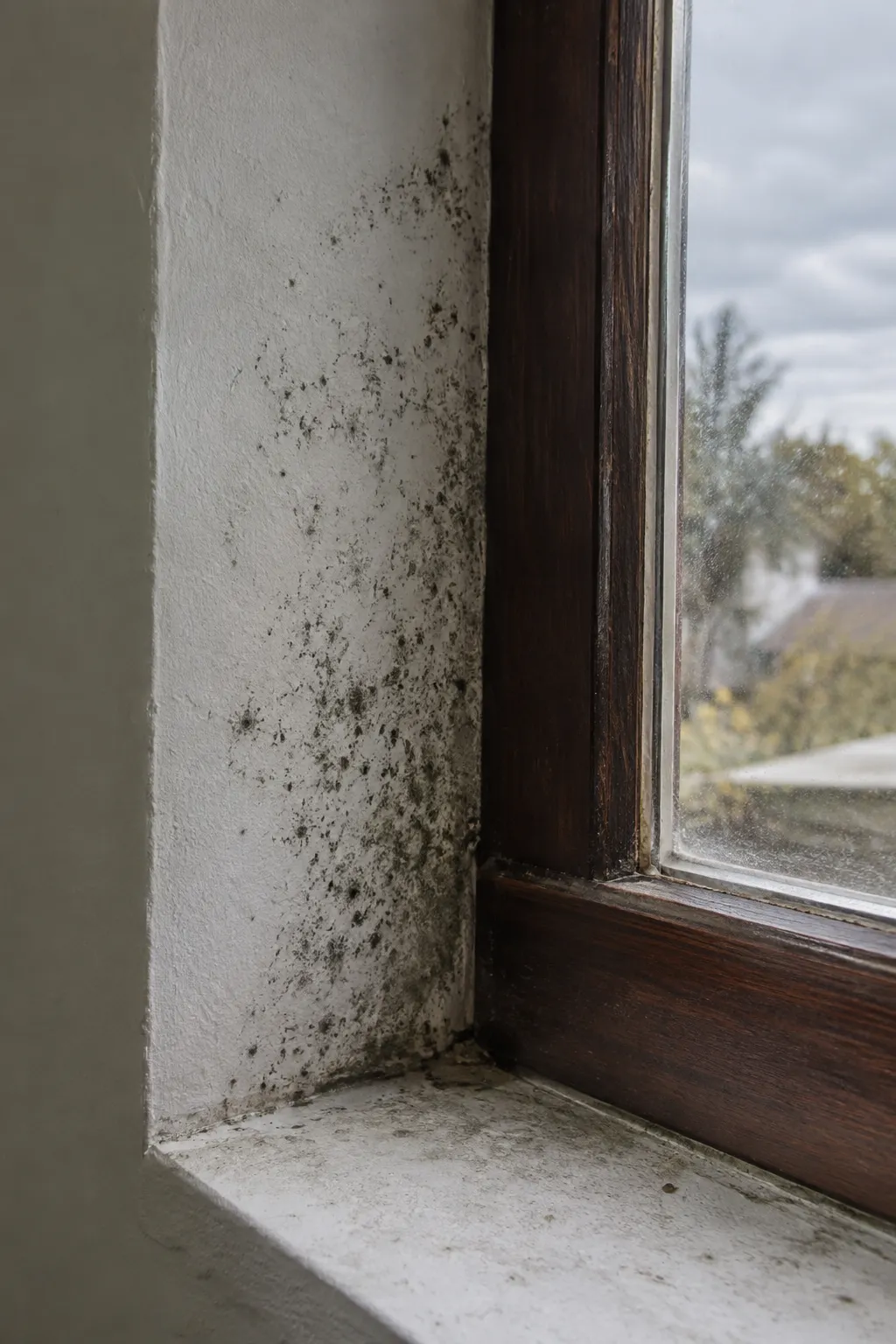
Bathroom growth that keeps returning calls for more information than the date of the last clean. For a Nunawading enquiry, describe how the room dries, what extraction does and whether the affected finish has changed. The next plan should address the remaining questions.
Recurrence history considered
Extraction concerns distinguished
Surface limitations discussed
THE ROOM TELLS A STORY
The mark returns.
What changed in between?
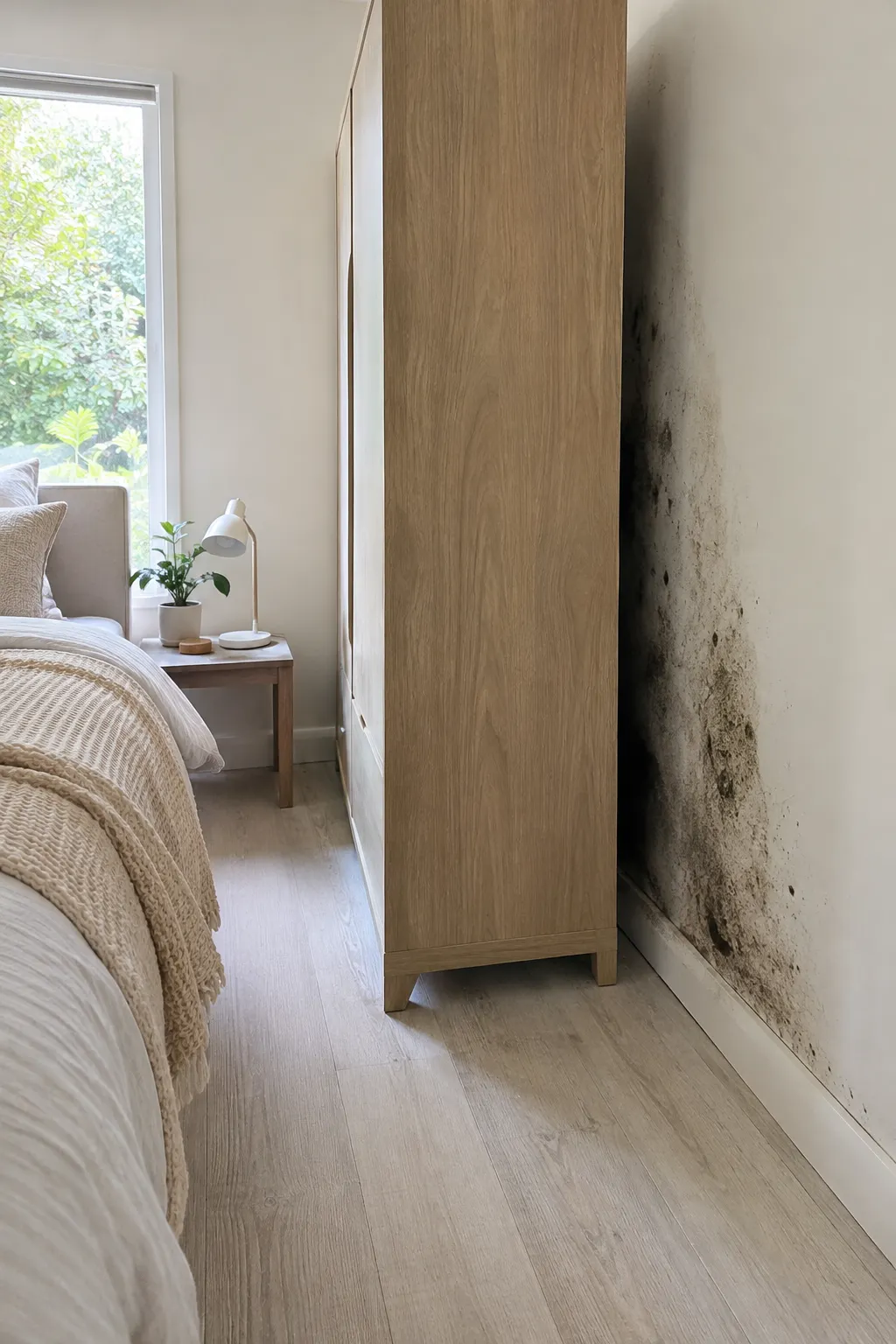
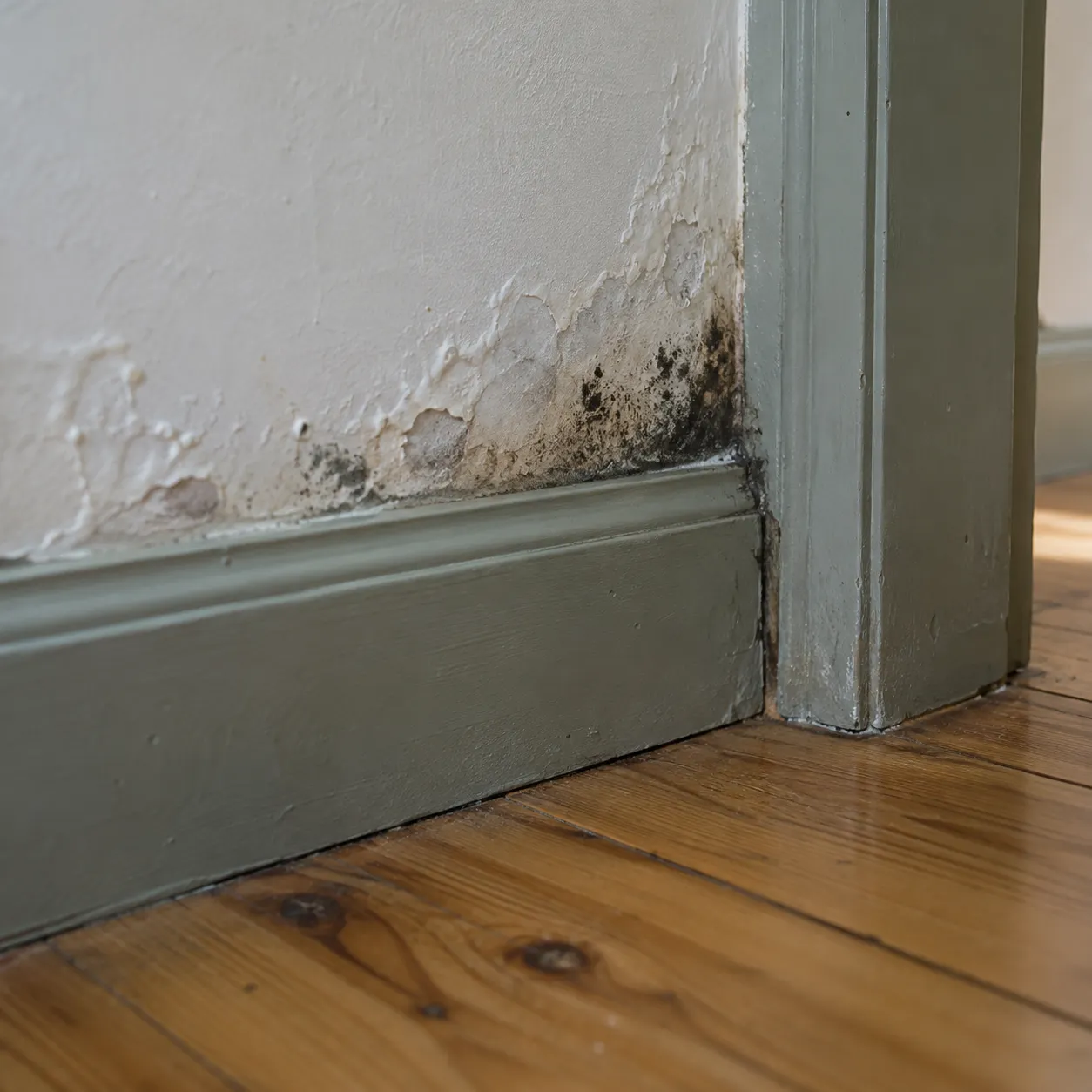
Nunawading appears in Whitehorse locality information and is also listed by Manningham. In a recurring bathroom enquiry, record where growth comes back and what happened between observations. Cleaning, fan maintenance and leak repair are different events. Keep their dates separate so a clearer appearance is not mistaken for evidence that every source has been addressed.
Describe tile joints, paint or ceiling board individually. Include ordinary drying observations and any relevant plumbing history. Inspection can consider accessible evidence, while ineffective extraction or concealed water entry may need separate technical or building advice rather than assumptions about the recurring patch.
UNDERSTANDING MOISTURE
Look at the interval.
Check ordinary room use.
The drying pattern
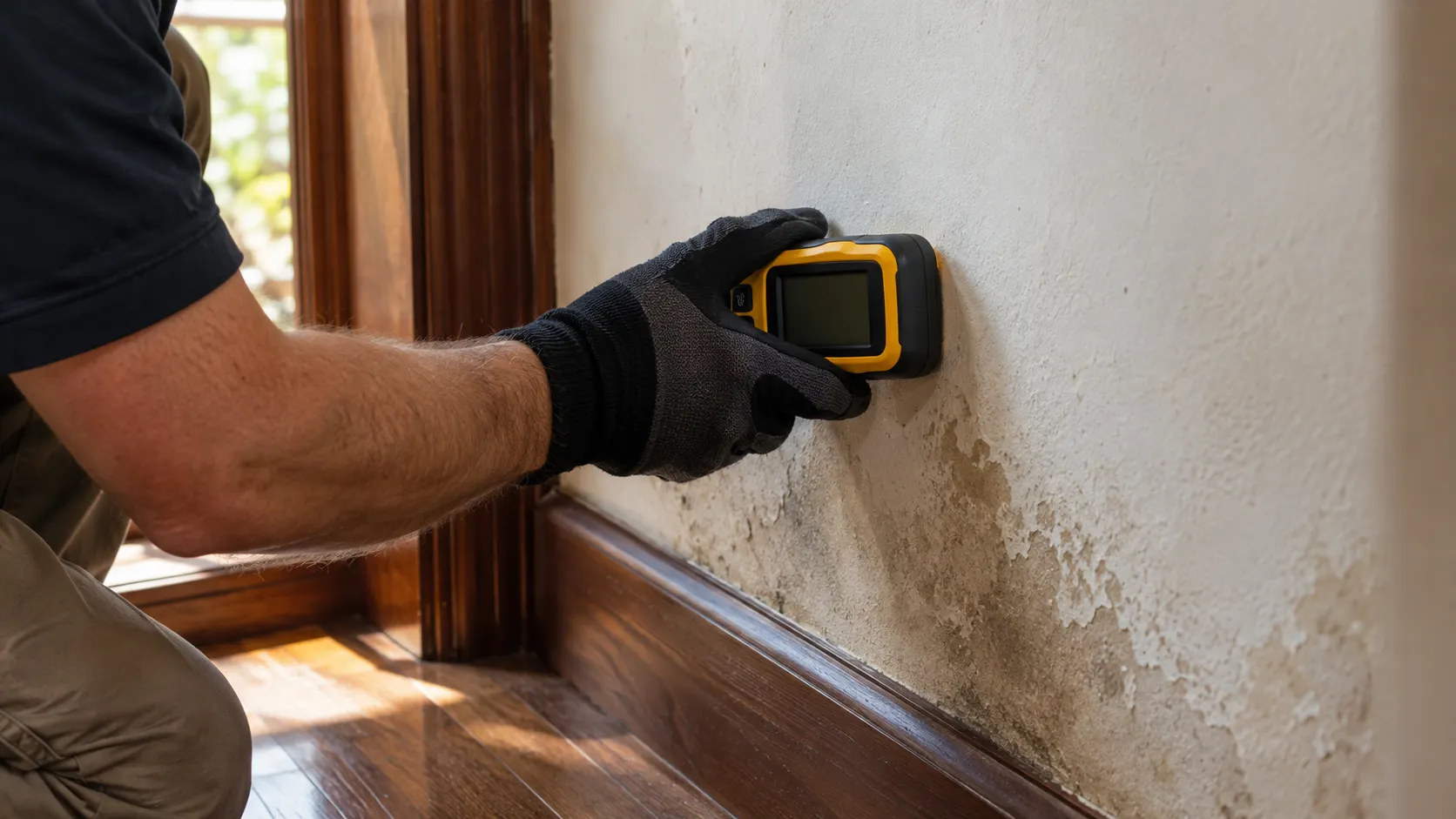
Note how long droplets remain after a shower and whether the room clears before the next use. Record extraction operation and visible surface wetness. Fan noise is not proof that moisture is being discharged effectively or that the installation suits the room.
More than one return position
Growth in grout and on ceiling paint may have different material and exposure questions. Label each area and compare its timing. A recurring bathroom mark does not automatically establish the same cause throughout the room or imply that one method suits every finish.
A source not fixed by cleaning
If dampness remains without recent shower use, report that separately. Mention rain events and plumbing repairs where relevant. Accessible surface work cannot correct ducting, repair a pipe or restore deteriorated board simply by removing visible growth.
OUR REMOVAL PROCESS
Use the history.
Agree a defined task.
Keep a recurrence timeline
Use dated photographs of recognisable joints or corners. Include the interval before growth returns and any change in shower use, repairs or ventilation, without claiming a precise cause from timing alone.
Clarify what maintenance actually occurred
A fan being cleaned differs from a system performance check or installation repair. Record the action undertaken so the next conversation does not assume all extraction questions were answered.
Ask about realistic follow-up
Keep outstanding recommendations and responsibilities clear. Surface treatment cannot promise growth will never recur, particularly where dampness or material issues remain unresolved. Agree what should be observed afterwards.
01
Describe previous actions
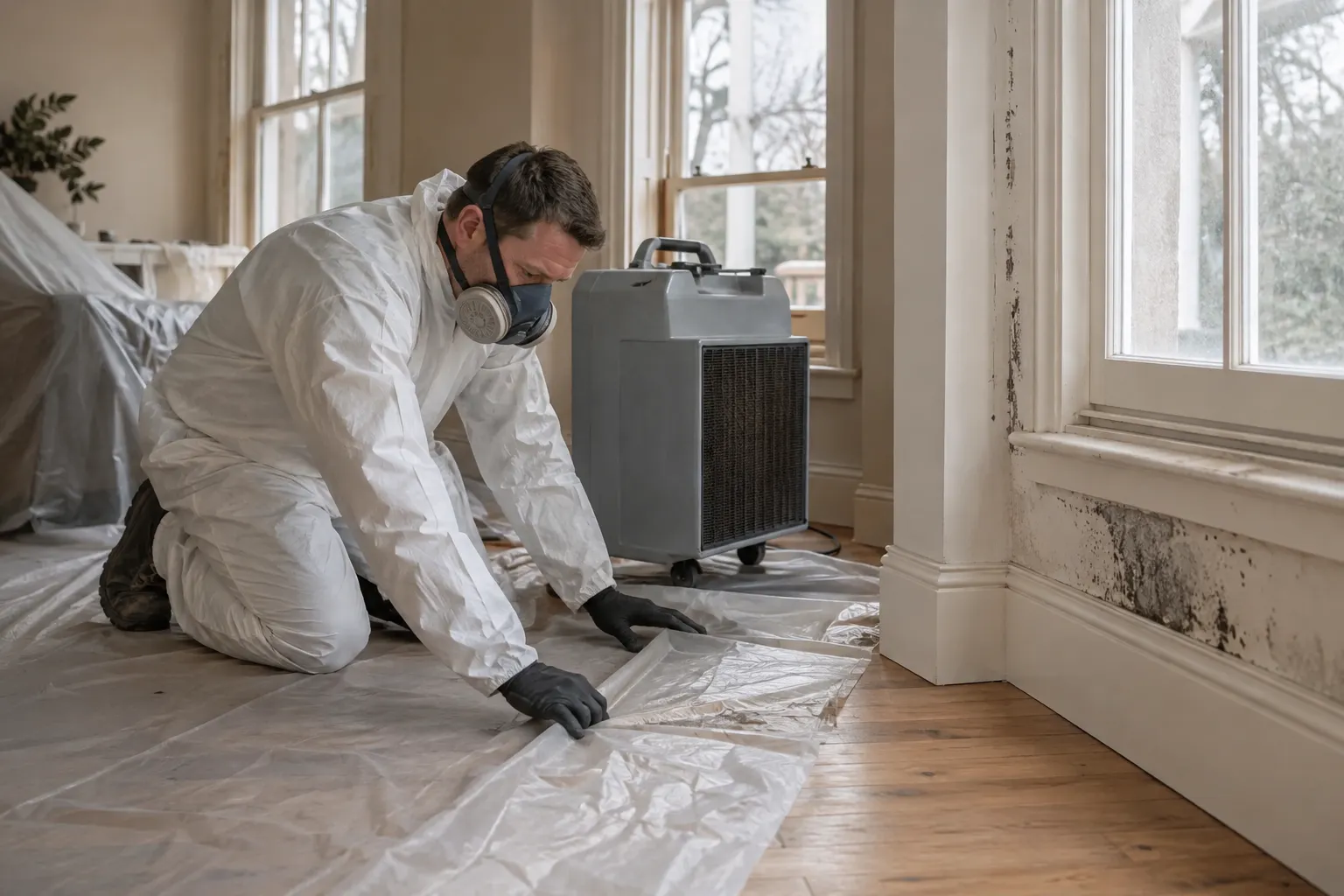
Explain what was cleaned or repaired and when, then discuss the current visible extent through mould removal. Identify reachable finishes and any damage. Avoid describing every earlier intervention as proof the room’s moisture issues are resolved.
02
Prepare without covering the evidence
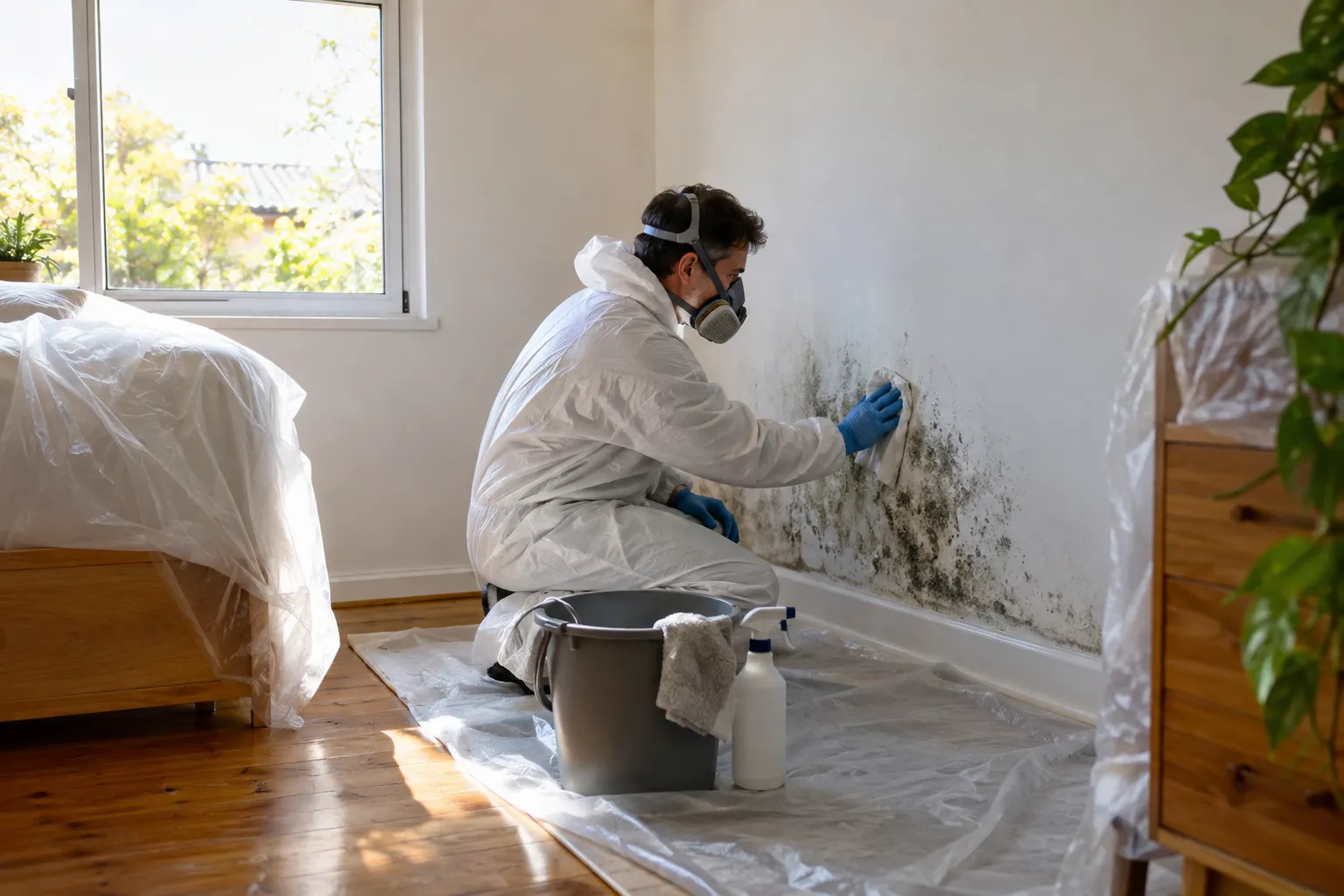
Agree loose belongings to clear, room access and protection. Keep the affected finish visible before the visit. Do not repaint the ceiling or apply a new seal solely to hide recurring marks ahead of assessment.
03
Connect the remaining decisions
Discuss treated surfaces, staining and outstanding drying or repair concerns. Remediation places these wider actions alongside removal. Ask who will assess ineffective extraction or damaged material where that lies outside the surface scope.
COMMON AREAS AFFECTED
Repeated use.
Different affected finishes.
Silicone and grout
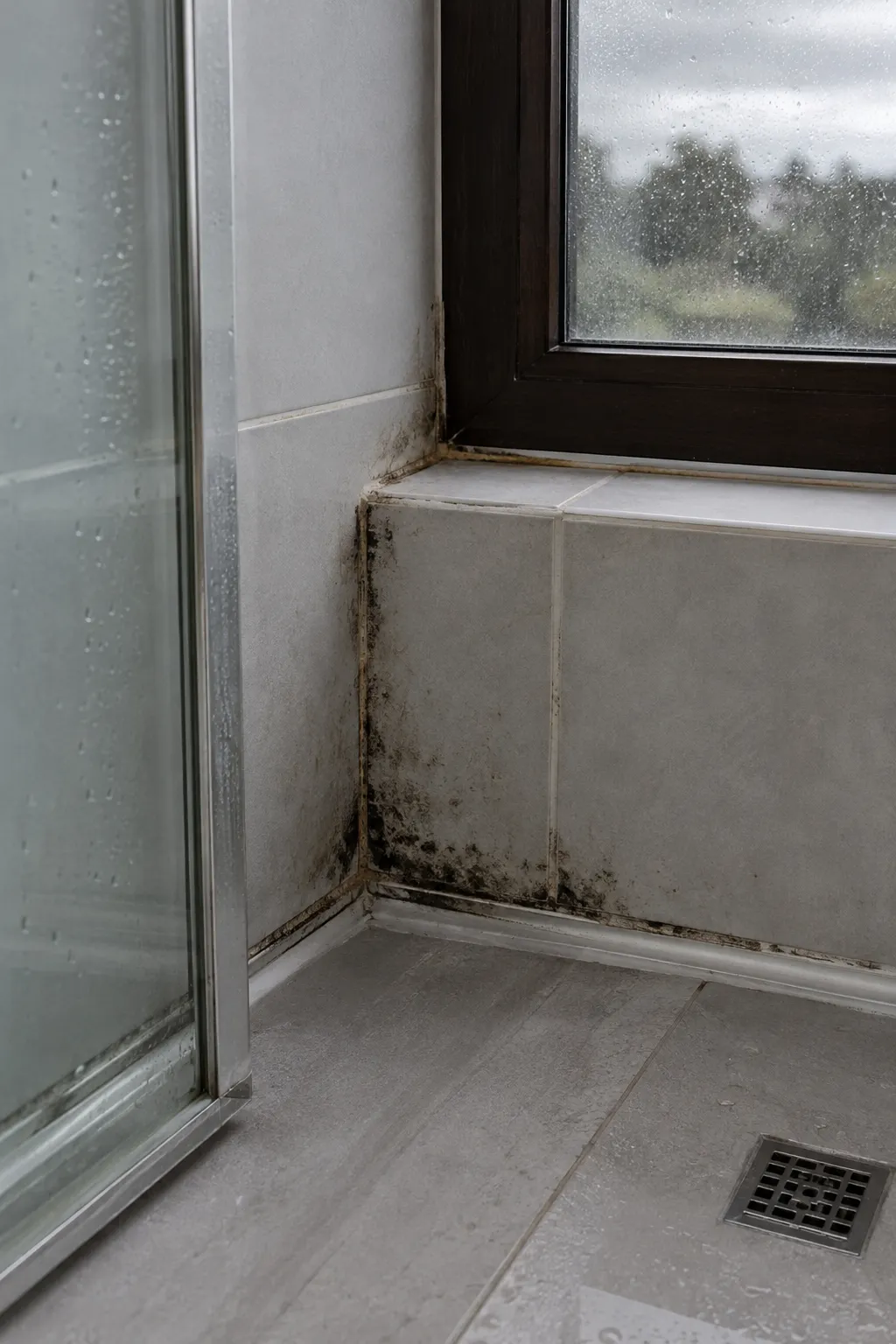
Record whether joints remain wet between showers and where growth repeatedly returns.
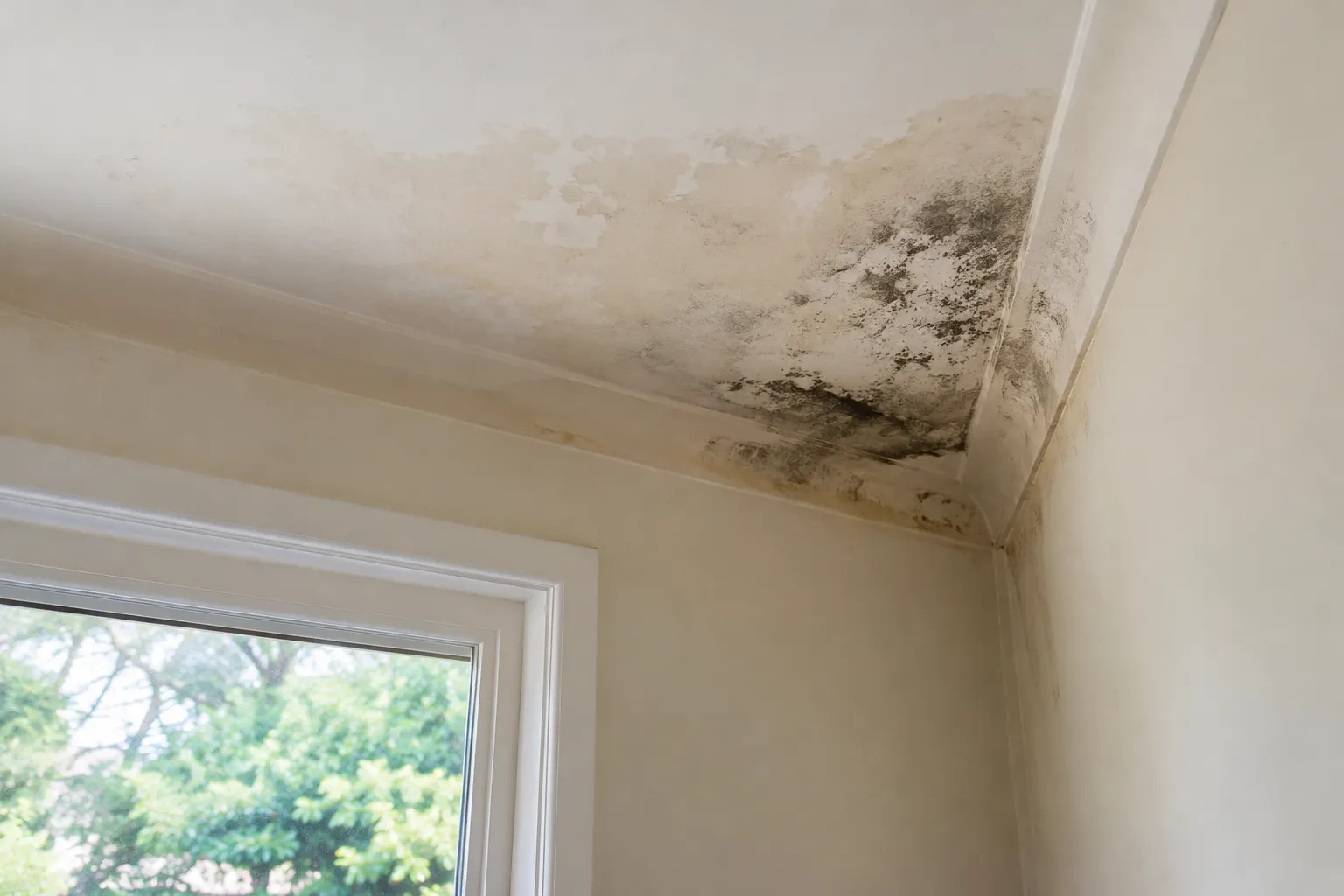
Painted overhead surfaces
Describe ceiling marks, staining and any board deterioration separately from tiled areas.
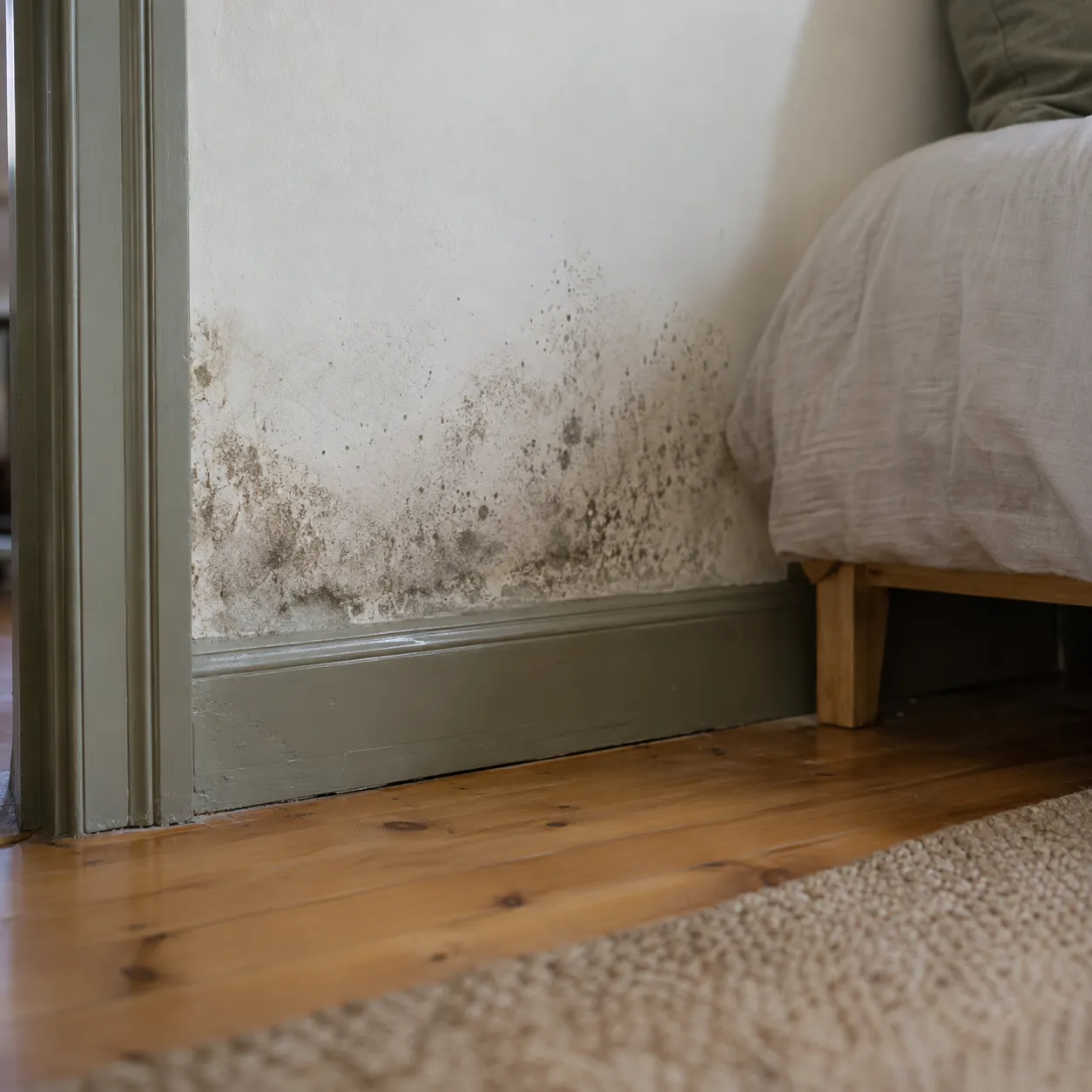
Adjoining painted corners
Check accessible surfaces beyond the tiles, including recurring damp edges.
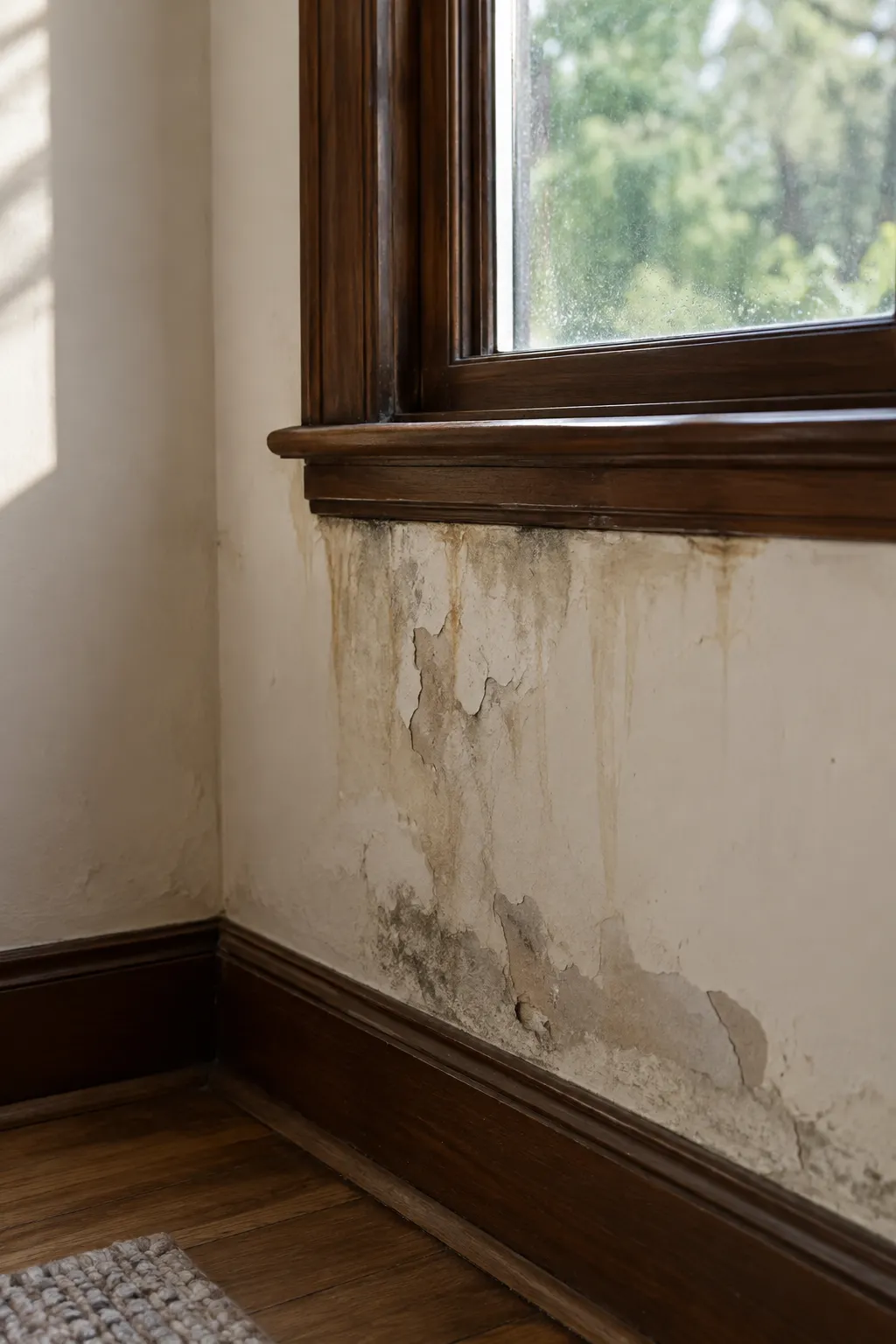
Persistently wet material
Separate a repair or drying need from the appearance of surface growth.
PREVENTION STARTS WITH
Change the condition.
Watch the result.
Check extraction with suitable advice
Use working extraction during showers and allow time for the room to clear. Where performance or discharge is uncertain, arrange an appropriate check rather than assuming fan maintenance answered every question. Observe the affected surfaces after any change and retain that evidence.
Keep the cause discussion open
Dry excess surface water where practical and record recurring growth at the same position. If changes do not improve drying, revisit leaks, airflow and material condition. Repeated cleaning or painting cannot replace unresolved source work or guarantee permanent prevention.
NUNAWADING & NEARBY
Nunawading and
connected local guidance.
Explore the Mitcham guide and Blackburn guide for nearby household questions. Confirm availability with your Nunawading street, bathroom layout and recurrence history when calling.
BEFORE YOU CALL
Questions about
growth that returns.
Does repeated cleaning mean removal will not help?
It shows that the history and remaining conditions need discussion. Accessible removal and source control have different roles; explain what was done and what changed afterwards.
Is cleaning a fan the same as checking extraction performance?
No automatic equivalence should be assumed. Record the maintenance undertaken and seek appropriate advice if discharge or room drying remains ineffective.
Can all bathroom finishes use one treatment?
Tile joints, paint and deteriorated board can need different decisions. Identify each affected material when agreeing the accessible scope.
Should recurring ceiling spots be painted before inspection?
Leave the finish visible. Paint can hide growth or dampness without repairing the cause or restoring damaged material.
How should the return pattern be recorded?
Keep dates and photographs of the same recognisable areas. Add shower use, drying observations and any maintenance or repairs during the interval.
Can the service guarantee no future recurrence?
No permanent prevention promise should be assumed. Growth can return where relevant moisture or material conditions remain, so the follow-up plan matters.
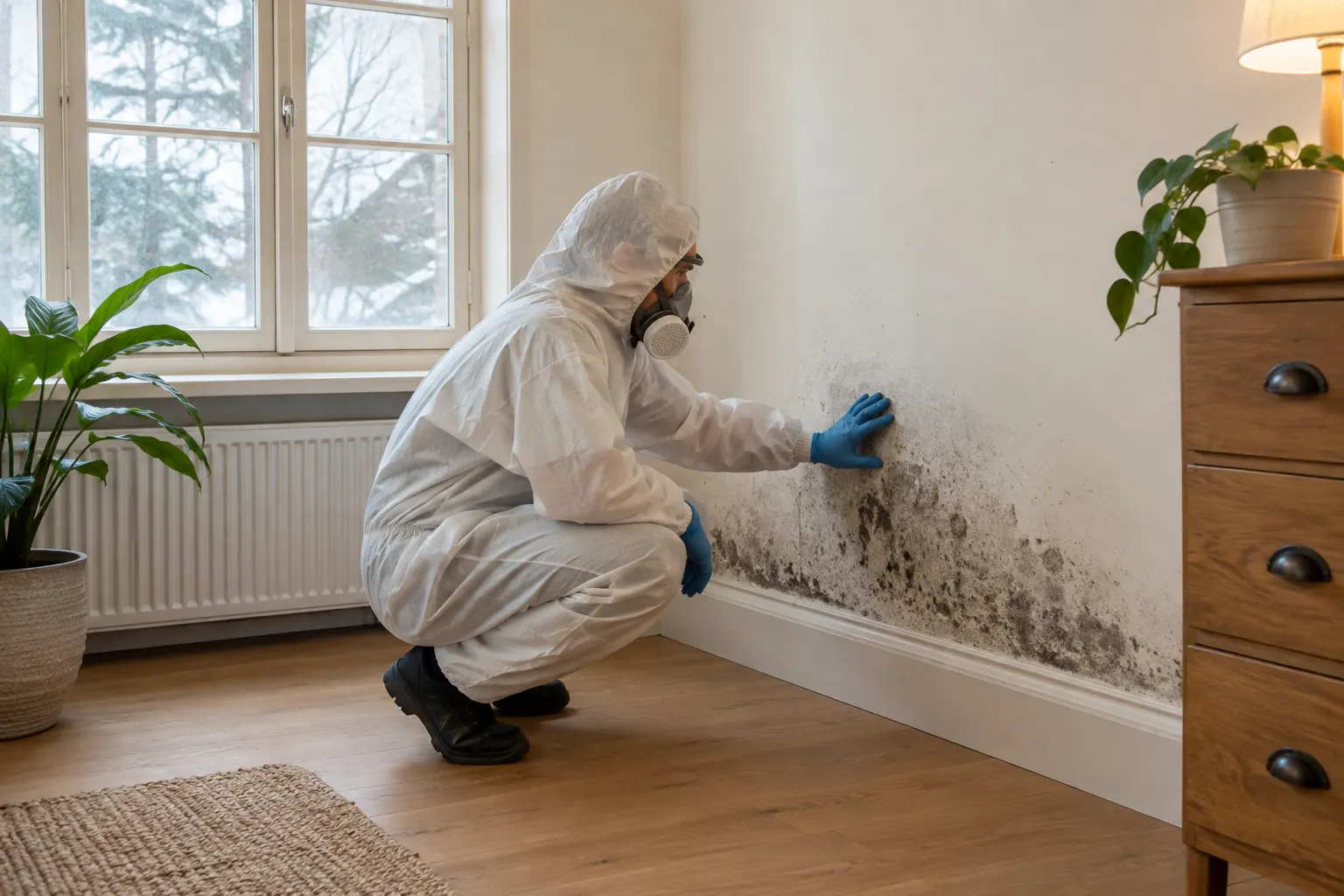
TELL US WHAT YOU CAN SEE
Explain the return.
Discuss what remains.
Call 03 8652 1296 with your Nunawading address, bathroom timeline and drying observations. Discuss the accessible work and appropriate next step.
Local context: Whitehorse locality information · Manningham locality information