
WALL · SKIRTING · FLOOR
BLACKBURN · MELBOURNE
Mould Removal Blackburn
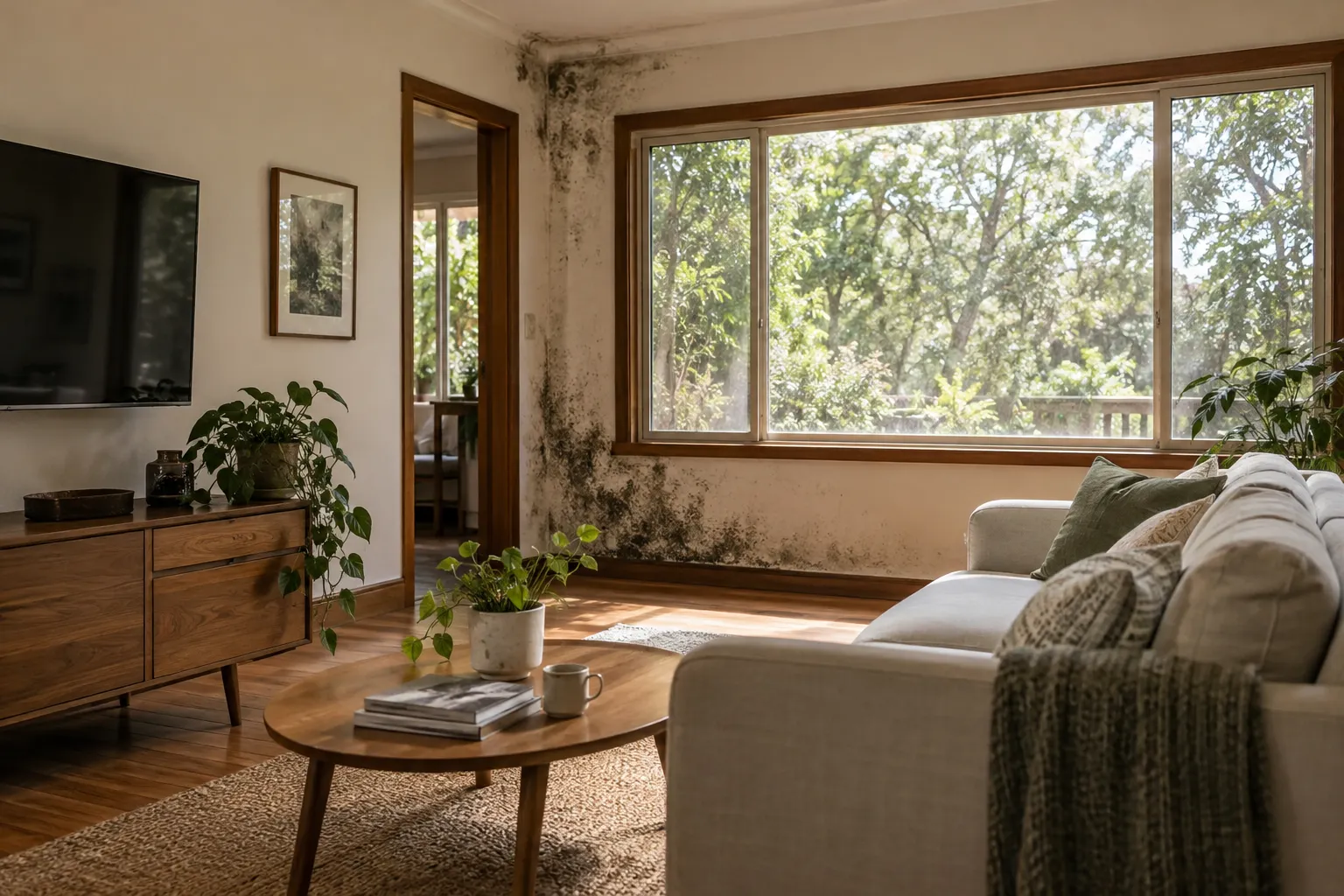
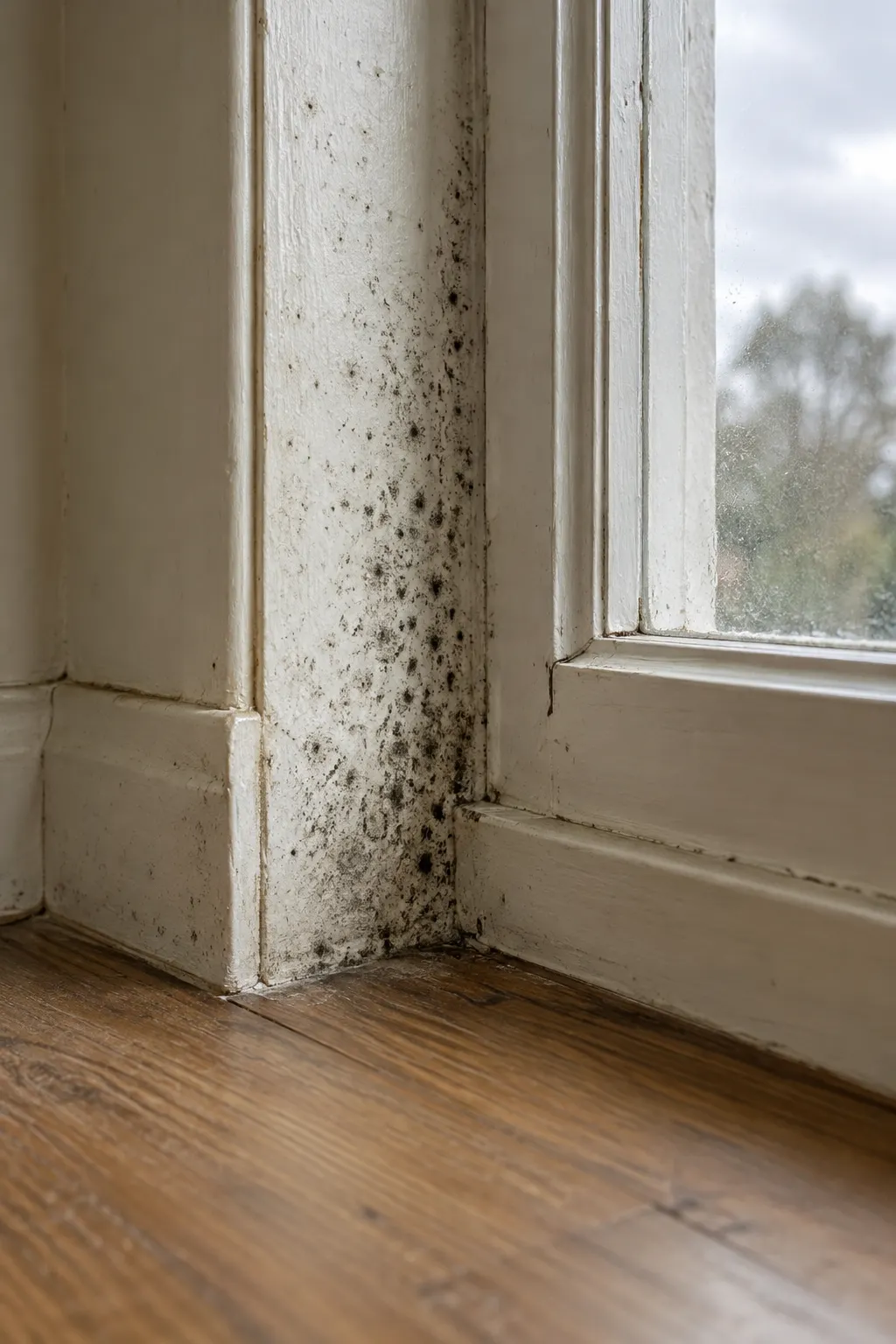
A damp mark at floor level can involve the wall, skirting and a nearby carpet edge. For a Blackburn enquiry, describe these materials separately and explain any water event. Removing growth from one accessible finish does not settle the condition of everything beside it.
Floor-level materials distinguished
Water-event history discussed
Access and exclusions agreed
THE ROOM TELLS A STORY
At the floor line.
Across several materials.
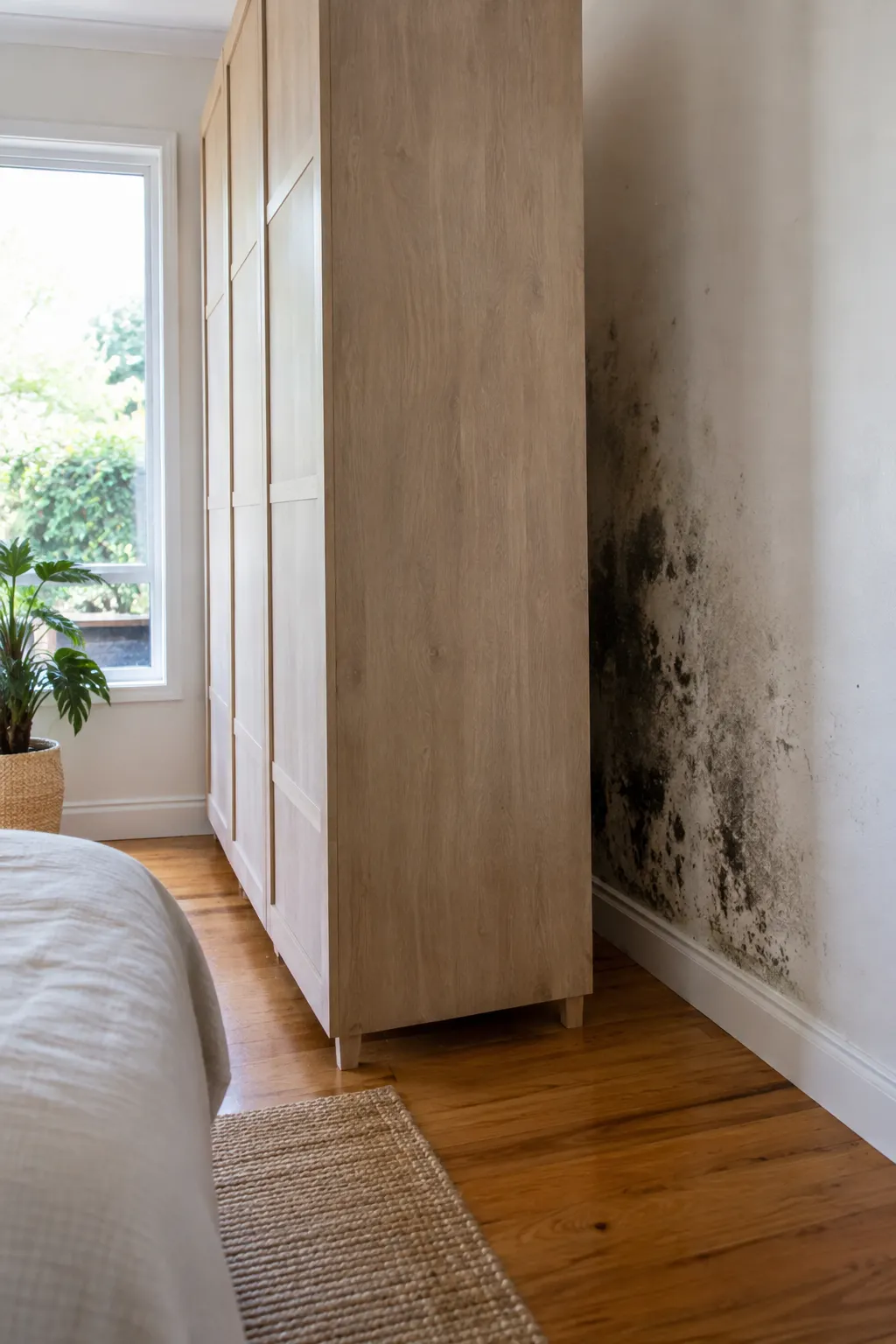
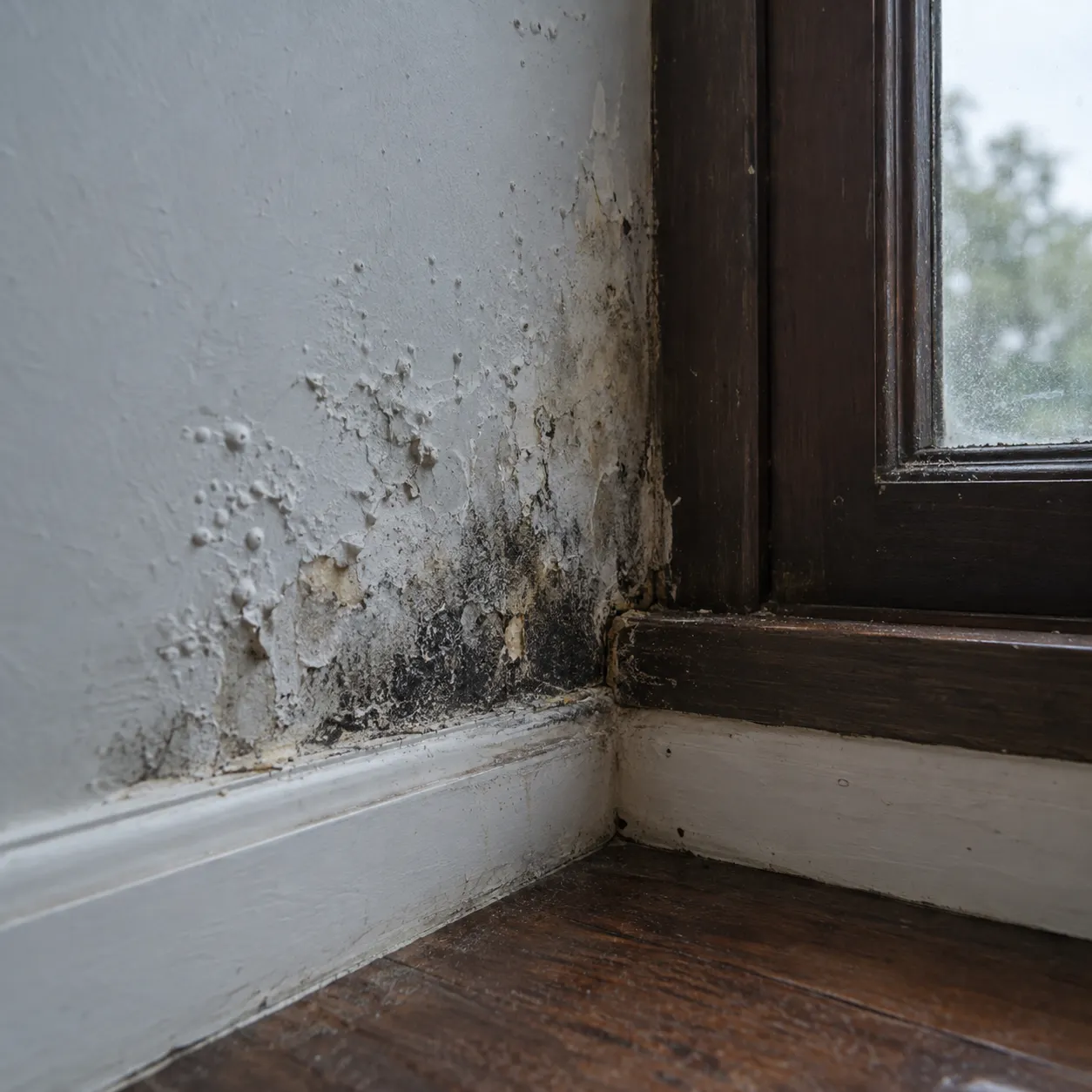
Blackburn is listed among Whitehorse localities. For growth near a carpet edge, the building and belongings need distinct descriptions. Explain whether the mark is on painted plaster, timber skirting or the floor covering itself. A narrow affected strip may conceal different material conditions and should not be grouped as a single washable surface.
Keep the date and location of any spill, leak or water entry, including drying or repairs already arranged. Show the room and accessible edge when discussing inspection. Do not lift coverings or remove skirting simply to make an unseen area part of an ordinary surface view.
UNDERSTANDING MOISTURE
Follow the event.
Assess each material.
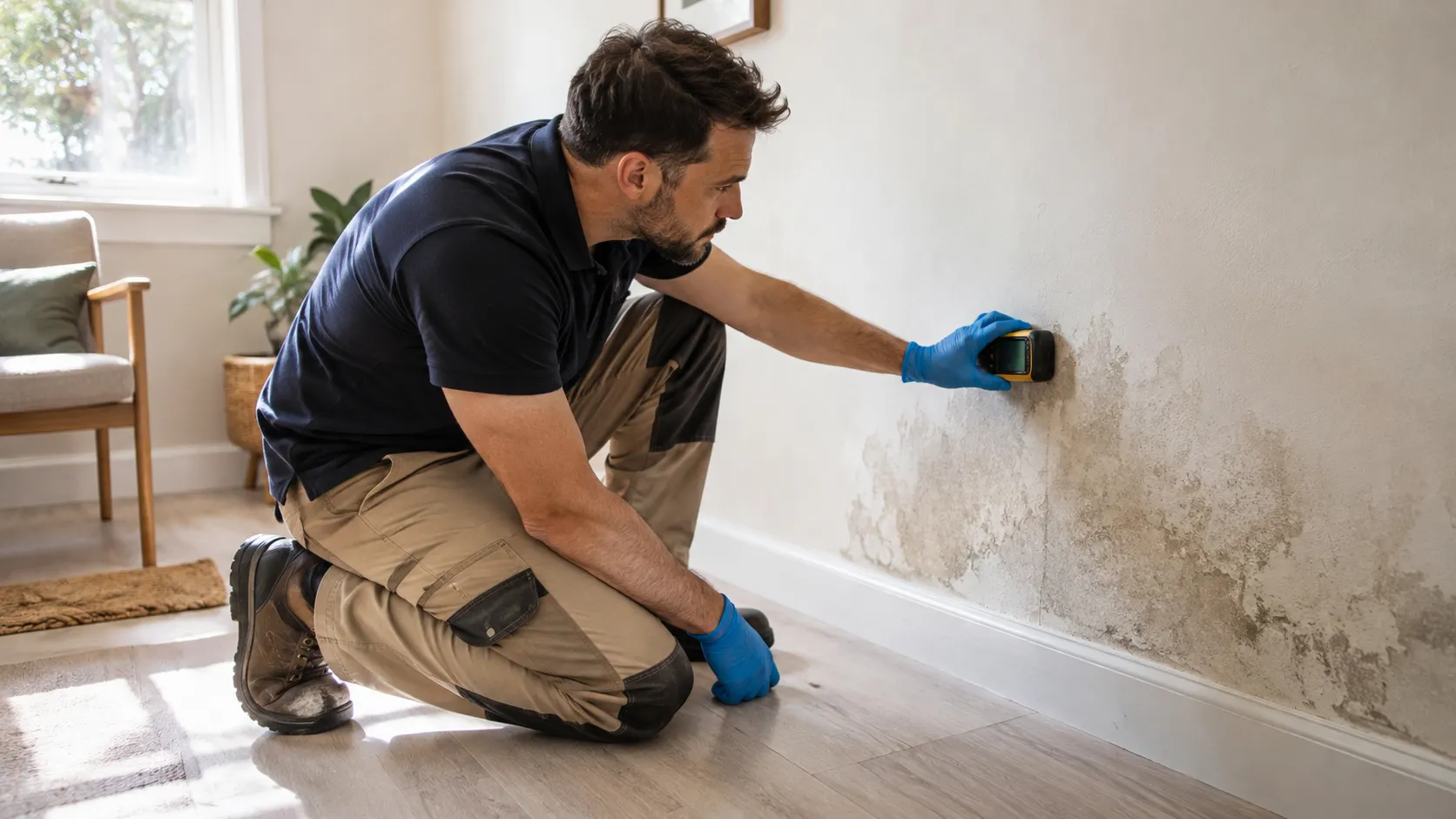
A known water history
A dated account of a leak or spill is more useful than guessing the patch’s age. Note whether wetness reached adjoining rooms and what drying work occurred. A repaired fitting does not itself establish the condition of the affected wall or floor assembly.
Recurring floor-level dampness
If no single event is known, describe when the area feels or looks wet. Keep rain, plumbing and room-use observations separate. The low position of growth cannot identify a particular cause without considering the wider building evidence.
Different recovery decisions
Porous floor coverings, underlayers, timber and plaster may need different assessment or replacement decisions. Accessible checks have limits where materials remain covered. Surface removal cannot restore deteriorated components or certify that every concealed layer has dried.
OUR REMOVAL PROCESS
Separate the surfaces.
Coordinate the work.
Keep the water-event record
Retain dates, the affected rooms and any drying or repair reports. Describe work actually completed rather than assuming an original leak appointment dealt with every material consequence.
Show the junction clearly
A wider room image identifies the floor line and access; a closer view shows the visible finish. Keep wall growth, damaged skirting and affected carpet labelled as distinct observations.
Clarify additional access
Ask what cannot be assessed while coverings or fixed parts remain in place. Further arrangements should be explicit rather than hidden within an ordinary visible-surface scope.
01
Define what is included
Describe the visible wall and skirting through mould removal. Raise concerns about carpet or other floor materials separately. The proposed scope should identify accessible finishes without implying assessment or restoration of the entire floor assembly.
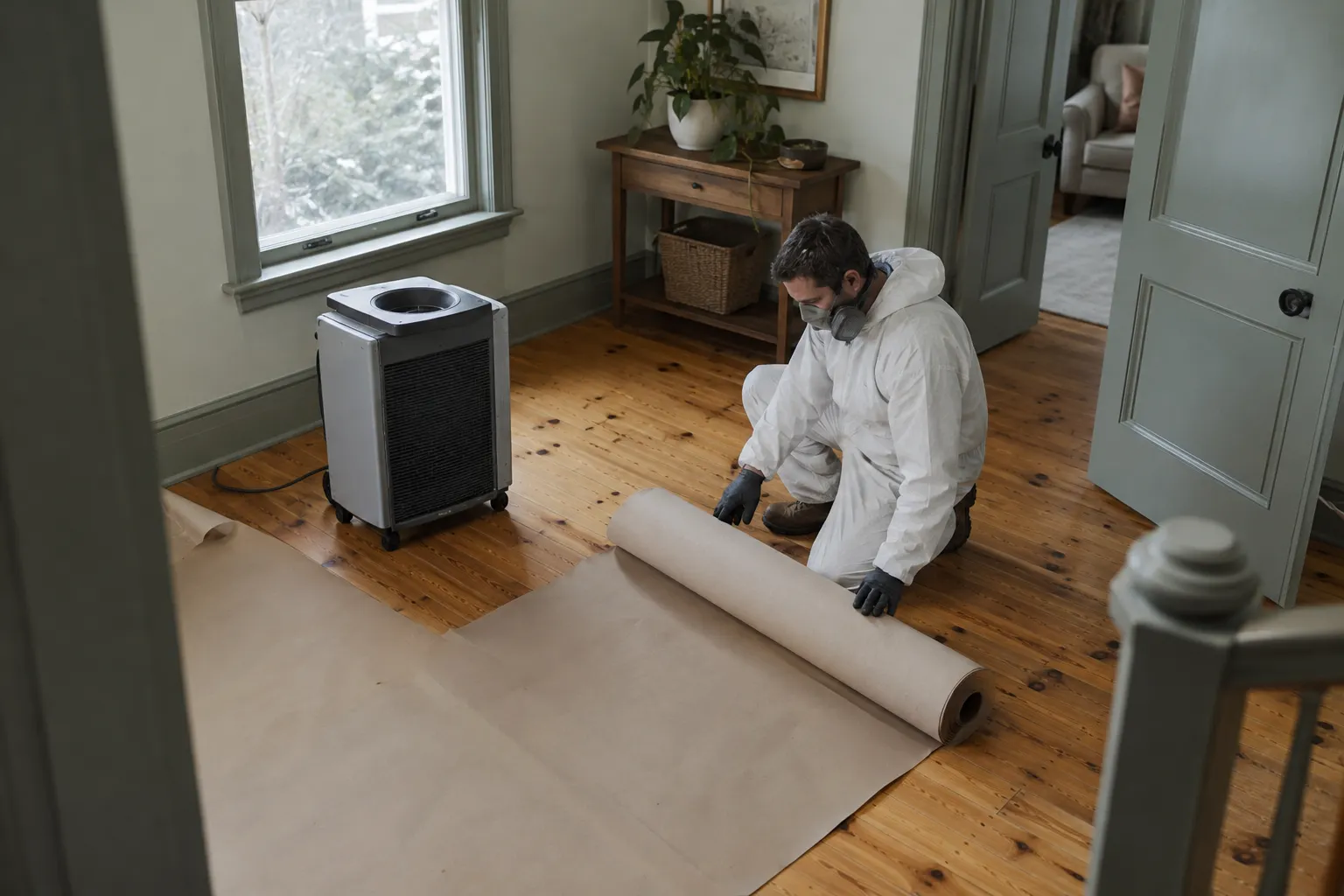
02
Arrange practical edge access
Explain furniture, fixed joinery and coverings that obstruct the area. Agree what loose belongings can move and who will arrange specialist access if needed. Avoid pulling materials apart or sanding the edge in preparation for photographs.
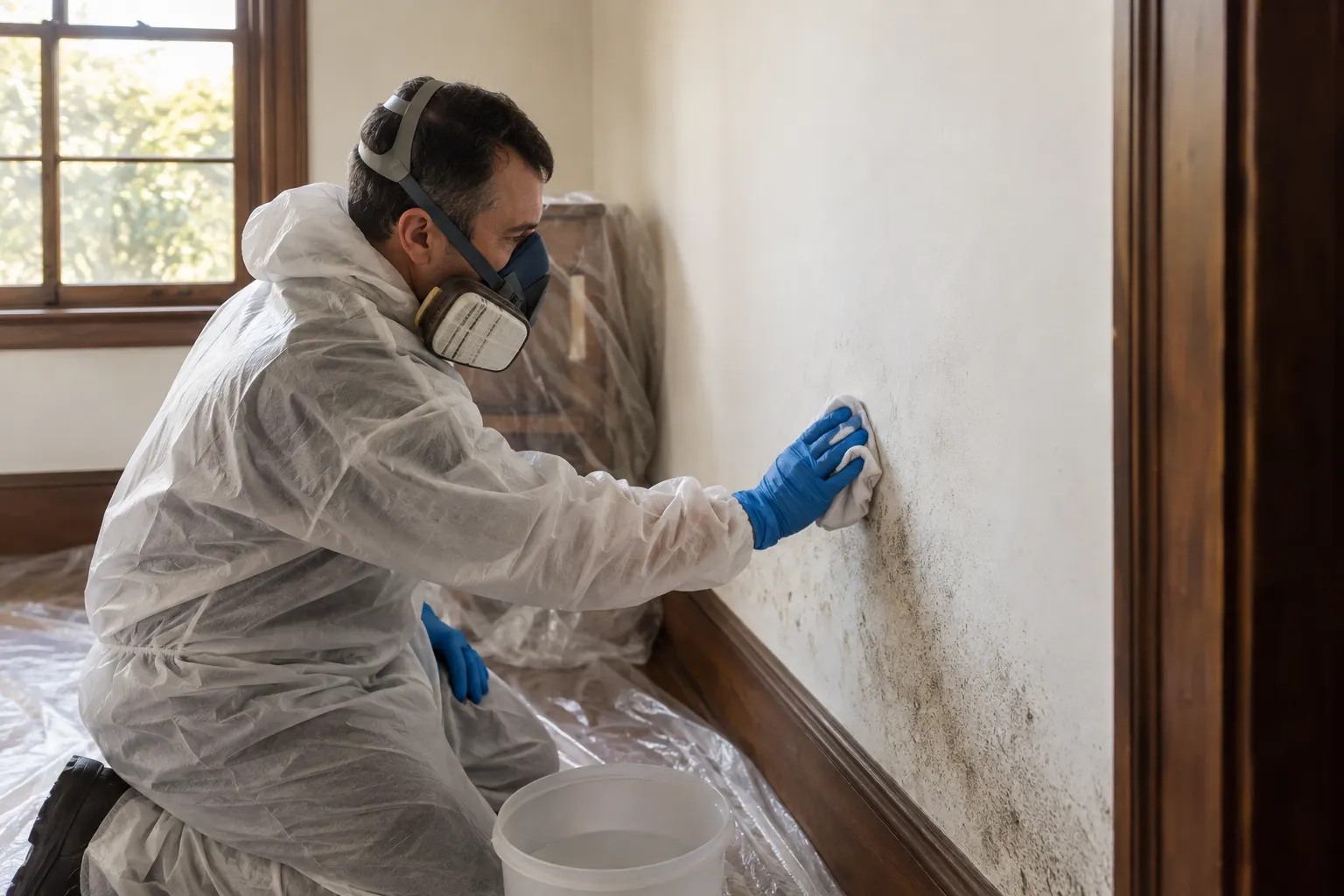
03
Review material follow-up
Discuss treated surfaces, remaining stains and affected porous materials. Remediation connects those decisions with source and drying questions, while repair or replacement work may require another trade. Returning furniture should not conceal outstanding dampness.
COMMON AREAS AFFECTED
The floor junction
and surrounding evidence.
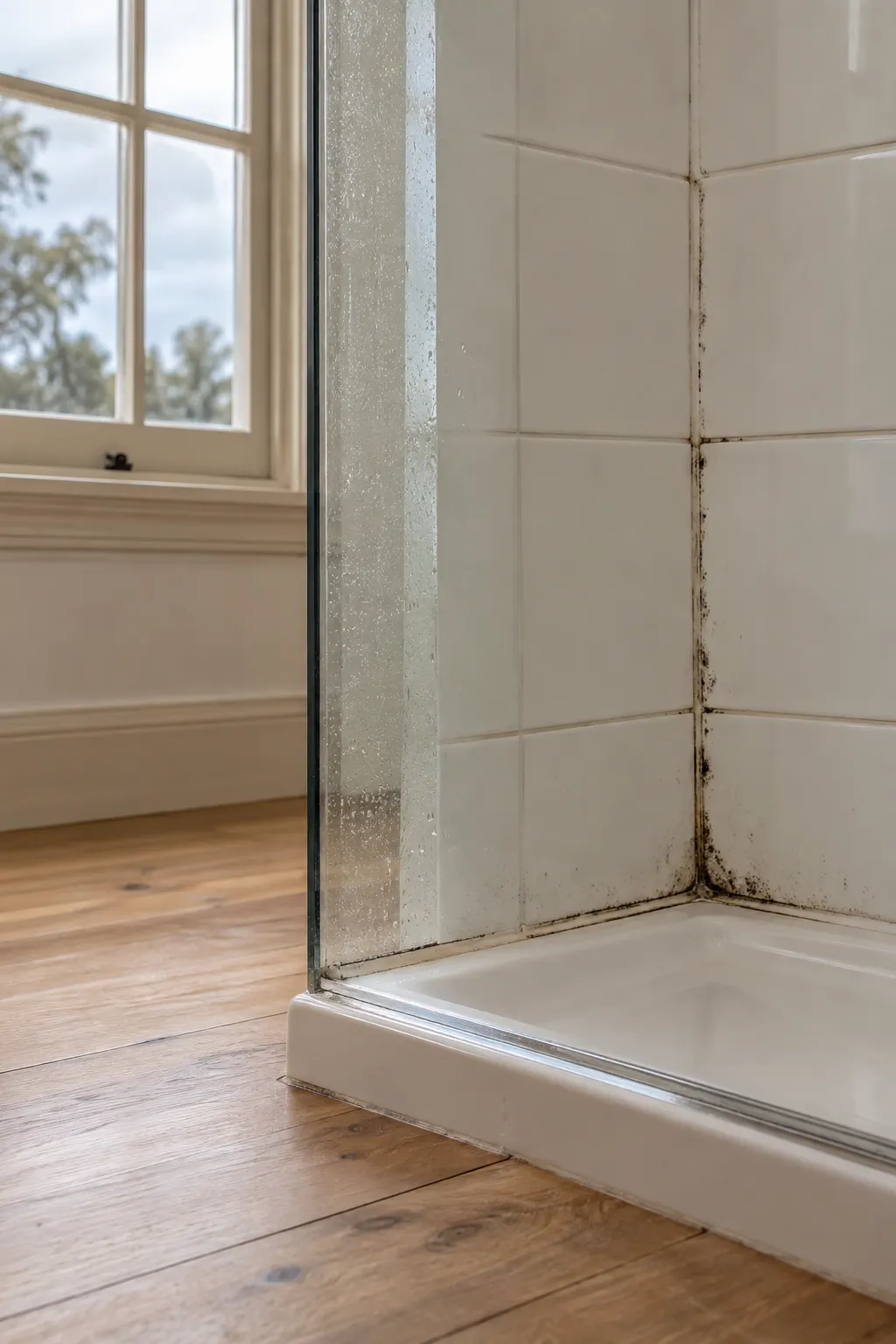
Nearby wet areas
Record relevant plumbing or splash history separately from unexplained dampness in an adjoining room.
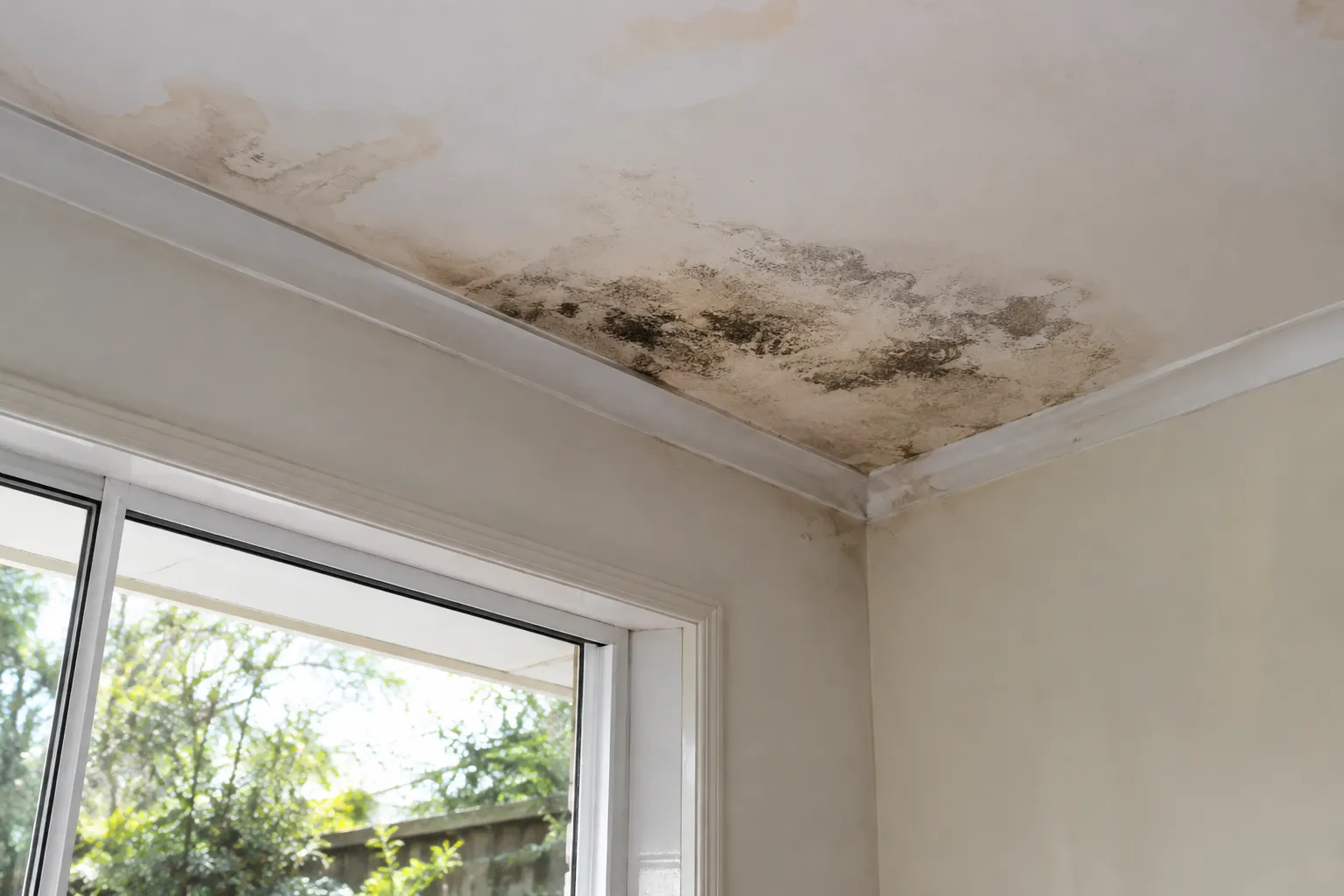
Water from above
An overhead stain may contribute to the event history, without proving the floor condition.
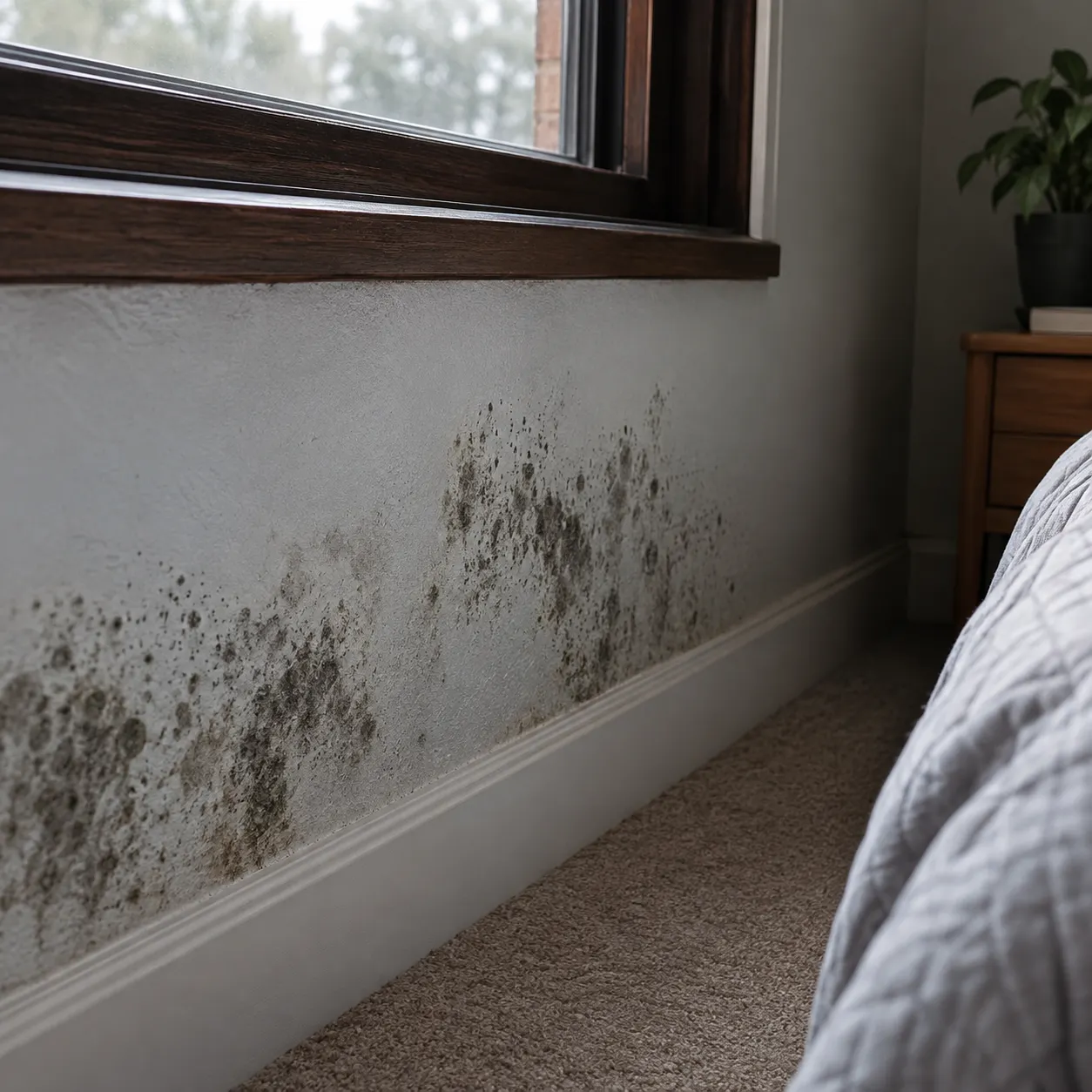
Low painted surfaces
Describe the finish and extent above the skirting, including peeling or softened areas.
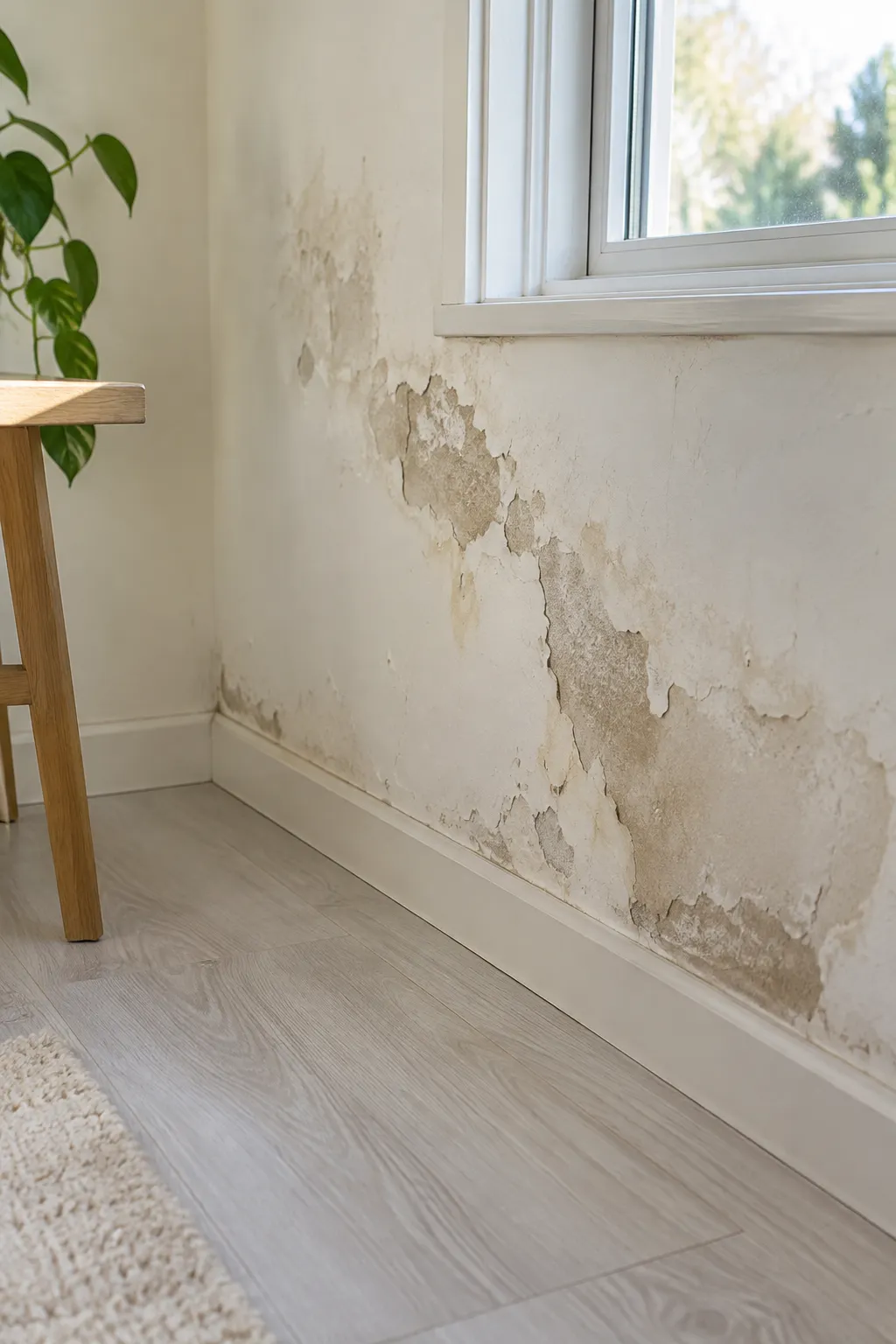
Affected porous materials
Drying or replacement decisions may extend beyond the accessible painted surface.
PREVENTION STARTS WITH
Resolve the water.
Do not hide the edge.
Check after source repairs
Keep a view of the affected junction where practical. Compare later rain or plumbing events with the original record. Persistent dampness or material change warrants follow-up rather than assuming a cleaner wall shows that the whole floor assembly is resolved.
Coordinate replacement decisions
Discuss material condition before restoring coverings or pushing belongings tightly back against the edge. Source repair, drying, removal and replacement have different roles. New carpet or decoration should not conceal a wet or deteriorated component that still needs appropriate assessment.
BLACKBURN & NEARBY
Blackburn and
connected room guides.
Explore the Nunawading guide and Forest Hill guide for nearby household enquiries. Give your Blackburn street, water-event details and floor-edge access when confirming availability.
BEFORE YOU CALL
Questions at
the carpet edge.
Does wall treatment include carpet automatically?
No. Floor coverings and underlayers need separate discussion from the accessible wall finish. Identify affected materials and ask what the agreed scope includes.
Should I lift carpet before inspection?
Do not assume that is ordinary preparation. Explain the concern and agree appropriate access or specialist involvement rather than disturbing covered material yourself.
Does growth at floor level prove a specific type of damp?
No. Position alone cannot identify the cause. Water history, room observations and suitable building investigation may be needed.
Can removal restore swollen skirting?
It does not renew deteriorated timber or board. Repair or replacement may need separate arrangements after the relevant moisture source is addressed.
What if the leak was fixed but the edge is still wet?
Record the continuing condition and explain drying work already undertaken. Material assessment and source follow-up can still be needed after a fitting repair.
Which details help plan a floor-edge visit?
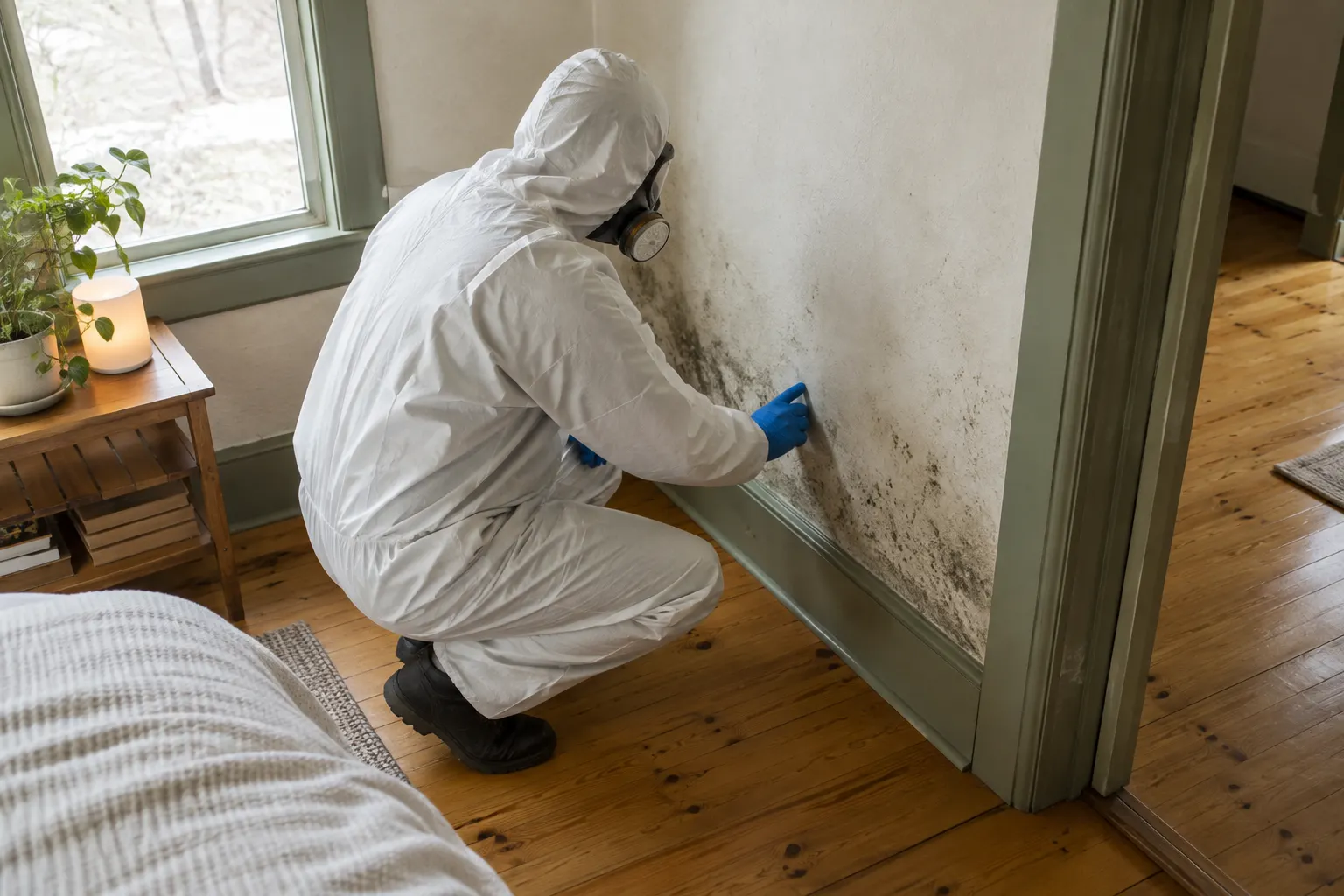
Show the full room, junction and visible damage. Include water-event dates, repair records and any furniture or fixed parts that restrict access.
TELL US WHAT YOU CAN SEE
Describe the junction.
Keep materials distinct.
Call 03 8652 1296 with your Blackburn address, floor-edge photographs and water history. Discuss the accessible surfaces and next assessment step.
Local context: Whitehorse locality information