
LAUNDRY · JOINERY · WATER
FOREST HILL · MELBOURNE
Mould Removal Forest Hill
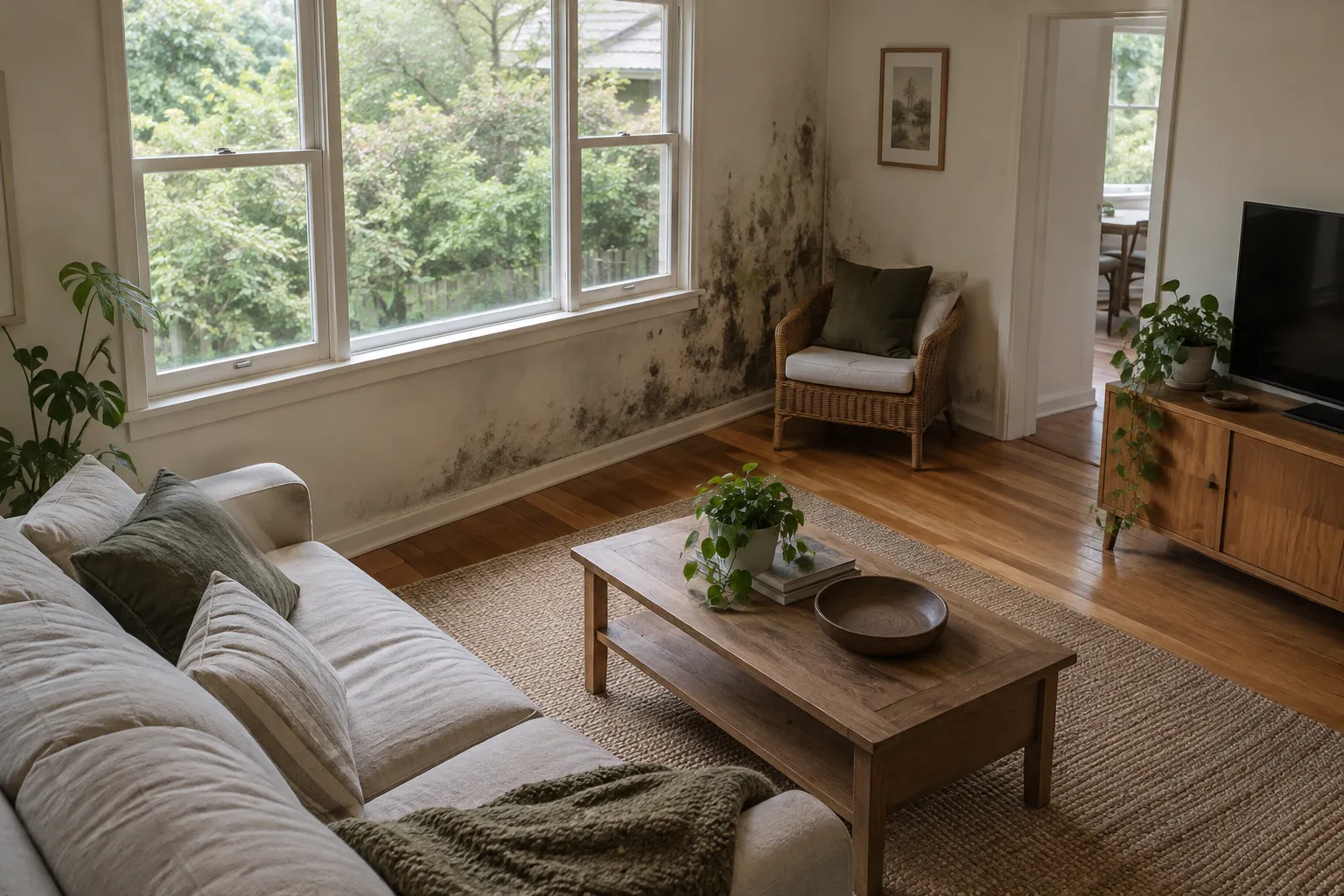
A laundry cabinet can conceal a damp edge long before it is noticed. For visible mould around joinery in Forest Hill, explain the basin or appliance arrangement, the affected material and any plumbing history. A surface enquiry should not overlook deterioration behind the visible face.
Joinery condition considered
Plumbing history recorded
Fitted access limits discussed
THE ROOM TELLS A STORY
At the cabinet edge.
Beyond the visible face.
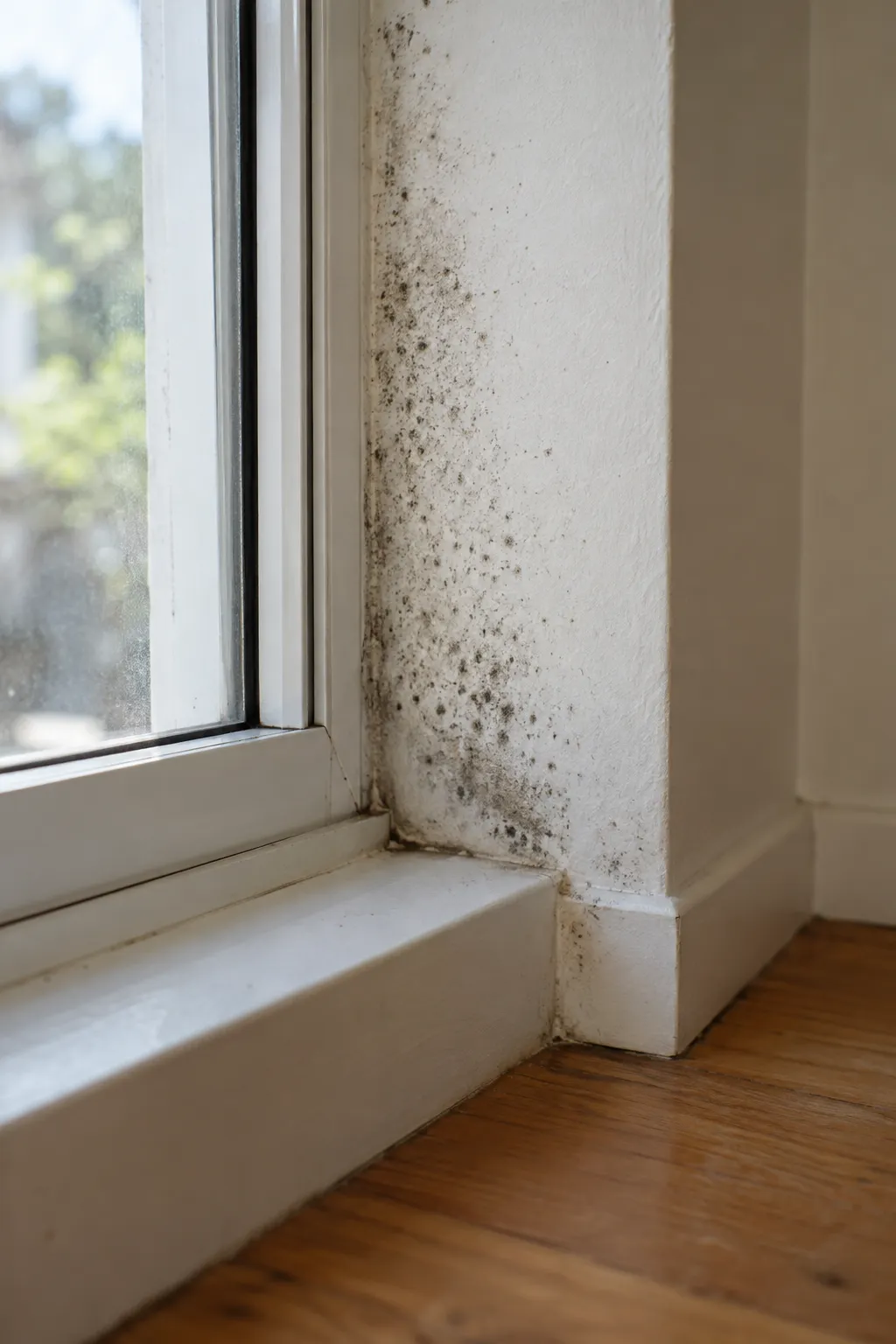
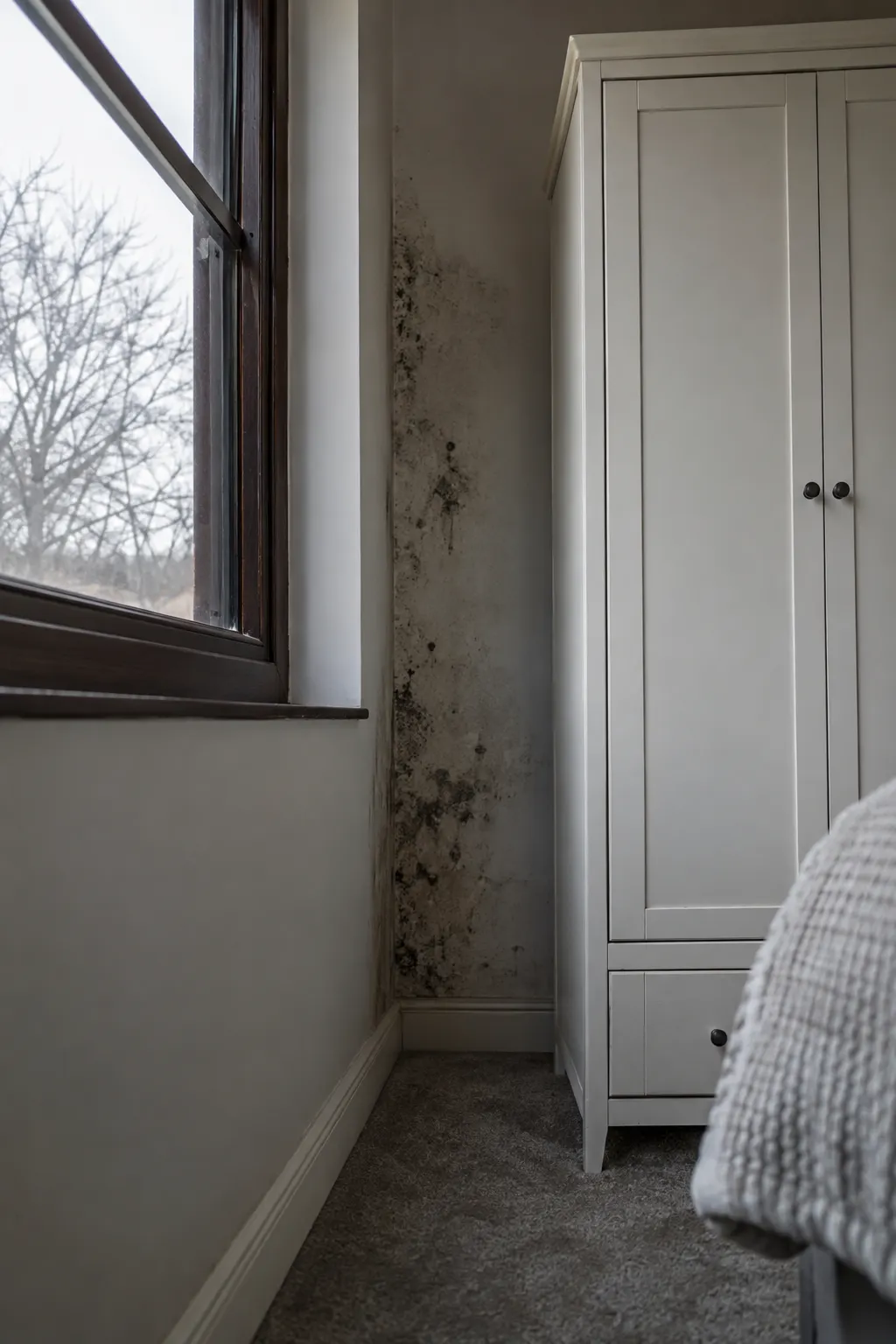
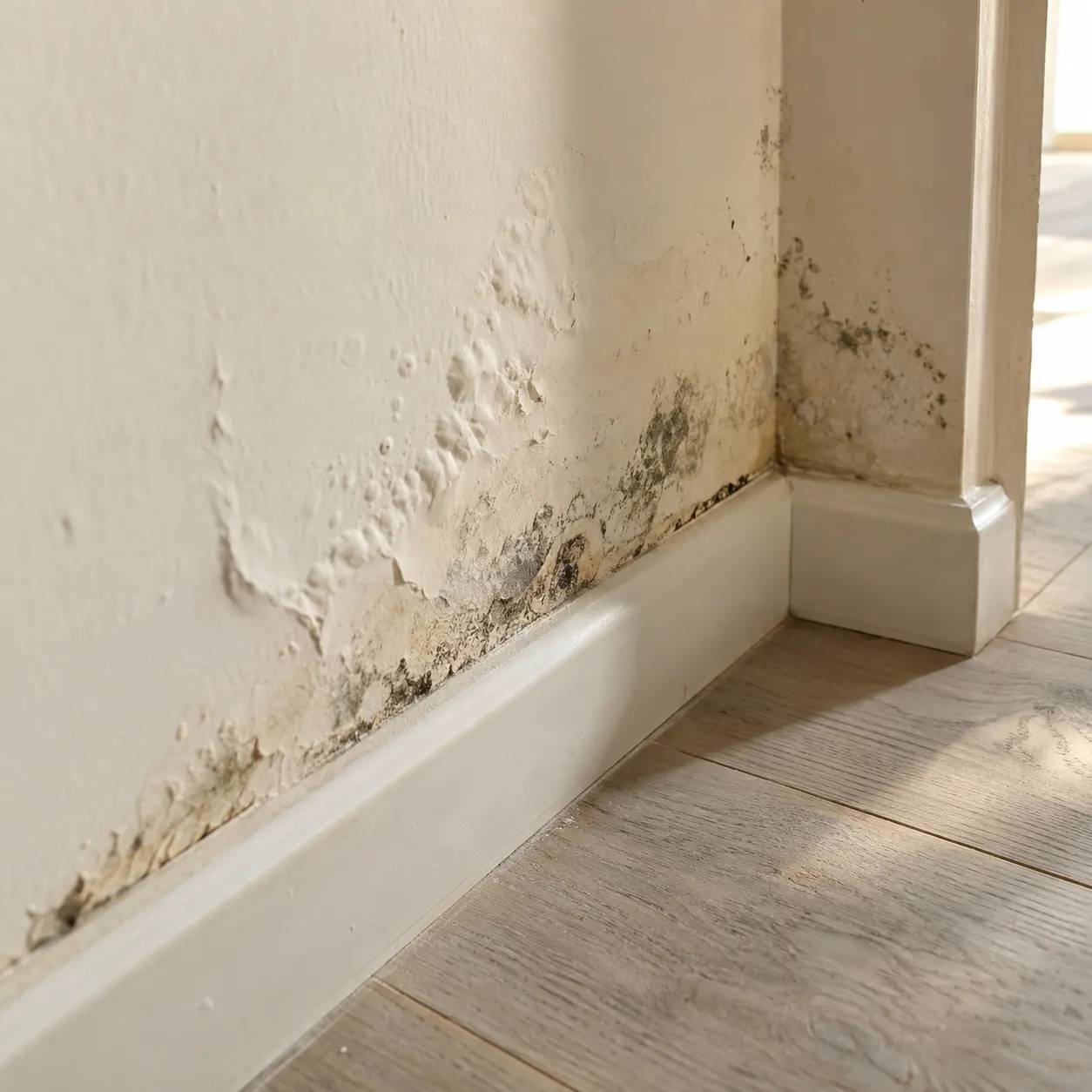
Forest Hill is listed among Whitehorse localities. For a laundry-joinery enquiry, identify whether growth is on the cabinet, adjoining plaster or a skirting edge. Different surfaces can be affected by the same event yet need different decisions. A narrow dark line should not be assumed to be only a cosmetic cleaning issue.
Describe wetness around supply or waste connections without dismantling them. Keep earlier plumbing repairs and drying records available. Wider room photographs help arrange inspection, particularly where appliances, fitted panels or shelves obscure the accessible view of the material.
UNDERSTANDING MOISTURE
Read the edge.
Keep the repair history.
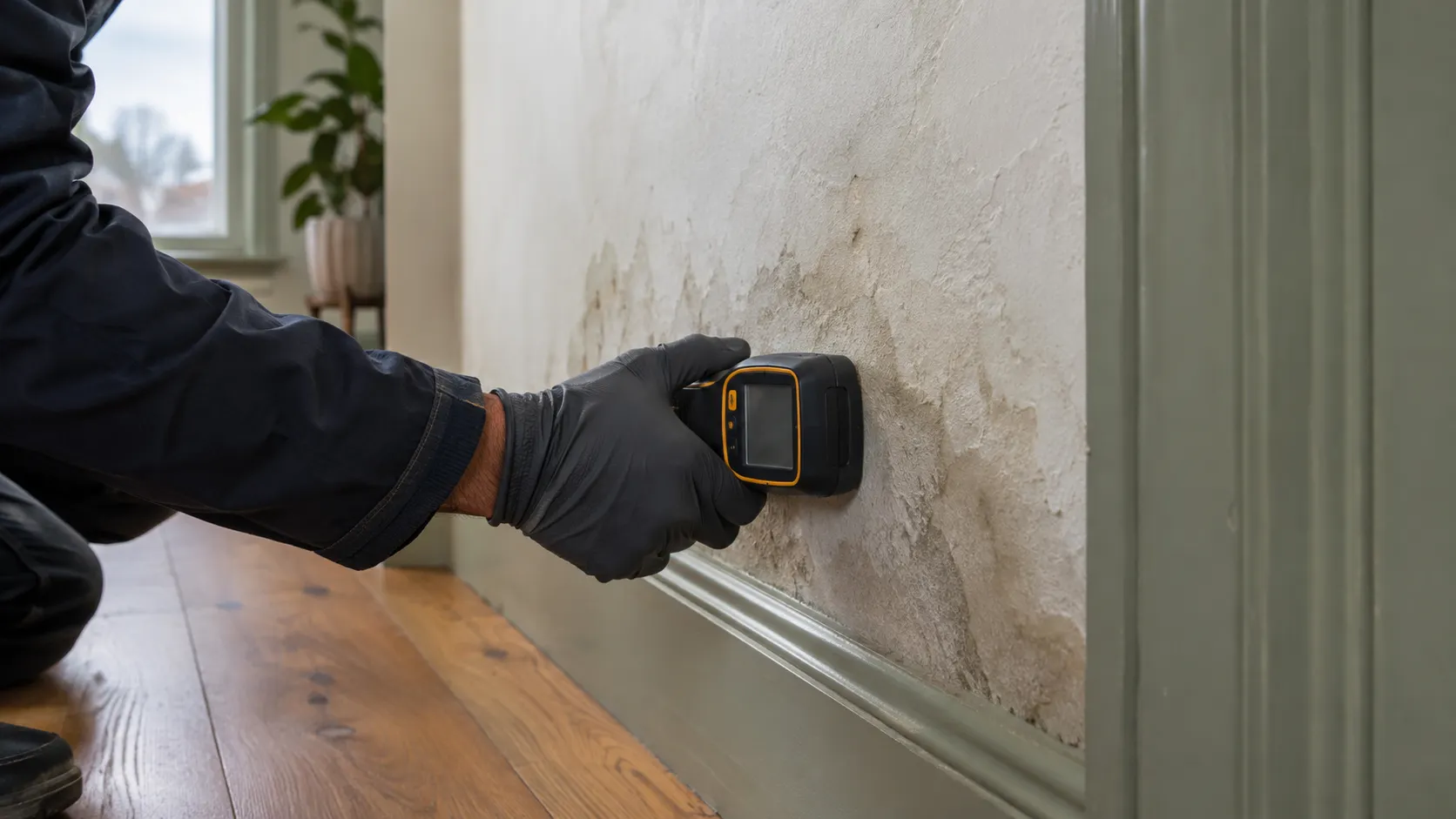
Water near the fittings
Notice whether wetness follows ordinary laundry use or remains when the room is unused. Report the location and timing rather than testing connections or assigning a fault. Suspected plumbing concerns need the appropriate trade alongside surface decisions.
Swollen or softened board
Cabinet materials may show lifting coatings, expanded edges or loss of shape. Removing visible growth does not restore those components. Discuss deterioration separately from sound painted surfaces so repair or replacement can be considered where appropriate.
A concealed backing
Fitted joinery can restrict the wall view even after loose contents are cleared. Accessible moisture checks cannot establish every hidden layer’s condition. Explain what cannot be seen, and avoid treating an ordinary cabinet opening as complete access to the surrounding assembly.
OUR REMOVAL PROCESS
Identify the material.
Clarify the accessible work.
Retain the plumbing sequence
Keep the date of the first water observation, reported repairs and any subsequent change. Explain which work was completed rather than assuming a repaired fitting resolved every material consequence.
Show fixed and loose parts
A wider image clarifies the cabinet layout and appliance position. Label the visible affected face and explain which sections remain hidden even when contents are moved.
Agree replacement boundaries
Ask whether damaged board needs assessment beyond surface work. Keep source repair, drying and material replacement identifiable before refilling the cabinet or restoring the room.
01
Separate joinery and wall areas
Describe the visible extent through mould removal, identifying affected cabinet parts and adjacent finishes. Agree included surfaces and exclusions. A scope for reachable wall growth should not imply renewal of damaged joinery or inspection of concealed fittings.
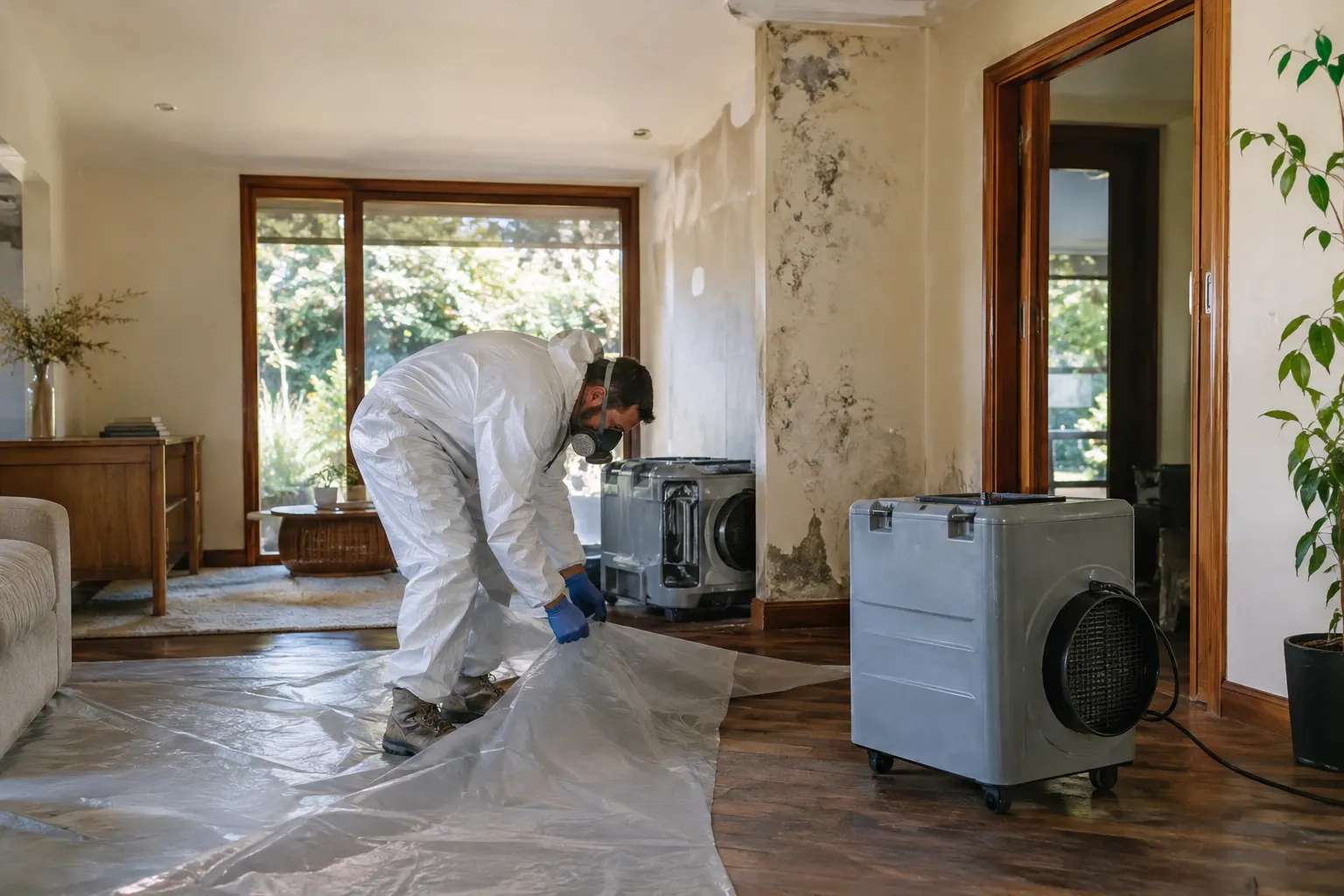
02
Coordinate room preparation
Ask which loose laundry items should be cleared and where they can go. Mention appliances, narrow recesses and fixed panels. Do not disconnect equipment or remove fitted parts simply to prepare for photographs; any additional access needs an appropriate arrangement.
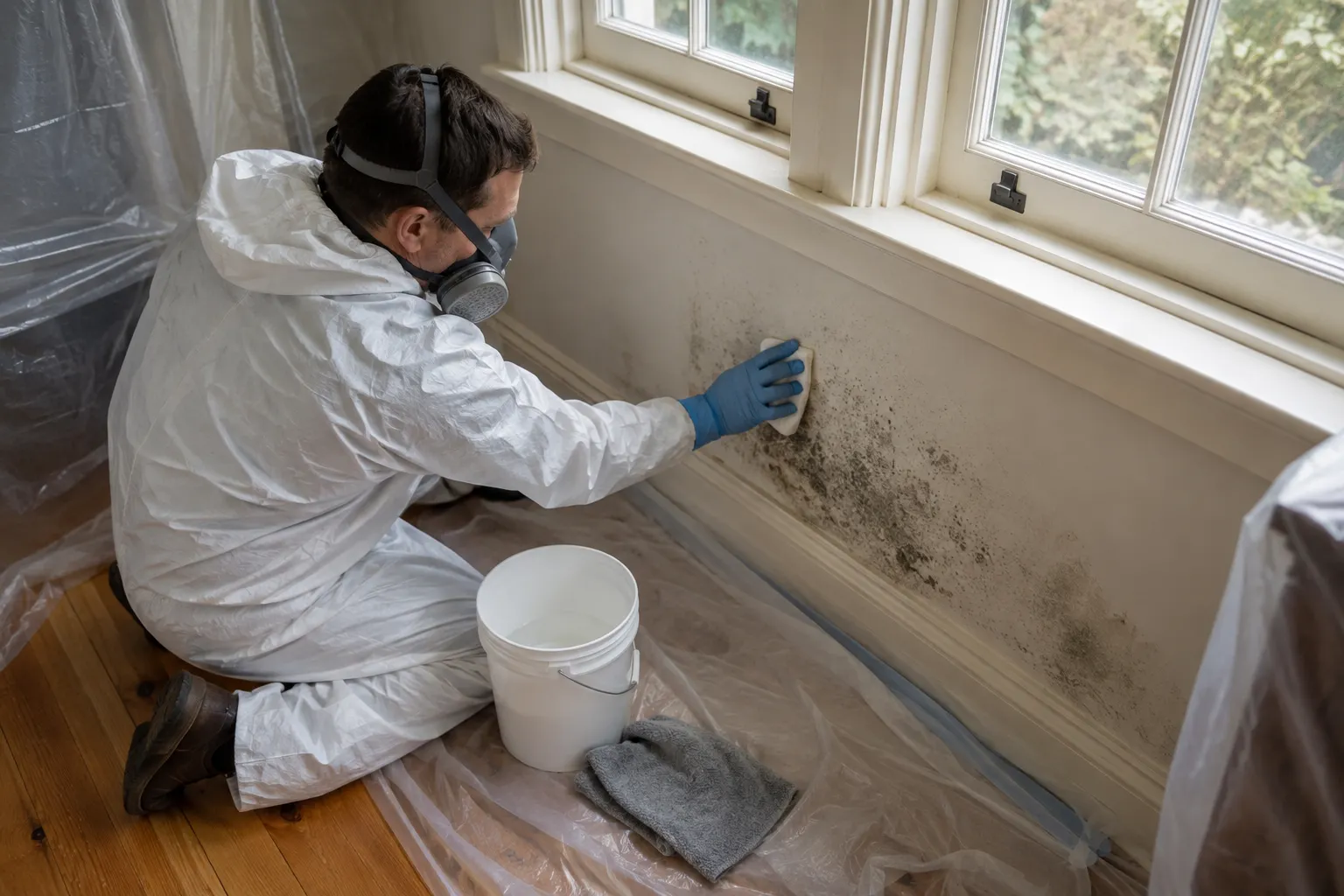
03
Review repair and drying needs
Discuss remaining dampness, stains and deteriorated materials. Remediation connects those actions with removal, while plumbing repair and cabinet replacement may require separate trades. A treated face cannot certify the hidden backing is unaffected.
COMMON AREAS AFFECTED
Laundry surfaces.
Adjoining water clues.
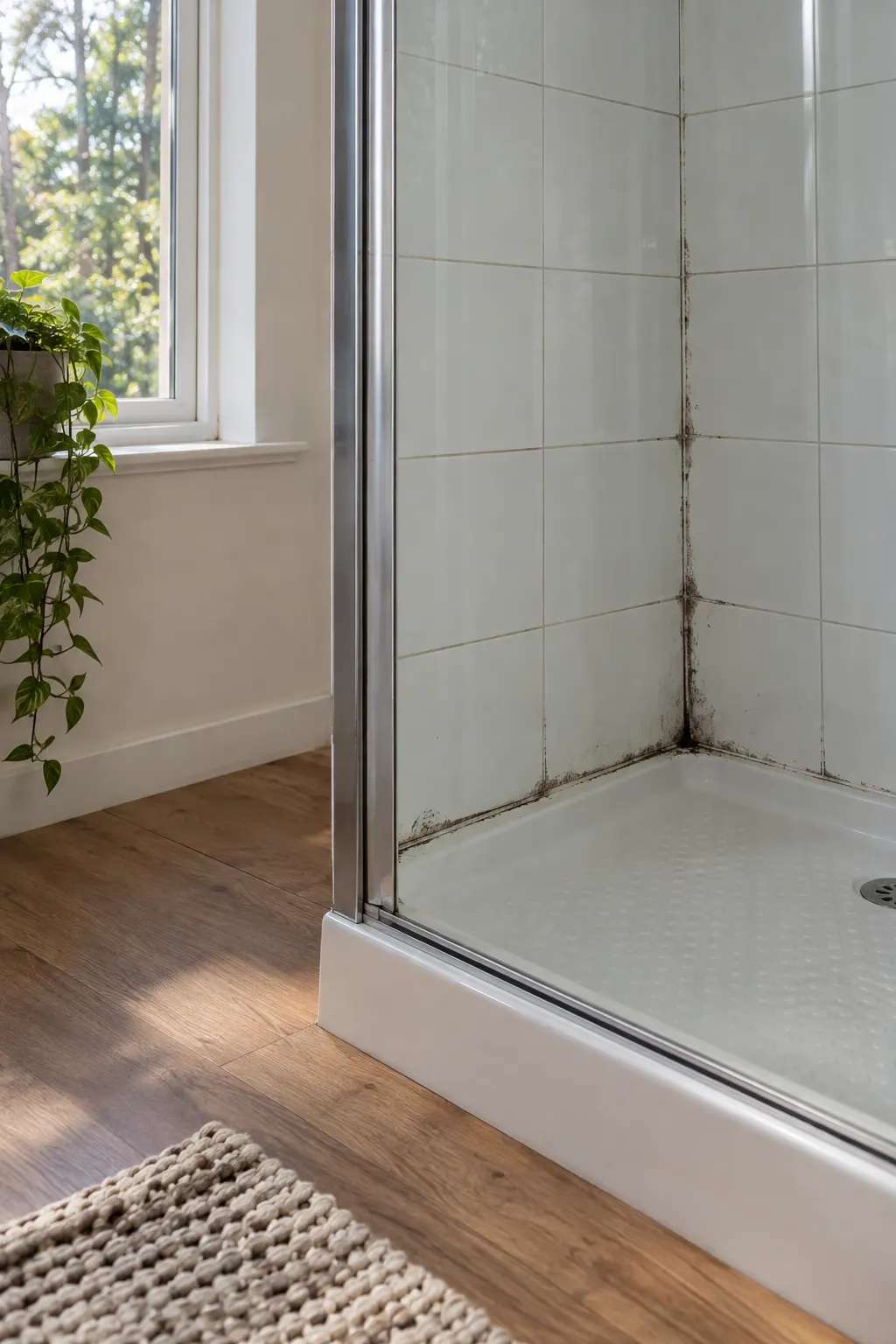
A separate wet area
Relevant bathroom history can add context without proving the laundry’s source or method.
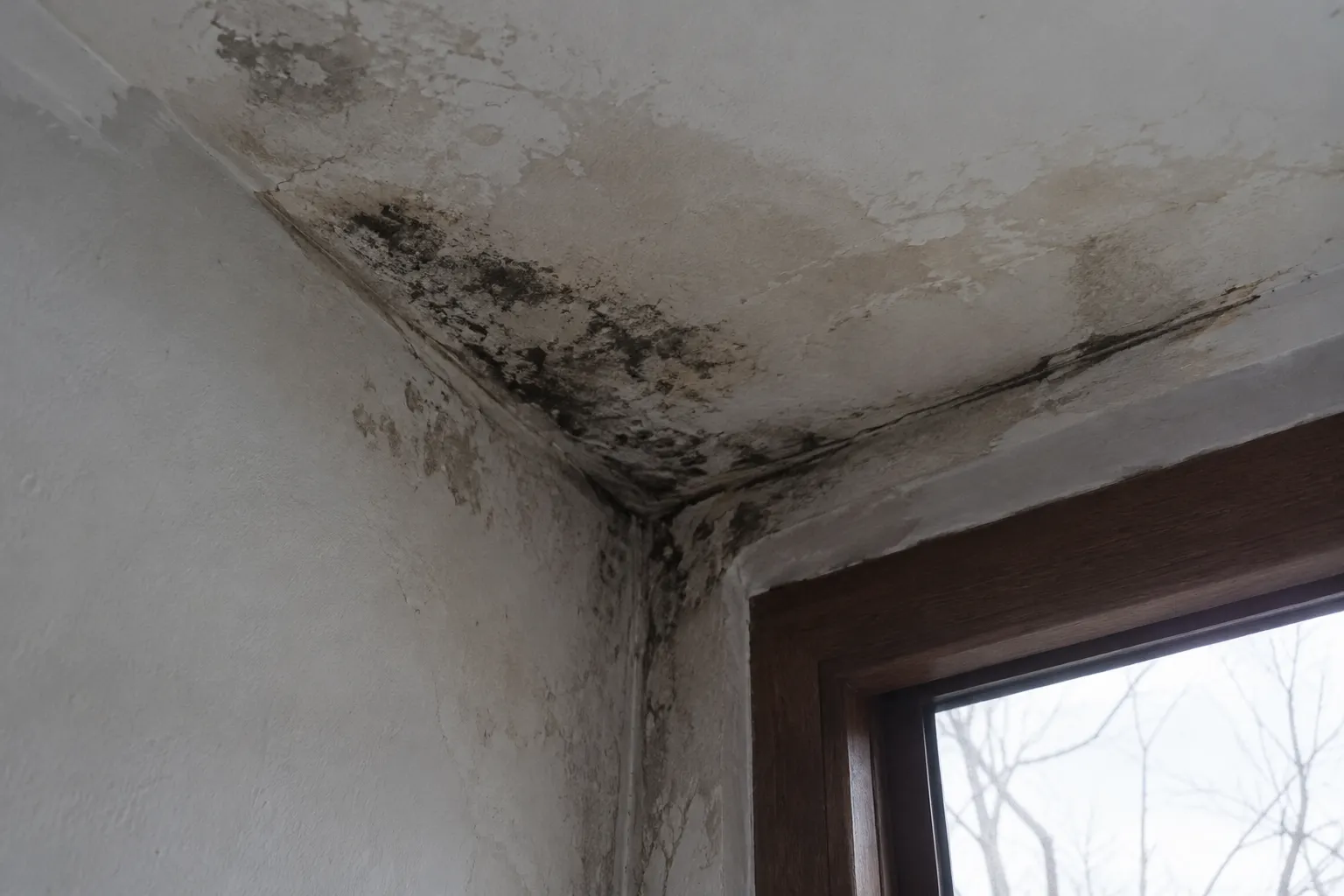
Water from elsewhere
Note overhead staining independently of wetness around laundry fittings.
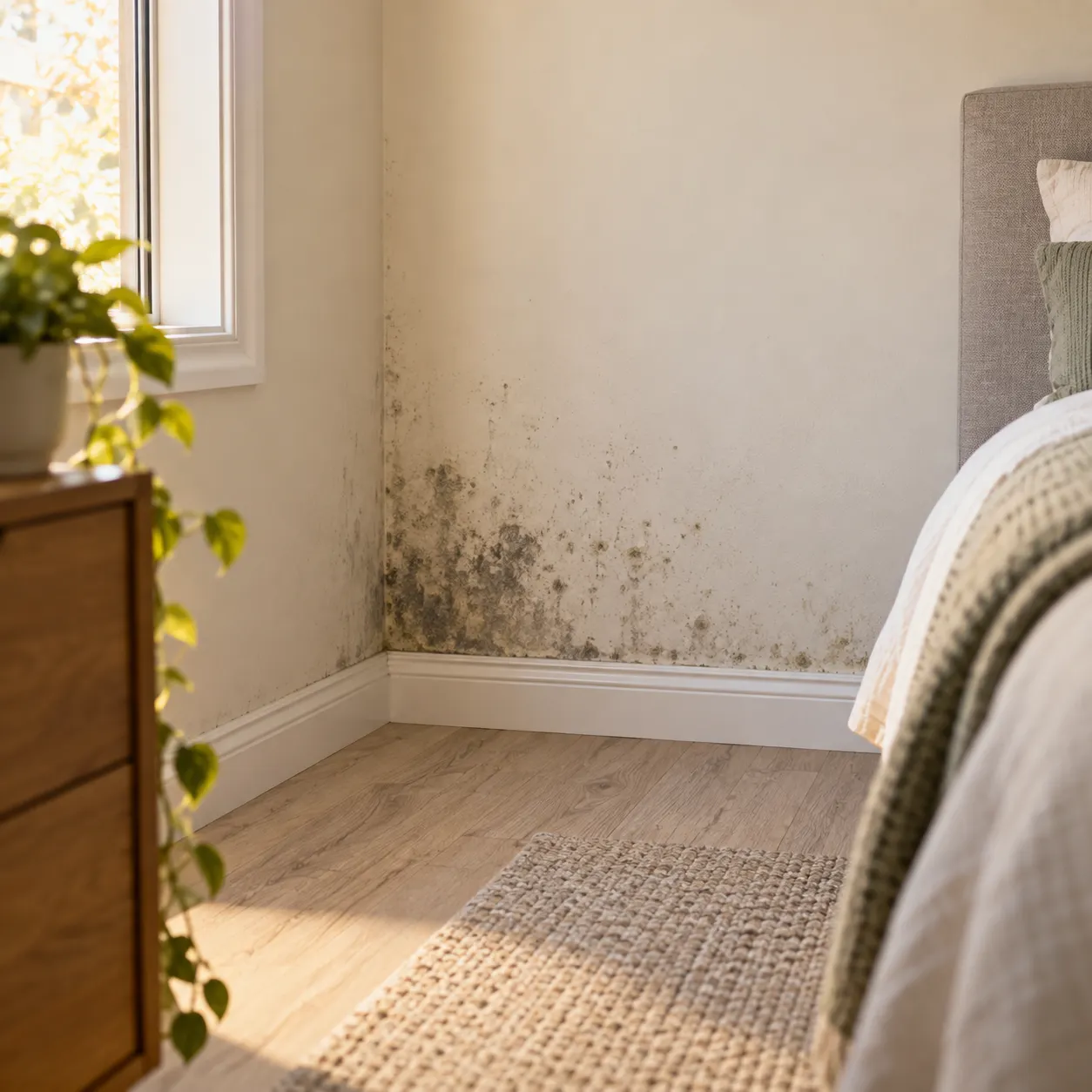
Beside fitted joinery
Describe accessible paint or plaster and any edge covered by a panel or appliance.
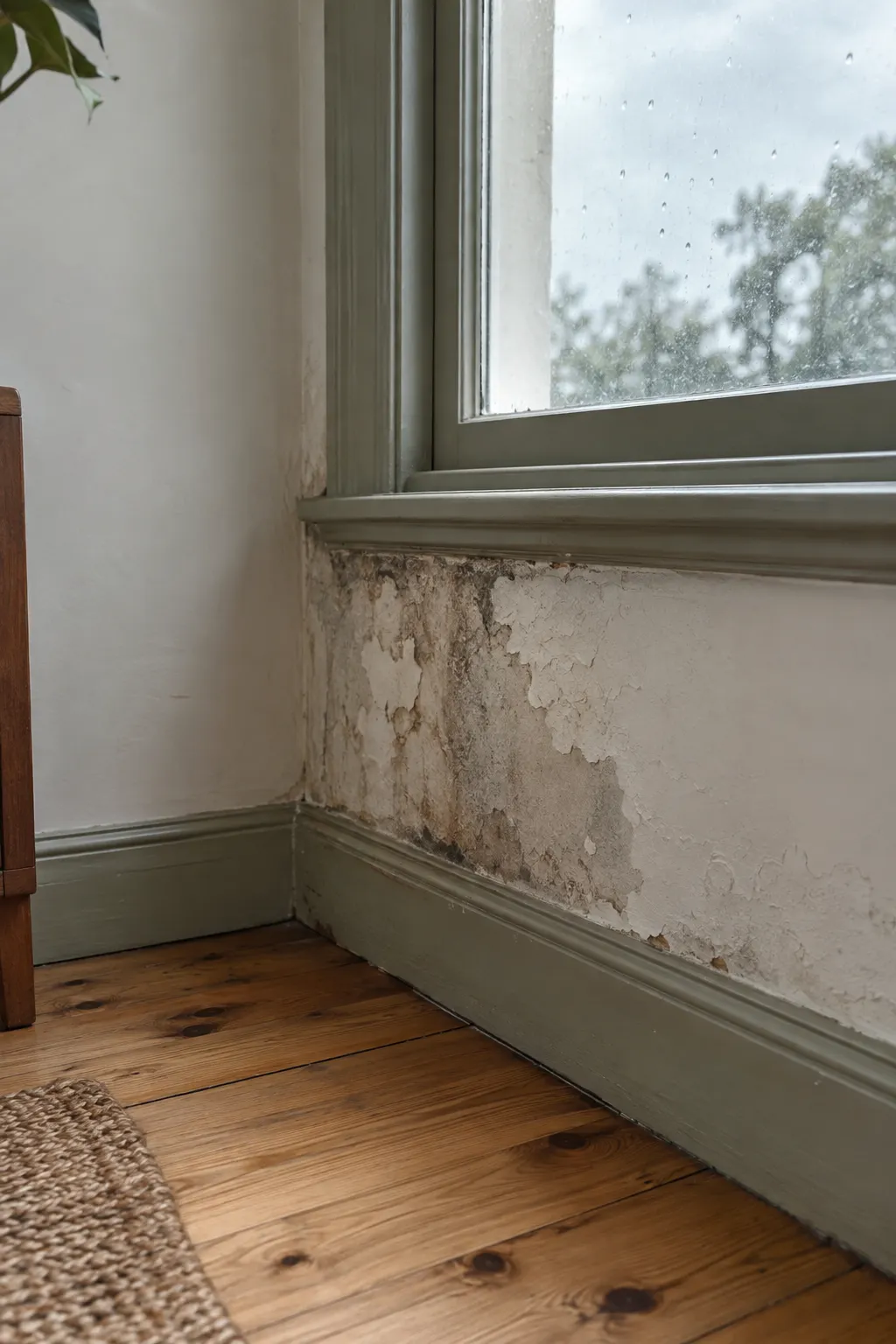
Changed cabinet material
Swelling or softness may need a replacement decision after the moisture source is addressed.
PREVENTION STARTS WITH
Keep the edge visible.
Resolve ongoing water.
Check after the relevant repair
Observe the same accessible junction after ordinary laundry use. Keep dated photographs and note any fresh wetness. A repaired pipe or fitting does not automatically establish that cabinet material has recovered, so ongoing damage or dampness deserves follow-up.
Avoid tightly concealing the problem
Do not repack contents against a persistently wet backing or cover deteriorated board with a new finish. Discuss drying, source work and material decisions first. Practical room ventilation helps moisture leave, but it cannot replace plumbing repair or restore weakened joinery.
FOREST HILL & NEARBY
Forest Hill and
connected laundry questions.
Explore the Blackburn guide and Nunawading guide for nearby household enquiries. Give your Forest Hill street, cabinet layout and water history when confirming availability and accessible scope.
BEFORE YOU CALL
Questions beside
the laundry basin.
Can swollen cabinet board be restored by removal?
Surface treatment does not renew deteriorated board. Discuss the material condition and any need for repair or replacement separately from the visible growth scope.
Should plumbing connections be tested before calling?
Describe ordinary-use observations without improvised testing or dismantling. Suspected fitting faults should be considered by the appropriate trade.
Does clearing the cabinet reveal every hidden wall area?
No. Fitted backing or panels may still obstruct the assembly. Explain those limits so accessible work is not mistaken for a complete concealed assessment.
Is appliance disconnection part of preparation?
Do not assume it is. Discuss the obstruction and arrange appropriate access or specialist help before moving fixed or connected equipment.
What if a repaired fitting no longer leaks but board stays soft?
Record the continuing condition. Drying and material deterioration remain separate decisions after the water entry point has been repaired.
Which images help with a cabinet enquiry?
Show the full laundry layout, visible affected edges and adjoining finishes. Identify what is fixed or hidden without removing panels merely for photographs.
TELL US WHAT YOU CAN SEE
Explain the joinery.
Discuss the water history.
Call 03 8652 1296 with your Forest Hill address, laundry photographs and repair records. Discuss accessible surfaces and the next assessment step.
Local context: Whitehorse locality information