
PROJECTS · STORAGE · SURFACES
WARRANWOOD · MELBOURNE
Mould Removal Warranwood
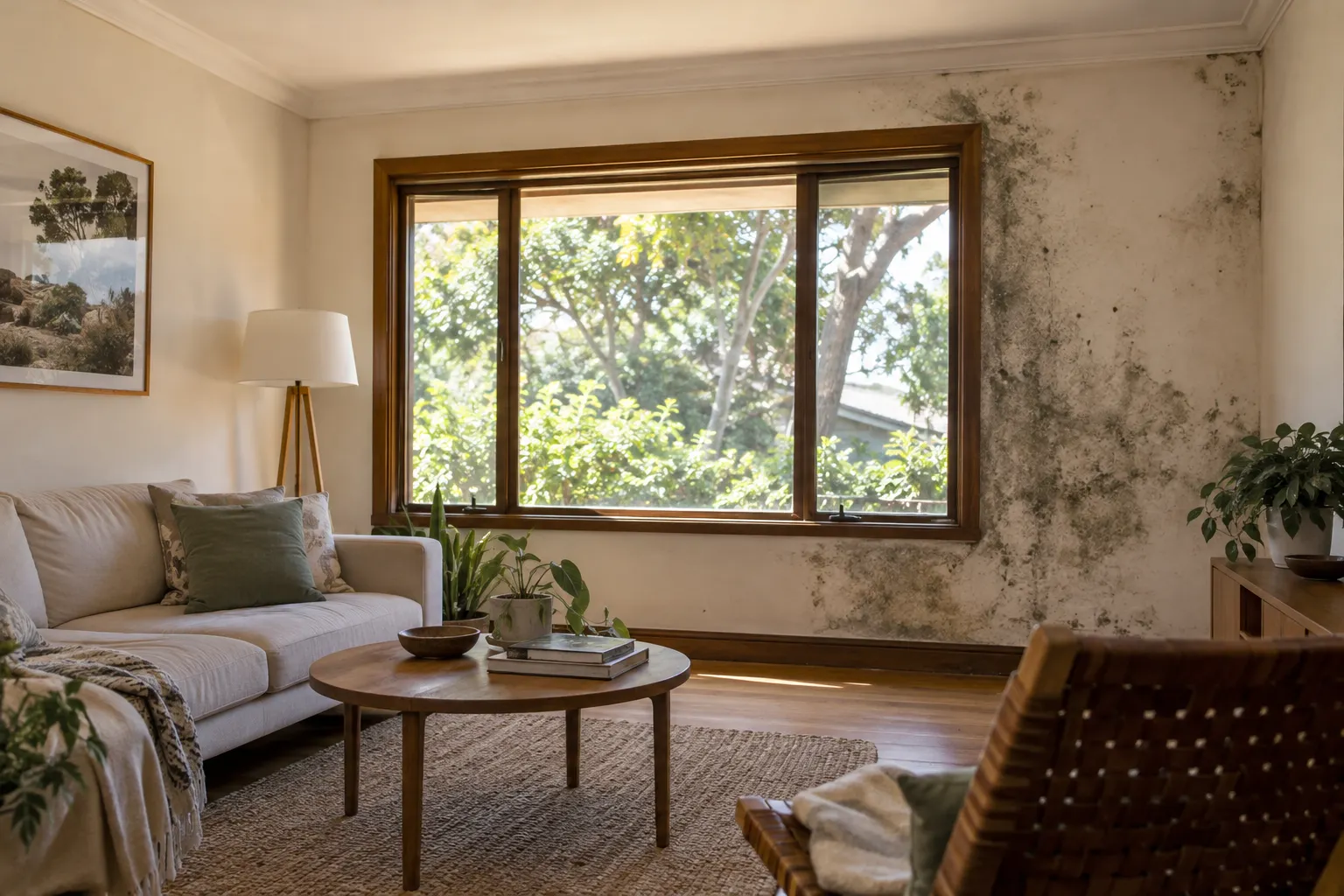
A room used for projects or storage can hide an affected wall behind shelves and supplies. For mould in a Warranwood hobby room, describe the building finish and stored materials separately. Practical access and the moisture history should guide the next conversation.
Shelving access considered
Contents kept separate
Room history discussed
THE ROOM TELLS A STORY
Behind the supplies.
On the building surface.
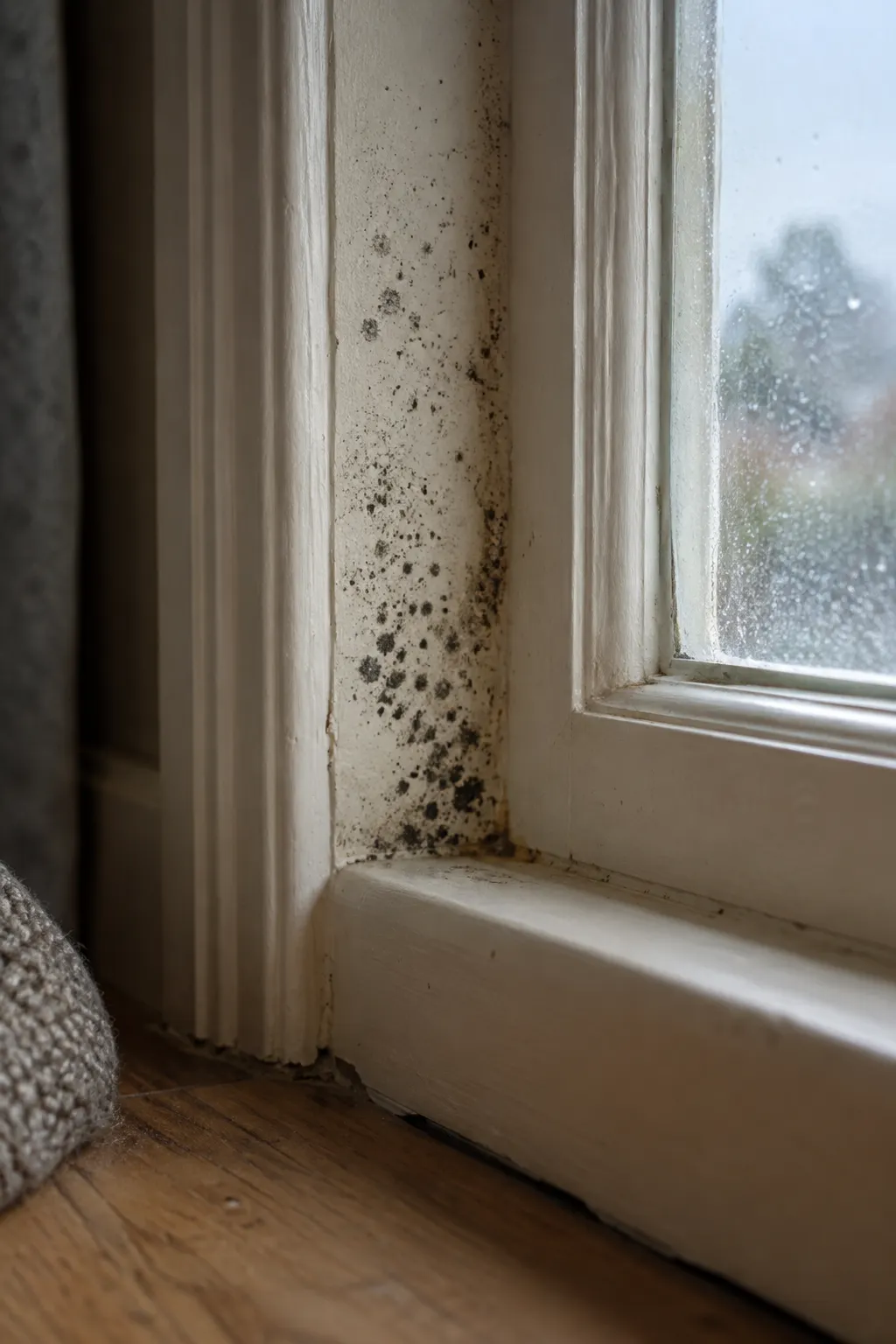
Warranwood is listed among Maroondah localities. This guide considers a hobby or storage room as a possible enquiry, without making assumptions about local property types. Paper, fabric, timber shelving and painted walls can share a small corner yet present different conditions. Identify which material actually shows growth and which sections remain hidden.
Show the room layout, shelves and visible affected finish when discussing inspection. Mention periods when the room was closed and any relevant water repairs. Discovery while rearranging supplies may reveal an older obscured patch rather than establish a recent start date.
UNDERSTANDING MOISTURE
Separate the stock.
Understand the room.
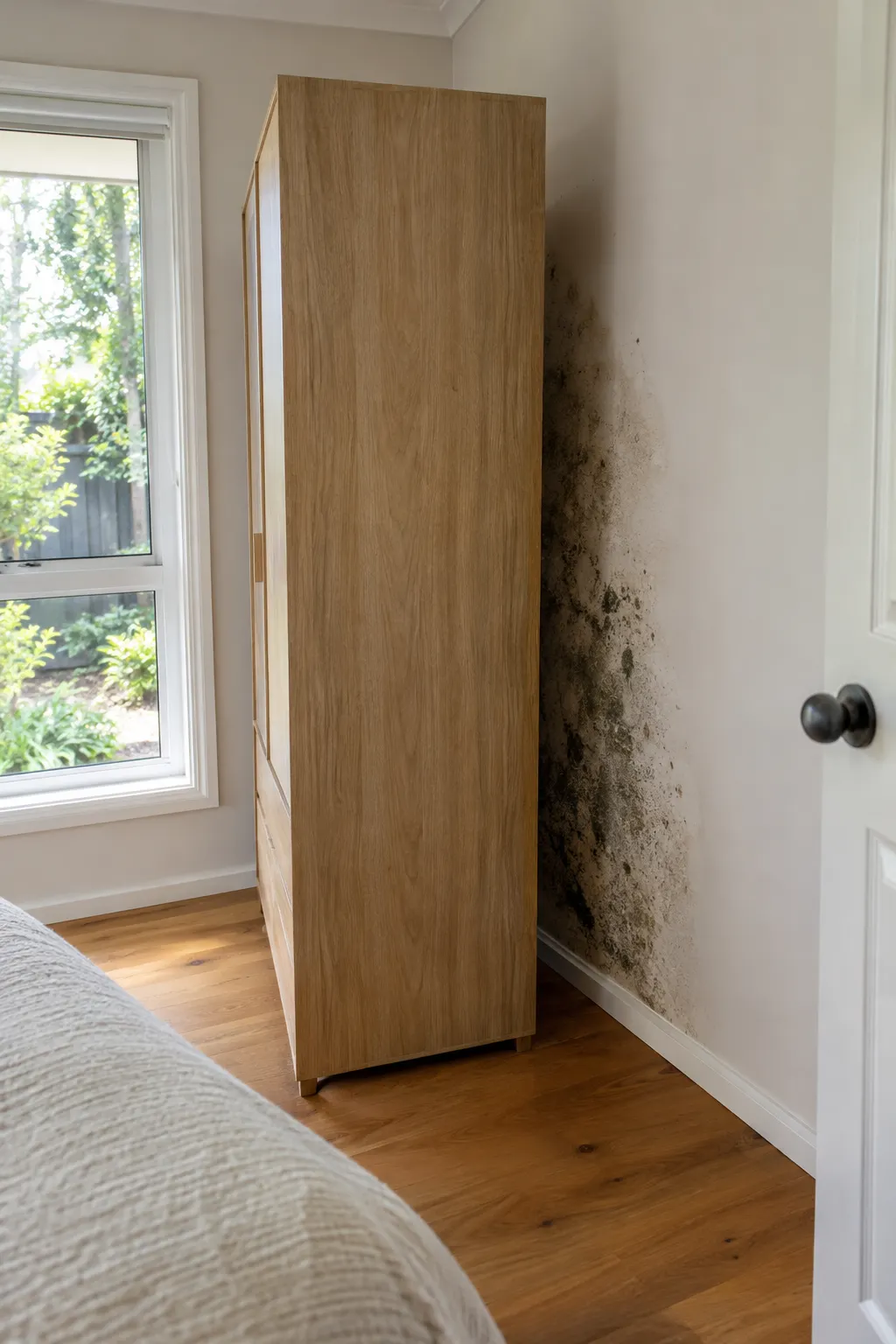
Covered wall areas
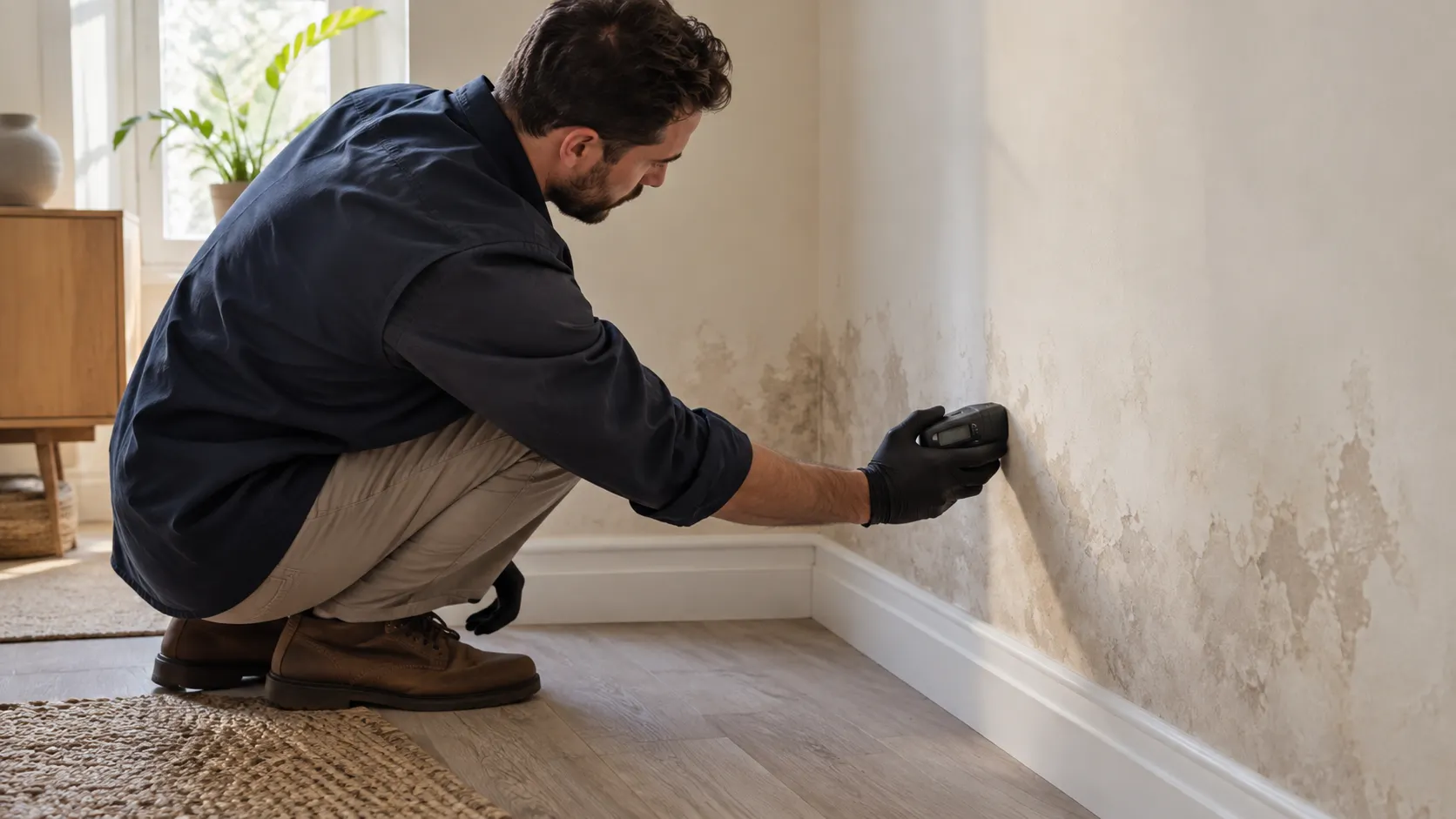
Closely packed shelving can obstruct both airflow and the view of a finish. Compare exposed areas with the visible edge behind storage. This helps describe drying and access, while keeping independent leaks or building faults open as separate possibilities.
Damp stored materials
Report marked paper, fabric or project supplies separately from wall growth. Porous contents may need their own assessment or handling decision. An accessible building-surface service should not be assumed to restore every stored item or decide its suitability for future use.
Water beyond the storage pattern
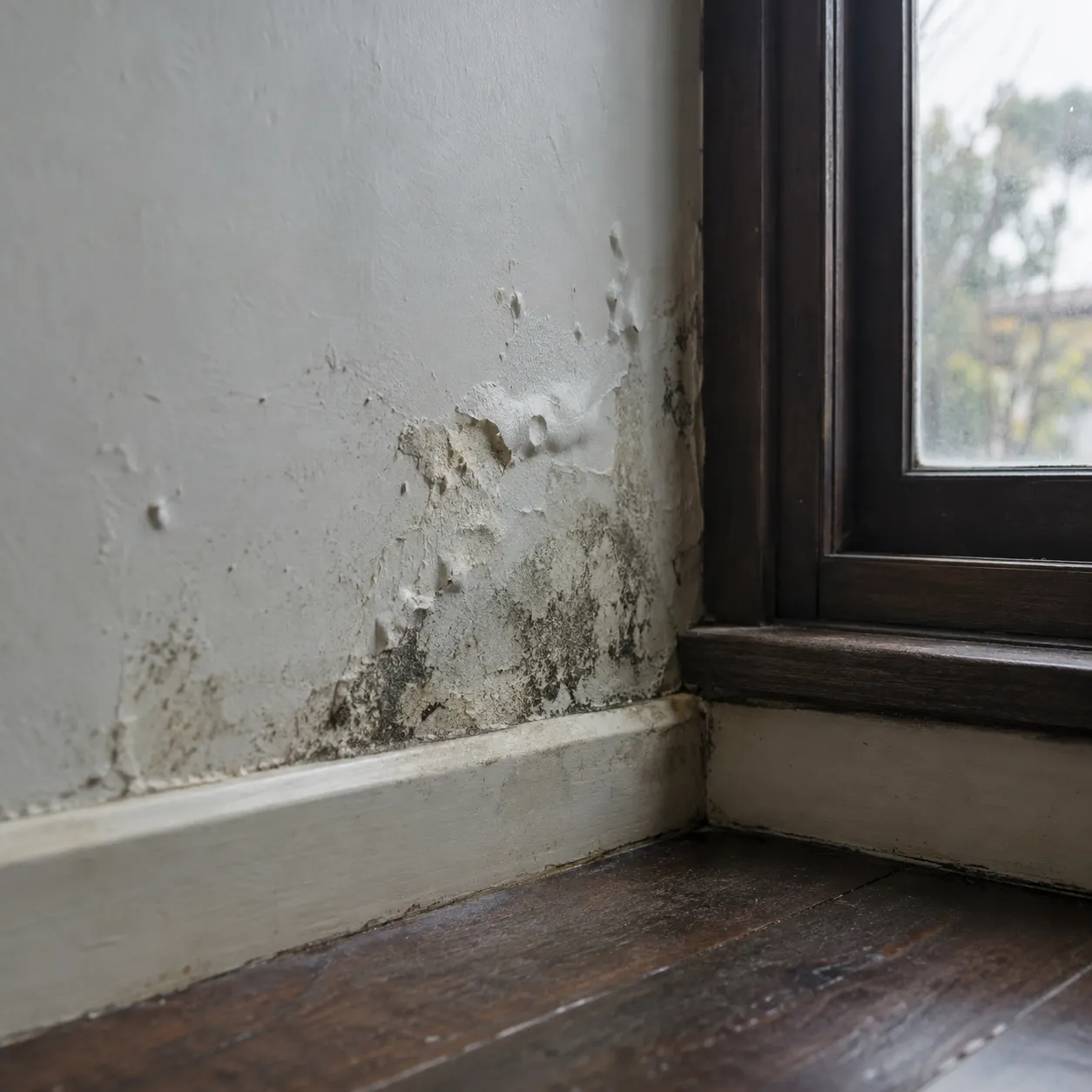
Note rain-related stains, window droplets and plumbing history where relevant. Dampness that persists after clearing a corner deserves source follow-up. Accessible readings can contribute evidence but cannot establish all concealed layers behind shelves or a closed wall.
OUR REMOVAL PROCESS
Clear the view.
Keep the materials distinct.
Photograph the storage arrangement
Include a wider view of shelves and the doorway. Label close images of building growth separately from affected supplies so the initial enquiry does not combine different materials into one task.
Explain delicate or heavy items
Mention belongings that need specialist handling or shelves that cannot be moved safely. Agree who will arrange access before a surface appointment is confirmed.
Retain the room-use history
Note how often the room is opened and any past water event. An uncertain discovery date or long-standing obstruction is useful context; do not replace it with a confident estimate.
01
Define reachable finishes
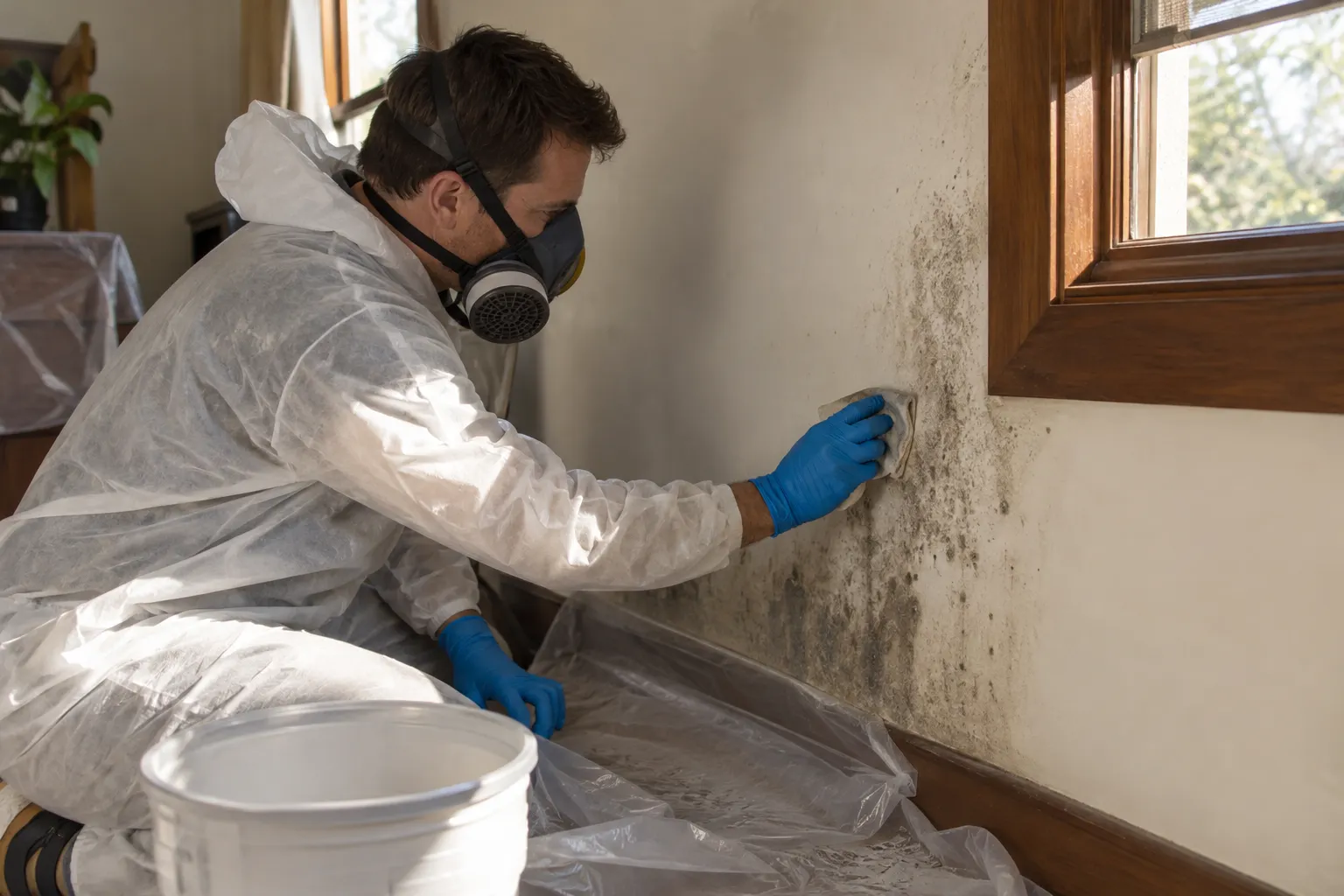
Describe visible surfaces through mould removal, including any fixed shelving or damaged paint. Agree the included areas and contents exclusions. A room full of supplies should not become an undefined scope simply because the wall behind them is affected.
02
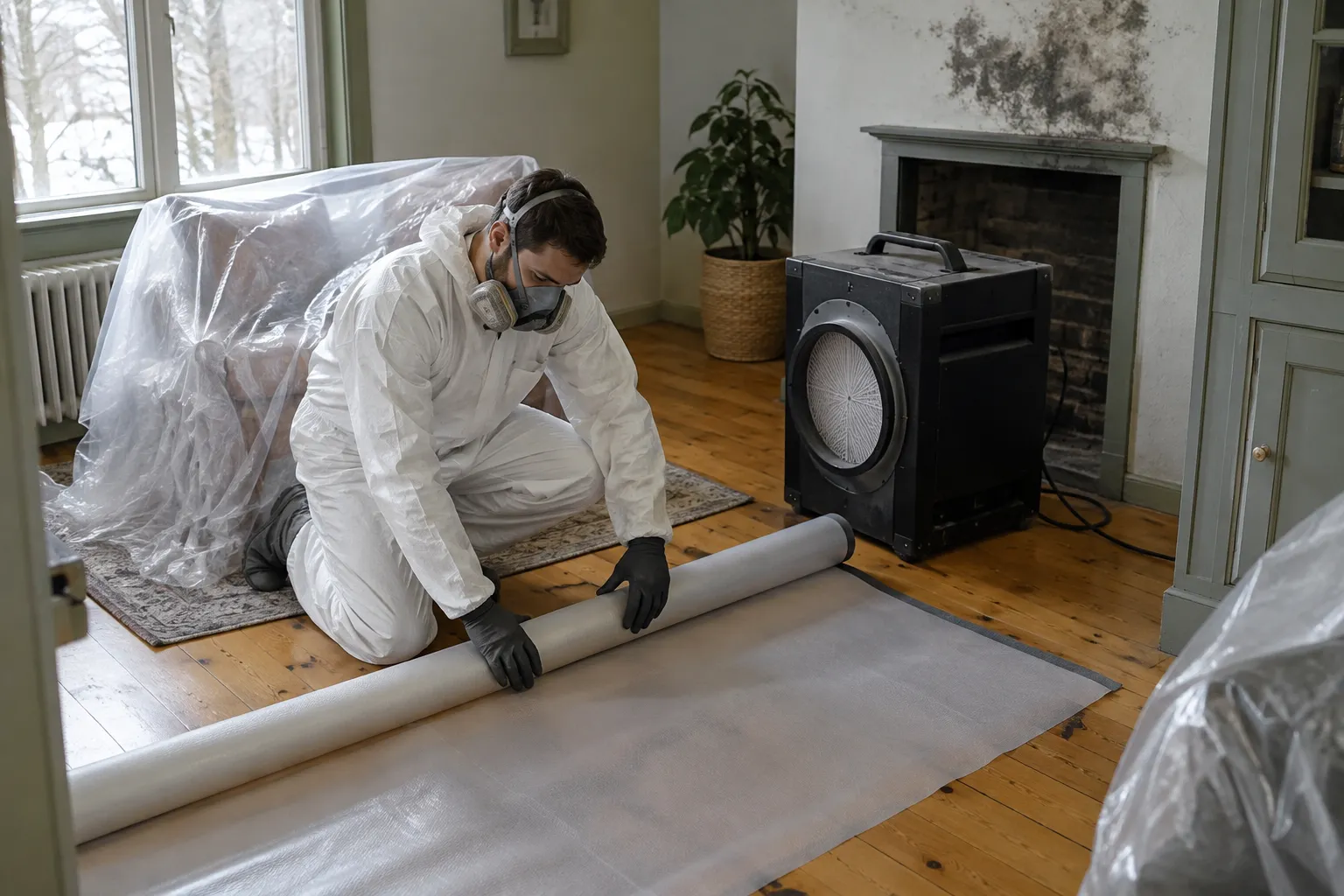
Arrange careful preparation
Ask what loose belongings can move and where they should go. Explain fragile projects, heavy shelves and equipment routes. Avoid dismantling fixed storage or dry brushing growth to prepare the space; additional access needs an agreed practical arrangement.
03
Review the return layout
Discuss treated surfaces, residual stains and unresolved dampness. Remediation connects those issues with wider material decisions. Returning storage to the wall should account for inspection access and outstanding moisture, rather than immediately hiding the original position.
COMMON AREAS AFFECTED
Stored materials.
Household moisture clues.
Other room patterns
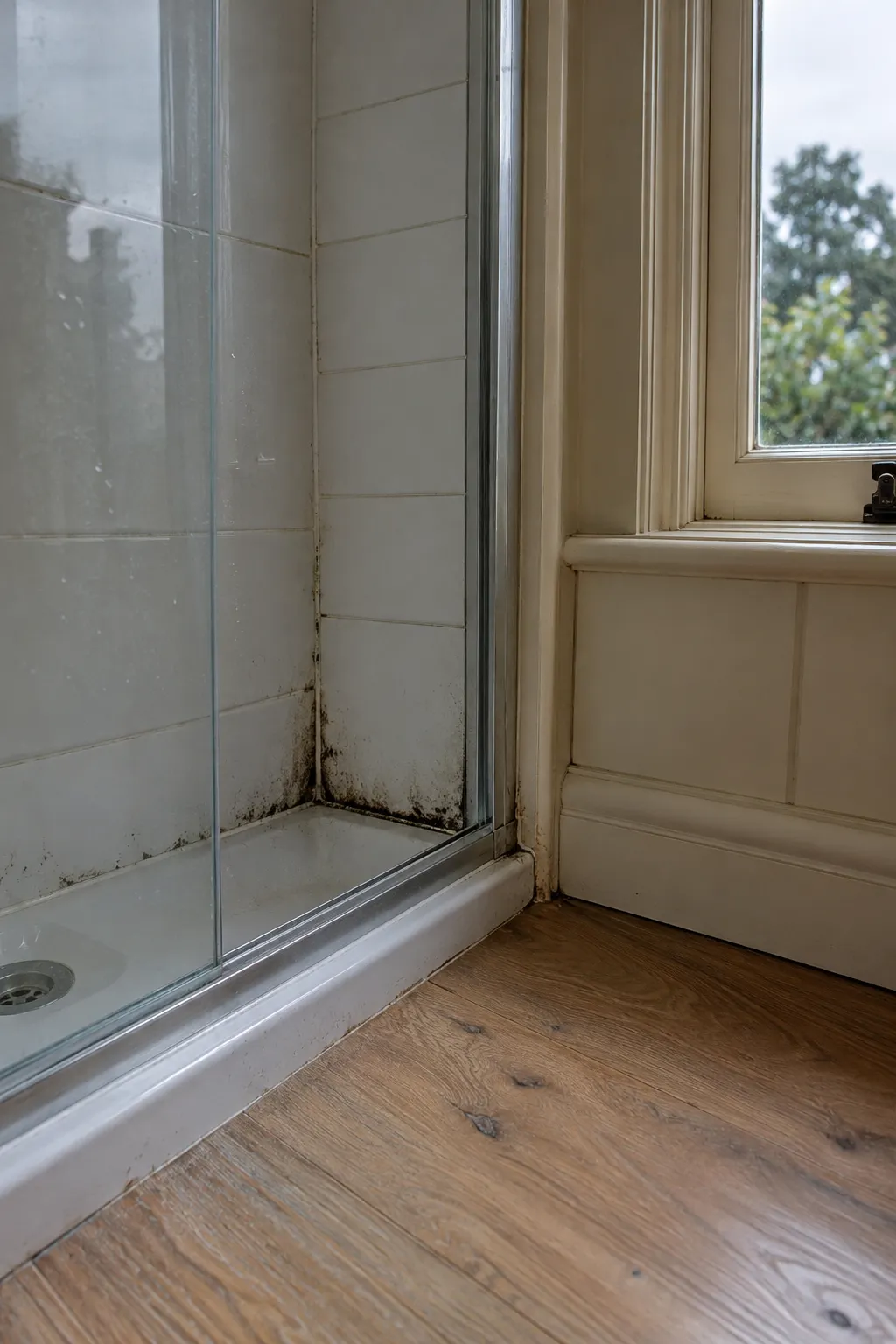
Describe wet-room moisture separately rather than assuming the hobby room shares its cause.
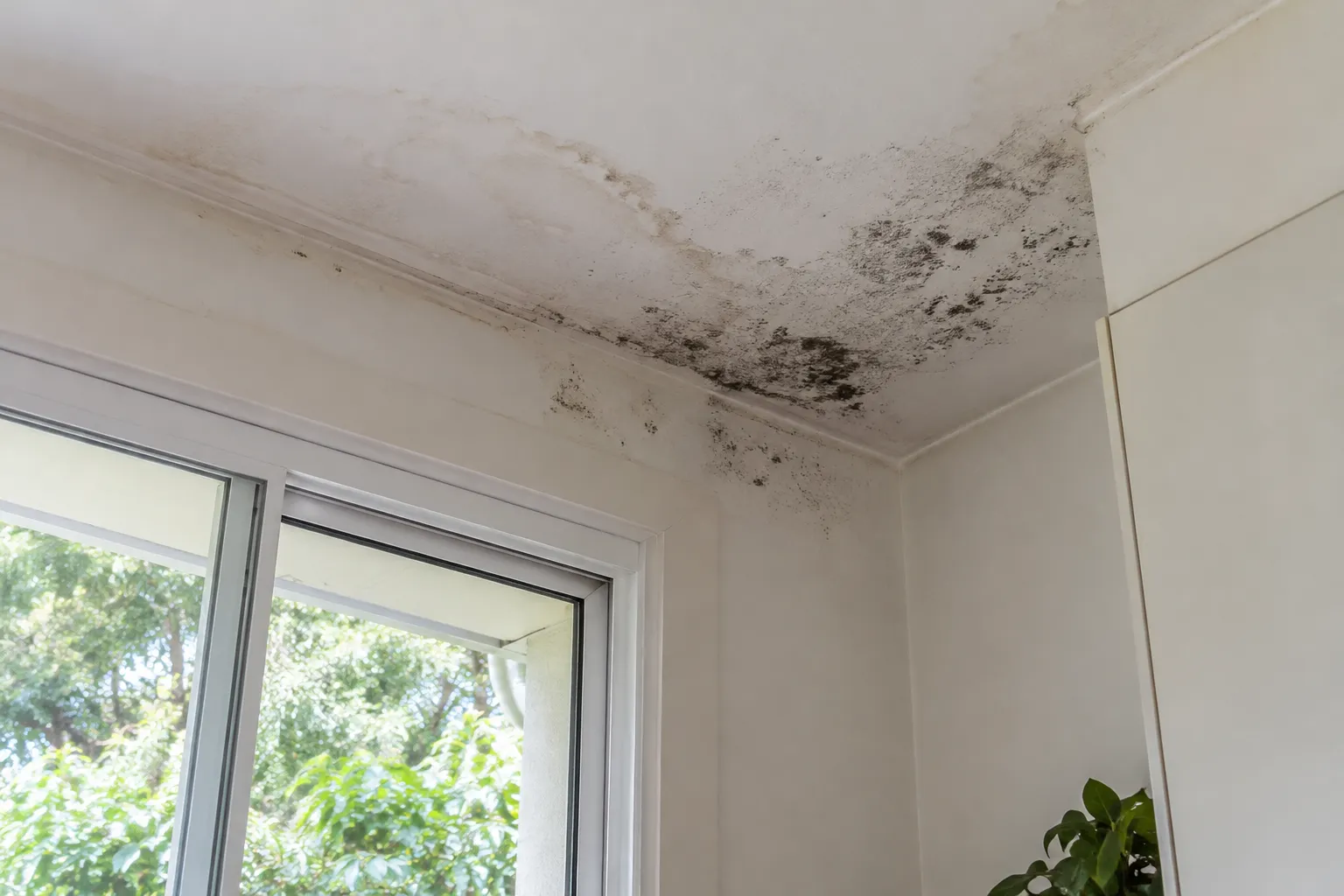
Overhead marks
Note ceiling stains or growth that may have been hidden by tall shelving.
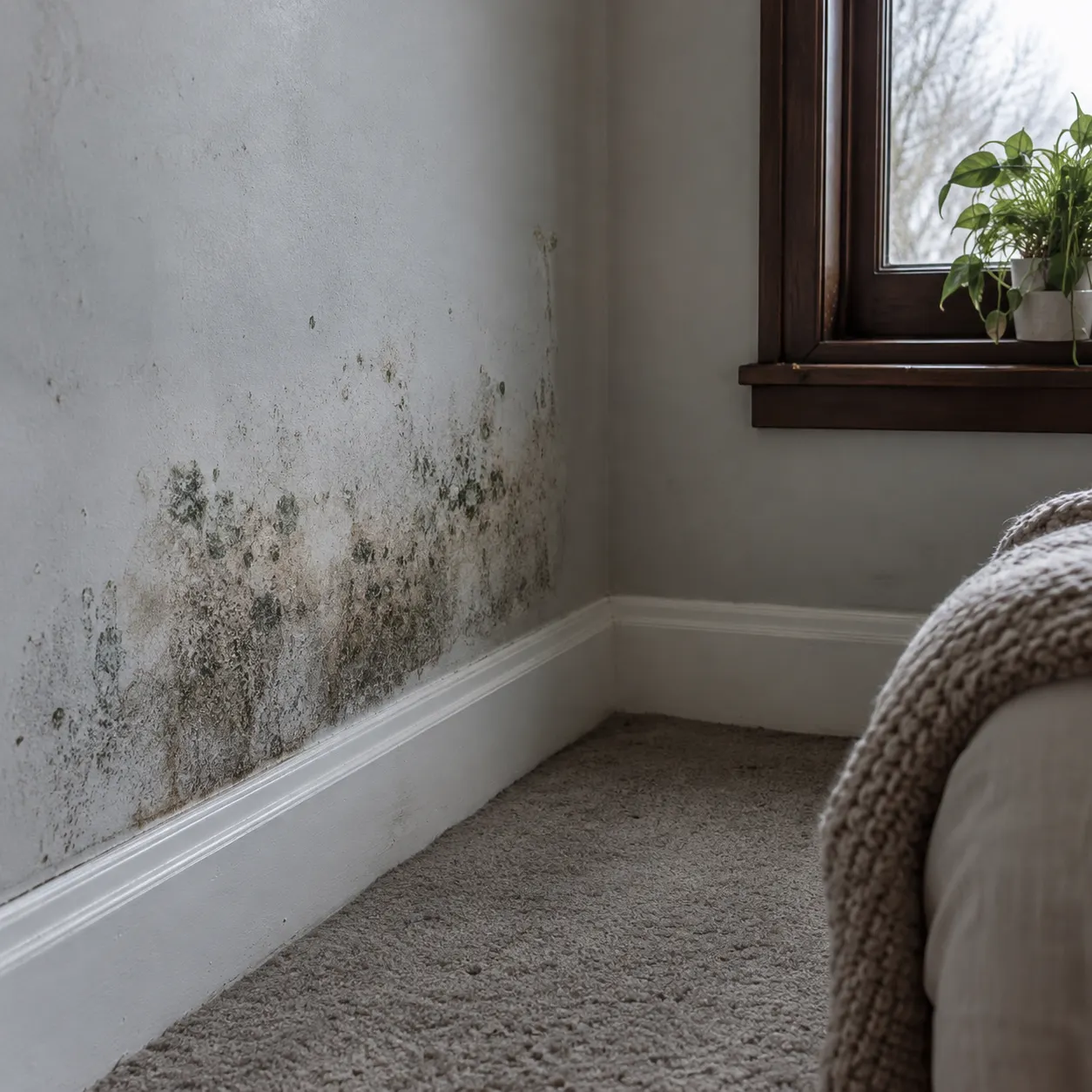
Behind the shelves
Record the visible edge and explain how much of the finish remains obstructed.
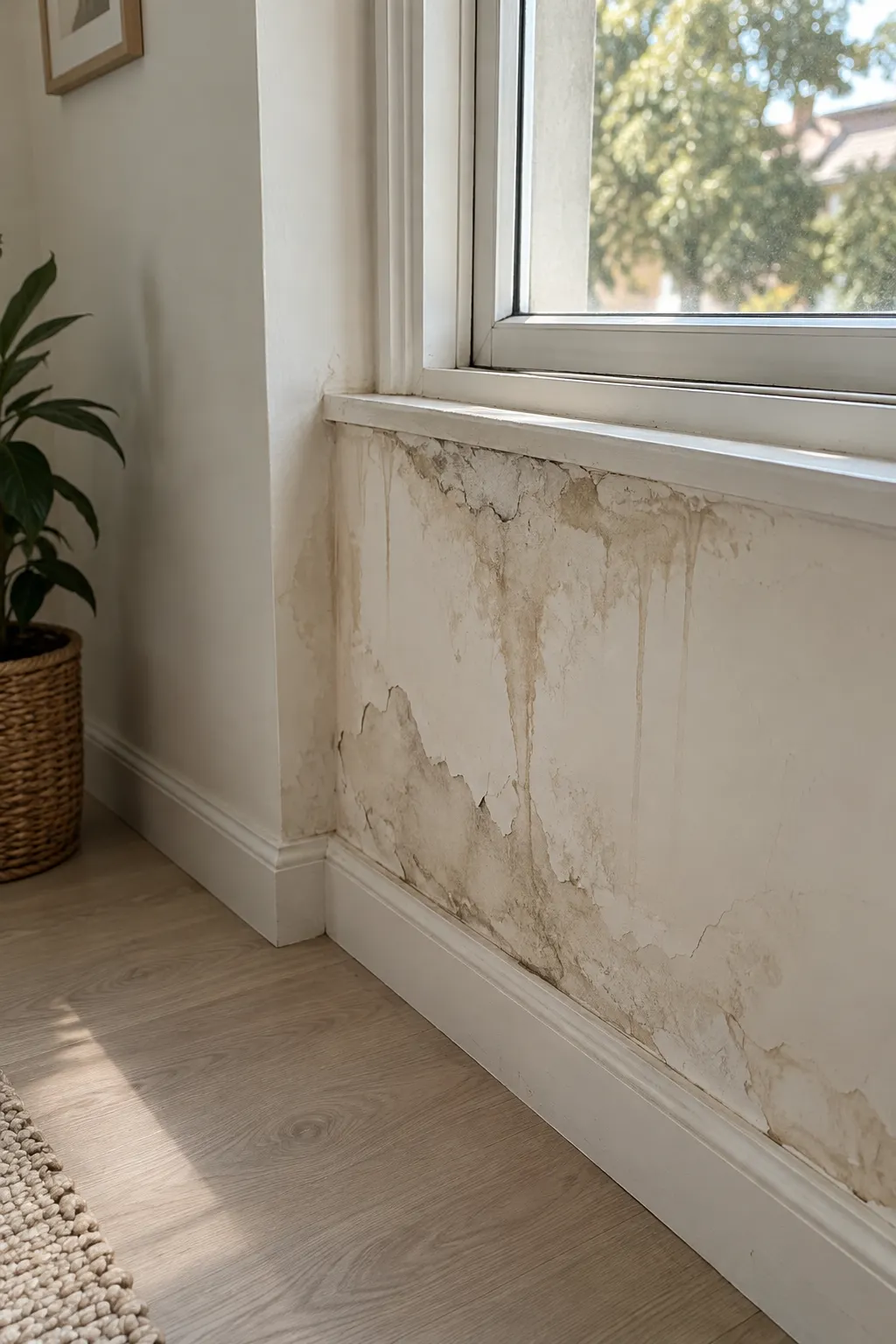
Deteriorated surfaces
Softened board or lifted coatings may need repair beyond removing the visible growth.
PREVENTION STARTS WITH
Store with space.
Keep the checks workable.
Make inspection part of room use
Where practical, retain a view of corners and keep dry materials away from repeatedly damp walls. A lighter storage arrangement can improve access, but it cannot repair water entry. Check whether the actual surface dries and revisit persistent wetness with appropriate advice.
Keep contents and source decisions separate
Affected project supplies should not automatically return against the same unresolved corner. Discuss the building finish, material damage and source work before restoring the arrangement. Use dated room photographs if growth recurs, rather than repeatedly reorganising shelves without addressing continuing dampness.
WARRANWOOD & NEARBY
Warranwood and
connected household guidance.
Explore the Park Orchards guide and Croydon guide for nearby enquiries. Provide your Warranwood street, storage layout and visible finishes when confirming availability and practical access.
BEFORE YOU CALL
Questions among
stored supplies.
Are paper or fabric supplies included with wall removal?
Not automatically. Contents need separate discussion from building finishes, with their material and condition identified before decisions are made.
Can fixed shelving stay in place?
Explain what it obstructs. The accessible scope may be limited, and further access arrangements should be explicit rather than assumed.
Does clearing the corner solve the moisture source?
It improves access and may help drying, but does not repair a leak or establish concealed material condition. Persistent dampness still needs follow-up.
How can a hidden patch’s age be estimated?
Avoid guessing from appearance. Give the discovery date and the period of obstruction or room closure, while keeping the unknown start clear.
Should valuable projects be moved before booking?
Discuss handling and preparation first. Explain fragile or specialist items so suitable arrangements can be made without unnecessary movement risks.
What room records should be retained?
Keep wider storage views, labelled patch images and relevant repair dates. They help compare the same building surface after changes to supplies or layout.
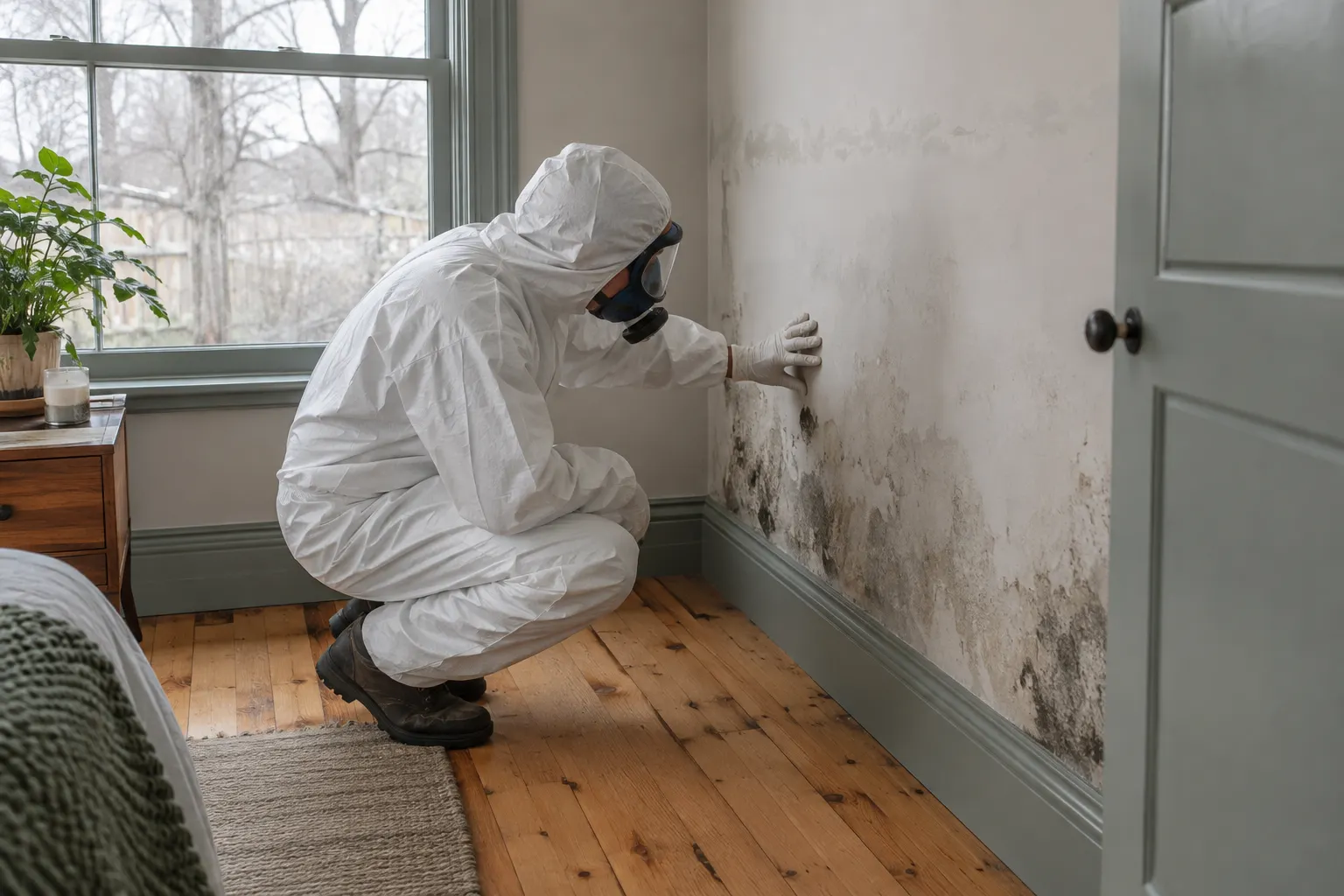
TELL US WHAT YOU CAN SEE
Show the storage.
Explain the surface.
Call 03 8652 1296 with your Warranwood address, room photographs and water history. Discuss the accessible building finish and next step.
Local context: Maroondah locality information