
ROOM USE · AIR · ACCESS
PARK ORCHARDS · MELBOURNE
Mould Removal Park Orchards
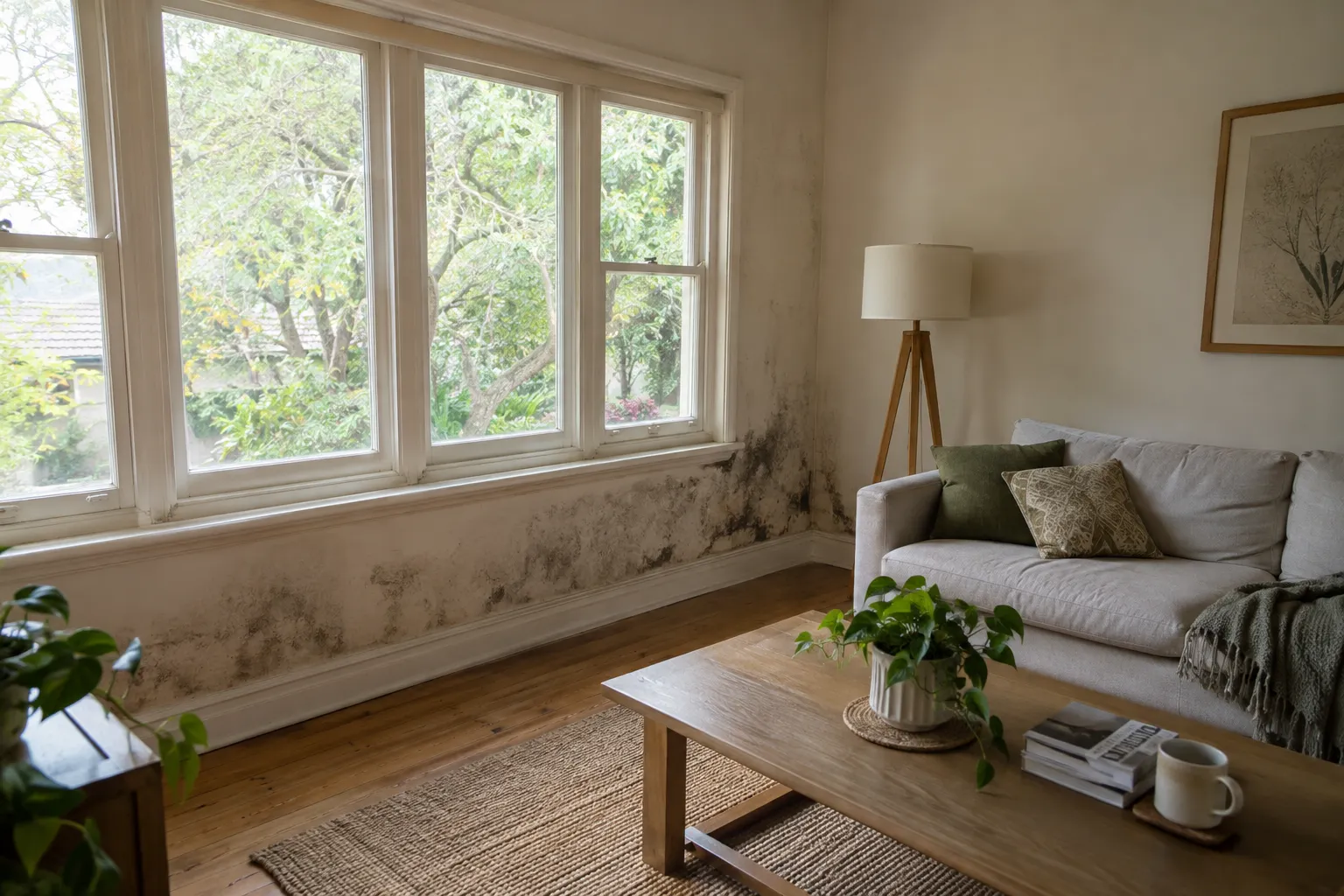
A spare room can stay closed for weeks before a wall mark is noticed. If you discover mould in a little-used Park Orchards room, explain how long it has been unoccupied, what was stored there and whether dampness appears elsewhere.
Room history discussed
Stored furniture access planned
Recurring moisture considered
THE ROOM TELLS A STORY
A quiet room.
A new observation.
Park Orchards appears in Manningham’s locality information, with parts also listed by Maroondah. For a spare-room enquiry, the key history is inside the building: when the room was last checked, whether windows were regularly opened and what furniture covered the affected wall. Discovery after a long interval does not establish the growth’s age.
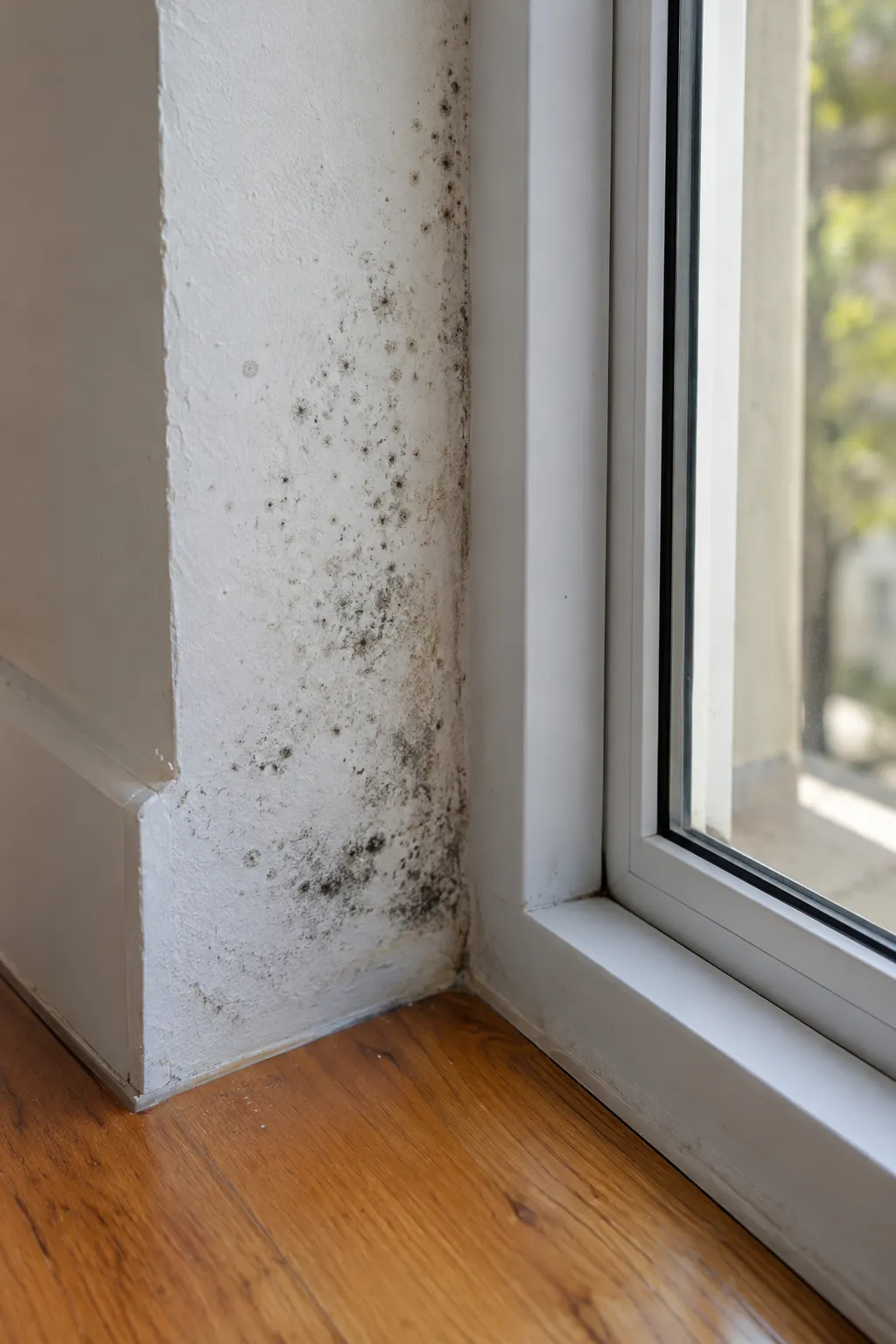
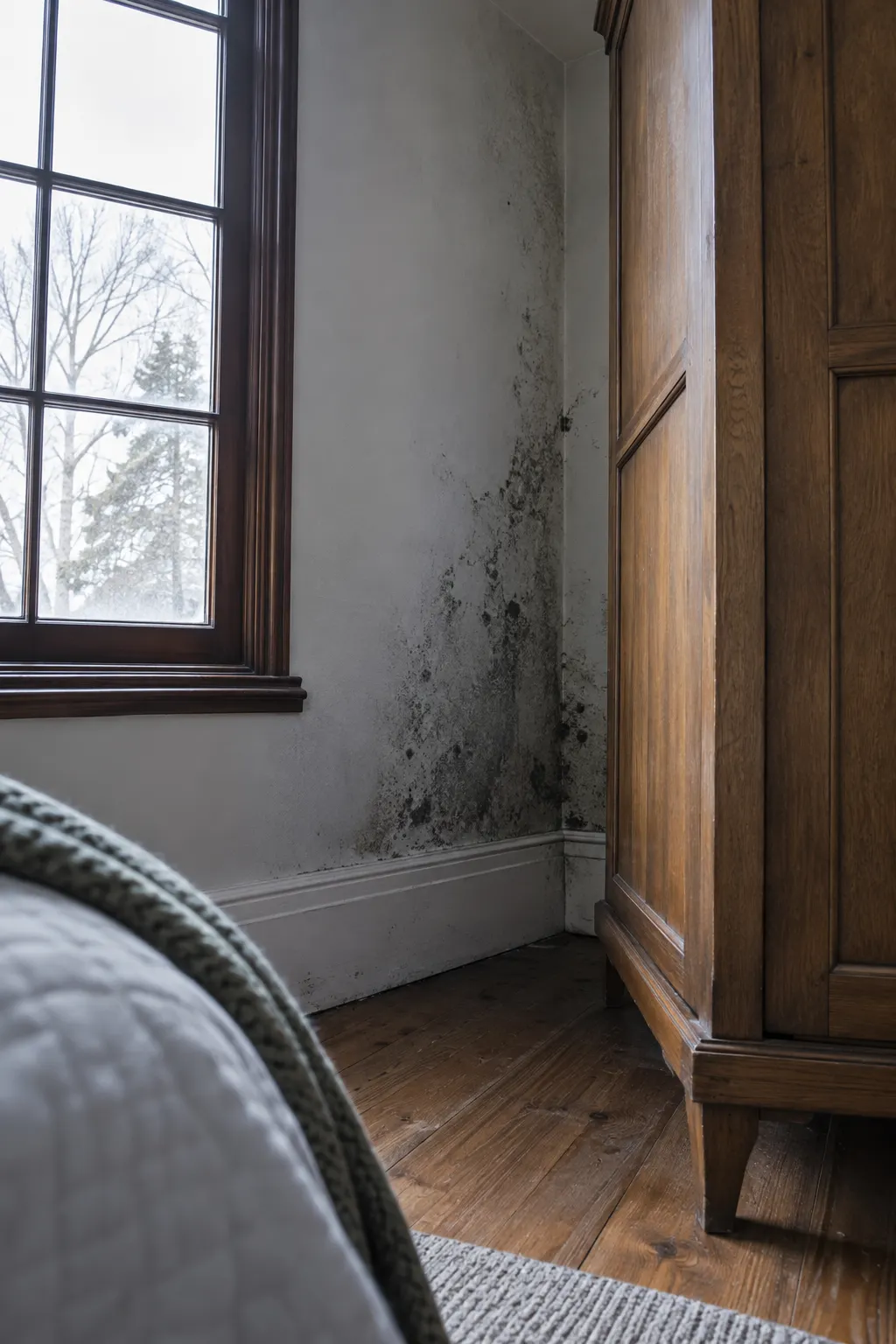
Compare visible walls with corners behind belongings. Note condensation, ceiling stains and any smell without assuming those clues all have the same source. A wider photograph and a clear account of the room’s use help arrange mould inspection, especially where storage limits the accessible view.
UNDERSTANDING MOISTURE
Look at the room
between visits.
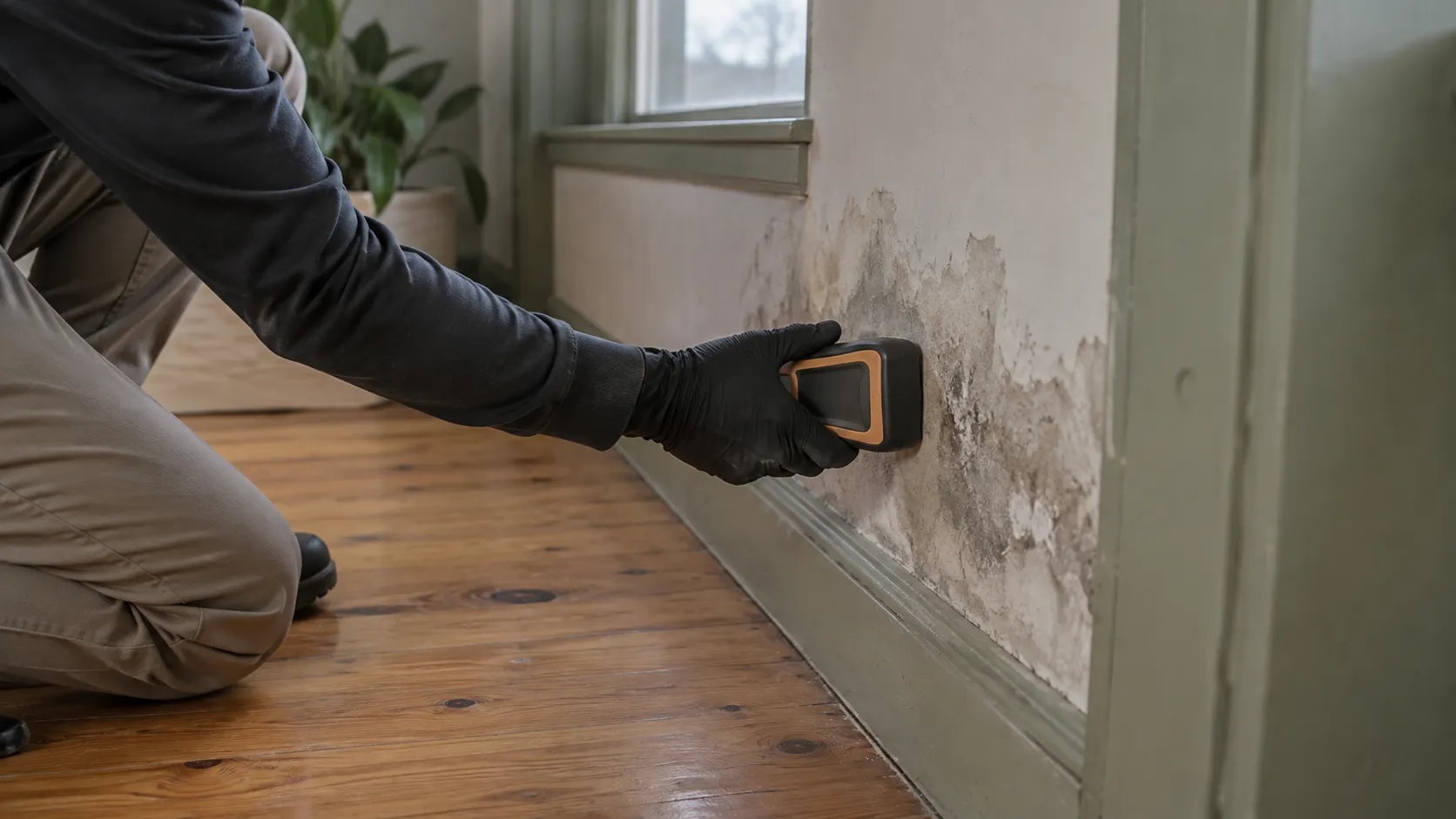
Periods of closure
An unused room may receive different airflow from the rest of the home. That is relevant to slow drying, but not a diagnosis. Record window droplets and the condition of exposed finishes when the room is reopened, then compare later observations.
Furniture and stored items
A bedhead, stacked boxes or a covered wardrobe can obscure evidence. Explain how long each has been in position. Damp cardboard, fabric and the building surface need separate material decisions; removing one obstruction does not establish what lies behind every item.
An independent water source
Rain-related staining or wetness beside plumbing deserves follow-up even in a closed room. Keep the timing separate from periods of inactivity. Accessible surface checks cannot repair water entry or establish the condition of concealed board and framing.
OUR REMOVAL PROCESS
Reopen the room.
Clarify the work.
Retain the uncertain dates
Record when the room was last used and when growth was found. Avoid replacing an unknown start date with a confident estimate; the gap itself is useful context for assessment.
Show what the storage hides
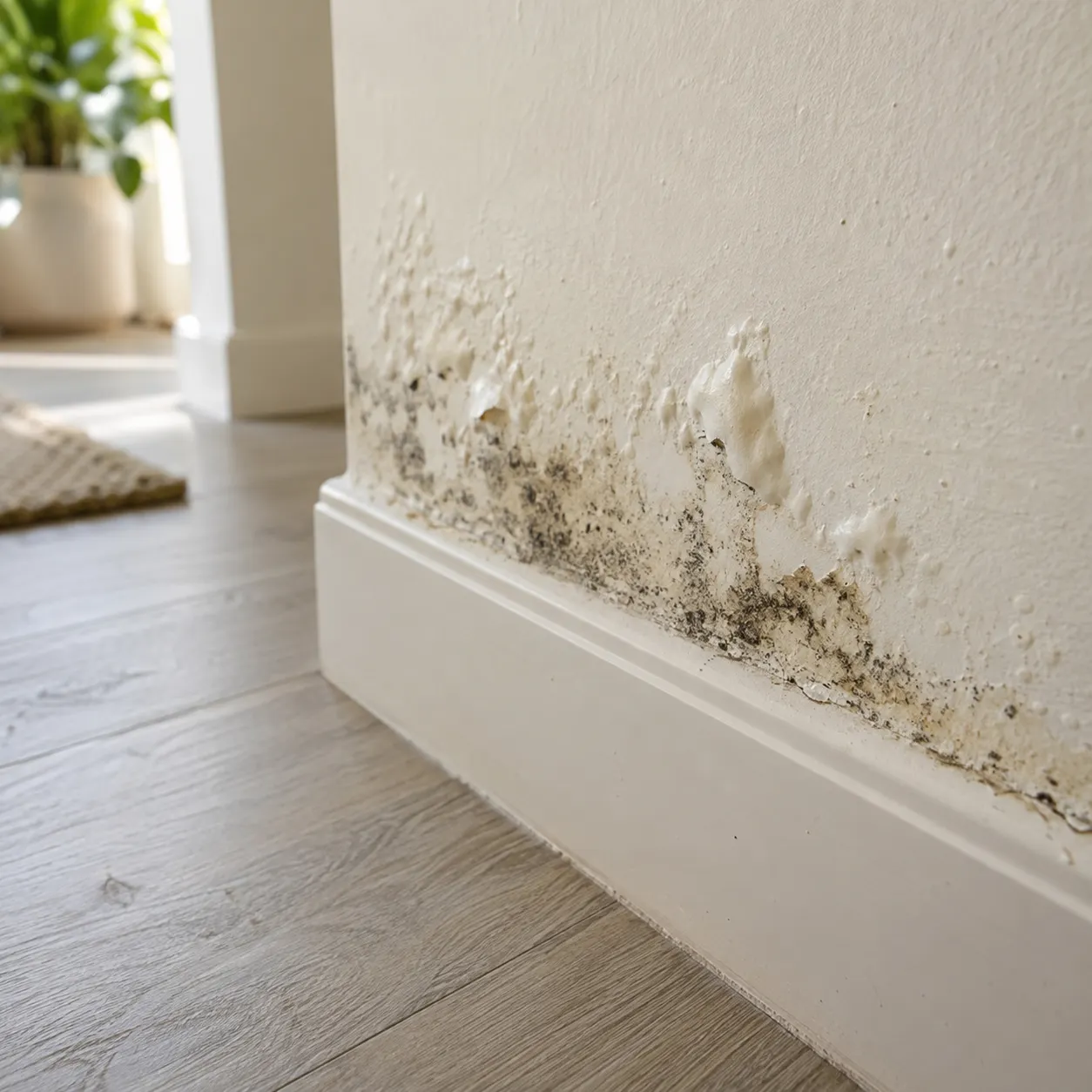
Take a room view that explains furniture and boxes, followed by visible patch details. Agree safe movement before trying to expose a wall behind a bulky item.
Plan future access
Ask how the area can remain easy to inspect after work. Keep follow-up recommendations and consider a workable room-check routine rather than returning everything to an inaccessible arrangement.
01
Describe what changed
Provide the last known clear observation and the current visible extent. Discuss mould removal against reachable surfaces, identifying damaged finishes and storage that prevents assessment. It is acceptable not to know exactly when a patch started.
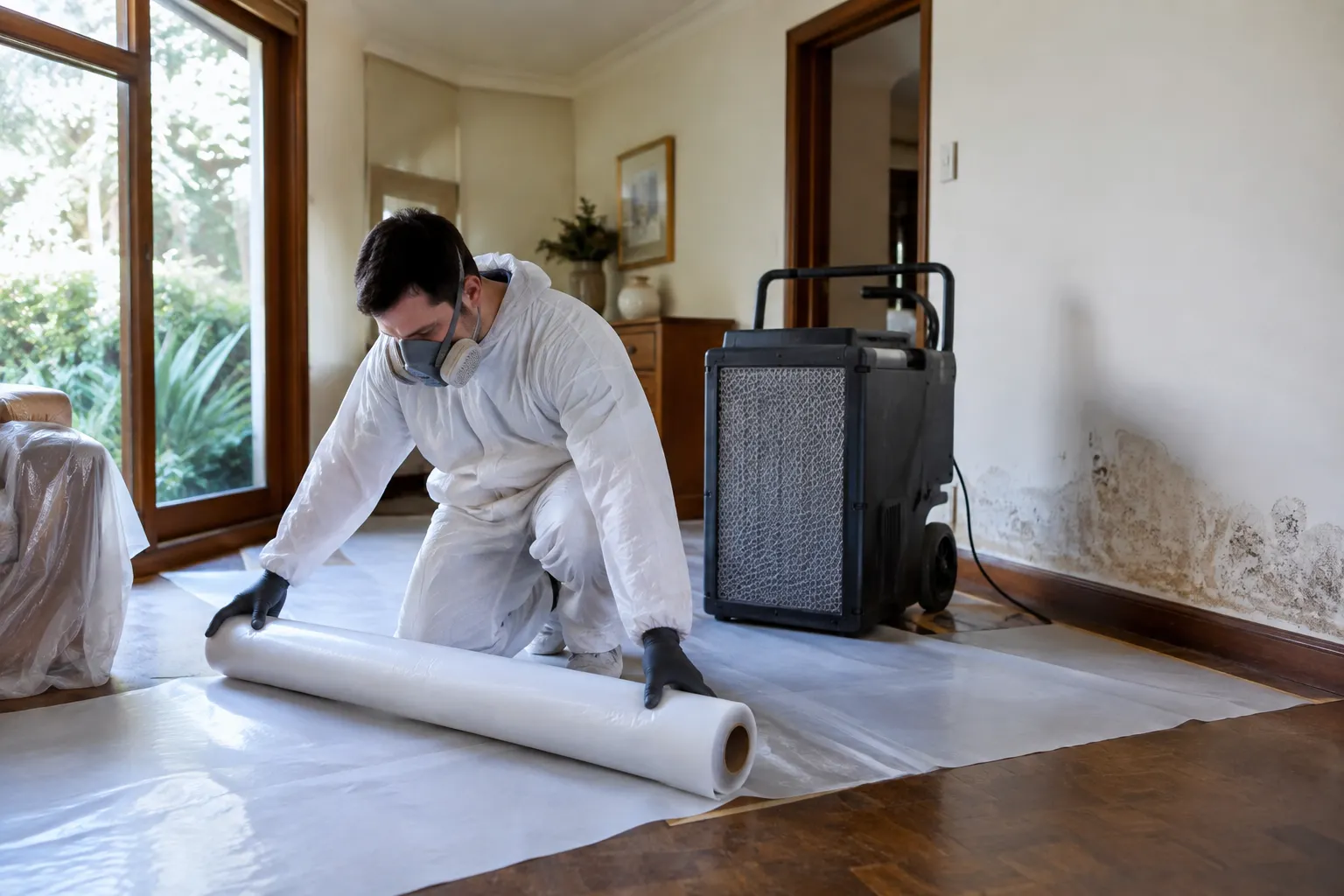
02
Agree a practical clear-out
Decide which loose belongings should move and where to place them. Explain heavy furniture, fragile possessions and narrow routes. Protection and equipment access need planning; do not dismantle fitted storage or disturb growth merely to tidy the room.
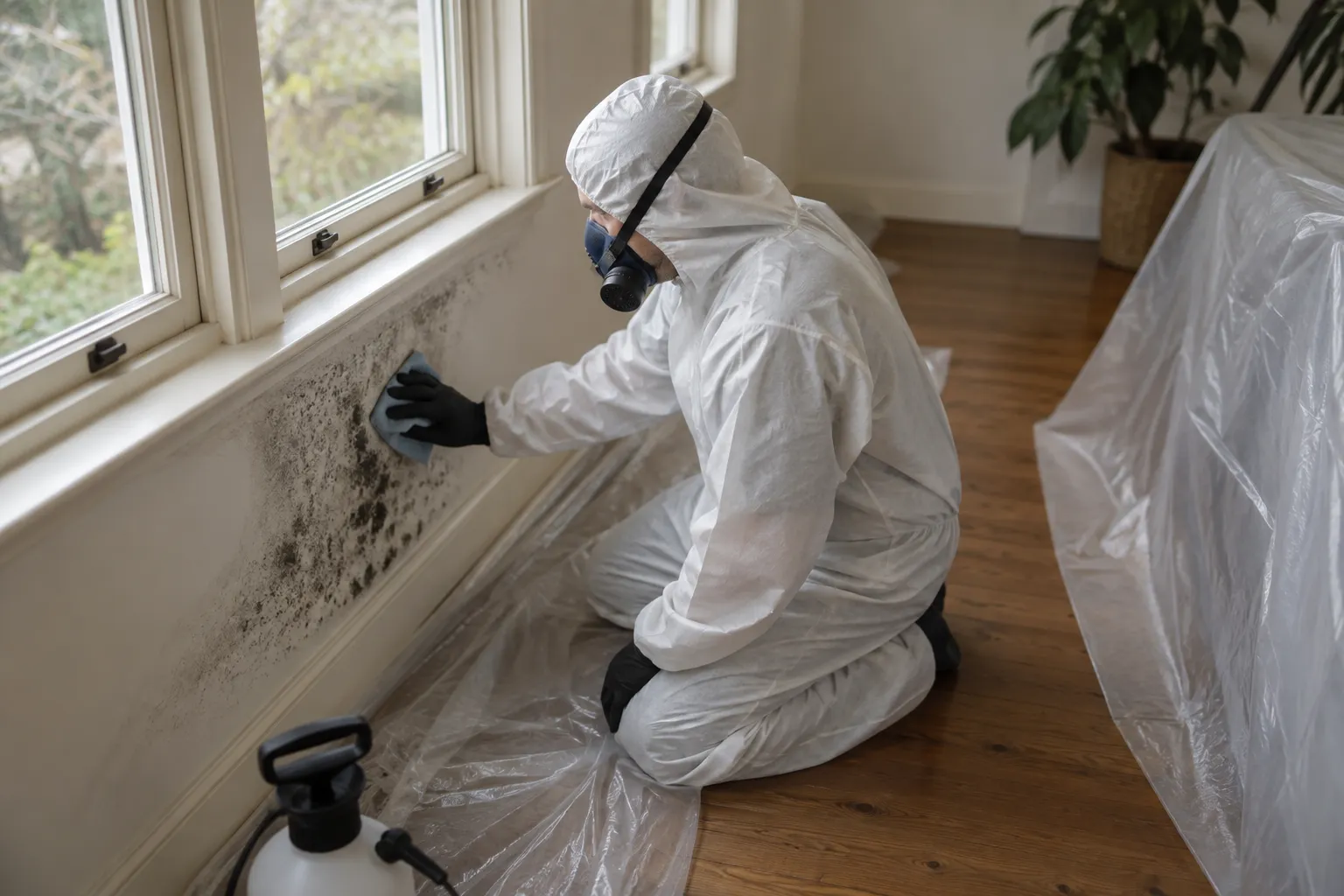
03
Review use and material concerns
Discuss treated surfaces, persistent dampness and affected contents. Remediation connects the agreed surface work with wider moisture decisions. Reopening a window occasionally cannot guarantee that a building defect or deteriorated material is resolved.
COMMON AREAS AFFECTED
The spare room
and household clues.
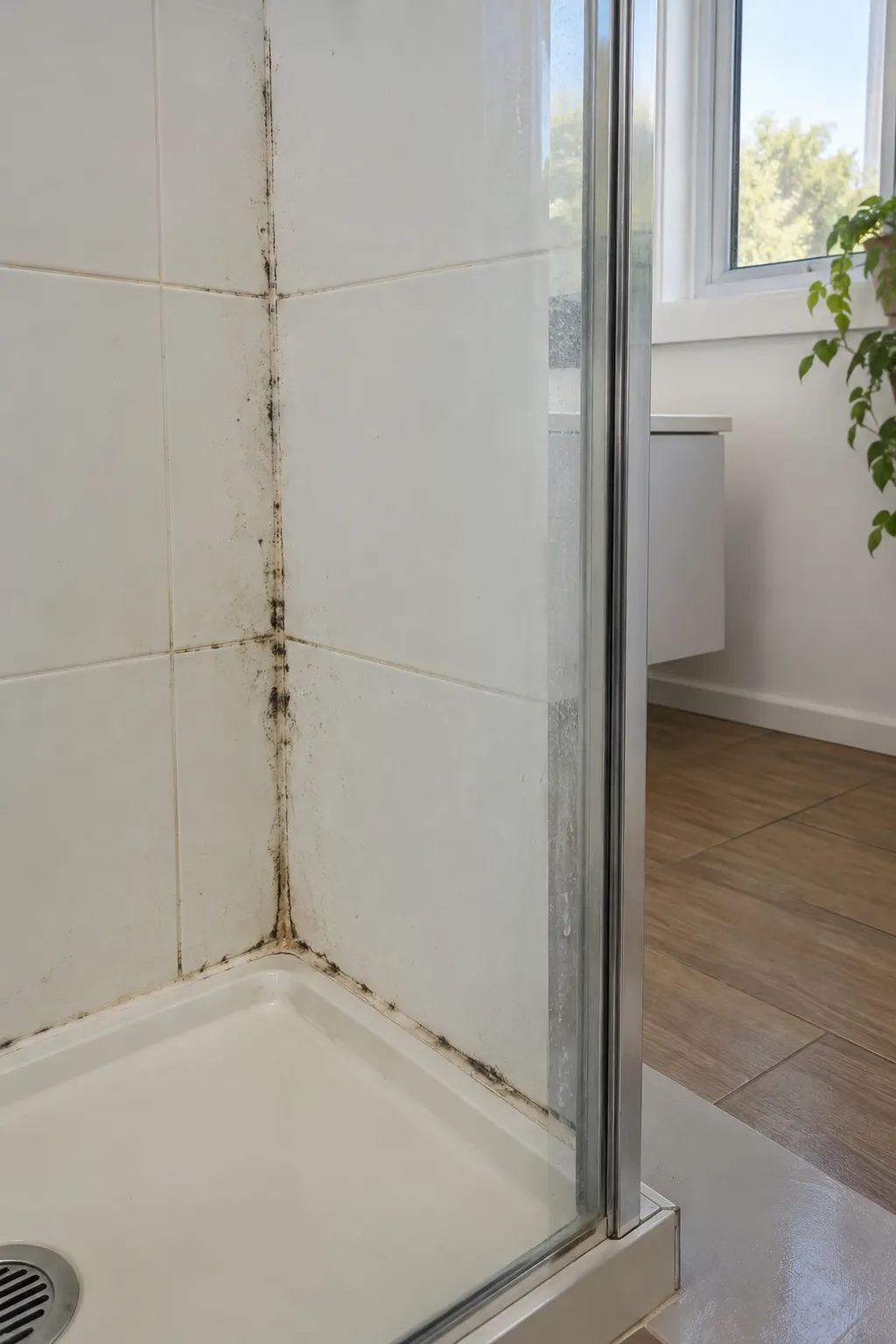
Another drying pattern
Compare bathroom moisture with the spare room without assuming the same source or method.
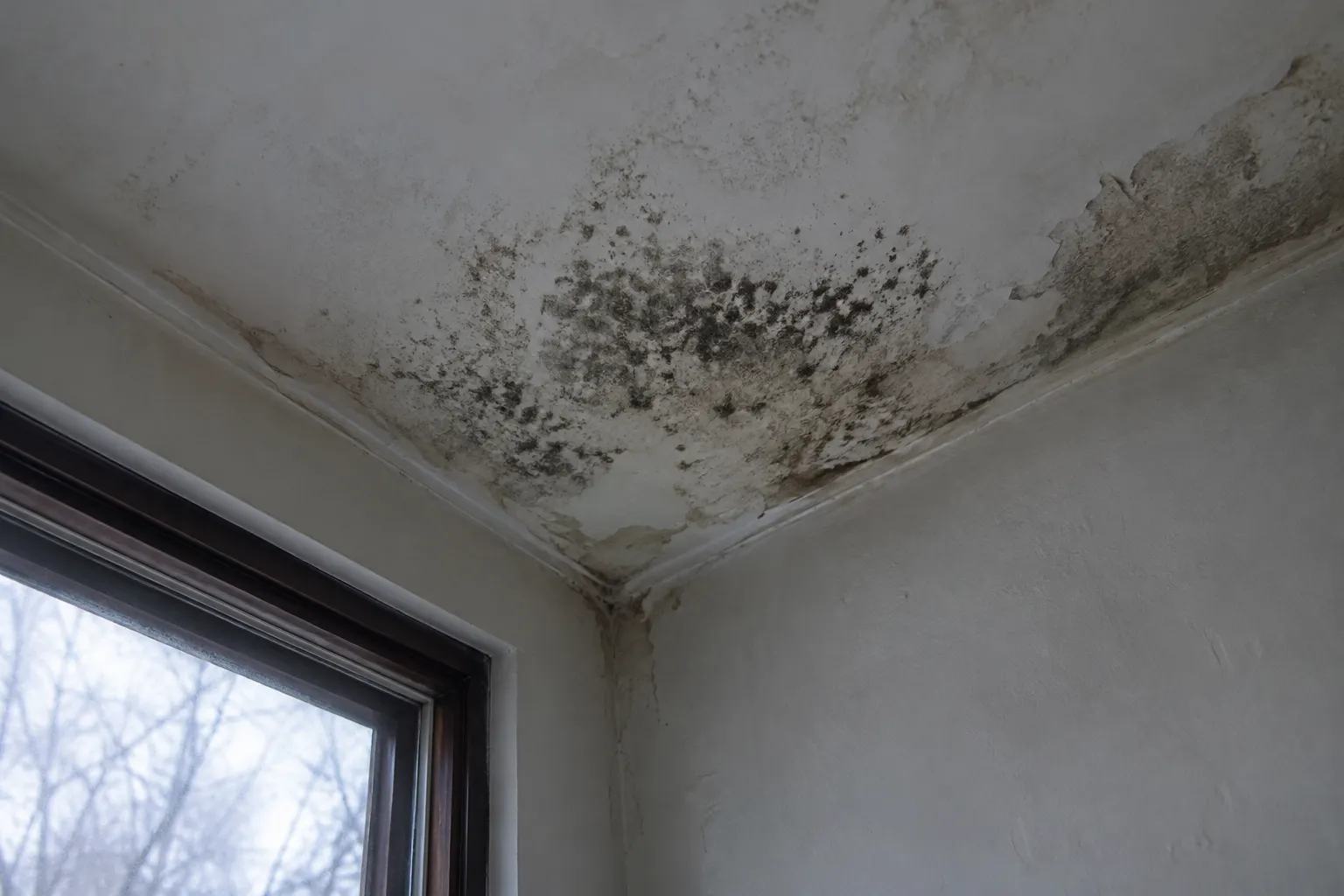
Overhead marks
Note any stain that changed while the room was closed, particularly after relevant repairs.
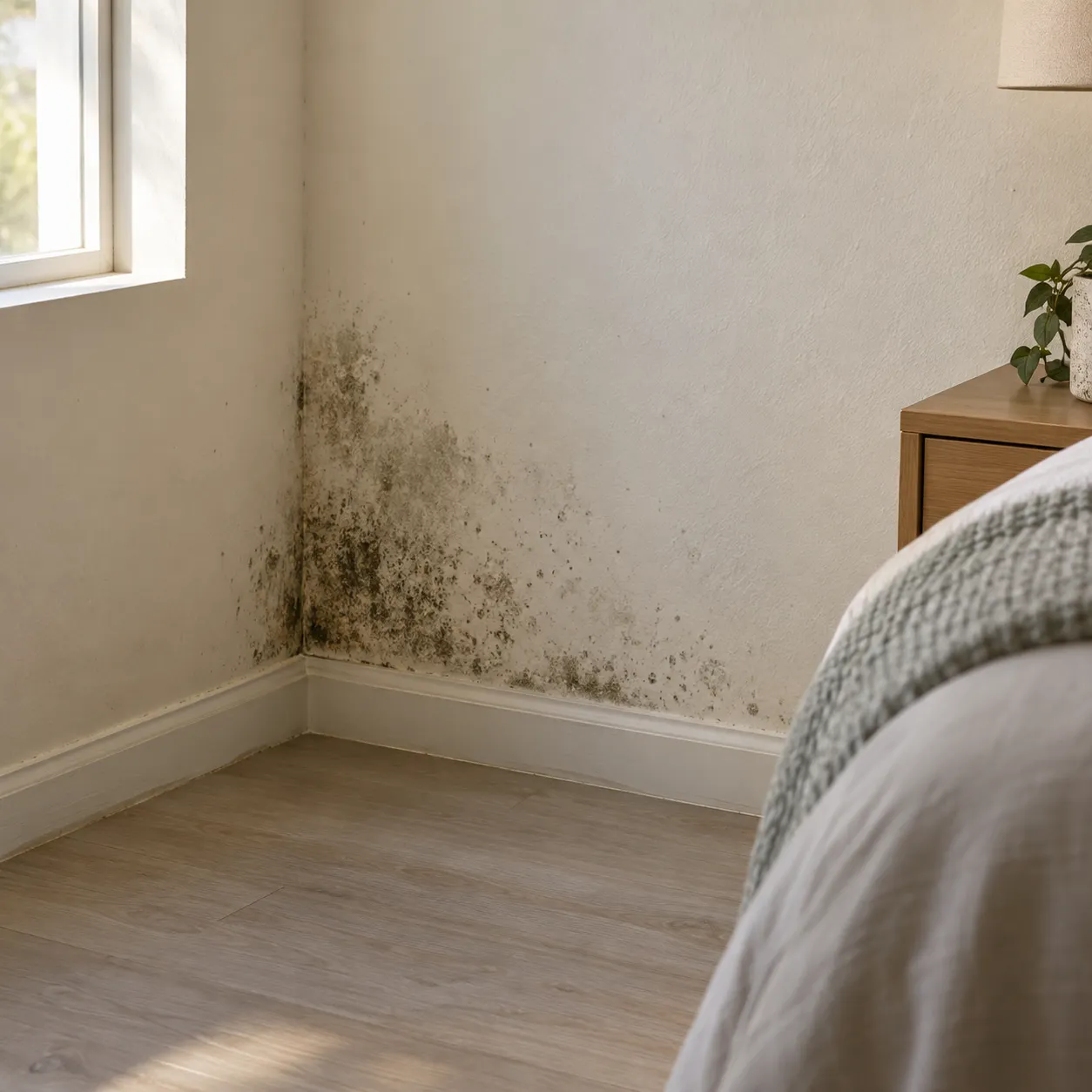
Covered corners
Describe the visible edge of growth behind a bedhead or storage without moving unsafe loads.
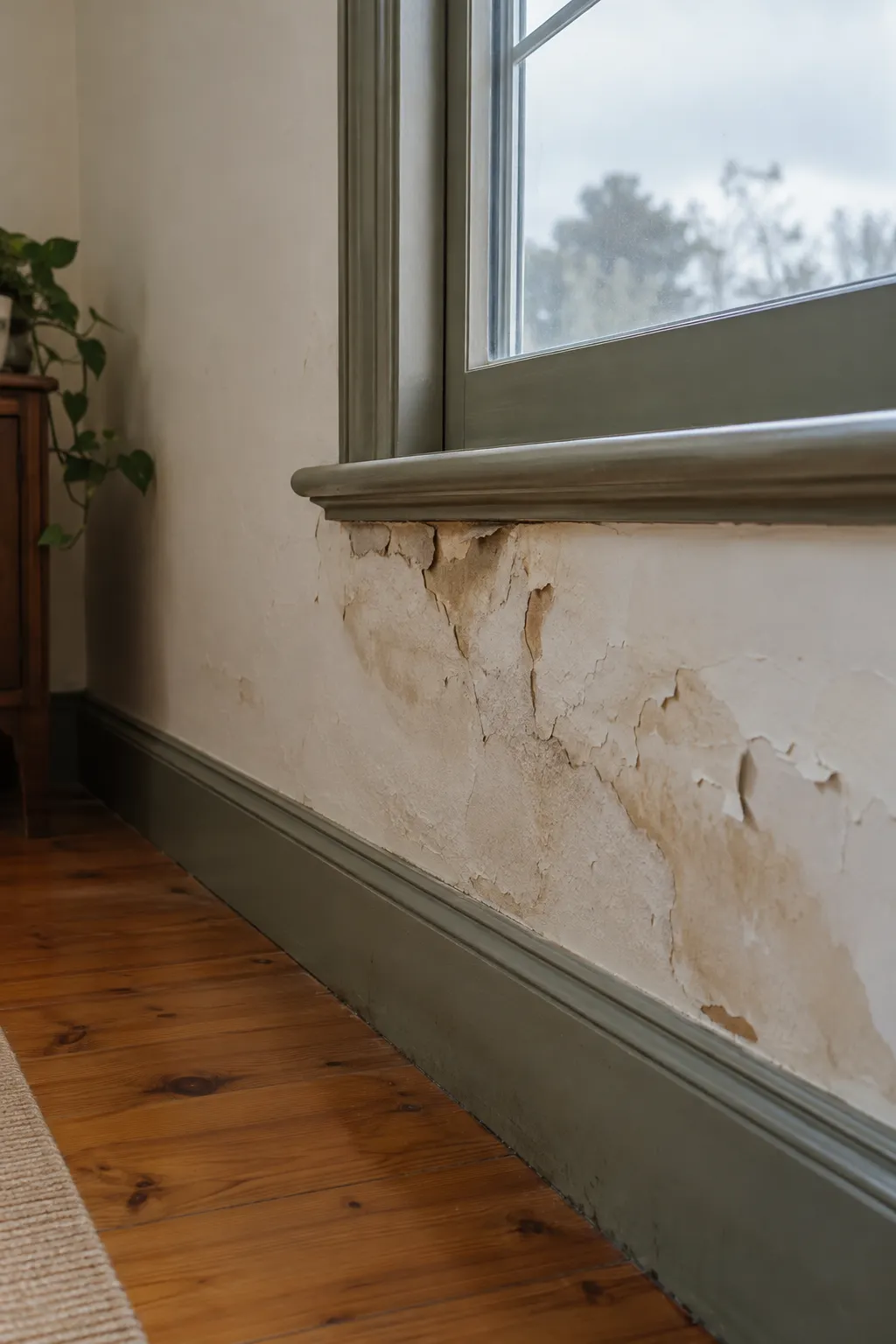
Changed finishes
Softness, swelling or peeling may need a material decision beyond surface removal.
PREVENTION STARTS WITH
Make the room
easy to revisit.
Build a useful checking habit
Open and inspect a little-used room regularly where practical, including accessible corners behind storage. Use suitable ventilation and watch whether surfaces dry. A checking routine provides earlier evidence; it does not repair a leaking roof, pipe or opening.
Store with the next view in mind
Keep dry belongings off repeatedly damp finishes and leave practical access where space allows. Save dated photographs of recognisable corners. If growth returns despite changed storage or room use, investigate the remaining moisture conditions instead of repeatedly concealing the mark with paint.
PARK ORCHARDS & NEARBY
Park Orchards and
connected home guides.
Explore the Donvale guide and Warranwood guide for nearby household questions. Provide your Park Orchards street, room use and storage layout when calling to confirm availability and the accessible scope.
BEFORE YOU CALL
Questions about
a little-used room.
Can I tell how old growth is after a room has stayed closed?
Not reliably from appearance. Give the last time the wall was checked and the discovery date, while explaining the interval without inventing a precise start.
Does reopening a window fix the affected wall?
Ventilation may help drying, but does not repair leaks or restore damaged material. Observe the room after changes and follow up persistent wetness.
Should all stored boxes be discarded before inspection?
Discuss their condition separately from the wall. Do not assume every item requires the same action; describe affected materials and agree handling or access needs.
What if the bedhead hides most of the patch?
Explain the obstruction and agree safe movement. A photograph of the visible edge and full room can support planning without lifting heavy furniture by yourself.
Does a musty smell locate the source?
It is worth reporting, but cannot identify a species or prove a concealed location. Visible surfaces, moisture clues and the room history need assessment.
What details help confirm an appointment?
Give the address, affected room, storage arrangement and recent repairs. Call 03 8652 1296 to discuss available access and the next assessment step.
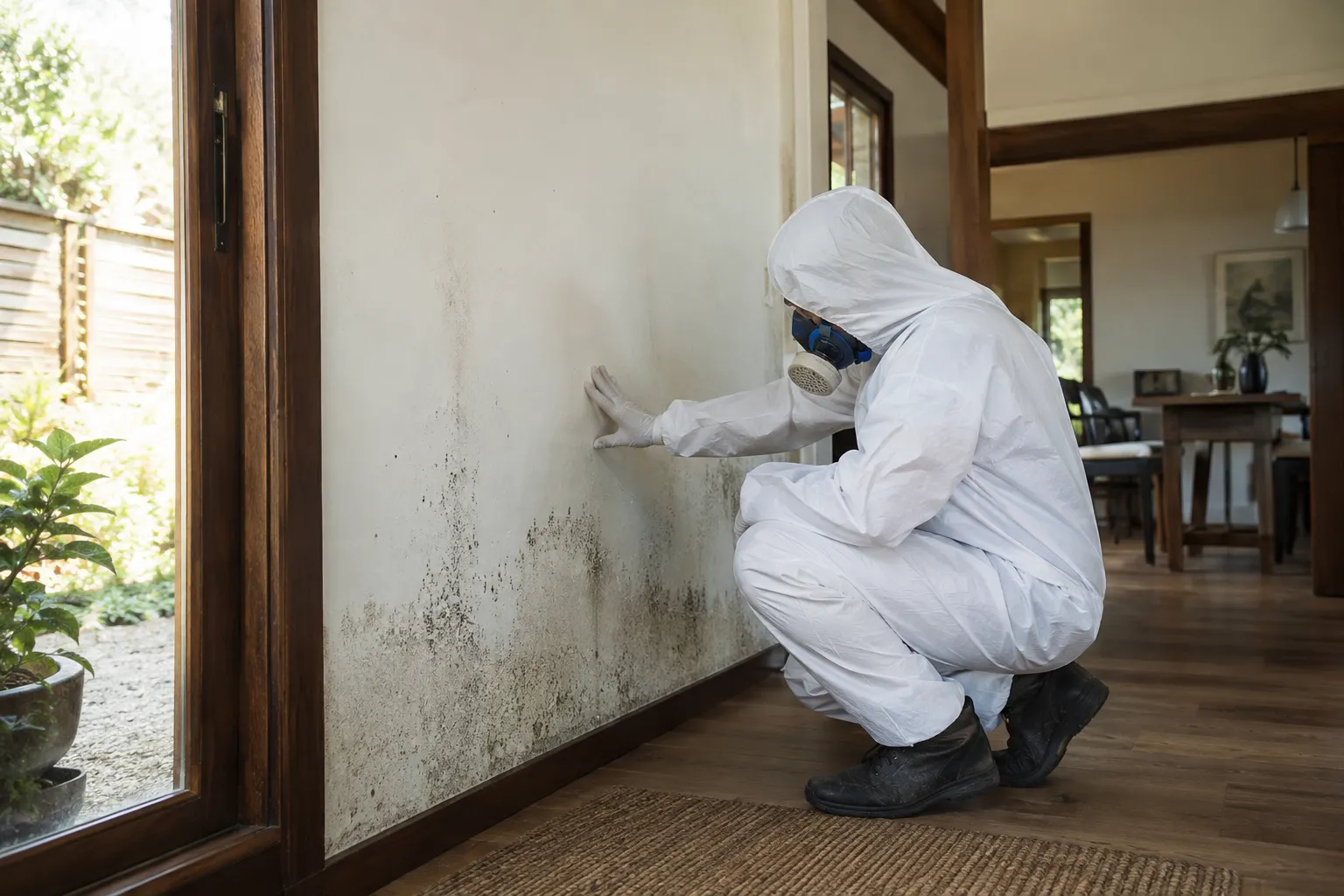
TELL US WHAT YOU CAN SEE
Explain the room.
Keep the history clear.
Discuss your Park Orchards spare room, visible growth and storage access. Call 03 8652 1296 to confirm availability and an appropriate next step.
Local context: Manningham locality information · Maroondah locality information