
SHARED-HOUSE ROUTINES · MOISTURE · SURFACES
CLAYTON · MELBOURNE
Mould Removal Clayton
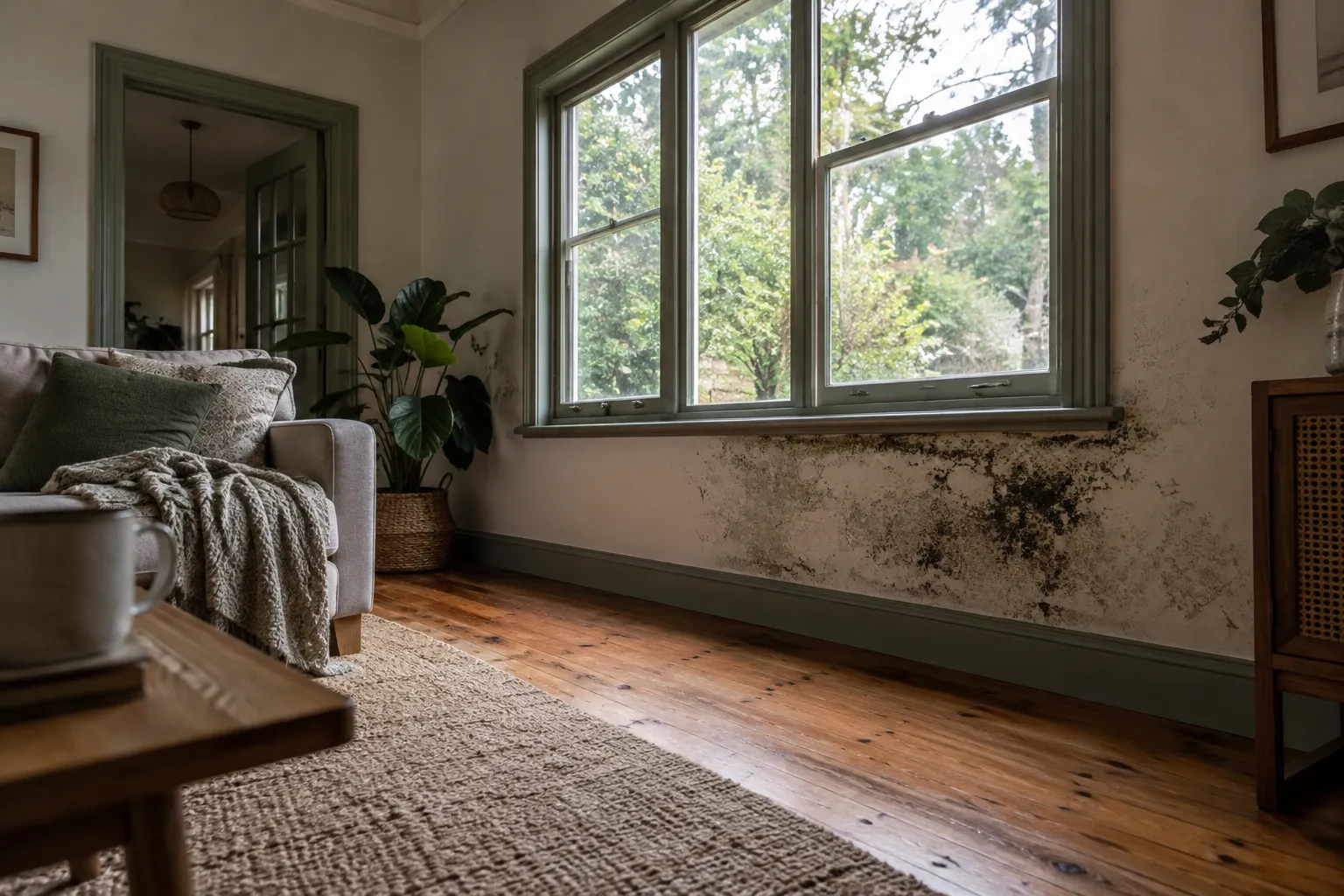
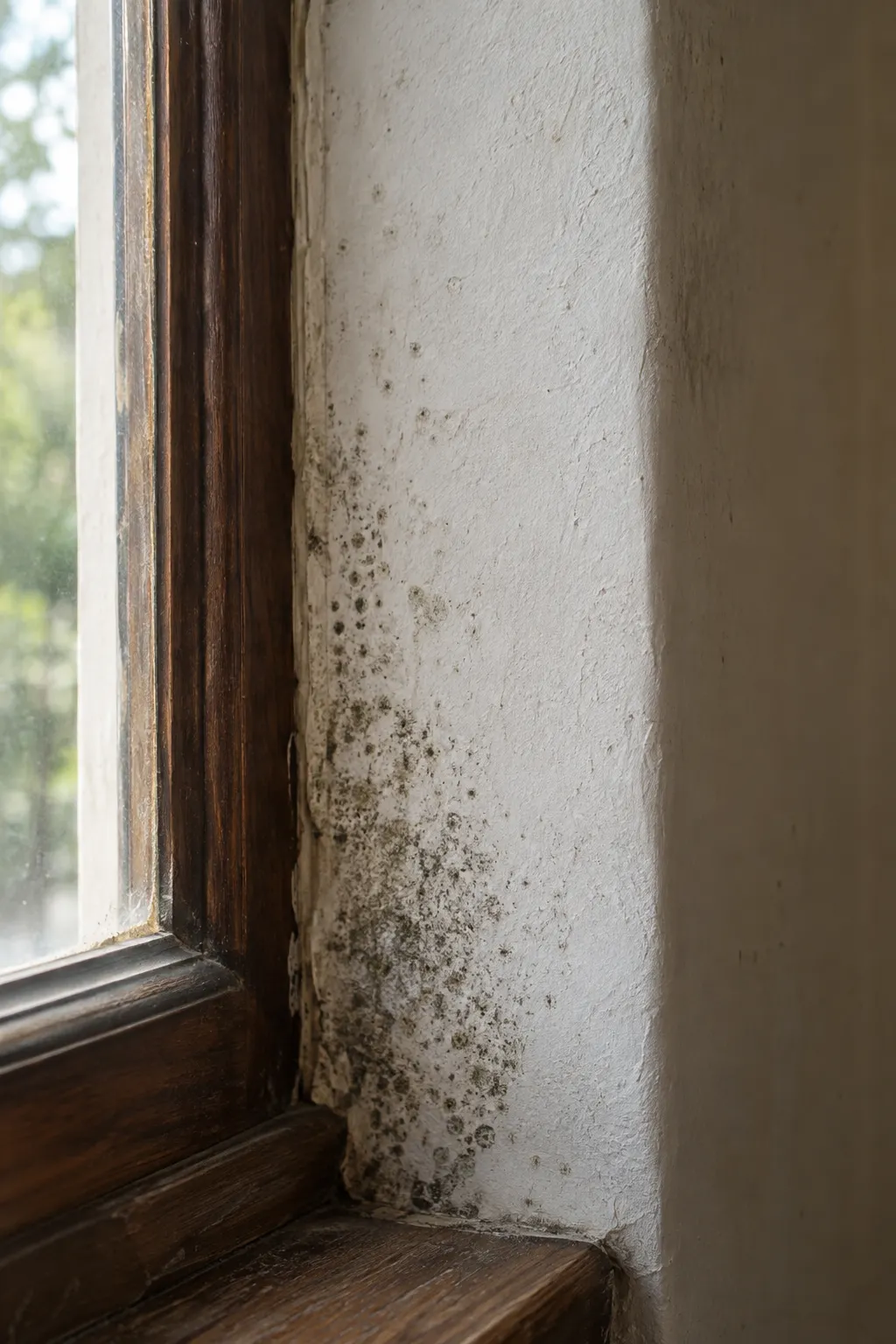
A shared bathroom or laundry may have several moisture-generating routines. For Clayton, describe when the room dries, how extraction is used and whether the affected surfaces are accessible.
Visible material considered
Moisture history discussed
Access and scope agreed
THE ROOM TELLS A STORY
Look at how the room is used
Clayton appears in Monash’s municipal suburb list. If several people use the same room, a simple account of showering, cooking or indoor drying can help explain its moisture pattern. That does not rule out a leak. Record both everyday routines and any unusual water event instead of assigning blame to occupants.
An inspection enquiry for the shared room can bring different occupants’ observations together without assigning blame. Explain the materials, ordinary drying and unusual events, identifying who can coordinate entry and any permission for a change to fixtures or finishes.
UNDERSTANDING MOISTURE
Make sense of
moisture across shared routines.
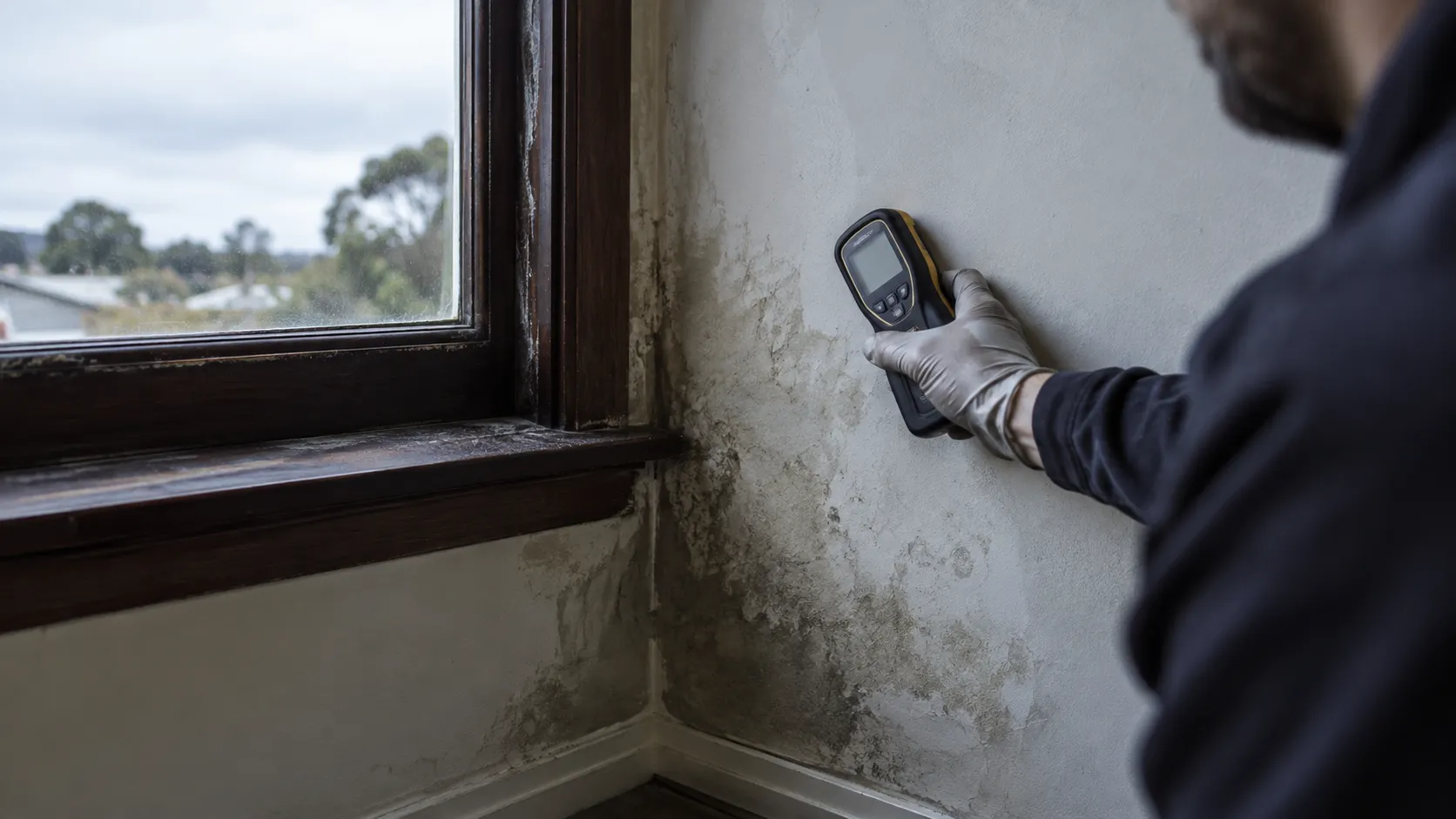
Moisture in the air
A shared room’s drying pattern can reflect several ordinary routines. Record showering, cooking or laundry timing where relevant, without assuming that frequent use alone establishes the cause of the visible growth.
The water history
Unusual water events and fixture problems still matter alongside everyday use. Describe known leaks or repairs so the conversation does not reduce every damp surface to occupant behaviour.
Check the finish
Different users may notice different marked materials. Bring those observations together, distinguishing sound paint from damaged board or joinery and keeping unreachable areas outside assumptions about suitable treatment.
OUR REMOVAL PROCESS
From observations
to surface work.
Keep the room history
Gather a simple account of when different moisture-producing activities occur. A clear sequence is more useful than a disagreement about who first noticed the dark patch.
Make access practical
Identify the person coordinating entry and any permission needed for the room. Shared use does not mean every occupant can authorise alterations to a fixture or finish.
Agree the next decisions
Ask whether routine drying changes or a source investigation remain appropriate. A surface result cannot settle every question about extraction, water entry or household use.
01
Assess the shared bathroom wall
Describe the shared room’s use and the affected material when arranging surface removal. Include unusual water events as well as showering, cooking or laundry routines.
02
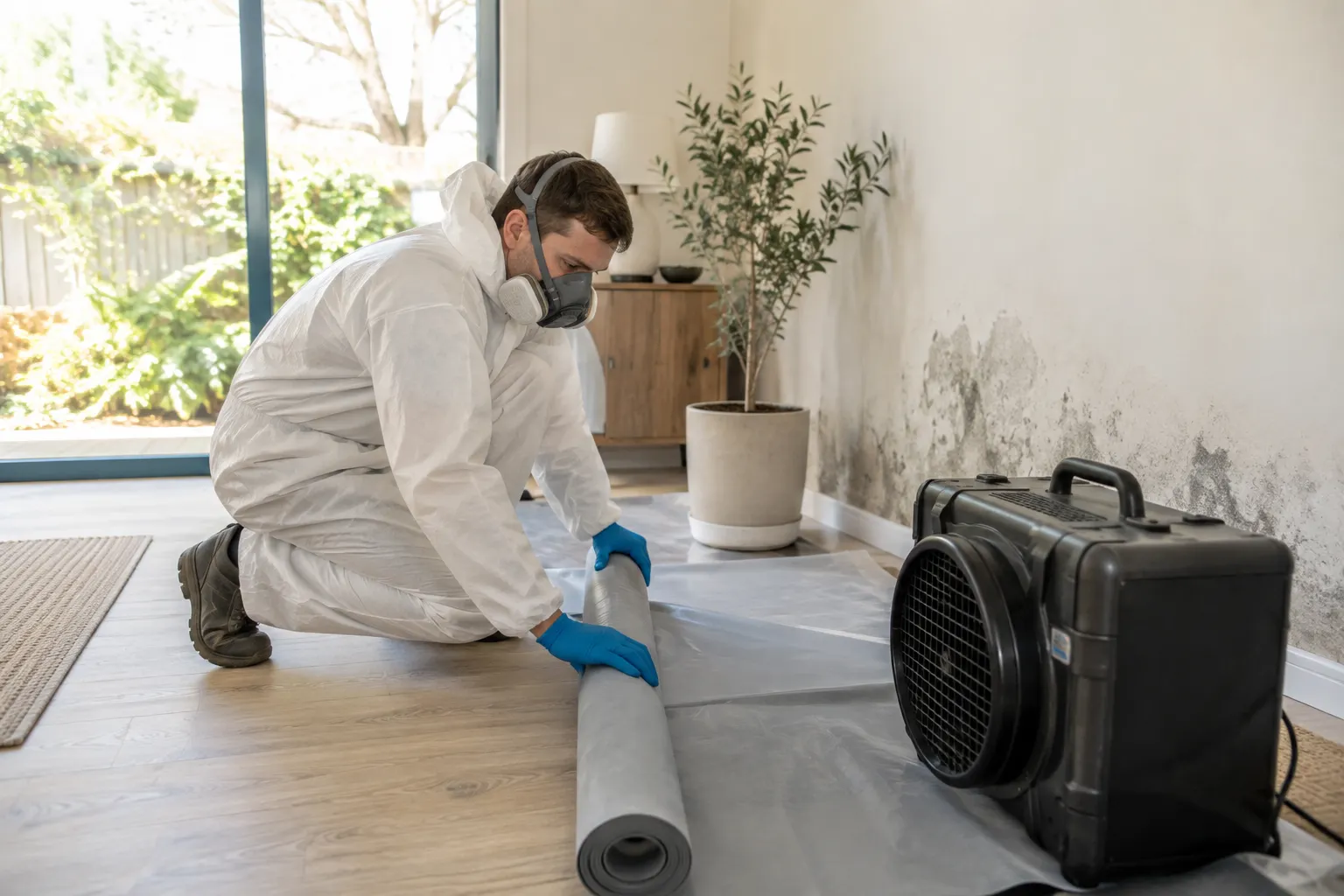
Prepare the working area
Agree on a practical access window with the people using the room. Move only the belongings included in preparation, keeping fixed fixtures and shared services undisturbed.
03
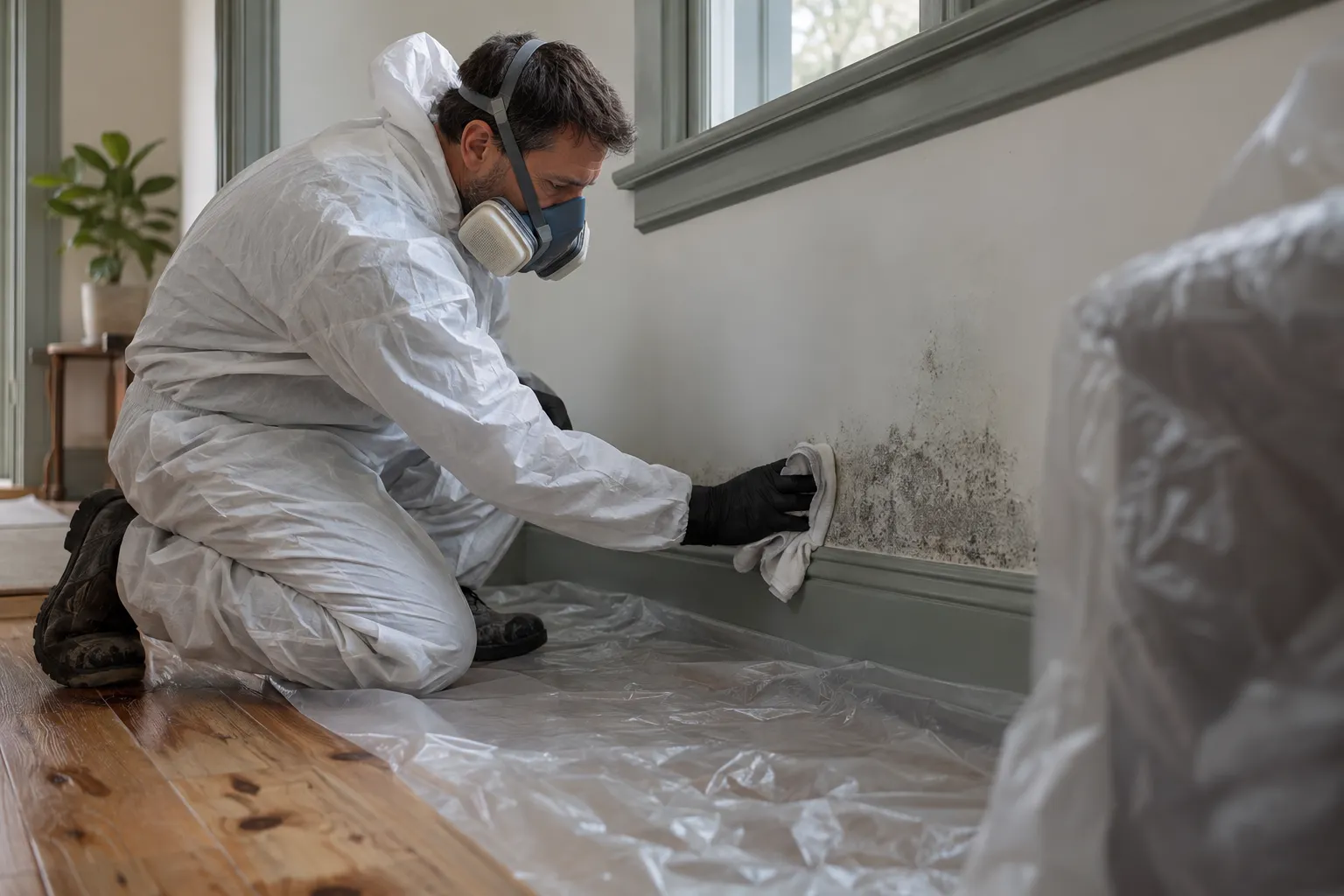
Remove and review
After treatment, observe how the room dries between normal uses. Continuing moisture deserves follow-up without assigning blame to one occupant or activity from appearance alone.
COMMON AREAS AFFECTED
Different surfaces.
Different decisions.
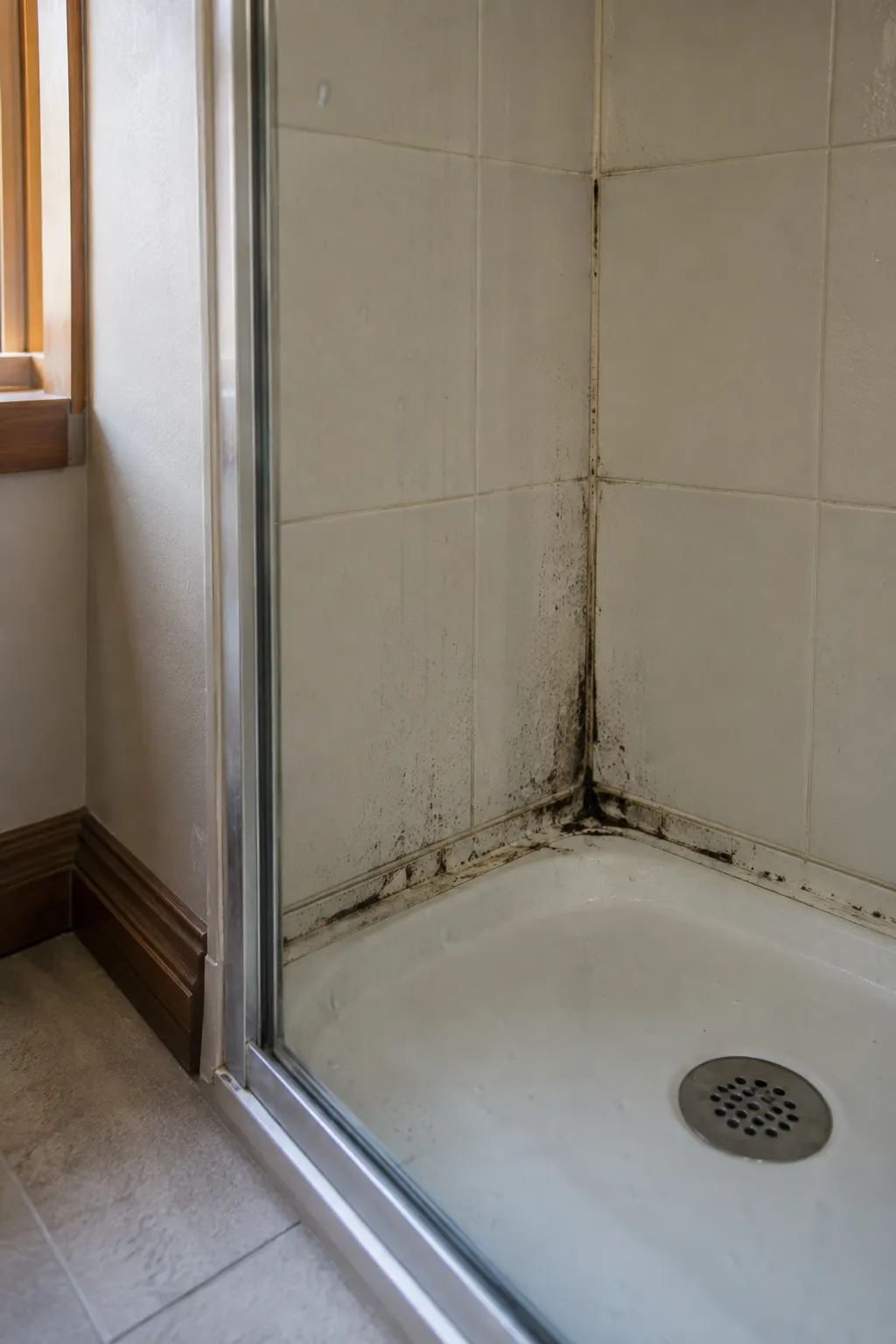
Bathroom junctions
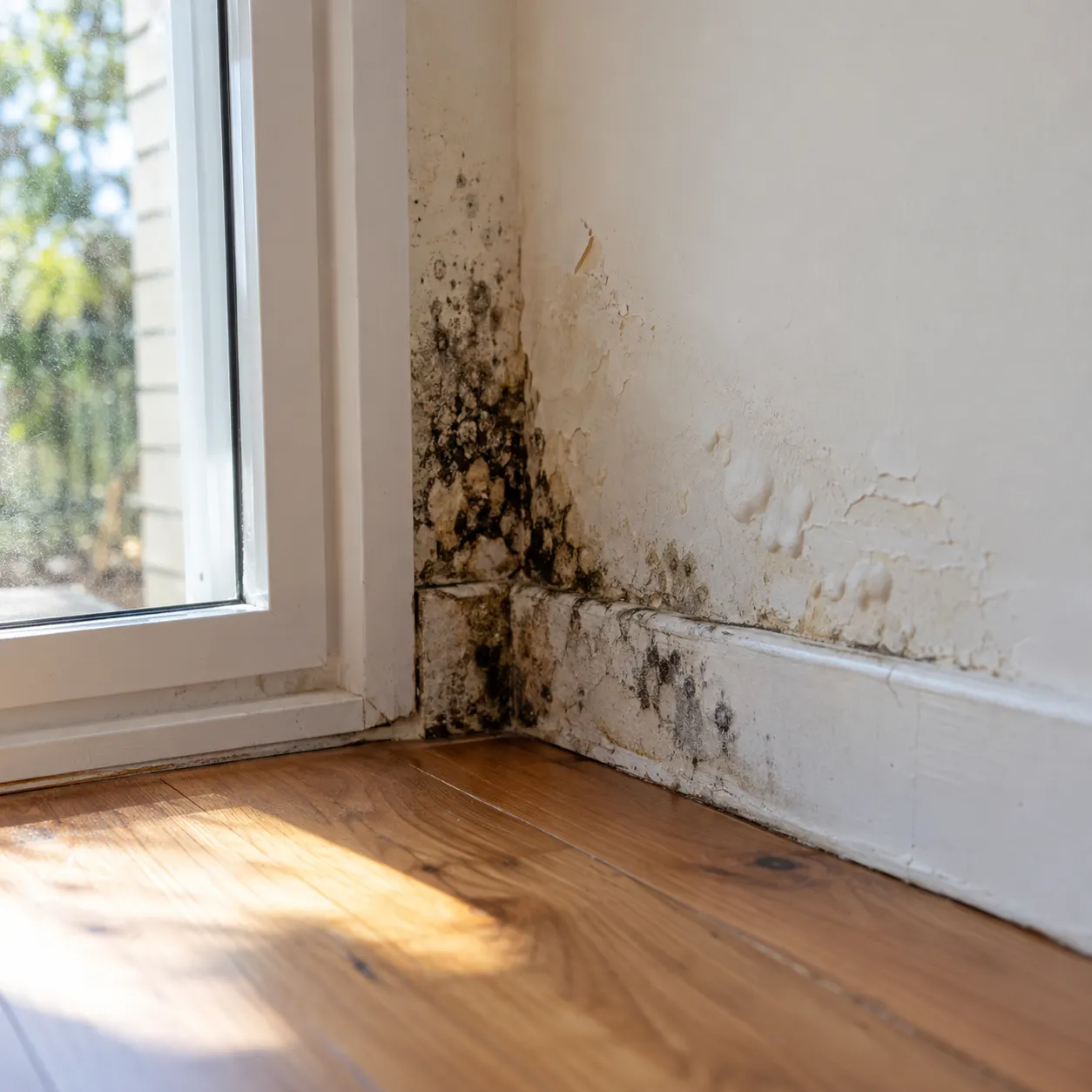
For a shared bathroom, note the enclosure and painted surfaces separately. Their use history may overlap, but grout, silicone and plaster can have different condition and repair decisions.
Ceiling surfaces
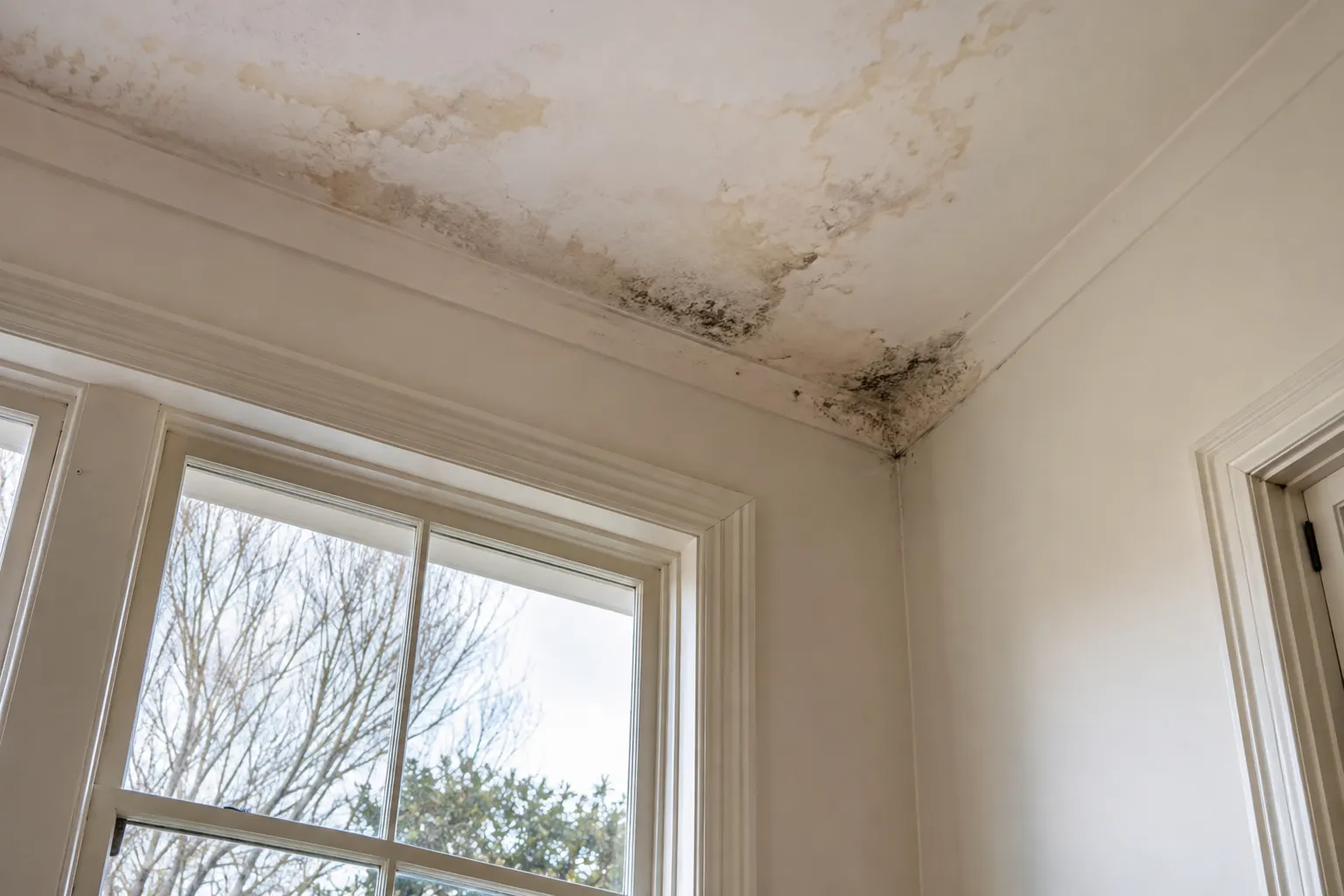
Ceiling marks should be included with the room’s actual drying and water history. A safe photograph helps show extent without suggesting that any one household routine has been proved responsible.
Painted walls
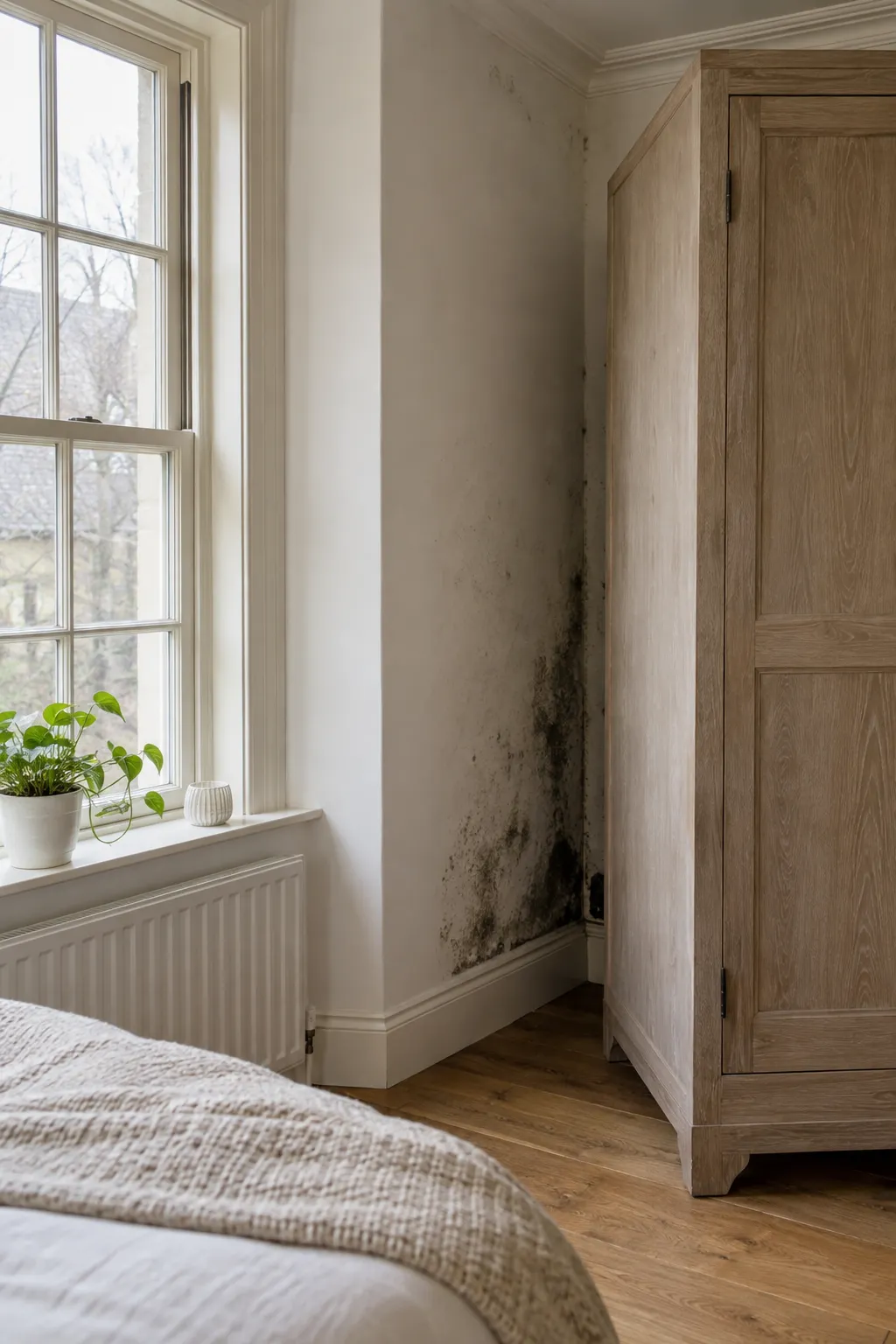
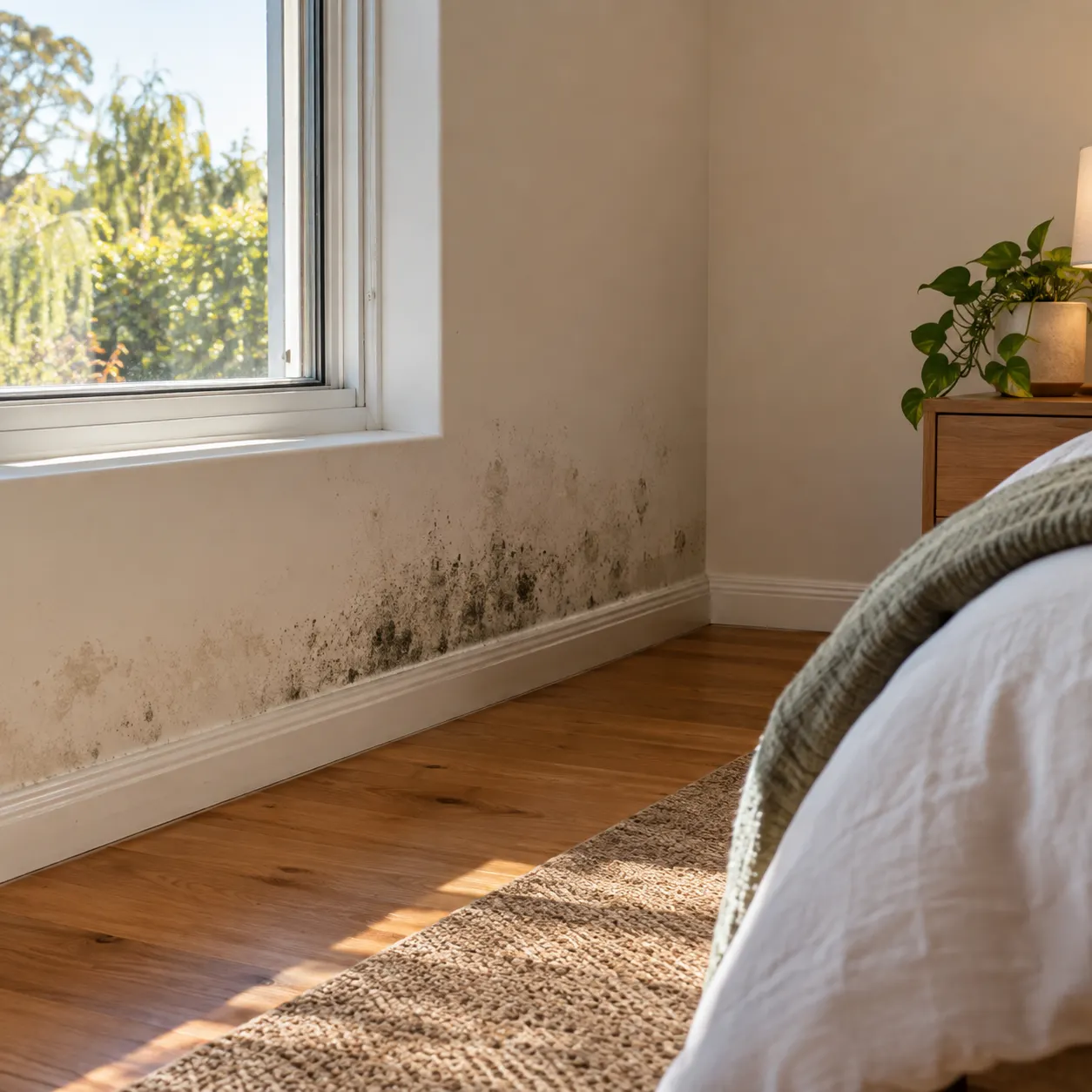
Show the wall and its surroundings, including furniture or equipment that limits access. The visible patch deserves assessment without assigning blame from its location or appearance.
Water-affected rooms
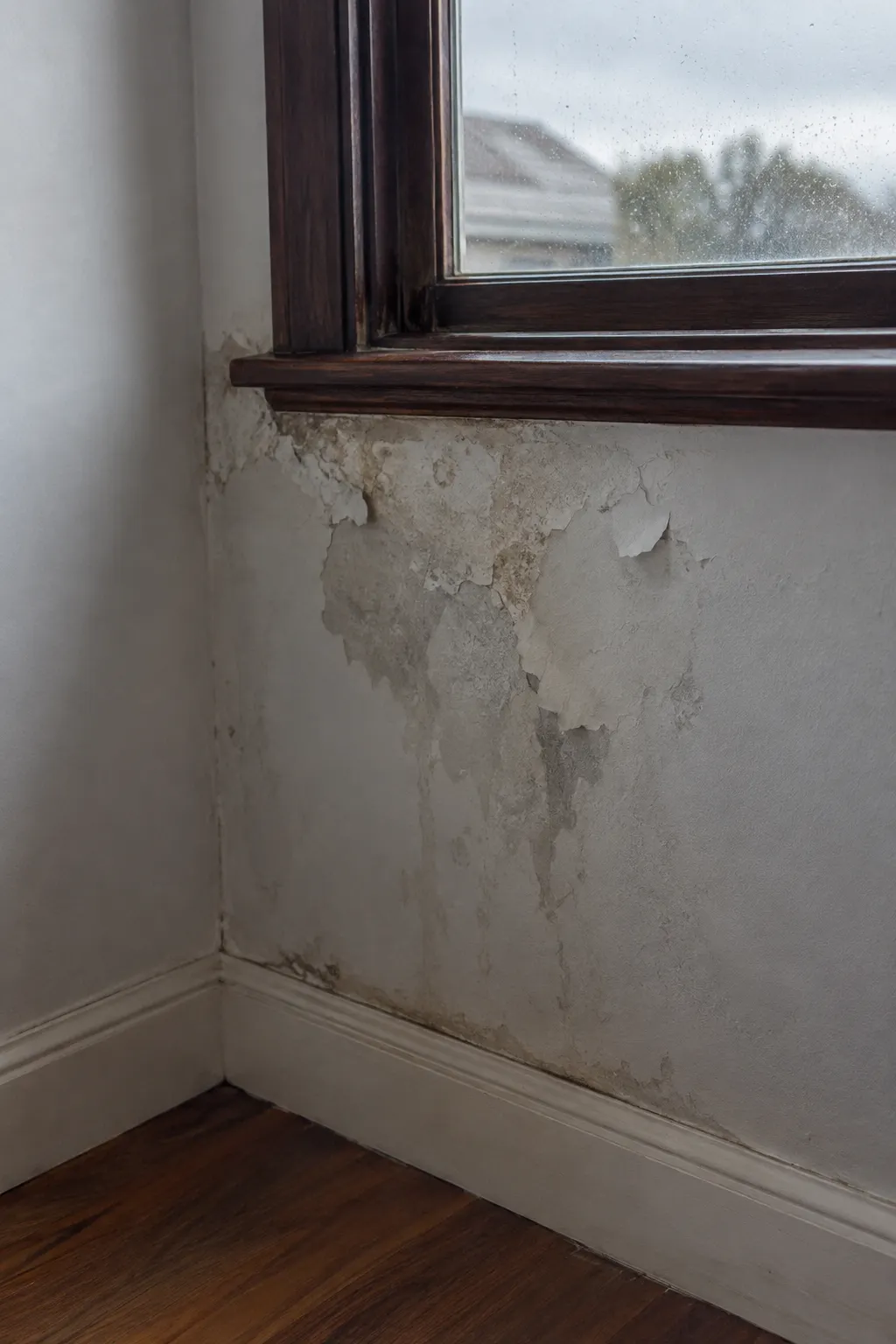
If a spill or overflow affected the shared room, record what became wet and what happened afterward. Contents handling and damaged material decisions may extend beyond accessible surface removal.
PREVENTION STARTS WITH
Help the room
dry between uses.
Observe the drying pattern
Coordinate practical room drying and observe whether surfaces remain wet between uses. Follow up on fixture or source concerns independently rather than treating a change in household routine as a guaranteed solution.
Follow up before decorating
Agree a contact and access plan before work affecting shared finishes. Ask how remediation preparation relates to belongings, permissions and any repair tasks remaining outside the surface scope.
CLAYTON & NEARBY
Clayton and nearby rooms.
For nearby locality information, read Huntingdale and Clarinda. A Clayton shared-room enquiry should give the actual address and access contact, confirming arrangements for that property instead of treating a general use pattern as a standard removal package.
BEFORE YOU CALL
The useful
questions.
Does frequent use establish who caused the mark?
No. A use pattern is relevant context, while source and material condition need appropriate consideration. Describe observations without assigning responsibility from the visible patch.
What routine information is useful?
Record when moisture-producing activities occur and how the room dries afterward. Include unusual water events or known fixture repairs as well as everyday use.
Who should arrange access to a shared room?
Identify a practical contact and confirm any required permission. Ordinary room use does not automatically authorise changes to fixed fixtures or building finishes.
Can ventilation changes rule out a leak?
They may help drying but do not establish every source question. Continuing water at a fitting or a rain-related stain needs separate attention.
What if different occupants report different locations?
Include each accessible surface and its timing. Separate observations can describe a broader room history without forcing every patch into one explanation.
What should a Clayton shared-house enquiry include?
Give the address, affected materials and access contact. Add routine drying observations, water events and permission details so the appropriate next step can be discussed.
TELL US WHAT YOU CAN SEE
Start with
the affected surface.
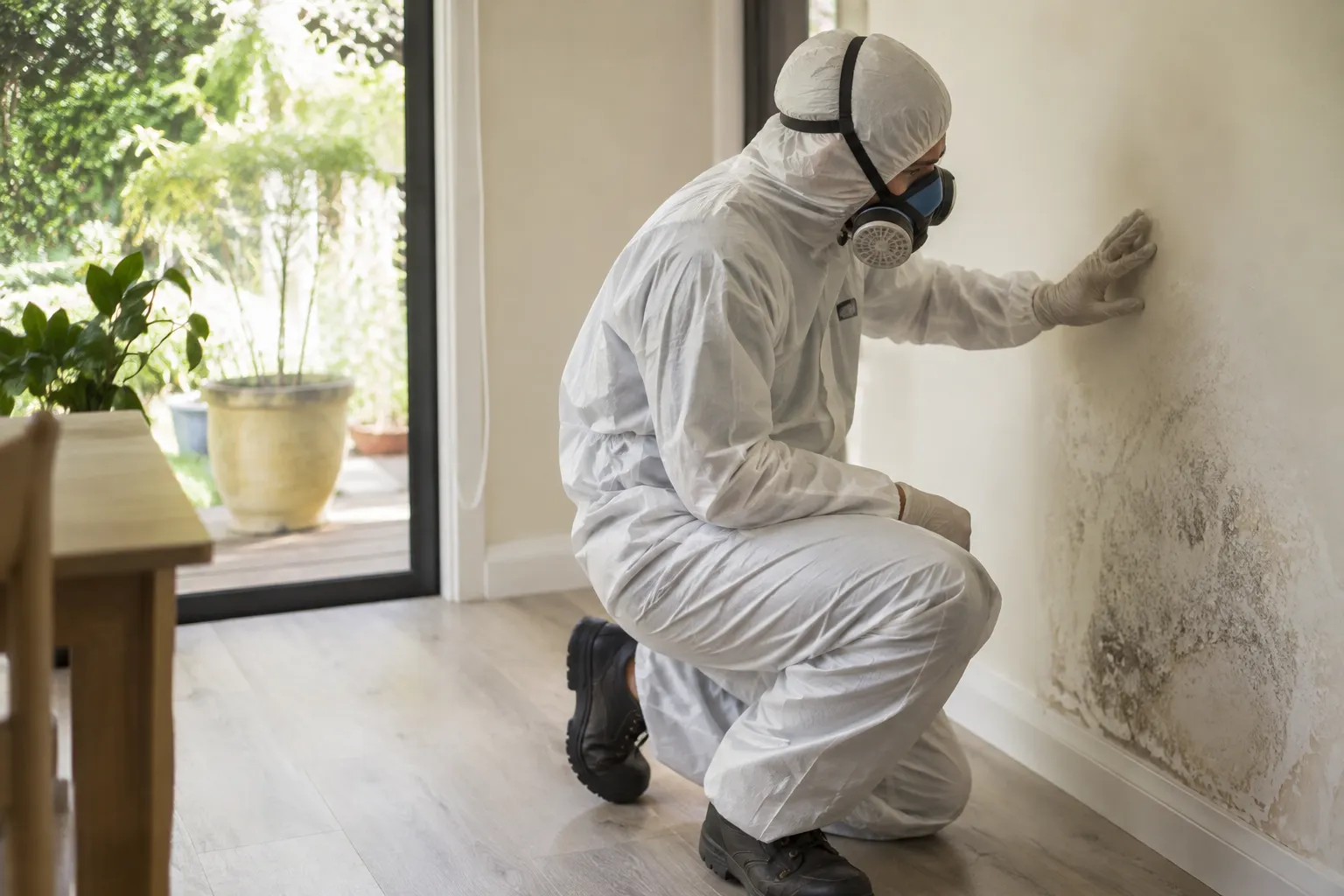
A short account of room use and known water events can keep the discussion practical. Call 03 8652 1296 about the Clayton address, with affected-surface photos and a contact who can coordinate access.
Local context: Monash suburb profile