
KANGAROO GROUND · MELBOURNE
Mould Removal Kangaroo Ground
Finding mould in a seldom-used bedroom raises two separate questions: what can be removed from the surface, and why the room stays damp. For a Kangaroo Ground property, explain the room’s use, the affected finish and how the house is reached. We can discuss an accessible wall, ceiling or floor enquiry and check the address, without assuming that every rural property has the same moisture problem.
Room use considered
Visible finishes assessed
Property access checked
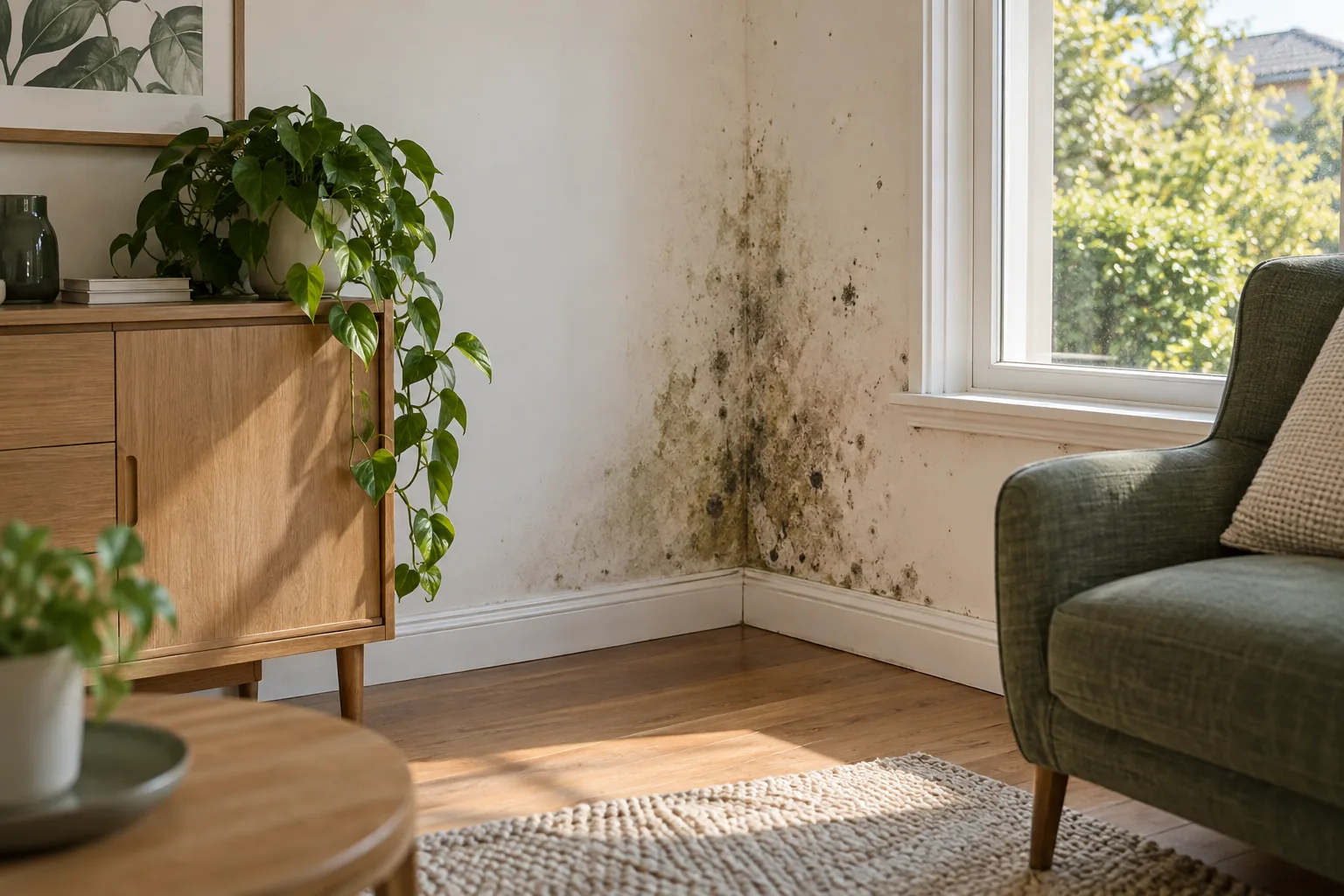
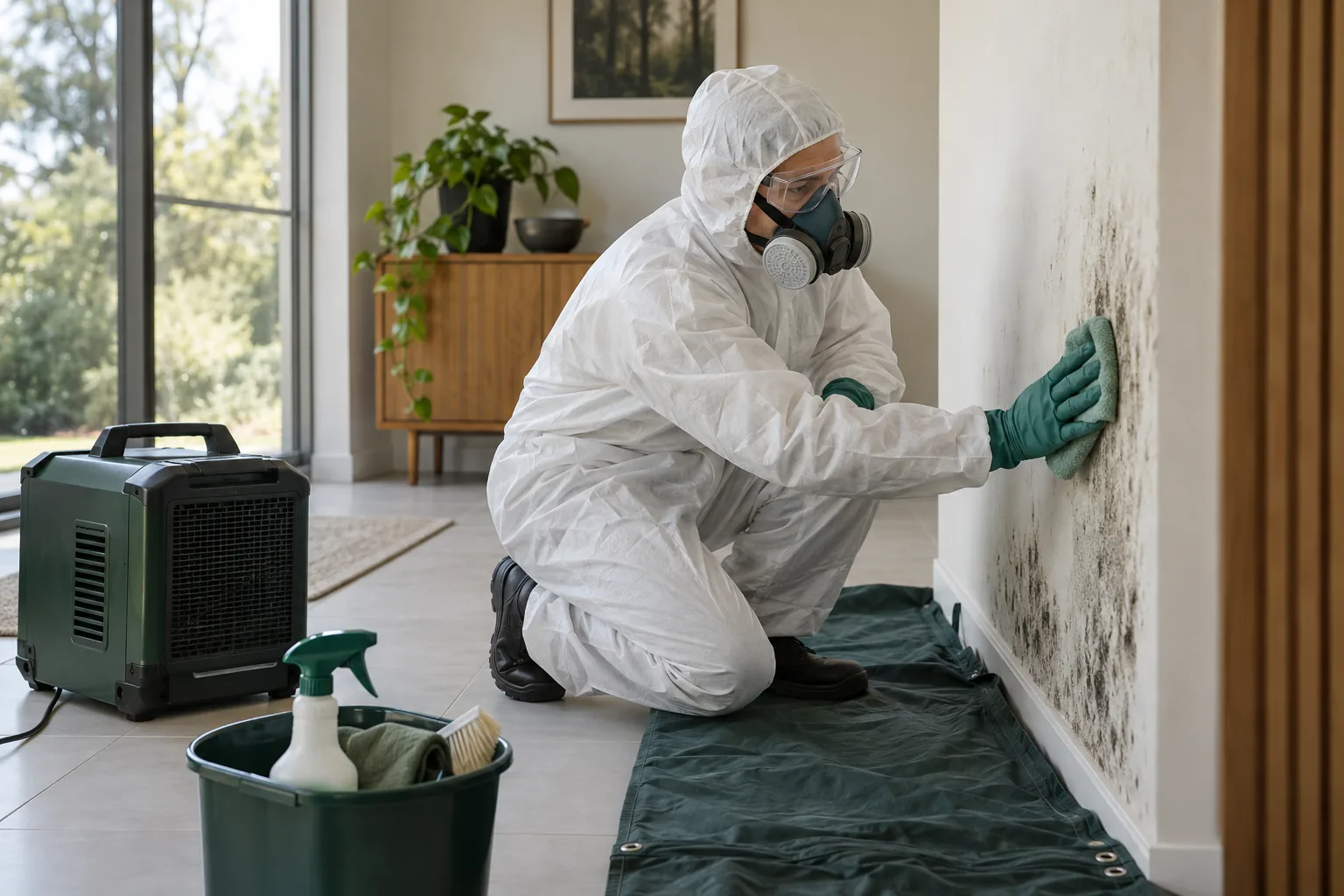
Bedrooms · Paint · Corners
THE HOME, IN CONTEXT
Plan around the Kangaroo Ground address
Nillumbik’s Green Wedge map identifies Kangaroo Ground within the shire’s rural landscape. Give the full address and practical entry details when enquiring, particularly if the dwelling is reached by a gate or a driveway away from the road.
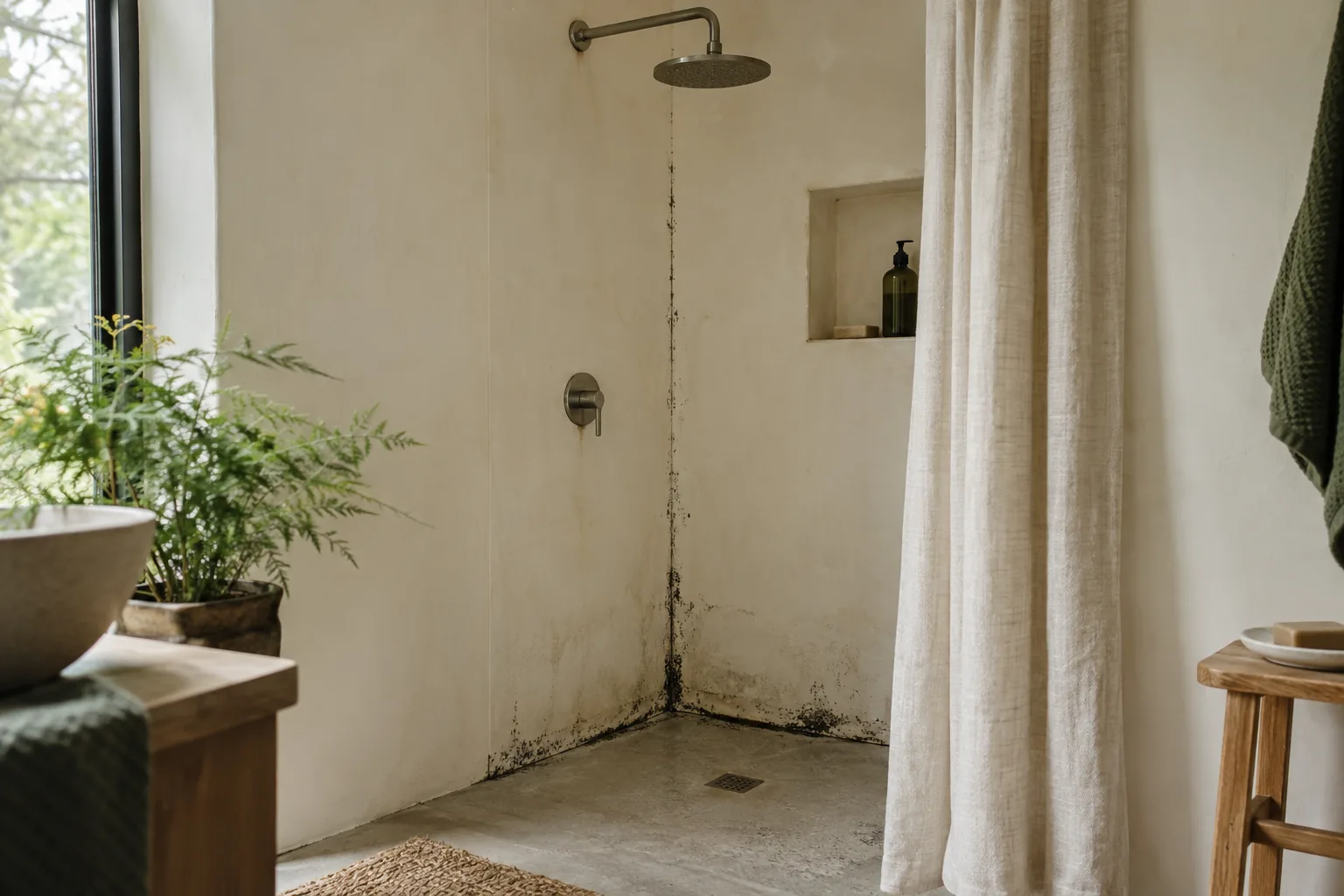
A bedroom used only occasionally
If visible growth appears in a spare room, note when it was last occupied and whether furniture stands close to the marked wall. This is a household scenario to investigate, not a claim about local homes. The room’s temperature, ventilation and wet-event history may help frame sensible questions.
Prepare the approach to the house
Explain gates, parking and the door providing the easiest access to the room. Keep pets secure through your normal arrangements. A long driveway or locked entry matters to planning, but it should not distract from describing the accessible surface and confirming appointment availability.
INSPECTION & MOISTURE
Gather observations from the spare room
Take one photograph from the doorway and another of the affected finish. A mould inspection enquiry is useful when you are unsure whether the marks are limited to paint or accompanied by damp, deteriorating material.
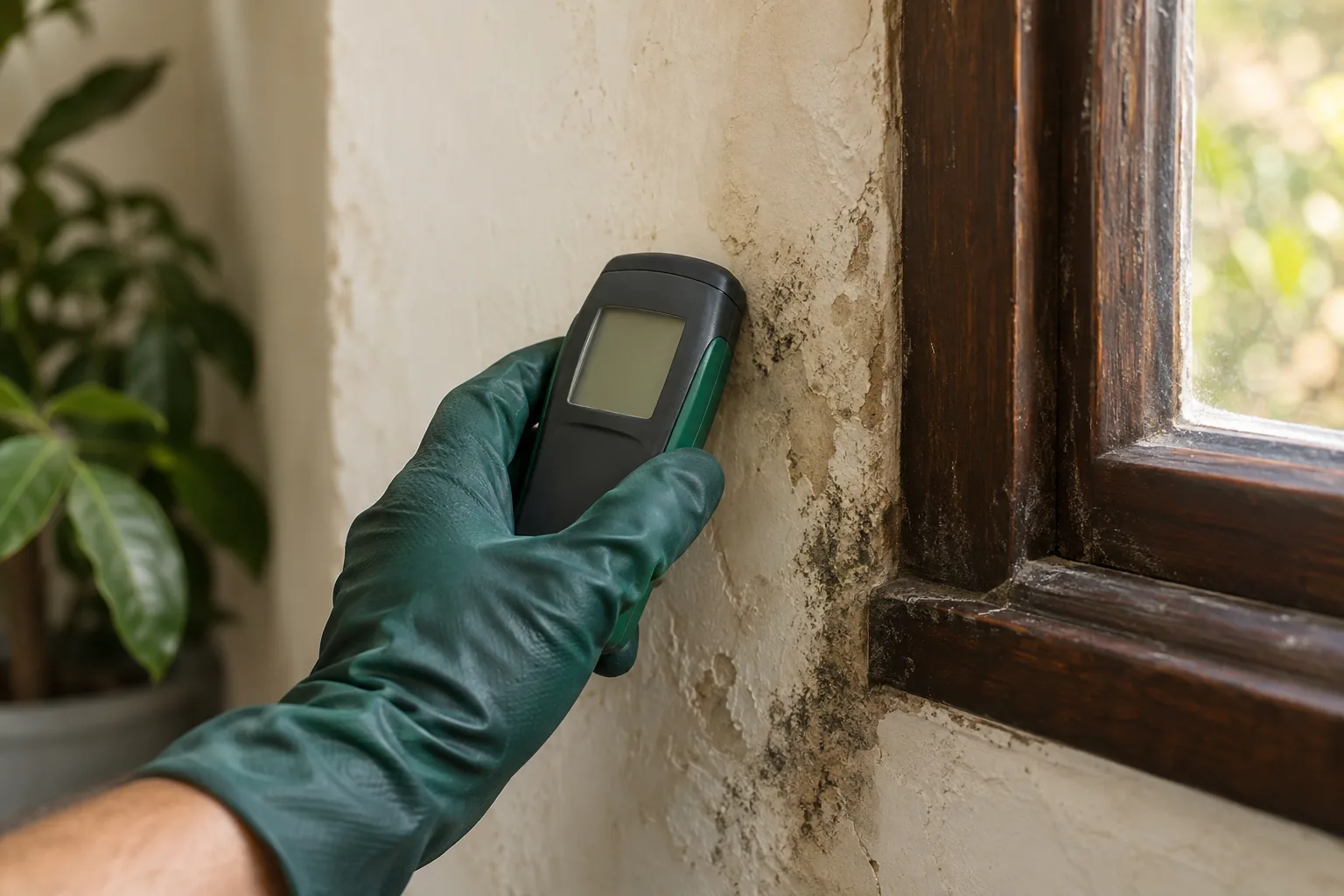
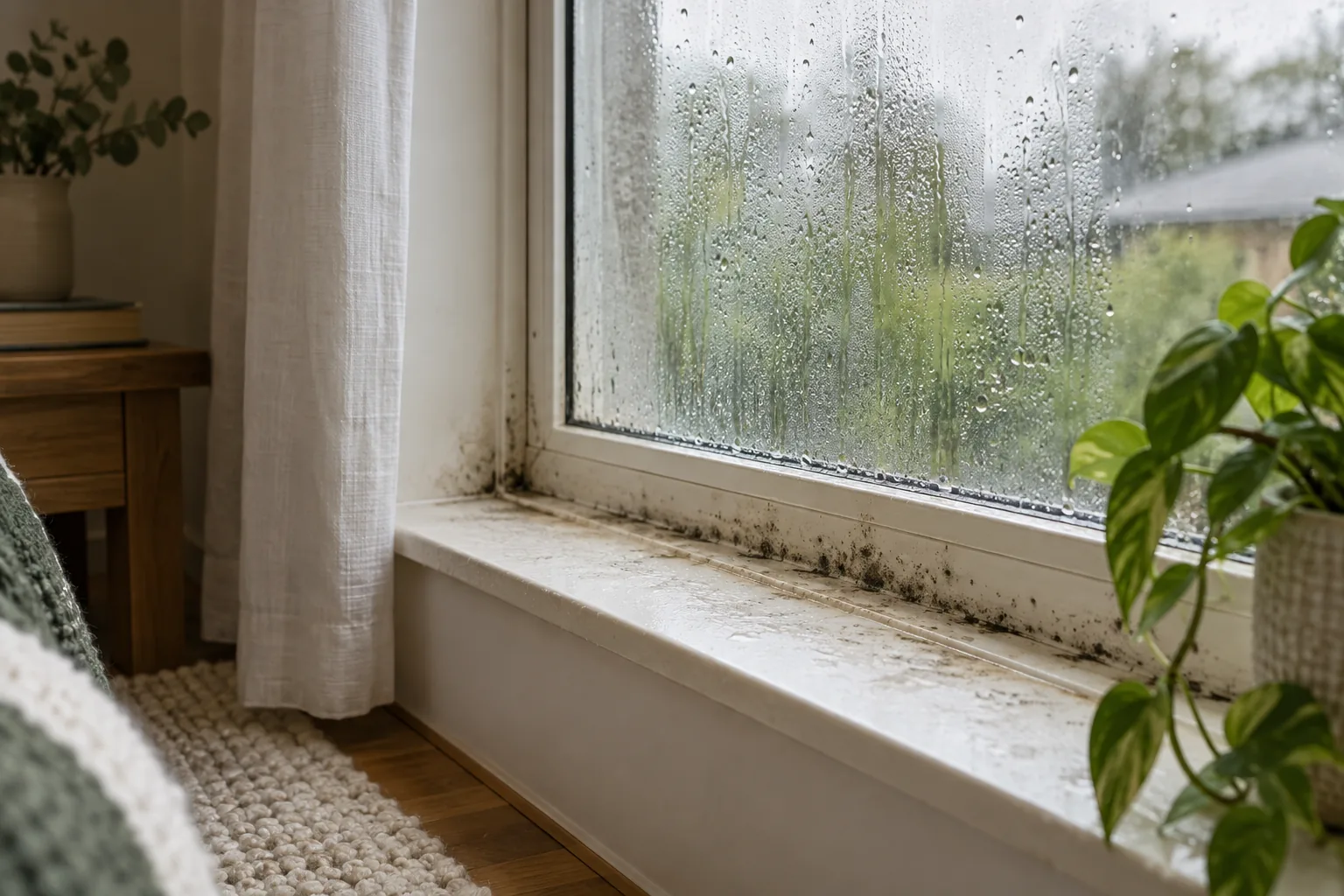
Compare the wall and furnishings
Mention a wardrobe, bedhead or curtain near the patch and whether the wall can be reached without moving heavy items. Do not drag a mould-affected mattress through the house to expose the paint. Textiles need their own handling and are outside the stated surface scope.
Record changes without disturbing them
A mark appearing after roof work, a wet window or an extended period with the room closed provides useful timing. These observations cannot establish the cause alone. Avoid covering the area with fresh paint before assessment, as that can hide its condition and complicate the discussion.
A CONNECTED PROCESS
A practical spare-bedroom sequence
Locate the room
Identify the bedroom within the house and describe the affected wall or ceiling. Confirm whether the room opens directly to a hallway or another occupied space.
Agree access and preparation
Arrange the gate and house entry with the person meeting us. Discuss who will clear light belongings and whether furniture can be moved safely by the household.
Review material suitability
Consider the finish and signs of softness, lifting paint or swelling. A deteriorated lining may require building work rather than an ordinary clean of an intact painted surface.
Carry out surface removal
Suitable accessible areas may involve HEPA filtration, physical cleaning and treatment. Remediation information explains why preparation and surface condition belong in the scope discussion.
Discuss room use afterwards
Review any remaining stain and unresolved moisture question. Ask for the applicable return-to-room instructions and keep notes of what the household should monitor after the agreed work.
WHERE MOULD APPEARS
Details around a lightly used bedroom
Bedhead shadows
A patch behind a bedhead requires access to the wall. Tell us whether the bed can be safely moved and whether the finish beneath it is intact.
Window-side growth
Wet glass and a stained reveal can be related observations. Neither proves that the glazing, wall or roof is sound; describe both rather than assuming condensation alone.
Cupboard edges
Marks inside a built-in cupboard may be difficult to see from the bedroom. Mention shelves and fixed panels so the accessible boundary can be discussed.
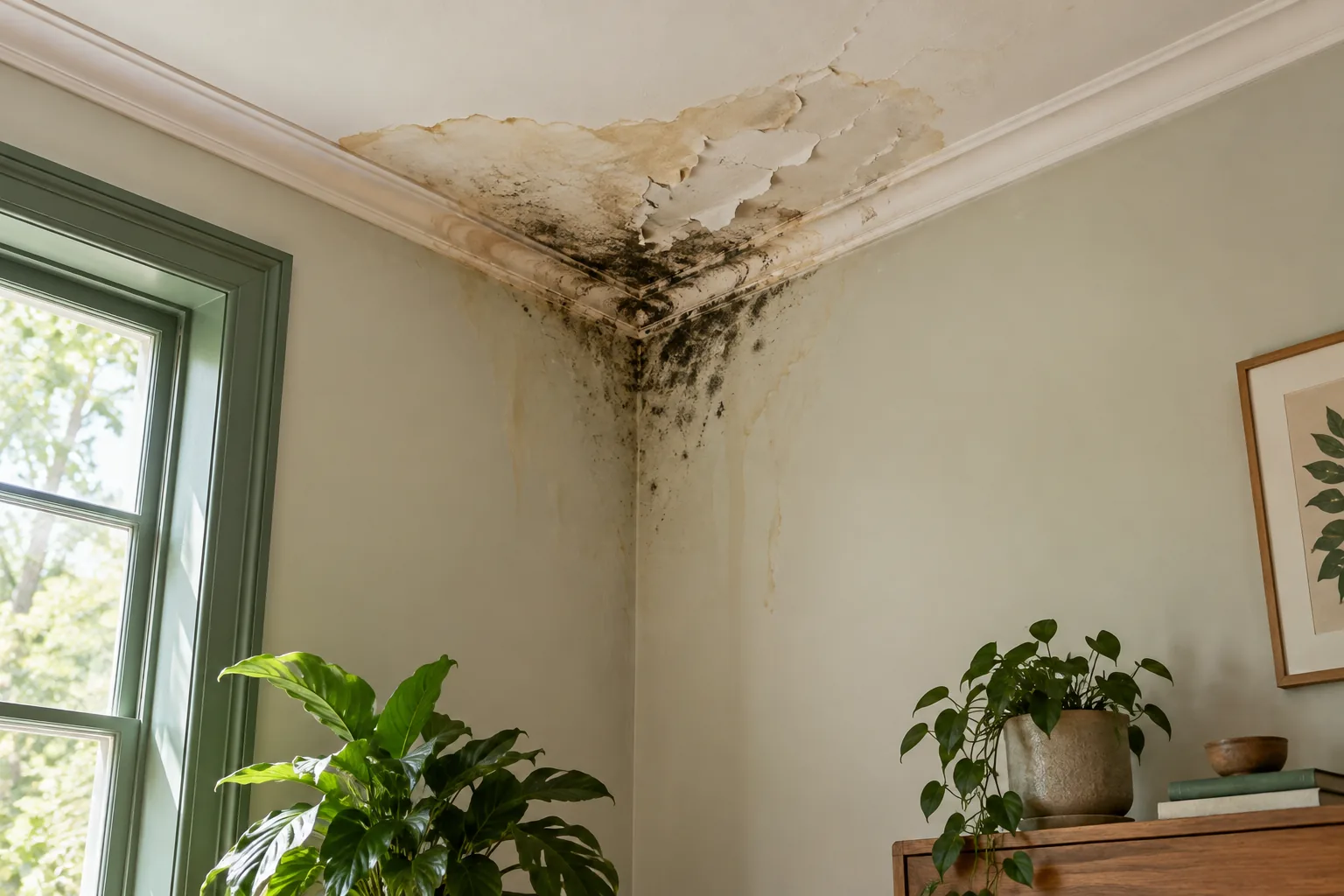
Ceiling discolouration
A stain overhead may remain after growth is removed. If it expands after rain, raise a roof or water-entry question with the appropriate trade.
MAKE SPACE FOR DRYING
Make a closed room easier to monitor
Open the room as part of the household’s ordinary routine and observe whether windows, corners or surfaces remain damp. Keep furniture from pressing against an affected wall while the moisture question is being resolved. A practical observation record is more useful than guessing which product will prevent another patch.
If the room is reserved for visitors, do not wait until they arrive to inspect concealed corners. Check after a known wet event and retain photographs for a building or glazing professional where needed. Visible mould removal addresses the agreed surface; restoring damaged materials and correcting water entry are separate tasks.
KANGAROO GROUND & NEARBY
Address checks around Kangaroo Ground
Rural locality names do not describe every driveway or property entrance. Confirm the actual address and compare the nearby location pages: Research, Watsons Creek, Warrandyte.
QUESTIONS WORTH ASKING
Before the visit.
Can a spare room develop mould while unused?
An unused room can still contain moisture or have a water-entry issue. Describe its condition and history; vacancy alone does not identify the reason for the visible growth.
Should I move the bed before calling?
Start with photographs and explain the obstruction. Agree preparation first, especially where the bed is heavy or a textile item appears affected.
Is the driveway length relevant?
Yes, practical entry, gates and parking help plan an enquiry. They do not confirm availability, which should be checked for the full property address.
Can cupboard walls be included?
Describe the cupboard opening, shelves and affected material. Inclusion depends on the agreed accessible surface scope rather than assuming all concealed areas can be reached.
Will visitors be able to sleep there immediately?
Ask about room-use instructions for the proposed work and its method. Do not assume a universal waiting period or a health clearance from surface appearance.
Does repainting stop the problem returning?
Paint does not correct an unresolved leak or persistent damp condition. Discuss cleaning, drying, repair and decorating as separate decisions before covering the affected finish.
START WITH YOUR ROOM
Discuss the bedroom and the property
Call 03 8652 1296 with the Kangaroo Ground address, room photographs and entry information. Mention a locked gate or heavy furniture before arranging next steps, so availability and accessible scope can be checked together.
Useful references: Nillumbik Shire Council — Green Wedge map