
MELTON · MELBOURNE
Mould Removal Melton
A dining-room patch can sit behind furniture, above a doorway or near a ceiling edge, so the enquiry should describe its position and material clearly. For Melton, tell us what is visible, whether the finish is intact and how the room is used. We can discuss accessible removal and check the full address, while keeping damaged decoration, household contents and continuing water-entry concerns as separate questions.
Room layout considered
Intact finishes assessed
Preparation discussed in advance
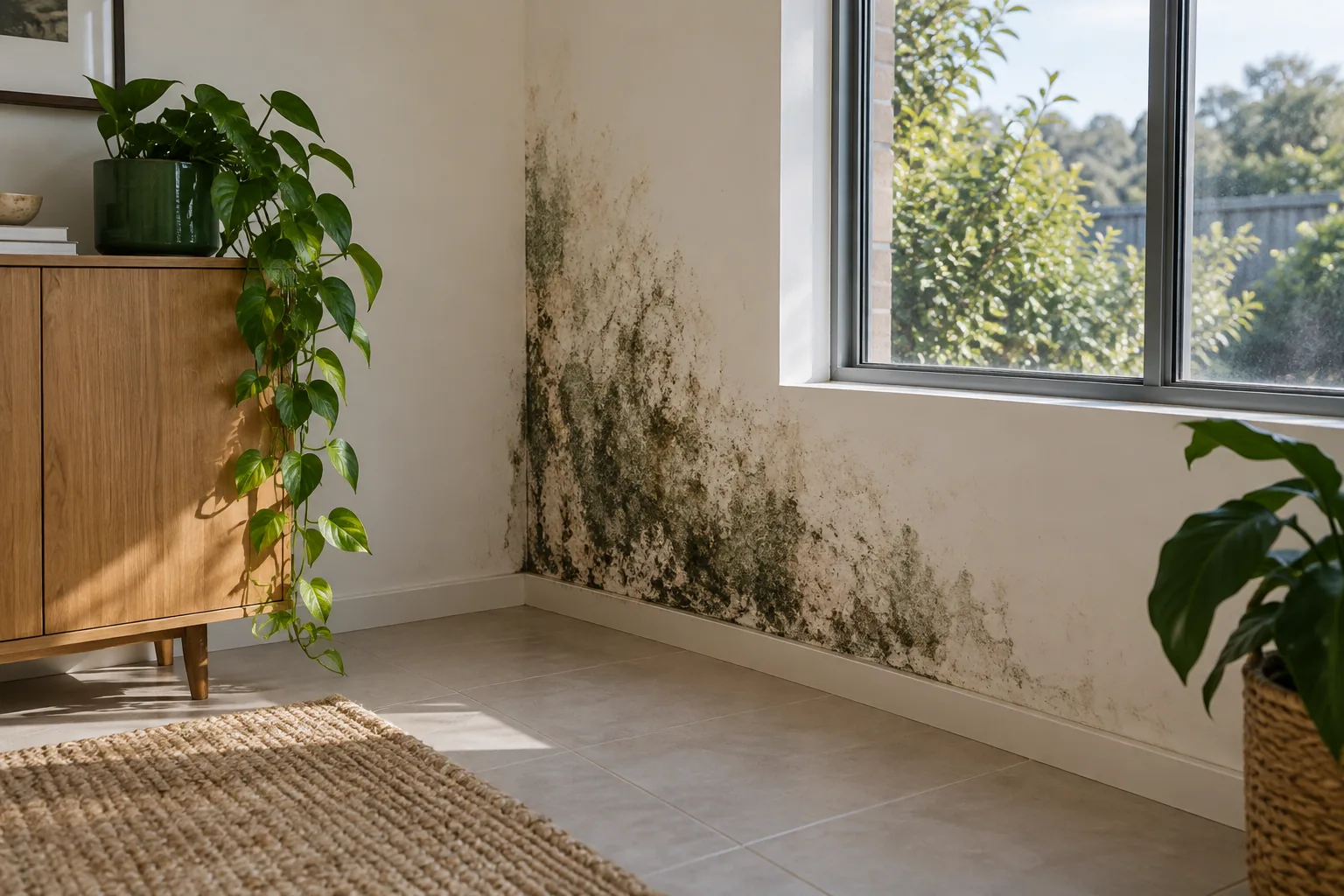
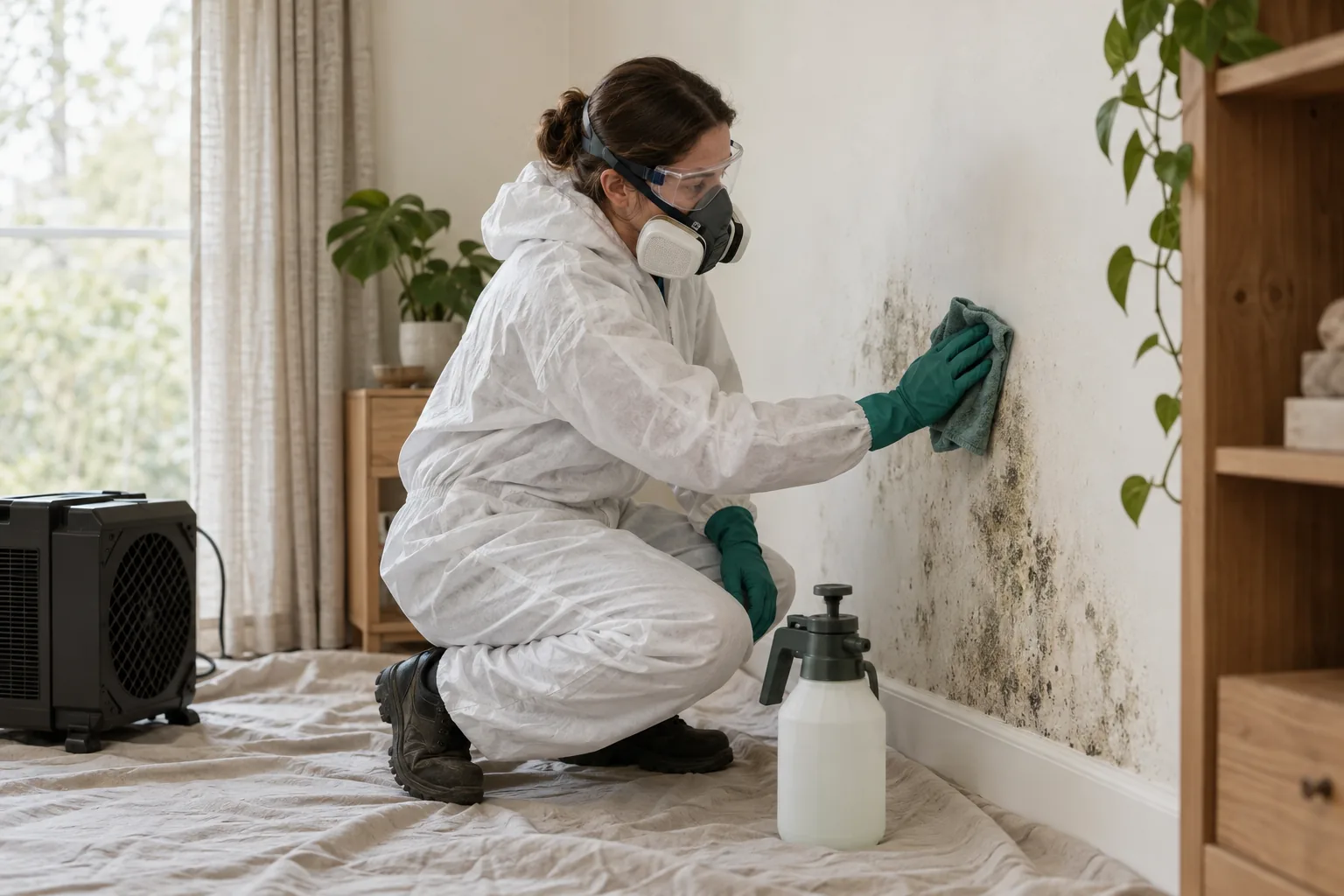
Dining rooms · Walls · Ceilings
THE HOME, IN CONTEXT
Identify the Melton dwelling precisely
Melton City Council lists Melton separately from surrounding suburbs such as Melton South and Melton West. Give the actual street address when enquiring rather than relying on the broader city name, which may be used informally for several locations.
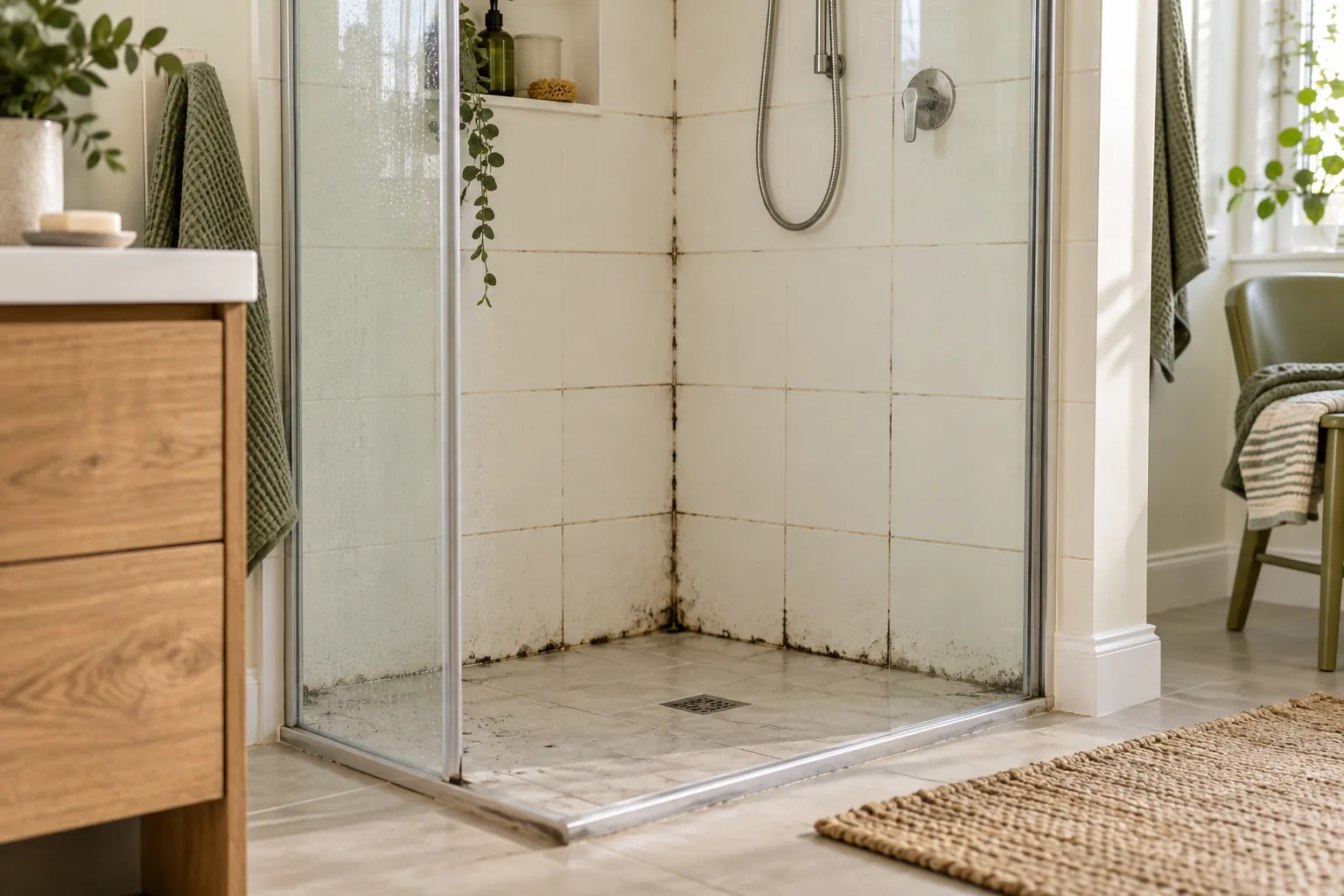
A dining wall behind a cabinet
If visible growth appears beside a dresser or cabinet, explain the obstruction and what the household can safely move. A surface enquiry should identify reachable paint and any concealed section. It should not imply that every stored plate, paper or piece of furniture is included.
A ceiling edge above the table
Show the patch from the floor and include any nearby doorway or light. Mention known roof or plumbing events without guessing their route. Overhead material condition and access can matter as much as the size of the visible mark.
INSPECTION & MOISTURE
Prepare a wall-and-ceiling overview
A wider photograph can connect separate marks and show the furniture layout. Inspection guidance is useful where dampness, repeated growth or finish damage creates uncertainty about suitable removal.
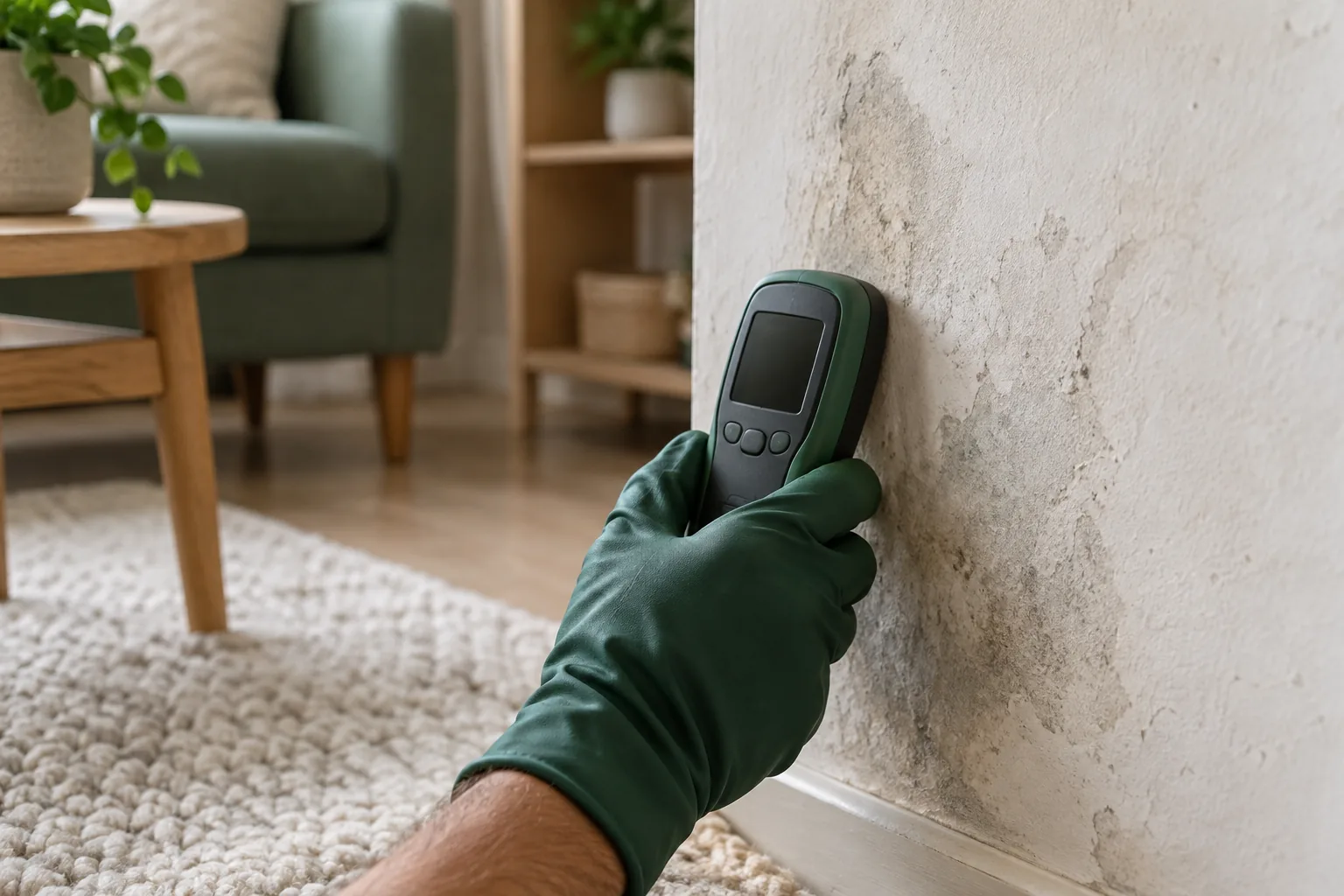
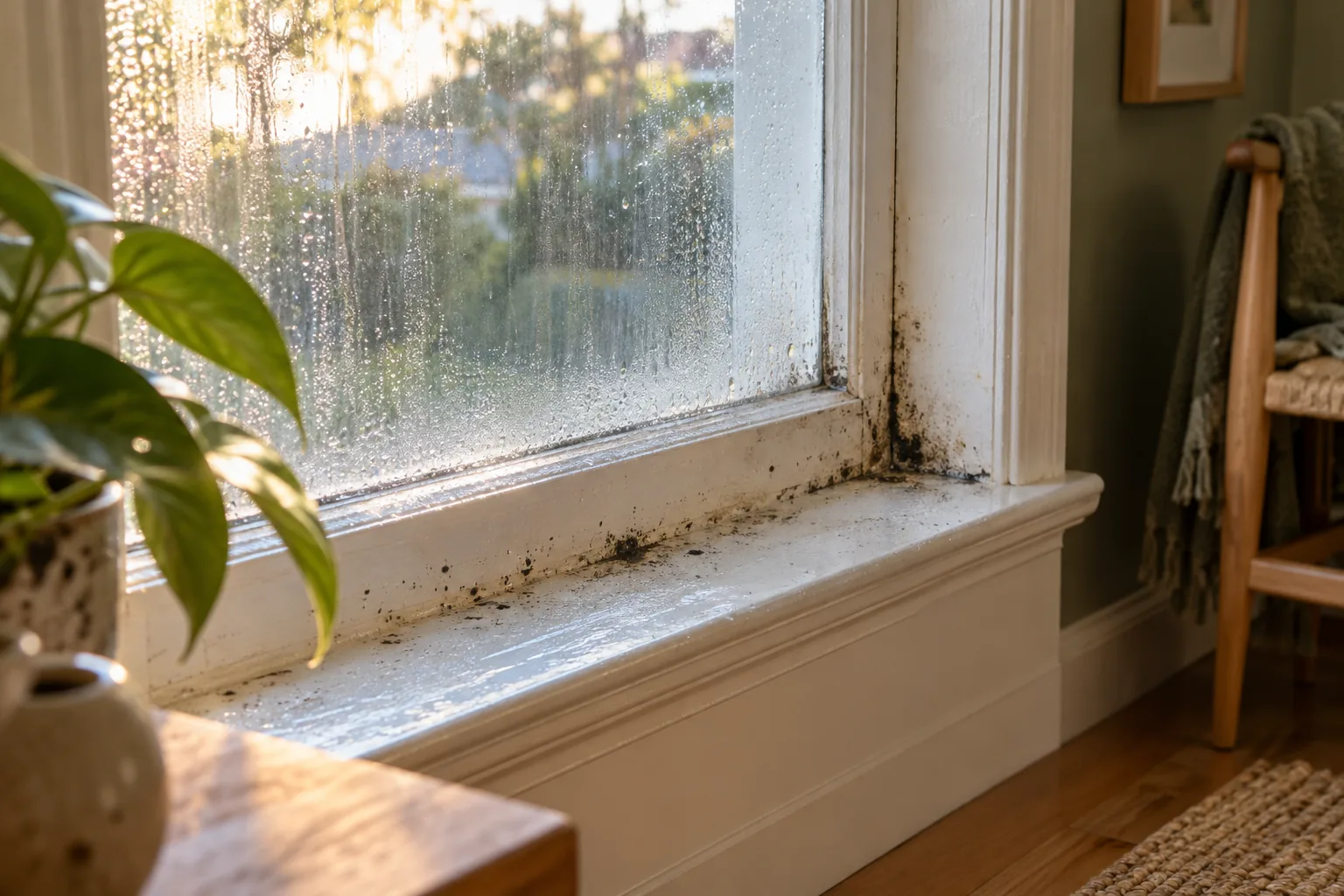
Describe the covering and damage
Paint, wallpaper and timber trim should be identified independently. Mention loose edges, peeling or soft lining without disturbing them. An appropriate approach to intact paint should not automatically be applied to a fragile covering or deteriorated material.
Keep an event chronology
Note when the marks appeared, when furniture moved and what repairs are confirmed. A clear sequence helps formulate questions even if no source is known. Avoid assuming the city label or the age of the room explains its moisture behaviour. Where the table is normally extended across the room, describe the space in its ordinary arrangement and the smaller arrangement available for preparation. That makes the access discussion more accurate than a photograph taken before furniture returns.
A CONNECTED PROCESS
A dining-room removal enquiry
Define the requested surfaces
Identify the accessible wall, ceiling and any hard floor concern. Describe covered sections and adjoining rooms before settling a boundary.
Plan furniture and contents
Discuss table or cabinet clearance with the household. Remove ordinary belongings through an agreed plan that does not leave the room entry blocked by stacked possessions.
Review surface suitability
Consider material condition and ongoing dampness. Unstable lining or damaged decoration may need another repair decision alongside removal from intact accessible surfaces.
Remove agreed growth
Physical removal, compatible treatment and HEPA filtration may form the method. Read about remediation preparation when the dining space connects openly to living areas.
Review before refurnishing
Discuss remaining stains and any source concern still needing attention. Ask for applicable room-use instructions and keep the relevant surface observable after furniture returns.
WHERE MOULD APPEARS
Dining-room details worth separating
Cabinet-side paint
A reachable strip may be treatable while the covered wall remains inaccessible. Explain the cabinet’s weight and whether it is fixed.
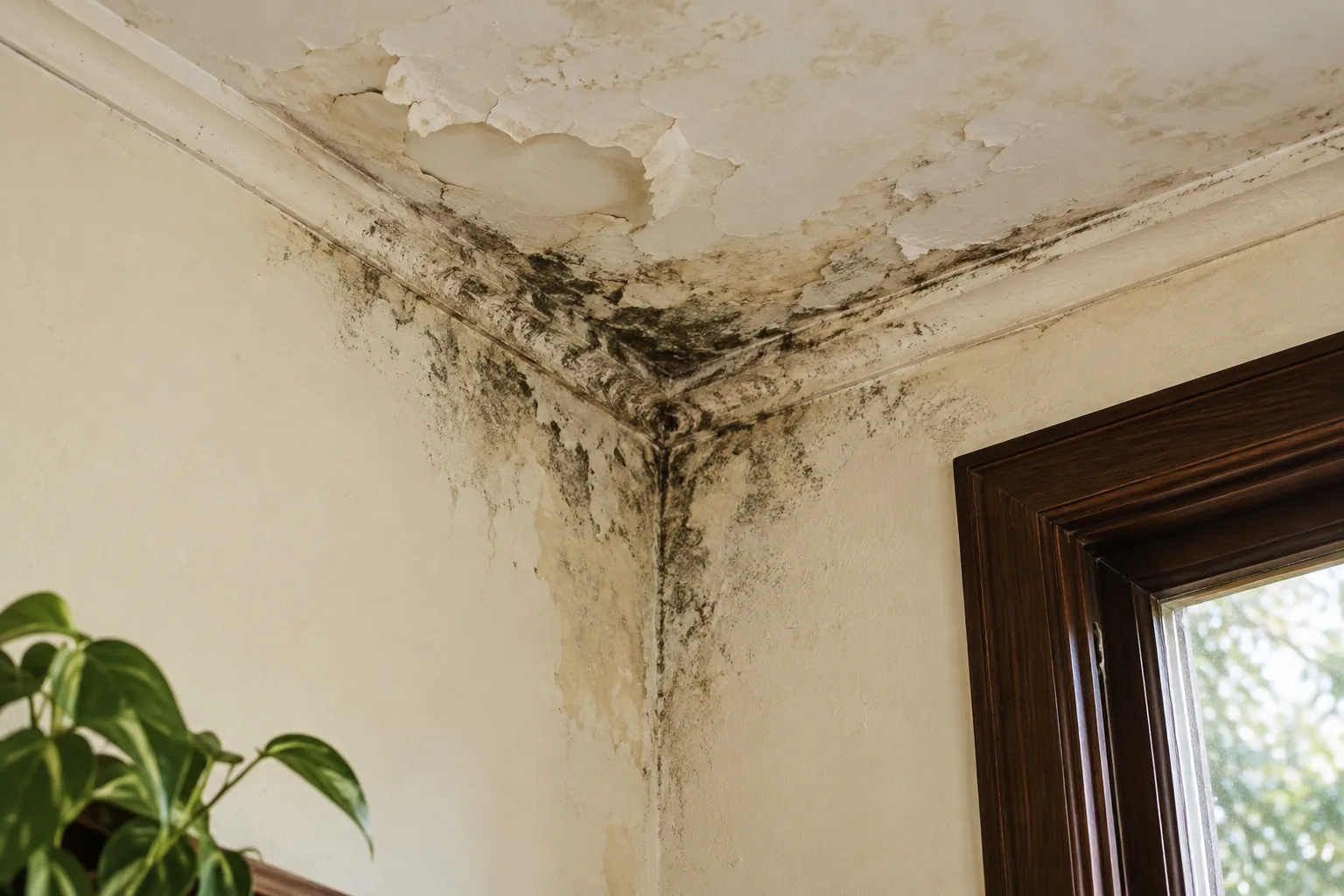
Ceiling around fixtures
Mention height and any observed water near fittings. Surface work does not inspect or repair electrical equipment.
Papered wall edges
Lifted or fragile coverings need material consideration. Cleaning is not a guarantee that damaged decoration can be retained.
Floor-wall junction
Describe the floor type and trim condition. A wet rug or swollen skirting is a separate concern from intact paint above it.
MAKE SPACE FOR DRYING
Keep changes visible before decorating
Retain photographs of wall and ceiling marks with dates of repairs or wet events. If fresh wetness appears, use that record with the appropriate building contact instead of repeatedly covering stains. A consistent history makes the next enquiry clearer.
After source and material questions are addressed, avoid pressing large cabinets against an area still being monitored. Manage ordinary household moisture and keep damp items away from paint. Accessible removal work can be planned alongside repairs and decorating without promising to restore every finish or prevent all recurrence.
MELTON & NEARBY
Melton and surrounding suburb names
Use the exact property address to distinguish the broader city from the locality and check availability. These nearby pages can help: Kurunjang, Brookfield, Rockbank.
QUESTIONS WORTH ASKING
Before the visit.
Is Melton the same address area as Melton South?
The council lists them as separate suburbs. Give the full street address so the enquiry identifies the actual property rather than the broader city name.
Can a dining ceiling be included with a wall?
Describe both requested surfaces and their condition. Inclusion needs an agreed accessible boundary and practical clearance.
Will you move the dining cabinet?
Explain its weight and whether it is fixed. Agree household preparation or another safe arrangement rather than assuming heavy furniture movement is included.
Does wallpaper need a different discussion?
Yes, the covering and condition matter. A method suitable for intact paint may not suit delicate or damaged paper.
Can treatment repair a loose ceiling edge?
No. Unstable lining or decoration needs a separate material decision. Surface removal does not restore damaged components.
Should we repaint before replacing furniture?
Resolve growth, moisture and material questions first, then follow the applicable instructions. Avoid concealing an unresolved condition behind paint or furniture.
START WITH YOUR ROOM
Describe the dining-room arrangement
Call 03 8652 1296 with the Melton street address and wall-and-ceiling photographs. Mention furniture constraints, delicate coverings and known repairs so suitable surface work and availability can be discussed clearly.
Useful references: Melton City Council — suburb boundaries