
ROCKBANK · MELBOURNE
Mould Removal Rockbank
Mould noticed after rearranging or furnishing a room needs a factual surface enquiry rather than an assumption about the home’s age. For Rockbank, describe the affected paint, furniture position and any observed dampness. We can discuss accessible walls, ceilings or floors and check the property address, while separating contents, damaged materials and unresolved building faults from removal of suitable visible growth.
Furniture layout considered
Visible finishes reviewed
Moisture history clarified
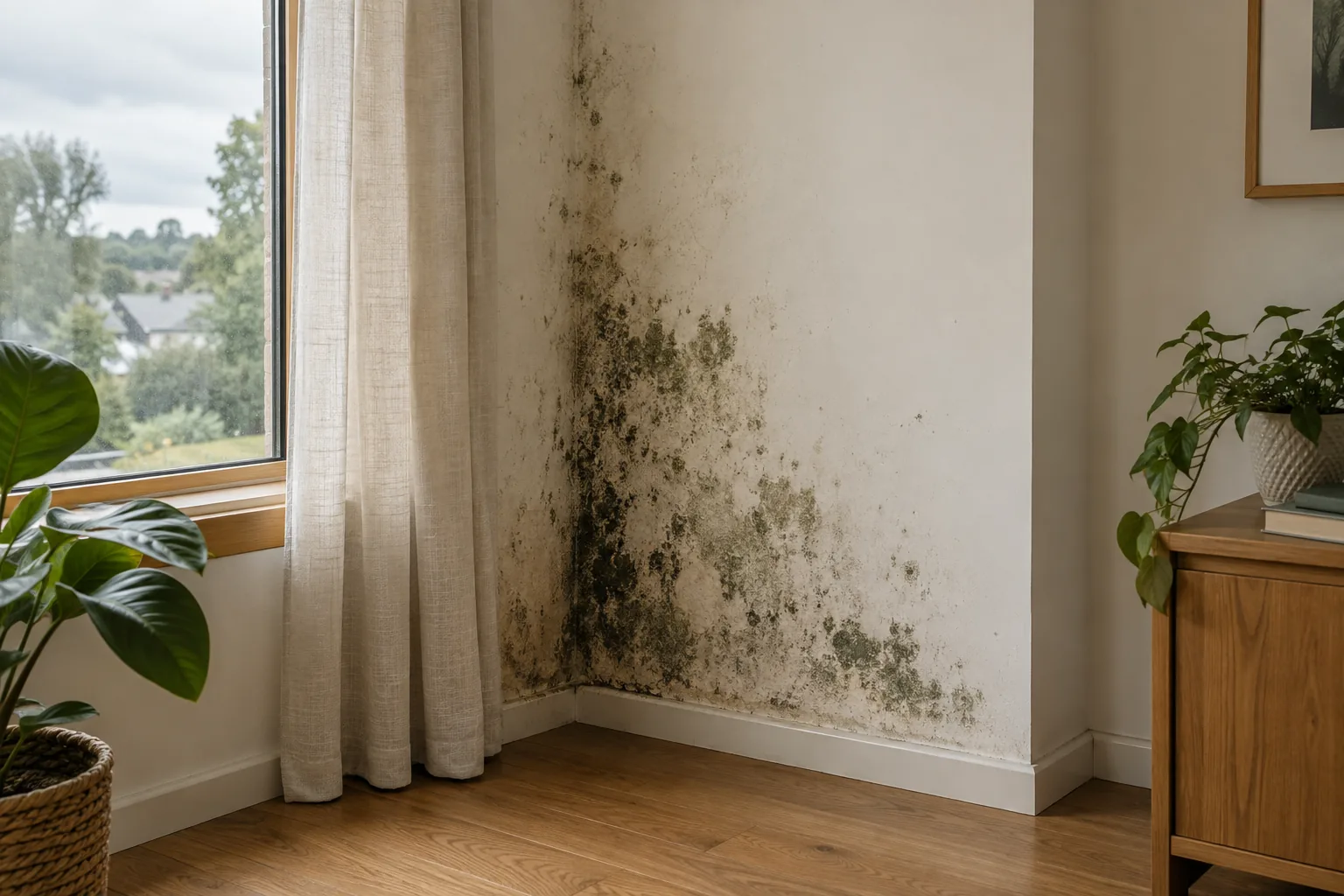

Rooms · Furniture · Paint
THE HOME, IN CONTEXT
Confirm the Rockbank suburb and address
Melton City Council includes Rockbank in its official suburb list and provides an address-based boundary check. Give the street and dwelling details when enquiring, particularly if an estate or development name is used informally for the home.
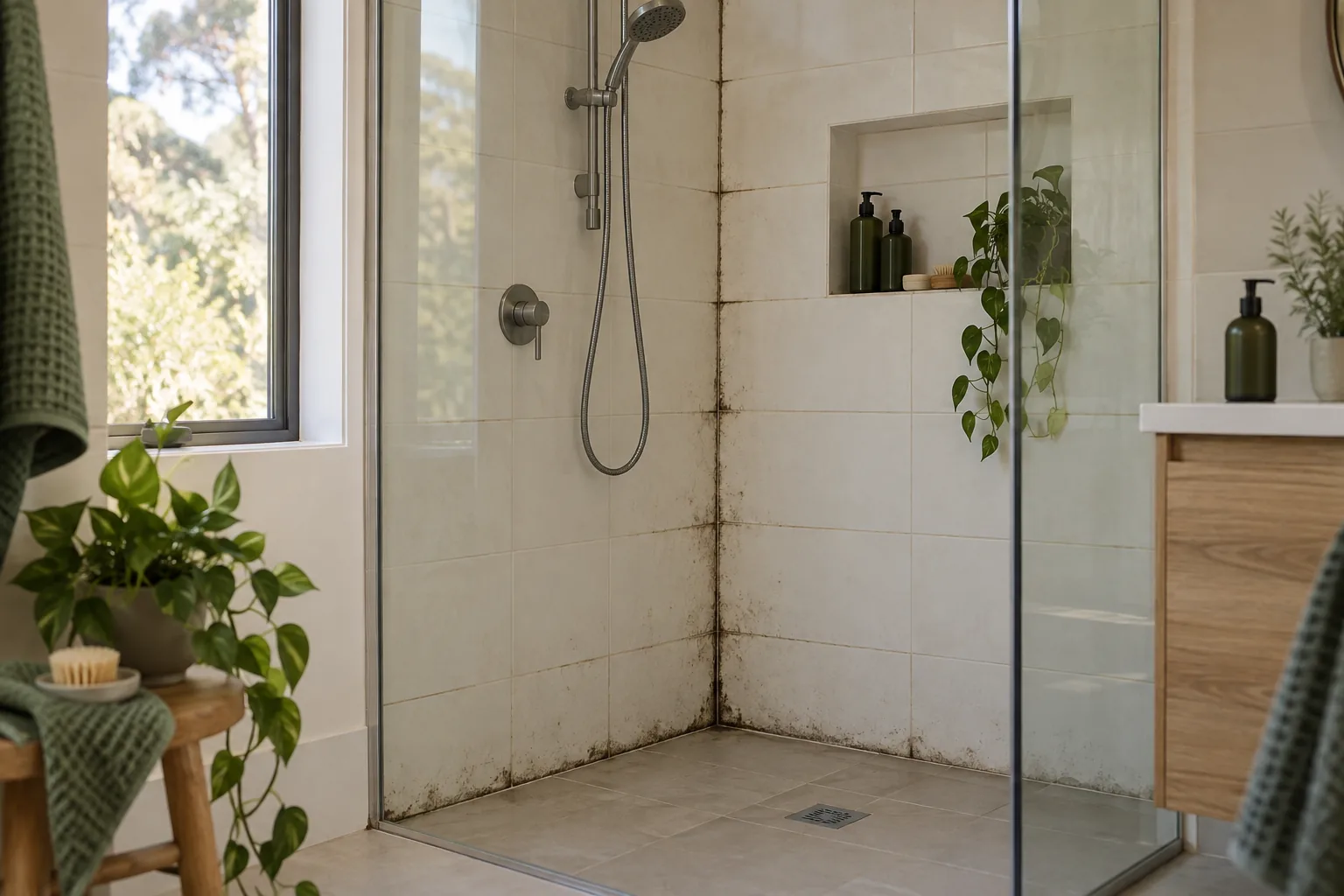
A patch revealed while furnishing
If moving a new wardrobe reveals marks on the wall, describe the paint and the period since the room was last checked. A furniture change provides timing, not proof that the furniture caused growth. Photograph the accessible surface before packing the room more tightly.
Do not infer building condition from age
Whether a home is recently occupied or long established, a visible patch still needs consideration of material and moisture. State any known repair, wet event or damaged finish directly. Avoid treating a new-looking interior as evidence that water entry or hidden damage is impossible.
INSPECTION & MOISTURE
Prepare a room-specific description
Use a doorway photograph to show the arrangement and a closer view for paint condition. Inspection advice can help when the patch coincides with fresh dampness or has returned after an earlier cosmetic clean.


Explain the actual construction you know
Mention painted plaster, timber trim or another visible covering without guessing what is concealed. Lifting paint, softened lining or swollen edges are relevant observations. Suitability depends on the surface rather than a broad label such as new home.
Record changes and known events
Note when furniture was moved, when growth was discovered and whether water had been seen earlier. A factual sequence is useful even where the source remains uncertain. Do not fill gaps with claims about a builder or a particular local housing pattern.
A CONNECTED PROCESS
A furnishing-stage surface enquiry
Identify the revealed patch
Describe the reachable wall and any adjoining ceiling or floor concern. Include covered portions as access limits rather than assuming the entire room has been assessed.
Plan safe furniture clearance
Discuss what the household can move and where it will go. Heavy wardrobes and connected fittings need a practical arrangement before the work area can be considered clear.
Review finish and dampness
Consider whether the material is intact and suitable for cleaning. Continuing water or deteriorated lining may require separate repair or replacement decisions.
Remove agreed growth
Physical removal, compatible treatment and HEPA filtration may form the method. Read about remediation preparation where a bedroom or living space needs defined occupant arrangements.
Review before final placement
Discuss staining and unresolved source questions before putting large furniture back. Follow applicable room-use instructions and preserve a way to observe the affected surface.
WHERE MOULD APPEARS
Furnished-room details to clarify
Wall behind a wardrobe
Identify reachable paint and fixed obstructions. A newly placed unit does not establish the condition behind every covered section.
Skirting beside furniture
Swelling or looseness may need a material decision. Cleaning the wall cannot restore a damaged trim.
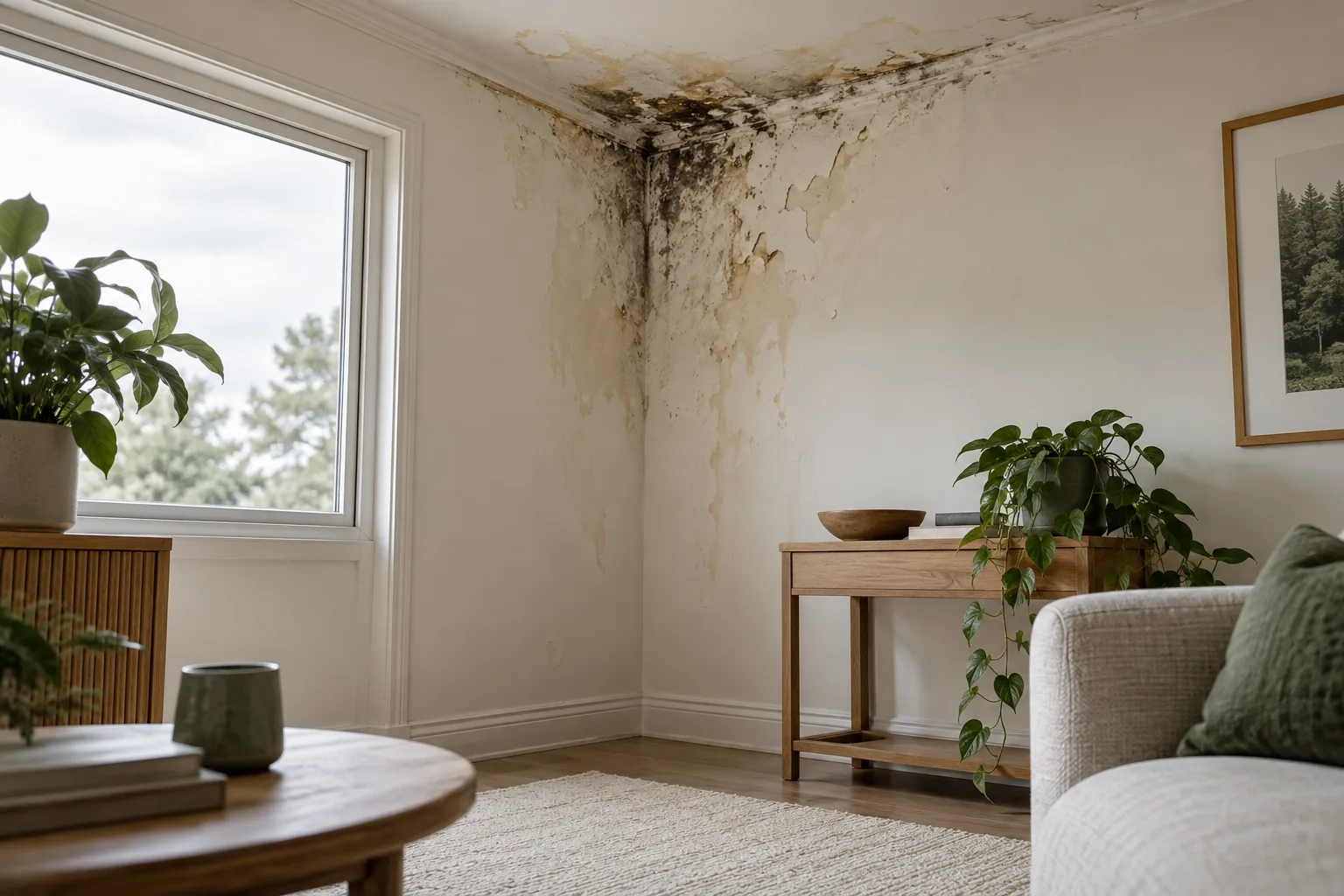
Ceiling marks above the patch
Show their relationship in a wider image. Position alone does not identify a leak or a room-moisture cause.
Soft household contents
Bedding and upholstered furniture are separate textile items. Do not assume their treatment is included with accessible surface removal.
MAKE SPACE FOR DRYING
Keep evidence while the layout changes
Save photographs before final furniture placement and record any known wet event or repair. If growth changes later, those images can help explain the sequence to the appropriate contact. Avoid repeatedly concealing the same damp corner behind a larger unit.
Use sensible household moisture routines and keep wet items away from painted finishes. Address continuing water-entry concerns through the relevant trade, regardless of the home’s apparent age. Accessible removal can be one stage alongside source and material decisions without guaranteeing future conditions.
ROCKBANK & NEARBY
Rockbank and neighbouring enquiries
Give the actual street address to check availability rather than relying on an estate name. These nearby pages provide surrounding location context: Caroline Springs, Melton, Kurunjang.
QUESTIONS WORTH ASKING
Before the visit.
Can a new-looking room still need assessment?
Yes. Appearance or building age does not settle moisture or material questions. Describe visible growth, dampness and known events for a practical enquiry.
Did moving furniture cause the mould?
A furniture change gives timing and access information, but does not prove the cause. Report what was observed before and after without assigning a diagnosis.
Should we finish installing the wardrobe first?
Discuss the affected wall before covering it. Fixed storage can limit access and hide changes while the source question remains unresolved.
Are mattresses included?
Mattresses are textile contents outside the stated accessible wall, ceiling and floor scope. Their handling needs a separate decision.
Can cleaning fix damaged skirting?
No. Surface removal cannot restore a swollen or deteriorated trim. Repair or replacement should be considered independently.
Does the estate name confirm availability?
Use the full property address and entry details. Appointment availability needs an address check rather than a development or suburb label alone.
START WITH YOUR ROOM
Discuss the room before covering the wall
Call 03 8652 1296 with the Rockbank address, furniture layout and photographs of the revealed finish. Mention wet events and fixed storage plans so suitable scope can be considered before access is lost.
Useful references: Melton City Council — suburb boundaries