
DIXONS CREEK · MELBOURNE
Mould Removal Dixons Creek
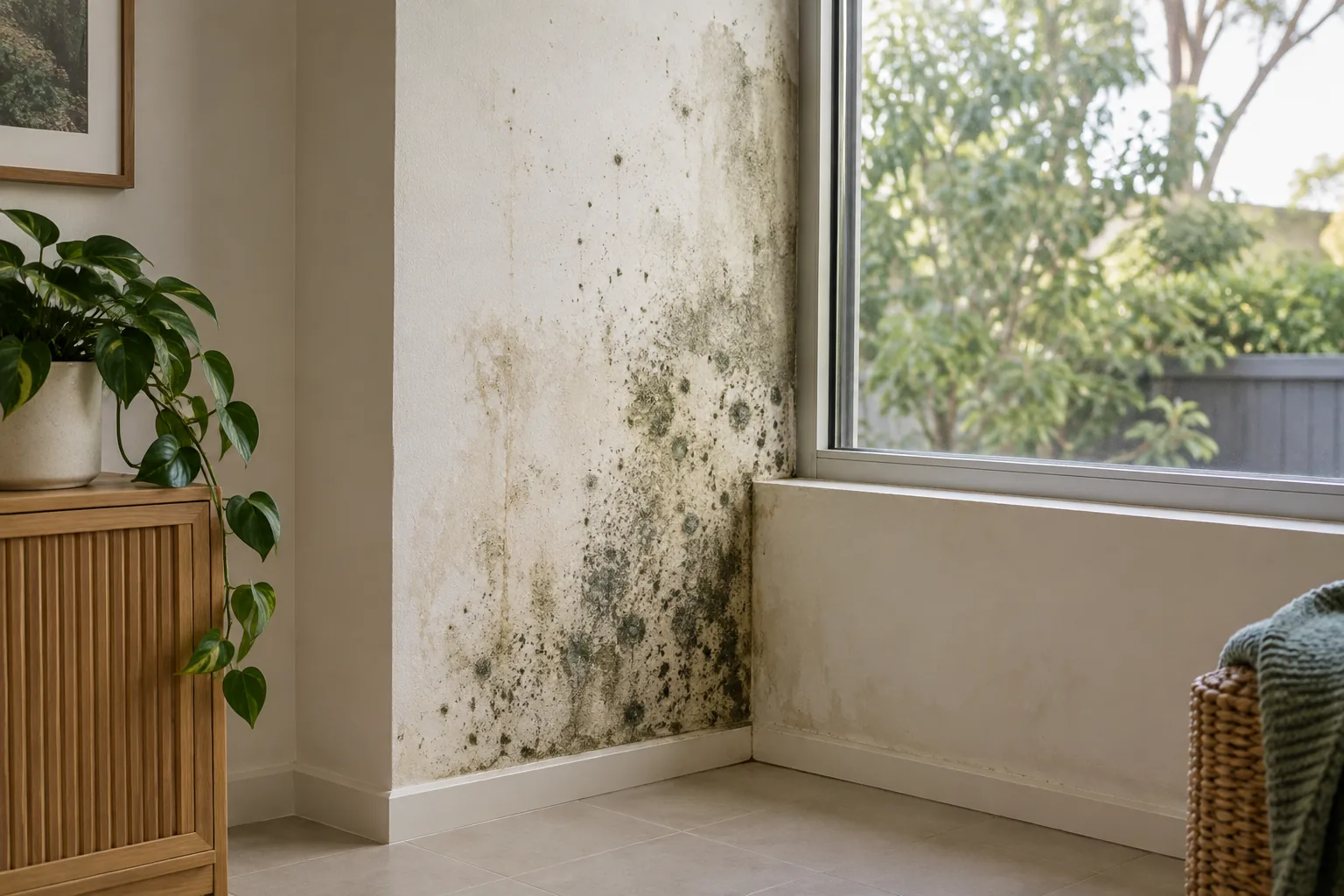
For a Dixons Creek room that has experienced water exposure, keep the event history alongside the present mould observations. A repaired connection, old ceiling stain and damaged floor can require different decisions. We can discuss accessible assessment and suitable surface treatment, practical preparation and appointment availability without treating a better appearance as proof that every affected material has recovered.
Water history considered
Sound-surface treatment scope
Separate repair decisions
Floors · Linings
THE HOME, IN CONTEXT
What happened after water entered?
Council includes Dixons Creek in its Ryrie ward locality description. Use the precise property address when enquiring, then explain the actual water event; the locality name is not evidence of flooding, a plumbing defect or any particular moisture cause.
Build a short event timeline
Record when water was observed, which rooms it reached and what repairs followed. Describe what is visible now separately. A room that was wet may have no current growth, while a marked surface may need further material assessment before a cleaning decision.
Keep recovery records useful
Bring relevant repair or drying information and any instructions from an insurer where applicable. A removal request should fit those records rather than replace the building assessment or imply that all exposed contents are included.
INSPECTION & MOISTURE
Check the material as well as the mark
The assessment should distinguish present growth, stable staining and material damage, then identify whether surface work is suitable now.

Look at changes after the event
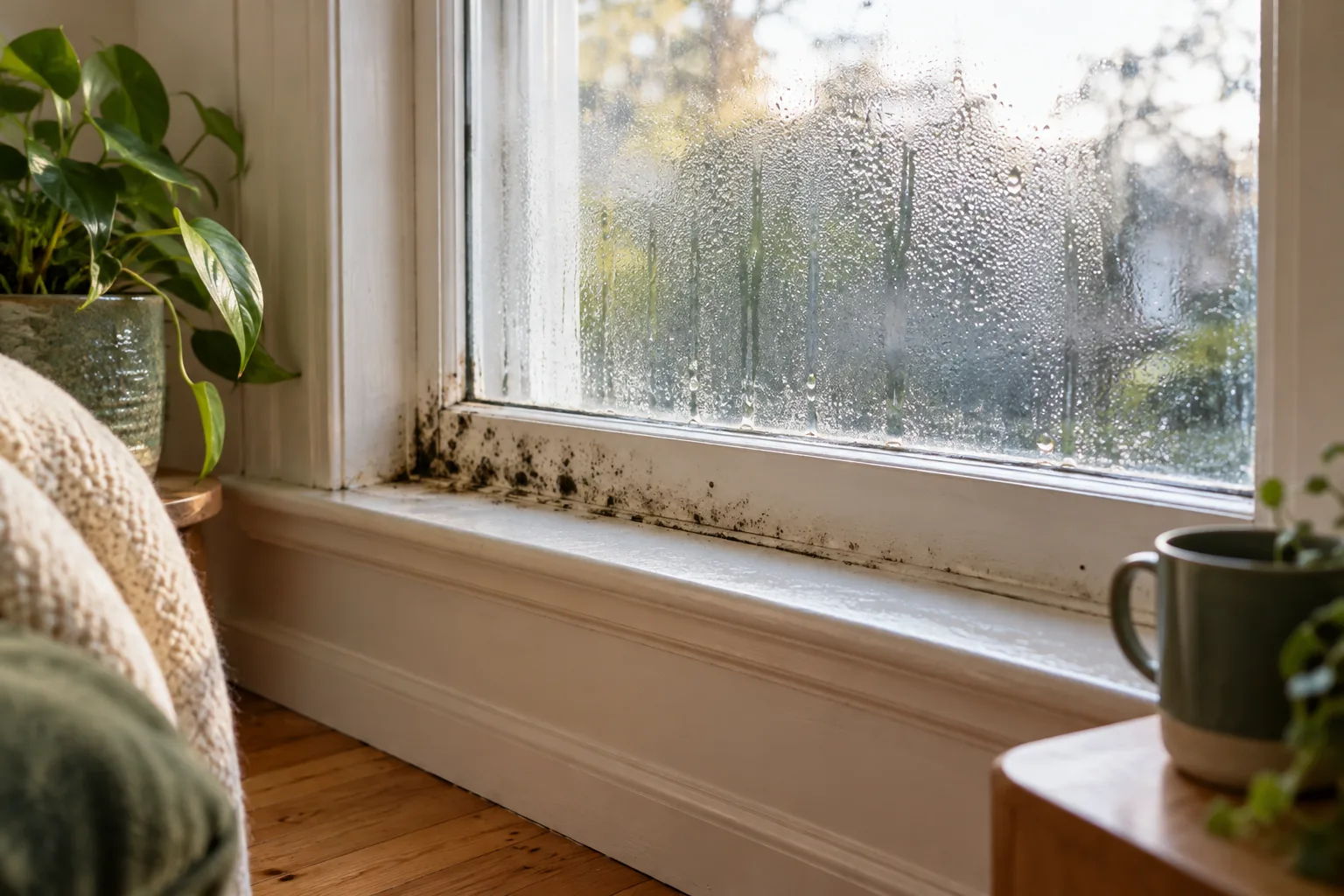
Explain whether the patch is stable, spreading or changing under the former trigger. A past normal reading does not establish every current material condition. Avoid opening lining or disposing of relevant items merely to simplify a preliminary enquiry.
Choose the right investigation
Discuss inspection if present observations do not align with the repair record. Ask which accessible findings inform treatment and what needs a building or plumbing professional. If insurance is involved, clarify the relevant work instructions before substantial disturbance or disposal.
A CONNECTED PROCESS
A work plan for the affected surfaces
Assess material suitability
Review accessible walls, ceilings and hard floors individually after water exposure. Weak lining or swollen panels may require another decision. Textiles are excluded, and the fact that a room became wet does not make every surface suitable for the same removal method.
Agree recovery-area preparation
Identify belongings, fixed fittings and any repair restrictions that affect access. Suitable PPE and protection should support the task actually agreed. Keep responsibilities clear so preparation does not contradict existing recovery instructions or silently include replacement of damaged materials.
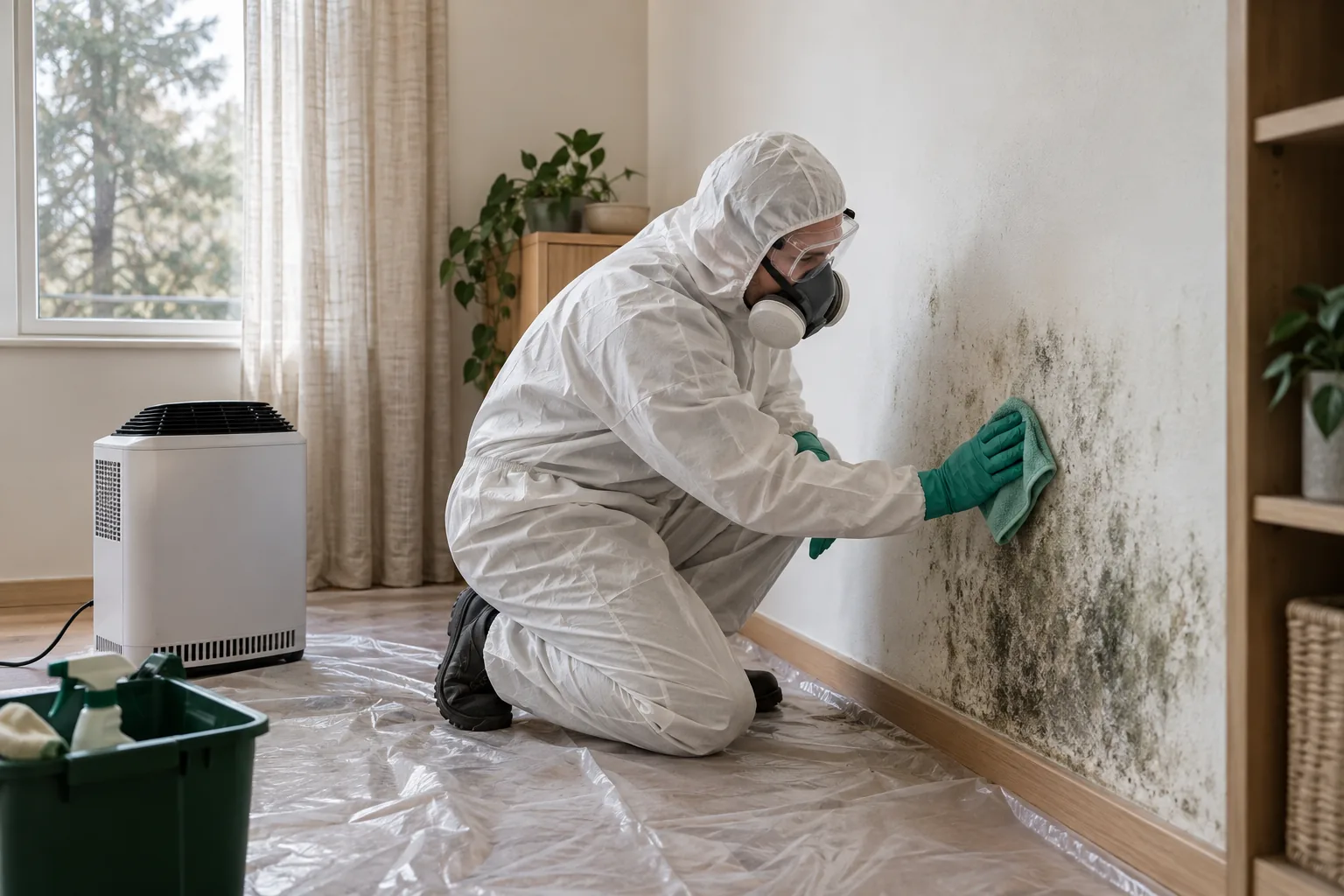
Set up controlled surface work
Discuss HEPA filtration and the reachable work area. Additional cavity opening, plumbing work or material disposal needs separate arrangements. The accessible scope should acknowledge hidden layers rather than assume preparation reveals everything the water event affected.
Remove appropriate visible growth
Physical removal and material-suitable treatment address supported sound surfaces. The remediation discussion may identify replacement or further assessment needs. Cleaning cannot reverse swelling, repair the water source or certify all concealed materials are dry.
Review recovery tasks distinctly
Explain what staining remains, which materials were excluded and what further work is required. Keep the event timeline for later comparisons. Recurrence remains possible where the source or material condition is unresolved, even when the treated surface looks improved.
WHERE MOULD APPEARS
Give each surface its own description
Bathroom
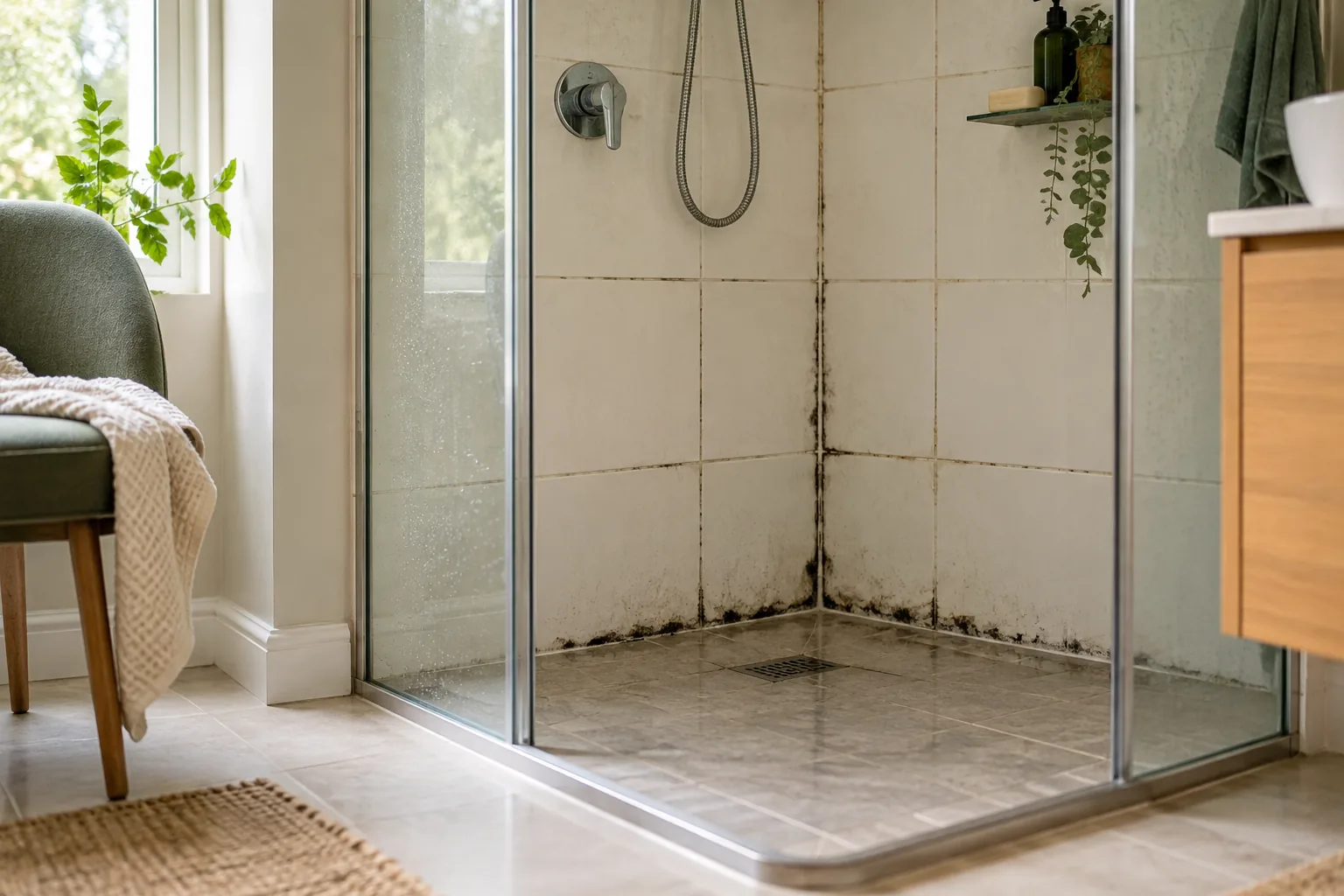
State whether water escaped from a known fitting or whether the bathroom has another growth pattern. Do not merge unrelated observations.
Wall lining
Describe paint changes and material deterioration alongside the event dates. A stain may remain after the source is repaired.
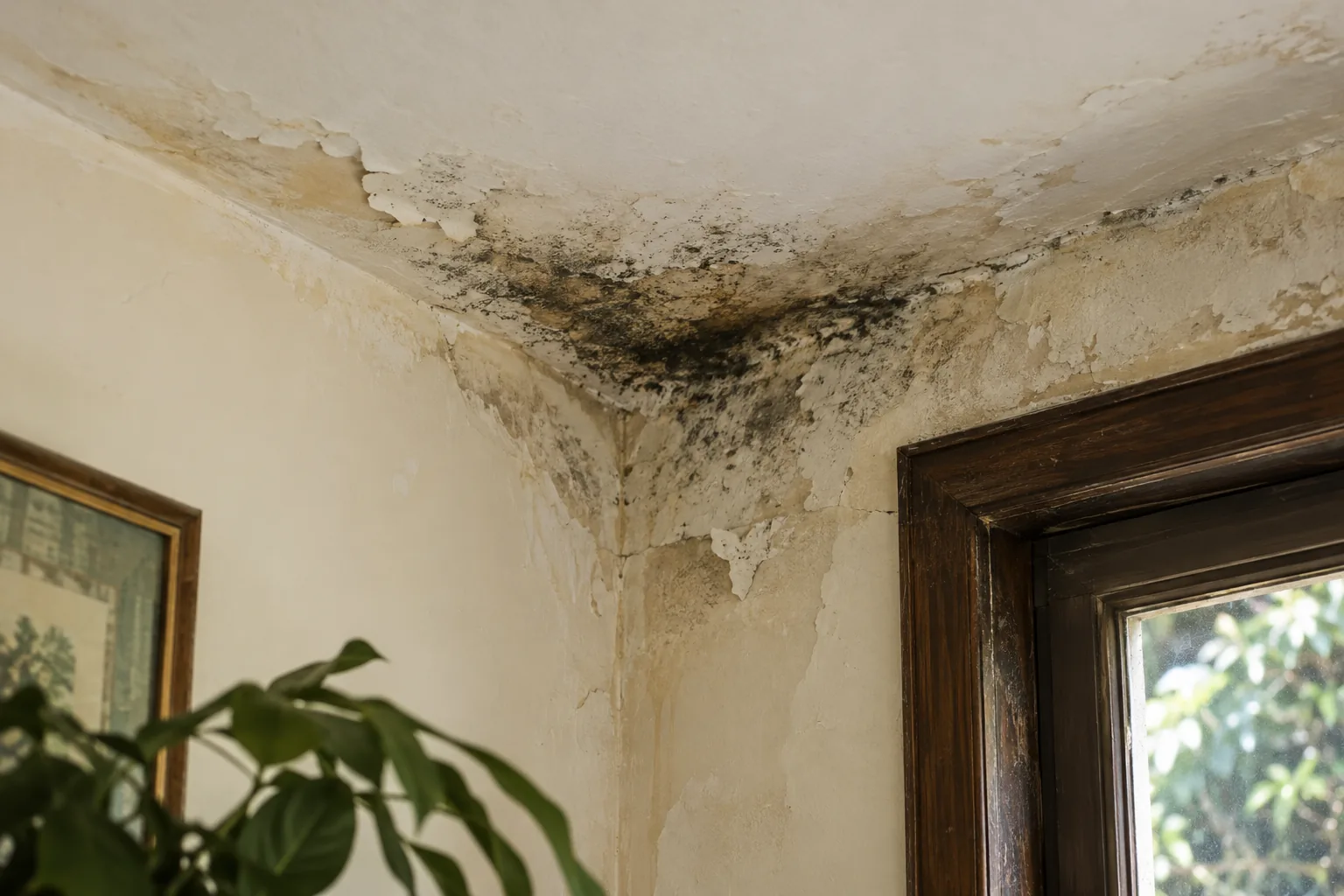
Ceiling
Give the patch location and safe access information. Weak or unstable material needs appropriate assessment before treatment.
Hard floor
Name the finish and exposure history. Carpet, rugs and hidden substrate questions belong in separate handling or investigation decisions.
MAKE SPACE FOR DRYING
Keep the source and the surface in view
After repairs and treatment, monitor the original affected locations when normal room use or the former trigger occurs again. Keep dated photographs and repair details together rather than judging recovery solely from the cleanest-looking surface.
Address the source actually identified through the appropriate trade or maintenance work. Ventilation can support suitable room conditions, but it does not repair a leak or restore damaged material. Cosmetic finishing should not hide a continuing recovery question. Keep any available drying or repair records with the photographs. Distinguish a measured observation from a statement that the room looked dry. That difference helps the next professional understand what was checked and which material questions remain open.
DIXONS CREEK & NEARBY
Nearby location guides
These neighbouring guides concern separate addresses; keep their water history distinct rather than transferring one property’s event assumptions: Steels Creek, Chum Creek, Tarrawarra.
QUESTIONS WORTH ASKING
Before the visit.
Does a remaining stain mean the repair failed?
Not necessarily. Stable discoloration and new moisture changes need to be distinguished through the relevant history and assessment.
Can water-damaged panels be restored by cleaning?
Treatment does not reverse swelling or weakened material. Repair or replacement may need a separate scope.
Should I mention an insurance claim?
Yes, if relevant to the affected room. Work instructions and recovery records help coordinate the next decision.
Does treatment prove every hidden layer is dry?
No. Accessible surface work cannot establish the condition of all concealed building materials.
Are wet carpets included?
Textiles are excluded from the stated surface service and require separate consideration.
How can Dixons Creek availability be checked?
Call with the address, event timeline and current accessible condition before arranging an appropriate appointment.
START WITH YOUR ROOM
Talk through the room in Dixons Creek
Call 03 8652 1296 with the address, affected rooms and relevant repair records. We can discuss present assessment needs, suitable surface work and preparation before confirming availability.
Useful references: Yarra Ranges — council locality information