
NANGANA · MELBOURNE
Mould Removal Nangana
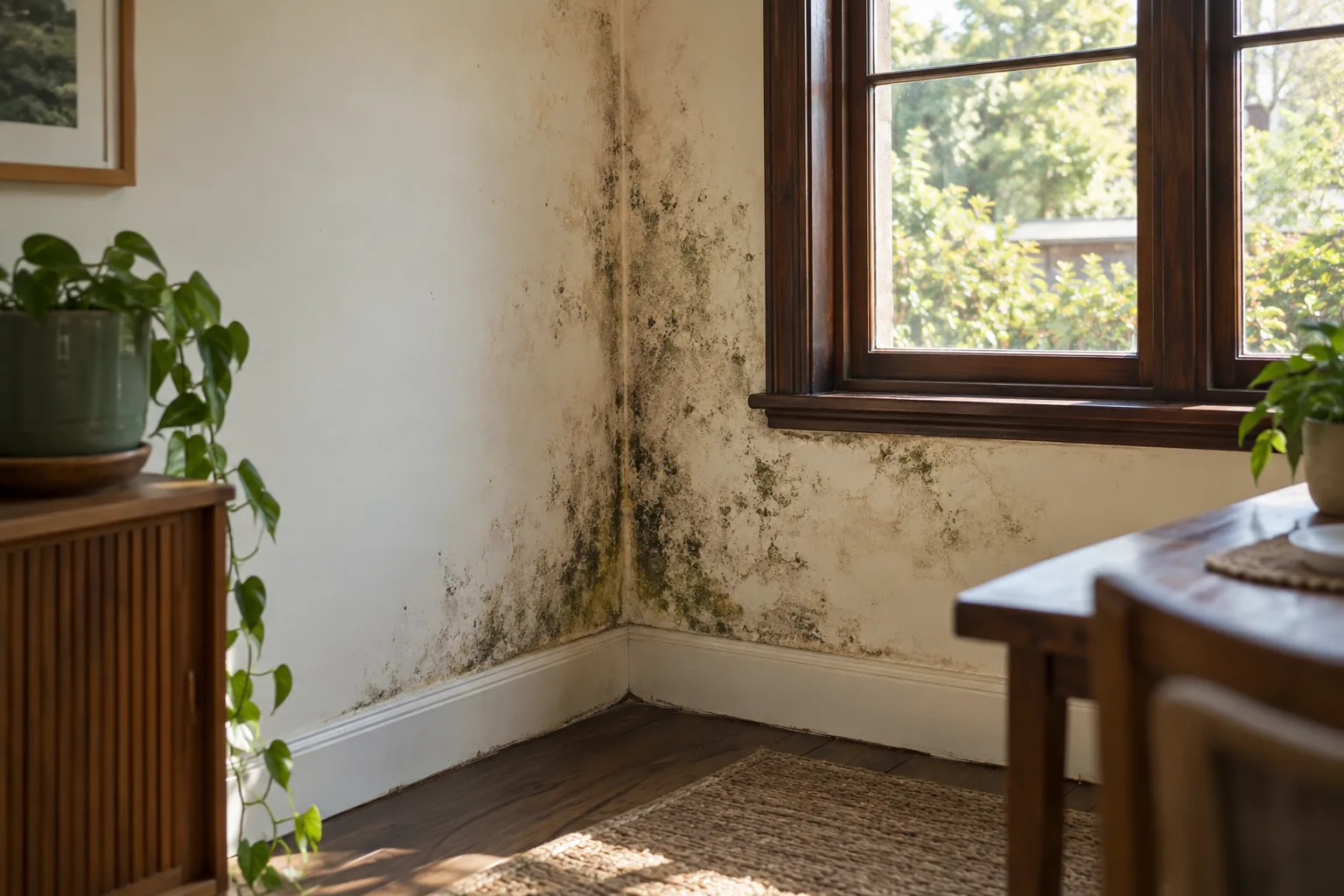
A Nangana mould enquiry is more useful when it identifies who can provide access and what can be reached in the affected room. An owner, occupant or property contact may hold different information about repairs. We can discuss visible assessment and appropriate removal, preparation responsibilities and address availability without assuming entry authority or that every concealed surface belongs in the initial scope.
Access authority clarified
Defined visible work
Preparation agreed in advance
Rooms · Access
THE HOME, IN CONTEXT
Agree who can provide room access
Cardinia lists Nangana in northern Green Wedge planning information. Supply the full property address and relevant room contact, then describe actual access; the locality listing does not authorise entry or establish how a particular building is arranged.
Bring the room information together
Use dated photographs and the occupant’s actual observations, alongside any repair information held by the owner. Keep uncertain details identified as uncertain. A clear shared description avoids several people requesting different surfaces under one broad instruction.
Identify fixed and private areas
Explain cupboards, furniture and rooms that need separate access approval. A removal scope should describe reachable surfaces rather than assume a meeting contact can authorise opening linings or treating every private room and belonging.
INSPECTION & MOISTURE
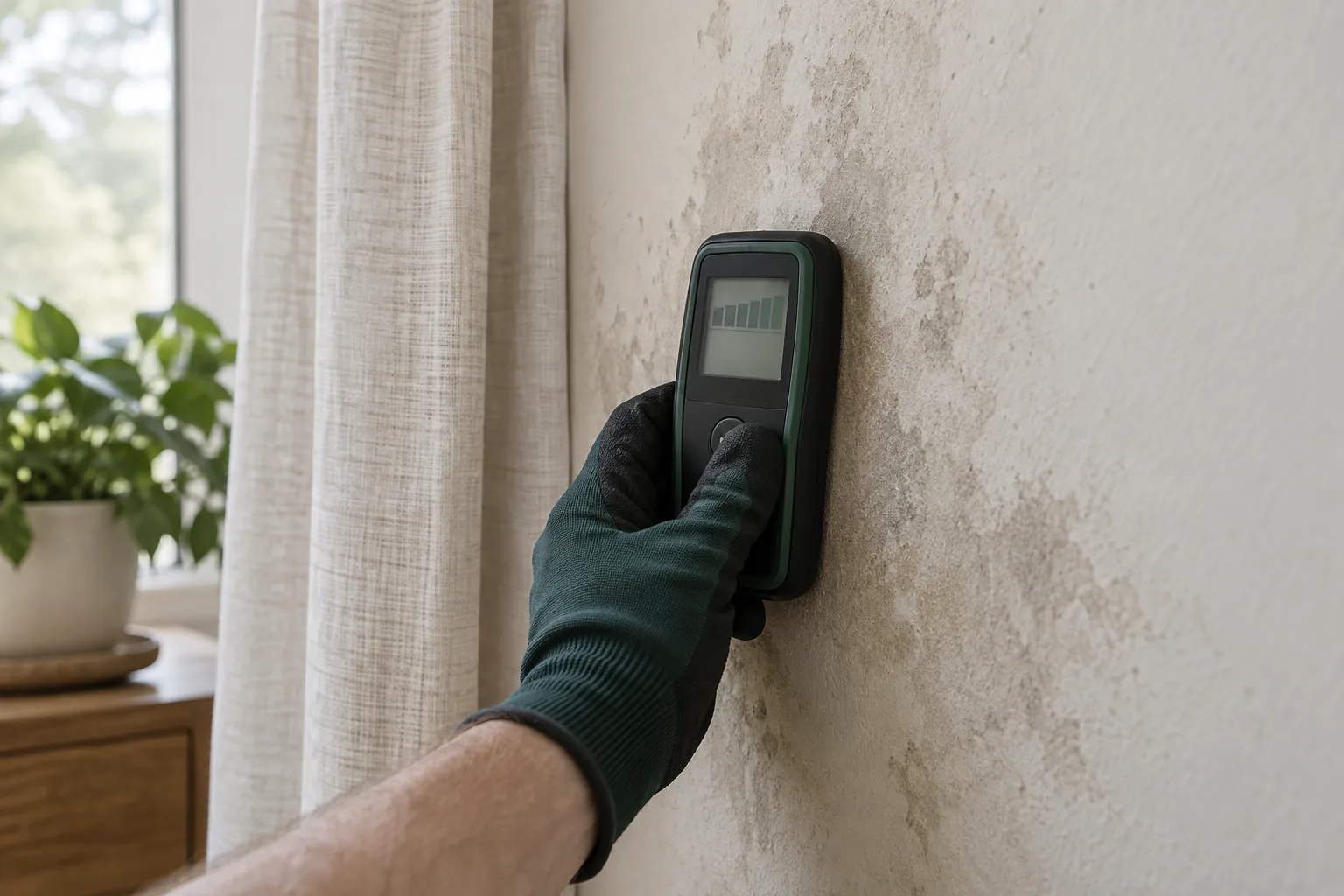
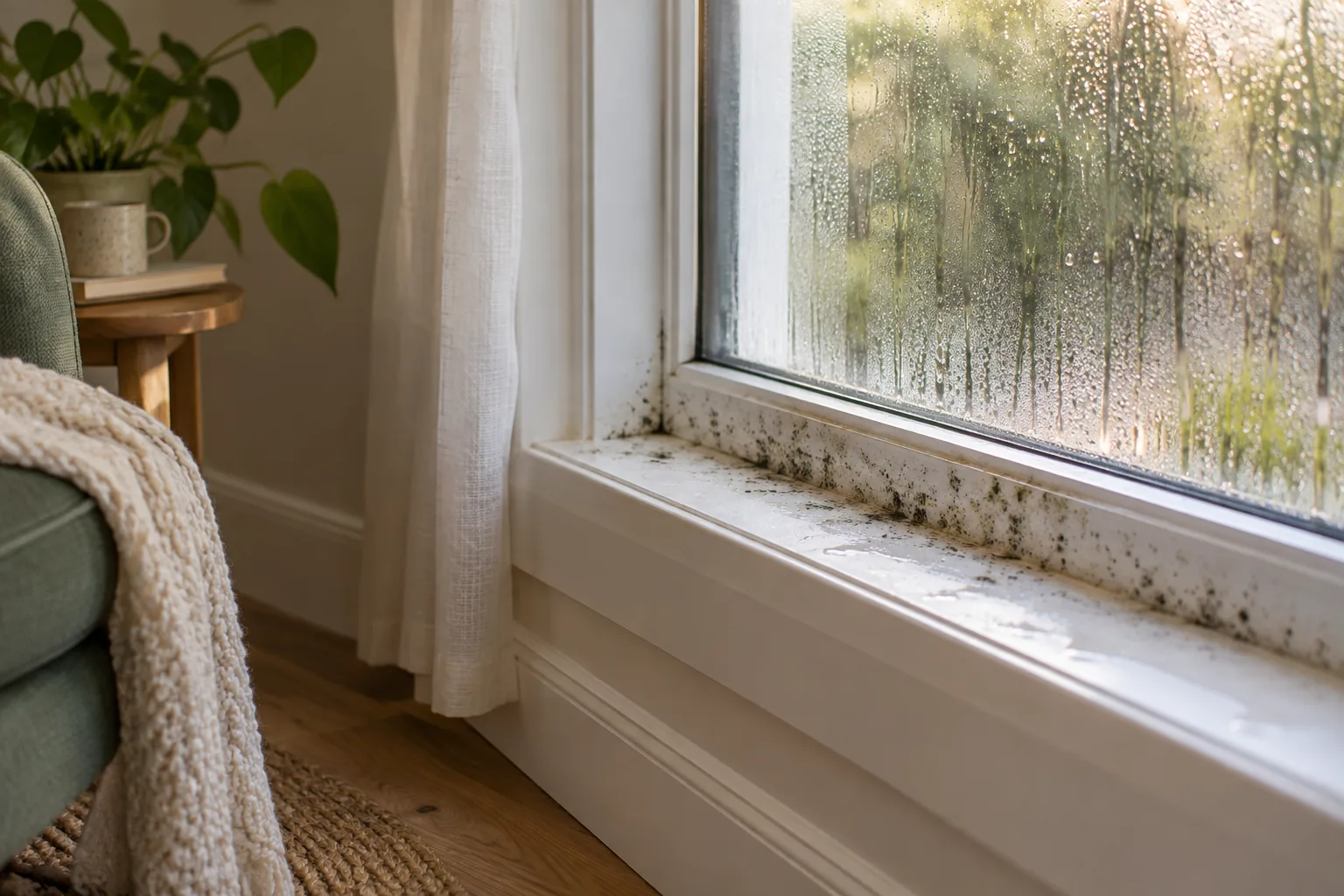
Assess the areas that can actually be entered
Access planning should support assessment of the material and moisture source, not replace those questions with a simple permission to clean.
Use actual repair records
Ask for the relevant dates and work descriptions if the source is unclear. A message that a leak was fixed may not say what changed in the affected room. Describe present growth, staining and deterioration separately without deciding responsibility from the information gap.
Set the inspection purpose
Discuss inspection where accessible evidence or cause needs clarification. Ask what can be observed with current approval and what requires another trade or access decision. Ensure the person meeting the technician understands the room list and can explain what remains outside the agreed visit.
A CONNECTED PROCESS
A work plan for the affected surfaces
Confirm authorised surfaces
Agree visible walls, ceilings and appropriate hard floors against the room record and material condition. Textiles are excluded. An authorised entry to the building should not be interpreted as unrestricted permission for invasive work or treatment of every stored item.
Agree who prepares belongings
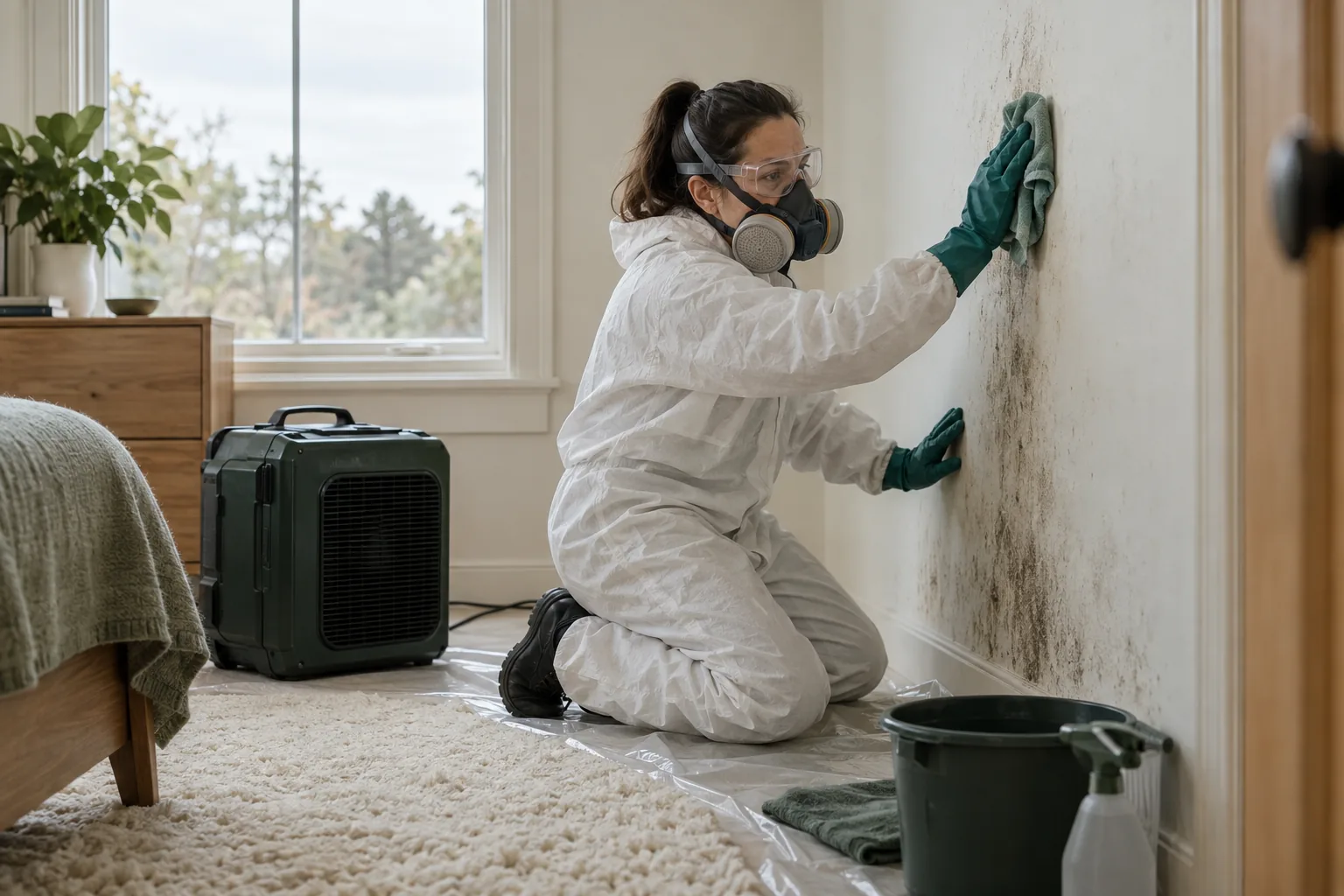
Confirm entry arrangements and furniture responsibilities with the appropriate contact. Suitable PPE and protection should fit the chosen task. Give preparation information to the person who will act on it, rather than relying on instructions being passed between several people inaccurately.
Organise the accessible work area
Discuss HEPA filtration and reach around known fittings. Heavy equipment movement, connections and cavity opening require separate arrangements where needed. Clearly record limits so the practical work does not depend on access that nobody has agreed.
Treat suitable visible material
Physical removal and appropriate treatment follow assessment. The remediation discussion can identify damage or further source work separately. Cleaning cannot settle responsibility questions, repair the building or certify conditions in areas that were never accessed.
Share the next actions clearly
Review staining, excluded surfaces and outstanding repairs with the agreed contact. Keep later observations linked to the same room description. Recurrence is possible under continuing damp conditions, so an improved appearance should not close an unresolved maintenance question automatically.
WHERE MOULD APPEARS
Give each surface its own description
Bathroom
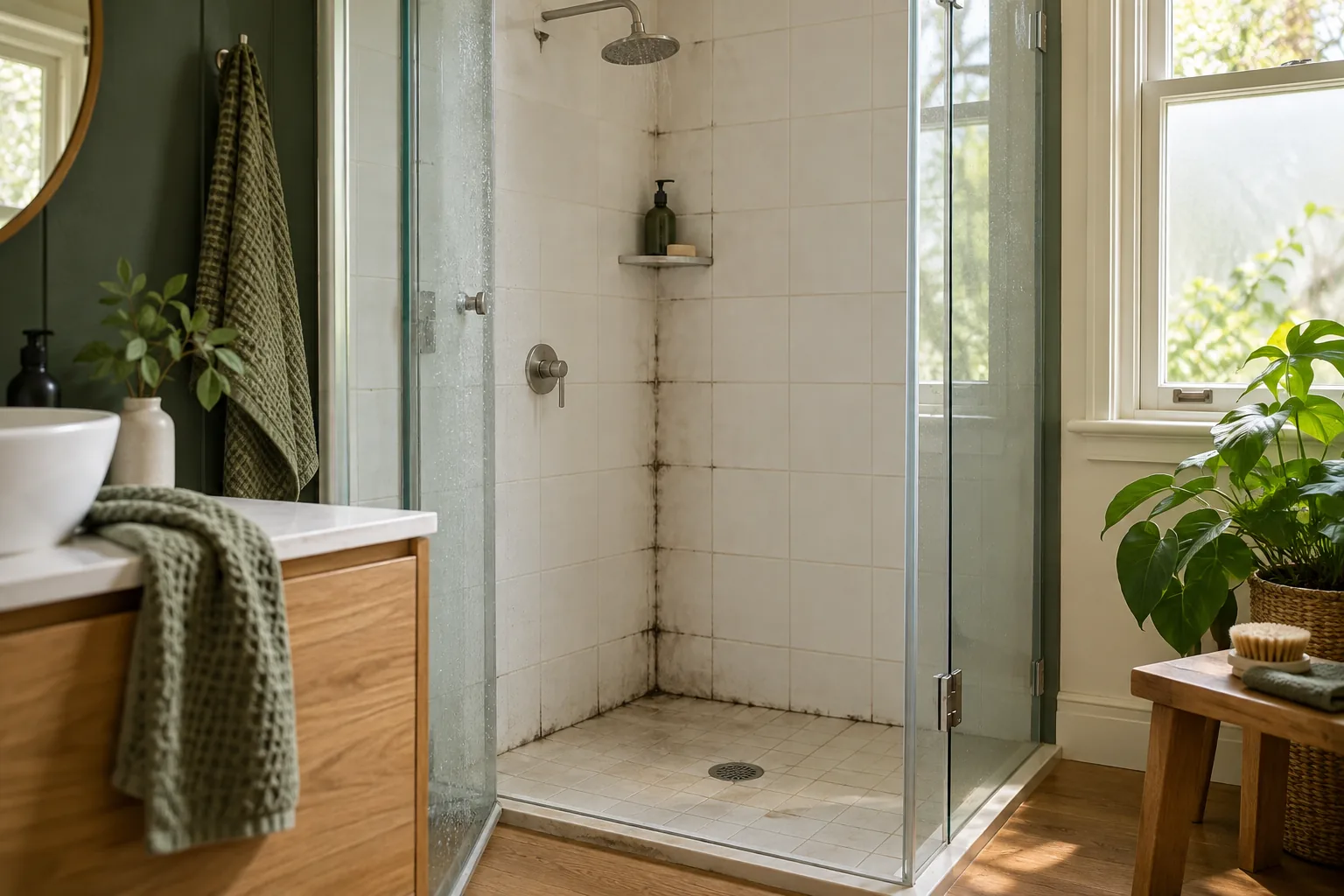
Describe extraction, joints and ceiling condition as actual surfaces. A room name alone does not specify the task.
Bedroom wall
Show the furniture layout and paint state. Private-room entry and treatment access should be agreed beforehand.
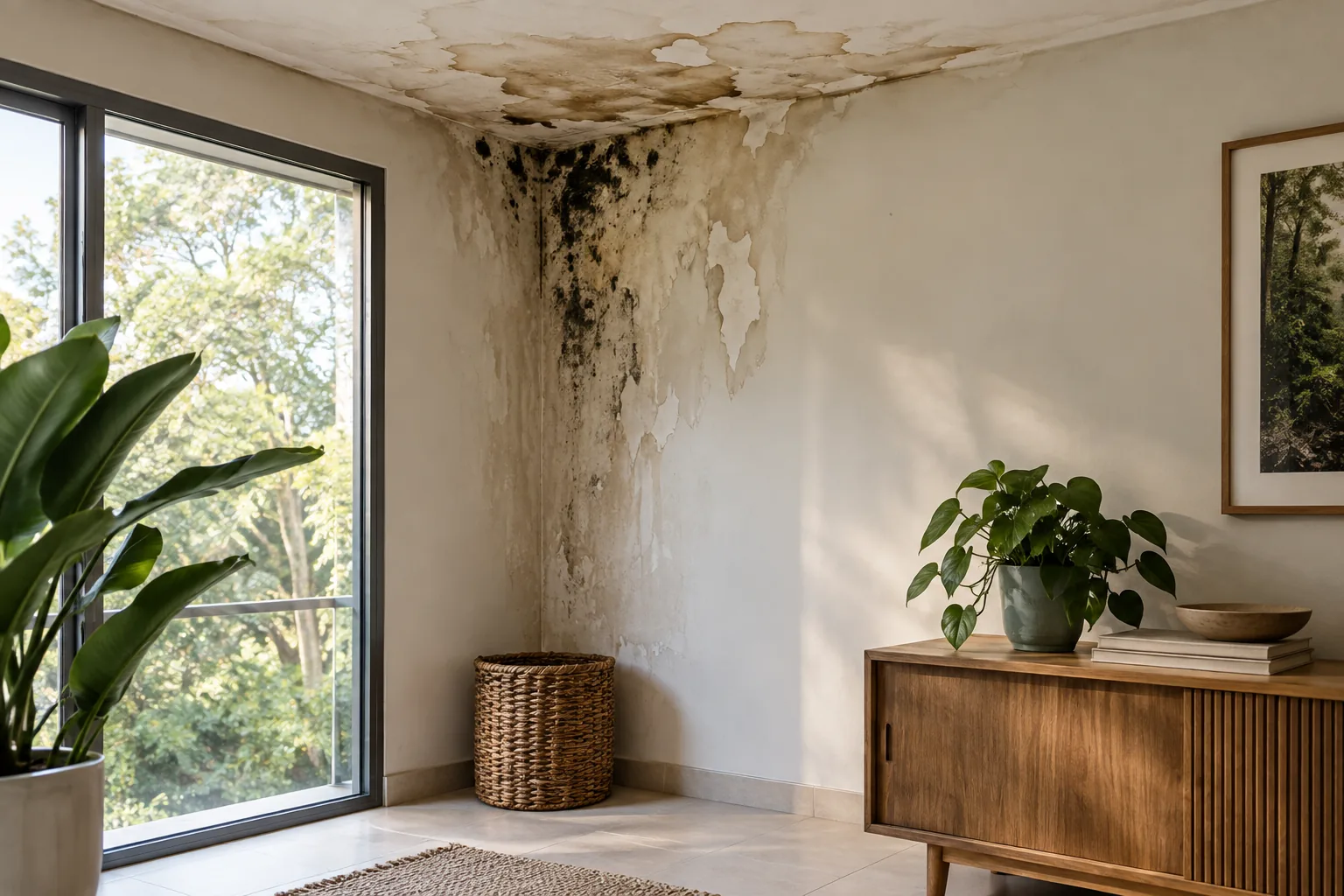
Ceiling
Provide height, lining integrity and known leak history. Any further cavity access needs its own decision.
Hard floor
Identify finish and water exposure. Carpets, rugs and other textiles remain separate from the stated surface service.
MAKE SPACE FOR DRYING
Keep the source and the surface in view
After identified repairs and treatment, agree who checks the former patches and how changed observations reach the maintenance contact. A simple dated record is more useful than separate messages using different names for the same room.
Maintain relevant ventilation and arrange source repairs through the appropriate party. Surface removal and property administration have different roles. If a concern returns, review the actual conditions and repair history rather than assuming an approval message or earlier clean resolved every cause. Where someone else holds a key, settle that arrangement before confirming a visit. Identify areas that remain private or unavailable. Permission to enter one room does not extend the scope to every closed cupboard, and an access limit should be recorded rather than interpreted as evidence about concealed conditions.
NANGANA & NEARBY
Nearby location guides
For an enquiry at another nearby address, these guides help keep the property contact and room approval arrangements specific: Macclesfield, Yellingbo, Avonsleigh.
QUESTIONS WORTH ASKING
Before the visit.
Does a person providing entry approve every task?
Do not assume so. Confirm the appropriate authority and specific scope before work or additional access is arranged.
Can several contacts provide repair information?
Yes, bring the relevant records together while keeping unknown or conflicting details clearly identified.
Will inspection decide who is responsible?
It informs accessible observations and next steps, not a determination of property or legal responsibility.
Can fixed cupboards be opened automatically?
No invasive access should be assumed. Discuss approval, suitability and the relevant professional work separately.
Are personal fabrics included?
Textiles are excluded from the stated surface scope and need their own handling discussion.
What is needed for a Nangana appointment?
The address, authorised contact, room record and actual access restrictions help confirm suitable availability.
START WITH YOUR ROOM
Talk through the room in Nangana
Call 03 8652 1296 with the address and appropriate room contact. We can discuss assessment, accessible treatment and preparation responsibilities before confirming appointment availability.
Useful references: Cardinia — northern Green Wedge localities