
MACCLESFIELD · MELBOURNE
Mould Removal Macclesfield
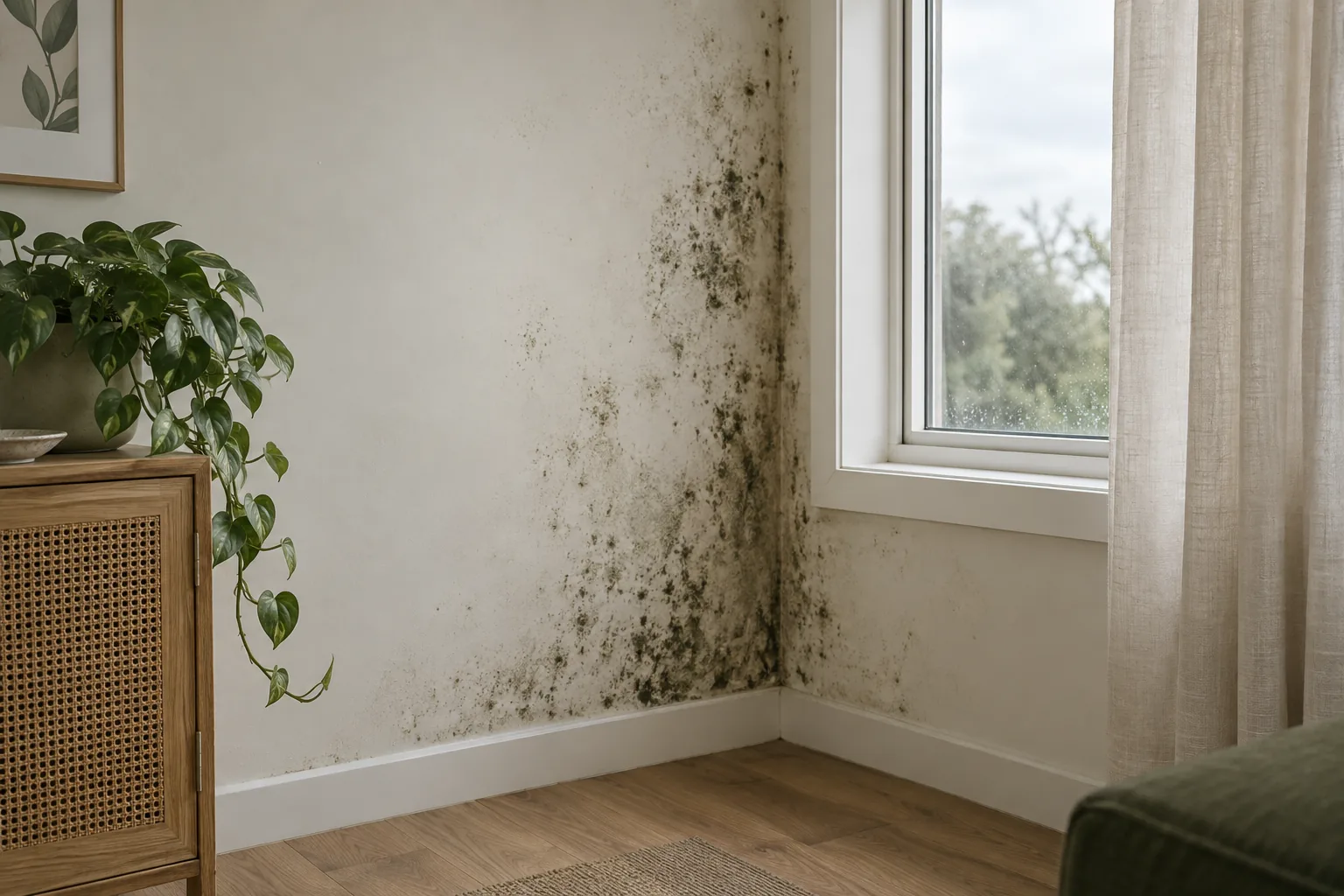
For a Macclesfield bathroom adjoining storage, describe both sides of the room boundary where visible. A cupboard panel, bathroom lining and stored fabrics require different decisions. We can discuss accessible assessment, suitable removal and preparation, then confirm availability for the address without treating an emptied cupboard as proof that every concealed material is dry or suitable for cleaning.
Connected rooms described
Cupboard materials distinguished
Belongings preparation clear

Cupboards · Walls
THE HOME, IN CONTEXT
Look at both sides of the wet-room wall
Council includes Macclesfield within its Chandler ward locality information. Give the property address and actual bathroom-storage layout when enquiring; the regional reference does not imply that all local homes share that arrangement or a particular moisture problem.
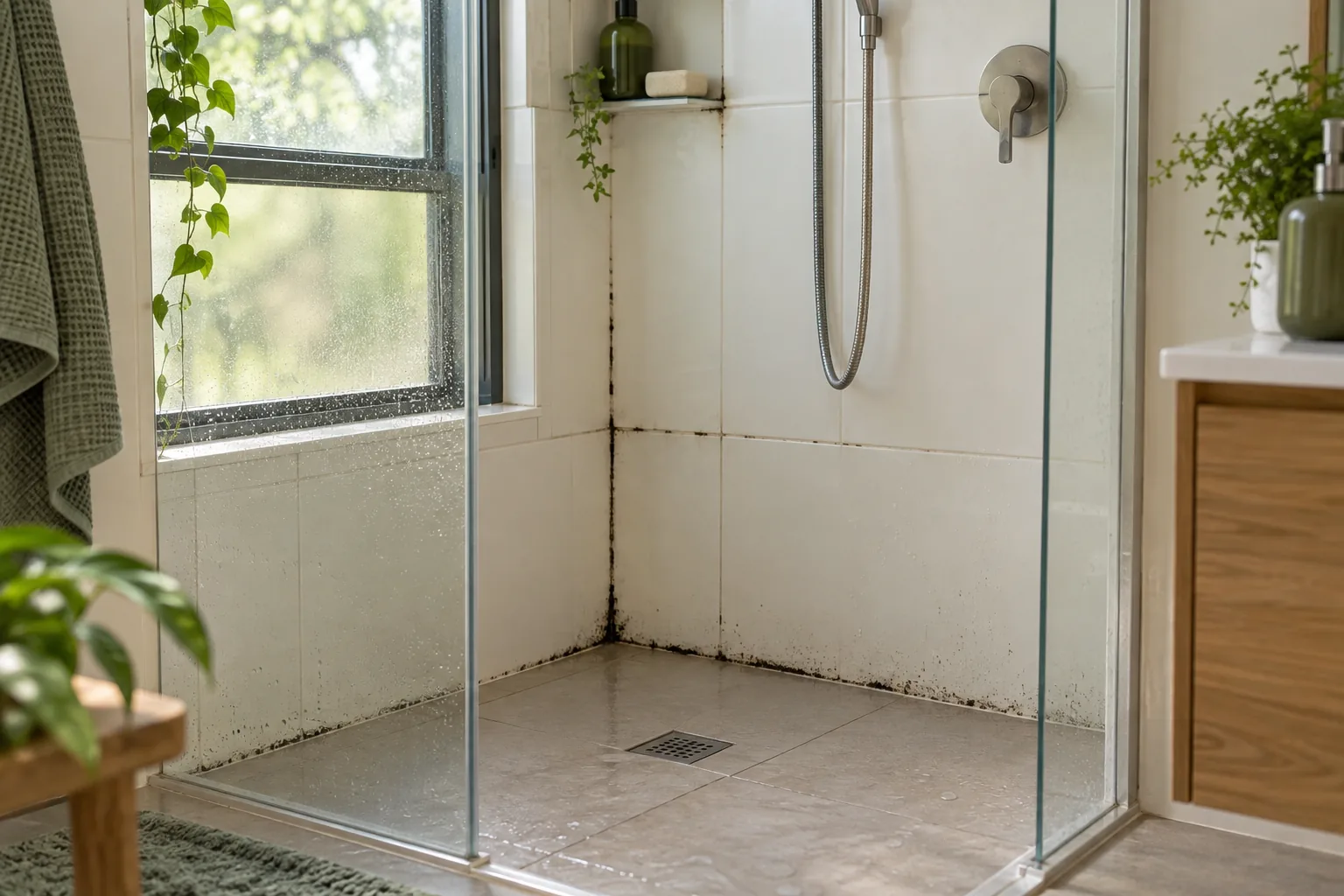
Locate the shared boundary
Show which storage wall adjoins the bathroom and what is actually visible. A fitted backing can hide the building wall. Explain whether growth occurs on a panel, painted surface or both, rather than assuming they are the same material.
Keep belongings out of the surface scope
Identify linen, clothing and other contents before discussing removal. Emptying a cupboard may improve access, but textile treatment is excluded and dismantling fixed cabinetry is a different decision from clearing removable belongings.
INSPECTION & MOISTURE
What can be seen inside the cupboard?
The useful assessment relates visible cupboard and bathroom observations without diagnosing concealed leakage from proximity alone.
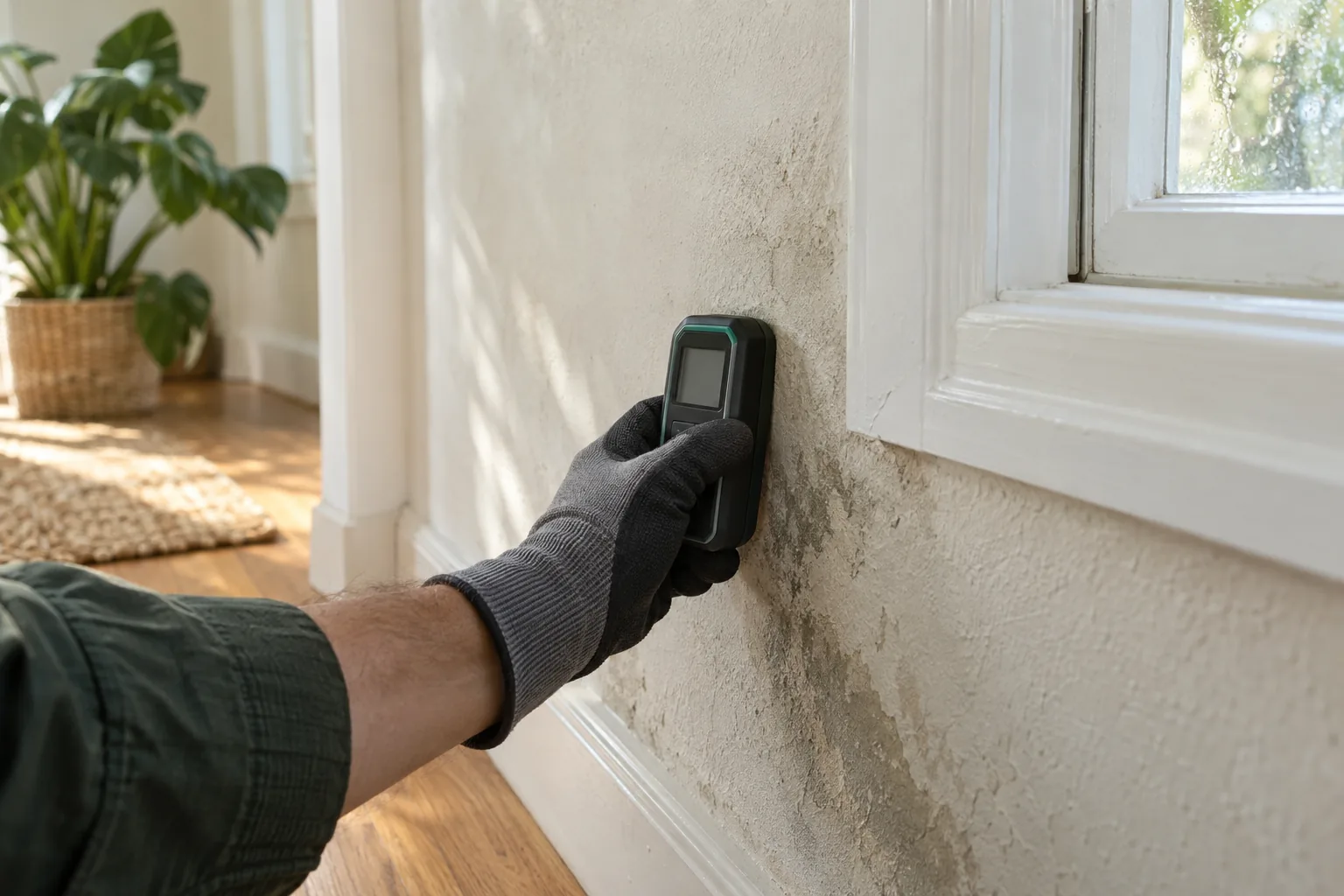

Record use and repair history
Note whether cupboard changes follow showers, plumbing work or unrelated weather events. Mention swelling or other deterioration without pressing panels. A smell or marked backing cannot establish how far the issue extends behind the fitting or prove the wet area is the source.
Discuss focused inspection
A mould inspection enquiry can clarify accessible observations when the relationship is uncertain. Ask what can be learned before any fixed panel is removed and which plumbing or building question needs another professional. Explain past repairs and the accessible room sides together.
A CONNECTED PROCESS
A work plan for the affected surfaces
Distinguish included materials
Agree the visible bathroom, cupboard and room surfaces separately, including suitable hard floors where affected. Textiles are excluded. Sound paint and swollen joinery do not support identical treatment expectations, and damage may require repair or replacement before cleaning is useful.
Arrange cupboard preparation
Discuss who clears removable contents and which panels remain fixed. Appropriate PPE and protection should preserve belongings outside the work area while allowing agreed reach. Do not dismantle backing or shift connected equipment merely to make the preliminary photographs more complete.
Set up the defined areas
Plan HEPA filtration and practical access on the included sides. Additional invasive viewing or cabinetry repair needs separate arrangements. Preparation should acknowledge hidden limits rather than imply that an open cupboard door makes every wall surface behind it assessable.
Treat suitable visible growth
Physical removal and material-appropriate treatment follow the condition review. The remediation scope can identify deterioration and further investigation. Cleaning cannot reverse swelling, repair a wet-area defect or certify the concealed wall’s moisture condition.
Review both room concerns
Explain remaining staining and what was inaccessible, then keep source tasks linked to the relevant trade. Monitor the cupboard and bathroom independently after repairs. Recurrence is possible while dampness or damaged material continues, even if an exposed panel looks improved.
WHERE MOULD APPEARS
Give each surface its own description
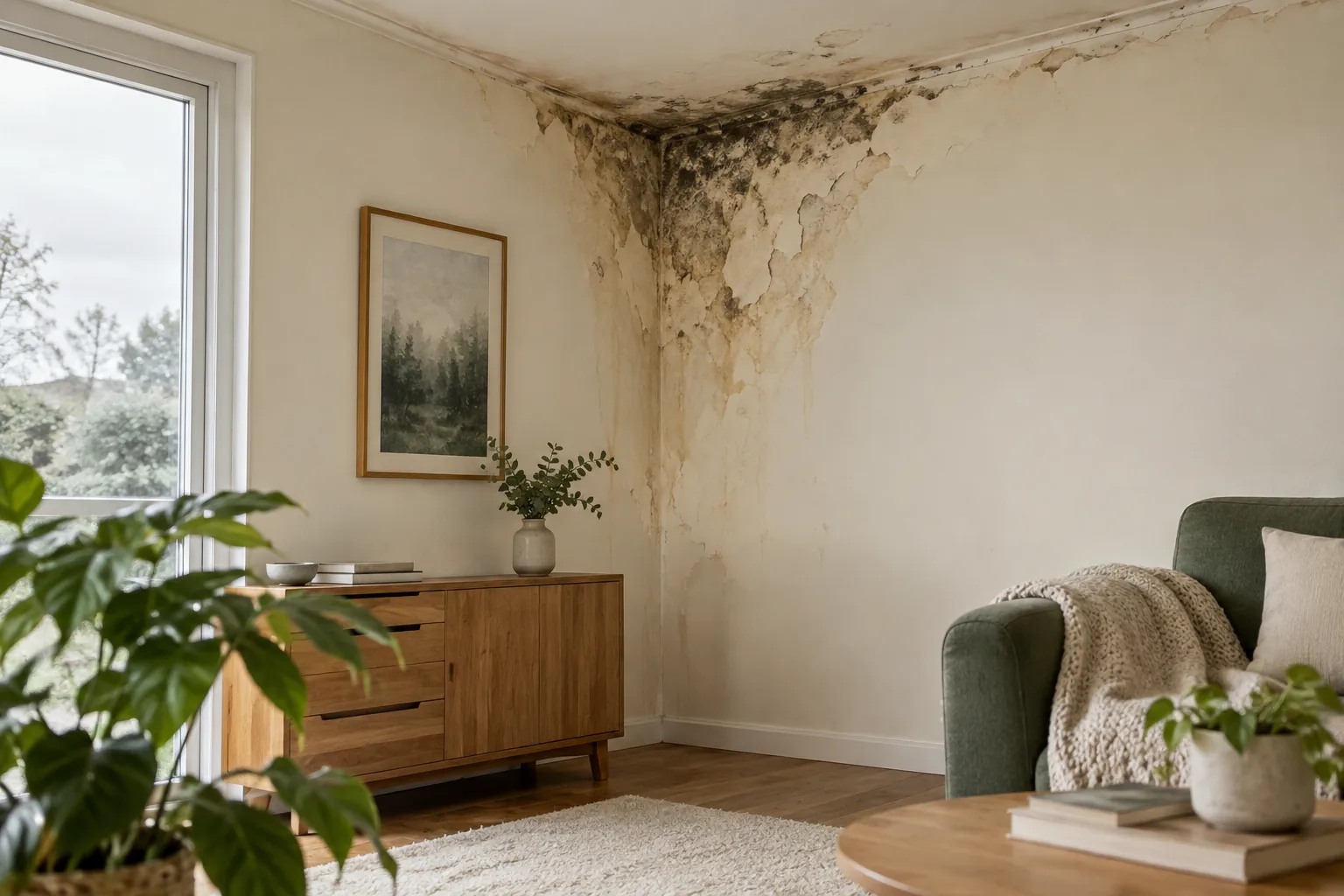
Bathroom ceiling
Describe extraction and shower timing separately from cupboard odour. Different materials and patterns may need different decisions.
Storage backing
Identify panel condition and what lies behind it if known. Fixed backing can limit the investigation.
Adjoining wall
Show accessible paint or skirting changes and furniture position. A shared boundary is context rather than proof of cause.
Hard floor
State material and water history. Stored fabrics and textile floor coverings need separate handling consideration.
MAKE SPACE FOR DRYING
Keep the source and the surface in view
After identified repairs and treatment, return contents in a way that leaves former locations checkable where practical. Do not pack storage tightly against the only area that needs monitoring, or cover swollen backing with a liner as a cosmetic answer.
Maintain relevant wet-room extraction and arrange any identified leak repair. Circulation can help appropriate room conditions, but it does not restore damaged cabinetry or make a concealed water source sound. Keep dates and photographs for both room sides if changes return. Keep a photograph of the cupboard layout before moving permitted belongings. Identify shelving that is fixed and any plumbing access panel. Preparation should expose the agreed surface safely while preserving the distinction between the cupboard lining, its contents and a possible repair task on the other side.
MACCLESFIELD & NEARBY
Nearby location guides
These nearby guides support separate property enquiries; describe each cupboard and wet-room arrangement on its own terms: Avonsleigh, Nangana, Cockatoo.
QUESTIONS WORTH ASKING
Before the visit.
Does cupboard mould prove the bathroom leaks?
No. Their relationship is useful context, but the actual source and material condition need assessment.
Are stored sheets and clothing included?
Textiles are excluded from the stated surface service. Their preparation and handling need a separate plan.
Will fixed backing panels be removed?
Do not assume that is included. Any invasive access or cabinetry work requires separate agreement.
Can swollen panels be restored through treatment?
Cleaning does not reverse material deterioration; replacement or another repair may be appropriate.
Why compare both room sides?
Their timing and condition can inform investigation while preserving the distinction between the accessible surfaces.
How is Macclesfield availability checked?
Call with the exact address, room layout and cupboard access to discuss an appropriate appointment.
START WITH YOUR ROOM
Talk through the room in Macclesfield
Phone 03 8652 1296 with the address, storage layout and visible condition. We can discuss assessment, belongings preparation and suitable surface work before confirming availability.
Useful references: Yarra Ranges — regional areas