
CLEMATIS · MELBOURNE
Mould Removal Clematis
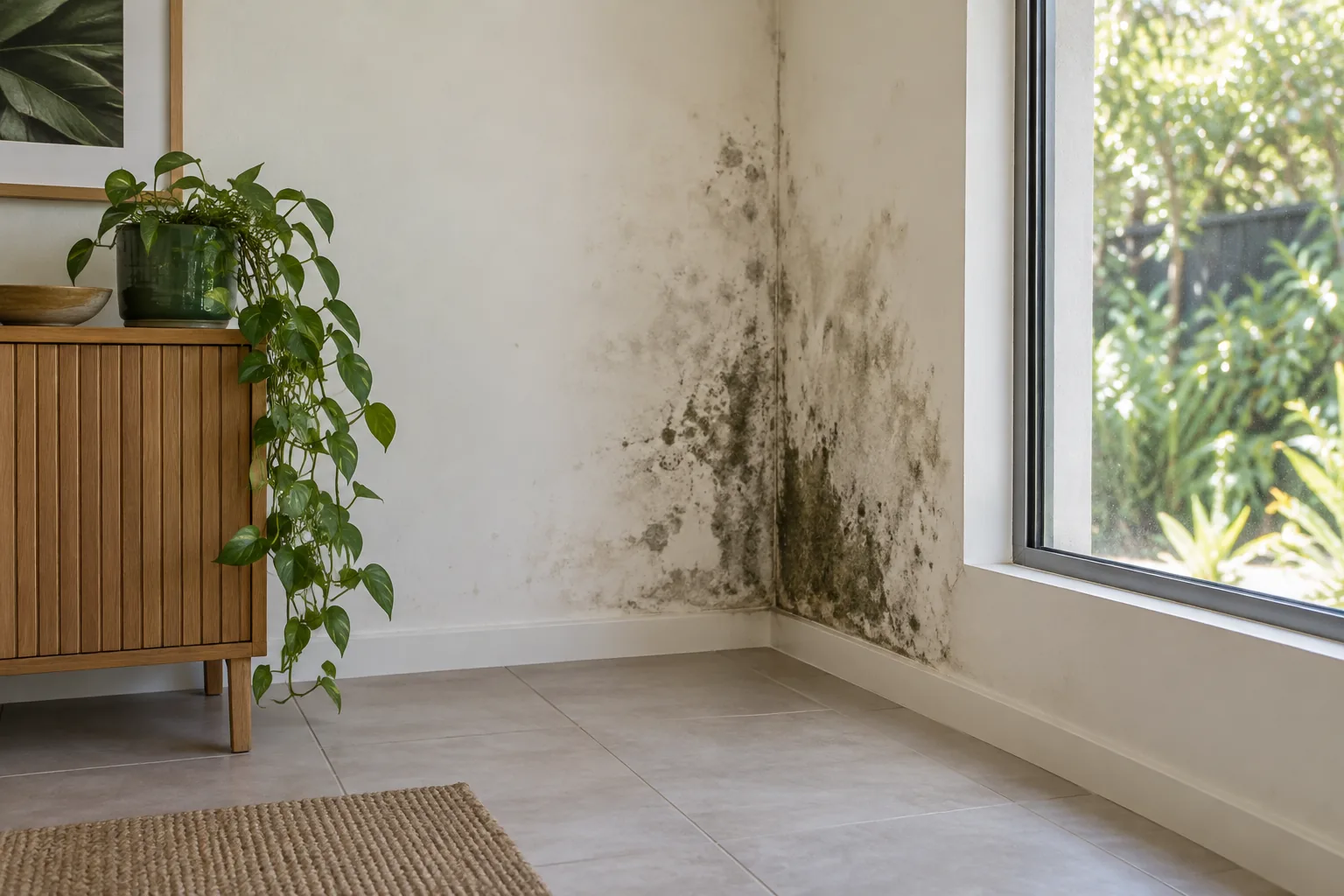
For mould or staining near a Clematis doorway, explain the opening, adjacent wall and any observed water changes without assuming where the source begins. A lower patch and upper ceiling mark can need different investigation. We can discuss accessible assessment and appropriate removal, preparation and availability for the address while keeping door weatherproofing and building repairs outside an assumed cleaning result.
Opening context reviewed
Separate material observations
Clear building-repair limits
Doors · Reveals
THE HOME, IN CONTEXT
Describe the mark around the opening
Cardinia’s Eastern Dandenong Ranges Trail starts from the Clematis area and connects towards Emerald. For a property enquiry, supply the actual street address and entry information rather than using the trail or a nearby landmark as the room’s location.
Show the full doorway
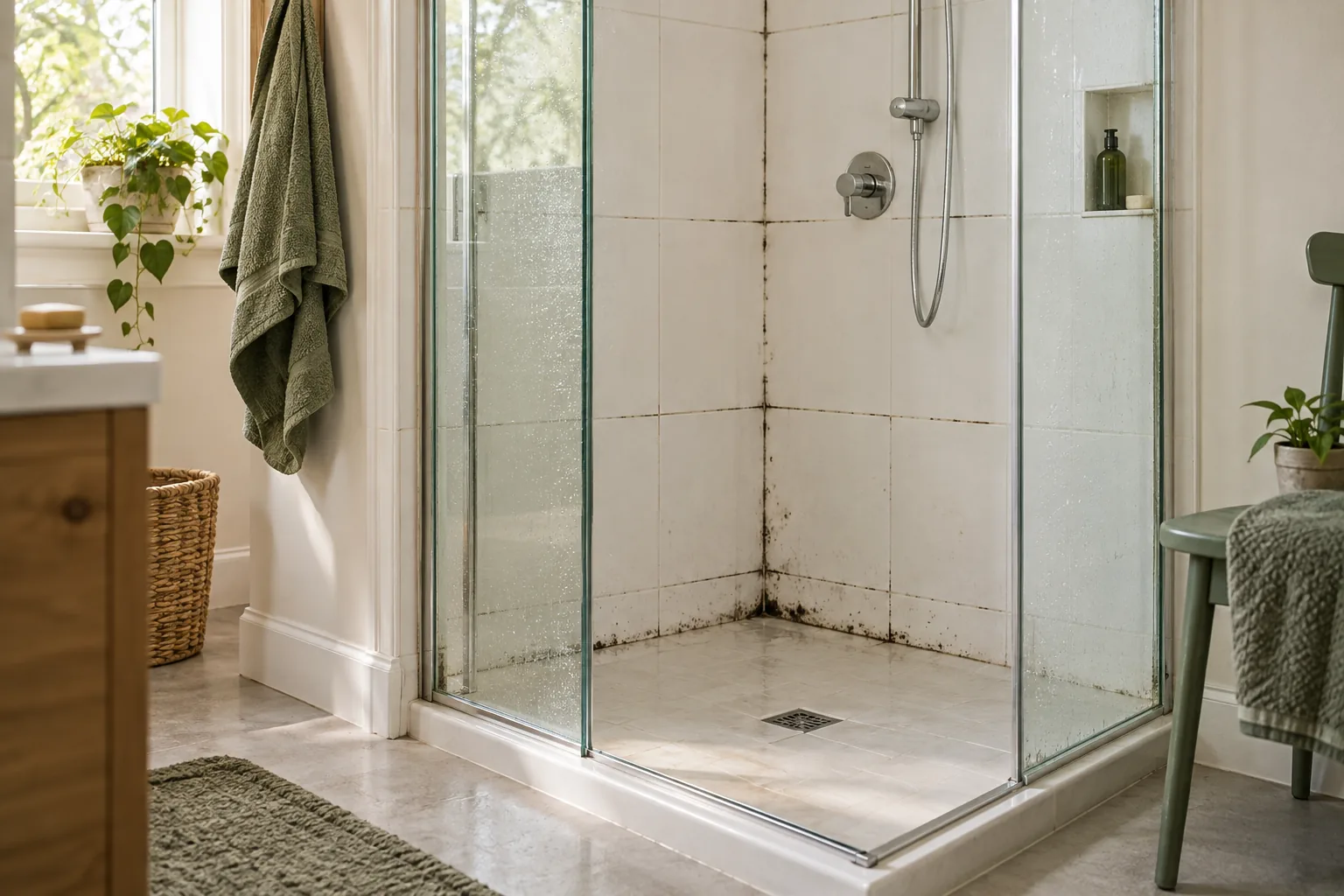
Photograph the threshold, frame and adjoining wall from a wider view, then describe the actual mark. Note whether the opening is external or internal. Position can inform questions without showing the entire water path or proving the door itself is defective.
Keep surface and source separate
Mention weatherproofing or plumbing repairs and their dates when discussing removal. A fresh seal or repainted frame is not evidence that all damp material has recovered, and a mark near an opening can have another source.
INSPECTION & MOISTURE
Does timing help explain the moisture?
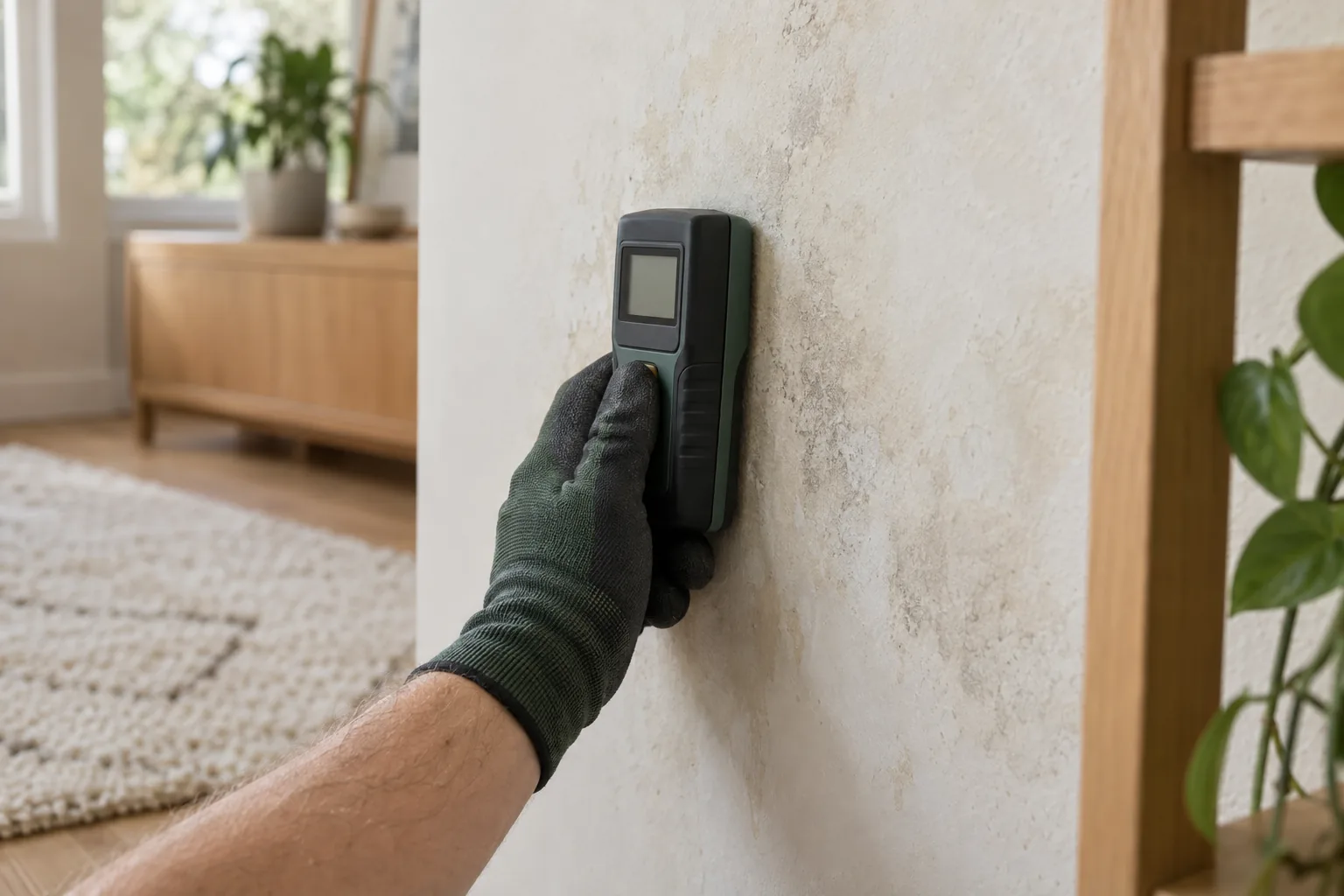
Assessment should distinguish observed wetting, old staining and material changes while keeping the relevant opening or building investigation clear.
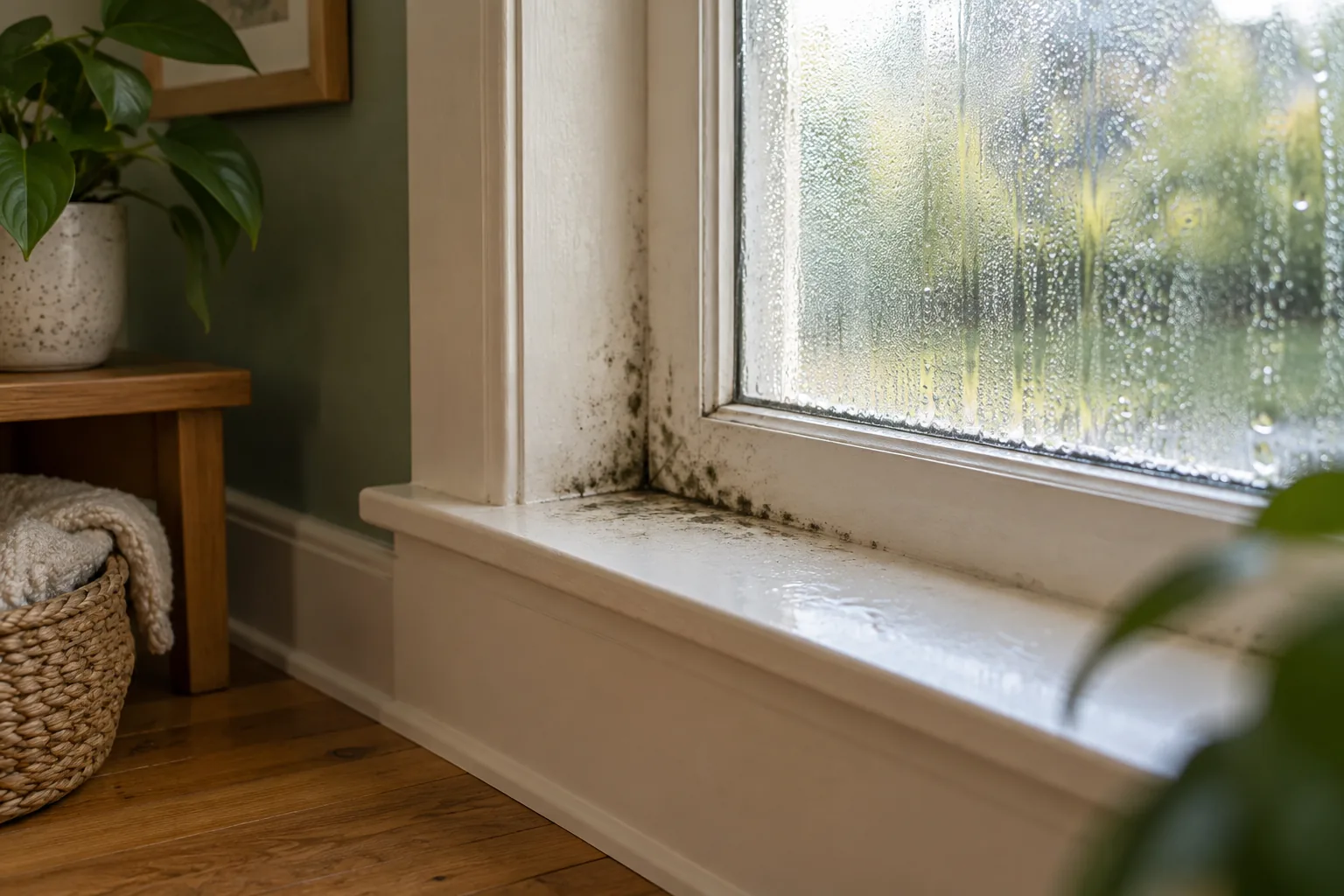
Compare timing around the opening
Record whether water is seen after rain, ordinary room use or another event. Describe lower-wall swelling, paint failure or stable discoloration separately. Avoid hosing the opening or loosening components to reproduce a suspected leak for photographs.
Ask the next investigation question
Discuss inspection if the cause or finish condition is uncertain. Ask which accessible observations guide treatment and which weatherproofing or building issue needs another professional. Include other marked surfaces in the room so the opening is not selected as the cause simply because it is nearby.
A CONNECTED PROCESS
A work plan for the affected surfaces
Review the different materials
Agree accessible frame-adjacent walls, ceilings and suitable hard floors with their condition noted. Textiles are excluded. Timber trim and painted plaster may have different treatment limits, especially where water has altered adhesion or material integrity.
Arrange reach around the opening
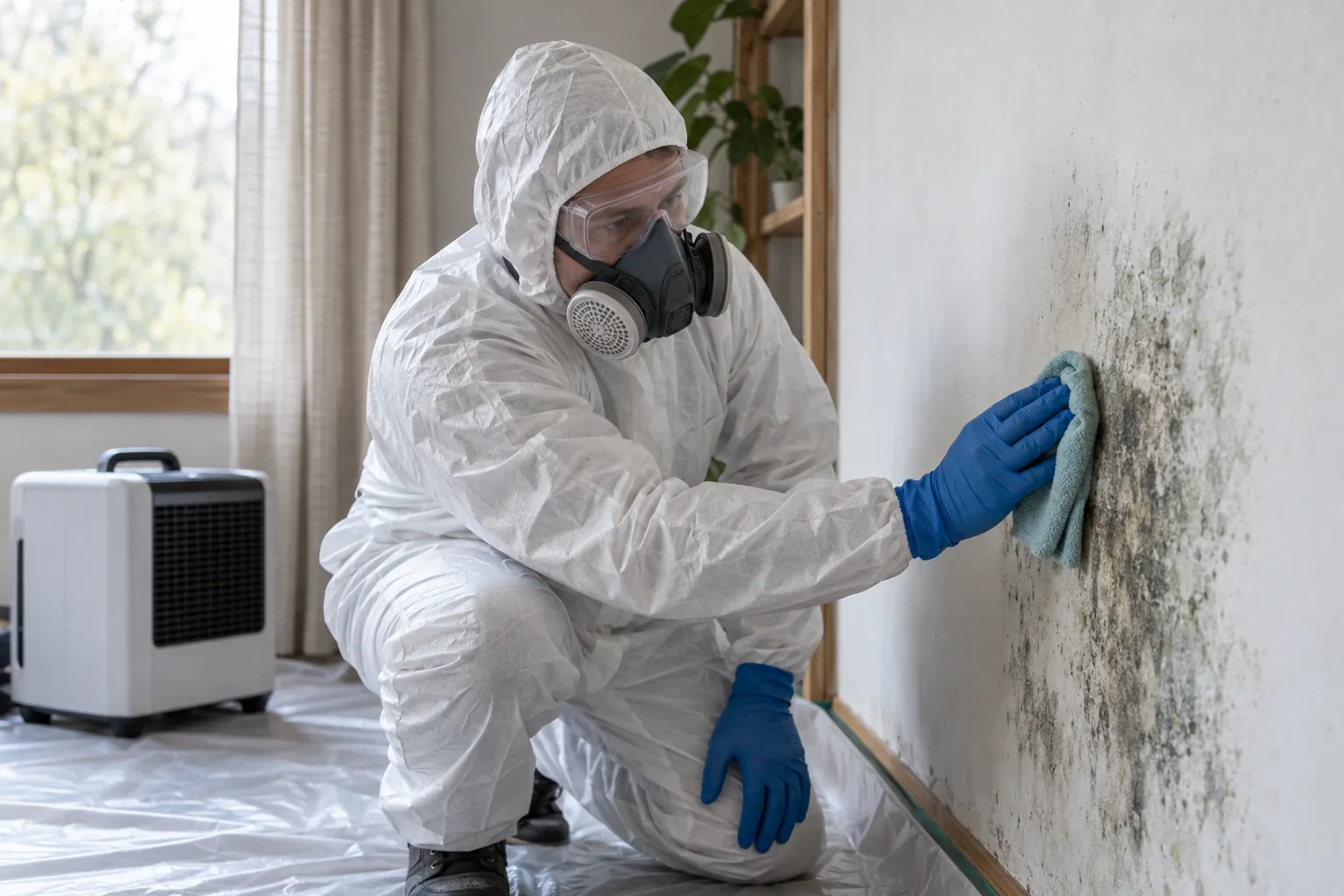
Discuss door movement, furnishings and any fixed trim affecting access. Appropriate PPE and protection should support the agreed area. Removing the opening assembly or disturbing seals is a separate task, not routine preparation assumed from an enquiry about a nearby wall.
Prepare defined surface work
Organise HEPA filtration and practical access without changing the original condition evidence. Heavy-item movement, construction repairs or invasive viewing need separate arrangements. Preparation should make the room workable while acknowledging parts of the water path may remain concealed.
Treat suitable visible growth
Physical removal and material-appropriate treatment follow assessment. The remediation plan can identify damage or another repair need. Cleaning cannot restore door weatherproofing or certify the condition beneath fixed trim merely because the exposed surface looks better.
Review the original opening area
Explain staining and unresolved source tasks, then compare the same locations after relevant repairs and events. Returning growth needs the conditions reconsidered. A clean frame-adjacent wall is not a guarantee the water-entry question has been answered or every finish will remain unaffected.
WHERE MOULD APPEARS
Give each surface its own description
Lower wall
Describe skirting and paint changes with their timing. A low position alone does not identify the source.
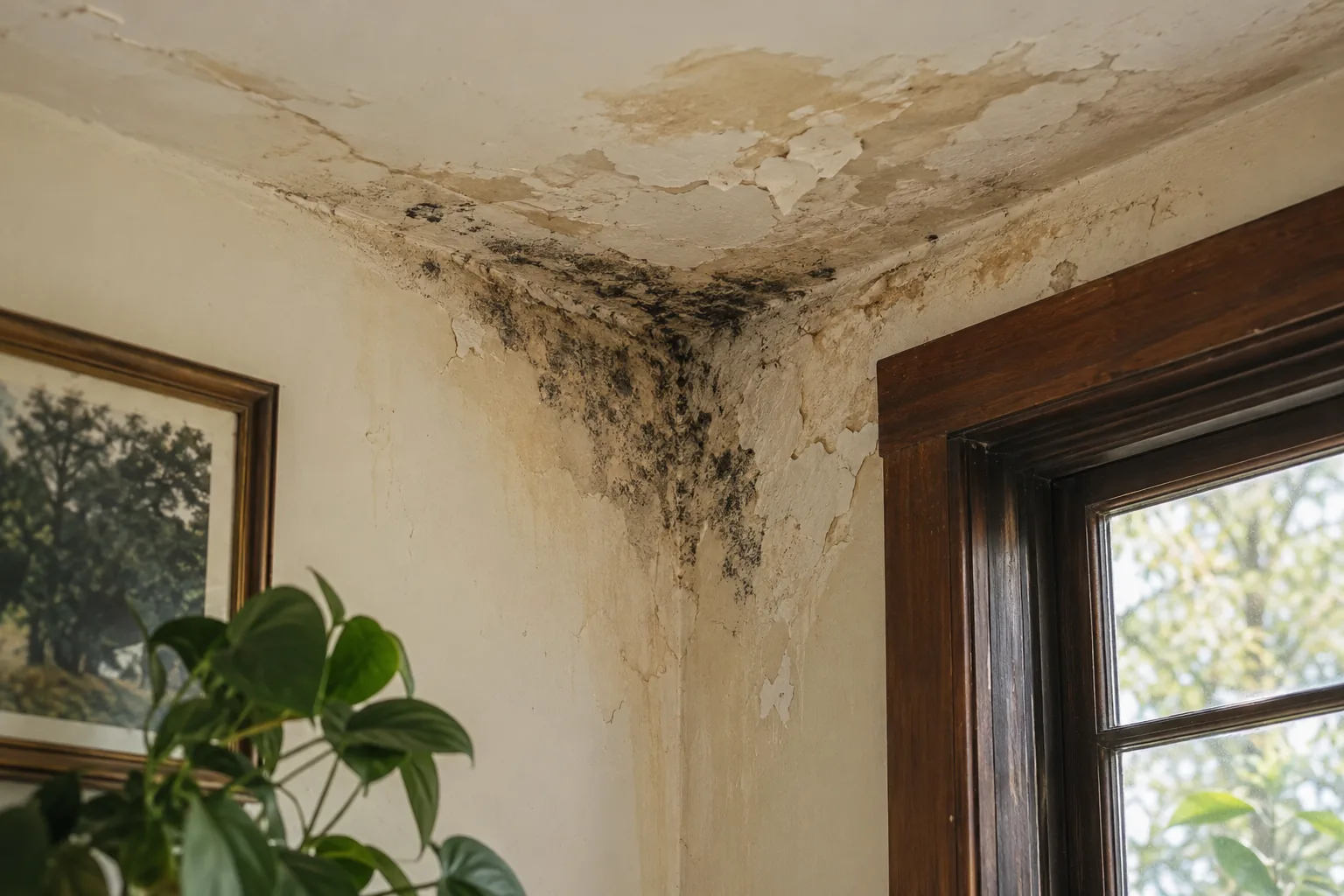
Ceiling near entry
Include height and whether the patch changes after rain. Its material and water history may differ from the threshold.
Bathroom doorway
Explain adjoining wet-room use separately if relevant. An internal opening can raise different questions from an external entrance.
Hard floor
Name the finish and observed wetting near the opening. Mats, carpet and other textiles require separate handling.
MAKE SPACE FOR DRYING
Keep the source and the surface in view
Have an identified opening or building defect repaired appropriately, then keep the former patch observable. Take comparable photographs after the relevant trigger rather than declaring the problem resolved from one dry-looking inspection of the frame.
Maintain suitable room moisture removal and review any separate wet-area source. Avoid covering a changing wall with trim or paint before its condition is understood. Surface treatment cannot repair a continuing defect or guarantee prevention while dampness or damaged material remains.
CLEMATIS & NEARBY
Nearby location guides
These nearby guides help with separate locality addresses; describe each property’s doorway and repair history independently: Emerald, Avonsleigh, The Patch.
QUESTIONS WORTH ASKING
Before the visit.
Does a threshold mark prove the door leaks?
No. Its position helps frame investigation, but the actual water history and material condition need assessment.
Should I hose the opening to test it?
Do not create extra exposure for the enquiry; seek appropriate investigation of a suspected building defect.
Is door-seal repair part of removal?
No repair should be assumed. Agree weatherproofing and construction work separately from accessible surface treatment.
Can paint peeling be repaired through cleaning?
Treatment does not restore adhesion or damaged material; another finish or repair task may be needed.
Should upper and lower marks be described together?
Yes, identify both with their own timing and material state rather than assuming one shared cause.
How is Clematis availability checked?
Call with the exact address, opening type and accessible room condition to discuss a suitable appointment.
START WITH YOUR ROOM
Talk through the room in Clematis
Phone 03 8652 1296 with the address, opening position and observed changes. We can discuss the assessment question, suitable surface work and preparation before confirming availability.
Useful references: Cardinia — Eastern Dandenong Ranges Trail townships