
THE PATCH · MELBOURNE
Mould Removal The Patch
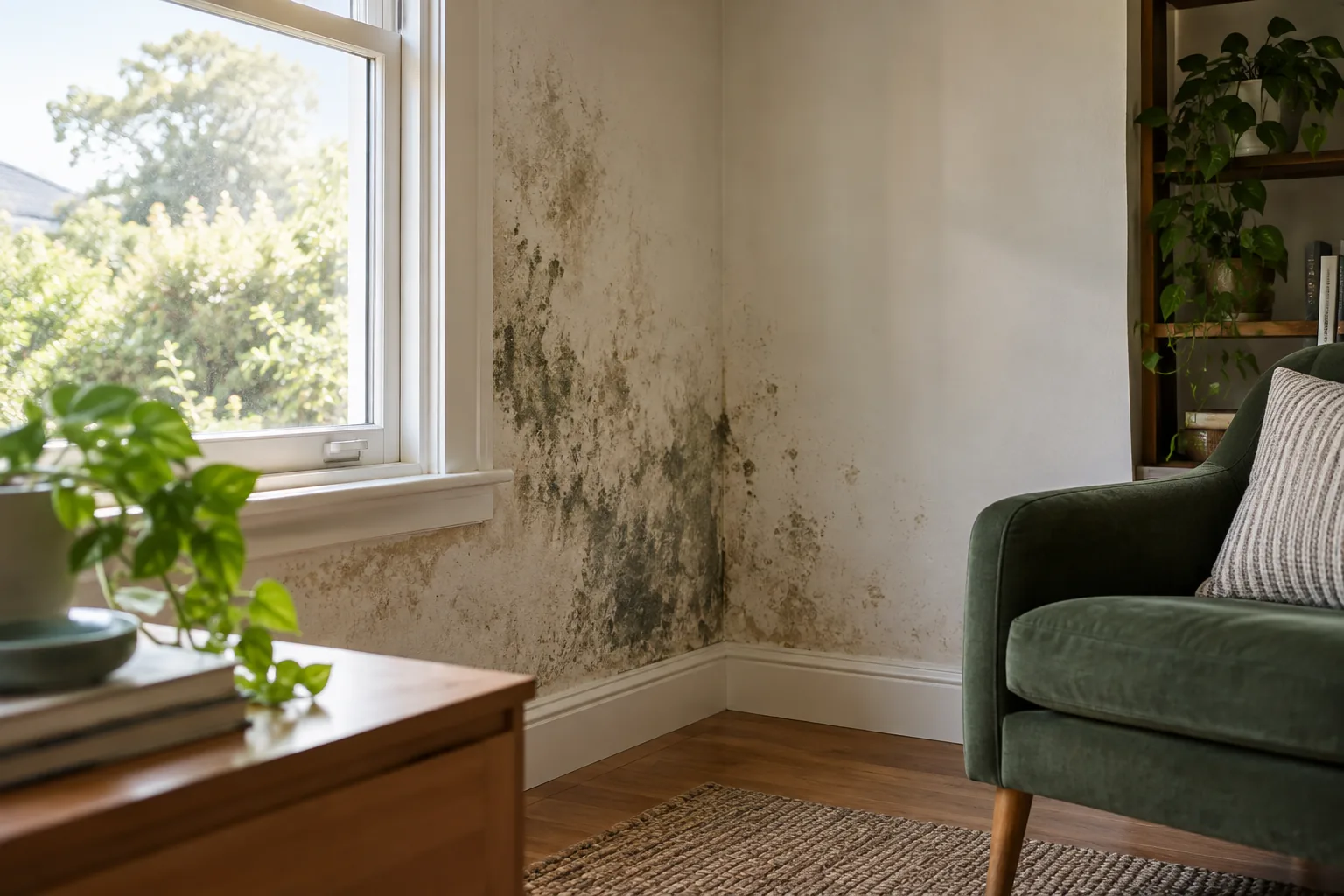
For a bedroom corner that repeatedly becomes marked in The Patch, describe its position, window observations and previous work without selecting a cause in advance. Furniture may limit access while water history raises another question. We can discuss accessible assessment, suitable removal and preparation, then confirm availability for the address with realistic limits on finish appearance and permanent prevention.
Recurring pattern reviewed
Bedroom preparation clear
Material condition considered
Bedrooms · Corners
THE HOME, IN CONTEXT
Keep a useful history of the bedroom corner
Yarra Ranges Council includes The Patch in Lyster ward. Give the property address and actual room arrangement when enquiring; the locality name does not imply that bedrooms share a particular moisture pattern or building type.
Record the corner layout
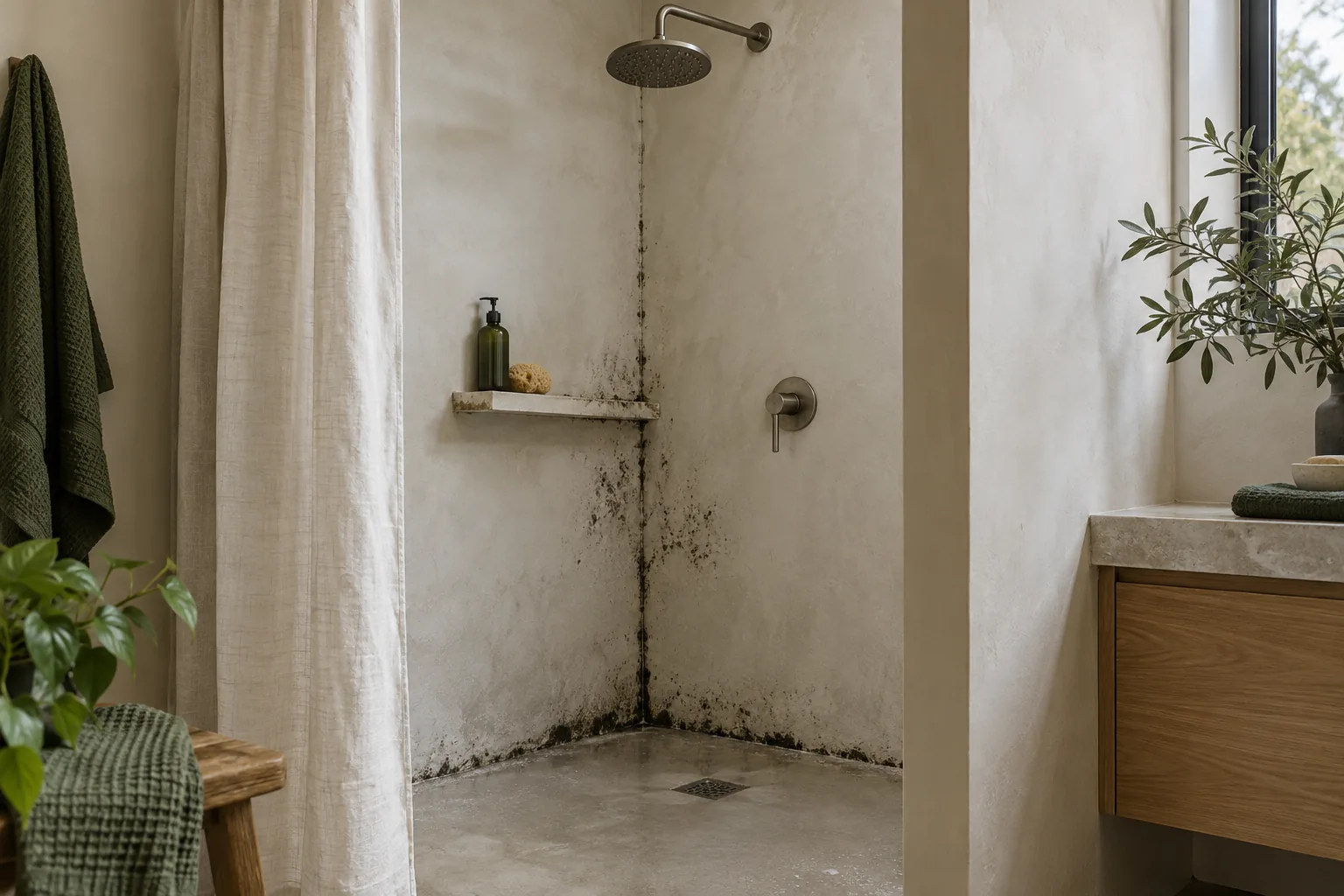
Show both wall faces, the ceiling junction and nearby window in wider photographs. Say where the bed or storage normally sits and what can move. Do not treat furniture position as proof of cause or conceal the original pattern before assessment.
Include earlier room work
Mention cleaning, repainting and repairs with dates where known. A removal discussion should respond to the present finish and returning location rather than automatically repeat a previous scope based on an older room arrangement.
INSPECTION & MOISTURE
What changes around the original location?
Assessment needs the recurring pattern, material condition and relevant water observations together, not a diagnosis based on one dark corner.
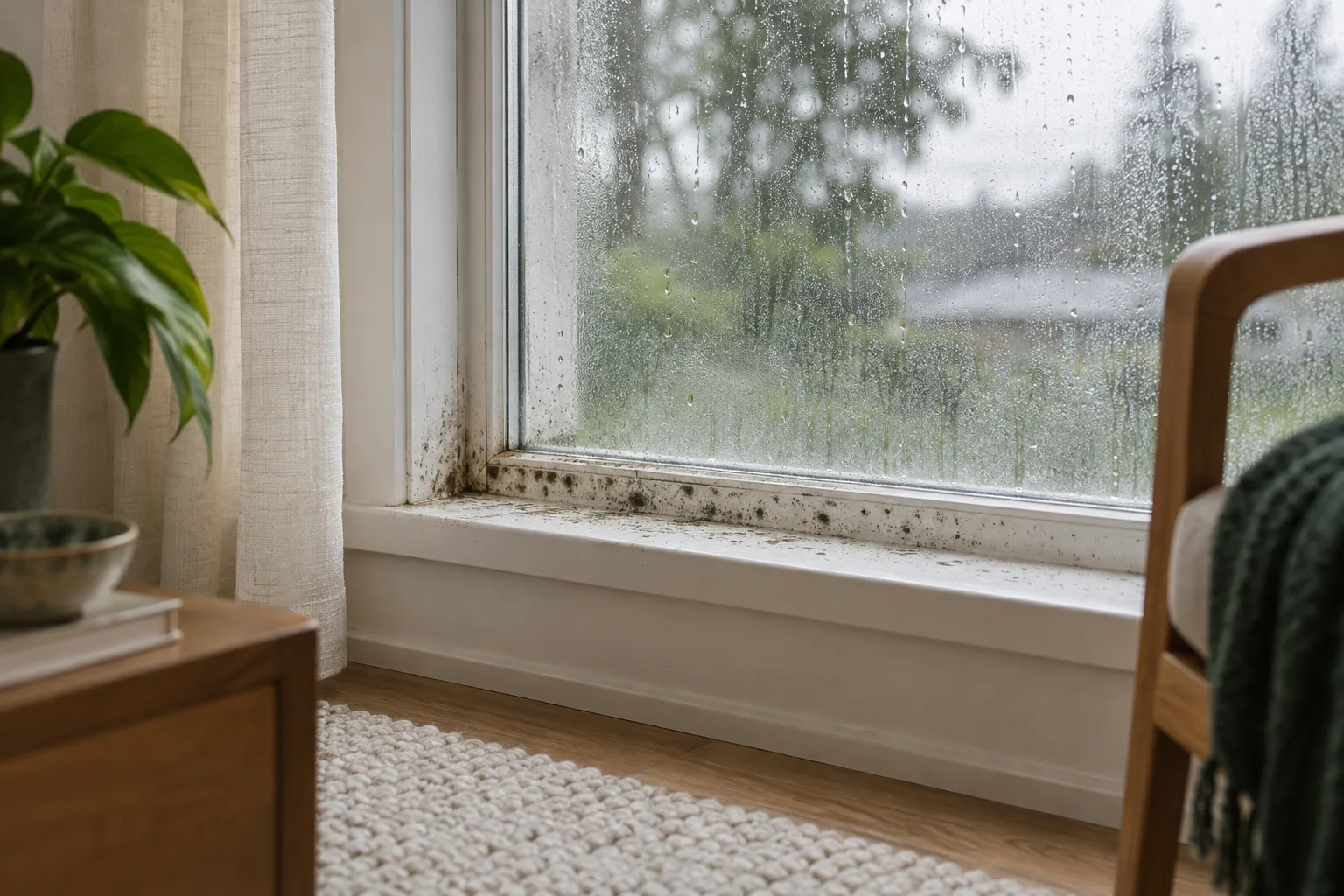
Compare room and weather conditions
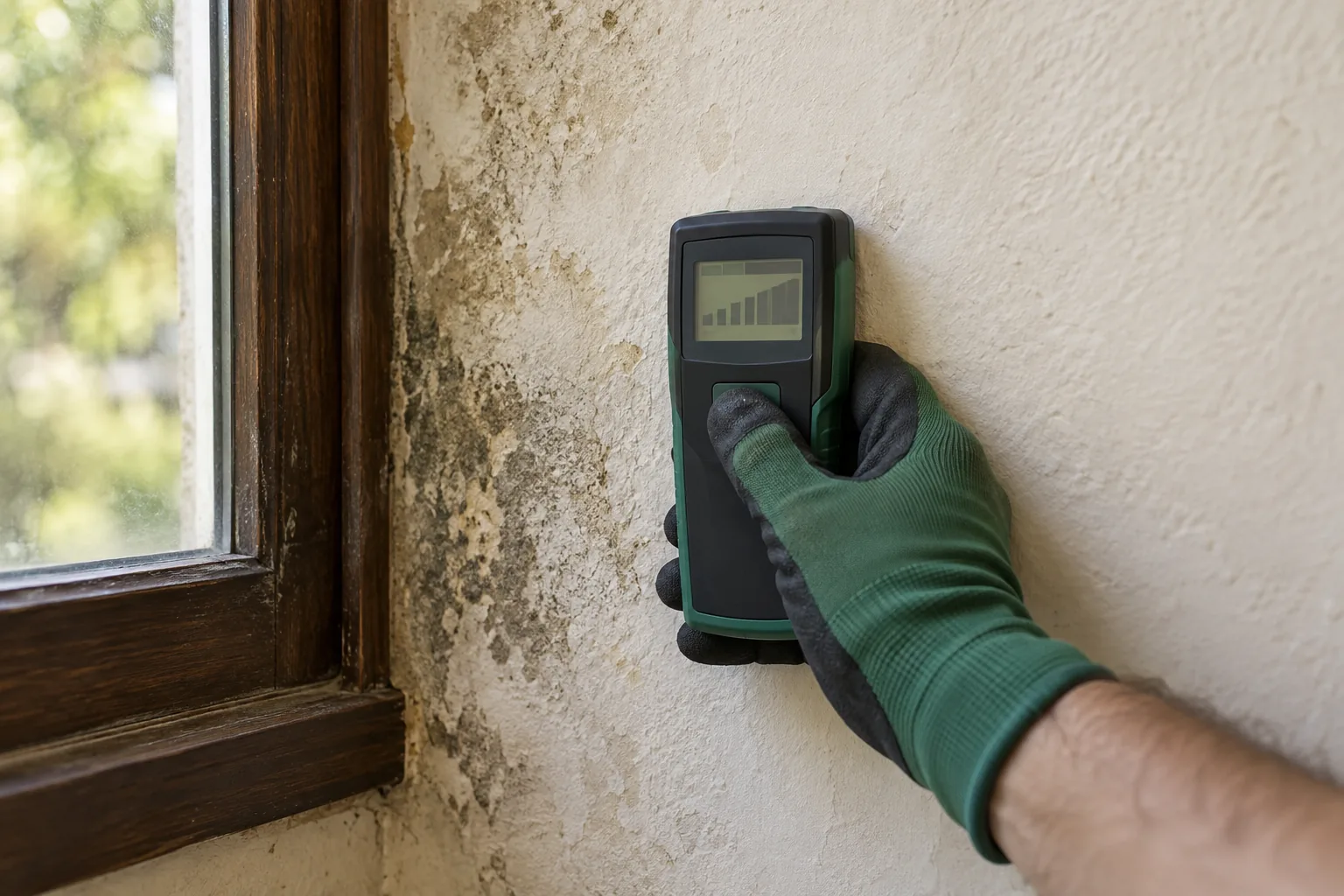
Record window condensation, adjacent wet-room use and changes after rain separately. Describe loose paint or altered skirting without pressing the material. Different patterns can inform questions while leaving hidden sources and building performance for appropriate investigation.
Use inspection before repetition
Discuss inspection where growth returns or the source remains uncertain. Ask which accessible findings guide maintenance or treatment and what needs another professional. Bring the earlier record so the assessment can compare actual changes instead of assuming another identical clean answers every question.
A CONNECTED PROCESS
A work plan for the affected surfaces
Review the current corner finish
Agree accessible wall, ceiling and appropriate hard-floor areas with their material state identified. Textiles are excluded. Repainted or deteriorated surfaces may have different treatment limits from the original finish, and inaccessible backing remains a separate question.
Plan bed and storage preparation
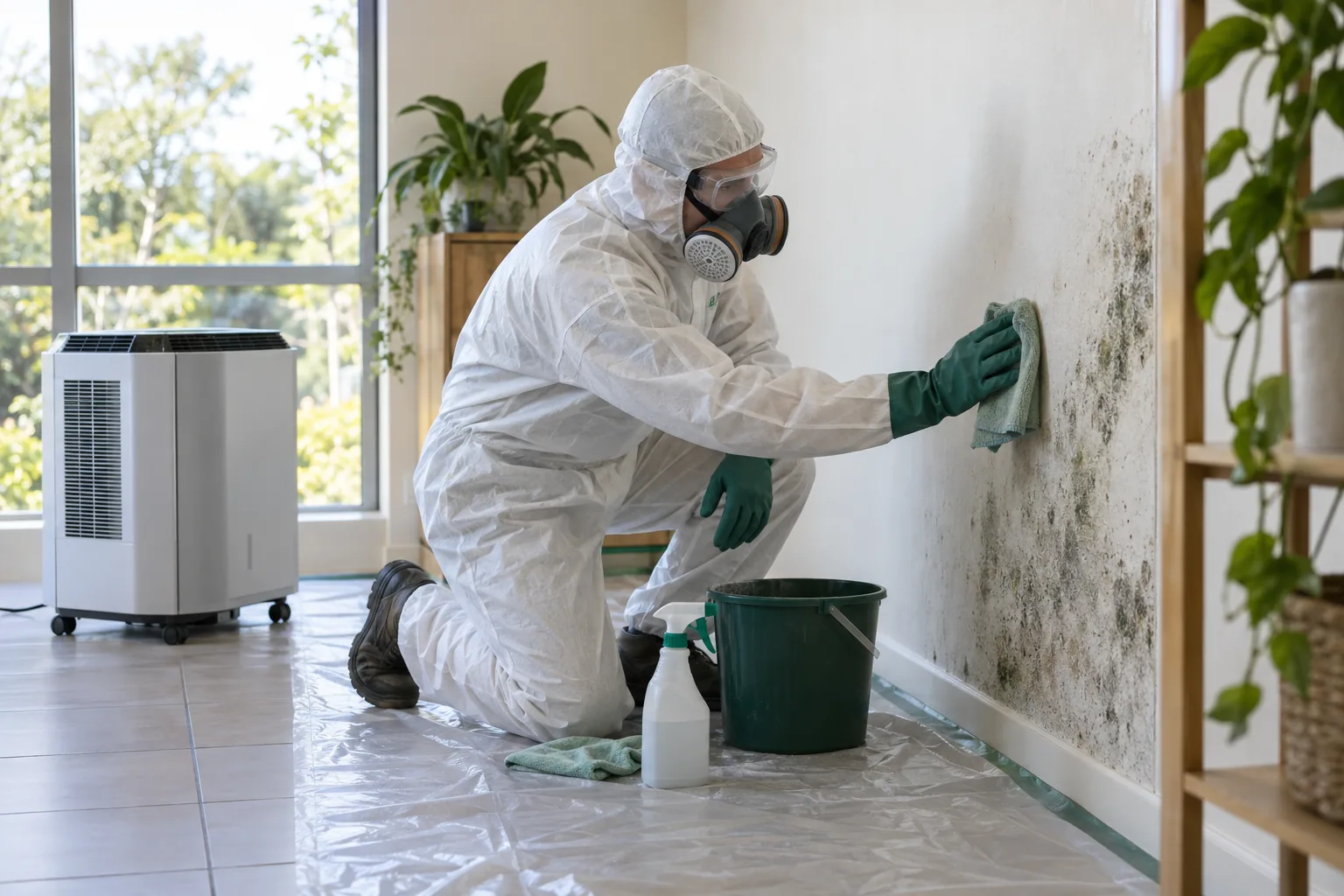
Discuss who moves furniture and handles belongings before the visit. Appropriate PPE and protection should fit the agreed room task. Do not dismantle fixed fittings or shift heavy items solely to make a preliminary photograph appear complete.
Set up the reachable work zone
Organise HEPA filtration and access around the selected corner. Preparation should leave useful pattern evidence available while protecting the room. Invasive viewing or additional building repairs need separate decisions rather than assumptions attached to ordinary bedroom treatment.
Remove suitable visible growth
Physical removal and material-appropriate treatment follow assessment. The remediation scope can identify damage or further source investigation separately. Cleaning cannot repair a leak, redesign insulation or certify the condition behind fixed furniture and linings.
Keep a useful recurrence comparison
Explain stains and outstanding maintenance before furniture is returned. Preserve a practical way to check the original location. If growth returns, compare the room and repair history; clearance around a bed is not an unconditional guarantee against damp conditions or another source.
WHERE MOULD APPEARS
Give each surface its own description
Bedroom wall
Describe both faces of the corner and paint integrity. A low mark and upper spot may ask different questions.
Window reveal
Give condensation and weather observations independently. The opening can be relevant without being the proven source.
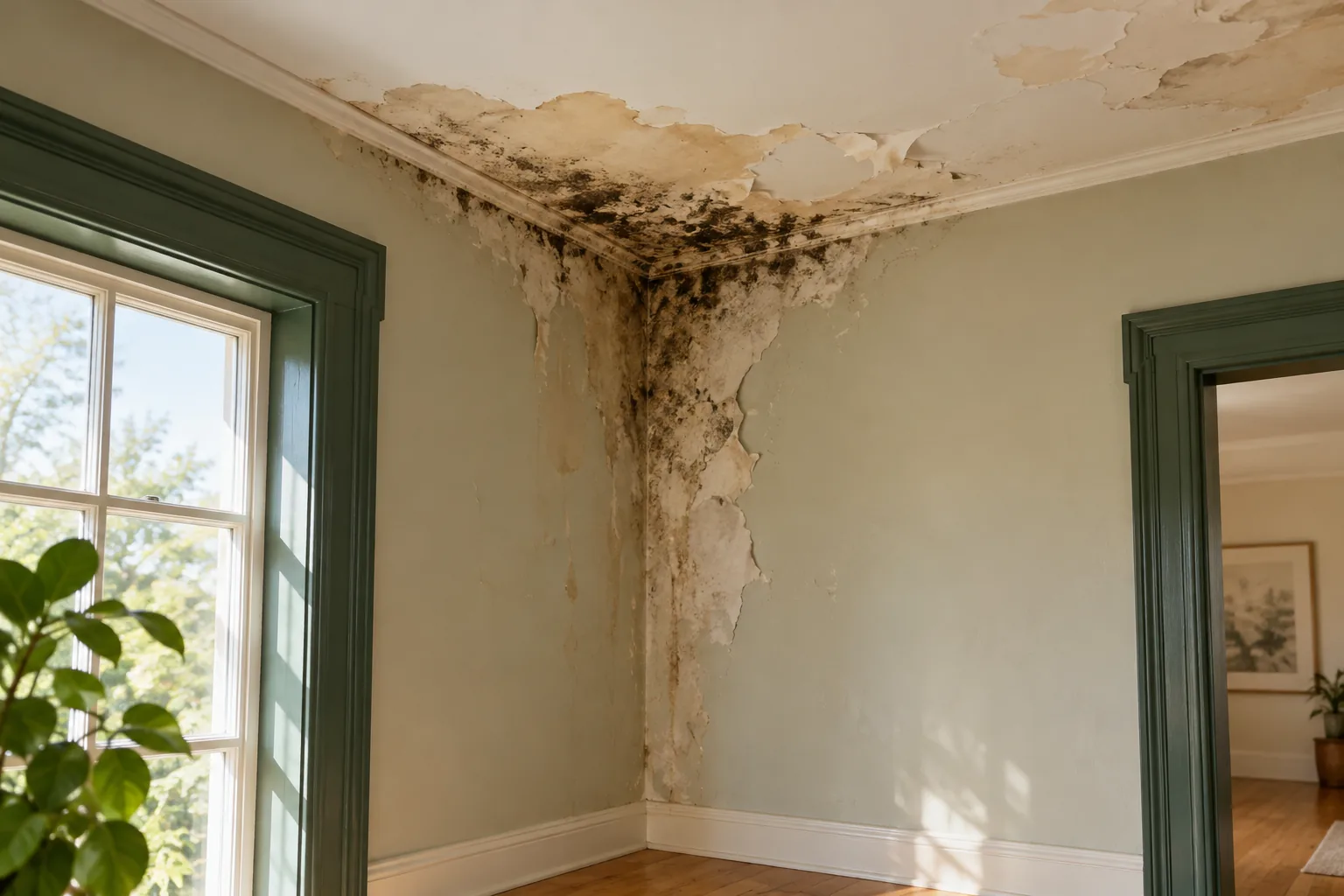
Ceiling beside the bedroom corner
Show any upper marks alongside the wall corner. Record their timing separately; growth at different heights need not share a proven source.
Hard floor
Identify finish and exposure. Mattresses, bedding, rugs and other textiles need separate consideration.
MAKE SPACE FOR DRYING
Keep the source and the surface in view
After repairs and treatment, keep comparable photographs of the original corner and include it in ordinary checks. Return furniture so the former patch remains observable where practical rather than immediately hiding the only location that needs follow-up.
Maintain relevant wet-room moisture removal and address any identified building defect. Circulation can support appropriate room conditions, but moving a bed does not repair water entry or restore damaged lining. Repeated cover-ups should not replace review of the cause when growth recurs. Use a wider photograph that shows the window and furniture position as well as the corner. If furniture moves, record that change rather than comparing close-ups without context. A useful follow-up asks what changed in the room before concluding that the same visible location has the same cause.
THE PATCH & NEARBY
Nearby location guides
For another nearby property, use its location guide and a separate record of its bedroom layout and recurring observations: Monbulk, Kallista, Selby.
QUESTIONS WORTH ASKING
Before the visit.
Does mould behind the bed mean the bed caused it?
No. Position is context, while moisture entry, room conditions and material state still need consideration.
Are the mattress and bedding included?
Textiles and upholstery are excluded from the stated surface service and require separate handling consideration.
Why photograph the ceiling above the corner?
It shows whether the visible pattern extends beyond the lower wall and helps describe the actual affected surfaces.
Should repeated growth prompt inspection?
Discuss assessment if the source remains uncertain or maintenance has not changed the recurring pattern.
Can old staining remain on the paint?
Yes. Growth removal, discoloration and finish restoration have different purposes and limits.
What confirms availability in The Patch?
Call with the address, corner history and furniture access to discuss a suitable appointment and preparation.
START WITH YOUR ROOM
Talk through the room in The Patch
Call 03 8652 1296 with the address, previous work dates and a wider corner view. We can discuss assessment, suitable removal and practical preparation before confirming availability.
Useful references: Yarra Ranges — regional areas