
KALLISTA · MELBOURNE
Mould Removal Kallista
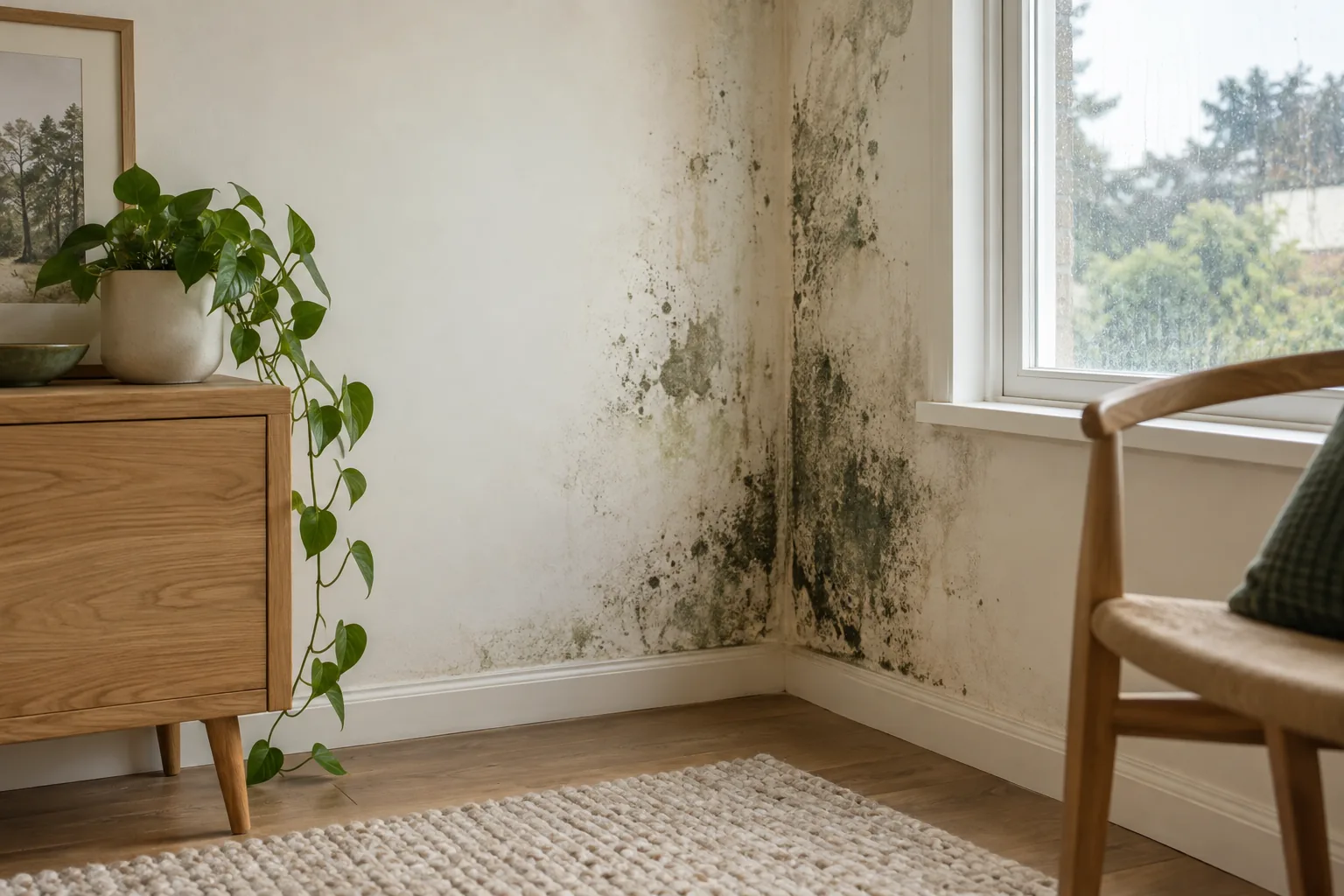
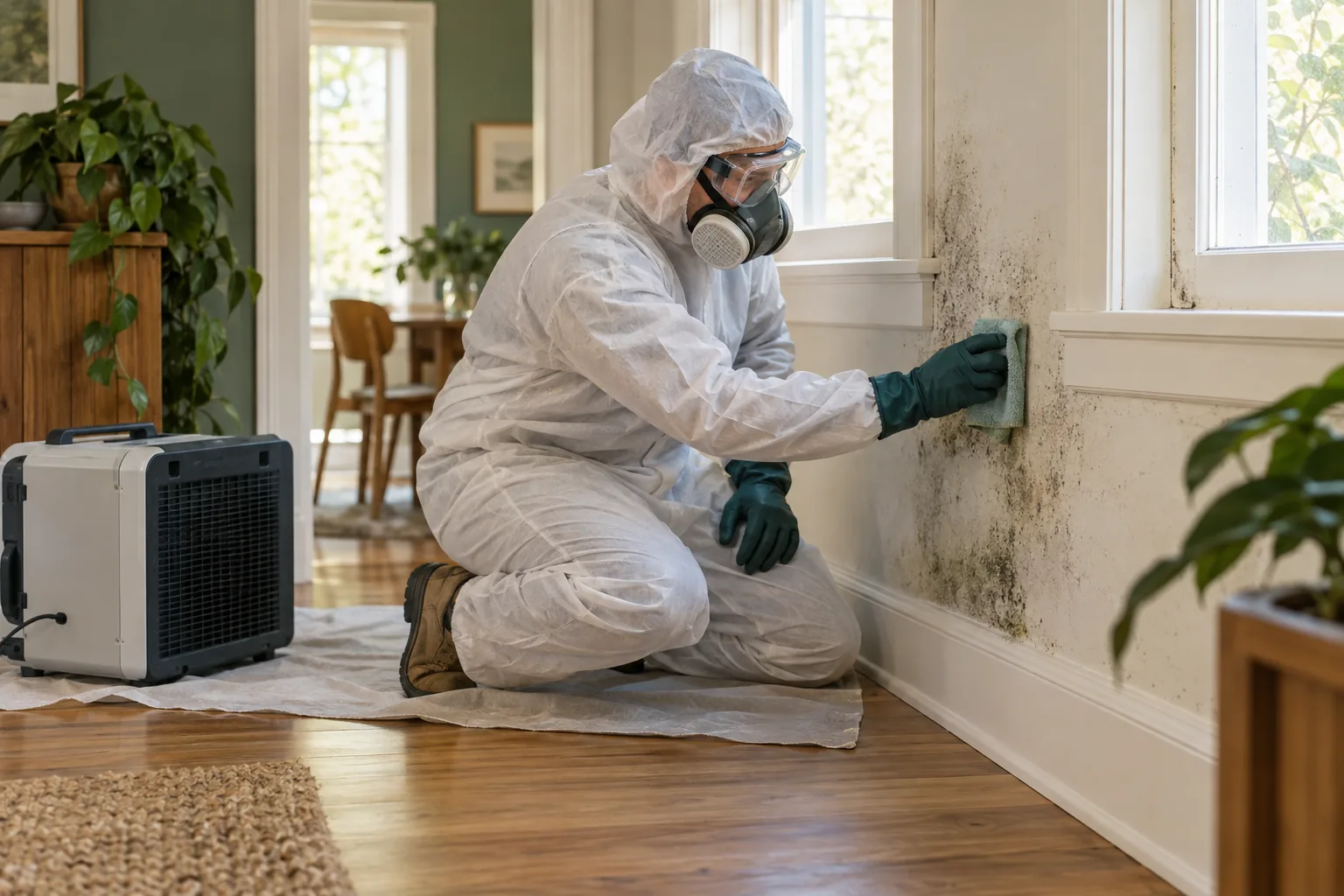
For mould near a Kallista kitchen, describe cooking, appliance and plumbing observations separately from the visible patch. A cupboard base, painted ceiling and adjoining wall can require different material decisions. We can discuss accessible assessment and appropriate removal, preparation around fixed equipment and availability for the address without assuming that proximity to cooking establishes the cause or includes every cabinet and appliance.
Kitchen layout considered
Material boundaries defined
Equipment preparation agreed
Kitchens · Walls
THE HOME, IN CONTEXT
Keep kitchen water observations specific
Council includes Kallista in its Lyster ward regional description. Give the exact property address and kitchen layout when enquiring; the local area information does not establish household cooking practices, building age or a particular moisture source.
Locate the relevant surface
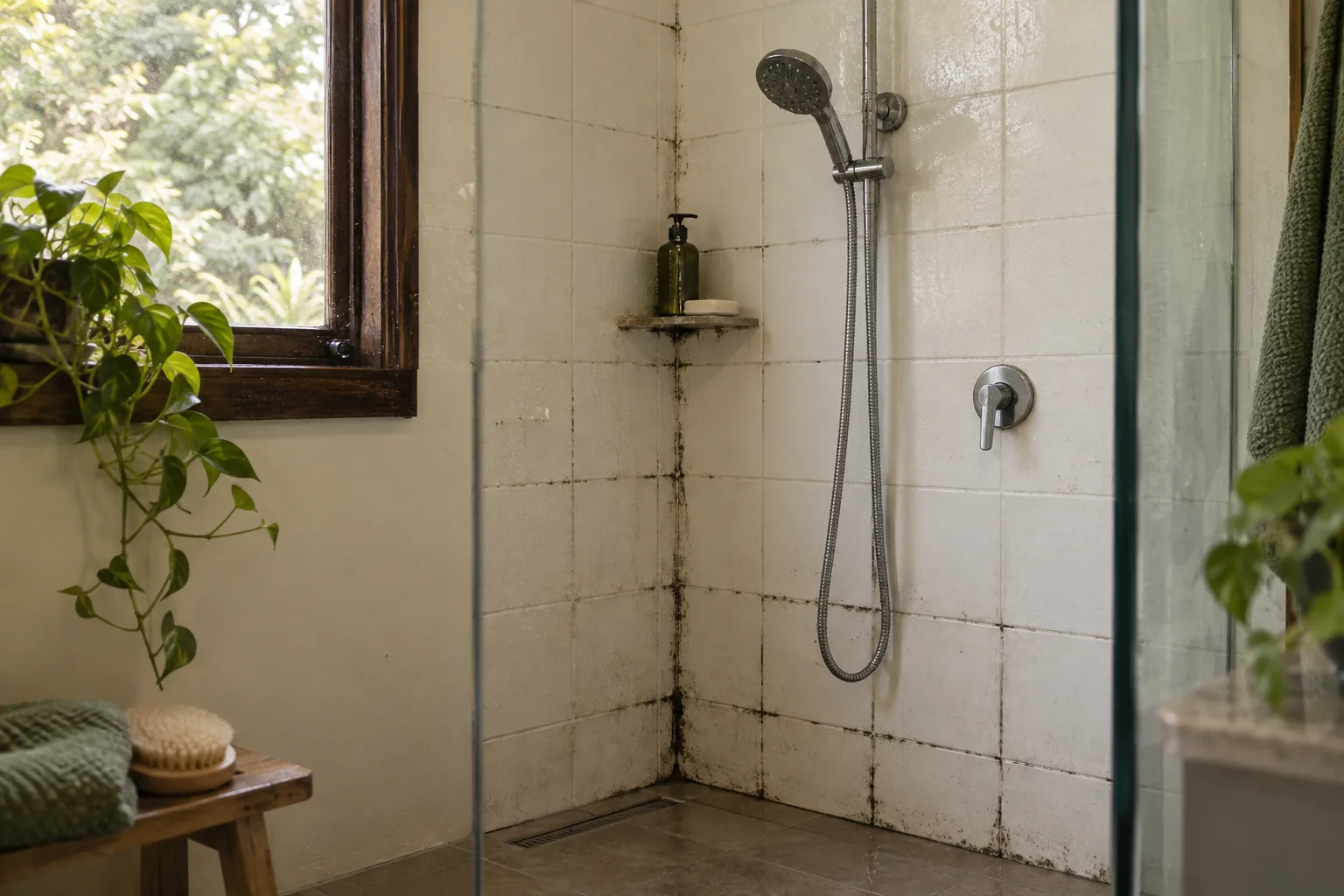
Show how the patch sits relative to the sink, cooking area or outside wall. Provide a wider room view and identify fixed appliances or cabinetry. A location clue should guide questions rather than become a diagnosis that cooking steam caused every marked surface.
Describe panels and wall separately
Mention swelling, paint changes and what can actually be reached when discussing removal. A cupboard finish can differ from the building wall behind it, and fixed backing can limit what the accessible view establishes.
INSPECTION & MOISTURE
Separate cooking moisture from water faults
Assessment should interpret the visible material and timing without treating a kitchen label as proof of one moisture cause.
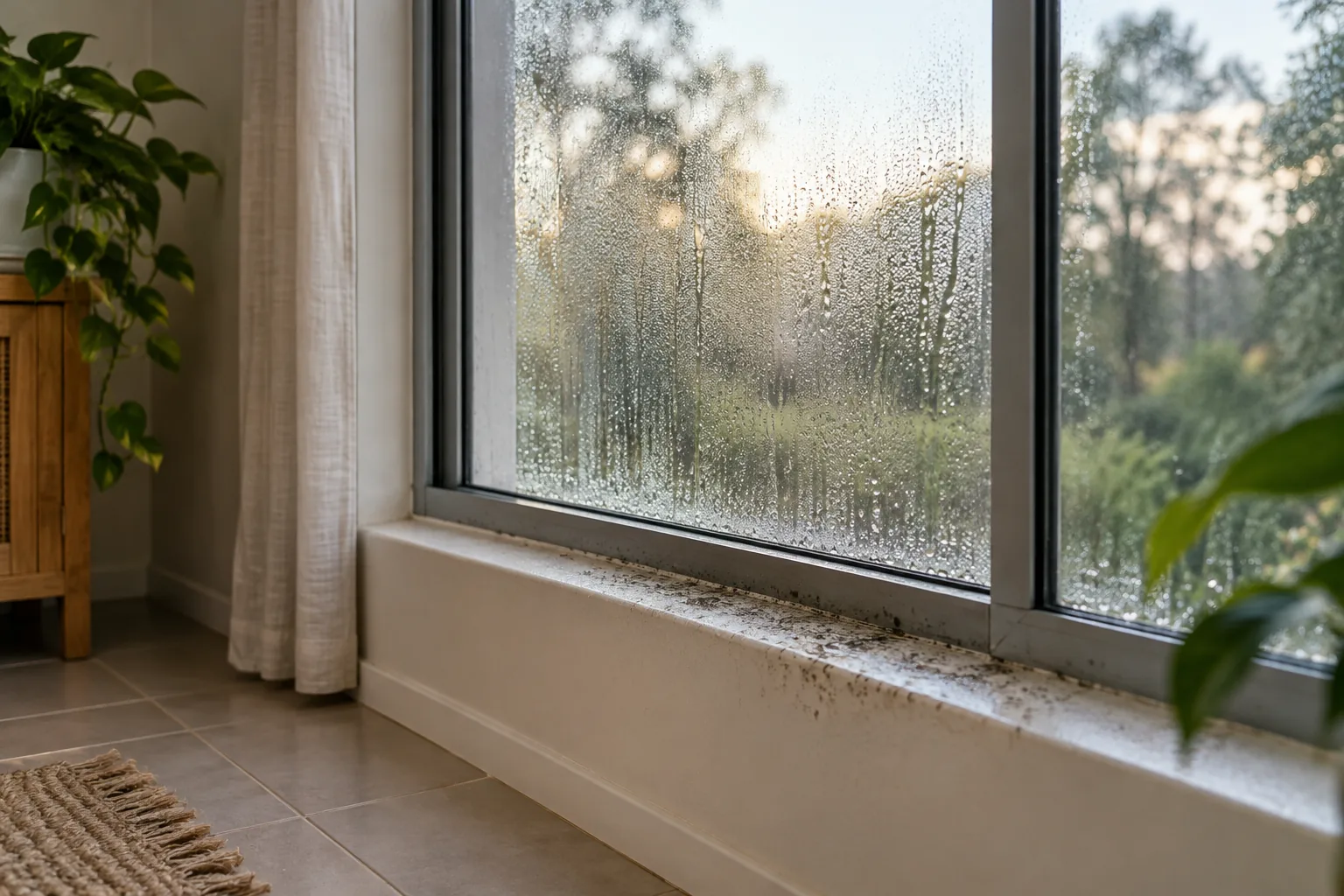
Compare the ordinary-use events
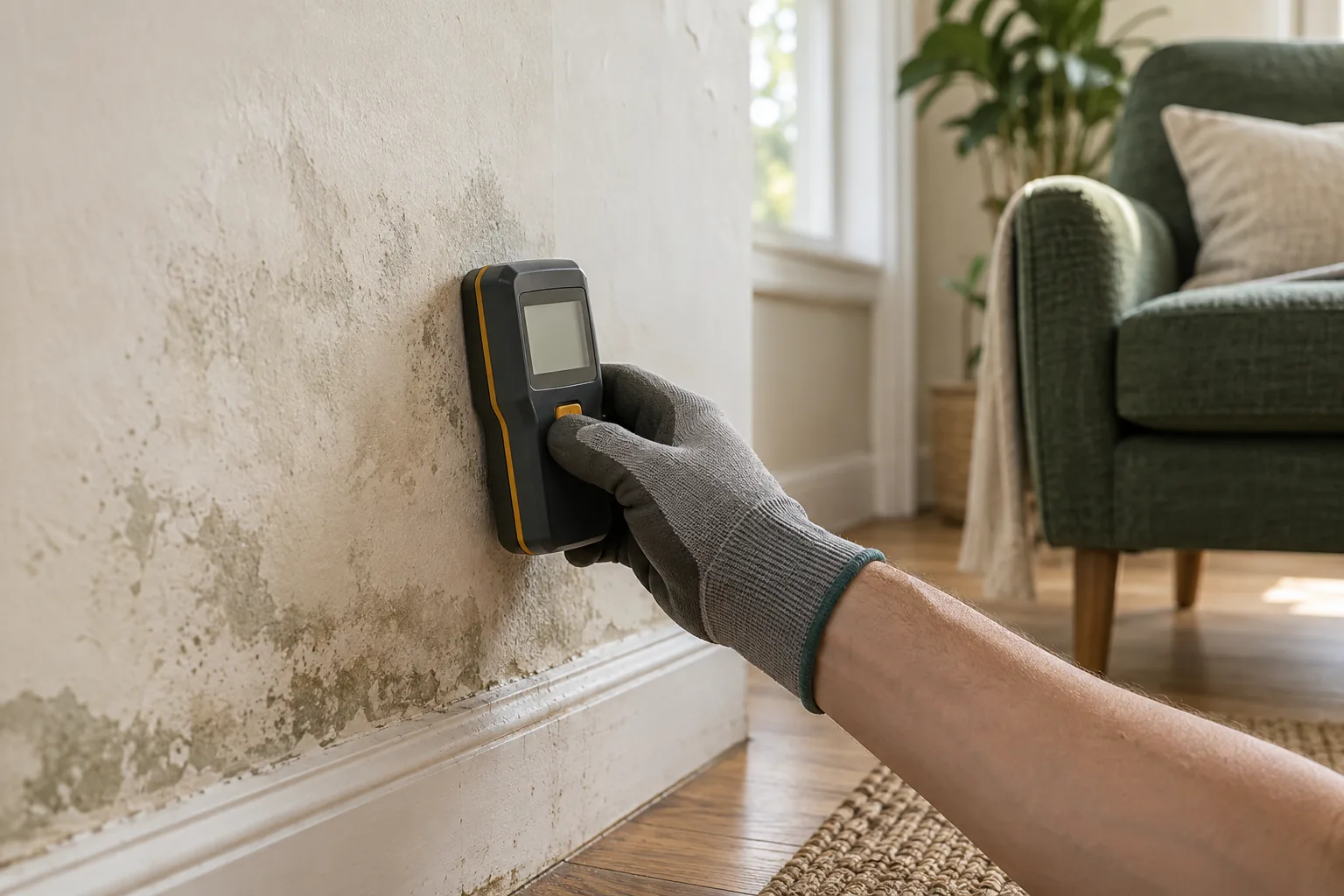
Record changes after cooking, dishwasher use, plumbing events or rain separately. Bring repair information and avoid running equipment to demonstrate a suspected leak if that could add damage. Extraction performance may require its own appropriate professional assessment.
Choose the useful inspection question
Discuss inspection if source or cabinet condition remains uncertain. Ask which accessible findings guide treatment and which plumbing, ventilation or building issue needs another trade. Identify exactly what fixed appliances hide so an enquiry does not imply a complete view behind the room’s fittings.
A CONNECTED PROCESS
A work plan for the affected surfaces
Agree the kitchen materials
Confirm visible walls, ceilings and suitable hard floors individually, including cupboard surfaces only where specifically suitable and accessible. Textiles are excluded. Swollen panels may need replacement rather than more aggressive treatment, and hidden wall conditions remain a separate investigation question.
Plan contents and equipment preparation
Discuss food-related belongings, removable storage and who handles any necessary equipment movement. Appropriate PPE and protection should suit the agreed task. Appliance disconnection and cabinet dismantling must not be assumed to be ordinary preparation on the day.
Prepare controlled access
Organise HEPA filtration and reach around the selected surfaces without altering plumbing or concealing original marks. Additional invasive viewing or repairs need separate responsibilities. The work zone should acknowledge fixed fitting limits while making the supported surface task practical.
Treat suitable exposed growth
Physical removal and material-appropriate treatment follow assessment. The remediation plan can identify damaged material or further investigation. Cleaning cannot repair sink connections, reverse panel swelling or increase the performance of an ineffective exhaust system.
Review the original kitchen locations
Explain staining, excluded surfaces and unresolved source tasks, then retain comparable views of the wall and cupboard as well as the ceiling. If marks return, compare the relevant use or weather record; a cleaner room does not guarantee every concealed condition or source is resolved.
WHERE MOULD APPEARS
Give each surface its own description
Cupboard base
Describe material and any visible water independently of surface colour. Damaged panels may need another task.
Kitchen wall
Show its relationship to the wet and cooking zones. Position helps investigation without proving a single cause.
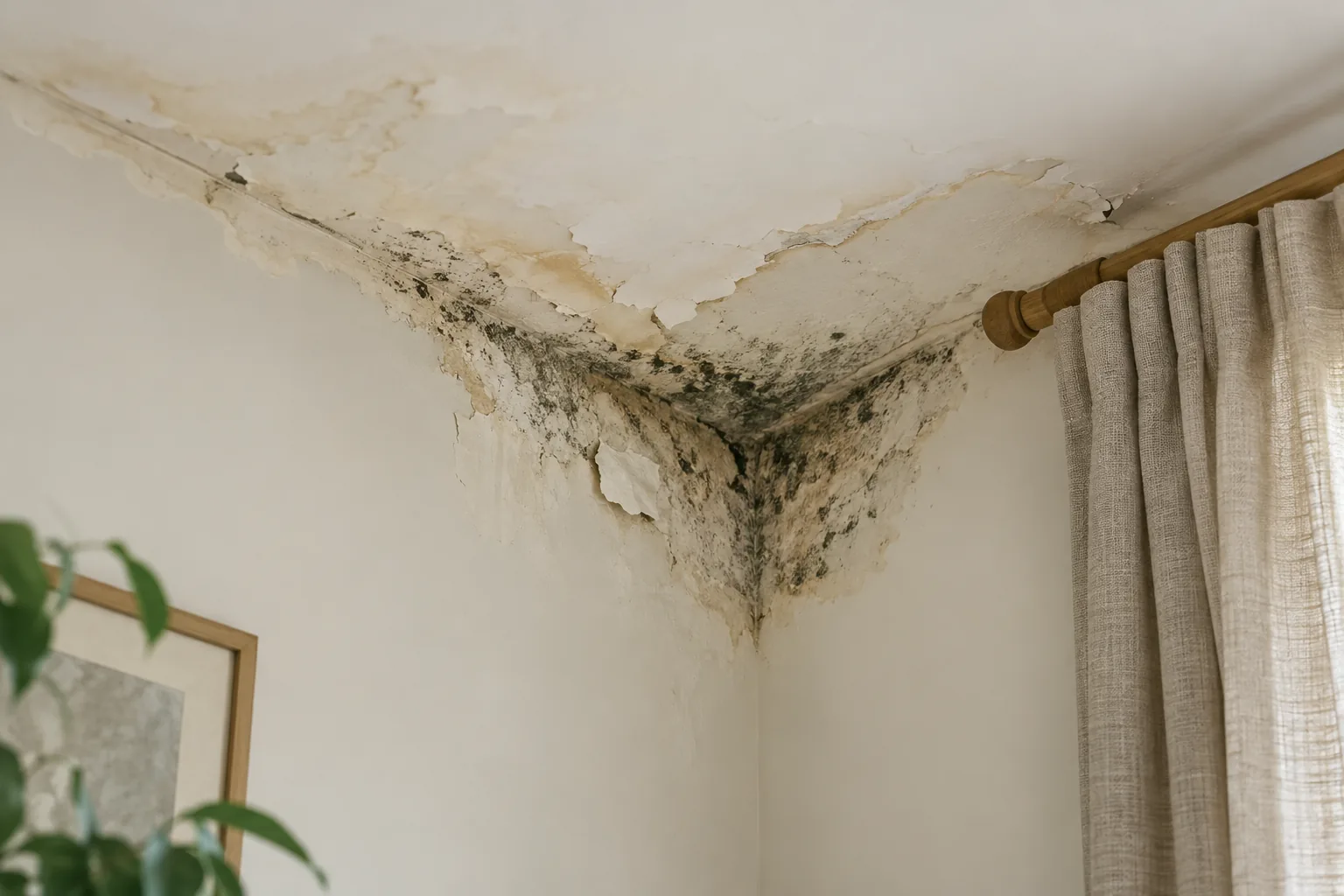
Ceiling over the kitchen
If upper growth is present, describe cooking moisture, extraction and known leaks separately. Ceiling position informs questions without proving that steam explains the whole patch.
Hard floor
Name finish and water exposure. Mats and other textiles remain outside the stated surface service.
MAKE SPACE FOR DRYING
Keep the source and the surface in view
After identified repairs and treatment, check the original cabinet and wall locations during ordinary use. Keep source-repair dates and observed changes together. Do not cover swollen material with a liner merely to improve its appearance.
Maintain relevant extraction and appliances appropriately and arrange plumbing or building repair where needed. Surface treatment does not fix connections or ventilation design. If a patch returns, use the actual timing record to guide the next investigation rather than assuming more frequent kitchen cleaning answers the source question.
KALLISTA & NEARBY
Nearby location guides
For a kitchen at another surrounding address, these guides help maintain its own room layout and water-history enquiry: Sherbrooke, Sassafras, The Patch.
QUESTIONS WORTH ASKING
Before the visit.
Does mould near the cooker prove steam caused it?
No. Plumbing, water entry and room conditions may also be relevant; position alone does not establish the source.
Can cleaning reverse cupboard swelling?
It does not restore deteriorated material. Repair or replacement may require a separate assessment.
Will fixed appliances be disconnected?
Do not assume so. Movement and connection responsibilities must be agreed before the scope depends on that access.
What should happen to food-related belongings?
Discuss preparation in advance so the relevant items can be arranged appropriately for the agreed task.
Can the adjoining wall be considered too?
Describe it separately, including material and timing, so its relationship and accessible treatment can be assessed.
How is Kallista availability checked?
Call with the exact address, kitchen layout and equipment restrictions to discuss a suitable appointment.
START WITH YOUR ROOM
Talk through the room in Kallista
Phone 03 8652 1296 with the address, marked materials and ordinary-use observations. We can discuss assessment, practical preparation and a suitable surface scope before confirming availability.
Useful references: Yarra Ranges — regional areas