
CRIB POINT · MELBOURNE
Mould Removal Crib Point
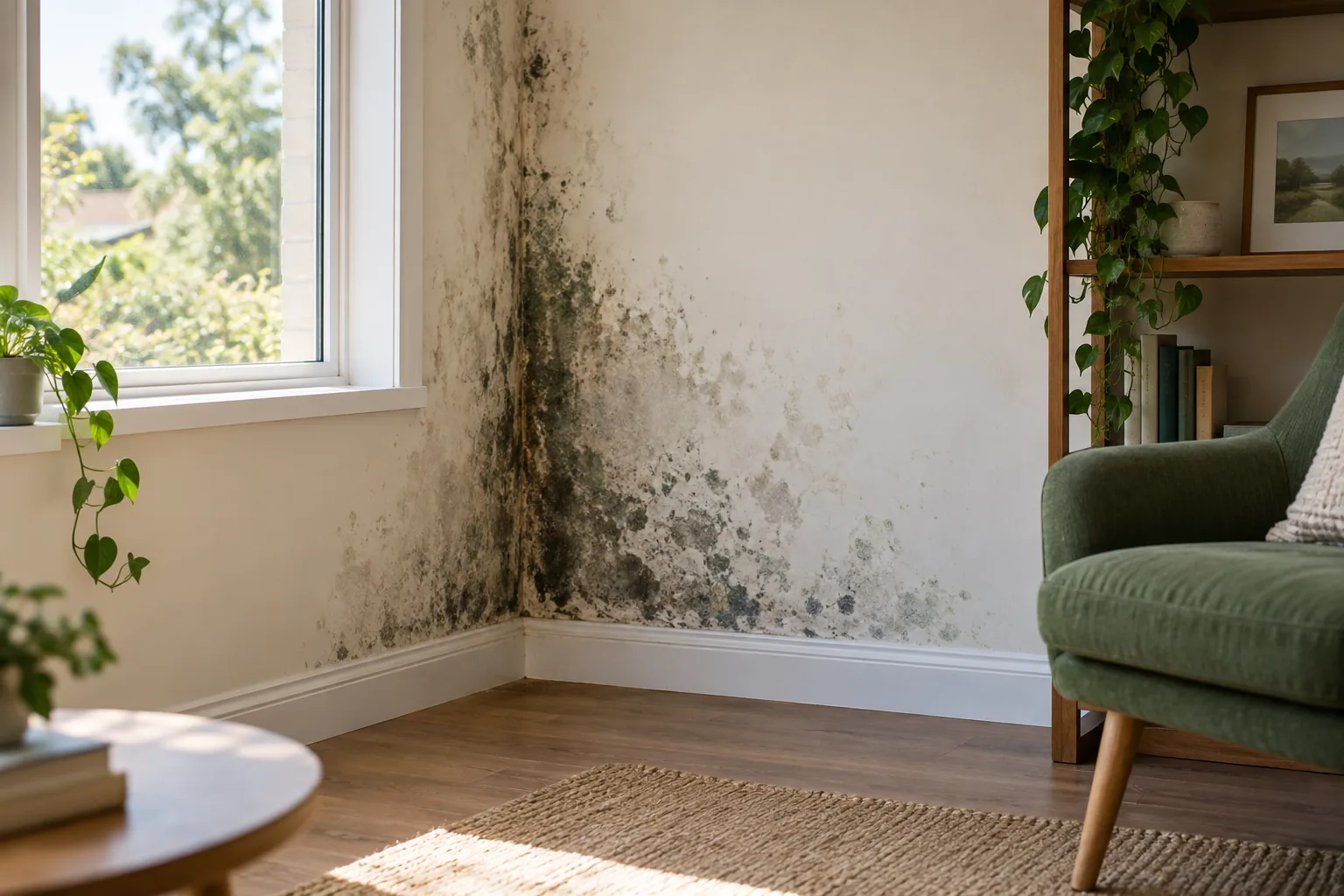
When mould appears beside curtains, it is important to separate the wall concern from the fabric concern. For Crib Point enquiries, describe the curtain position, window wetness and coating condition. Call 03 8652 1296 to check address availability and discuss visible surfaces. Removing wall growth should not be expected to establish whether a textile lining can be retained or whether a frame needs repair.
Material boundaries explained
Practical access discussion
Moisture history considered
WALLS · TEXTILES · WINDOWS
THE HOME, IN CONTEXT
Describe the particular window room
Crib Point is named in the Victorian Government’s Mornington Peninsula locality list. Give the property address and room rather than assuming one building type. A broad photograph helps show how curtains, furniture and the window relate to the patch.
Keep fabric and plaster distinct
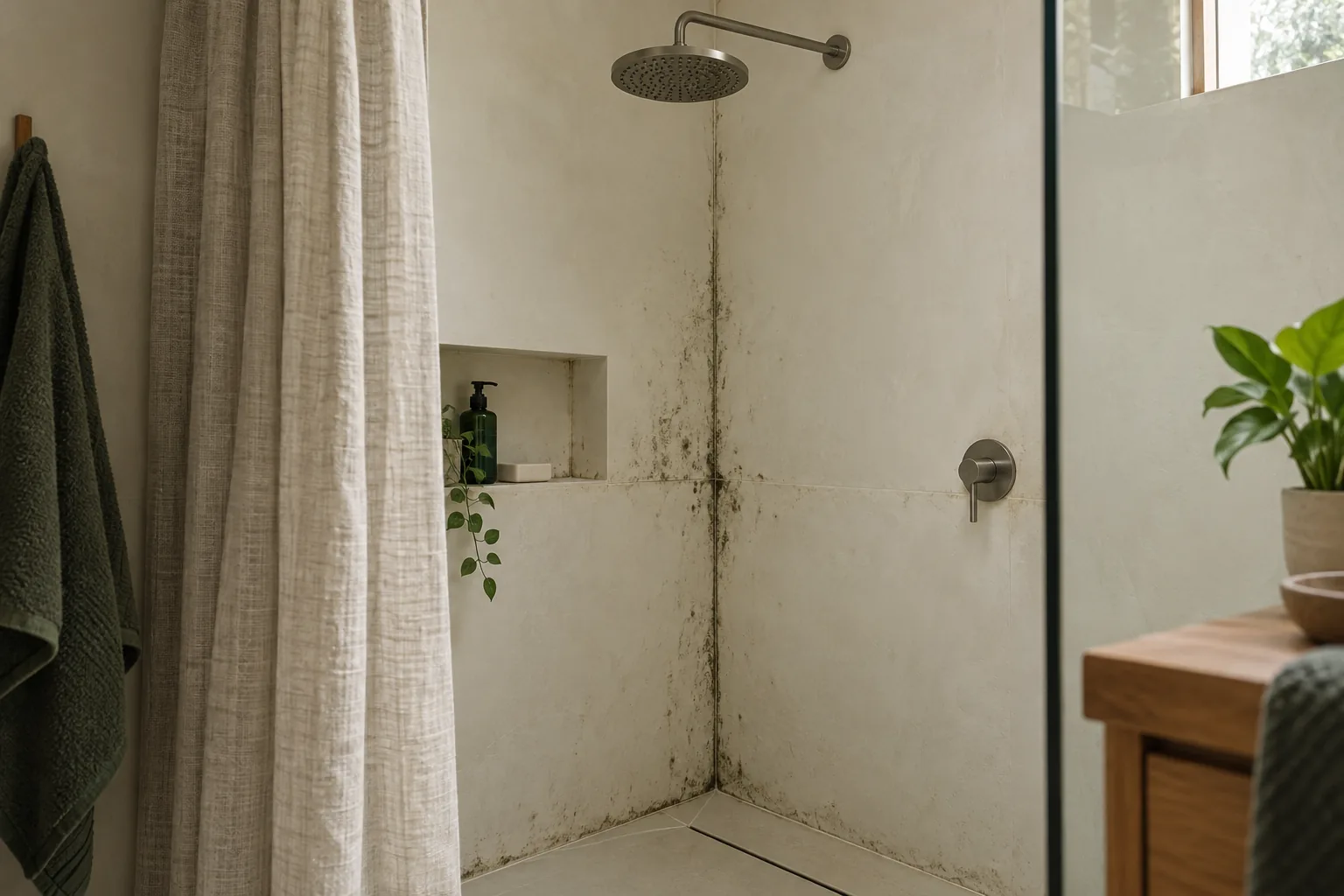
Tell us if the curtain itself has marks or if growth is visible only behind it. Those observations create different material questions. Do not brush or shake affected fabric to reveal the wall for a photograph.
Note what becomes wet
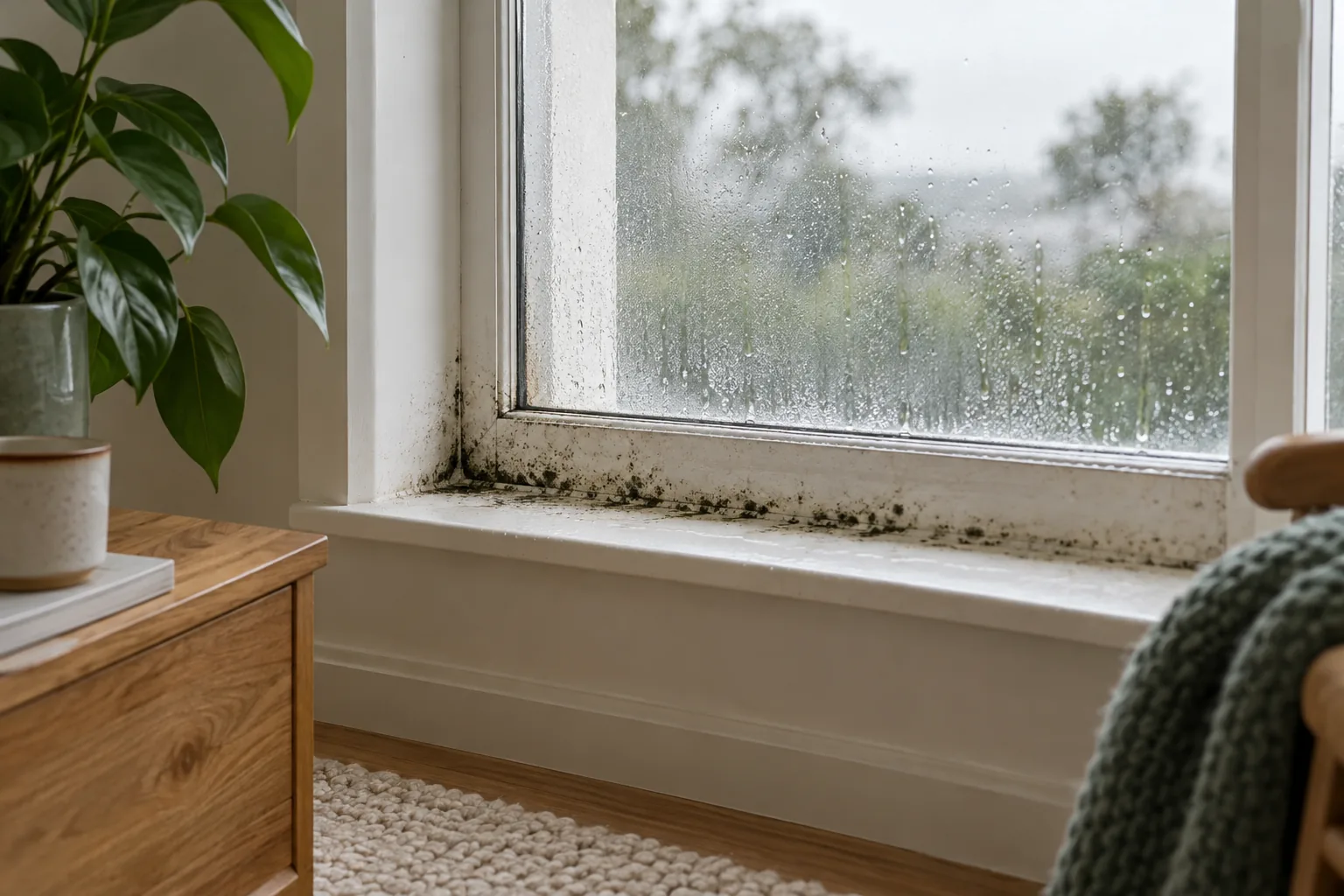
Glass droplets, a damp sill and wet plaster are separate observations. Describe their timing without deciding the cause from the window location. More than one source can affect the same small area.
INSPECTION & MOISTURE
Assess access behind the curtain
A window-side surface assessment discussion can consider visible condition and obstruction. The room layout matters, while concealed frame material may need another investigation beyond accessible wall work.

Identify the wall finish
Wallpaper, paint and timber trim need different suitability decisions. Include lifting or swelling. A method appropriate for one finish should not be selected solely because all the marks sit beside the same curtain.
Explain the normal arrangement
Describe curtain length and whether furniture blocks the sill. Do not stage a different room layout for photographs. The usual position helps frame practical preparation and future observation questions.
A CONNECTED PROCESS
Plan the fabric and building surfaces separately
Record the room
Send a wide view before moving curtains, plus close images of visible wall growth. Confirm address availability and note access restrictions. Photograph what can be reached safely without climbing on furniture.
Set the wall boundary
Discuss removal from accessible window-side walls with trim and sill named separately. Textile care and concealed frame areas are not automatic parts of the building-surface proposal.
Agree curtain handling
Ask whether curtains need relocating and how affected fabric should be managed. Do not assume laundering or replacement is included. Ownership, material care and the condition of the item all matter.
Treat the fixed window-side surfaces
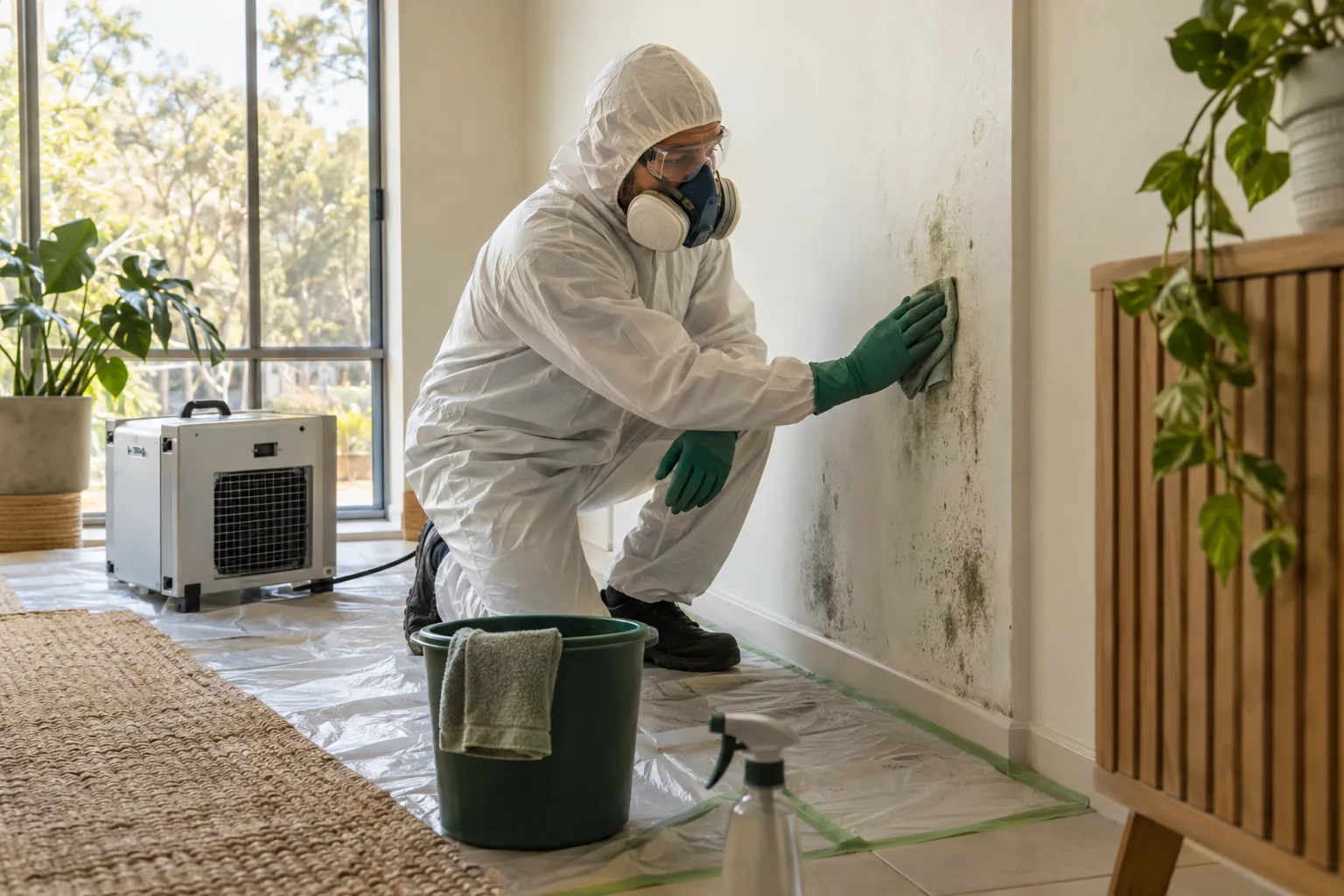
Keep textile handling separate while suitable accessible wall, sill and trim receive physical removal and compatible treatment. HEPA filtration may be appropriate to the method. A swollen component or defective frame requires repair; the wall result does not establish the condition of curtain fabric.
Review before rehanging
Record residual stains, coating damage and unresolved wetness. Keep the textile decision separate from the wall result. Rehanging a curtain should not hide a still-damp surface or end an unfinished source investigation.
WHERE MOULD APPEARS
Window-side materials to mention
Curtain lining
Porous textile may have its own care limitations. Describe visible growth without disturbing it. An improved wall does not determine whether the fabric is suitable to retain.
Painted reveal
Show the junction with the frame and any lifting paint. Material damage can alter suitable work. The growth pattern helps locate the concern but cannot diagnose water entry by itself.
Timber sill
Swelling or deteriorated coatings need individual consideration. Cleaning cannot restore damaged wood or seal a faulty joint. Include these conditions before expecting a purely cosmetic result.
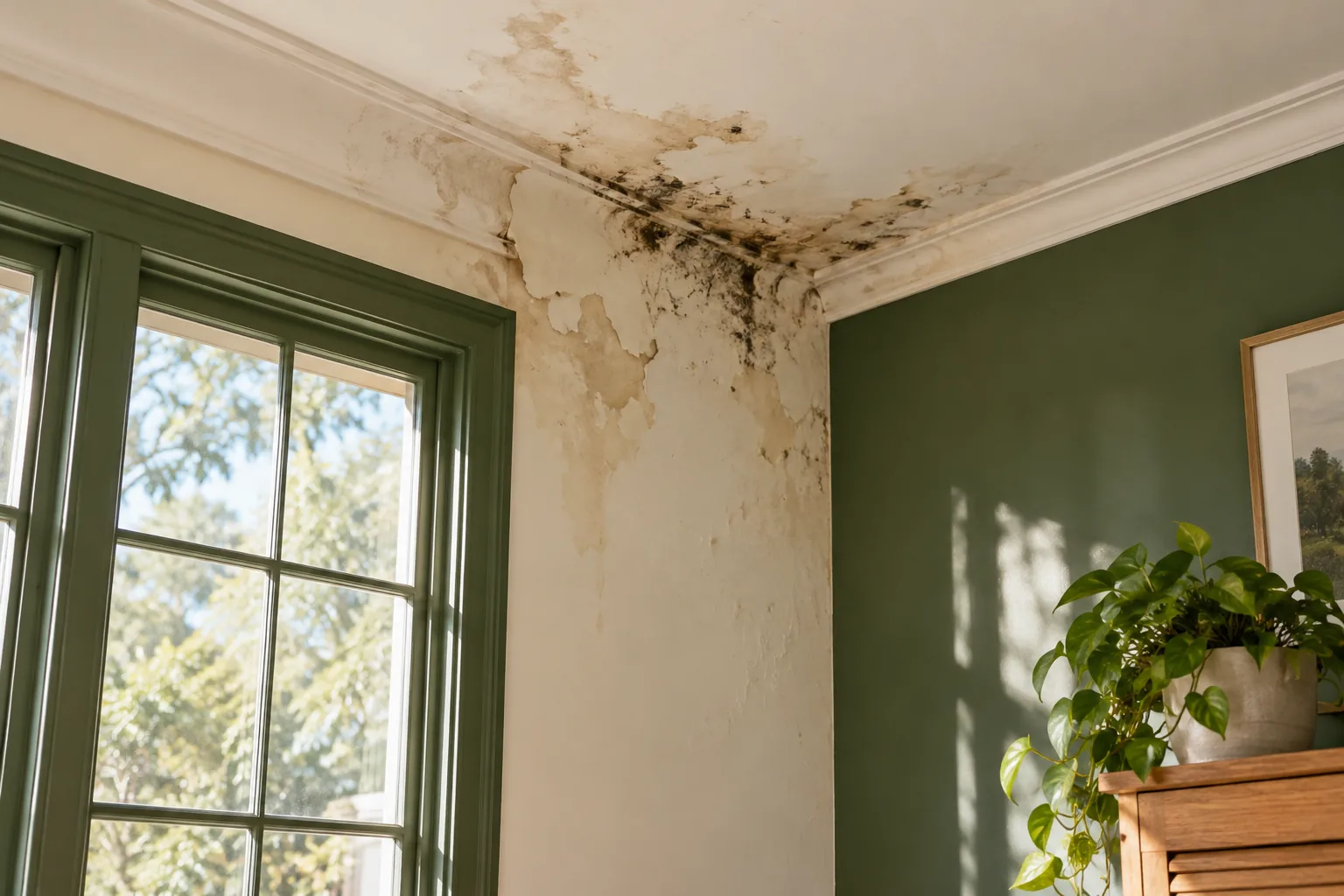
Ceiling above the window area
Include overhead stains or growth separately from the curtain and reveal. Describe coating damage and timing after water events. Window proximity helps locate the concern but does not establish its source or make textiles part of ceiling work.
MAKE SPACE FOR DRYING
Keep the window observations useful
After agreed work and repairs, note where droplets or dampness recur and how long they persist. Compare the same view over time. A consistent record helps distinguish surface appearance from ongoing moisture questions needing further attention.
Where practical, avoid leaving fabric resting against wet glass or walls. Maintain functioning ventilation and repair actual defects. Layout changes may support drying but do not guarantee prevention or replace a building investigation where wetness continues.
CRIB POINT & NEARBY
Nearby property enquiries
Compare location information for Bittern Somers Hastings. Give the exact property address when calling; a nearby page does not confirm an available appointment.
QUESTIONS WORTH ASKING
Before the visit.
Should I take the curtains down immediately?
Discuss their condition first, especially if they carry growth. A photograph of the normal arrangement is useful. Moving affected fabric through the property needs suitable handling rather than improvised preparation.
Can wall removal include curtain cleaning?
Curtain cleaning is excluded from this surface service. Fabric and lining need separate care and handling decisions. Mention affected curtains when discussing preparation so access to the wall can be planned without treating the textiles as part of the job.
Does wet glass explain the plaster mould?
Not completely. It is one observation among several. Water may reach plaster through another route, so describe both surfaces and their timing before deciding what investigation is needed.
Will the sill look new afterwards?
Cleaning cannot restore deteriorated timber or guarantee a decorative finish. Discuss staining and coating damage separately. Repair or decoration may remain necessary after the agreed growth removal.
What if marks return after rehanging curtains?
Revisit wetness, material condition and the room arrangement. Recurrence does not identify a single cause. Avoid covering the area again without considering an appropriate moisture investigation.
How do I enquire about Crib Point surfaces?
Call 03 8652 1296 with the address, room photographs and textile details. Availability and preparation can be checked before curtains are moved or frame repairs are scheduled around a possible visit.
START WITH YOUR ROOM
Discuss the wall and curtain together
Call with the room arrangement and moisture history. A clear distinction between fixed surfaces, textiles and repair concerns makes the Crib Point enquiry more useful before access is arranged.
Useful references: Victorian Government — Mornington Peninsula localities