
BITTERN · MELBOURNE
Mould Removal Bittern
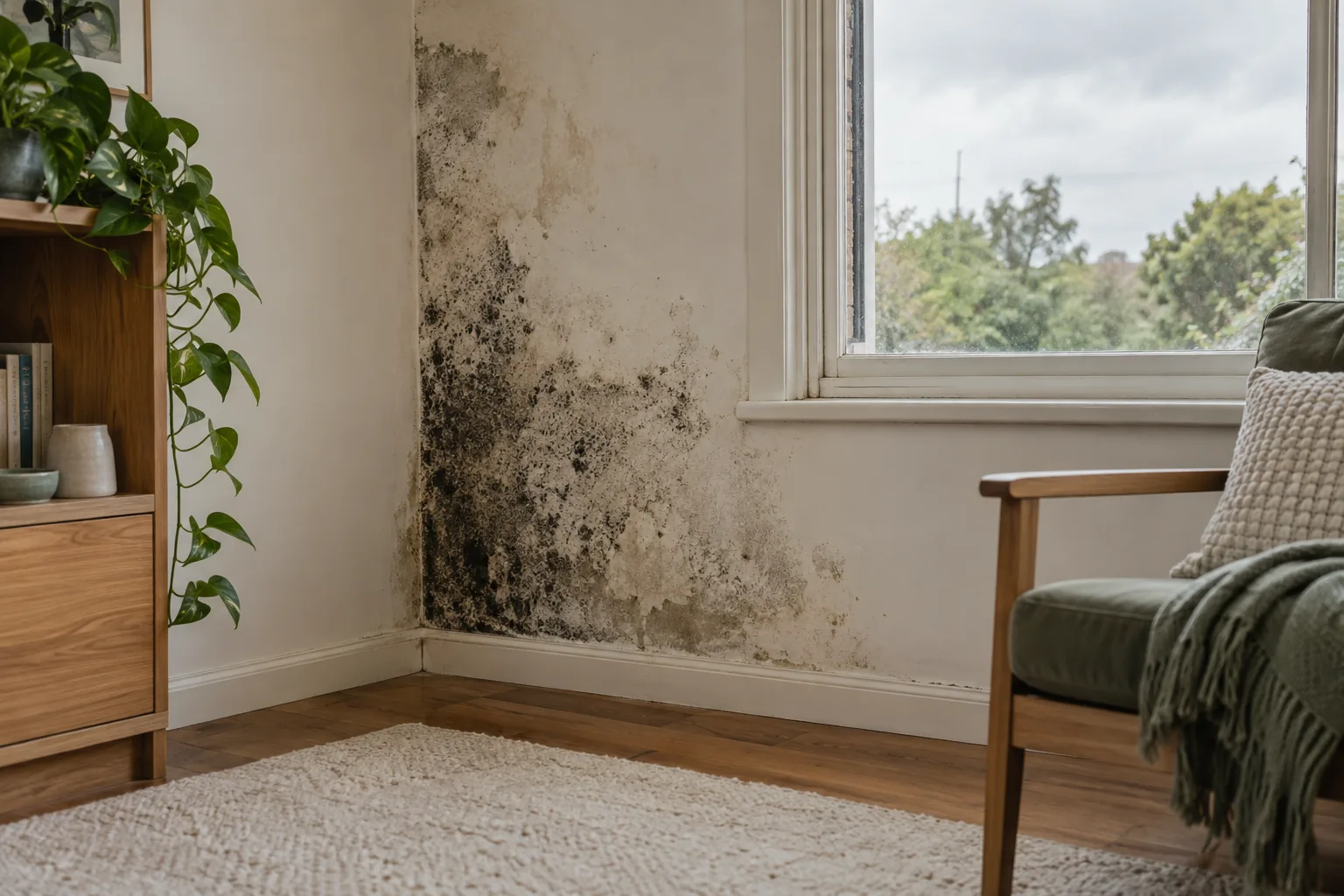
Shelving can hide mould while also making the wall difficult to reach. For Bittern enquiries, show the room layout and describe whether the shelves are fixed or freestanding. Call 03 8652 1296 to check address availability and discuss accessible surfaces. Wall work, shelving condition and stored contents need individual decisions; clearing the room should not involve disturbing growth or dismantling joinery without a practical plan.
Fixed storage access checked
Contents handled separately
Material condition discussed

STORAGE · SHELVES · WALLS
THE HOME, IN CONTEXT
Locate the storage area accurately
Bittern is included in the Victorian Government’s Mornington Peninsula locality list. Give the property address and room involved. If storage is in a separate building, identify that clearly rather than treating it as part of the main house automatically.
Describe the shelf construction
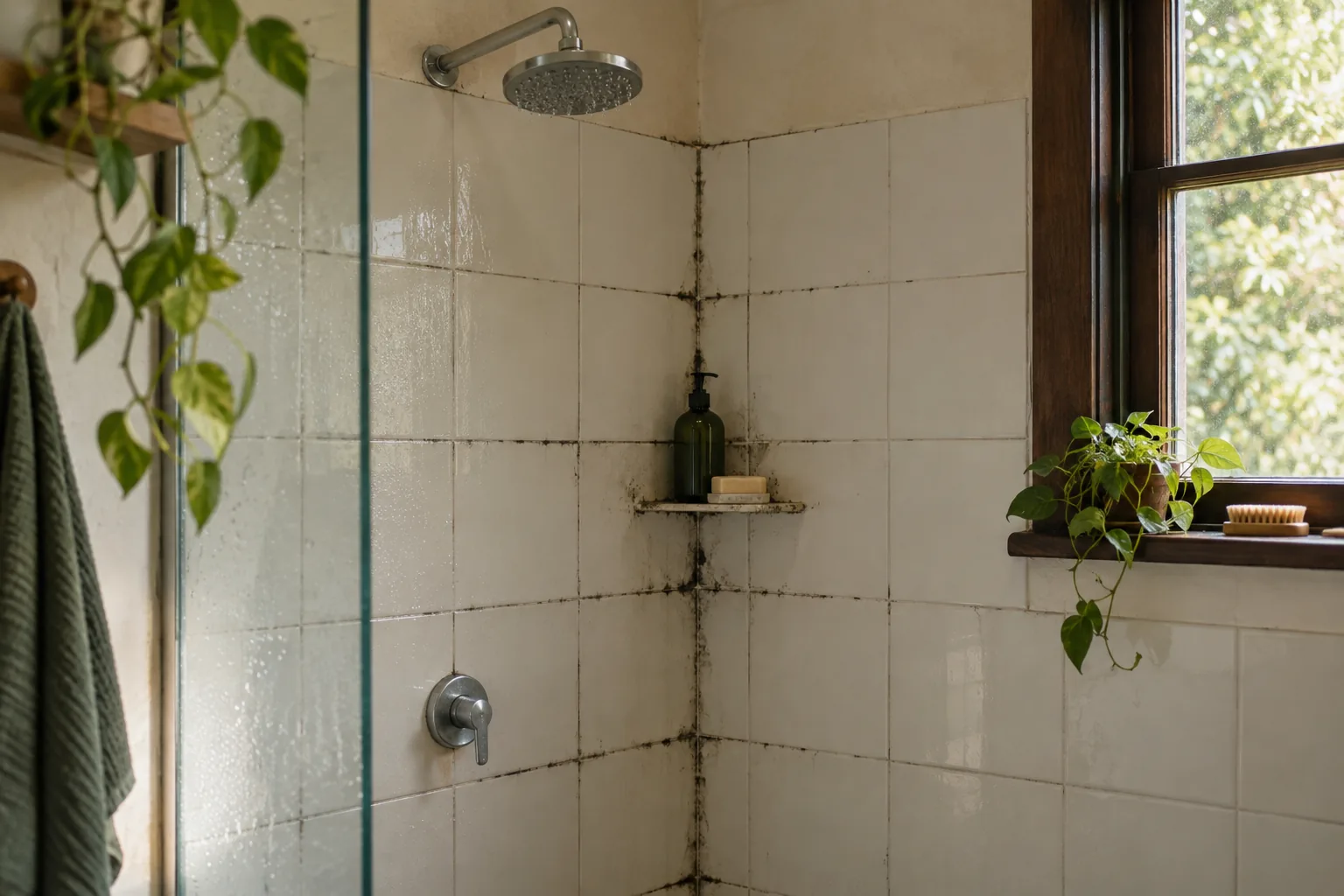
A fixed system changes access to the wall. State its material and any backing panels as far as known. Do not remove components to reveal more growth before discussing who will manage that work.
Keep contents distinct
Books, cartons and fabric items can be affected independently of the wall. List visible damage and obstructions separately. A building-surface proposal does not determine the appropriate care or retention of everything stored nearby.
INSPECTION & MOISTURE
Assess what is visible and what is hidden
A storage-area assessment discussion can identify the useful observations and access limits. Explain wetting history without assuming the shelves caused the problem simply because growth appeared behind them.

Check lower edges visually
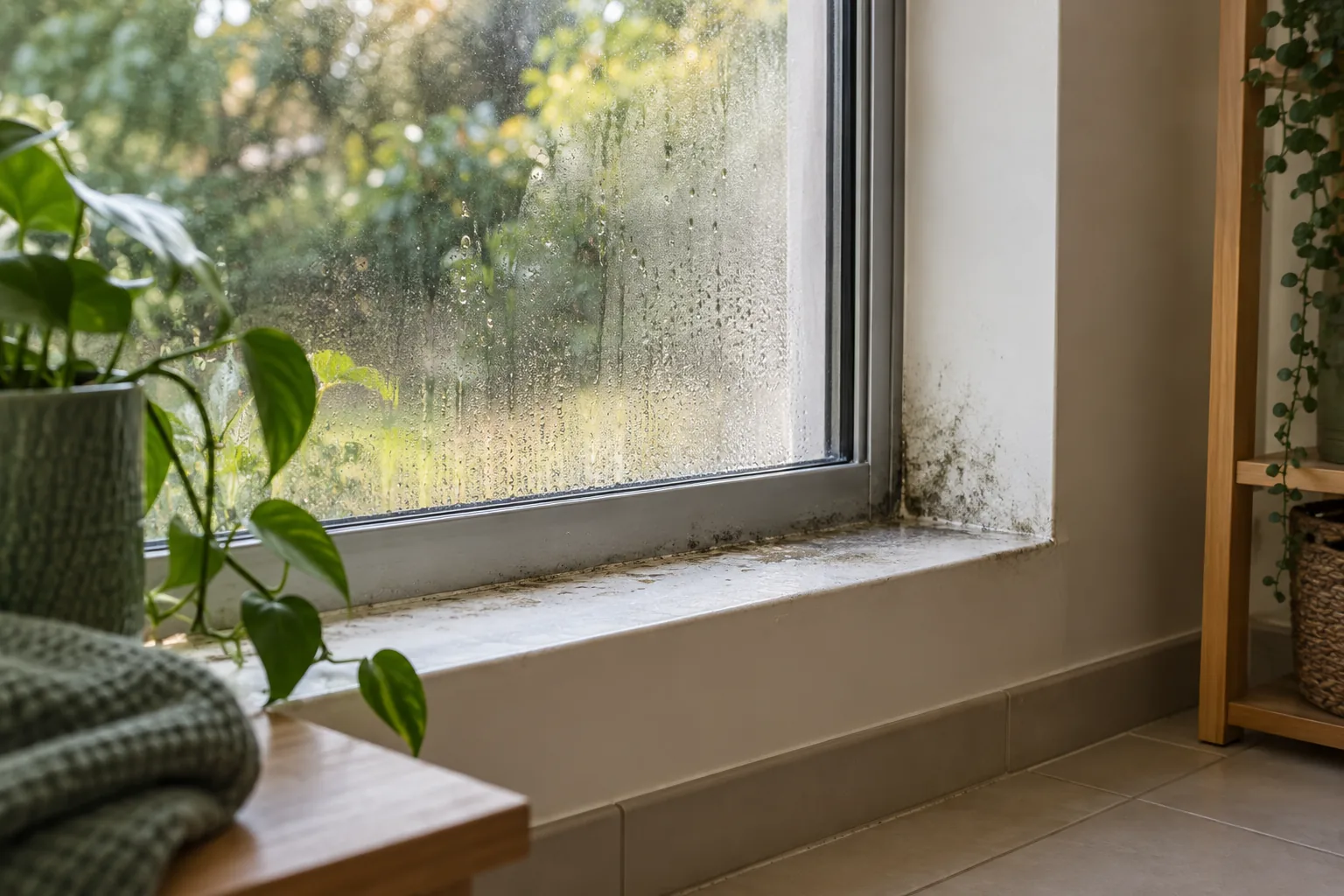
Mention dampness, swollen boards or staining near the floor. Do not lift coverings or probe the wall to trace it. Those conditions may require material or source decisions beyond cleaning the exposed face.
Record changes in storage
Tell us about recent rearrangement, a spill or a room closure. The sequence can explain why growth was discovered. Discovery timing does not necessarily show when the material first became affected.
A CONNECTED PROCESS
Plan the storage area before clearance
Share a broad view
Show shelving, floor junctions and wall edges with close views of distinct patches. Include the entry route. Confirm address availability before organising help or emptying a room that may not need complete clearance.
Agree the building surfaces
Discuss removal from accessible storage-room walls separately from shelf faces and backing boards. Name concealed areas and material damage rather than treating the entire storage system as one cleanable surface.
Arrange safe handling
Ask which sound contents can be moved and how affected items should be managed. Heavy shelves need suitable handling. Do not carry dusty or growth-covered cartons through other rooms merely to create a clear wall.
Treat the exposed storage-room wall
After suitable contents handling, the reachable sound wall can receive physical removal and compatible treatment. HEPA filtration may support the agreed work area. Shelf backing and softened boards need individual material decisions; a cleaner wall does not settle the condition of stored goods.
Review before restocking
Record what was addressed and what remains inaccessible. Return items only according to their condition and the agreed arrangements. A clean wall does not establish that every stored item is suitable to keep.
WHERE MOULD APPEARS
Materials around a storage wall
Shelf backing
Thin board may swell or conceal the lining behind it. Describe its condition and whether it can be accessed. Cleaning the visible face does not confirm the state of hidden material.
Ceiling above the storage shelves
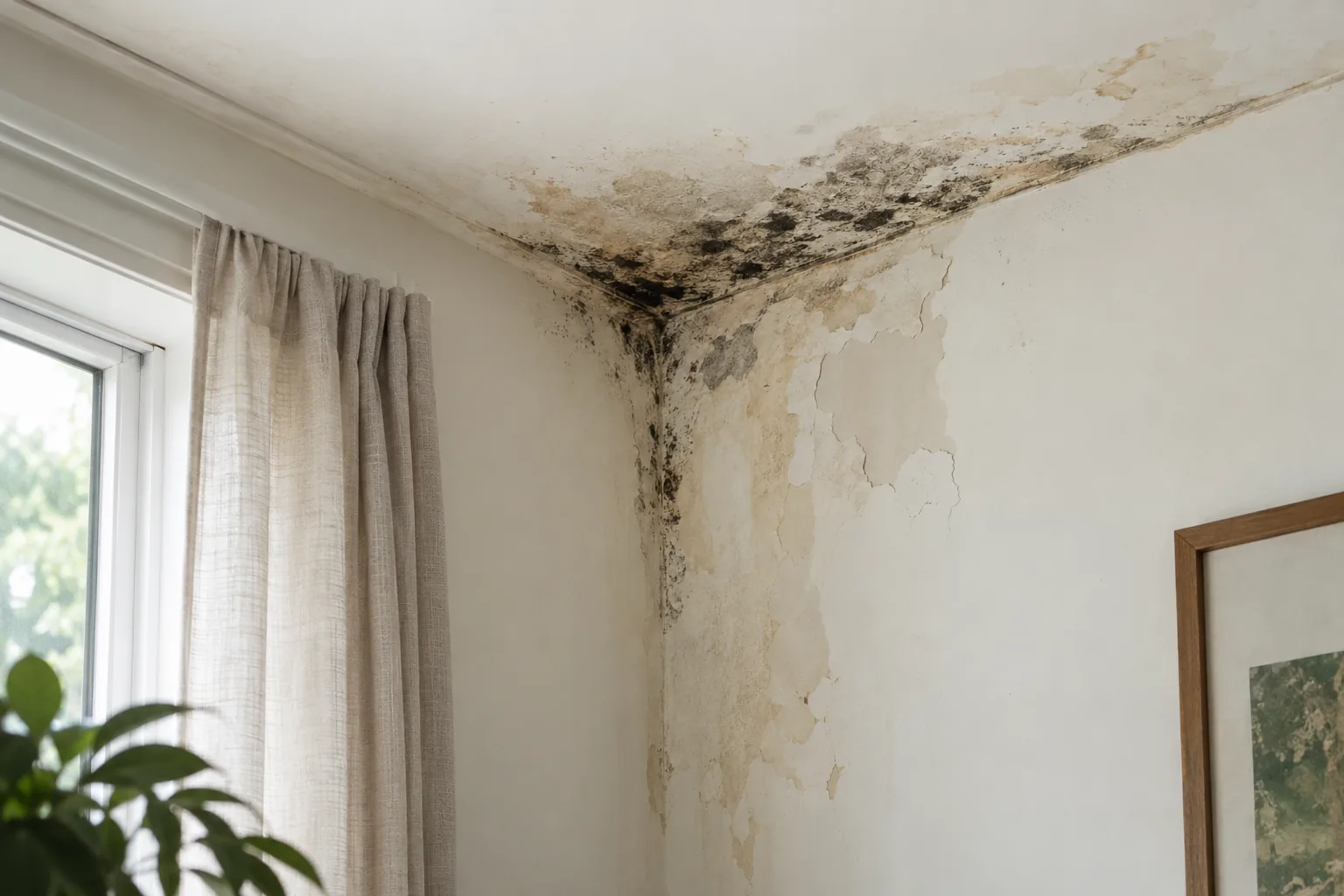
If upper marks are present, show shelf height and the ceiling together. Fixed storage can limit reach. Keep the ceiling material and wetting history distinct from damaged shelf backing or affected contents.
Coated wall
Report peeling, stains and repeated wetness. Material condition can limit suitable cleaning. A small visible edge does not guarantee a sound finish behind the shelf system.
Floor margin
Growth or dampness below shelves deserves its own description. Wall removal does not automatically cover floor backing or underlay. Opening those layers needs an appropriate access and handling decision.
MAKE SPACE FOR DRYING
Keep storage from concealing future observations
After moisture and material concerns are addressed, maintain practical inspection access where possible. Keep the room photographs and a short timeline. If growth reappears, compare identifiable locations rather than describing only a general musty smell.
Store items dry and avoid tightly packing them against visibly damp surfaces. Airflow and access improvements may help, but cannot guarantee prevention. Continuing water entry should receive suitable investigation and repair rather than another storage rearrangement alone.
BITTERN & NEARBY
Nearby property enquiries
Compare location information for Hastings Crib Point Balnarring. Give the exact property address when calling; a nearby page does not confirm an available appointment.
QUESTIONS WORTH ASKING
Before the visit.
Should I remove fixed shelves before calling?
Discuss access first. Removing them may expose affected material and damage the room. Clarify whether opening-up is needed, who will perform it and how the newly exposed surface will be assessed.
Can books be treated with the wall method?
Do not assume that. Paper and bindings need material-specific consideration. Tell us about contents separately and avoid brushing them in preparation for a building-surface enquiry.
Does the shelf layout explain the mould?
It is relevant context, not a complete diagnosis. Wetting history and material condition still matter. A leak or another moisture route can affect surfaces regardless of storage arrangement.
What if the backing board is swollen?
Mention that damage so replacement or repair can be considered separately. Cleaning cannot reverse swelling. A more presentable face does not restore the board’s intended condition.
Is a detached storage room included?
Only as a specific enquiry about its construction, use and access. Identify the separate building and utilities. Suitability and availability need checking rather than assuming all property structures are covered together.
How do I enquire from Bittern?
Call 03 8652 1296 with the address, shelf layout and wetting history. Check availability and preparation before emptying storage or arranging dismantling around a possible visit.
START WITH YOUR ROOM
Discuss the shelves and the wall
Call with a layout photograph and material details. Clear contents boundaries and access planning help make the enquiry practical without assuming every concealed or stored item belongs in the wall scope.
Useful references: Victorian Government — Mornington Peninsula localities