
SAFETY BEACH · MELBOURNE
Mould Removal Safety Beach
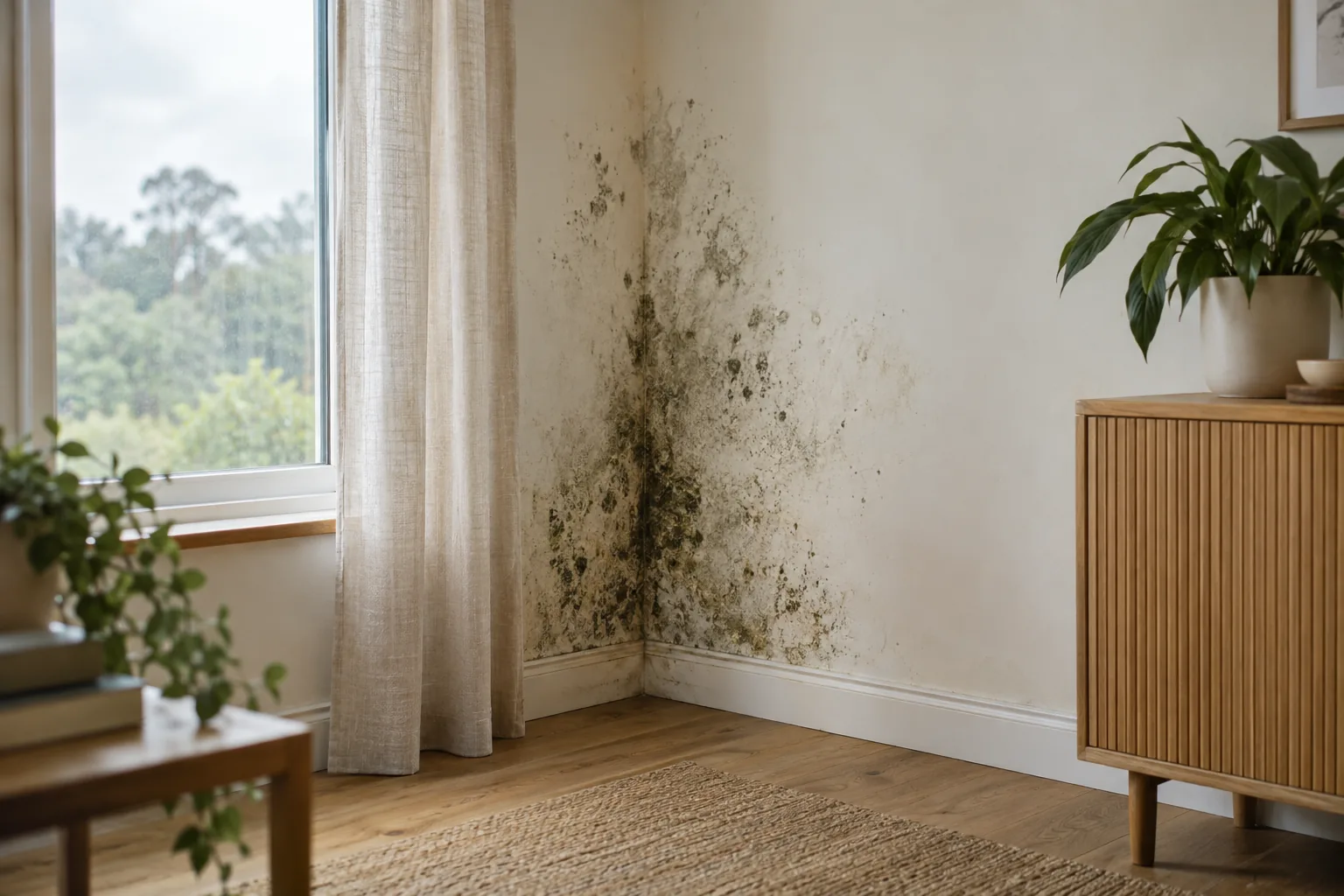
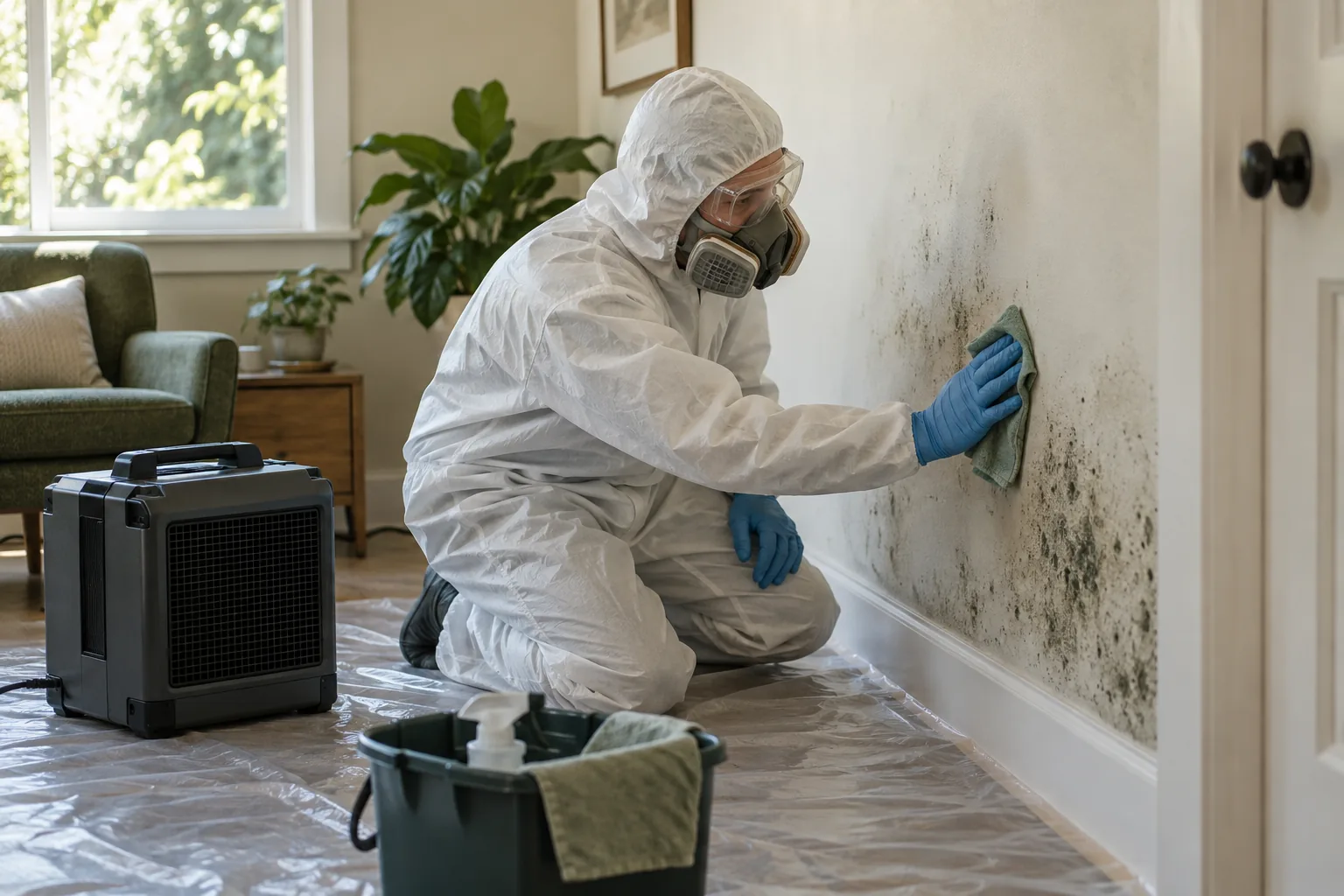
For Safety Beach enquiries, describe height, fixed furniture and building access alongside visible mould and the surface material. Call 03 8652 1296 to check address availability. A camera view does not prove reachability; preparation should not depend on unsafe climbing or unplanned dismantling.
Reachability discussed
Fixed obstructions identified
Surface boundaries explained
ACCESS · WALLS · FIXED ITEMS
THE HOME, IN CONTEXT
Confirm the exact locality and entry
Safety Beach is listed separately from Dromana in the Victorian Government’s Mornington Peninsula profile. Give the full address and entrance details. Nearby information does not confirm appointment availability or establish access to the specific room being discussed.
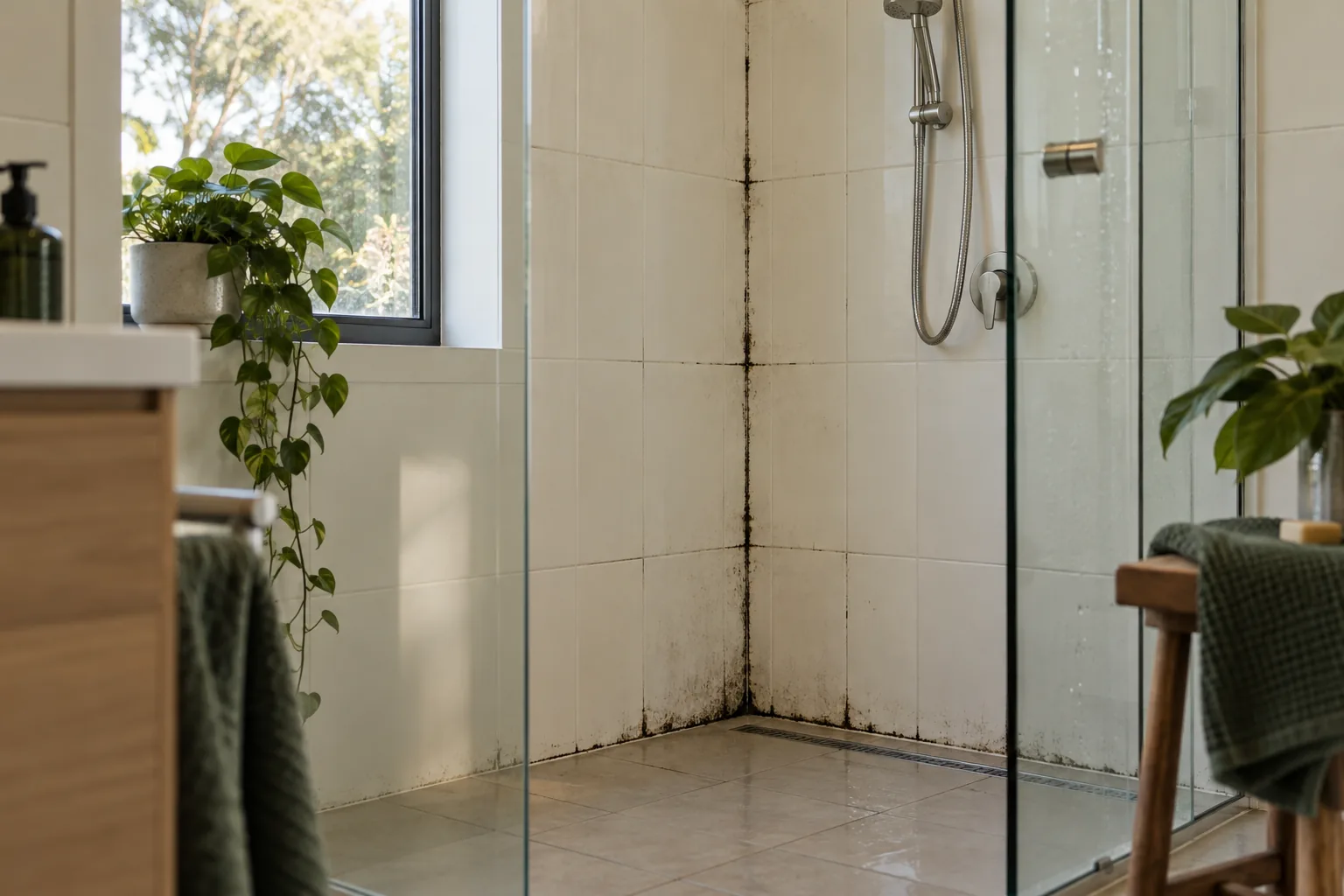
Show the obstacle and the patch
A wider photograph should include the cabinet, bench or ceiling height that restricts reach. Explain what is fixed. Removing an obstruction can change the material exposed and should not be an assumed part of surface cleaning.
Describe building access arrangements
If entry involves shared passages, keys or another person’s permission, mention that early. A visit needs suitable access to the building and the affected room. Neither should depend on arrangements that have not been checked.
INSPECTION & MOISTURE
Assess the reachable boundary first
A discussion of surface accessibility can distinguish visible areas from concealed ones. Include moisture history and damage so limited access does not lead to treating the exposed edge as the full extent automatically.
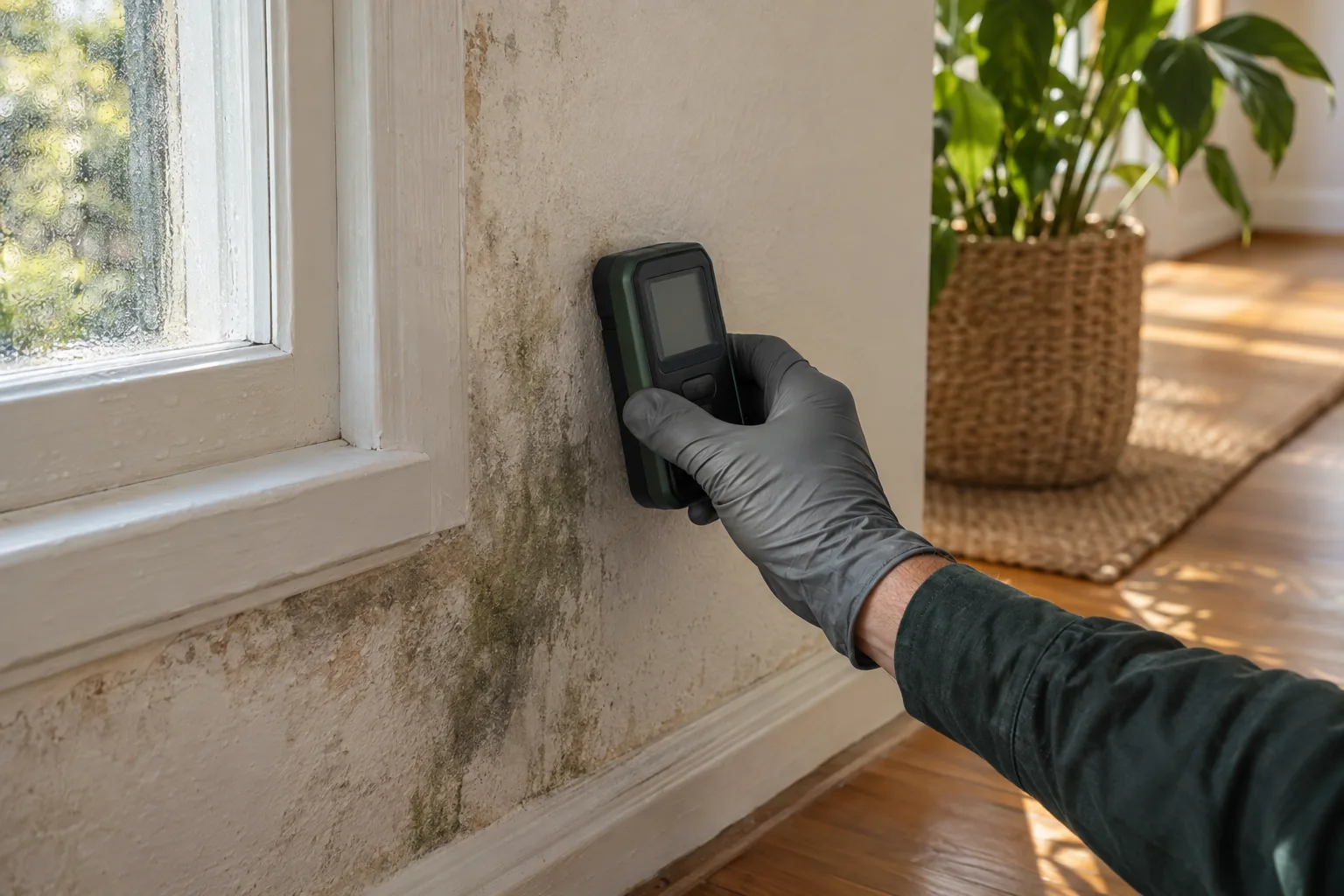
Identify fragile components
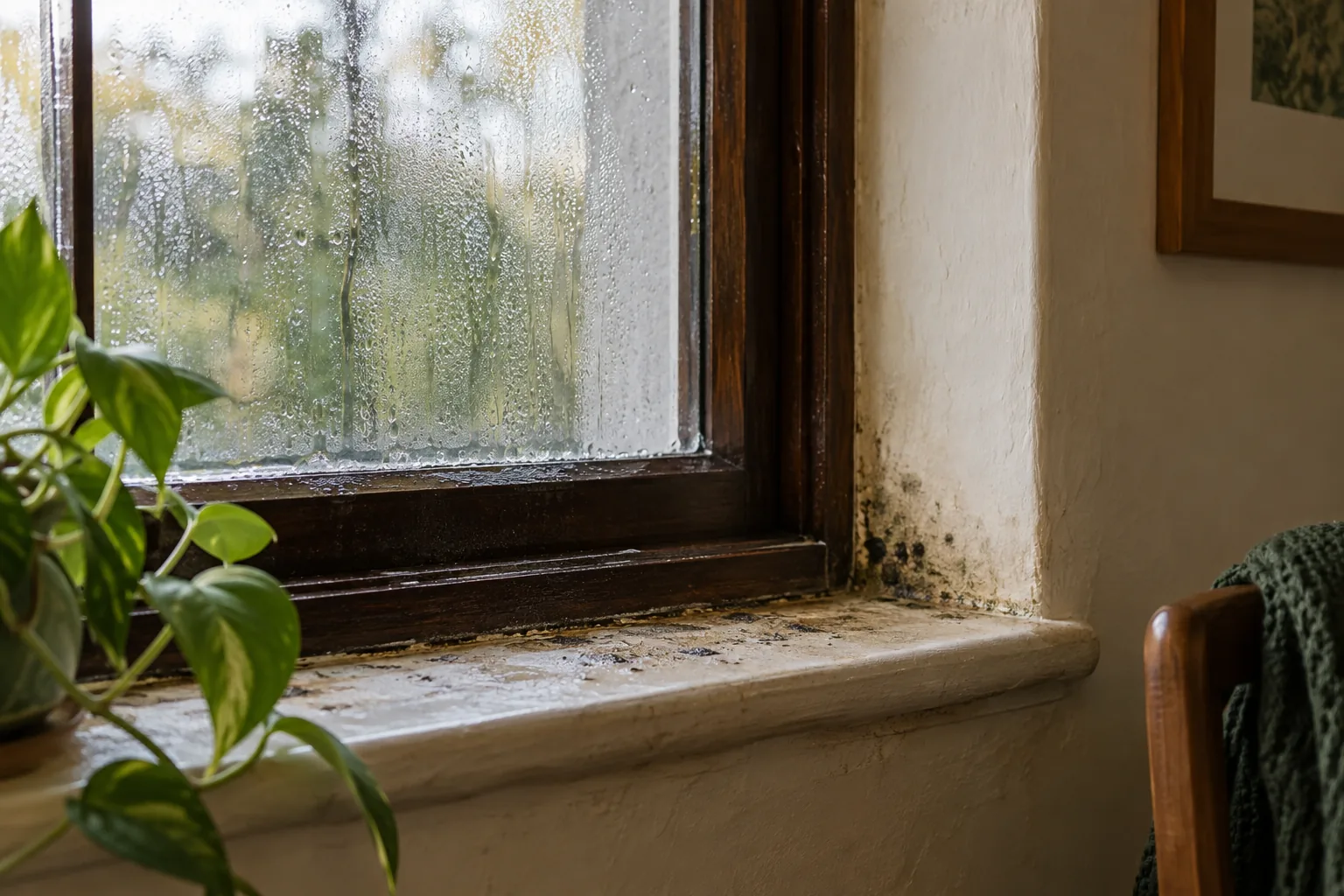
Loose lining, delicate trim and unstable fittings may change what work is appropriate. Report these without testing them physically. Material condition matters alongside reachability, even where the visible growth area seems modest.
Keep hidden sections uncertain
If a patch disappears behind a fixed item, state that observation plainly. Do not assume the remaining wall is clear or affected. Further opening-up should have a defined purpose and suitable handling plan.
A CONNECTED PROCESS
Plan access before preparing the room
Check availability and authority
Provide the precise address and explain who can allow access or approve changes. Confirm arrangements before moving contents. A location page should not be used as an appointment confirmation for another occupant or building manager.
Define reachable surfaces
Discuss removal from agreed accessible areas with the boundary visible in photographs. High sections, fixed backing and concealed cavities need separate decisions rather than silent inclusion in a broad wall-cleaning description.
Arrange suitable movement
Ask which sound belongings can be moved and who can safely handle heavy items. Fixed furniture alteration should not be improvised. Do not create access by dragging affected surfaces across other parts of the room.
Treat within the reachable boundary
Suitable exposed wall surfaces may receive physical removal and material-suited treatment, with HEPA filtration where appropriate. Fixed obstructions define the limit. Work cannot rely on unexpected dismantling or establish the condition behind an accessible face.
Review included and excluded areas
Keep a record of what was addressed and what remained inaccessible. A cleaner exposed section cannot establish concealed conditions. Use that boundary information when planning any later repair, decoration or opening-up rather than assuming completion of every hidden concern.
WHERE MOULD APPEARS
Access details that change the discussion
High wall above furniture
Show height and the furniture arrangement without climbing. A modest patch can still need practical reach planning. Do not judge access from how easily the camera can zoom in on the mark.
Fixed cupboard backing
A panel may conceal another affected surface or obstruct the wall. Explain its construction as far as known. Removing it and deciding about damaged material are separate tasks requiring suitable arrangements.
Ceiling beyond the furniture
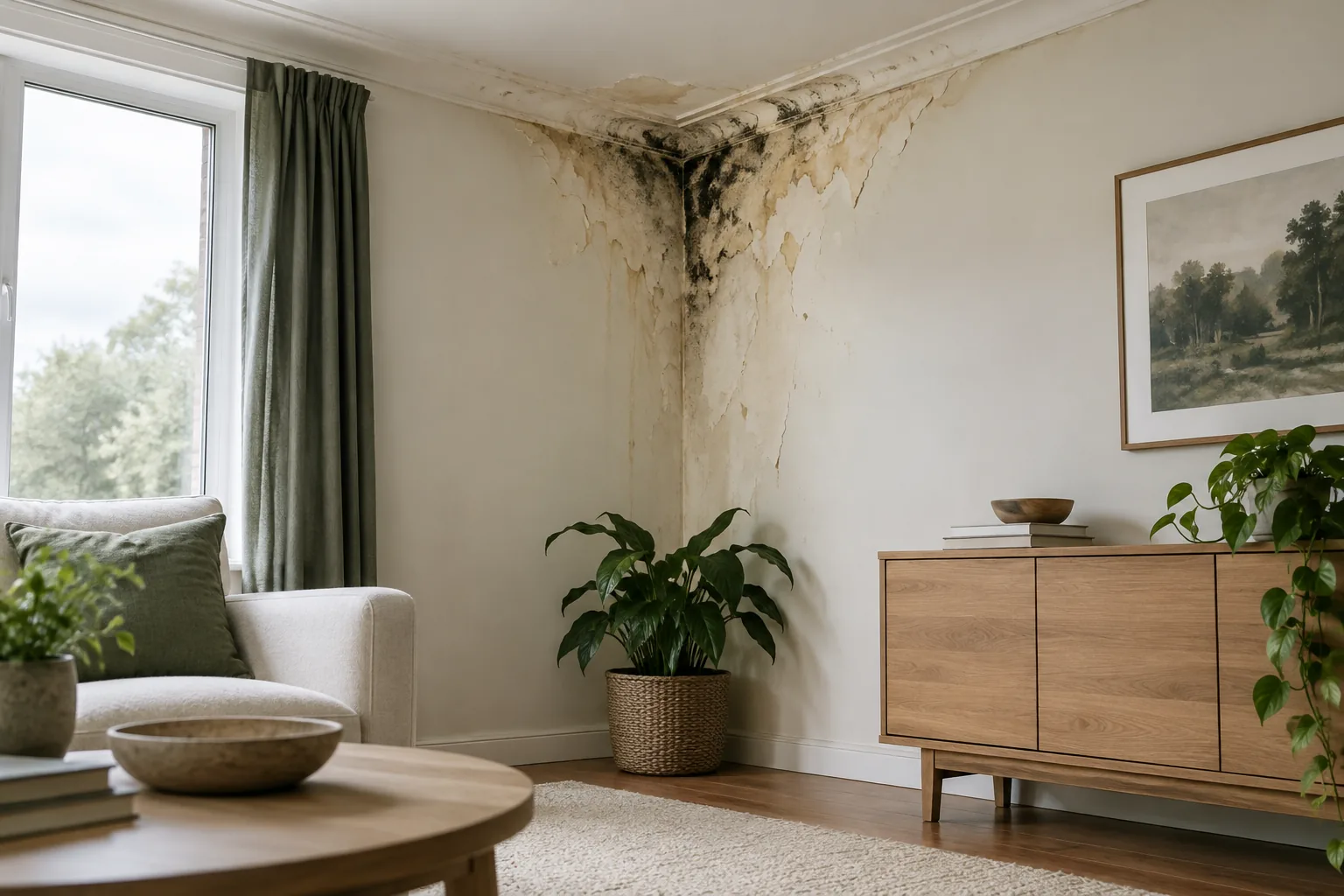
For overhead patches, show height and the furniture below. Avoid climbing for a close photograph. Practical reach and lining condition need discussion; camera visibility does not establish safe work access.
Fragile trim near growth
Material that is loose or deteriorated may require another decision. Cleaning cannot restore its strength. Report the condition early so access planning does not overlook damage behind an apparently small surface concern.
MAKE SPACE FOR DRYING
Make future access useful rather than cosmetic
After relevant repairs and surface work, keep practical inspection access where possible. Label photographs of any excluded areas. If later work opens those surfaces, retain the earlier boundary record so the next enquiry recognises what was previously unseen.
Maintain working ventilation and address actual moisture sources through appropriate trades. Improved access can reveal wetness sooner, but cannot guarantee prevention. A tidy room is helpful for observation without proving that the wall or concealed material has dried.
SAFETY BEACH & NEARBY
Nearby property enquiries
Compare location information for Dromana Mount Martha Rosebud. Give the exact property address when calling; a nearby page does not confirm an available appointment.
QUESTIONS WORTH ASKING
Before the visit.
Does a clear photograph mean the surface is reachable?
No. Height, fixed furniture and fragile components can limit practical access. Send a wider room view and describe the obstruction so work arrangements reflect the actual surface rather than the camera angle alone.
Should I remove a fixed cupboard before calling?
Discuss the reason and responsible person first. Removal may expose damaged material and alter the scope. It should not be treated as routine preparation without an agreed access and follow-up assessment plan.
Are hidden areas included automatically?
No. Concealed surfaces require their own access and material decisions. A proposal for visible areas should identify exclusions rather than imply that a cavity or backing has been assessed without being reached.
Can work be arranged through a shared entrance?
Explain permissions, keys and the route to the room. Availability and access need checking for the actual property. Shared entry does not itself establish an appointment or authority to alter fixed components.
What if the wall is damaged behind the obstacle?
Mention any visible signs and keep the unknown area uncertain. Damaged lining may need suitable repair or replacement consideration. Cleaning the accessible edge cannot establish the condition of the whole hidden section.
How do I enquire from Safety Beach?
Call 03 8652 1296 with the address, wide photographs and access restrictions. Check availability and preparation before dismantling fixed items or arranging another person’s attendance around a possible visit.
START WITH YOUR ROOM
Discuss the patch and the obstacle
Call with the layout and material condition. Defined accessible boundaries and preparation help make the enquiry realistic before Safety Beach visit arrangements are agreed.
Useful references: Victorian Government — Mornington Peninsula localities