
NEWQUAY · MELBOURNE
Mould Removal NewQuay
NEWQUAY / LIGHT / SURFACES
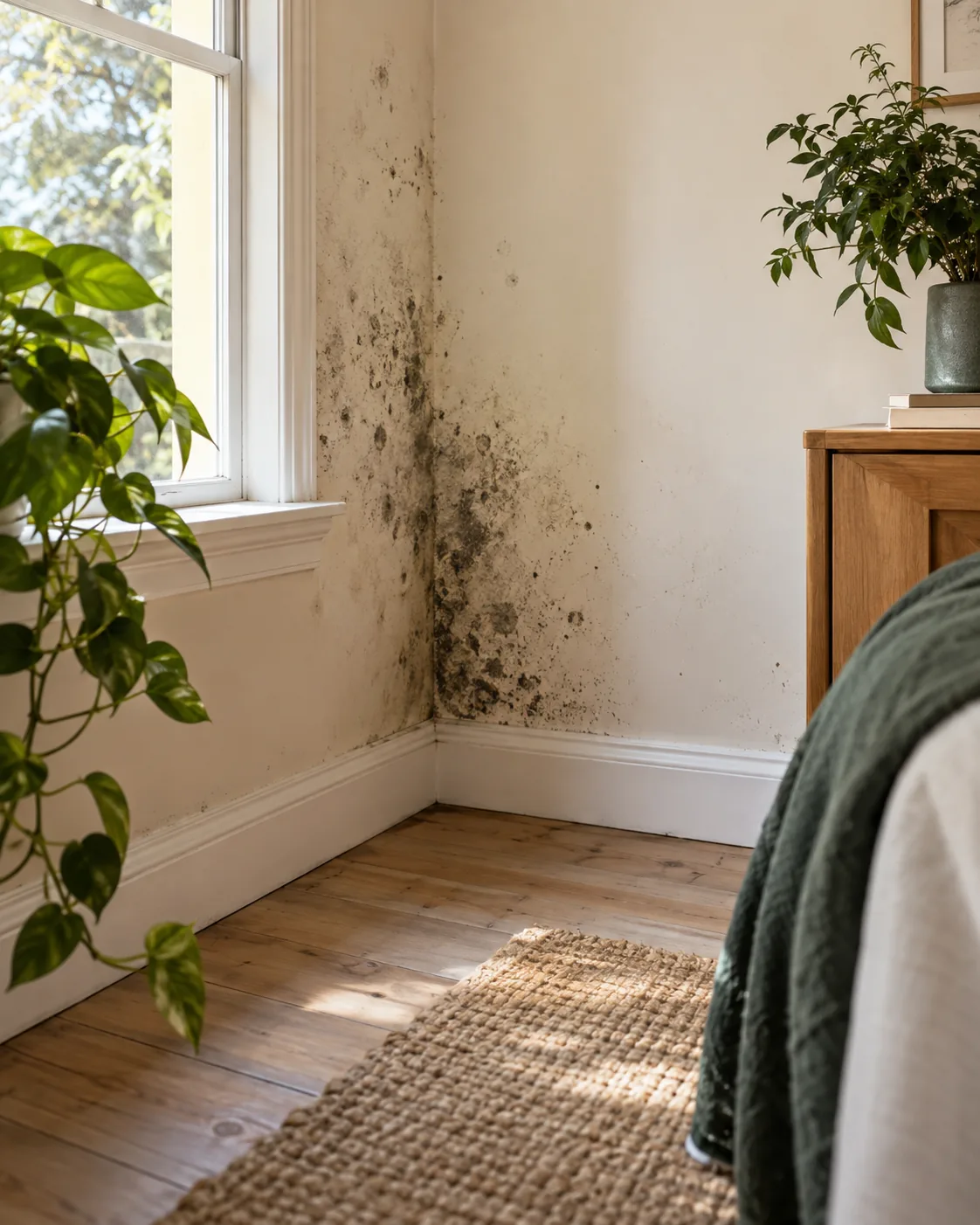
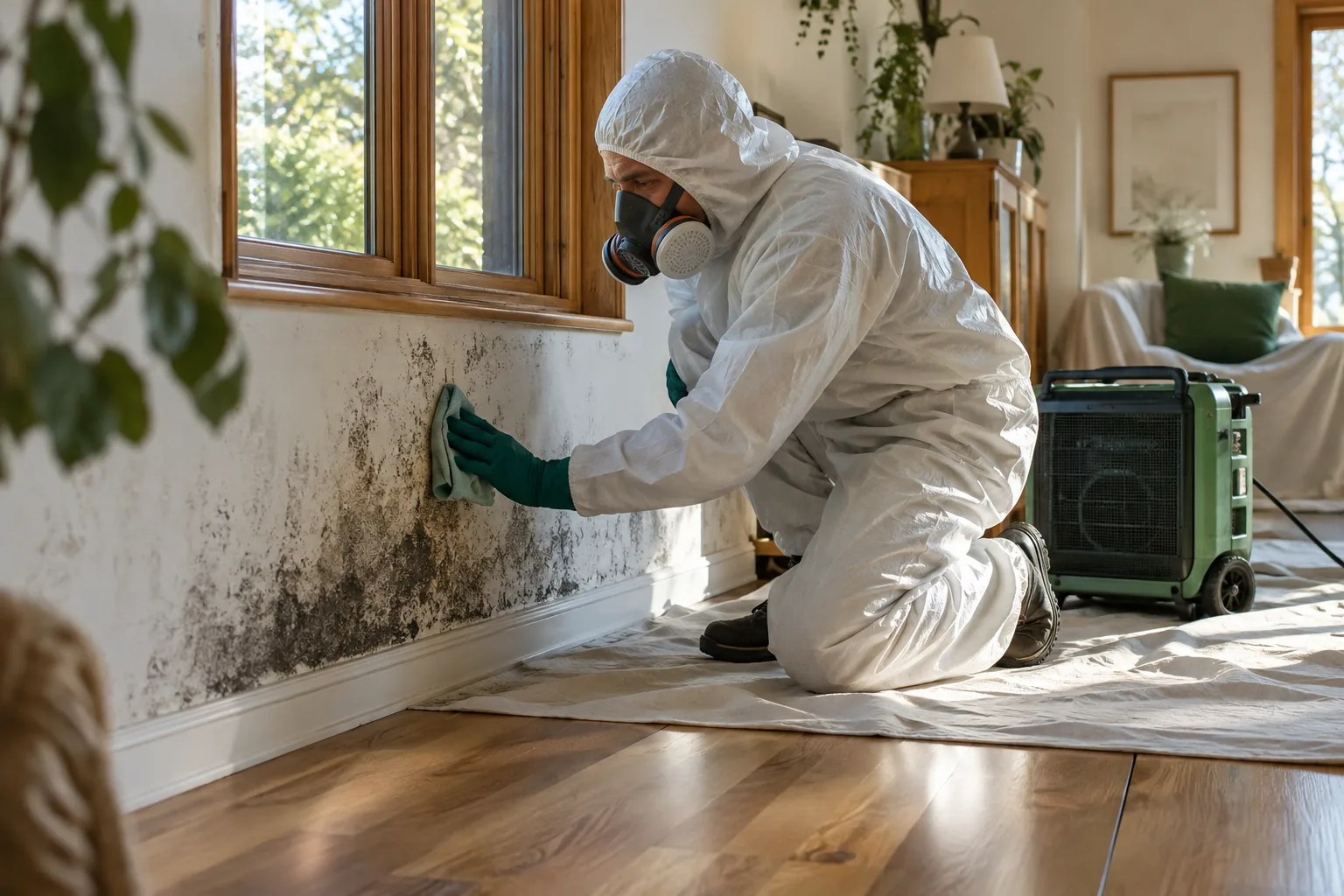
A wall beside a NewQuay window can show several clues at once: moisture on the glass, discoloured paint and belongings pressed against the surface. Describe each separately.
Window-side conditions discussed
Personal belongings kept outside scope
Treatment and decorating separated
SURFACES & THEIR SETTING
Use the address behind the precinct name
New Quay is marked in the official Docklands Plan. For a NewQuay enquiry, identify the street, building entry and apartment or tenancy so the proposed visit reaches the correct interior.
When a window corner changes
Tell us whether the growth reaches adjacent plaster or remains on an accessible hard surface. A wide photograph shows how the corner relates to the room. Avoid rubbing away the visible pattern before discussing the enquiry, particularly if the coating is fragile.
Plan around the building
Shared entrances, intercoms and equipment routes can affect a visit. Check which contact can approve those arrangements. The removal service should be booked for specified rooms, with access and preparation understood before an appointment is confirmed.
Describe the conditions that preceded the growth
A recently occupied room, a plumbing incident and repeated condensation are different histories.
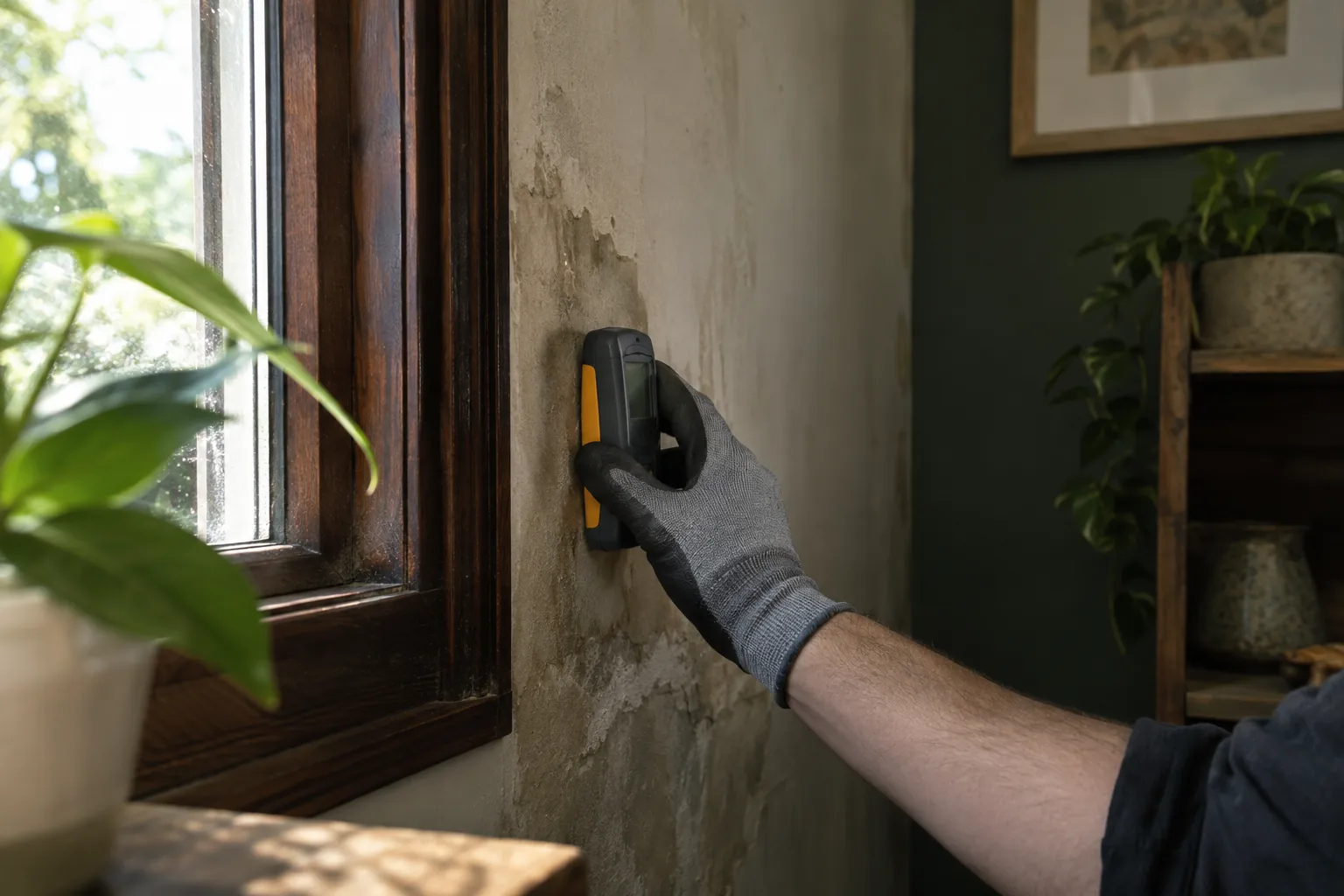
Track droplets and drying
Note where moisture collects and whether it clears between uses of the room. A mould inspection may include humidity checks and visible surface assessment. It does not automatically establish whether glazing, roof details or concealed pipes are responsible.
Identify work already completed
Supply any relevant repair or maintenance notes. If water is still entering, that problem needs separate attention. Treatment is limited to accessible structural surfaces and cannot replace a repair, rebuild damaged plaster or inspect every cavity through a fog application.
THE SURFACE REMOVAL PROCESS
A considered sequence for the interior
01
Review growth and finish
The technician checks visible extent, accessible materials and room history. Hygrometer readings may support the assessment. Finish condition matters because removing growth is different from restoring weakened paint or water-damaged plaster.
02
Arrange clearance and filtration
People and pet arrangements are agreed before work. Personal items are cleared as directed, and HEPA air filtration is set up as appropriate. A balcony or corridor is not automatically a suitable storage area.
03
Treat suitable surfaces
HOCl treatment is selected with the actual material in mind. Explain previous coatings and cleaning attempts. The application should follow an agreed scope rather than include every object close to the affected wall.
04
Use ULV application appropriately
Where suitable, the technician includes ULV fog application and explains preparation. Discuss authorised building alarm procedures and return timing; do not disable shared alarms yourself or assume immediate re-entry is acceptable.
05
Remove the visible residue
Appropriate physical removal with H-class filtered equipment addresses accessible growth and debris. Clothing, curtains, upholstery and carpet are not included. Concealed areas require separate investigation rather than assumptions about reach.
06
Continue filtration and hand over
Final air filtration forms part of the process as appropriate. Ask about remaining stains, outstanding repairs and practical room management. The handover does not guarantee that future damp conditions cannot support fresh growth.
VISIBLE & ACCESSIBLE
Visible areas, clearly described
Window reveals
Describe the frame, nearby painted surface and height of the growth.
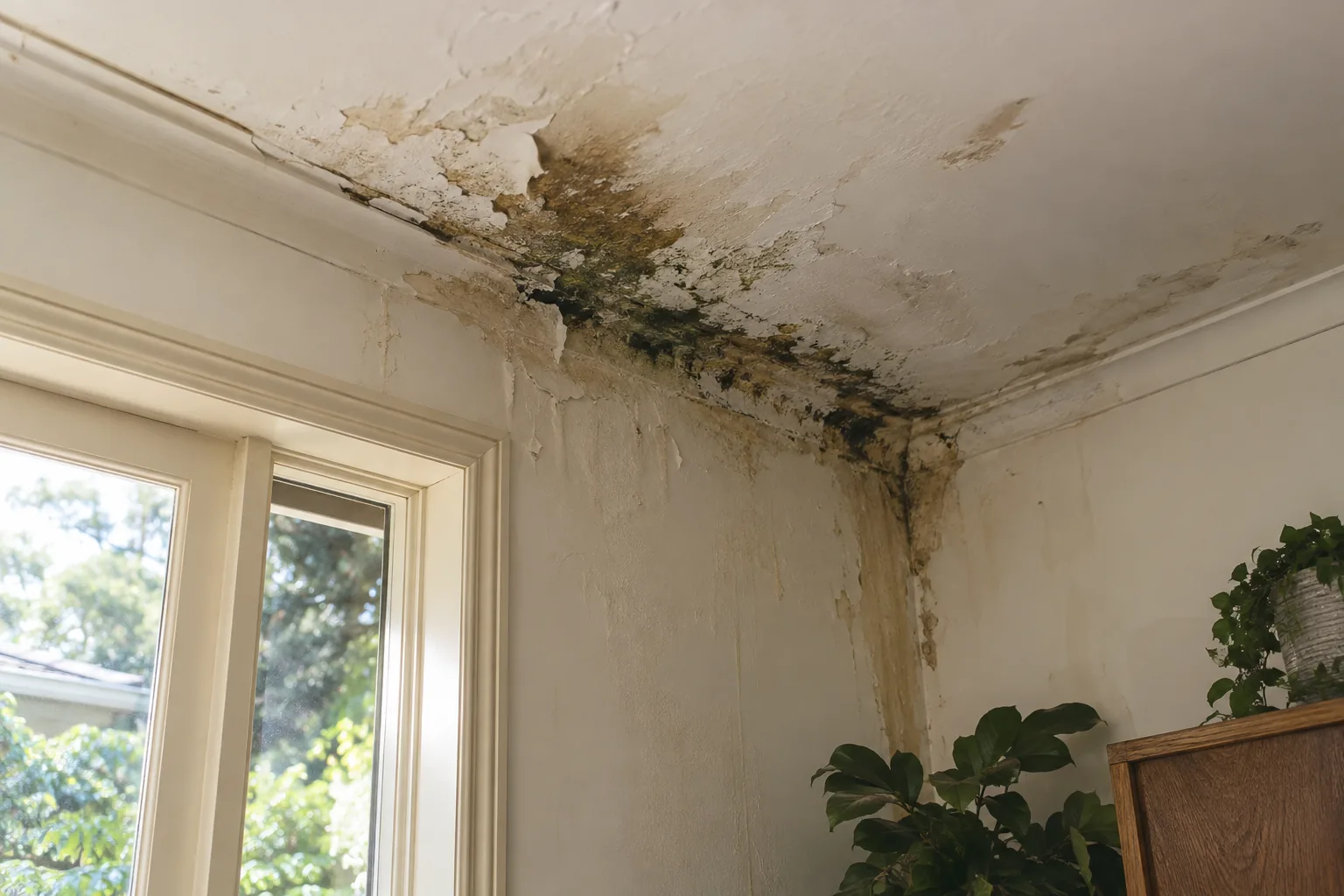
Shower-room ceilings
Explain fan use and the visible spread above the shower.
Bedroom wall corners
State whether a wardrobe blocks the surface.
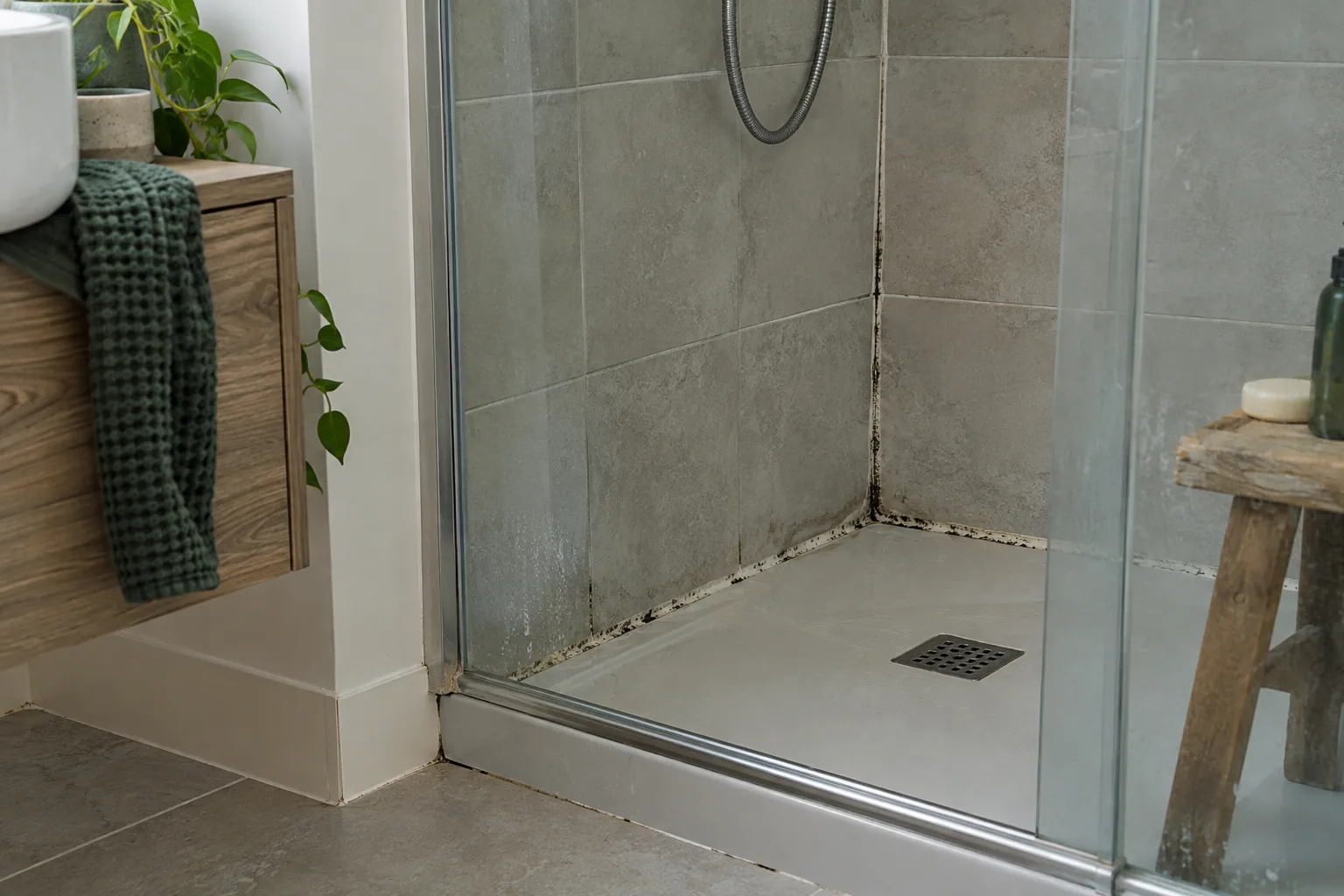
Hard-floor perimeters
Show the floor material and any water stain along the edge.
PREPARATION & LIMITS
An honest view of the finished surface
A room may take around three hours on average, but size, access and visible contamination affect duration. The service is not charged as an hourly arrangement. Discuss preparation and the proposed room list before making fixed plans.
After mould remediation, discolouration may remain. Decorating is separately quoted and should follow appropriate moisture resolution. A cleaner surface does not prove that a previously wet building material has dried throughout.
AFTER THE SURFACE WORK
Watch the window, manage the room
Keep extraction working where steam is produced and avoid blocking ventilation paths with storage. Note whether moisture is linked to particular activities or times. A small humidity log can make a subsequent conversation more precise without pretending to diagnose hidden construction.
After return arrangements are satisfied, allow airflow beside wall-facing belongings. If condensation persists despite ordinary ventilation, discuss the issue with the responsible building contact. Repeatedly wiping a wall does not resolve water entry or a damaged finish.
NEWQUAY · NEARBY LOCATION PAGES
Find the relevant Docklands address
Digital Harbour, Waterfront City and Victoria Harbour offer nearby guides. Use the location description familiar to your building, then confirm the full address; nearby precinct pages do not imply separate crews or offices.
BEFORE YOU ARRANGE WORK
Questions for your enquiry.
Why do you ask for the building address?
NewQuay describes a precinct rather than one entrance. An address and apartment or tenancy number help clarify keys, intercom access and affected rooms.
Can a photograph explain window-side mould?
It can show visible extent and access, particularly with a wide room view and a closer surface image. It cannot prove the moisture source or the condition behind a finish.
Are blinds and upholstery included?
Soft furnishings and textiles are excluded from this structural-surface service. Discuss their clearance carefully, especially if they may be affected.
Can I ask for repainting in the same quote?
Decorating can be discussed as a separate quotation. Cosmetic staining is not guaranteed to disappear during removal, and moisture repairs may need completion before repainting is appropriate.
Will an open balcony door prevent recurrence?
No single ventilation action guarantees prevention. Room use, extraction, water entry and material condition all matter.
What should I mention about recent repairs?
Give dates, the repaired fitting or area and whether dampness has continued. Relevant notes help explain the situation.
A useful first conversation for NewQuay
Call 03 8652 1296 with the interior address, visible growth location and access contact. Discuss the assessment, surface limits and preparations before making a booking.
Useful references: Official Docklands precinct plan