
VICTORIA HARBOUR · MELBOURNE
Mould Removal Victoria Harbour
VICTORIA HARBOUR / INTERIOR NOTES
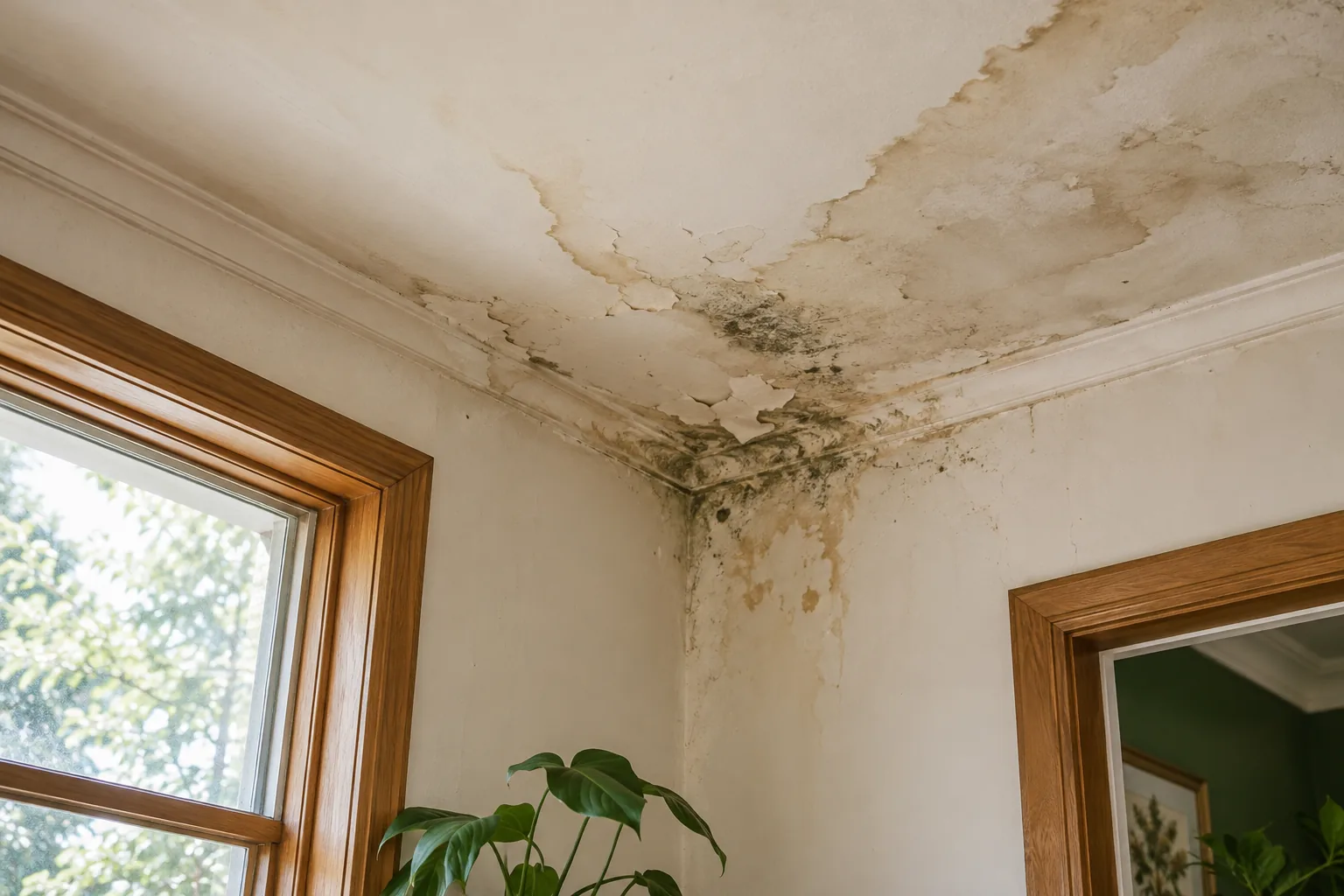
When a Victoria Harbour room develops a ceiling patch, begin with its history: when it appeared, whether it remains damp and what sits above it. Those details help frame an enquiry.
Ceiling condition reviewed
Shared-building arrangements considered
Repair and treatment scopes separated
SURFACES & THEIR SETTING
Plan for the actual tenancy
Victoria Harbour appears in the official Docklands precinct plan. A building address matters when arranging work because the local name covers more than one entrance, owner and interior.
A ceiling mark needs context
If the patch sits below another apartment or service space, tell the property contact as well as the technician. Explain any earlier plumbing investigation. The mould removal enquiry should identify the accessible ceiling surface and any deterioration, without presuming the source has been resolved.
Make access predictable
Provide the unit or tenancy number, entry contact and any approved equipment route. Check who can authorise work involving shared services. Clear preparation prevents a booked visit becoming a search for the person who holds the keys or building permission.
Useful observations before the visit
Keep a dated photograph and note whether the mark changes after rain, shower use or a plumbing event.
Look at the finish
Mention bubbling paint, softened plaster or a growing stain. Do not poke or cut the surface to demonstrate damage. Inspection can review visible condition and humidity or moisture information, but concealed construction is outside an ordinary accessible-surface scope.
Check the maintenance record
Ask the responsible contact whether the suspected leak has been investigated. Surface treatment cannot repair a pipe or failed building detail. If wetness persists, the sequence of repair, drying and removal needs discussion before cosmetic work is considered.
THE SURFACE REMOVAL PROCESS
Six stages with clear responsibilities
01
Assess the visible extent
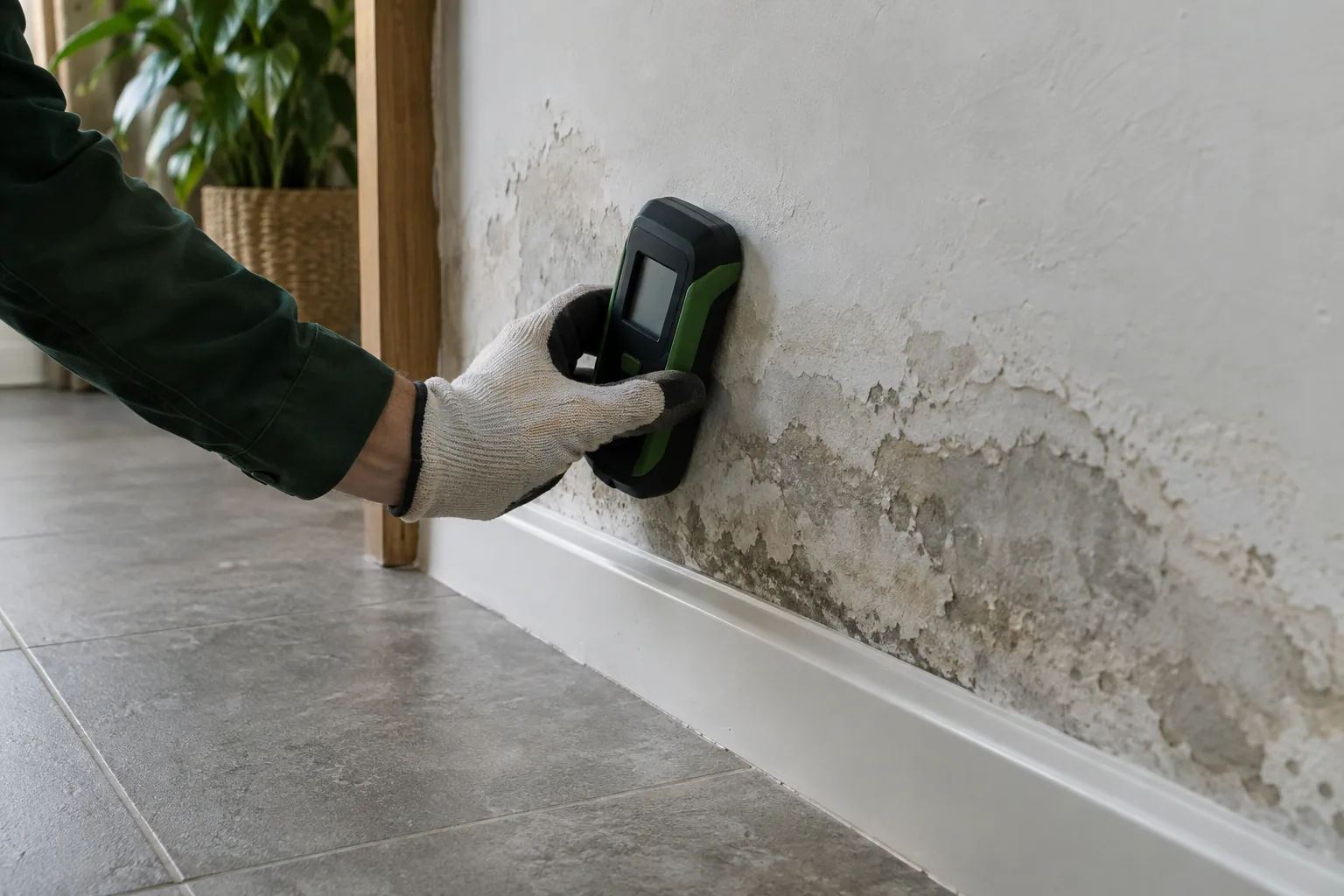
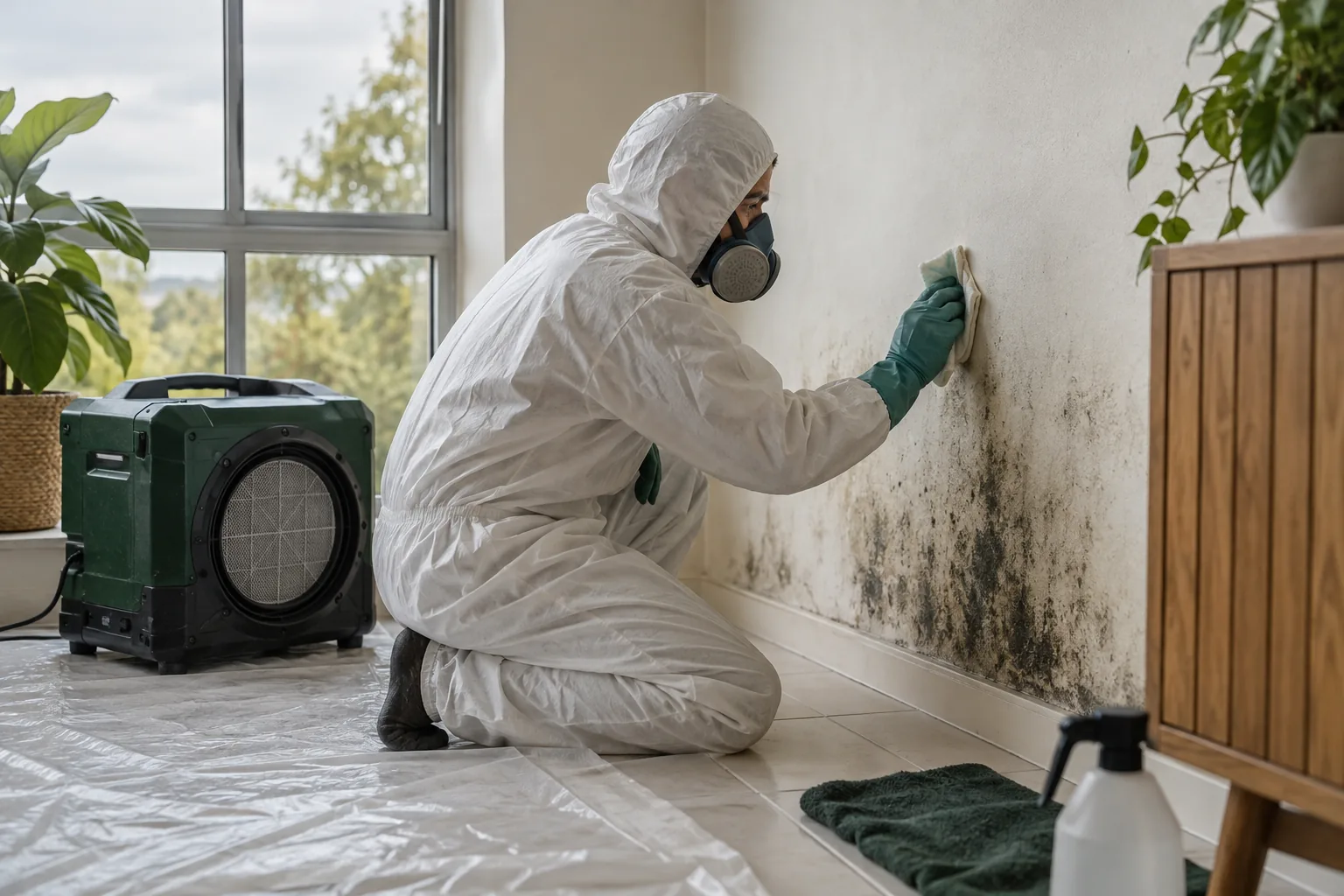
Accessible walls, ceilings and hard floors are reviewed. The technician considers materials, room history and relevant hygrometer readings. Any blocked or unstable area is discussed before deciding what can reasonably be treated.
02
Prepare the work area
Agree clearance of belongings and arrangements for people and pets. HEPA air filtration is introduced as appropriate. Shared hallways, lifts and fire exits should not become improvised storage for items moved from the room.
03
Apply suitable treatment
HOCl application is selected for the agreed surfaces and their condition. Report fragile coatings or previous cleaning attempts. Treatment does not imply automatic restoration of paint that has already blistered or become detached.
04
Use ULV application when appropriate
Where included, fog application follows the preparation plan. Confirm return arrangements and any authorised alarm procedure with the technician and building manager. A resident should not independently disable a shared alarm system.
05
Remove accessible mould residue
Physical removal uses H-class filtered professional equipment as appropriate. It concerns the structural surfaces in the quote. Carpets, curtains, mattresses, clothing and other textiles are excluded, as are hidden cavities without separate agreement.
06
Complete filtration and explain findings
Final filtration continues as needed. The technician discusses the treated extent, visible marks remaining and any further repair concern. Record those distinctions so a decorating request does not hide an unresolved moisture problem.
VISIBLE & ACCESSIBLE
Surfaces to include in your description
Ceiling patches
Show the patch and surrounding fittings.
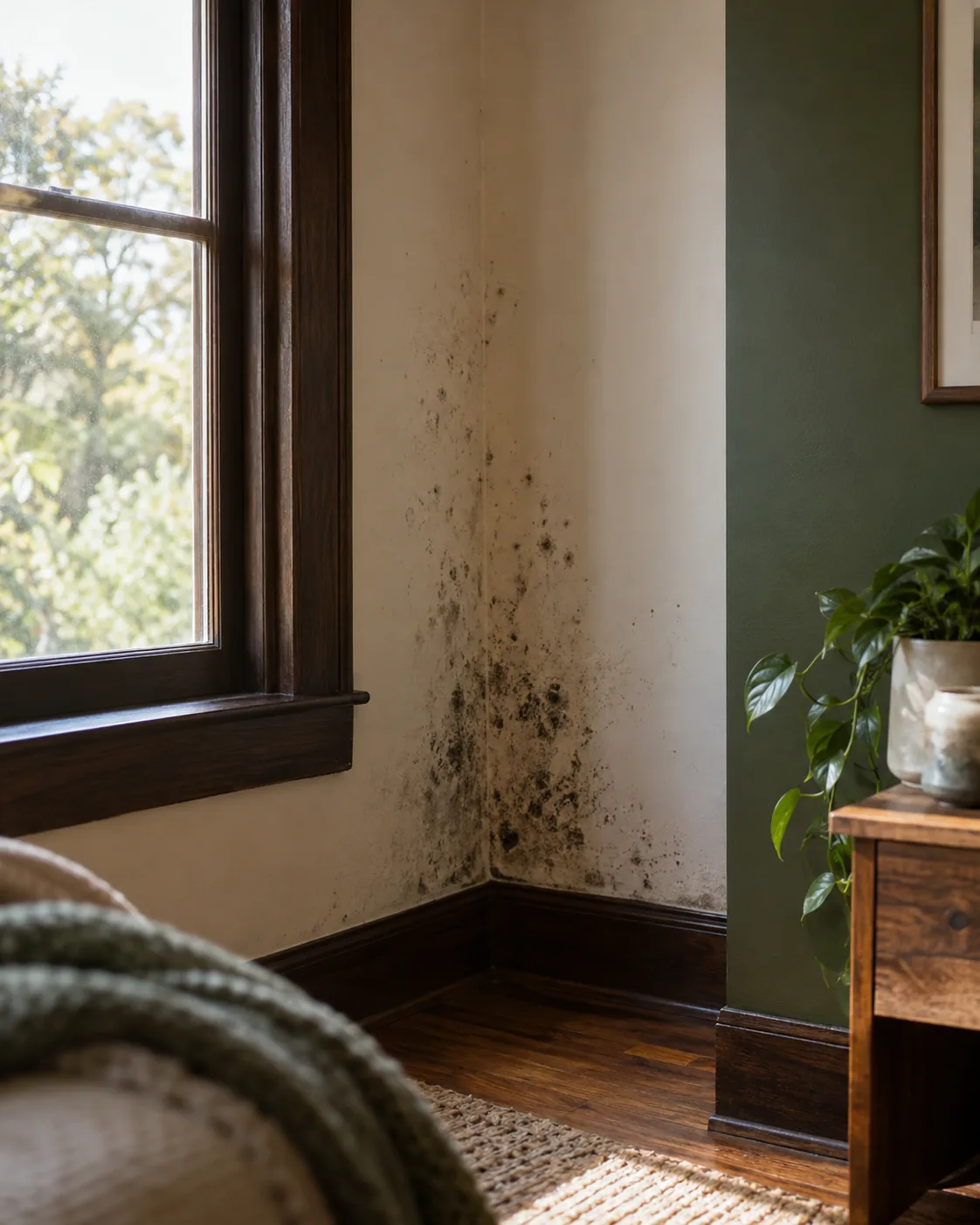
Window-adjacent plaster
Note condensation and whether the affected material is plaster, paint or an accessible hard reveal.
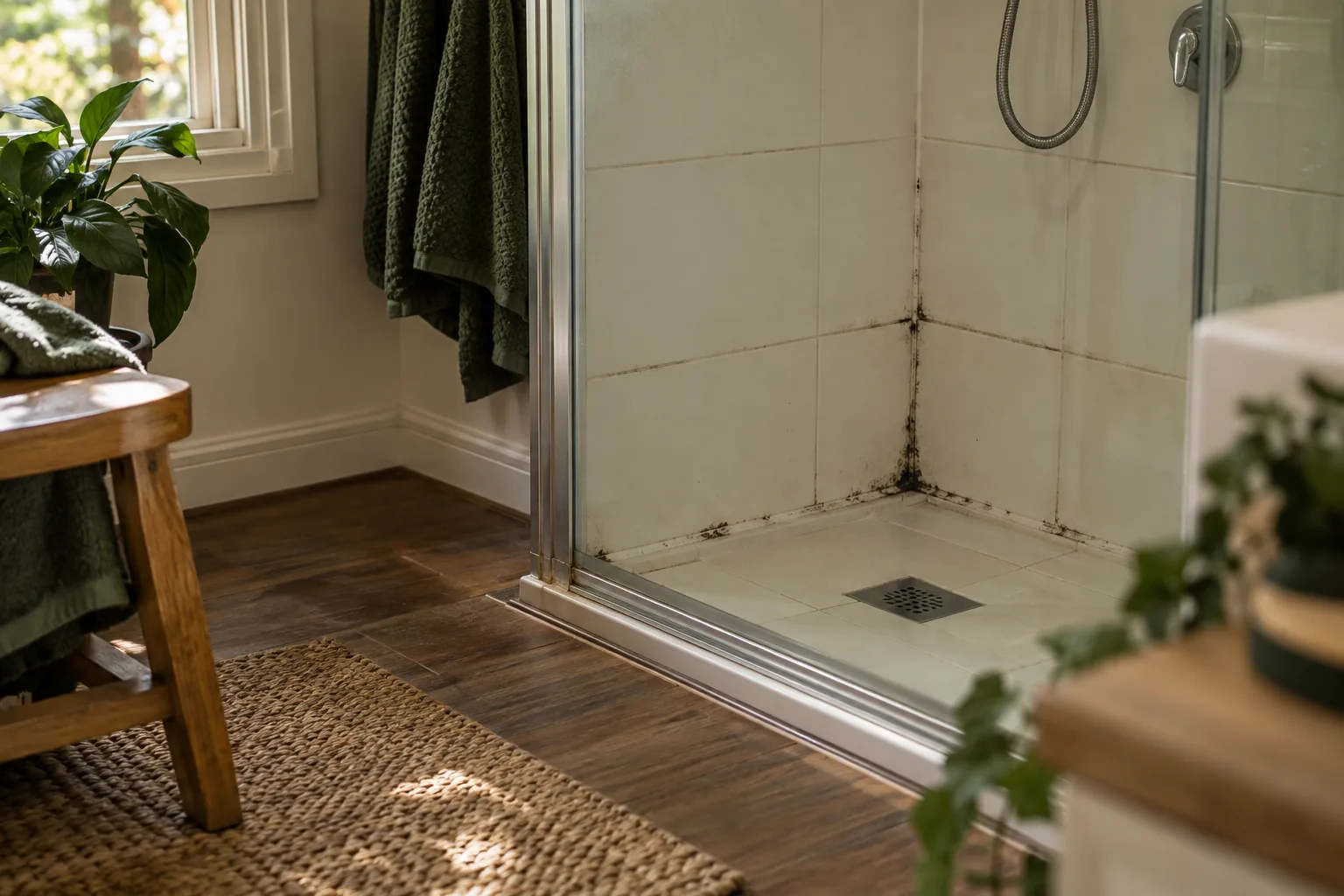
Bathroom wall edges
Tell us about visible spread and extraction.
Hard-floor junctions
Explain the floor finish and whether water has tracked along the perimeter.
PREPARATION & LIMITS
Understand timing and the remaining finish
Allow around three hours per room as an average. A small clear room and a larger obstructed interior need different planning, so this is not a fixed duration. The service is not billed as an hourly arrangement.
Remediation may leave staining on a surface even after growth is addressed. Decorating requires a separate quote. A repaired leak, dry material and an agreed cosmetic finish are different milestones; clarify each with the appropriate person.
AFTER THE SURFACE WORK
Keep a record that helps the next decision
Check extraction where steam is created and keep ventilation openings clear. If a ceiling patch changes again, record the date and relevant room activity. A short, accurate maintenance history is more useful than repeatedly repainting the same area.
Use humidity observations to understand room conditions, not to certify that hidden materials are dry. Tell the property contact when wetness persists. Ongoing leaks or ventilation faults can allow mould to return despite treatment of the existing growth.
VICTORIA HARBOUR · NEARBY LOCATION PAGES
Victoria Harbour and neighbouring precincts
Digital Harbour, NewQuay and Waterfront City provide nearby location information. Give the street address when enquiring so work relates to the correct tenancy, not simply the harbour-side name used in conversation.
BEFORE YOU ARRANGE WORK
Questions for your enquiry.
Who should arrange a ceiling enquiry?
The person authorised to book work should coordinate with whoever controls building access or repairs.
Can a leak from above be repaired during removal?
Pipe, roof and building repairs are separate from this service. Explain what has already been investigated and whether wetness continues.
Does a ceiling stain prove there is mould inside?
No. Visible staining cannot establish the condition of a concealed cavity.
Must every room be included?
The proposed scope should identify the actual affected rooms and accessible surfaces. Explain neighbouring concerns without assuming the entire tenancy requires treatment.
Can I stay at home while the work happens?
People arrangements and return timing must be agreed before treatment. Shared circulation and the proposed method matter.
What if the ceiling still looks marked?
Cosmetic discolouration may remain and is not guaranteed to disappear. Ask which marks relate to staining or damaged finishes, then discuss a separate decorating quotation after relevant moisture issues have been addressed.
Discuss the ceiling, address and access
Call 03 8652 1296 for a Victoria Harbour enquiry. Have the building details, affected room and repair history ready so the assessment and preparation can be discussed clearly.
Useful references: Victorian Docklands Plan