
BATMAN’S HILL · MELBOURNE
Mould Removal Batman’s Hill
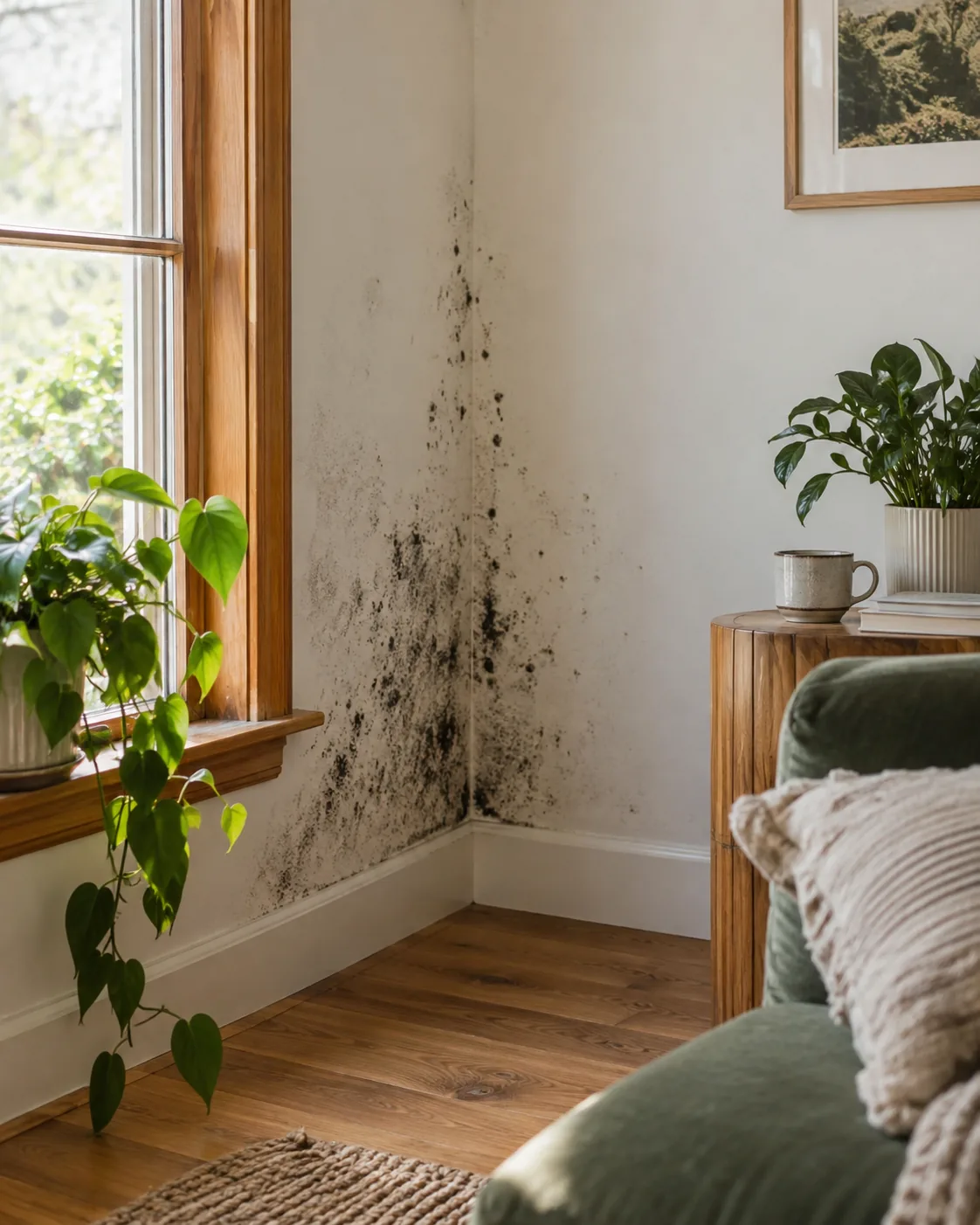
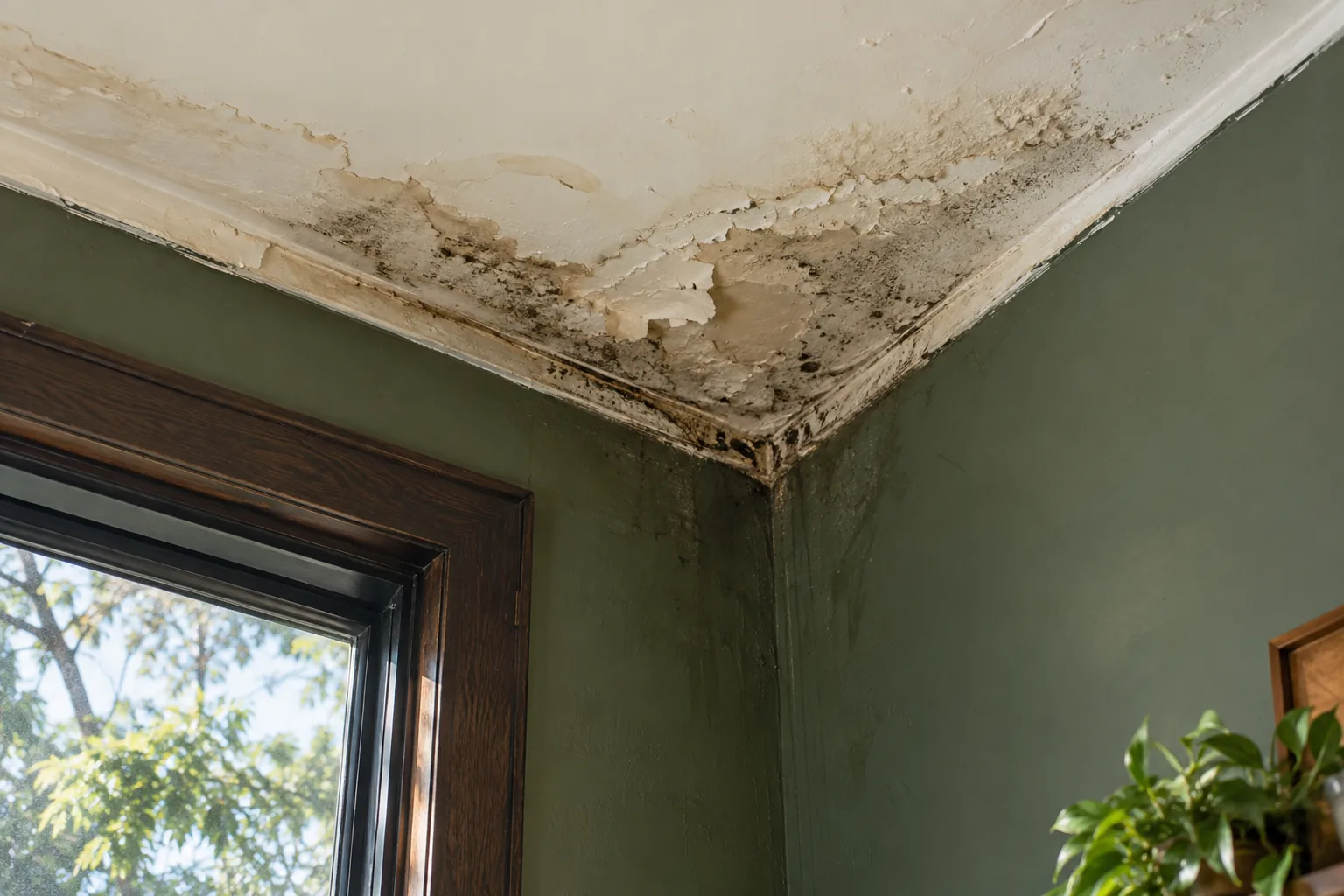
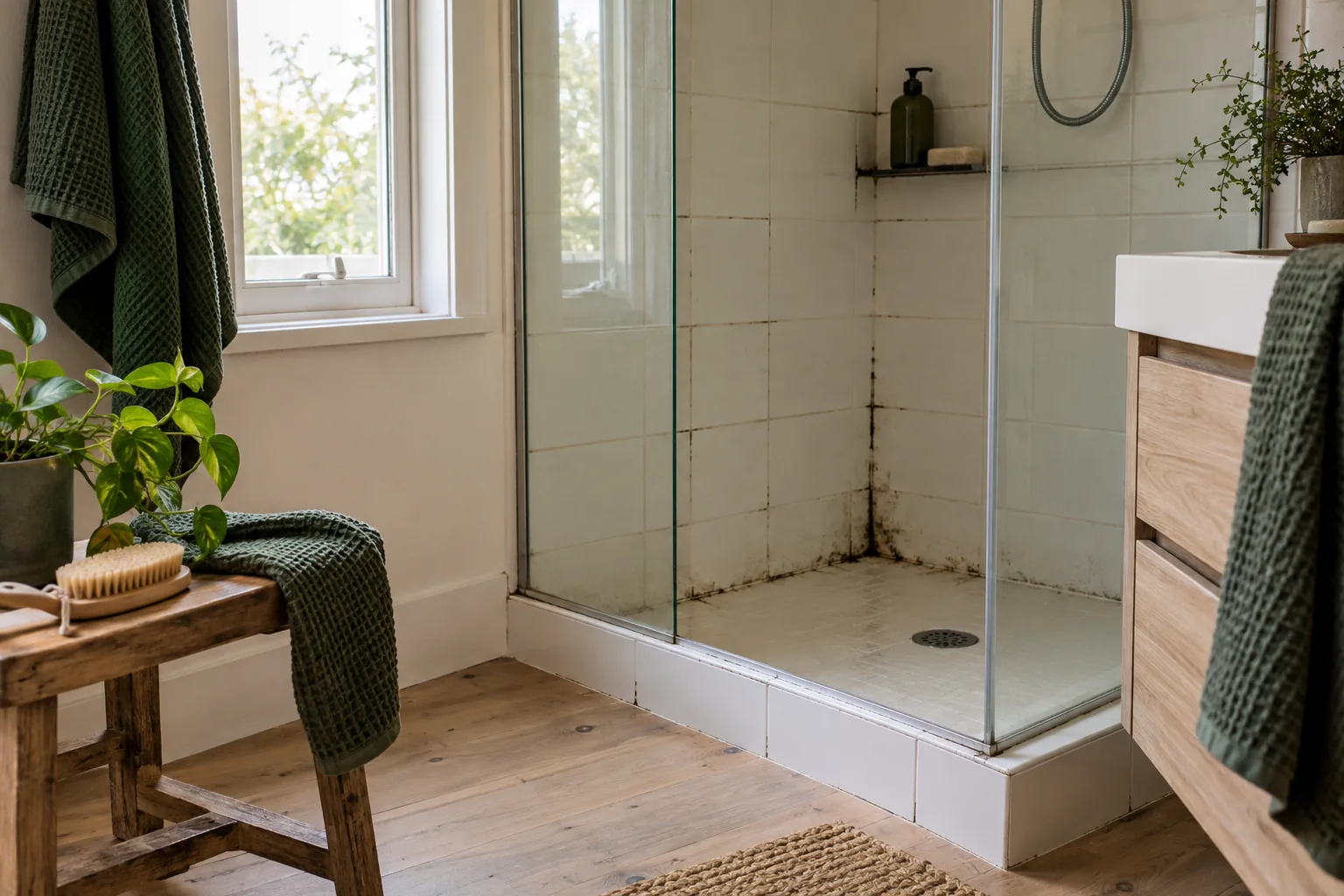
BATMAN’S HILL / INTERIOR HANDOVER
Before a tenancy change at Batman’s Hill, an affected wall should be assessed on its condition rather than hidden behind fresh paint. Tell us which surfaces are visible, what repair history is available and who can authorise the visit.
Tenancy handover considered
Visible finishes assessed
Decorating separately quoted
SURFACES & THEIR SETTING
The tenancy details make the visit workable
Batman’s Hill is identified in the official Docklands Plan. A street address, tenancy number and entry contact are essential when planning work; the precinct name covers more than one interior.
Before painting begins
If growth was discovered during a tenancy inspection, keep photographs and explain any water history. Avoid treating a fresh coating as the solution to continuing dampness. A mould inspection can help define the visible condition and the limits of accessible assessment.
Coordinate the handover
A tenant, agent and owner may be working to different dates. Identify who can approve the scope and provide access. Give the proposed handover timing, but do not assume that a deadline makes an unresolved wet surface ready for treatment or repainting.
Ask what the mark says about the surface
Colour alone cannot establish whether a wall needs removal work, repairs or both.
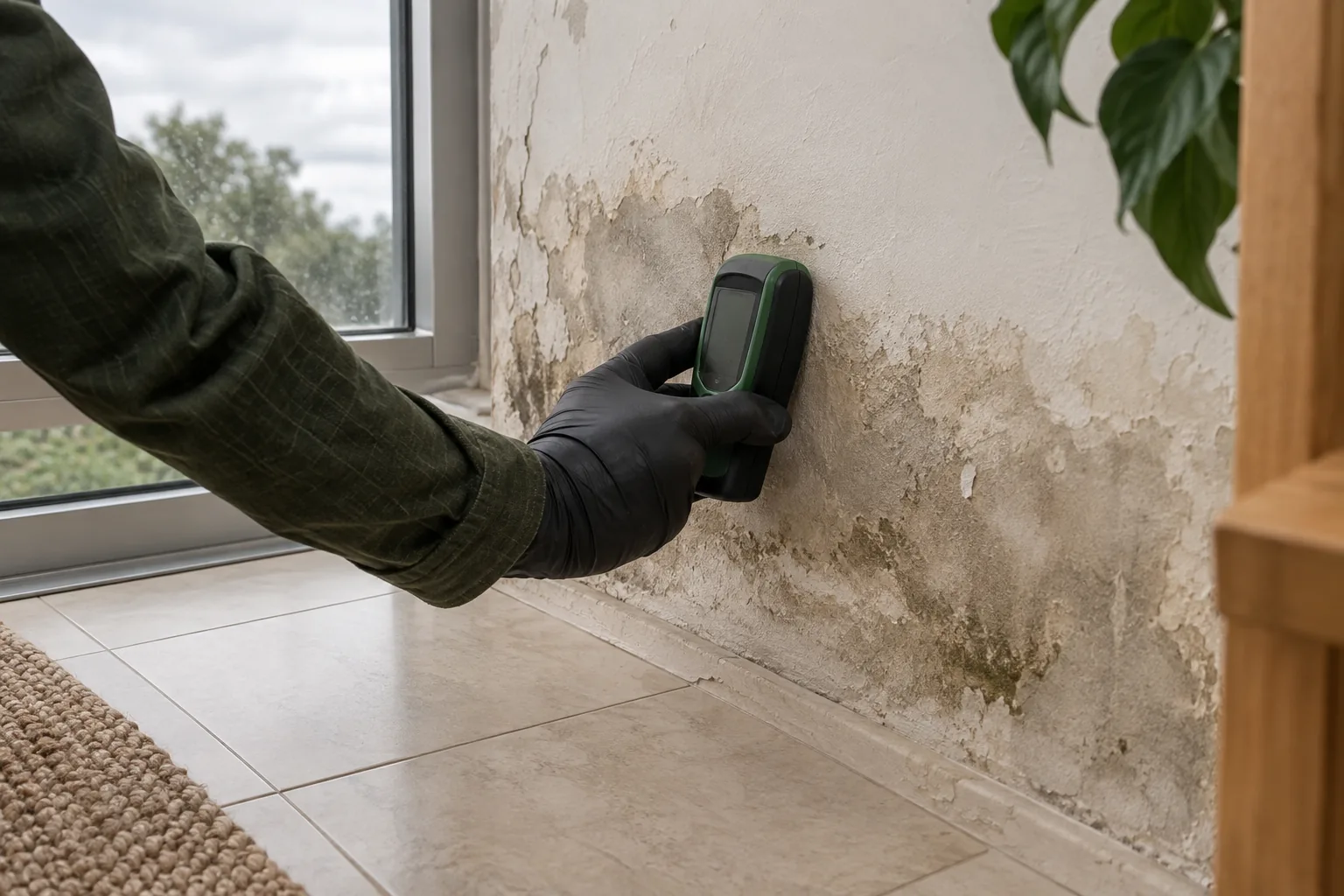
Record finish damage
Note blistering paint, flaking edges or soft plaster. Our mould removal service covers visible, accessible walls, ceilings and hard floors. It does not rebuild deteriorated materials or automatically investigate behind the finish.
Track the unresolved issue
Provide maintenance records where available and identify any active roof or plumbing concern. Leak repair and building defects require separate attention. Humidity readings can add context but cannot demonstrate that every concealed material has dried.
THE SURFACE REMOVAL PROCESS
A sequence that leaves the scope clear
01
Assess the agreed room list
The technician reviews accessible growth, surface materials and condition. Hygrometer information may be used alongside observations. Identify any room or wall section not included rather than assuming an entire tenancy has been assessed.
02
Prepare access and filtration
Clearance of belongings and arrangements for people and pets are agreed. HEPA air filtration supports the work. Ensure the authorised entry contact is available and communal access remains consistent with building rules.
03
Apply material-appropriate treatment
HOCl treatment is considered for the actual surfaces. Mention delicate paint, recent decorating and earlier cleaning attempts. Treatment of growth cannot guarantee restoration of a finish already affected by moisture or physical deterioration.
04
Use fog application where suitable
ULV application may be included after the preparation plan is clear. The technician explains return timing. Any alarm procedure should be authorised by the responsible building manager; do not disable equipment yourself to meet a handover deadline.
05
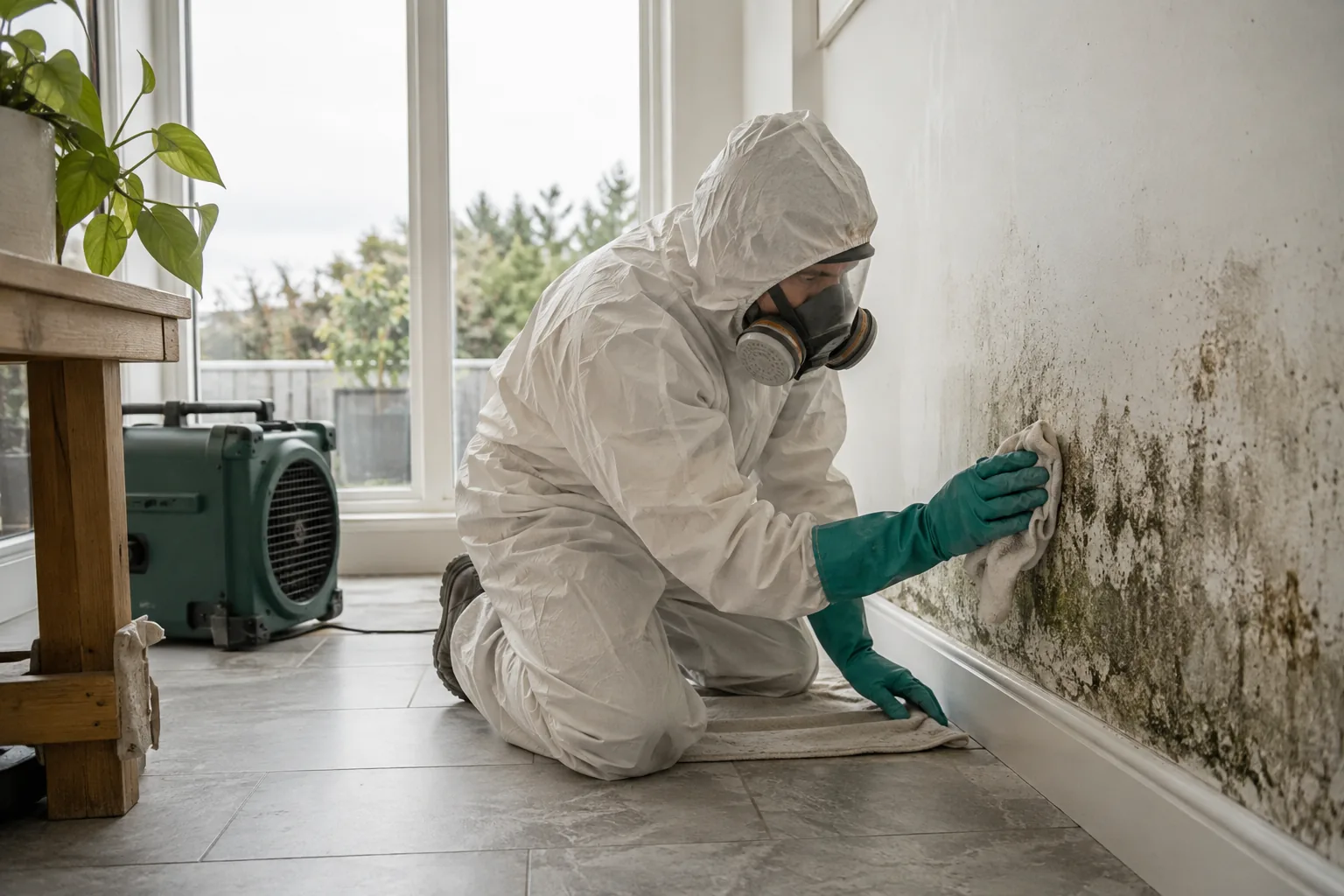
Remove visible residue
Appropriate physical removal uses professional H-class filtered equipment. Curtains, carpets, sofas, mattresses and personal textiles are excluded. Concealed areas and building repairs need separately defined work, even when they are near the treated surface.
06
Continue final filtration
The completed scope and remaining cosmetic marks are discussed. Ask which repair or decorating steps remain outstanding and record them for the handover. A clean-looking wall alone does not establish that a recurring moisture source has been fixed.
VISIBLE & ACCESSIBLE
Four handover details worth recording
Painted wall sections
Identify the finish, visible growth and any recent coat.
Ceiling junctions
Show how the mark relates to walls and fittings.
Bathroom hard surfaces
State the accessible wall and ceiling areas.
Exposed hard floors
Give the floor material and affected edges.
PREPARATION & LIMITS
Treatment is not a decorating warranty
Average working time is around three hours per room, with size, contamination and access affecting duration. This is not hourly charging and should not be used as a guaranteed handover timetable. Confirm the actual scope and available appointment first.
Remediation can leave cosmetic stains or damaged coatings requiring a separate decorating quote. Repairs to the source also remain separate. Agree what each contractor is responsible for instead of expecting one visit to resolve every part of the room’s condition.
AFTER THE SURFACE WORK
Carry the useful information into the next tenancy
Keep a concise record of the treated areas, unresolved repairs and practical ventilation advice. Check working extraction in moisture-producing rooms and avoid blocking vents with storage. A handover should explain what needs attention after treatment, not merely present a fresh photograph.
If growth recurs, compare its location with the earlier record and report continuing dampness. Dated observations help the repair discussion. Do not repeatedly paint over the same patch without considering why the wall remains wet or the room struggles to dry.
BATMAN’S HILL · NEARBY LOCATION PAGES
Other nearby precinct pages
Yarra’s Edge, Victoria Harbour and South Wharf are nearby guides. Confirm the exact Batman’s Hill building address when enquiring, especially if the tenancy is described using another Docklands location name.
BEFORE YOU ARRANGE WORK
Questions for your enquiry.
Can you complete treatment before a tenancy handover?
Tell us the proposed date and room condition so availability and preparation can be discussed. A deadline is not a guarantee of timing.
Should the agent or tenant book the visit?
The booking contact should have authority to agree the scope and access. Coordinate with the property owner or manager where needed.
Does treatment include repainting the wall?
Repainting and decorating are separately quoted. Cosmetic marks may remain after growth is treated.
What evidence is useful for a handover enquiry?
Provide dated photographs, the affected room list and relevant repair notes. Explain when the mark appeared and whether it remains damp.
Can you assess inside the wall without opening it?
Ordinary treatment covers visible, accessible surfaces. A concealed cavity or insulation concern requires separately defined investigation and permission.
What if the next occupant notices the same patch?
Keep the treatment scope and moisture history available for the property contact. Recurrence can occur if damp conditions persist.
Make the handover scope clear
Call 03 8652 1296 with the Batman’s Hill tenancy address, visible problem and authorised contact. Discuss assessment and preparation before fixing the treatment into a handover schedule.
Useful references: Docklands Plan precincts