
BEAUMARIS · MELBOURNE
Mould Removal Beaumaris
BATHROOMS · AIRFLOW · FINISHES
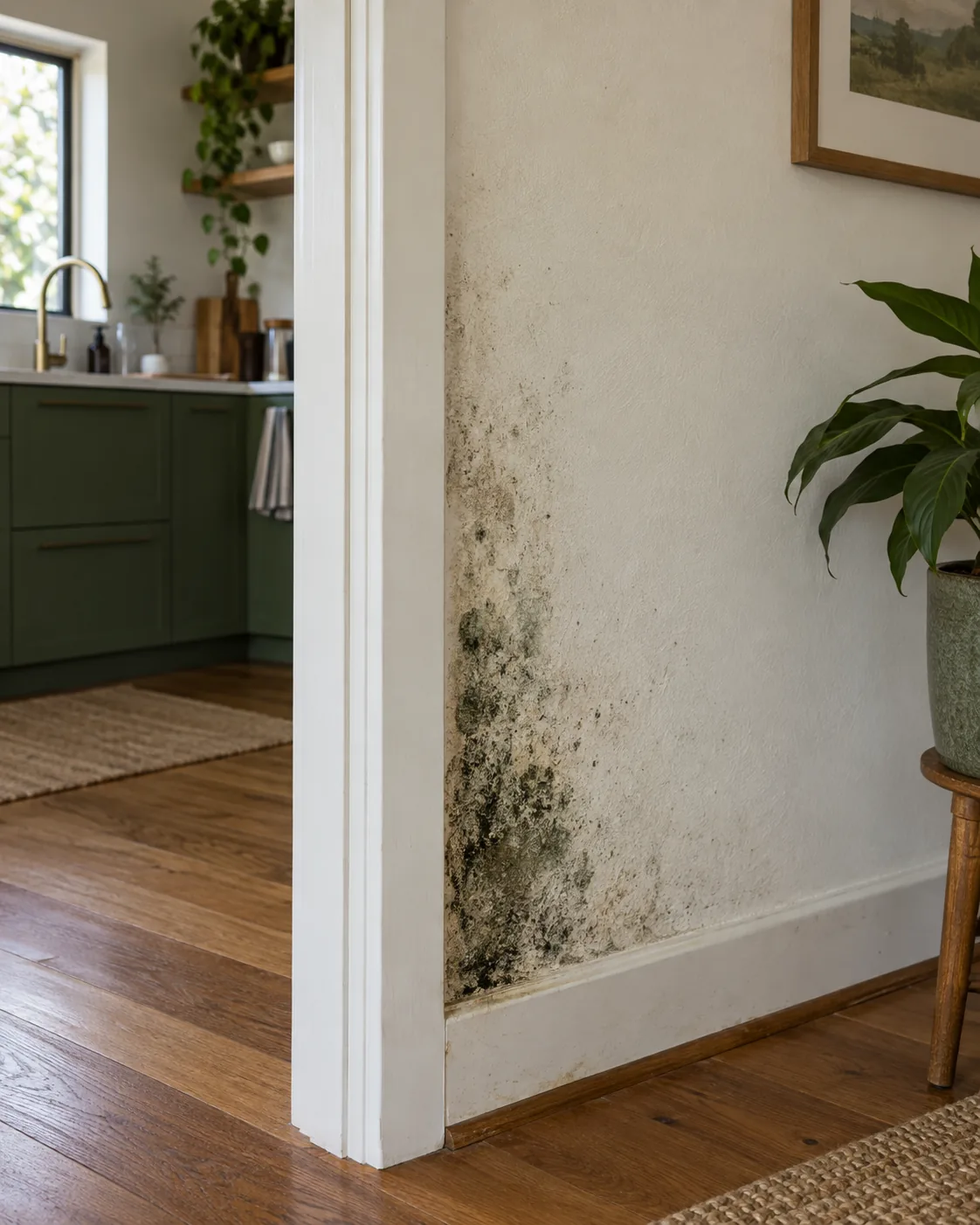
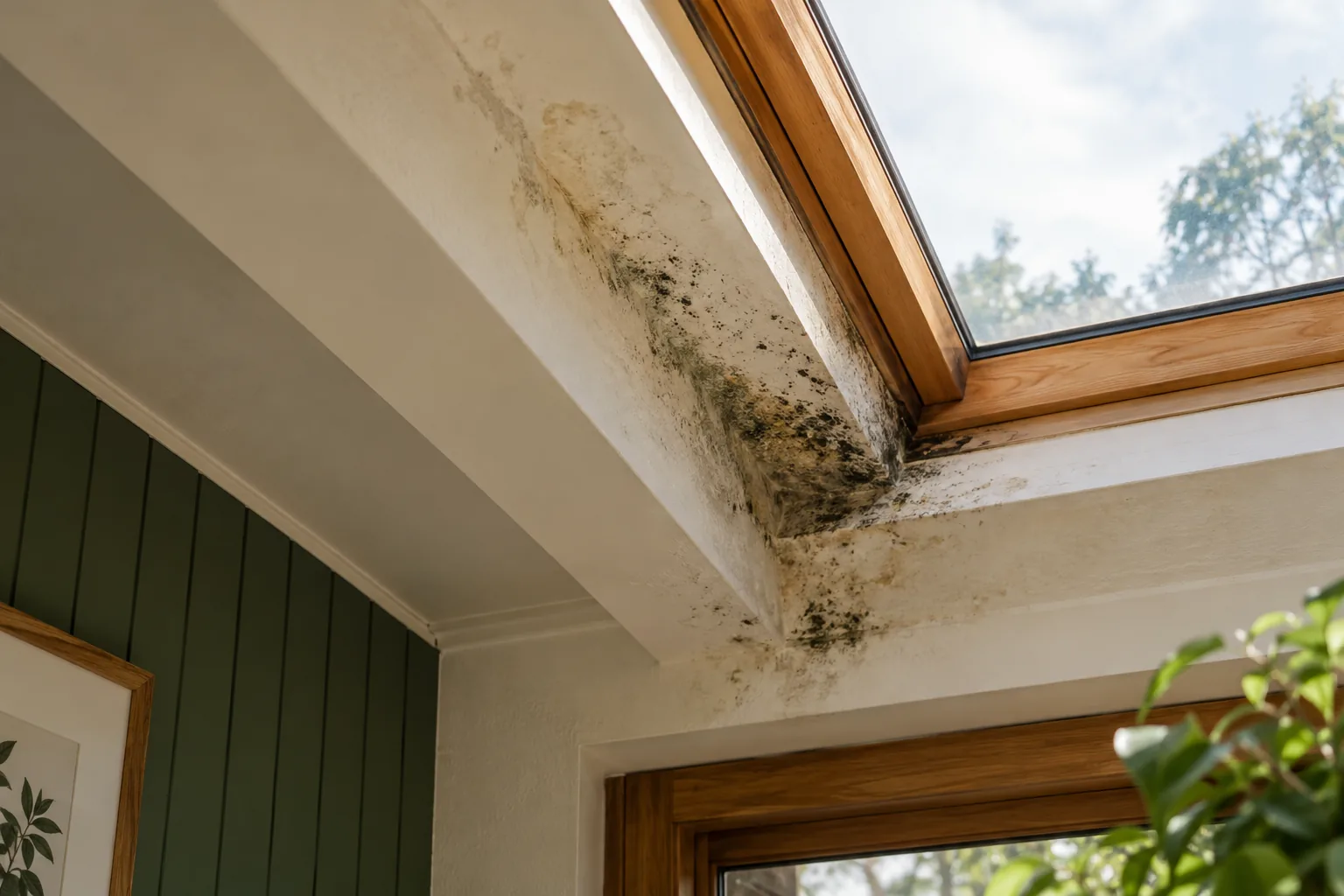
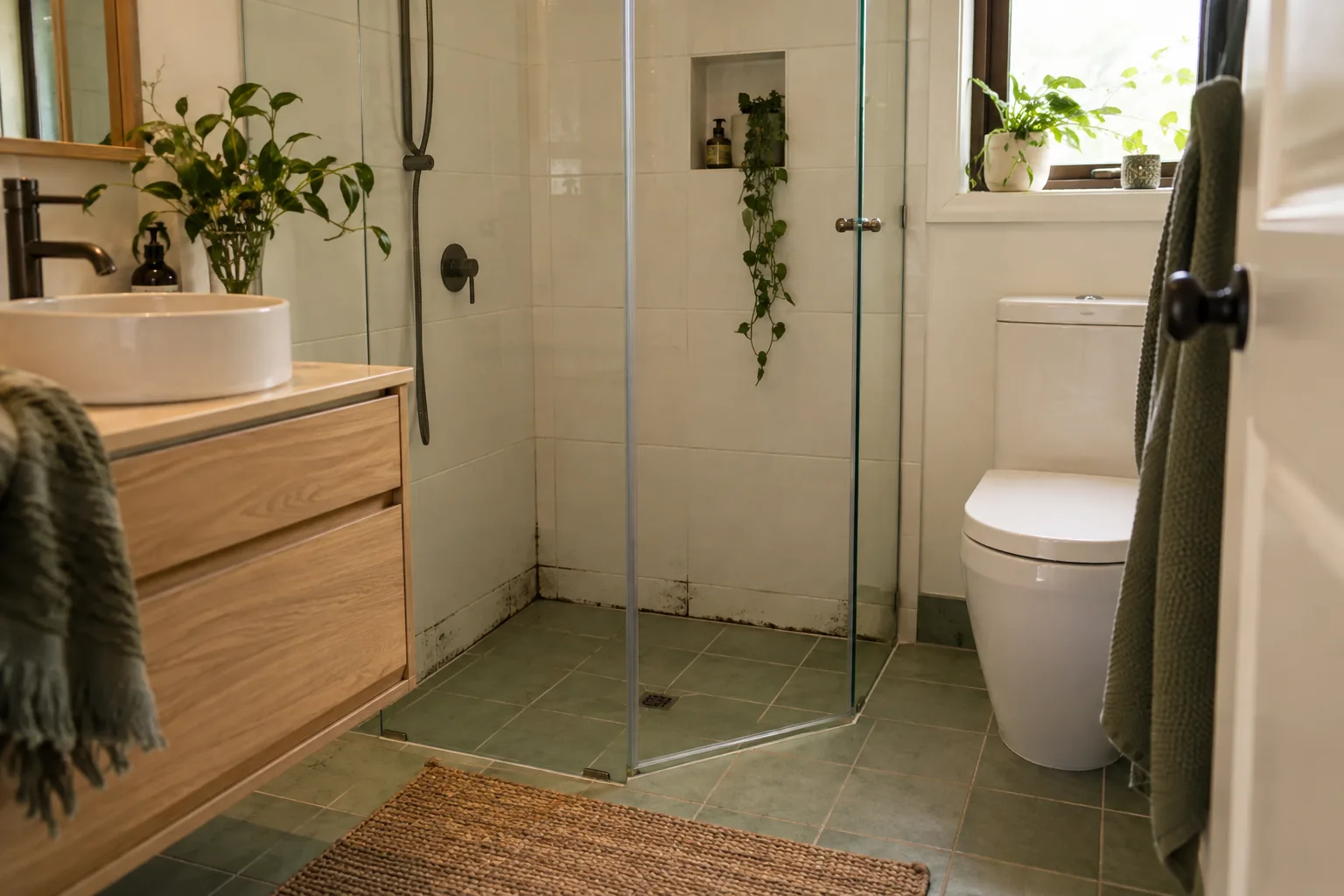
Bathroom spotting beyond the shower needs assessment. For Beaumaris, describe growth on the ceiling, wall or window reveal. We discuss reachable surfaces, moisture and preparation before treatment.
Bathroom scope clarified
Adjacent surfaces considered
Preparation agreed before work
SURFACES & THEIR SETTING
Look beyond the shower edge
Beaumaris is within Bayside’s coastal area. Geography does not establish why a bathroom is affected. Describe the room, fan use and leakage without assuming coastal air explains the dampness.
The ceiling above the shower
Spotting on painted plaster calls for a material check as well as cleaning. Tell us about peeling paint and the ceiling height. The inspection service considers visible extent and moisture conditions before a surface method is selected.
The room beside it
Growth on an adjoining bedroom wall may need a separate explanation. Identify whether it backs onto the bathroom and whether any plumbing issue is known. We cannot diagnose water movement through a wall from the room layout alone.
Understanding moisture after bathing
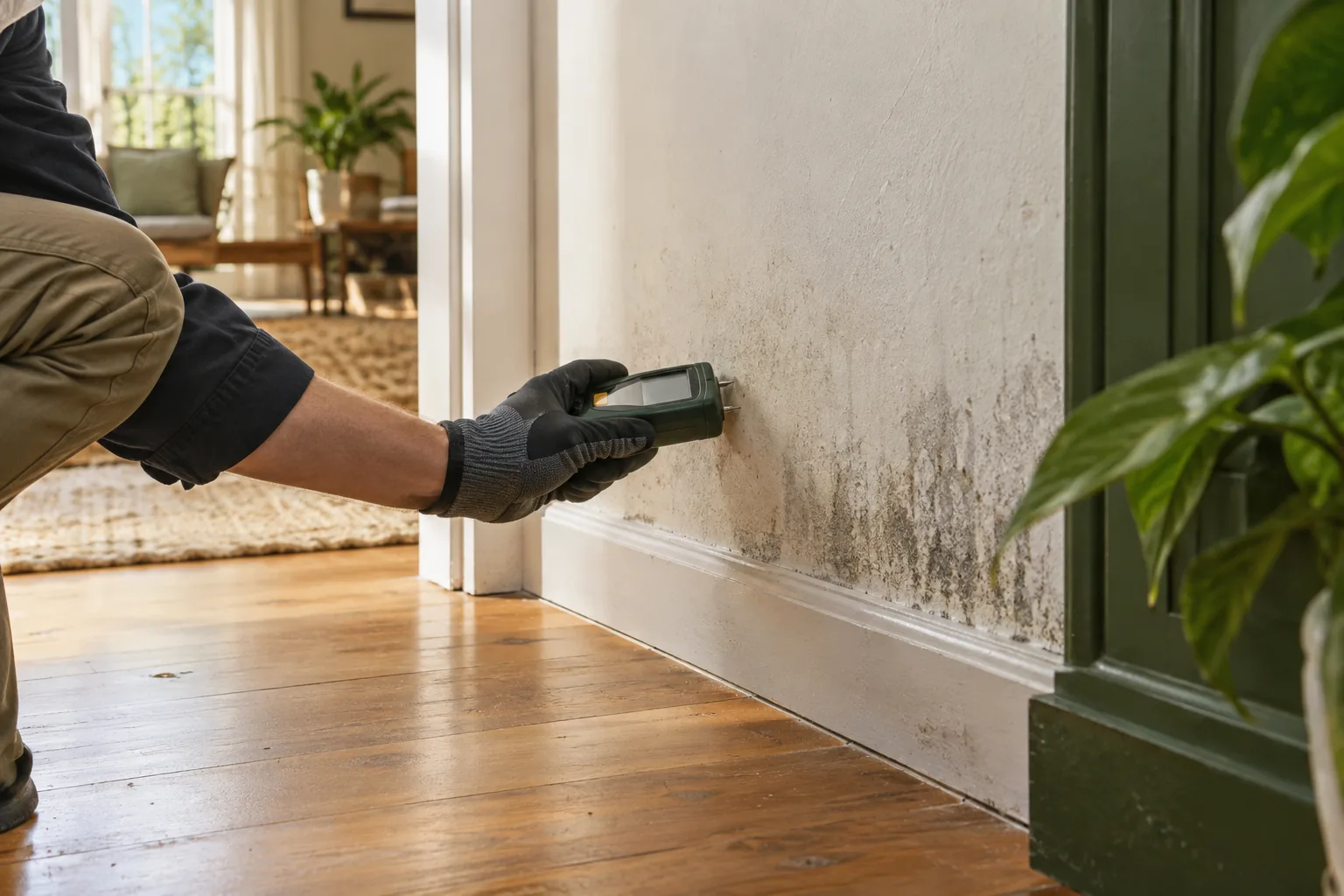
Steam, an inadequate extraction arrangement and a leaking fitting are different issues. Note whether surfaces dry between showers and whether growth returns in a particular location. Useful observations help direct follow-up without replacing a qualified repair assessment.
Extraction questions
Does the fan run, and where is moist air discharged? A running motor does not establish adequate extraction. If the installation seems ineffective, arrange the appropriate trade to assess it rather than treating repeated ceiling growth as a cleaning problem alone.
Surface questions
Give the material and condition: paint, plaster, tile or sealant. Hygrometer readings assist moisture assessment. Loose or deteriorated finishes may require repair; the service does not promise restoration of every bathroom material.
THE SURFACE REMOVAL PROCESS
A room-specific removal sequence
01
Inspect walls and ceiling
Check visible accessible bathroom walls, ceiling and hard floor. Discuss fragile finishes and fittings. Concealed concerns or repair needs remain separately defined.
02
Arrange air protection
Set up HEPA air filtration and agree preparation for personal items, people and pets. Bathroom access and an equipment route should be ready before treatment.
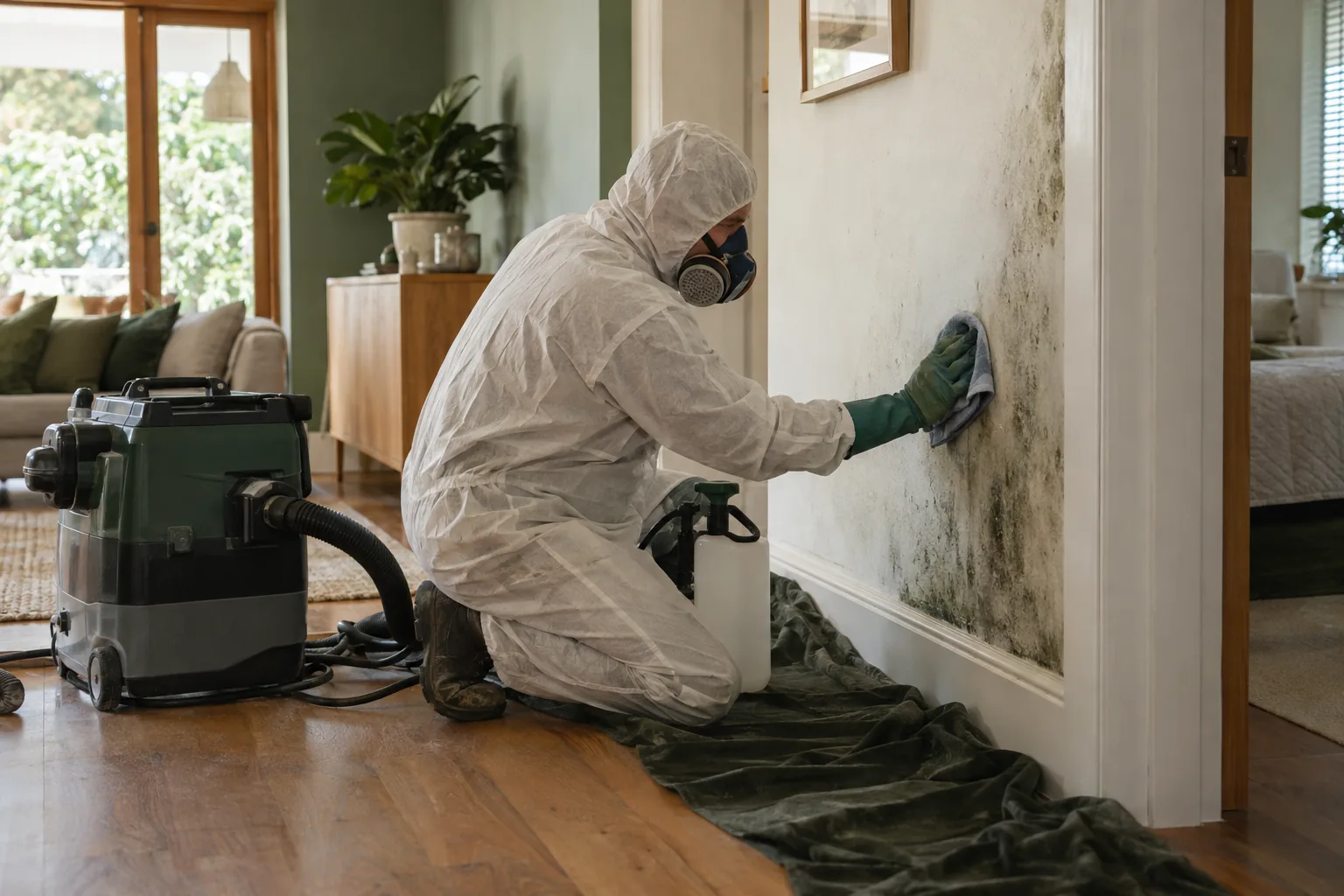
03
Apply suitable treatment
Appropriate HOCl treatment may be used within the assessed scope. Surface condition influences the method. The aim is treatment alongside removal, not a guarantee that discoloured grout, sealant or paint will look new.
04
Discuss ULV use
ULV application is considered where appropriate, with preparation explained beforehand. Do not assume that application throughout the room repairs a leak, reaches all concealed growth or makes damaged finishes suitable to retain.
05
Remove accessible growth
Physical removal uses equipment with H-class filtration suited to the work. Our remediation information describes this combined approach. Excluded belongings and textiles require separate decisions rather than being included because they sit nearby.
06
Finish and explain findings
Continue air filtration and review the structural surfaces treated. Discuss residual staining, moisture follow-up and separate repair requirements. Agree any decorative work through a separate quote after dampness has been addressed.
VISIBLE & ACCESSIBLE
Bathroom and adjoining areas
Painted ceiling
Mention cracking or flaking as well as spotting. A weakened finish may need a repair or decorating decision after assessment.
Shower-side wall
Describe whether marks are on painted plaster or another material. Compatibility matters; a photograph does not settle the method.
Window reveal
Report recurring wetness and paint damage beside glazing. Cleaning visible growth does not resolve a leaking frame.
Hard bathroom floor
Specify tile or another hard surface. Floor repair and cleaning of bathmats, rugs or textiles are separate from this scope.
PREPARATION & LIMITS
Keep appearance and removal distinct
Visible accessible walls, ceilings and hard floors form the service scope. Carpets, curtains, clothing, sofas, mattresses and furniture are excluded. Put towels and personal belongings aside only as instructed, and discuss any affected items separately.
Expect around three hours per room as an average guide, with complexity and access changing the time. Charging is not hourly. Old staining may remain after treatment; repainting or decorating requires a separate quotation and is not automatically part of removal.
AFTER THE SURFACE WORK
Help the room dry between uses
Use suitable extraction during moisture-producing activities and allow the room to dry afterwards. Wipe ordinary surface water where practical and monitor whether the same corner stays damp. Persistent wetness deserves a source investigation rather than stronger cosmetic cleaning.
Check adjacent rooms too, especially if growth returns on a shared wall. The removal overview explains structural-surface work. Plumbing, waterproofing or ventilation repairs belong with the appropriate trade and remain necessary when they cause ongoing dampness.
BEAUMARIS · NEARBY LOCATION PAGES
Nearby Bayside enquiries
Black Rock, Mentone and Cheltenham provide nearby service navigation. Use your property’s actual locality and address when calling, and describe any shared-building access that needs approval.
BEFORE YOU ARRANGE WORK
Questions for your enquiry.
Can you replace mouldy shower silicone?
Replacement is a separate repair task. Discuss its condition during assessment, but do not assume structural-surface treatment includes removing and installing sealant or repairing waterproofing behind it.
Will every bathroom stain disappear?
No cosmetic guarantee applies. Treatment and physical removal can leave discolouration in an existing finish. Decorating or replacement may be needed separately once the cause of dampness has been dealt with.
Does living near the coast prove the cause?
No. Local geography does not diagnose an individual bathroom. Extraction, plumbing, material condition and how the room dries all need consideration before practical follow-up is selected.
Can you include towels and bathmats?
No. Textiles are excluded. Identify affected belongings during the enquiry so you can arrange separate handling and avoid confusing them with the quoted walls, ceiling or hard floor.
Should the fan stay on during the job?
Follow the technician’s preparation instructions for the selected method. Equipment use and room access depend on the agreed work; ordinary household ventilation advice should not replace those instructions.
What if marks are on the bedroom wall too?
Include that surface in your description. It may need its own assessment, particularly beside plumbing. Do not assume that treating the bathroom also includes another room or identifies concealed leakage.
Discuss your Beaumaris bathroom
Call 03 8652 1296 with the affected surfaces and moisture history to discuss assessment, access and preparation.
Useful references: Official local context