
ROOMS · MATERIALS · MOISTURE
MENTONE · MELBOURNE
Mould Removal Mentone
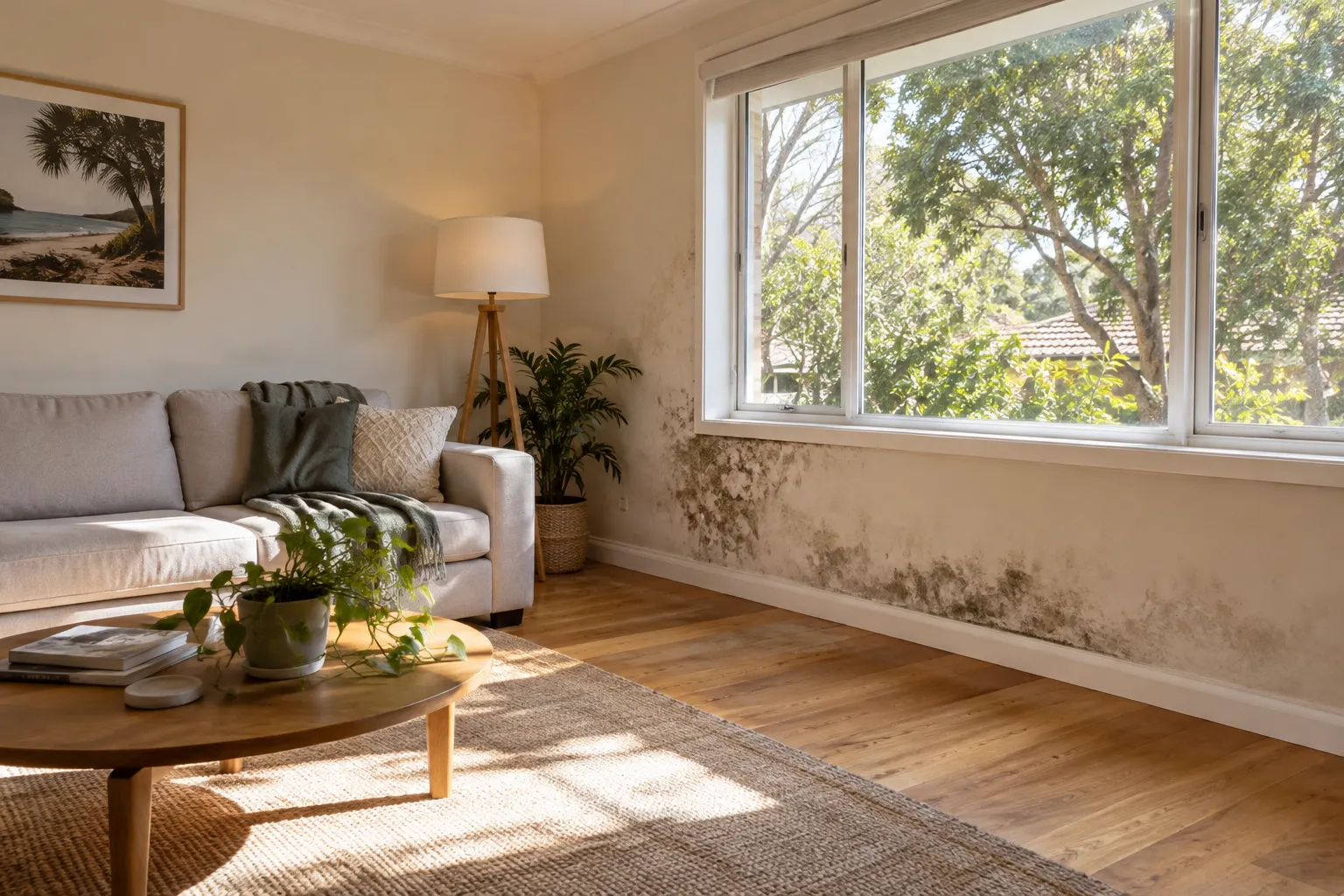
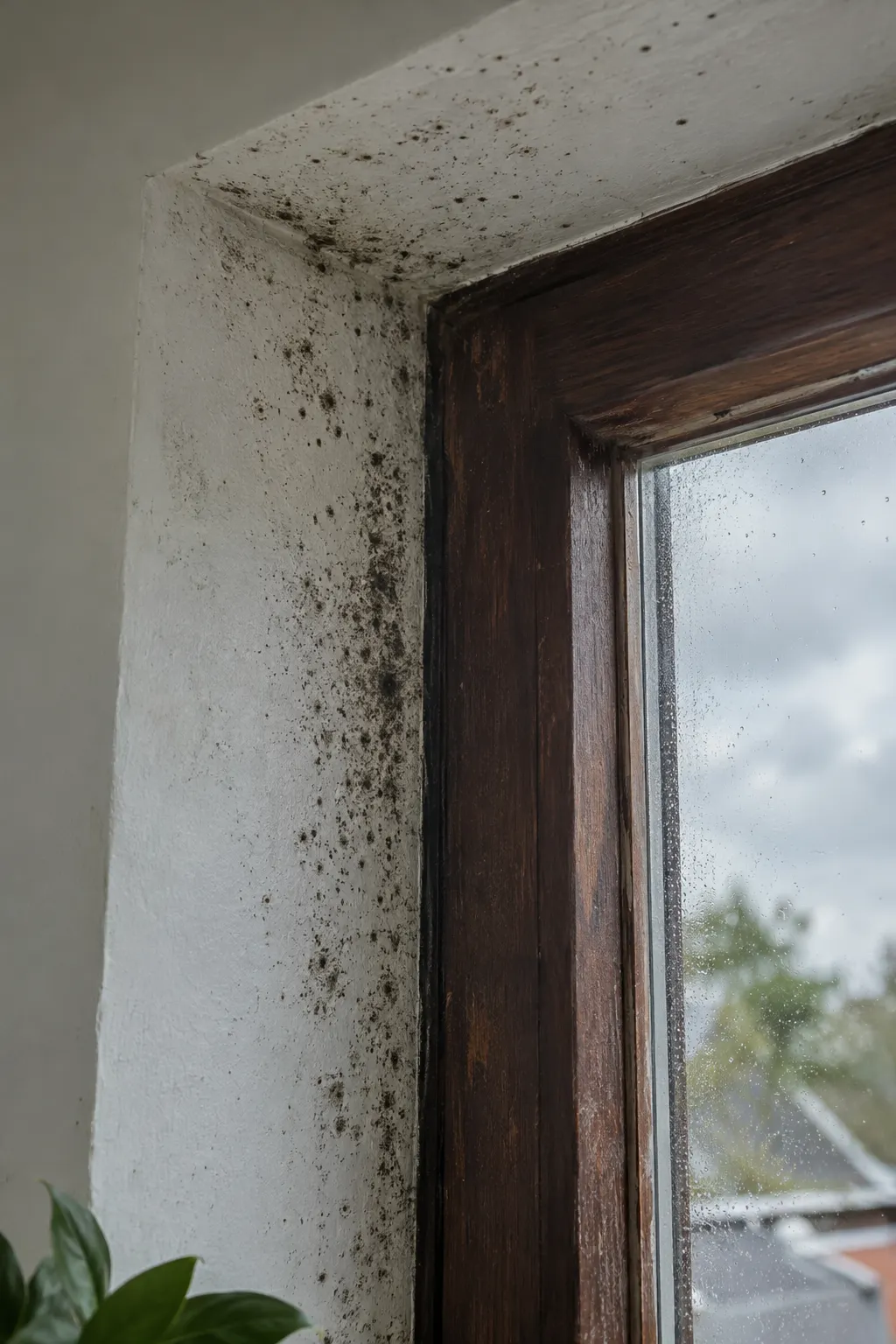
A ceiling patch beside a cornice can look like a small decorative blemish until the finish softens. For Mentone, describe the ceiling condition and any weather-related change. Surface removal can be discussed alongside roof or material investigation, without attributing the patch to a coastal address.
Material condition considered
Accessible work agreed first
Moisture observations kept in view
THE ROOM TELLS A STORY
A ceiling edge needs condition and context.
Kingston Council identifies Mentone Beach within its municipal coastline.
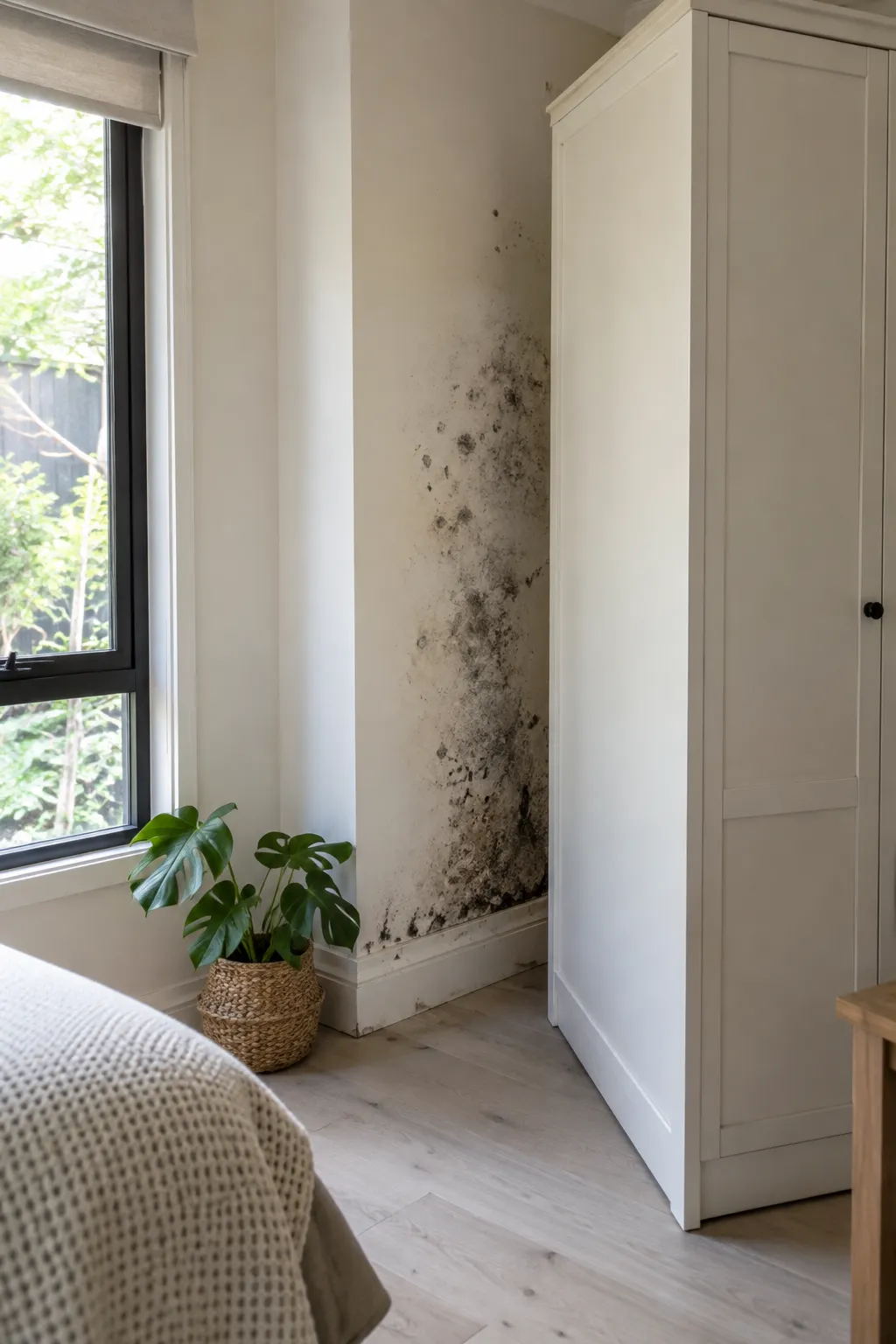
Where the patch follows a cornice, show its length and the adjoining exterior wall in a wider photograph. Mention peeling paint, softness or earlier roof repairs. Do not push on a questionable ceiling to demonstrate the damage; visible condition and history are enough for the first conversation.
UNDERSTANDING MOISTURE
Describe the line without probing the lining.
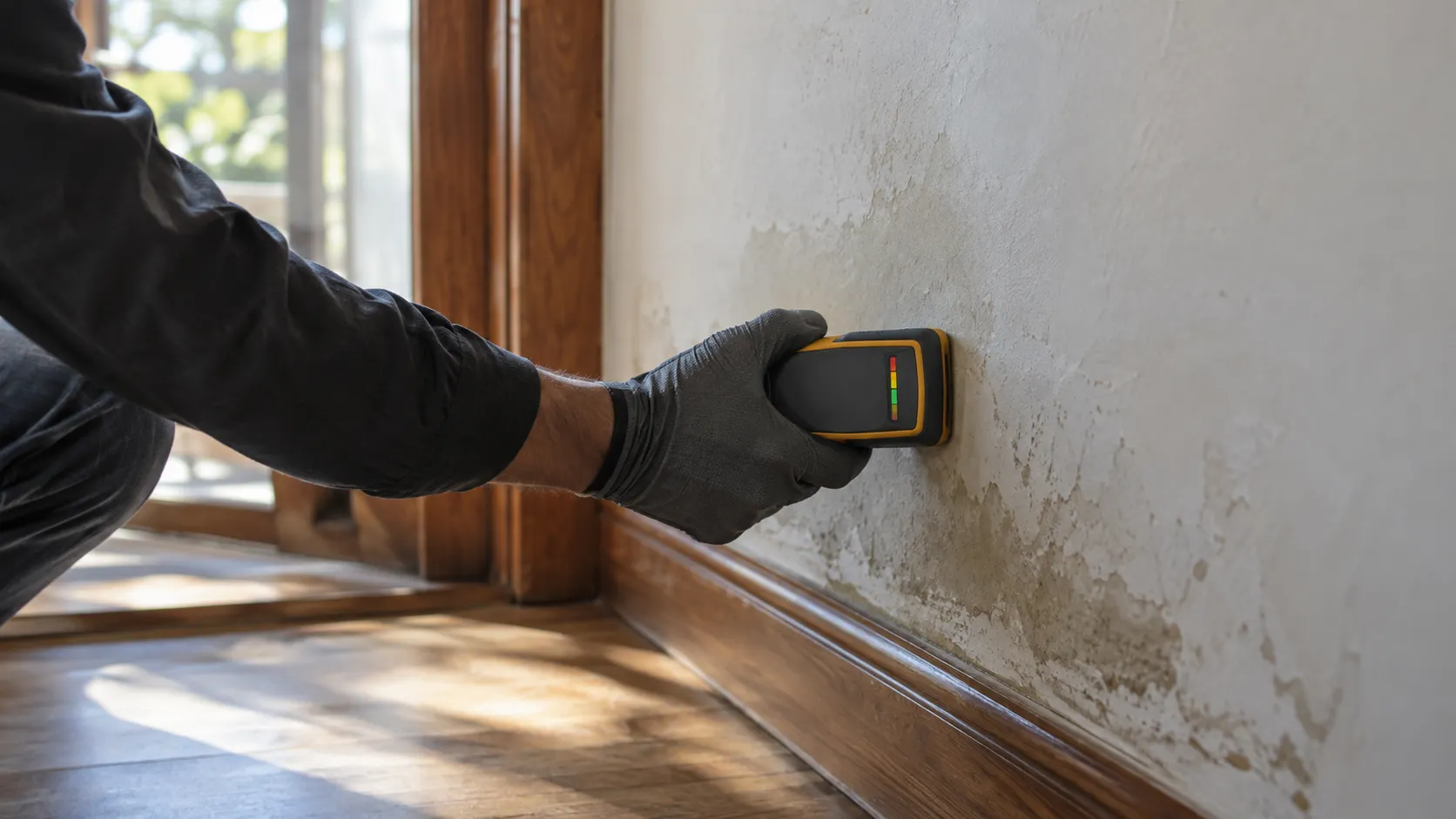
Extent along the cornice
Show how far the marks run and where they meet adjoining walls. A wider room view helps describe position and access. The line’s shape alone does not identify a roof defect or establish concealed material condition.
Changes after weather
Keep rainfall observations separate from ordinary indoor use and previous staining. Explain actual water seen rather than assume a coastal location makes the room damp. A chronology can help a suitable repairer consider the building evidence.
The overhead material
A mould inspection considers accessible finishes and limitations. Describe cracks, lifting paint or visible sagging from below, with questionable lining identified before an ordinary surface-removal task is assumed.
OUR REMOVAL PROCESS
A careful plan along the ceiling edge.
Stay at room level
An enquiry does not require climbing near questionable lining or entering the roof. Wider views from the floor can explain location and extent while preserving the condition for suitable professional attention.
Mention earlier patch work
Tell us whether cornice or plaster was replaced and why. The sequence helps distinguish retained and reinstated materials, without assuming a repair date proves every adjoining area dried or remained unaffected.
Keep decoration separate
A new coat may be a later finish decision, but should not hide unresolved wetting. Removal and decorative repair have different expectations, especially where staining, cracks or fragile material remain after the agreed work.
01
Describe the material first
Provide floor-level room photos, visible extent and any roof or plaster history. Identify damage as well as growth. The removal scope should recognise the condition of cornice and lining rather than presume every edge is sound decorative paint.
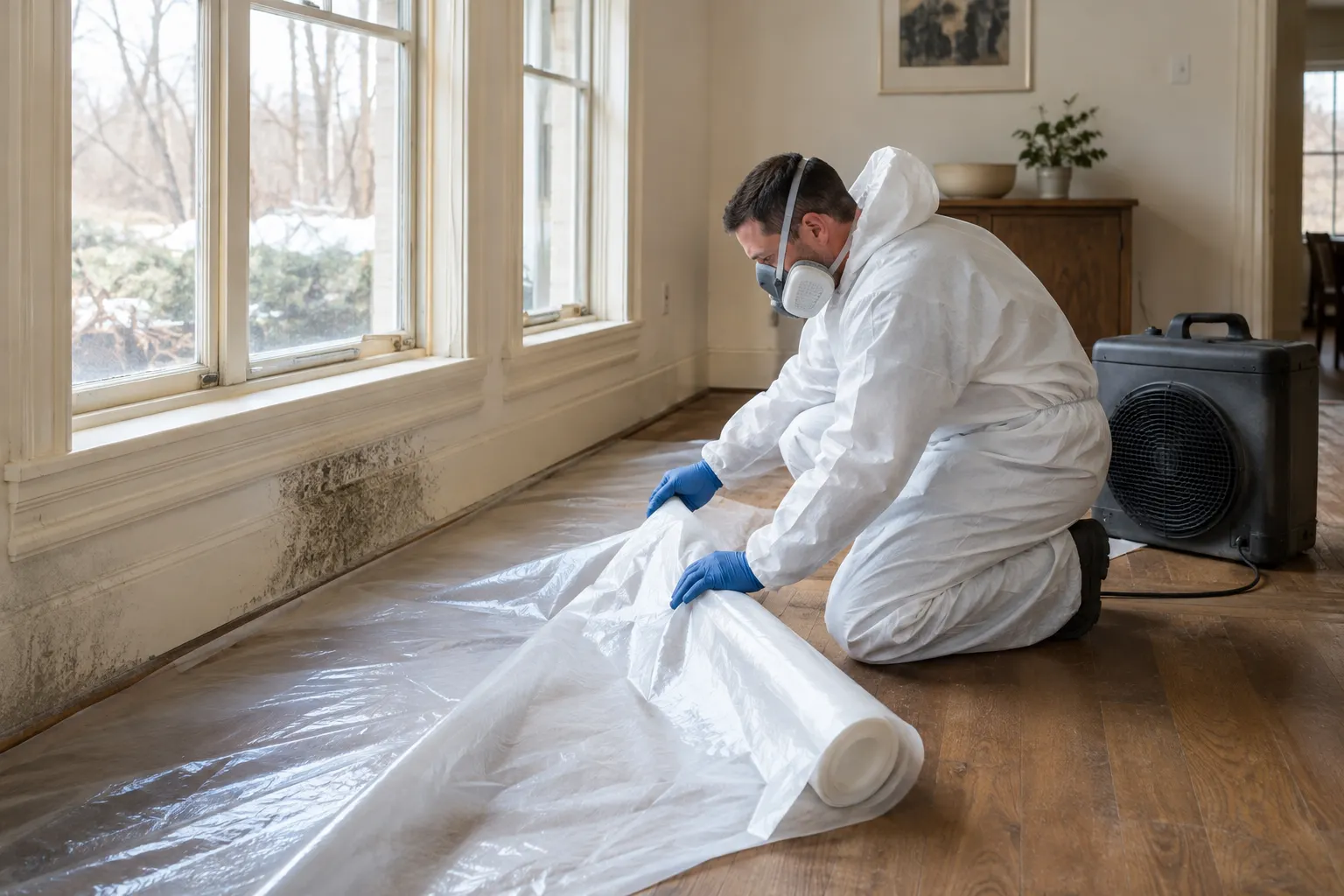
02
Agree access and protection
Discuss furniture below the area, delicate finishes and occupants’ concerns before work. Protection and equipment should suit the room and overhead task. If material or roof attention needs to come first, make that arrangement distinct from preparation for accessible removal.
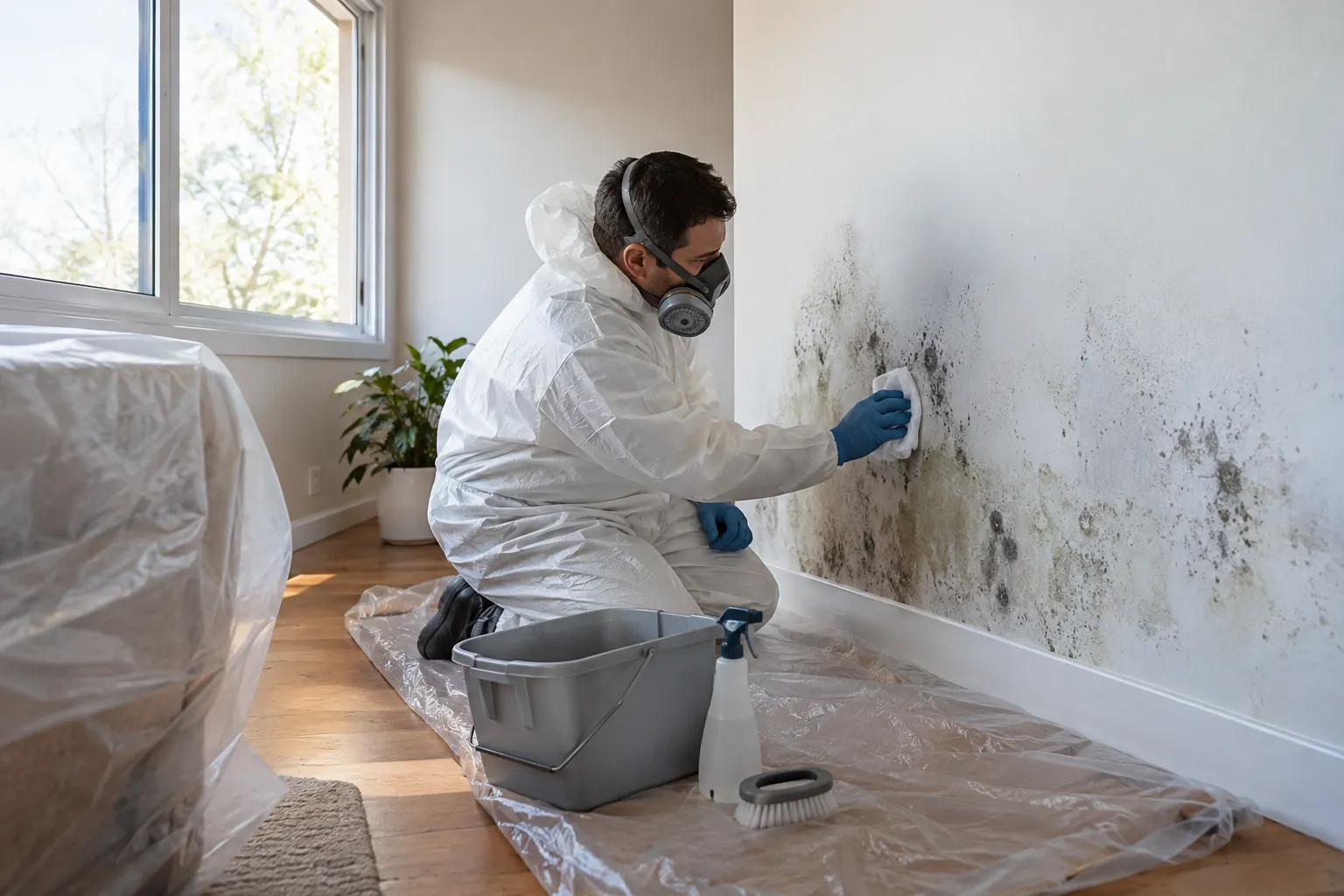
03
Review the remaining finish
Consider staining, lining deterioration and renewed water observations afterwards. Remediation decisions keep source and material condition connected, without promising that a cleaner edge repairs roof entry or restores a damaged cornice to a uniform decorative finish.
COMMON AREAS AFFECTED
Overhead marks still involve different finishes.
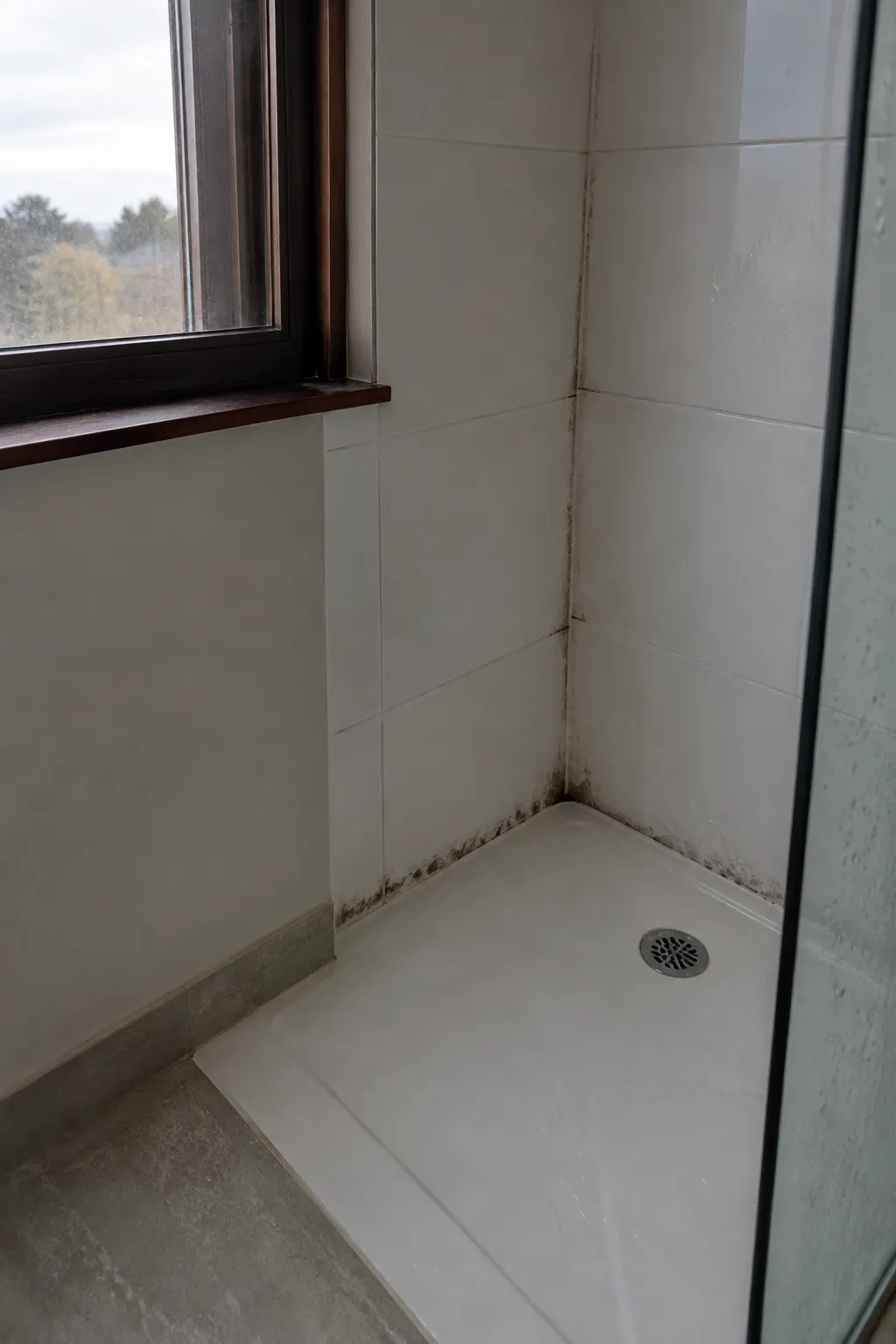
Bathroom surfaces
Bathroom growth on joints needs material and drying observations of its own.
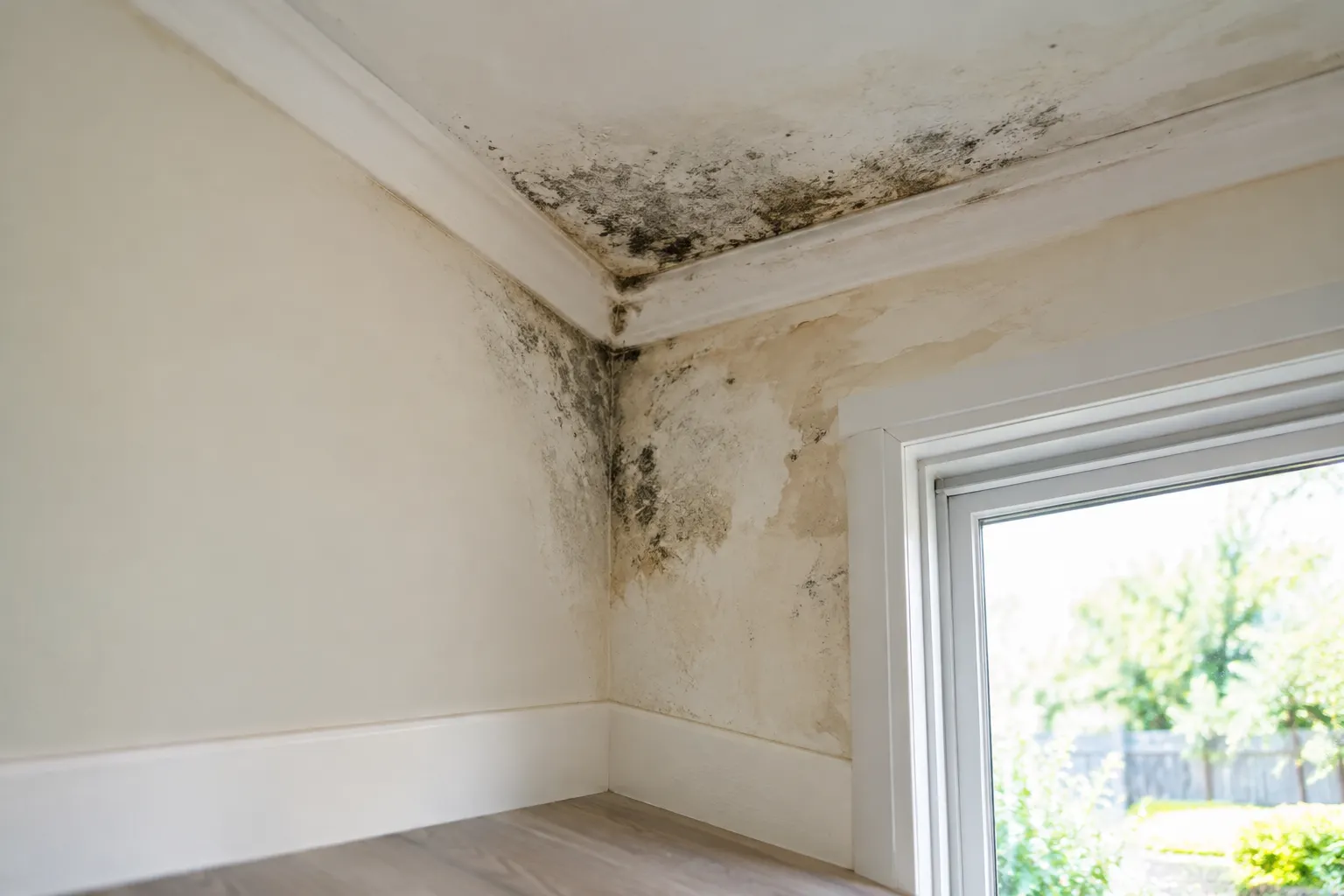
Ceiling condition
A stained cornice can combine visible growth with damaged plaster or paint.
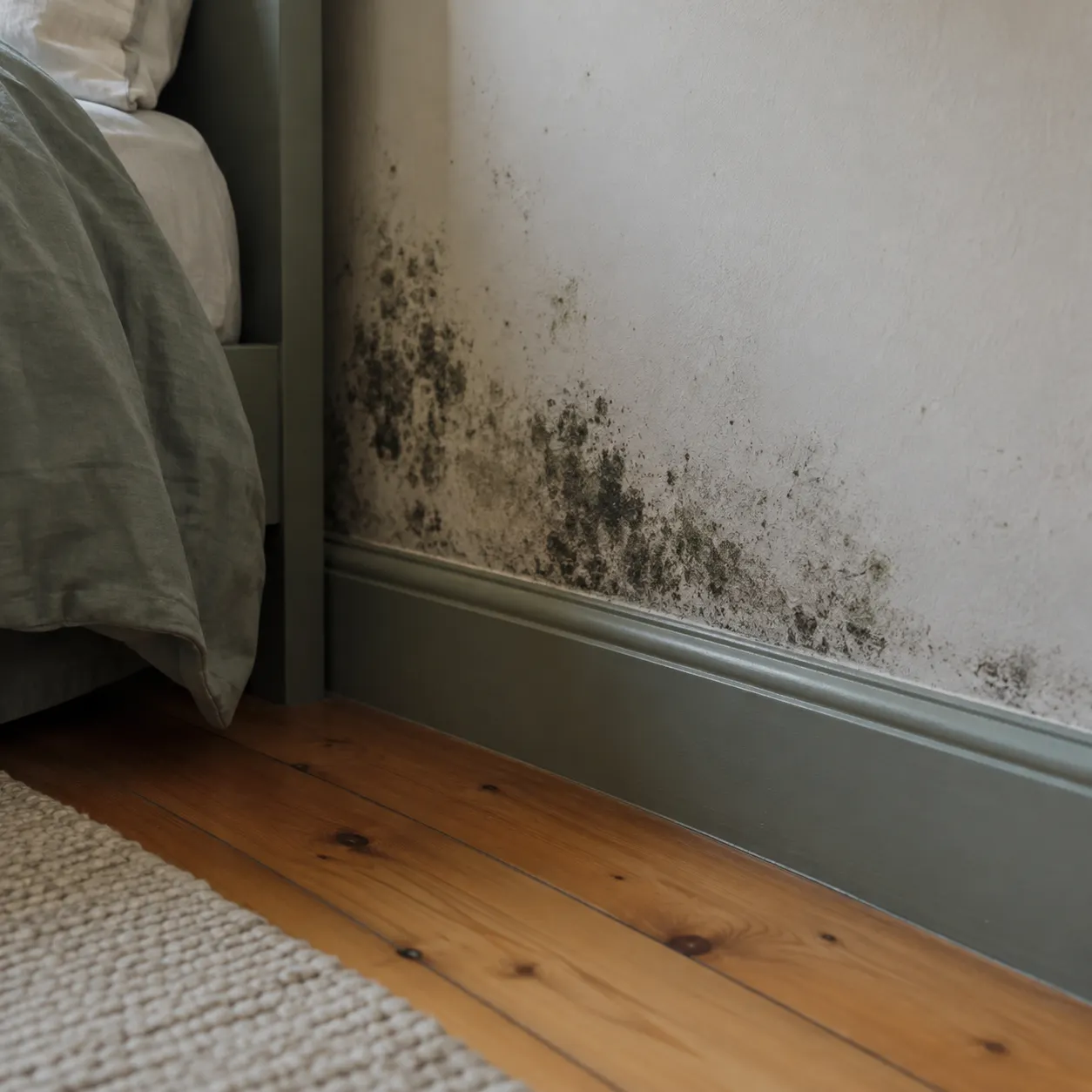
Walls and finishes
The upper wall may be affected along the same junction. Include its material and visible condition in the room view, rather than limit the enquiry to the darkest overhead patch.
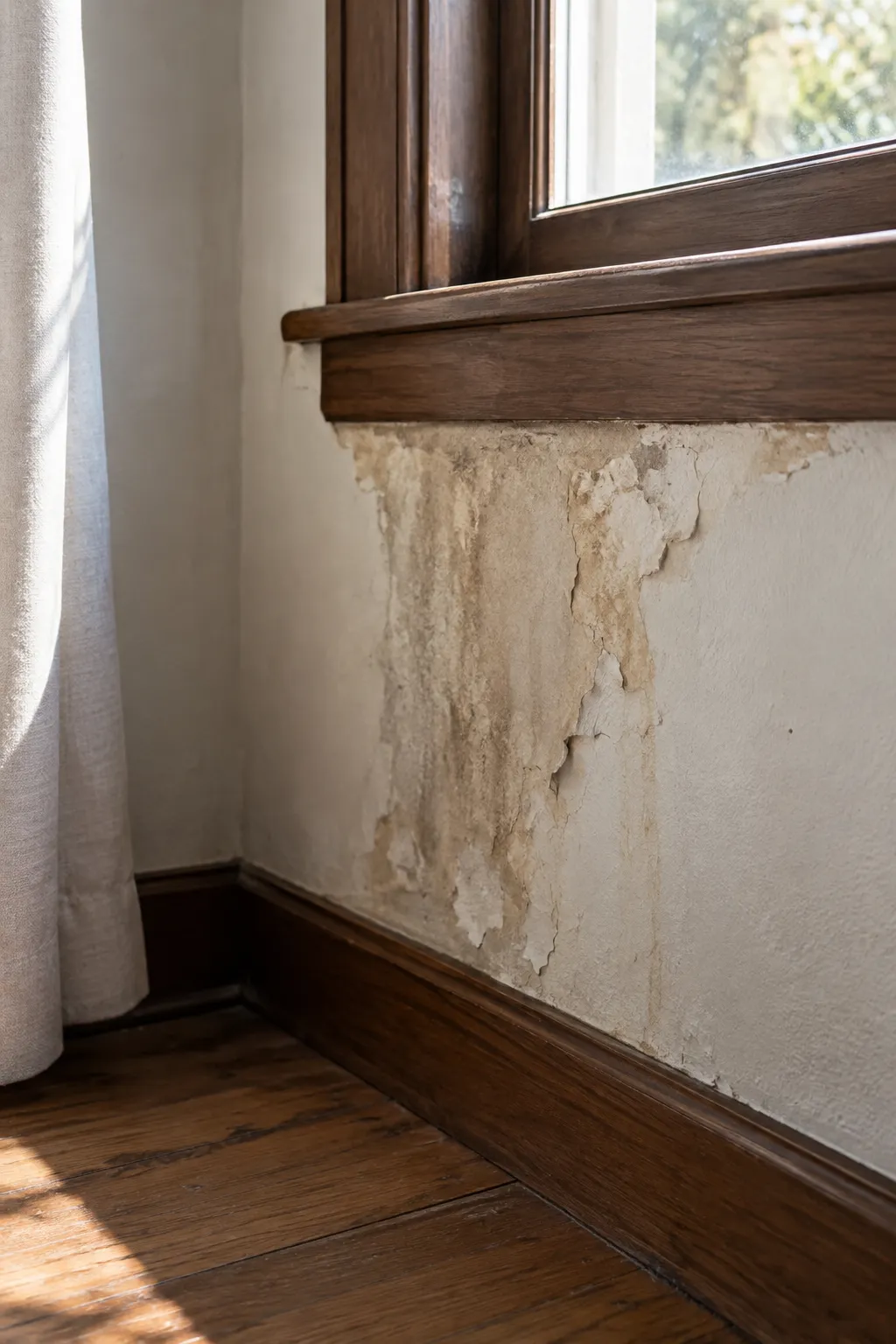
After water damage
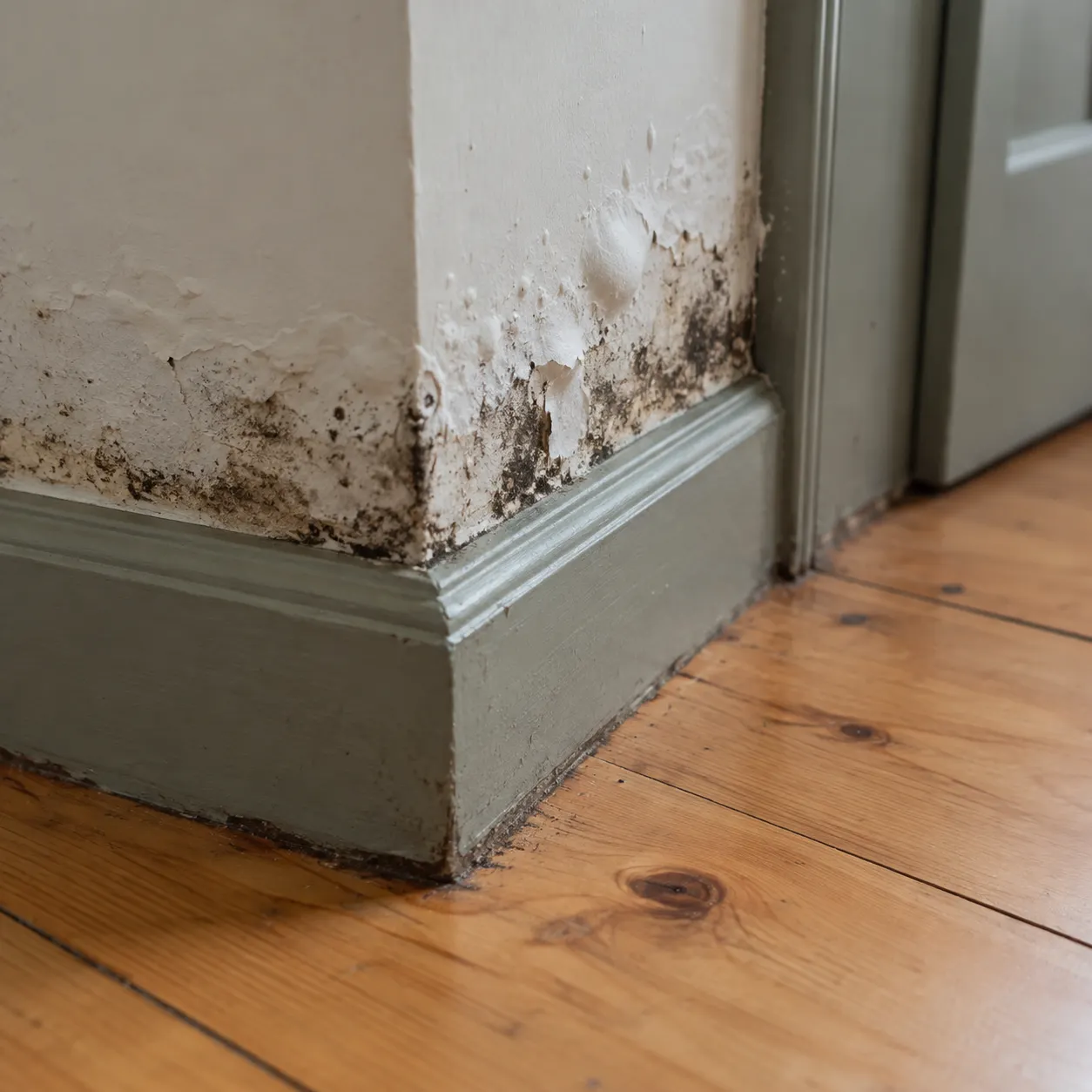
After roof water, adjoining linings or floor edges may also have been wet. Explain the incident and any drying or replacement, with concealed areas kept distinct from accessible paint observations.
PREVENTION STARTS WITH
Keep the ceiling history
in the room review.
A practical household check
Keep ceiling observations tied to dates and weather where relevant. If a stain changes after rain, tell the building repairer rather than simply cleaning its edge again. Material repair and safe access should be considered before a cosmetic ceiling finish.
Notice what changes after repair
After appropriate building work, compare the same ceiling edge during subsequent weather and ordinary use. Record renewed damp separately from old staining. Repeatedly coating the line should not replace consideration of the moisture pathway or any material that remains deteriorated.
MENTONE & NEARBY
Around Mentone
For surrounding locations, continue with Parkdale, Cheltenham and Mordialloc. Ceiling-edge marks at another address still need their own safe photographs, material condition and weather history.
BEFORE YOU CALL
The useful
questions.
Should I press on a stained ceiling to see whether it is soft?
No. Describe visible sagging, cracking or lifting paint without disturbing the ceiling. A damaged overhead surface may need a different assessment before removal work is considered. Take photographs from a stable floor position and explain any known leak history.
Does a cornice-shaped stain prove a roof leak?
No. Position helps describe the room, but the source needs actual evidence. Explain rainfall changes, indoor use and previous repairs rather than assign a cause solely from the shape of the mark.
Can removal restore a cracked cornice?
Cracks and deteriorated plaster need separate material attention. Cleaning accessible growth does not repair the structure or guarantee a decorative match. Mention damage before the appointment is planned.
Should I climb up for a close-up?
Use a stable floor position for the enquiry and avoid approaching questionable overhead material. A wider view and clear description can explain the concern without probing or disturbing the lining.
What if the ceiling was patched after an earlier leak?
Explain the patch location, date and why the work was done. Earlier photographs can supplement present condition, with source repair and material reinstatement kept as distinct events in the history.
How do I arrange a Mentone enquiry?
Call 03 8652 1296 with the address, floor-level images and wetting history. Discuss availability, condition and any separate roof or lining work before accessible removal is agreed.
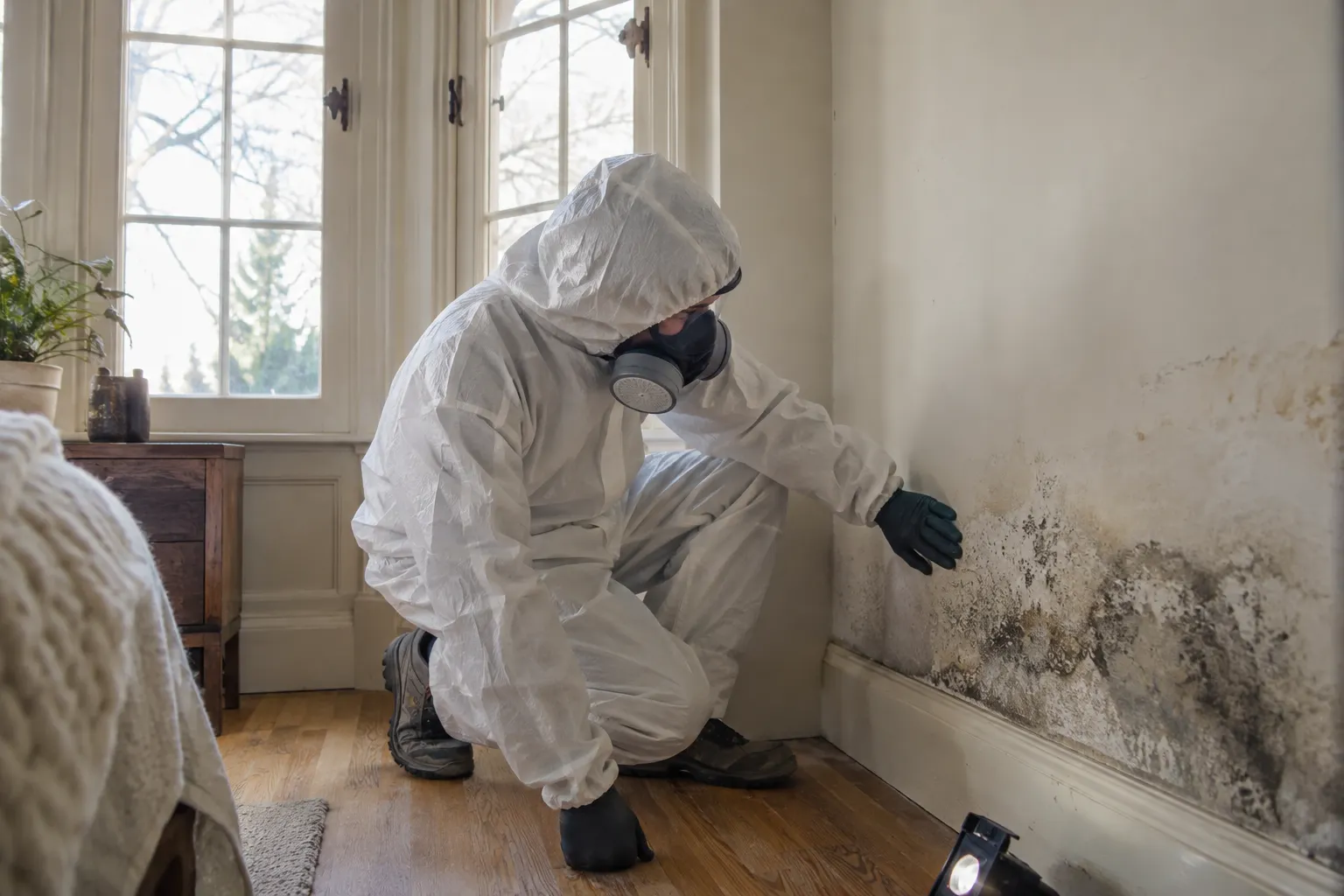
TELL US WHAT YOU CAN SEE
Describe the edge from a safe position.
Call with the ceiling view, material observations and repair sequence. Discuss availability and practical scope, with damaged lining, concealed areas and source repair understood separately from the removal task.
Local context: Victorian Government — Kingston suburbs · Kingston — coastal places