
WILDWOOD · MELBOURNE
Mould Removal Wildwood
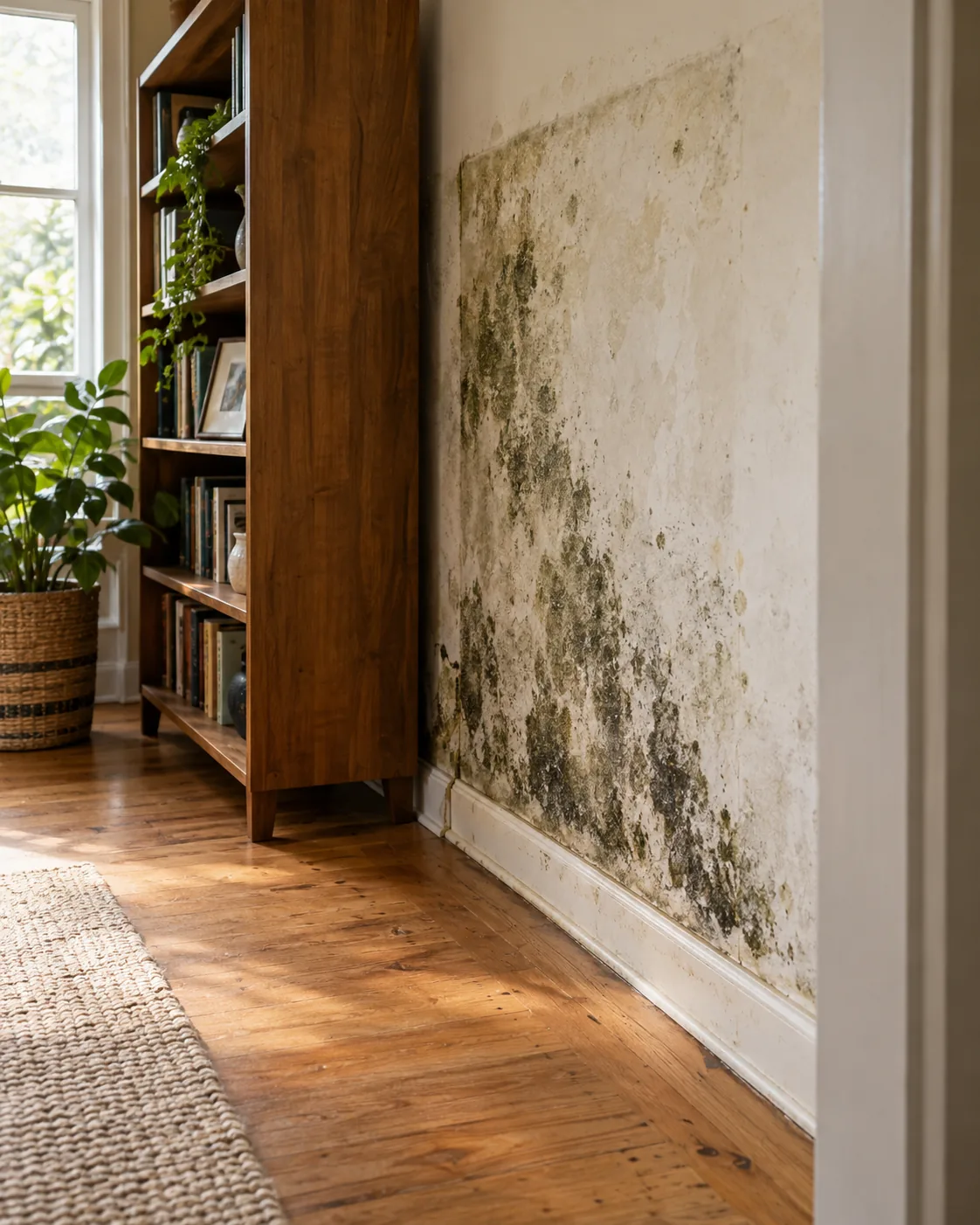
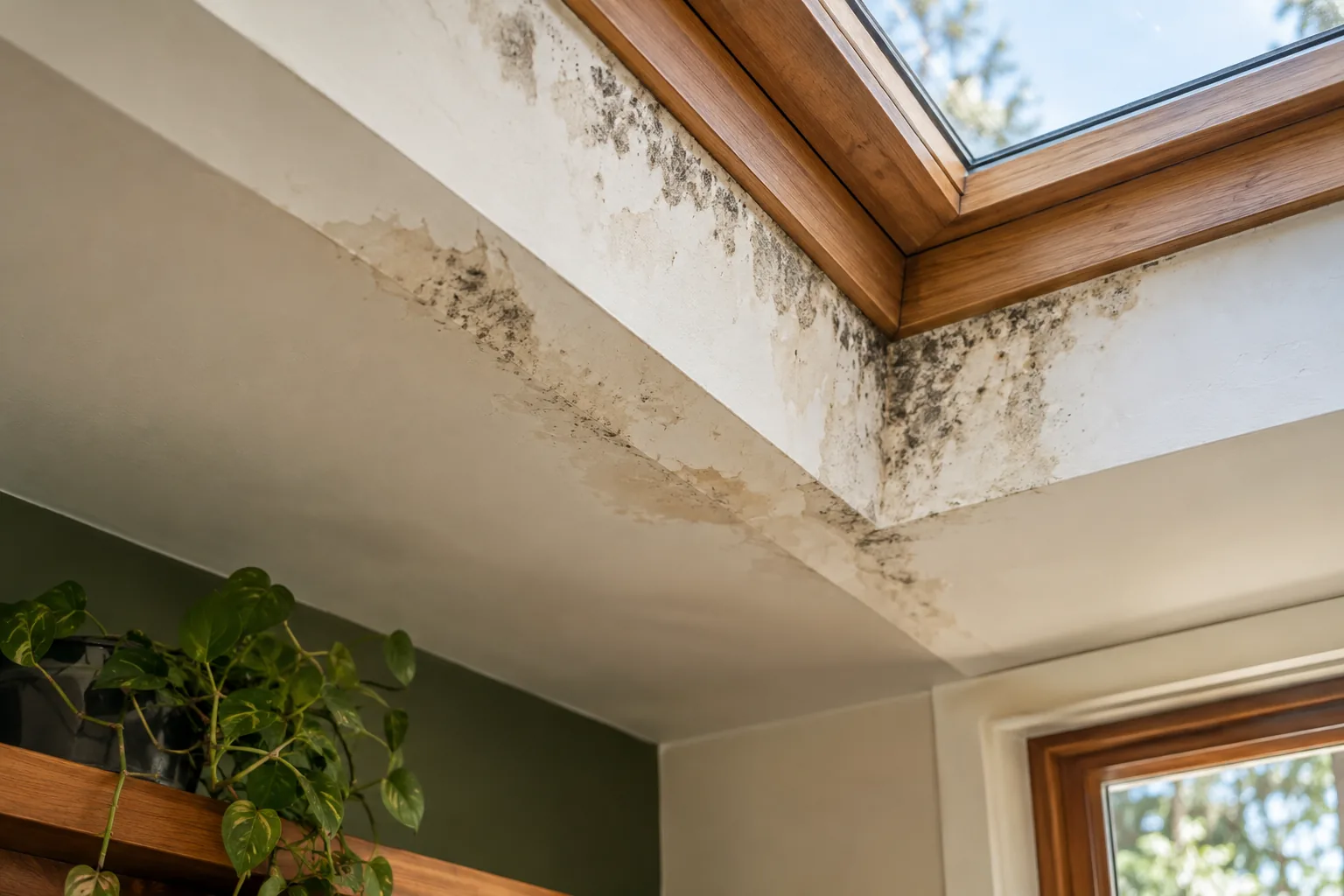
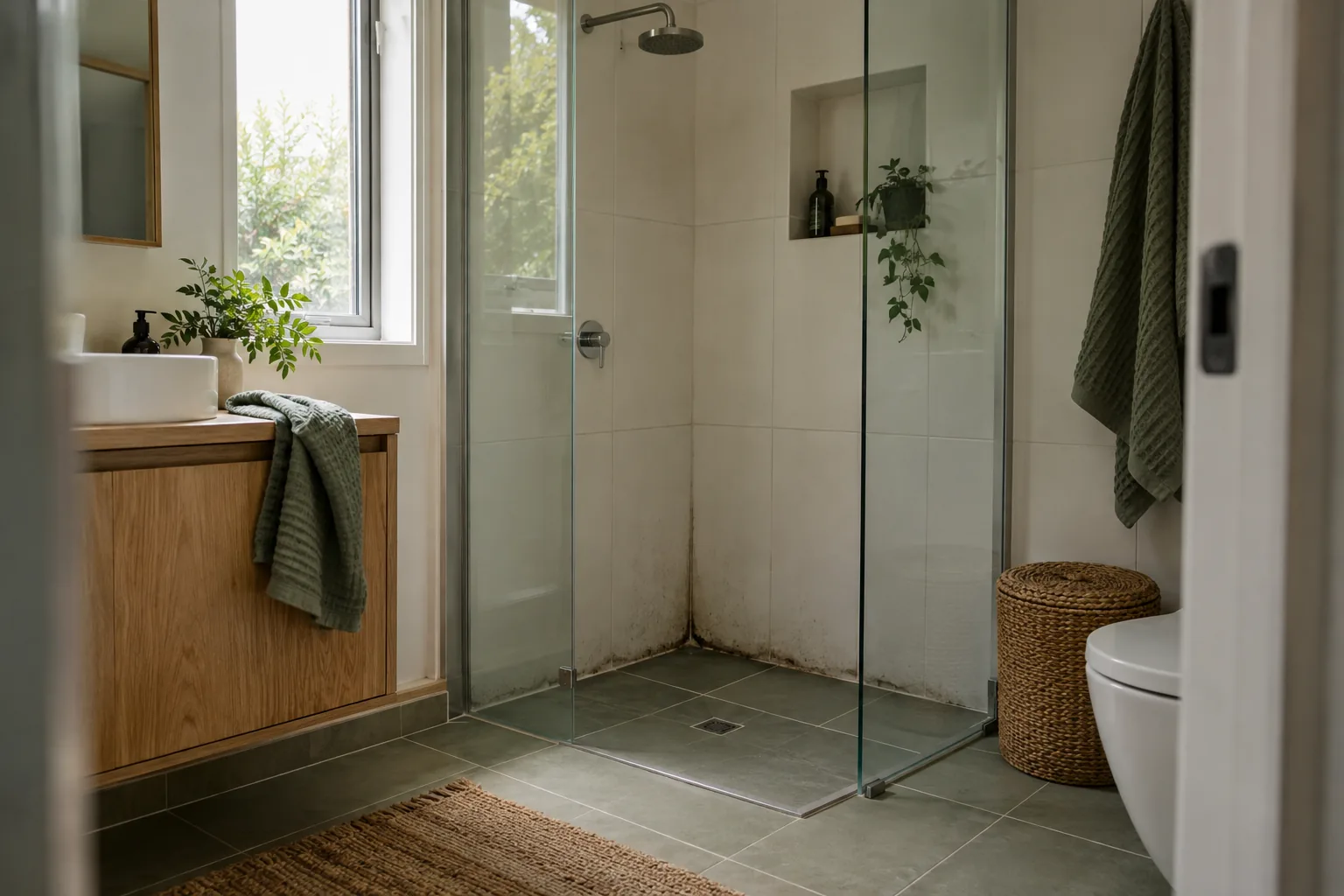
BUILDING · ROUTE · SURFACES
A damp interior room on a Wildwood property needs an address-specific plan. Tell us which building and room are affected, how equipment would reach them and whether wetness is ongoing. We discuss availability and visible structural surfaces before assuming the property suits a routine room visit.
Building identity clarified
Entry route discussed
Ongoing dampness considered
SURFACES & THEIR SETTING
Identify the actual building
Wildwood is listed among Hume’s green-wedge areas. That wider setting does not establish the use or condition of your building. Give the street address and identify the interior room; availability and access must be confirmed for the particular property.
A room apart from the main living area
If the concern is in a separate interior building, say so rather than describing it as a bedroom by default. The inspection service considers visible growth and moisture. The room’s actual use influences preparation and access questions.
The route from parking
Explain gates, steps and any long carry where they apply. A description of the equipment route helps planning without assuming a rural property has particular obstacles. Do not enter an unsafe building to gather enquiry details.
Separate dampness from location
A green-wedge setting does not diagnose moisture. Explain known plumbing or roof concerns and changes after rain. Treatment of growth must remain distinct from repair of the source and any building material needing replacement.
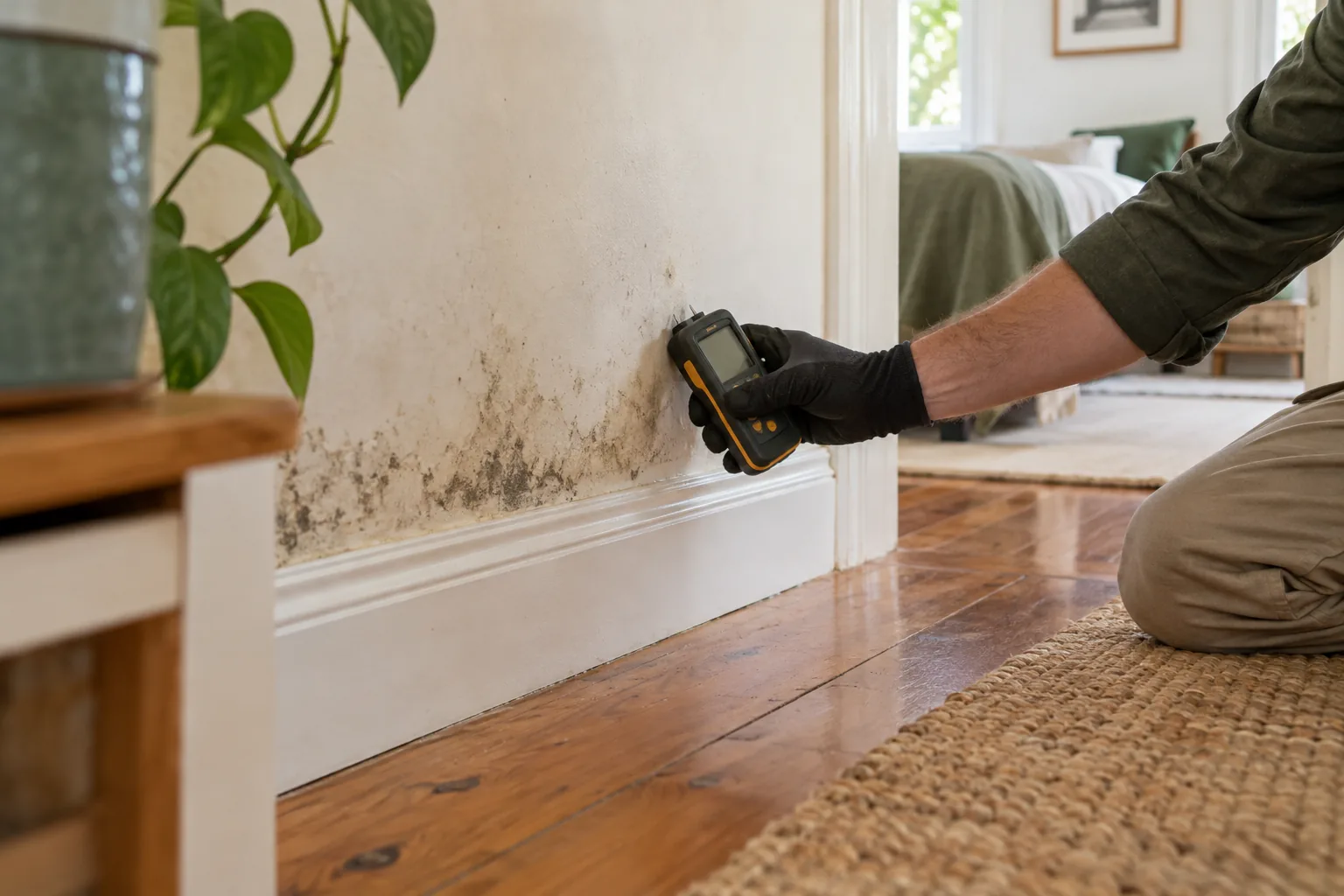
Material details
State whether the affected surface is plaster, masonry or another finish. Loose coatings and floor distortion matter. Cleaning does not turn a compromised finish into sound material.
Useful observations and readings
A hygrometer assists moisture assessment alongside the visible inspection. It does not certify concealed walls, insulation or roofs. Persistent wetness may require another investigation outside the agreed accessible-surface scope.
THE SURFACE REMOVAL PROCESS
A plan matched to the room
01
Inspect the reachable growth
Check the agreed walls, ceiling and hard floor. Discuss material condition and room use. Identify surfaces that cannot be reached or require repair before treatment rather than silently expanding the visit.
02
Prepare air filtration
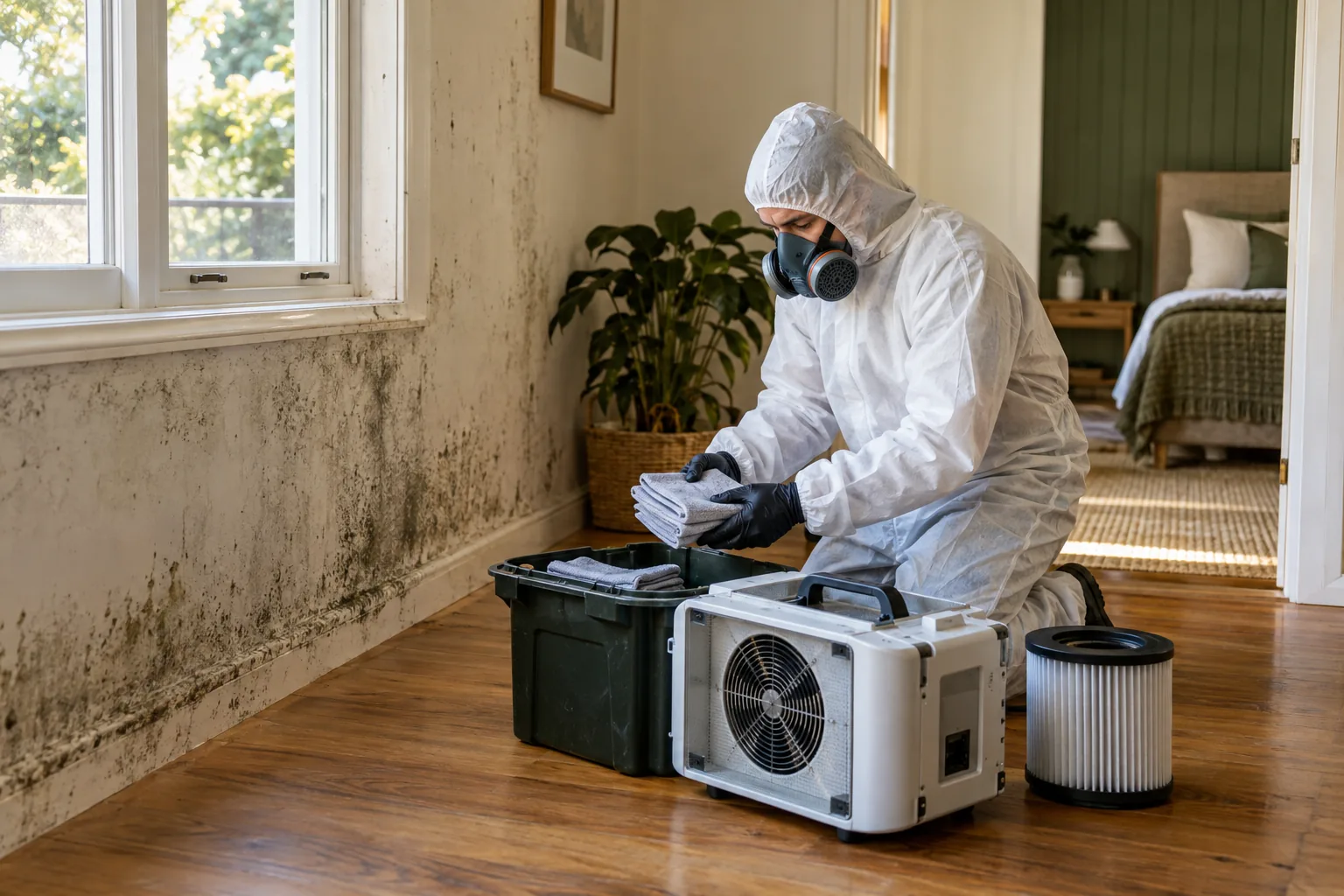
Set up HEPA filtration and the working area. Agree clearance, equipment entry and arrangements for people and pets. Preparation needs to fit the actual room and property access, not an assumed building layout.
03
Choose appropriate treatment
HOCl may be included where suitable for the assessed surfaces. Compatibility and condition guide the method. Treatment does not replace fixing water entry or restore a damaged wall or floor.
04
Discuss ULV application
When ULV application suits the scope, preparation and restrictions are explained first. It supports room treatment without implying that all concealed materials or other buildings on the property have been assessed.
05
Remove accessible residues
Use suitable physical removal equipment with H-class filtration. The remediation explanation combines this with treatment. Stored furniture, carpets, clothing and textiles are excluded even in a separate building.
06
Finish filtration and review
Continue filtration through the final stage and review included surfaces. Explain remaining staining and follow-up needs. A clear handover separates the completed room treatment from outstanding repairs and other property concerns.
VISIBLE & ACCESSIBLE
Details for the booking enquiry
Interior walls
Name the material and visible extent. Explain any fixed obstruction preventing access.
Room ceilings
Give height and known leakage. A separate roof-space investigation is not automatically included.
Washroom surfaces
Describe plumbing, ventilation and wetness. Any source repair is separately arranged.
Hard floors
State the finish and damage. Carpets and soft floor coverings are not within the described service.
PREPARATION & LIMITS
A bounded service result
We cover visible accessible walls, ceilings and hard floors as agreed. Furniture, sofas, mattresses, carpets, curtains, clothing and other textiles are excluded. Identify mixed-material concerns before booking so a room enquiry does not become an undefined whole-property job.
Allow about three hours per room as an average working guide, with access and contamination affecting time. Pricing is not hourly. Cosmetic staining may remain after removal; repainting or decorating can be quoted separately once dampness and damage have been addressed.
AFTER THE SURFACE WORK
Monitor the building after work
Keep dated notes about recurring wetness and inspect the treated room periodically. Check ordinary extraction and airflow appropriate to its use. A dehumidifier may assist air moisture but is not a repair for a leaking roof, pipe or external joint.
Our general removal information defines the accessible structural surfaces covered. Arrange the appropriate trade for ongoing defects. If growth returns, reconsider the source rather than attributing it to the surrounding landscape without evidence.
WILDWOOD · NEARBY LOCATION PAGES
Nearby address navigation
Konagaderra Springs, Sunbury and Jacksons Hill provide surrounding-area enquiries. They do not guarantee a visit to every Wildwood address. Confirm the property, building and practical entry arrangements by phone.
BEFORE YOU ARRANGE WORK
Questions for your enquiry.
Can you visit a separate building on my property?
Describe its use, interior surfaces and access first. Availability and suitability must be confirmed. An enquiry about a separate room does not automatically include every outbuilding or exterior surface.
Does the green-wedge setting explain the dampness?
No. That describes geography, not the cause in a building. Known defects, readings, room use and finish condition need consideration before follow-up is selected.
What if the driveway is difficult?
Explain the actual access restriction before booking. The equipment route affects planning and may limit a visit. Do not assume the locality page confirms access to any property regardless of conditions.
Will you inspect insulation or concealed timber?
Not within standard visible-accessible-surface work. Concealed areas need a separately defined investigation and access plan. Room treatment is not a whole-building condition report.
Can stored furnishings be included?
No. Furniture, mattresses and textiles are excluded. Identify them separately so their handling is not confused with the accessible walls, ceiling or hard floor quoted for the room.
Will every dark mark disappear?
A cosmetic guarantee is not offered. Old staining may remain after growth treatment, and a damaged finish may need repair or decorating separately after the moisture issue is resolved.
Discuss the Wildwood property
Call 03 8652 1296 with the address, building identity and entry route. We can discuss availability and the structural surfaces appropriate for assessment.
Useful references: Official local context