
GOONAWARRA · MELBOURNE
Mould Removal Goonawarra
SPARE ROOM · MOISTURE · OBSERVATION
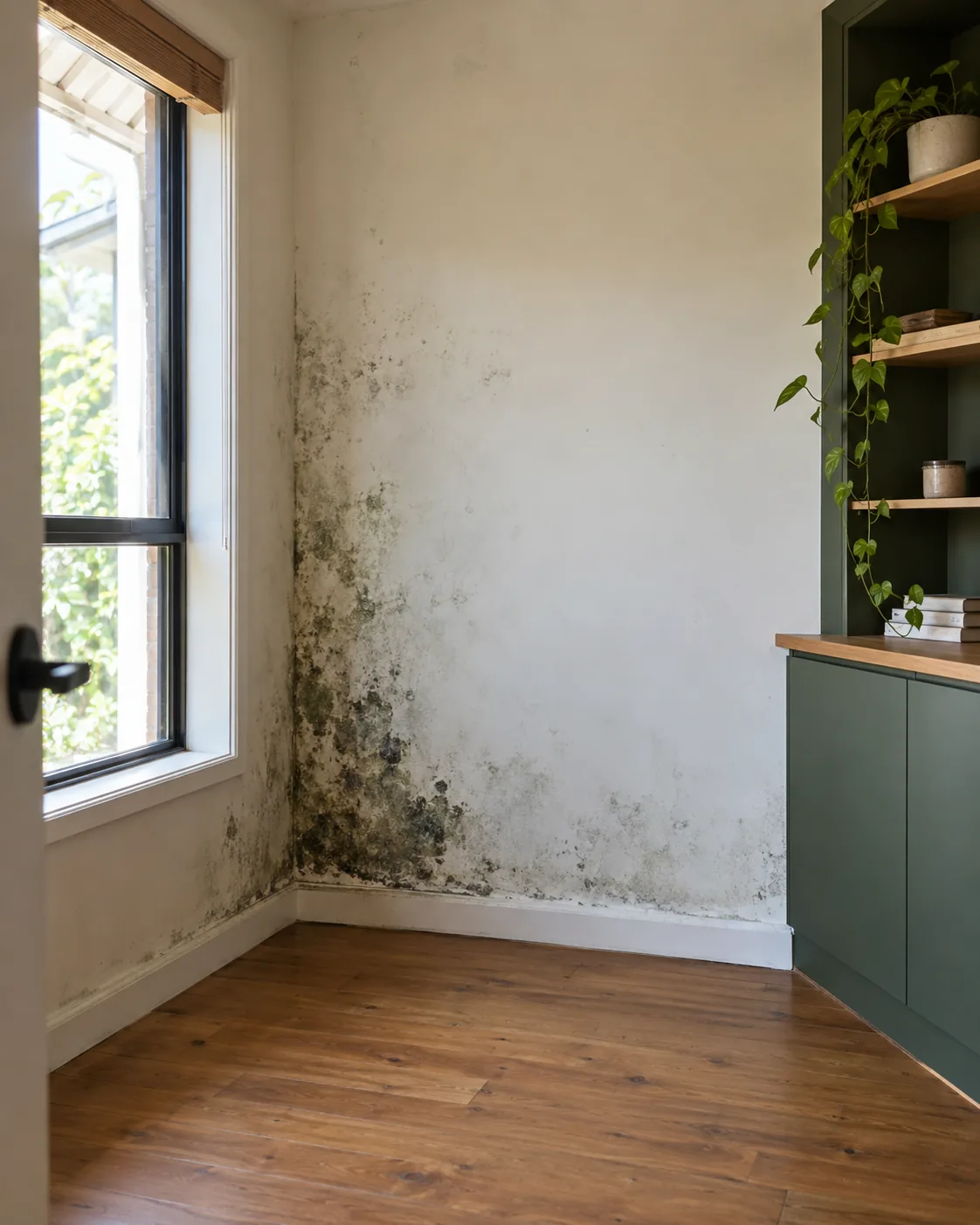
A spare room that is opened only occasionally can hide a damp corner for months. For a Goonawarra enquiry, explain what you found and how the room is normally used. We discuss visible structural surfaces, access and moisture conditions without treating occasional use as a diagnosis.
Room-use history considered
Reachable surfaces defined
Follow-up kept practical
SURFACES & THEIR SETTING
Start with the Sunbury address
Hume identifies Goonawarra within the Lancefield Road precinct in Sunbury. Provide the full address when calling. This area name does not establish a particular house type, local moisture pattern or guaranteed cause of growth.
An infrequently used room
Describe whether the door stays closed, windows become wet or stored items cover the wall. Our inspection information considers visible growth and moisture. The room’s use provides context rather than proof that ventilation alone is responsible.
Stored belongings
Identify what needs clearing and what is affected. Furniture and textiles are excluded from this service, even if they share the damp room. Heavy items should be moved only through a safe arrangement agreed before treatment.
Build a useful picture of dampness
A cool unused room, a leak and wet materials can create different concerns. Explain known repairs and the first observation of spotting. The assessed surface condition helps determine whether cleaning or separate building work is appropriate.
Watch the pattern
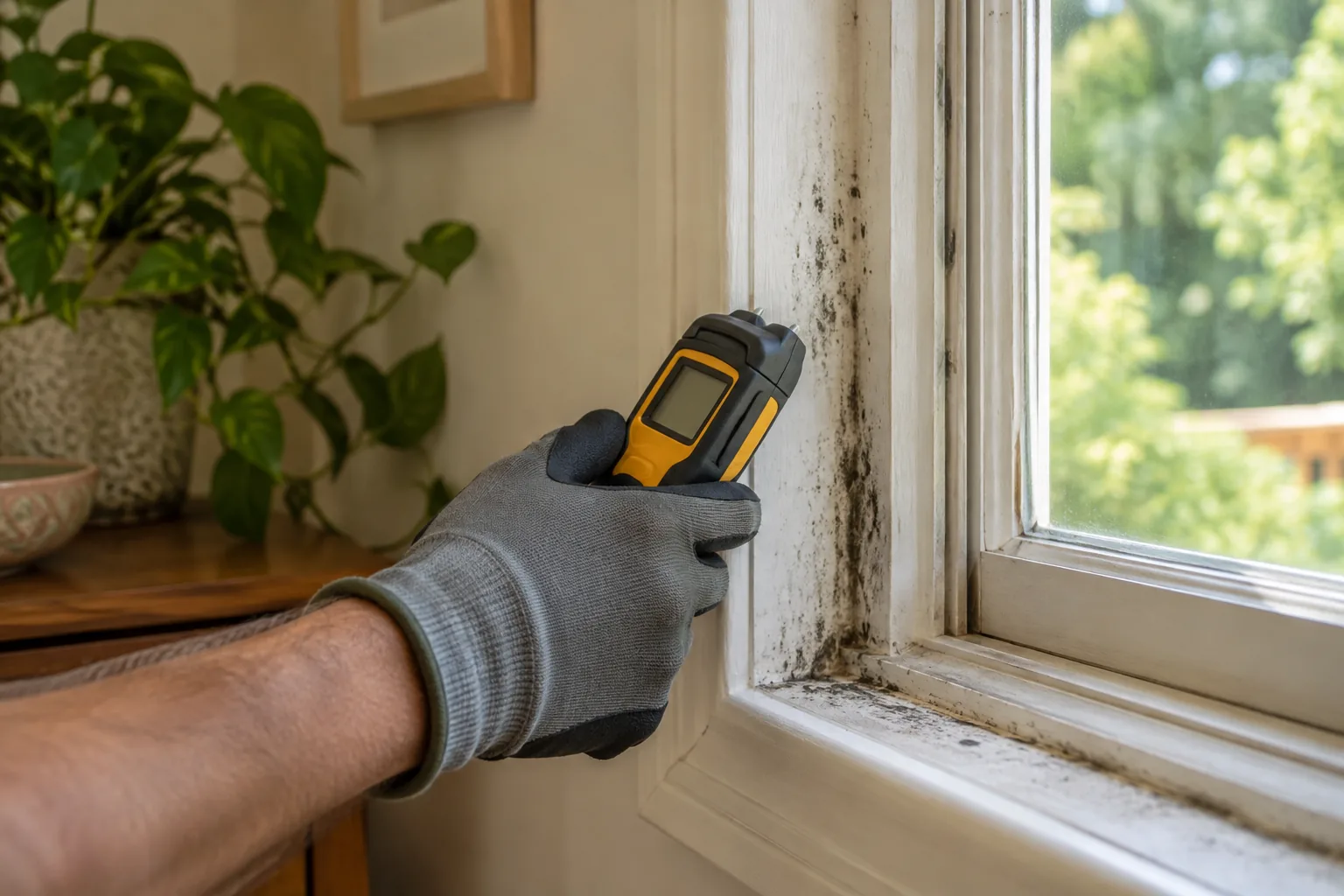
Note whether marks appear after wet weather or around ordinary moisture-producing activities. Date photographs where possible. One inspection image cannot establish how long the wall has been damp.
Assess conditions carefully
A hygrometer supports humidity and moisture assessment. Readings do not prove that concealed cavities are unaffected. If the wall remains persistently wet, a further source investigation may be required.
THE SURFACE REMOVAL PROCESS
A clear sequence for the spare room
01
Inspect the included areas
Check accessible walls, ceiling and hard floor. Discuss loose finishes and obstacles. Confirm which surfaces are reachable and which stored items need a separate decision, rather than including everything behind a closed door.
02
Prepare air filtration
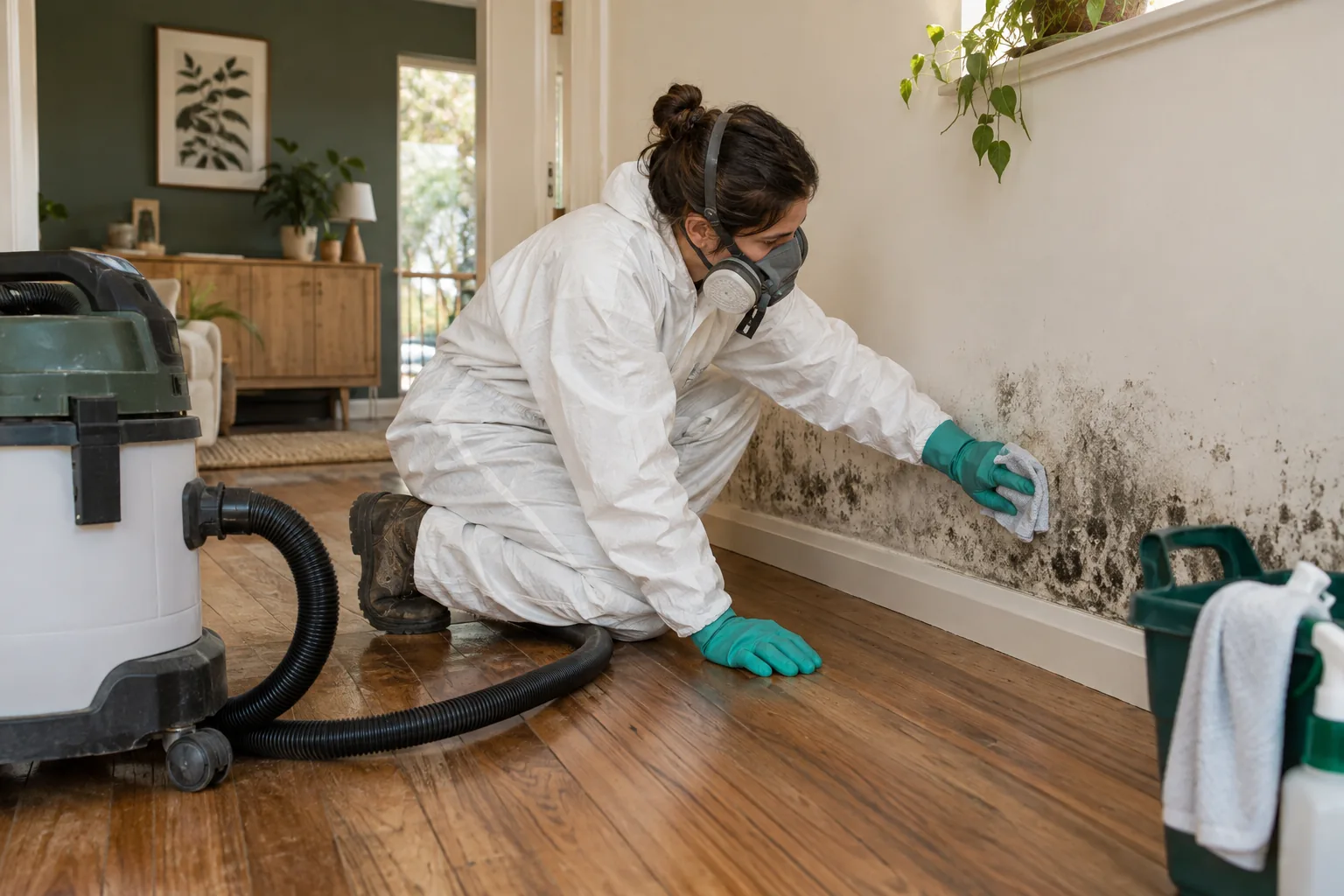
Set up HEPA filtration and the agreed working area. Confirm people and pet arrangements and room clearance. The equipment route should remain available throughout work, without storage being shifted into it.
03
Select surface treatment
HOCl treatment may be suitable for the assessed finishes. Compatibility and material condition guide its use. Treating growth does not strengthen damaged plaster or guarantee that old marks disappear.
04
Explain ULV application
Discuss any suitable ULV stage and its preparation requirements. It supports the room method, not a claim that every hidden surface behind built-in cupboards or within walls has been inspected.
05
Remove accessible growth
Physical removal uses appropriate H-class filtration equipment. The remediation process combines treatment and removal. Stored clothing, bedding, carpets and furniture are outside the structural-surface scope.
06
Complete filtration and advice
Continue filtration and review the treated areas. Explain cosmetic staining, unresolved dampness and practical follow-up. A room reopening plan should distinguish completed removal from separate repairs or decorating.
VISIBLE & ACCESSIBLE
Surfaces to describe
Walls behind storage
Give the finish and actual access. Fixed shelving can require another clearance arrangement.
Ceiling corners
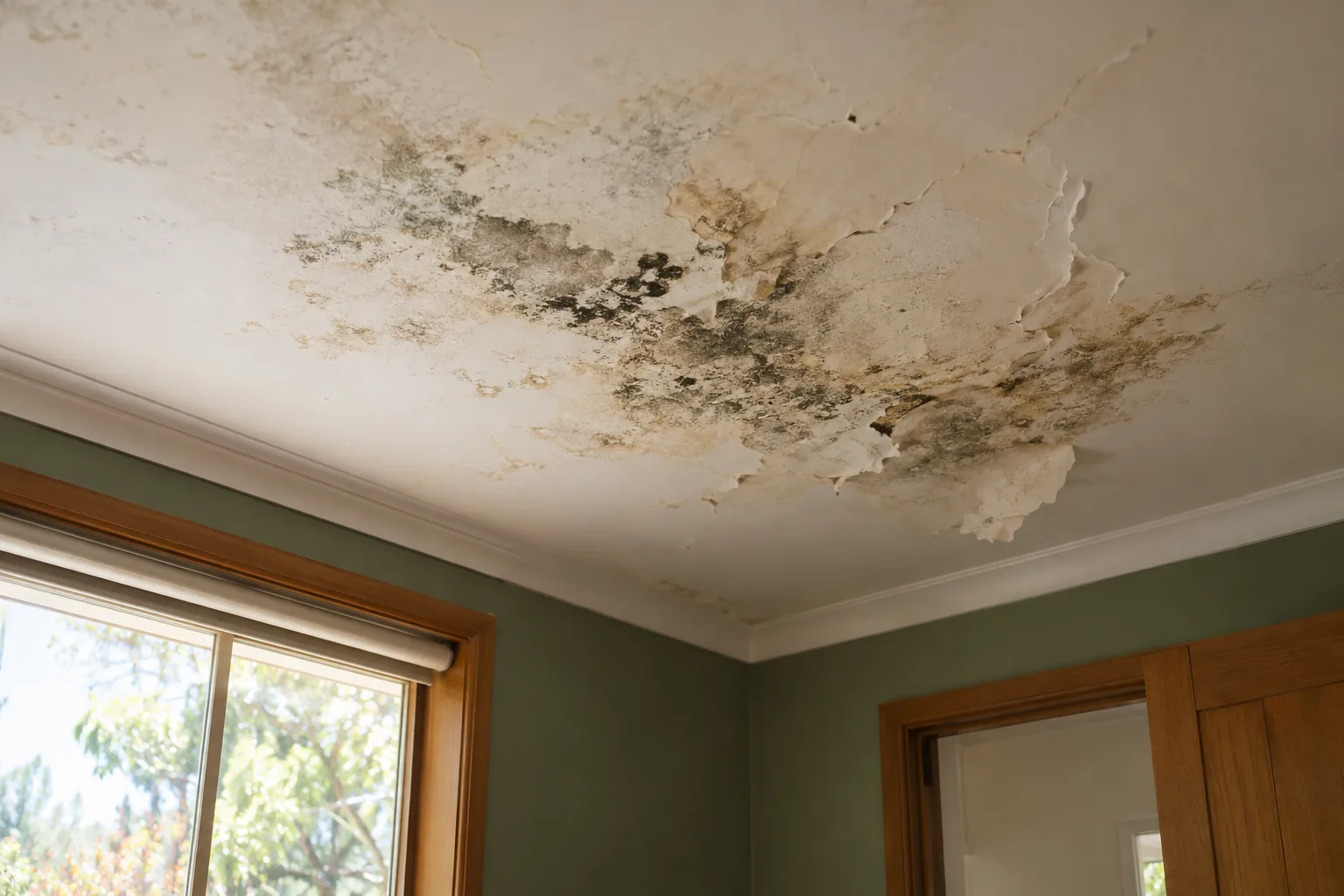
Mention height and any peeling paint. A stain alone does not establish a roof leak.
Window-side plaster
Explain when it becomes wet. A frame problem and condensation need different follow-up.
Hard floor edges
Identify the material beneath stored items. Carpets and rugs are excluded from floor treatment.
PREPARATION & LIMITS
Set expectations before reopening
Visible accessible walls, ceilings and hard floors are covered as agreed. Furniture, sofas, mattresses, curtains, carpets, clothing and other textiles are excluded. Separate affected belongings from the structural enquiry so room clearance does not imply that those items will be cleaned.
Average working time is around three hours per room, changing with access and extent; pricing is not hourly. Old staining may remain. Repainting or decorating requires a separate quote and should follow resolution of moisture problems and damaged materials.
AFTER THE SURFACE WORK
Make monitoring part of room use
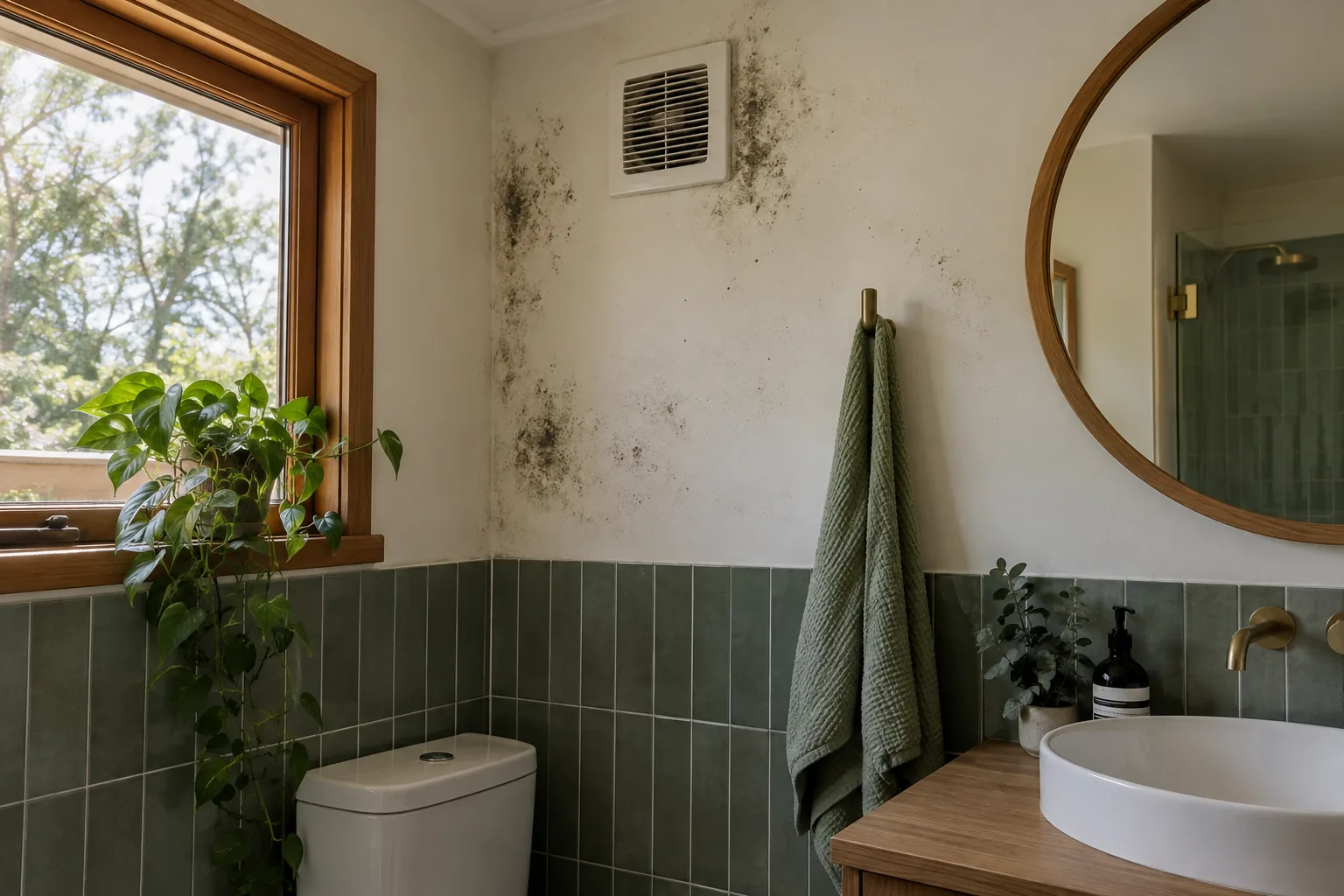
Check the room periodically rather than leaving the treated wall hidden behind storage again. Record condensation and recurring dampness. Where practical, maintain airflow around belongings and review extraction in nearby wet rooms without assuming those changes fix every source.
A dehumidifier can assist air-moisture management but cannot mend a leak. Our general removal scope explains structural-surface treatment. Persistent wetness needs the appropriate repair or investigation, and growth can return while those conditions remain.
GOONAWARRA · NEARBY LOCATION PAGES
Nearby Sunbury pages
Sunbury, Jacksons Hill and Diggers Rest offer surrounding-area navigation. Choose the address relevant to your property and explain key arrangements. No separate Goonawarra office or local client history is claimed.
BEFORE YOU ARRANGE WORK
Questions for your enquiry.
Does an unused room always have poor ventilation?
No such conclusion follows from room use alone. It is useful context, but readings, surface condition and other moisture history also matter. A known leak needs separate attention regardless of how often the room is occupied.
Can stored bedding be treated?
No. Bedding and textiles are excluded. Describe them separately so their handling can be considered outside the walls, ceilings and hard floors included in the room quotation.
Should I empty the whole room first?
Follow the agreed preparation plan. Some clearance may be necessary, but do not undertake heavy moving before the scope and access needs are confirmed. The technician needs an accurate description of what remains obstructed.
Will a dehumidifier prevent all recurrence?
No. It can assist moisture control, but cannot repair water entry or damaged materials. Recurrence depends on the actual conditions, so monitoring and appropriate source repairs remain important.
Can you treat beneath fixed storage?
Only safely accessible surfaces can be included. Dismantling fitted shelving or cabinetry requires a separate arrangement. Application within the room does not establish that the hidden wall has been inspected.
Can I repaint straight after treatment?
Discuss the surface condition and follow-up first. Decorating is separate, and continued dampness or damage needs addressing. Treatment does not guarantee a stain-free finish ready for immediate painting.
Discuss the Goonawarra spare room
Call 03 8652 1296 with the Sunbury address, storage details and visible finish condition. We can discuss assessment and preparation for the structural surfaces.
Useful references: Official local context