
CAPE SCHANCK · MELBOURNE
Mould Removal Cape Schanck
WINDOWS · WATER · WALLS
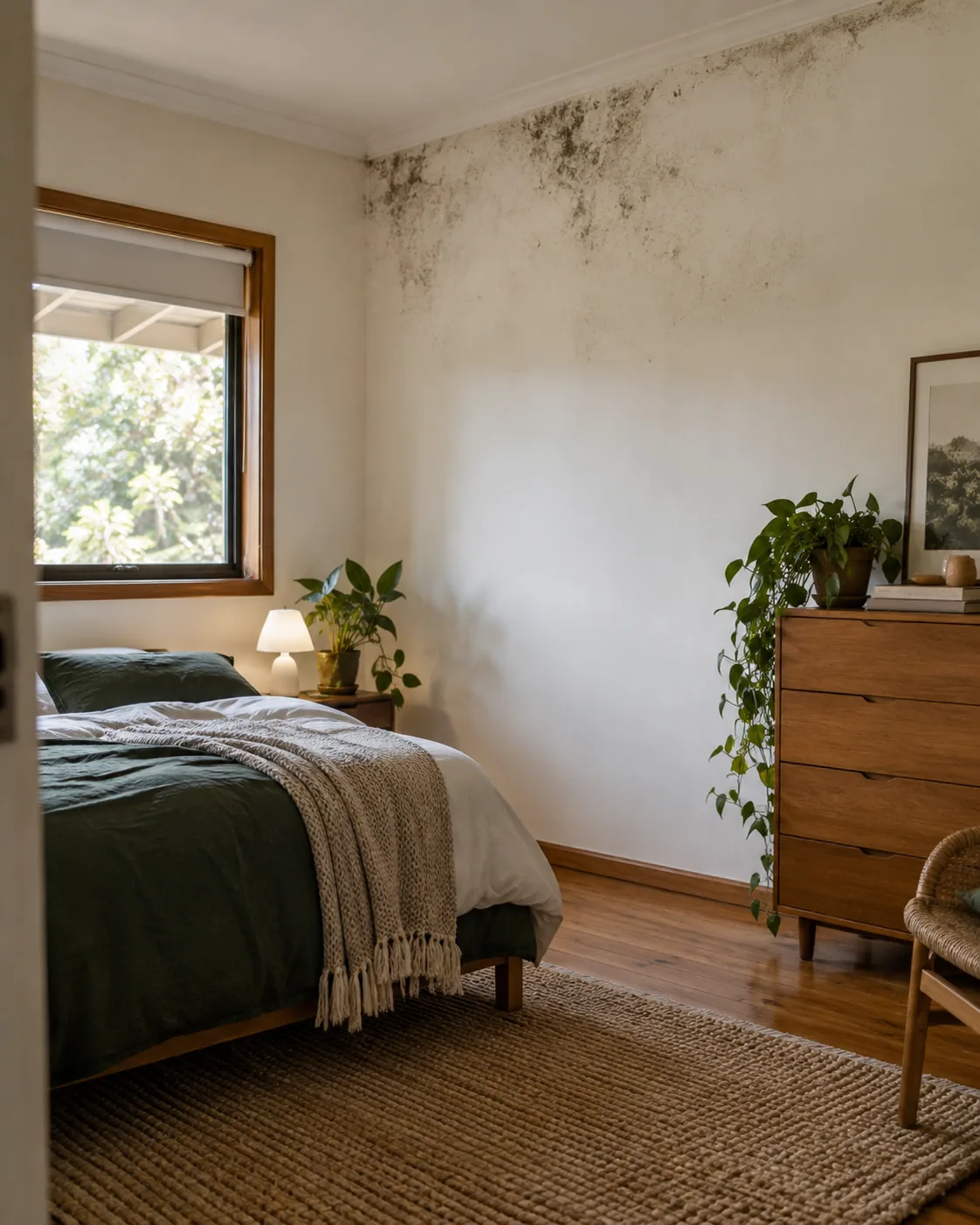
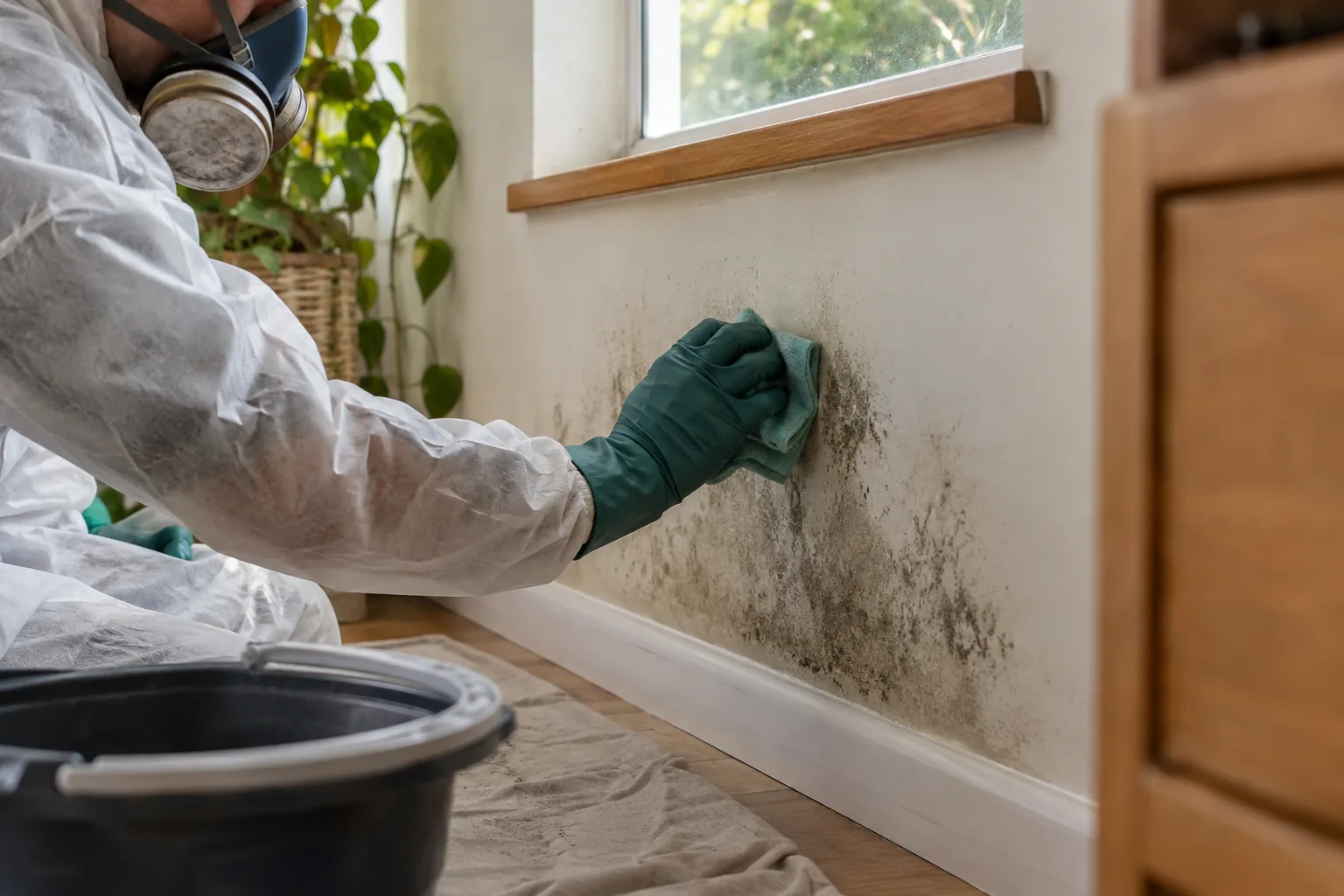
Marks around a window need a description of what the window actually does. Do droplets form indoors, does water enter during rain, or is the adjacent paint damaged? For Cape Schanck, provide the street address and current room photographs so availability and surface work can be discussed.
Window history considered
Damaged finishes identified
Accessible work defined
SURFACES & THEIR SETTING
Look at the opening and the surrounding finish
Cape Schanck is identified in the Shire’s coastal information. Its setting does not establish the cause of a room’s mould. For mould removal, distinguish observed window condensation from suspected water entry and describe both when relevant.
Droplets on the inside
Note when condensation appears and whether the nearby wall dries. Room use, heating and ventilation can provide context.
Wetness during rain
Give the timing, position and any repair history. Glazing, seal and building repairs are separate from removing visible growth.
Assess the room before selecting a method
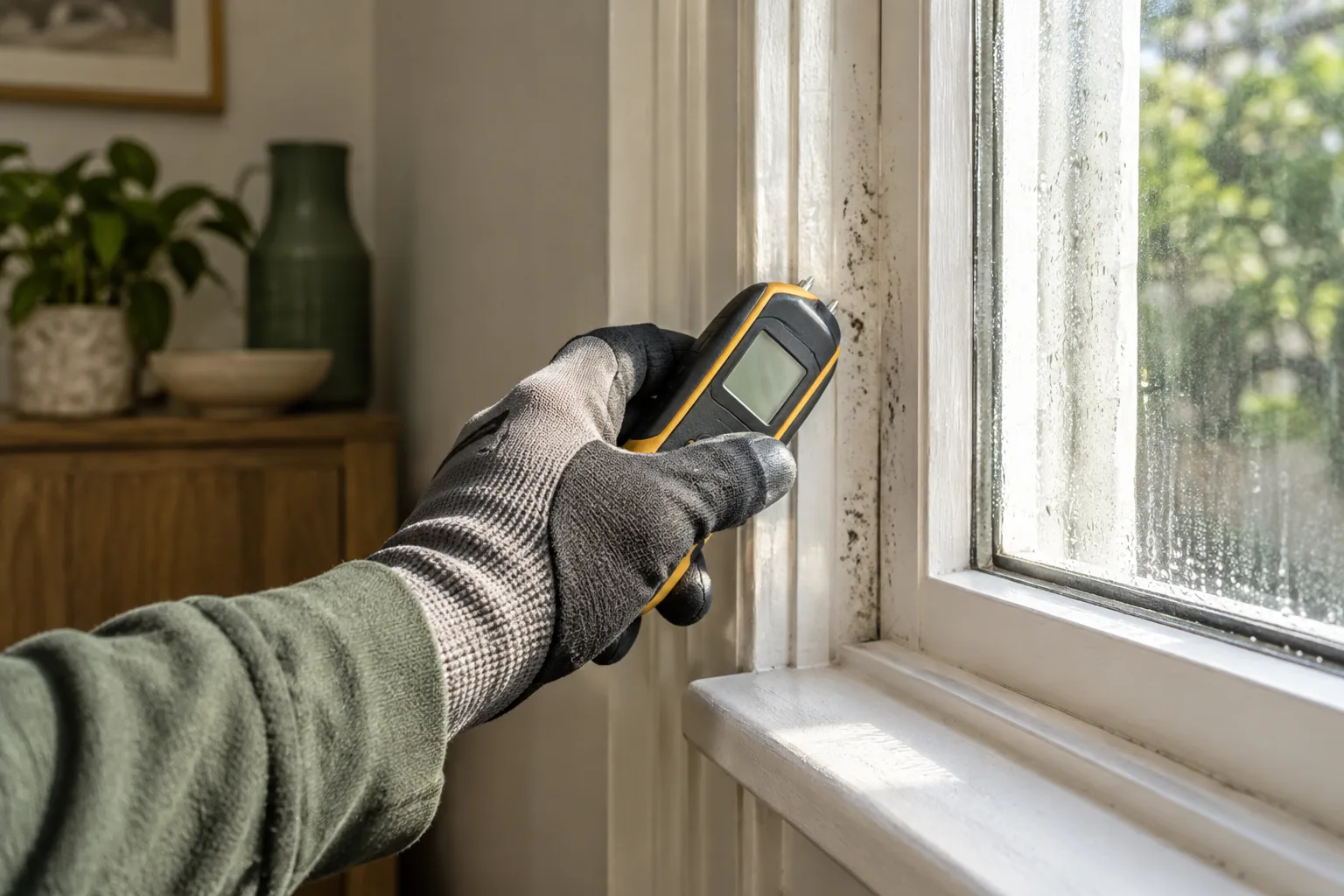
An inspection enquiry should include the whole opening and the adjacent wall. Moisture and humidity readings support assessment of the accessible area. Furniture blocking the surface and concealed spaces need clear limits before work is arranged.
Paint that is losing adhesion
Explain peeling, blistering or softness. The finish may need repair after the dampness is addressed.
A corner outside the main view
Photograph the room corner if growth continues away from the window. Agree which walls are included. Visible continuity of marks does not automatically enlarge the booking to adjoining rooms or areas behind fixed joinery.
THE SURFACE REMOVAL PROCESS
Move from assessment to surface work
01
Check the accessible finish
Review growth and relevant moisture readings alongside the reported window history. Agree materials and limits. If water entry continues or lining appears unsound, discuss separate repair needs before expecting surface treatment to resolve the whole issue.
02
Prepare filtration and access
Set up the HEPA air scrubber with suitable power and room clearance. Confirm where occupants stay during work. Curtains or furniture may obstruct access, but their presence does not make them included treatment items.
03
Choose appropriate HOCl use
The technician selects treatment according to the assessed finish and conditions. Report any cleaners already applied.
04
Apply the agreed treatment
Where appropriate, ULV application follows the planned procedure. People, pets and approved building arrangements are agreed first.
05
Physically remove visible residues
Professional equipment with H-class filtration is used as required for accessible contamination. Walls, ceilings and hard floors are the agreed scope. Weak material and residual staining retain their limitations rather than becoming an implied restoration guarantee.
06
Finish filtration and review
Complete final air cleaning, then discuss the room’s condition and any remaining marks. Confirm return instructions and source-repair follow-up. The window’s performance remains a separate question from whether the accessible wall has been treated.
VISIBLE & ACCESSIBLE
Four surface views for your enquiry
Wall beside glazing
Show where marks sit relative to the opening and the floor. Include damaged paint as well as the darkest patch.
Ceiling near a window
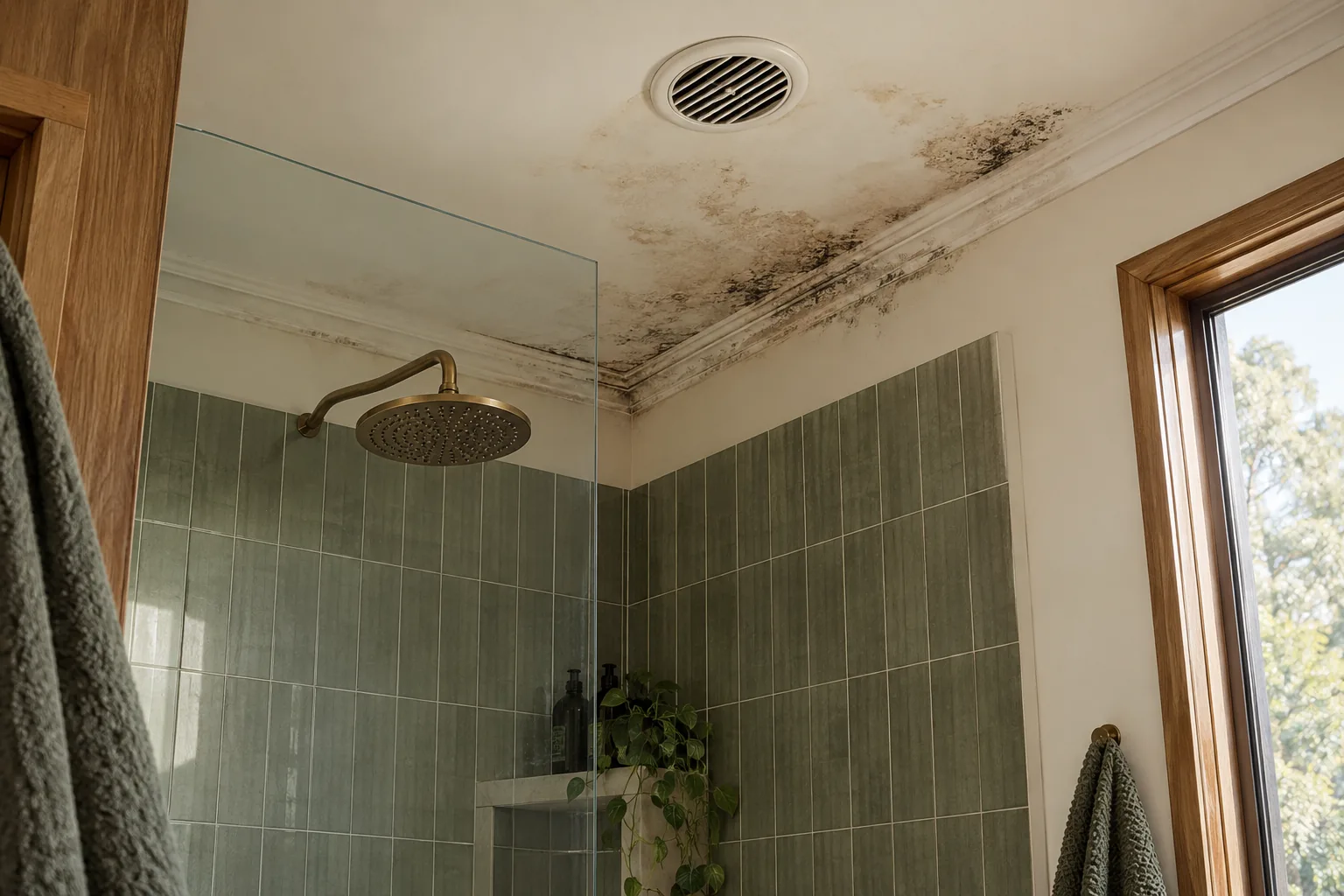
Indicate whether the stain reaches the ceiling junction. Roof or building repairs are not included in surface removal.
Bathroom window wall
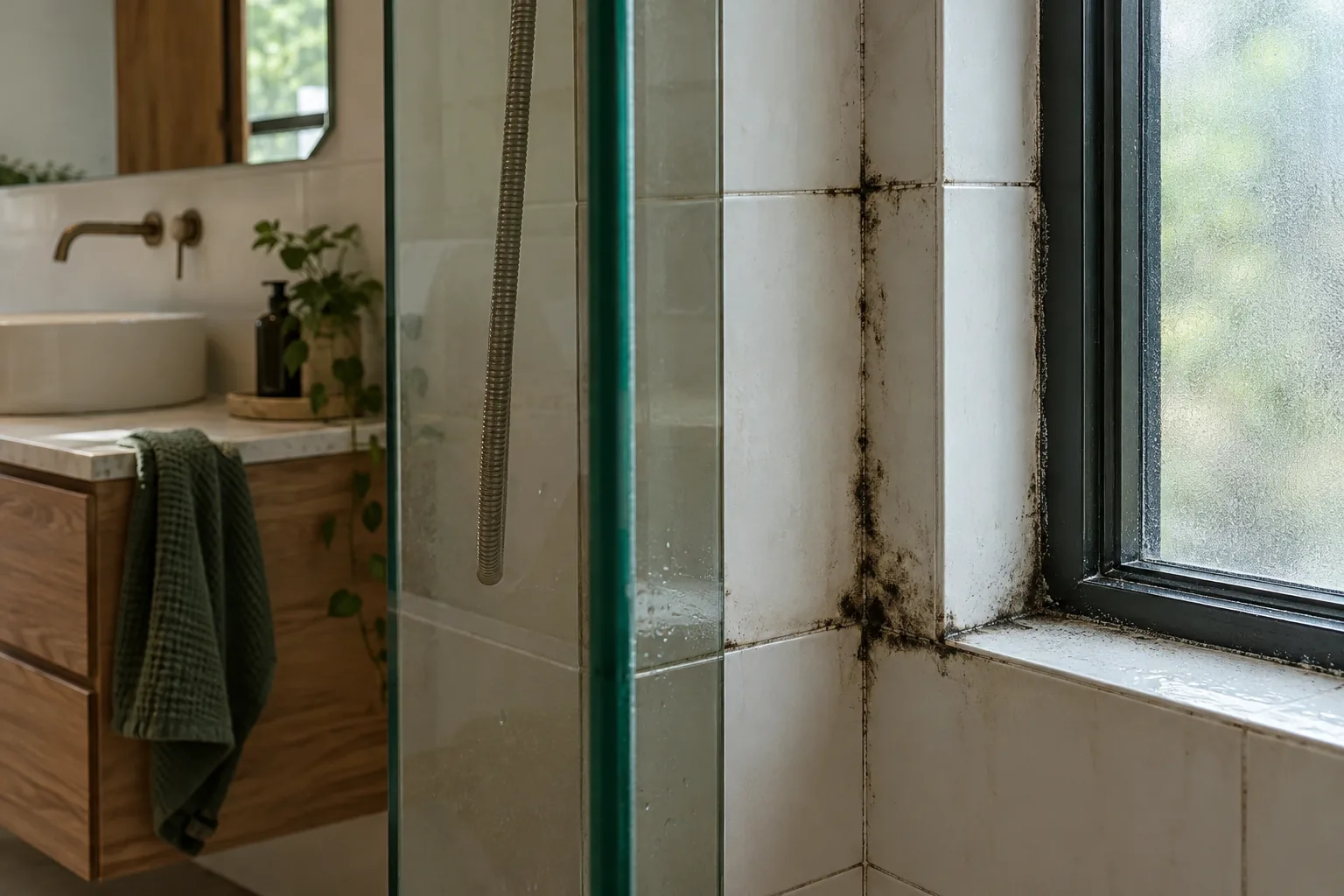
Report steam, extraction and continuing wetness. Towels, curtains and other textiles are excluded even when they touch the wall.
Hard-floor perimeter
Explain wet edges or a lifting finish. Carpet, rugs and underlay need separate attention outside this structural-surface service.
PREPARATION & LIMITS
Set expectations for timing and appearance
Service guidance averages approximately three hours per room, with variation for room size, contamination and access. Pricing is not hourly. The window repair contractor’s schedule should not be based on an assumed fixed mould-treatment finish time.
Removing contamination may leave cosmetic marks. Decorating can be quoted separately after the substrate and source are addressed. If dampness persists around the opening, fresh growth can occur; neither treatment nor repainting is a guarantee against recurrence.
AFTER THE SURFACE WORK
Monitor the opening without guessing the diagnosis
Keep photographs showing the same view and note whether wetness follows rain or normal indoor activities. Share that record with the relevant repair trade. Repeated observations help the conversation more than naming a suspected cause from the locality alone.
Manage indoor moisture at the shower, kitchen and laundry, and maintain practical airflow around the room. The remediation process treats the agreed existing contamination. Window, roof or plumbing defects require their own assessment and repair plan.
CAPE SCHANCK · NEARBY LOCATION PAGES
Cape Schanck and nearby location pages
Use the adjoining area links for navigation, then provide the actual property address and entrance. Cape Schanck attendance is considered through an address-based enquiry. Neighbouring pages do not imply that every property shares the same moisture issue or immediate appointment availability.
BEFORE YOU ARRANGE WORK
Questions for your enquiry.
Does mould beside a window prove it is leaking?
No. Condensation, water entry and other conditions can need consideration. Describe what you observe and when; identifying a building defect may require separate investigation.
Can you repair the window seal?
Window and building repairs are separate from the surface removal scope. Mention suspected defects early so treatment expectations and the repair pathway can be discussed clearly.
Do I need to remove curtains before attendance?
Ask what clearance is required for the agreed wall. Curtains are excluded, and unnecessary handling of affected textiles should be avoided. Preparation should follow the agreed instructions.
Will peeling paint look smooth after treatment?
That is not guaranteed. Damaged coatings may require repair and decorating separately. The underlying material and moisture condition need consideration before a new finish is planned.
Are concealed spaces inside the window frame included?
No automatic concealed-space treatment applies. Visible accessible structural surfaces are the stated scope; inaccessible areas may need specialist investigation or additional work.
Should I open every window during application?
Follow the technician’s agreed preparation and occupancy instructions. Do not improvise room conditions during treatment. Everyday ventilation advice and the planned work procedure serve different purposes.
Discuss your Cape Schanck address
For Cape Schanck, call 03 8652 1296 with the address and observations around the window. Distinguish indoor droplets from water entering during rain so the accessible surface enquiry has useful context.
Useful references: Official local geographic reference