
DALMORE · MELBOURNE
Mould Removal Dalmore
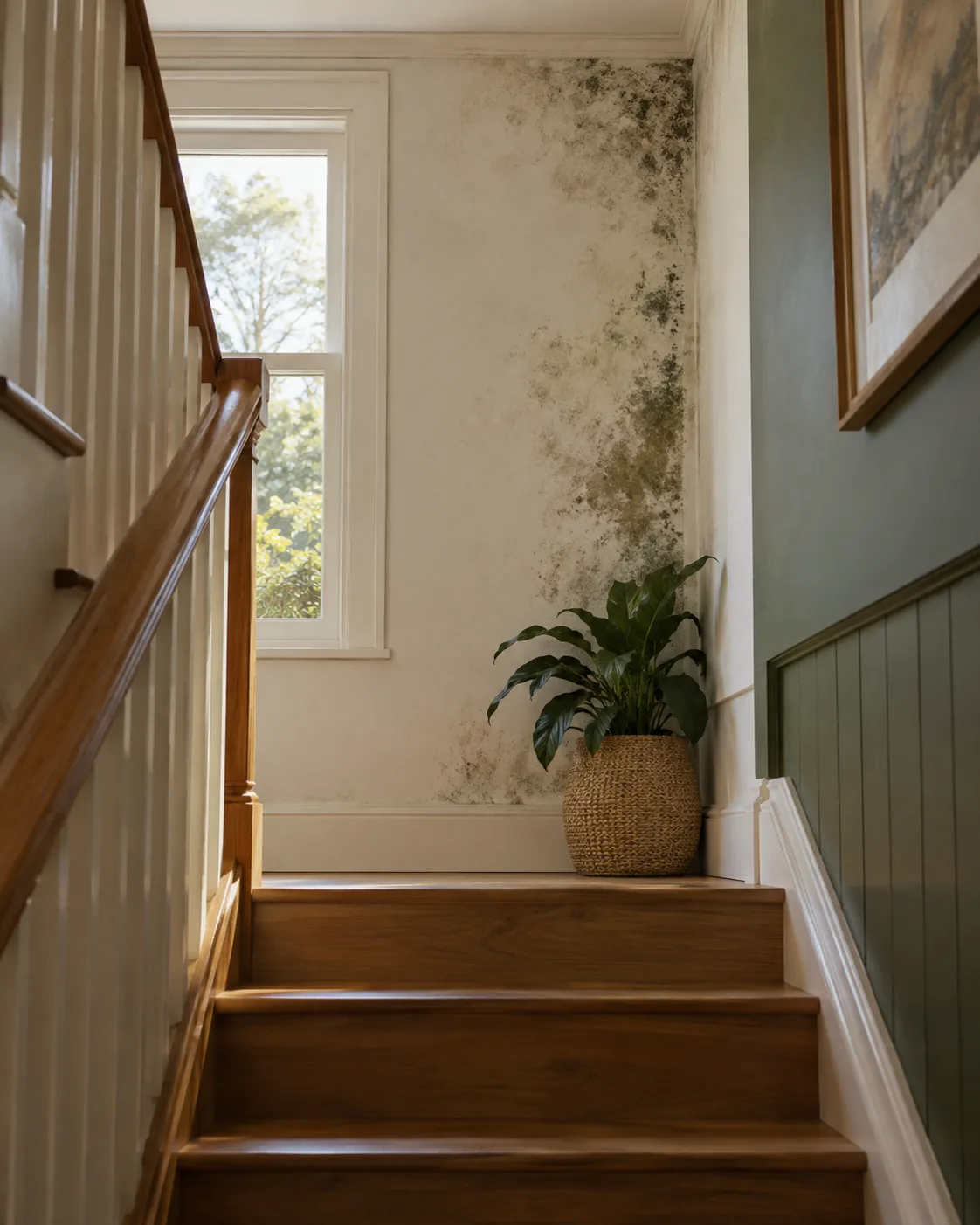
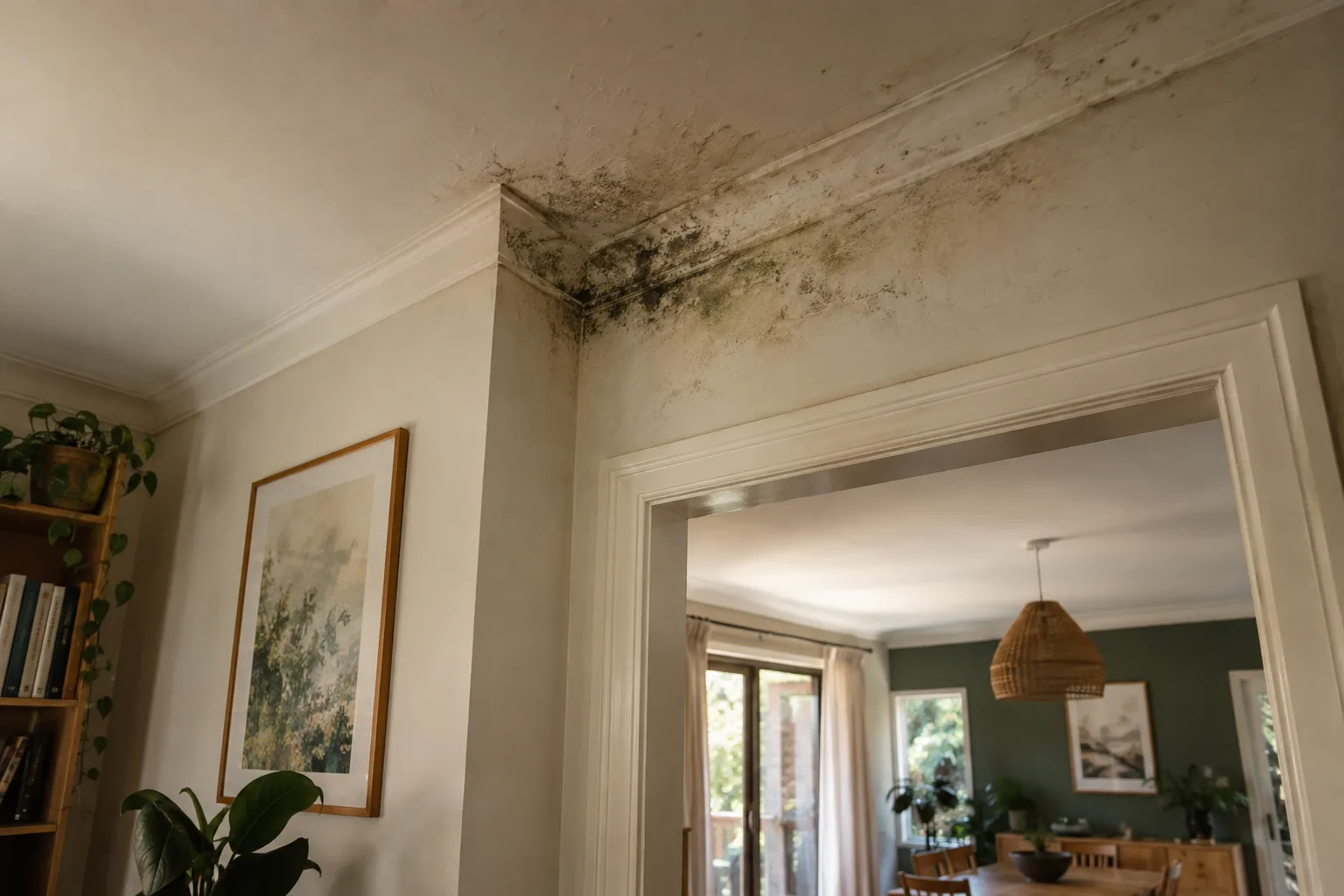
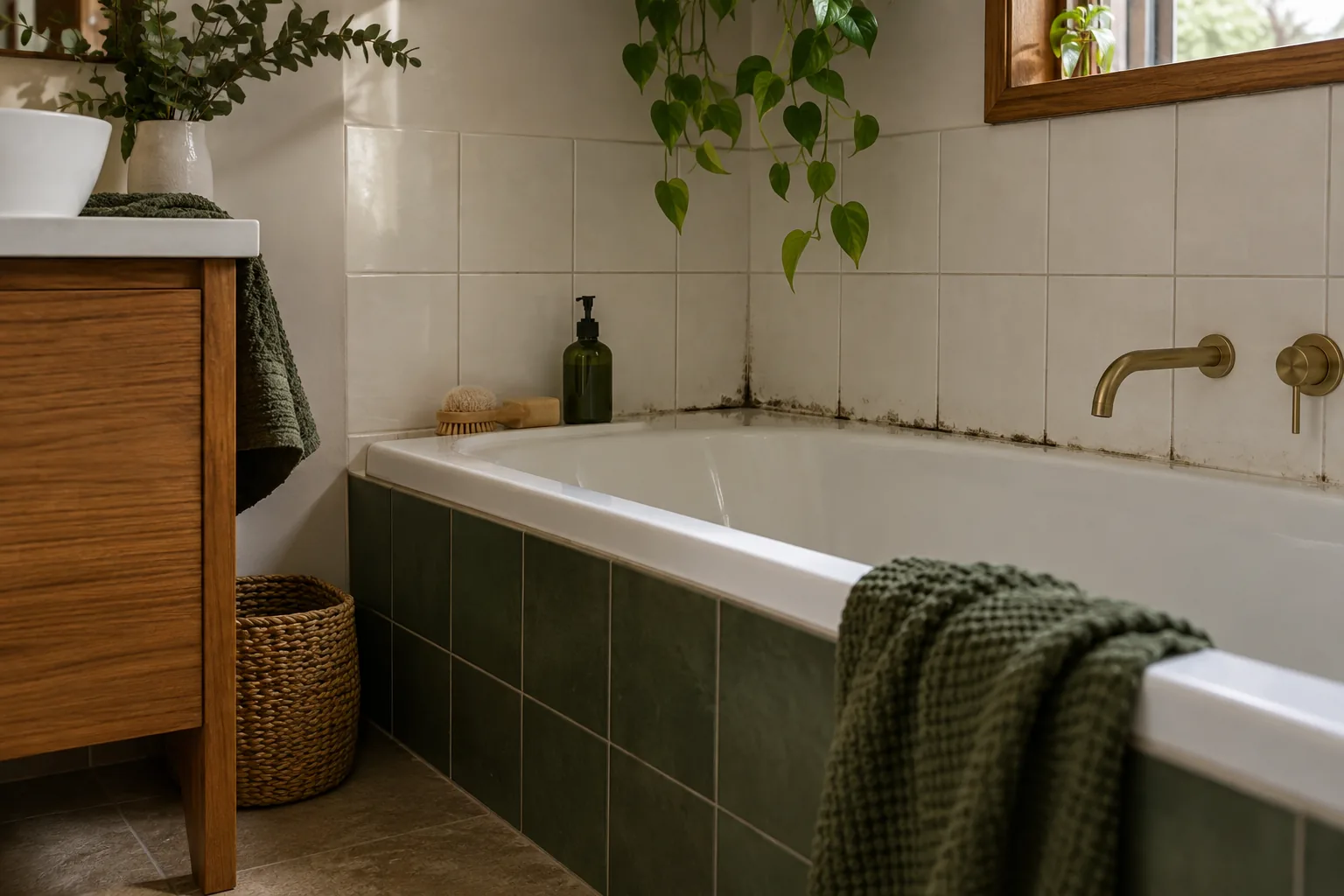
REPEATED MARKS · PRODUCTS · MOISTURE
If marks return after household cleaning, explain what changed rather than applying another product immediately. For Dalmore, describe the finish, previous cleaners and continuing dampness. We confirm availability for the actual address and agree suitable work on accessible structural surfaces.
Cleaning history reviewed
Material limits clear
Source questions retained
SURFACES & THEIR SETTING
Describe the cycle without assuming its cause
The Victorian Government lists Dalmore among Cardinia’s localities. A mould removal enquiry should focus on the observed room conditions. Repeated marks do not establish one local building problem or prove that a stronger household chemical is the appropriate next step.
Cleaning followed by another mark
Record the product, date and what appeared afterwards. Include recurring wetness and known repairs. The visible cycle can support discussion but cannot establish concealed material condition or a precise source from appearance alone.
A wall repainted between cleanings
Tell us about coatings and any earlier photographs. Paint can alter observations without addressing moisture or damaged material beneath it. Avoid applying another layer just to make the area look ready for a professional visit.
Assessment of the current surface
For mould inspection, send a wider view and closer images showing the finish. Moisture and humidity observations support assessment at attendance. They do not prove that every concealed layer is unaffected or that earlier cleaning resolved the source.
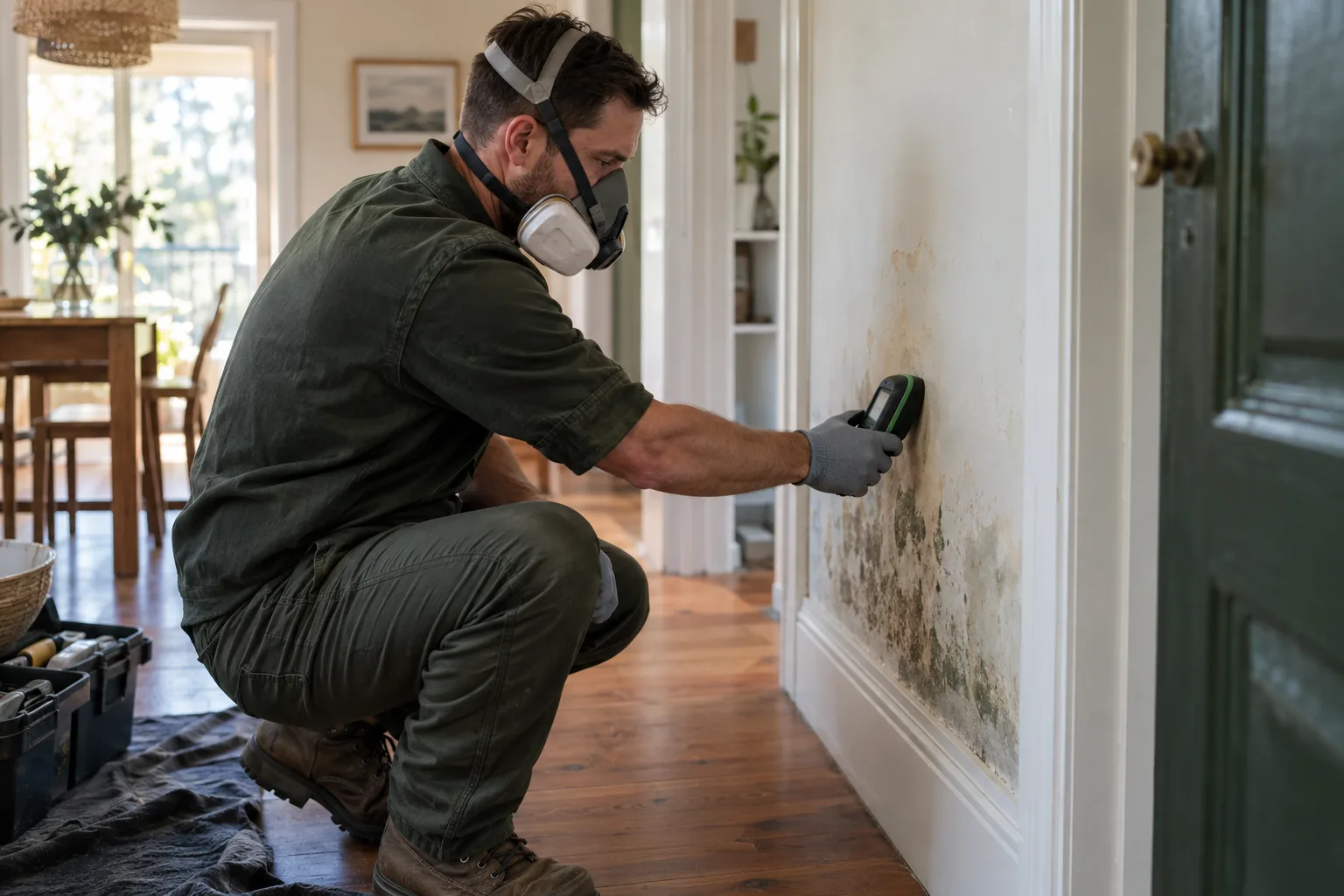
Paint losing adhesion
Mention flaking, blistering and softness before booking. Damaged substrate or coatings may need separate work. Surface treatment should not be expected to make weakened paint behave like an intact finish or guarantee a stain-free appearance.
Access beside everyday belongings
Describe furniture or fixed fittings obstructing the wall. They are excluded treatment items.
THE SURFACE REMOVAL PROCESS
A defined professional sequence
01
Inspect and agree
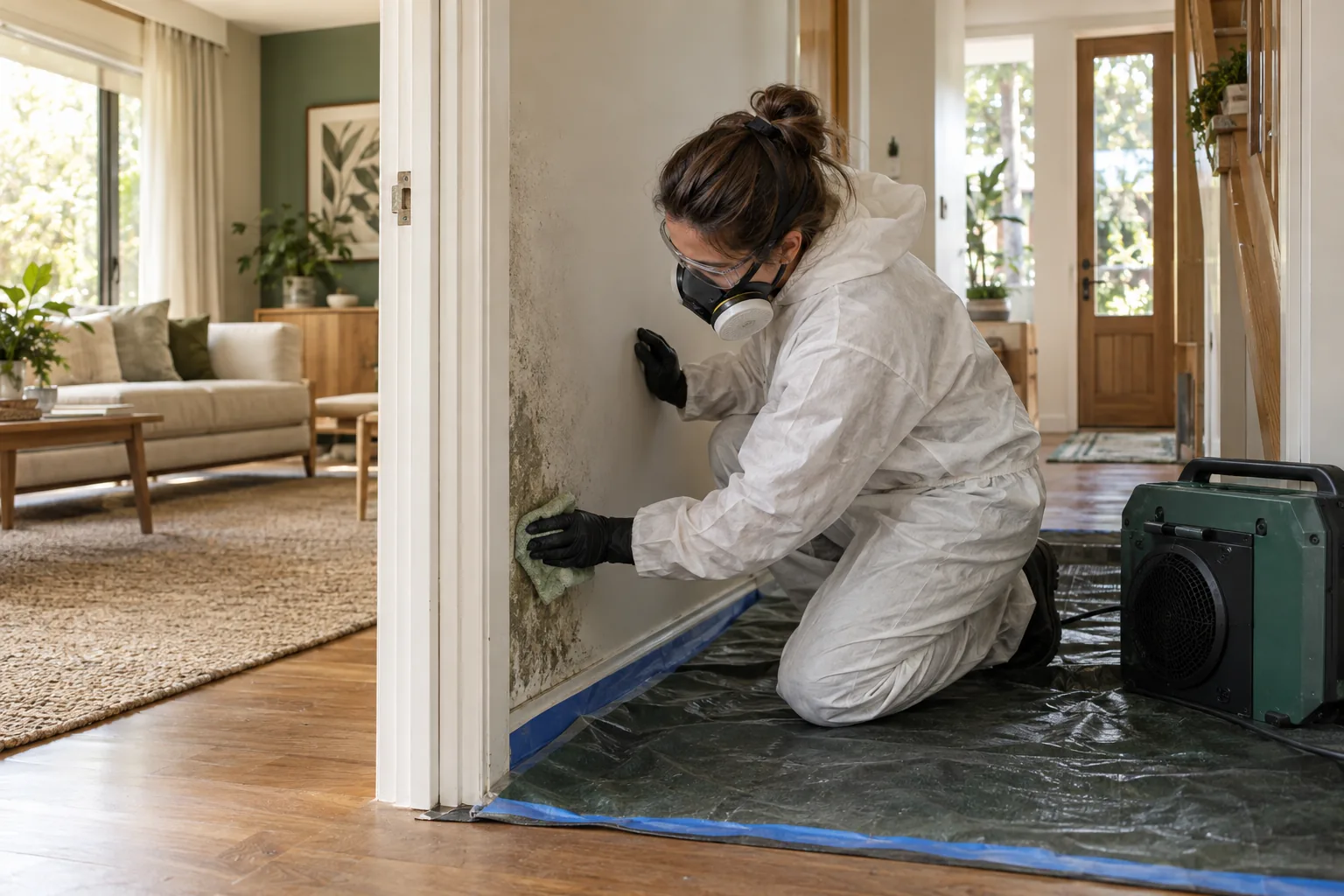
Review accessible growth, finish condition and relevant readings with the cleaning history. Confirm included walls, ceilings and hard floors. Record limits and separate source concerns before deciding the appropriate room treatment rather than simply repeating the last household method.
02
Prepare filtered air
Set up the HEPA air scrubber with suitable power and access. Discuss occupant movement and excluded belongings. Preparation and filtration are part of the plan even when the visible area has previously been wiped several times.
03
Choose suitable treatment
Appropriate HOCl use follows assessed material and conditions. Tell the technician what products were used and when.
04
Apply within the plan
If ULV application suits the agreed Dalmore room, the technician explains preparation and return arrangements. Confirm who will coordinate occupants, pets and authorised access.
05
Remove accessible contamination
Professional physical removal uses equipment with H-class filtration as required. Work remains within agreed structural surfaces. Fragile coatings, damaged material and residual marks can limit appearance and may need separately arranged repair or decorating.
06
Finish and explain follow-up
Final air cleaning follows removal. Review remaining marks, source questions and return instructions.
VISIBLE & ACCESSIBLE
Four views to share before booking
Previously cleaned wall
Show the full surface and current condition. Include earlier images with dates where available rather than relying on memory alone.
Ceiling junction
Identify any separate affected area. Roof or plumbing repairs and concealed investigation remain outside ordinary visible treatment.
Bathroom painted finish
Describe extraction, products and recurring wetness. Towels, curtains and other textiles are excluded from the structural service.
Hard-floor edge
Specify material and any dampness or damage. Carpet, rugs and underlay remain excluded even where marks recur nearby.
PREPARATION & LIMITS
Expect a treatment scope, not a perfect finish promise
The average guide is around three hours per room, varying for size, contamination and access. Pricing is not hourly. Repeated household cleaning does not remove the need for assessment, preparation and the planned filtration stages.
Residual cosmetic marks may remain after contamination removal. Decorating can be separately quoted when the source and material condition allow it. Continued dampness can permit recurrence, so treatment cannot guarantee that no future marks will appear after the room is painted.
AFTER THE SURFACE WORK
Replace repeated product changes with useful observations
Keep dated photographs of the same surface and note actual wetness or new growth. Seek source advice for continuing leaks or extraction concerns. A stronger cleaner should not be treated as a substitute for understanding an unresolved building defect.
Manage routine indoor moisture and practical ventilation according to room use. Remediation addresses the agreed contamination. Ongoing moisture management, source repairs and material restoration remain separate tasks after treatment, rather than being solved by the appearance of one cleaned wall.
DALMORE · NEARBY LOCATION PAGES
Dalmore and nearby enquiries
The surrounding pages provide location navigation. Contact us with Dalmore’s exact street address, the affected room and the product history. Availability and suitable work are considered for that property, not assumed from a nearby locality or another room’s experience.
BEFORE YOU ARRANGE WORK
Questions for your enquiry.
Should I try a stronger cleaner before booking?
Do not improvise mixtures or add another product as preparation. Describe previous products and the current surface so the technician can consider a suitable method and material limits.
Does recurrence prove the previous product failed?
Not necessarily. Continuing moisture, material condition and cosmetic staining can complicate appearances. Share the timing and observations rather than judging the whole issue from a returning colour alone.
Are old photographs useful after repainting?
Yes, when clearly dated and accompanied by current views. They can provide history, but they do not establish the material’s condition or accessible scope today.
Can you guarantee every old stain disappears?
No. Contamination removal and cosmetic appearance are separate. Remaining marks may require separately considered decorating after source and substrate issues are addressed.
Will treatment include the furniture beside the wall?
No. Furniture, carpets, mattresses, curtains, clothing and textiles are excluded. Agree clearance and structural surfaces separately from affected belongings.
Does the room need source repair afterwards?
Any continuing leak, extraction or structural moisture issue needs its own appropriate assessment and repair. Surface treatment does not replace that work or guarantee permanent prevention.
Discuss your Dalmore address
Call 03 8652 1296 with the Dalmore address, current wall condition and earlier cleaning products. Explain the timing of returning marks so a considered surface enquiry replaces another improvised mixture or cosmetic assumption.
Useful references: Official local geographic reference