
VISIBLE SURFACES · AGREED TREATMENT
Mould Remediation Ardeer
If growth is noticed after a water spill in an Ardeer room, give the spill history without assuming it explains every patch. Describe what became wet, how it was handled and what is visible now. The accessible treatment area and any concern about concealed or continuing moisture need separate decisions.
Explain the water event accurately
Distinguish structural surfaces from coverings
Keep continuing wetting under review

TREATMENT · FILTRATION · FOLLOW-THROUGH
A TREATMENT PLAN WITH CLEAR LIMITS
The original spill and today’s growth may differ
Identify the exposed wall or floor where growth appears, and mention carpet or belongings also reached by water. Do not assume every item is included because it was part of one incident. Explain previous cleaning and changed access, while keeping uncertainty about concealed material separate from the visible patch.
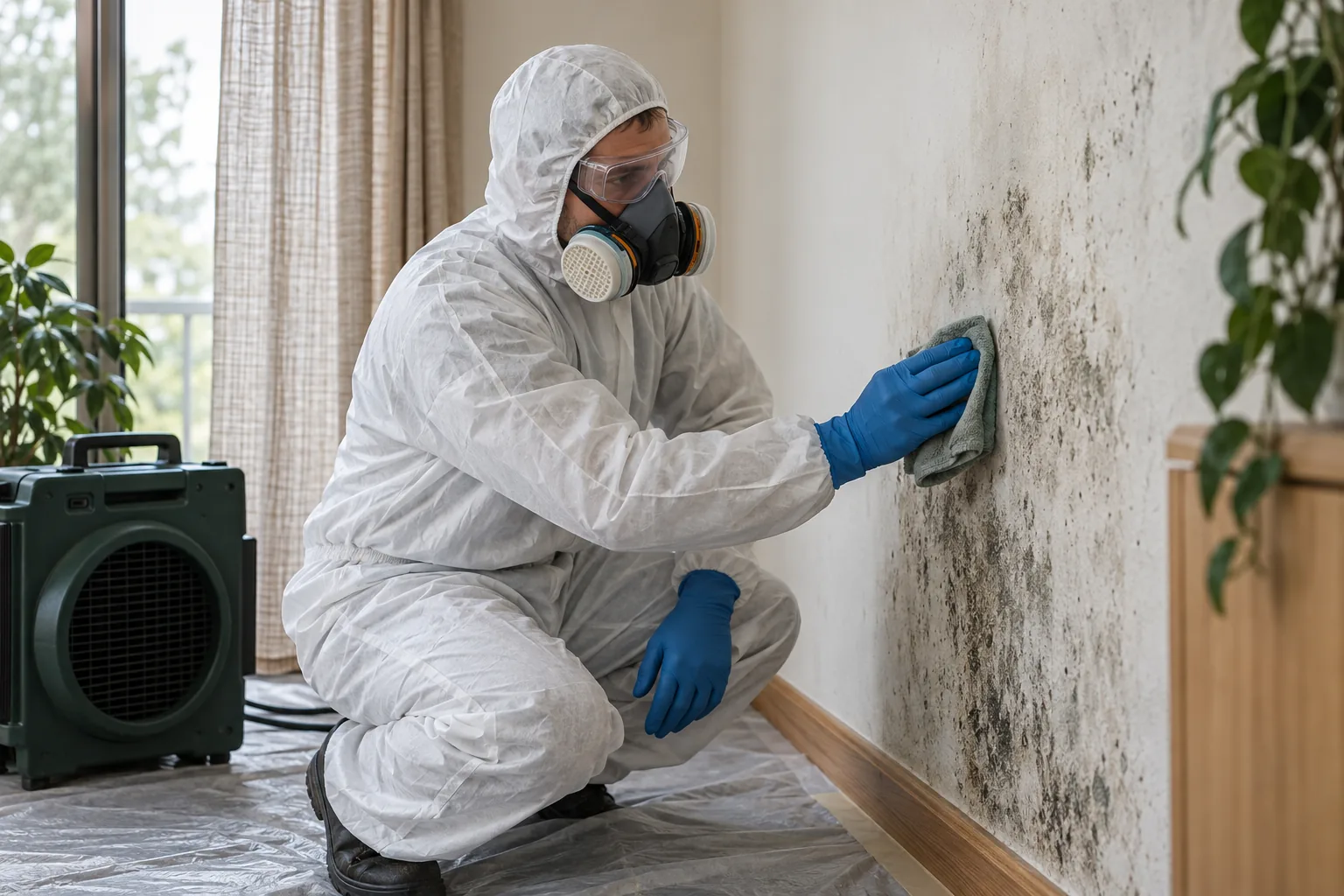
Our remediation service addresses existing visible accessible structural contamination through assessment, filtration, treatment and removal. It excludes carpet, furniture, mattresses and other textiles. Material replacement or concealed investigation is not automatically included with treatment of the exposed surface.
MOISTURE COMES FIRST
Distinguish a reported event from continuing water entry
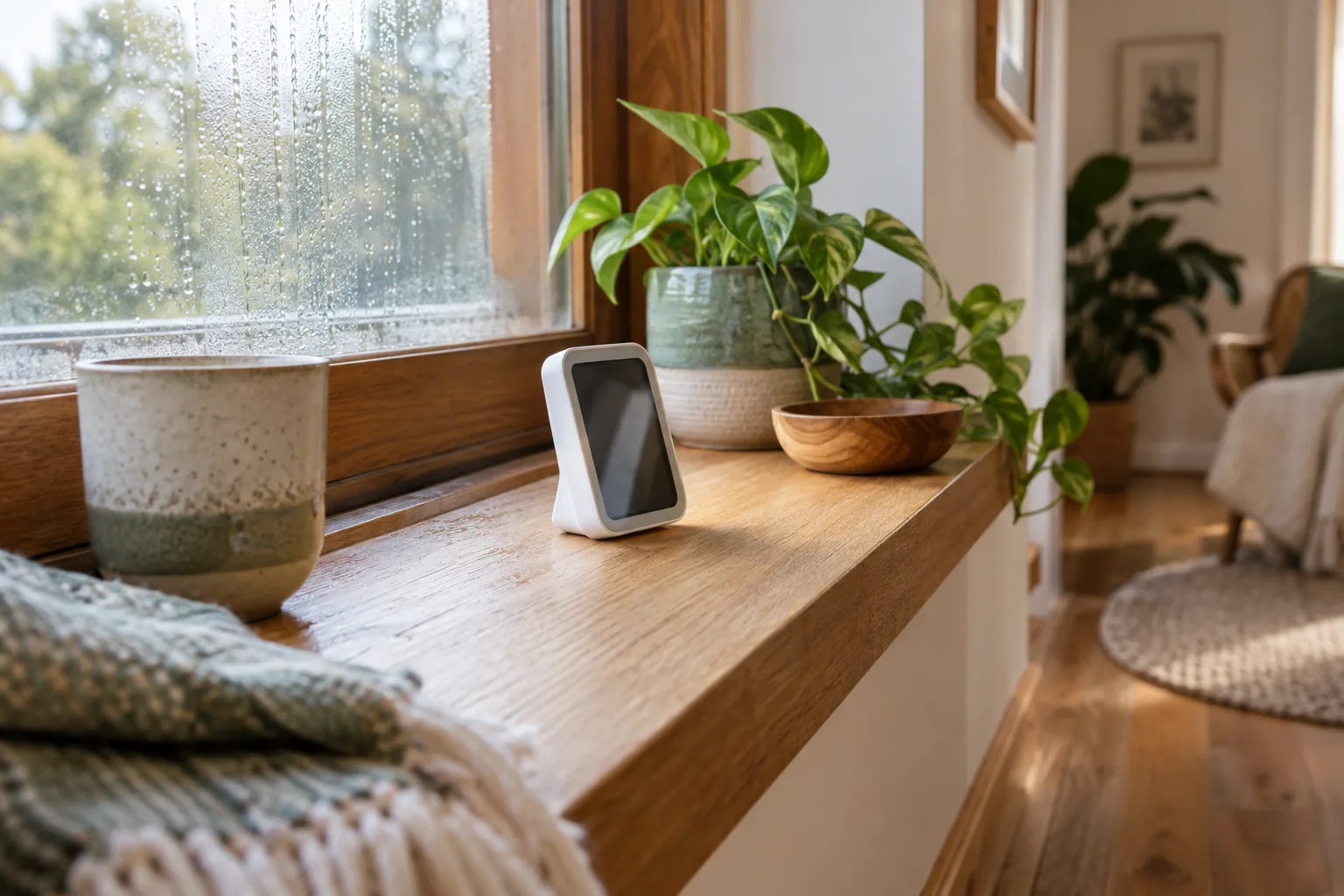
Describe the date and apparent source of the spill, and whether fresh wetting occurred afterwards. If another patch appeared outside the known footprint, mention it rather than forcing the same explanation. A professional hygrometer assesses room-air relative humidity; it cannot establish the condition beneath a covering or prove hidden layers are dry.
Discuss accessible inspection when the visible extent needs clarification. An ongoing plumbing or structural defect needs separate repair. Treatment addresses current contamination, not a guarantee that the original event caused it or that every affected material has recovered.
FROM PREPARATION TO FOLLOW-THROUGH
Treat the assessed exposed area after the incident
1
Assess growth and event history
Show current visible patches and describe the water incident and subsequent changes. Agree accessible surfaces and any separate material or concealed concern.
2
Prepare HEPA air protection
The confirmed HEPA air scrubber is set up before treatment. Agree equipment access around coverings and belongings; filtration supports the process without establishing whole-room sterile air.
3
Apply suitable HOCl treatment
HOCl is used within the assessed scope. ULV dry fog is applied in most cases where appropriate, without promising that hidden wet layers or excluded furnishings are treated.
4
Physically remove visible mould
Professional H-class filtered equipment is used for removal. Explain fragile or lifting finishes beforehand; rebuilding and complete cosmetic restoration are not assumed included.
5
Complete filtration and follow-through
HEPA continues during and after work. Confirm return instructions and outstanding moisture or finish decisions before the exposed area is covered again.
Separate the exposed structure from incident-affected items
Walls
Describe visible wall growth and its relation to observed wetting. The spill history alone cannot establish concealed wall conditions.
Ceilings
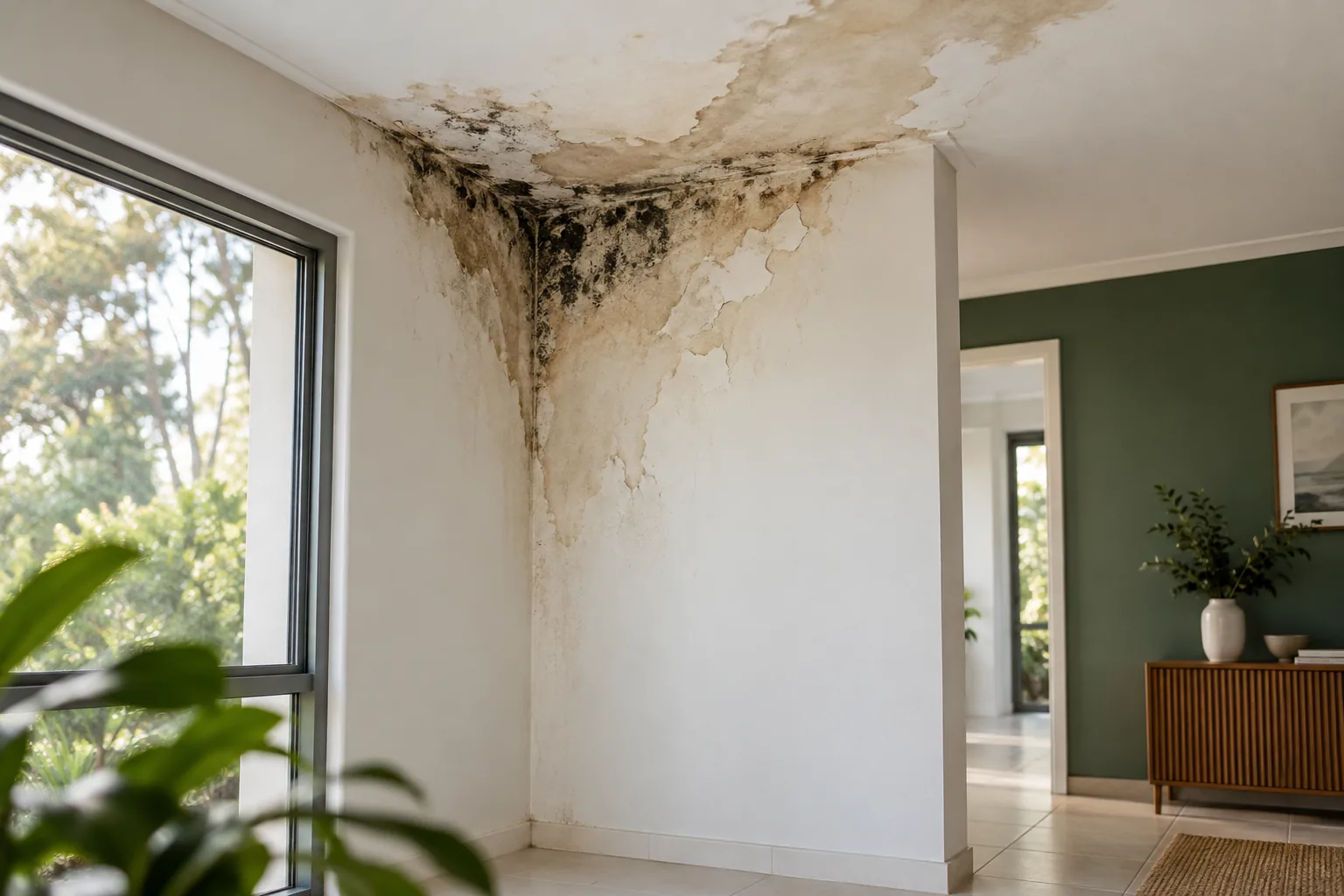
Mention any overhead patch independently. It may have a different history from a floor-level water incident.
Bathrooms
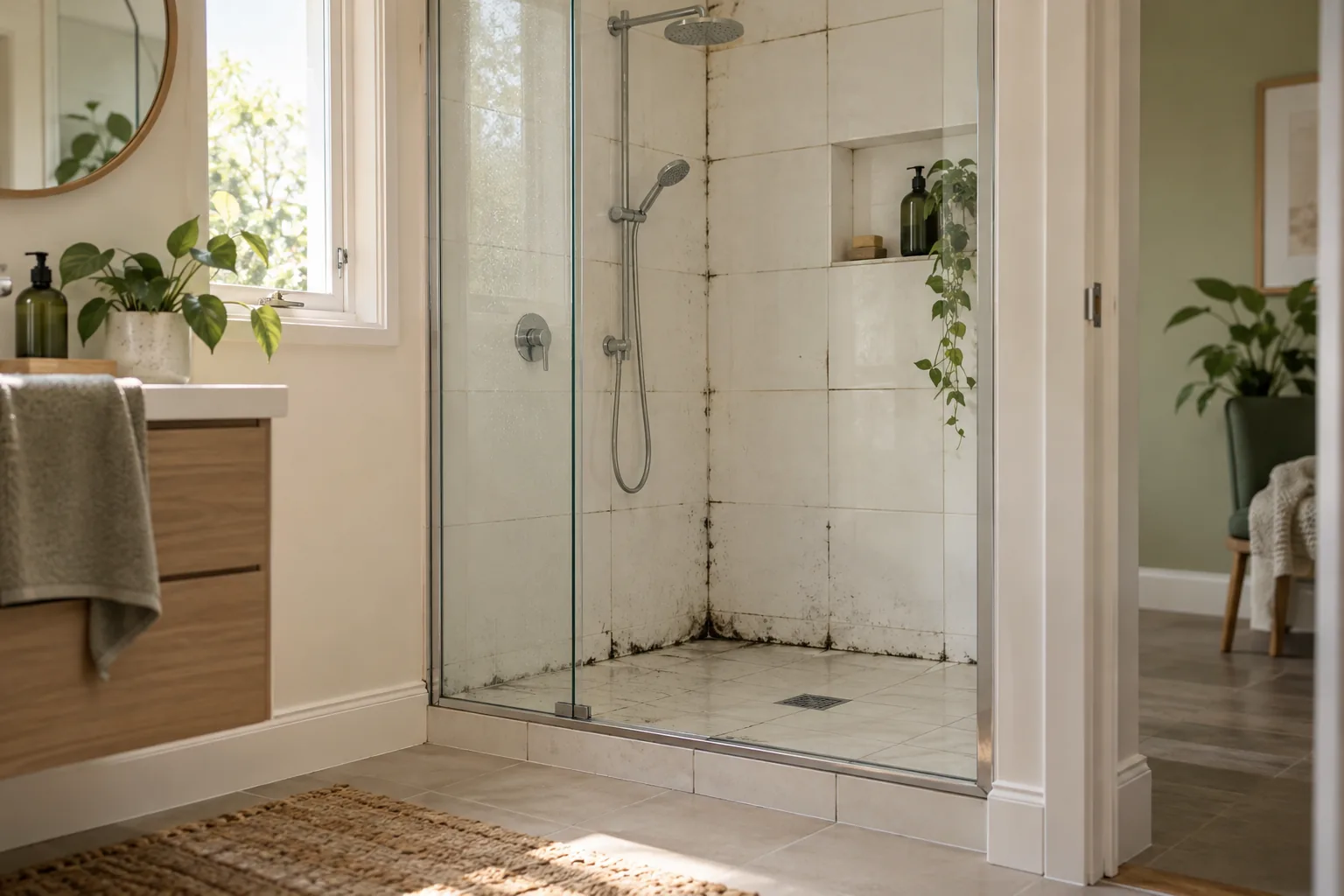
Describe structural growth separately from routine wetting and towels. Textile items remain excluded.
Kitchens
Explain exposed surfaces near the reported event and any plumbing concern. Cabinet interiors and appliances are not automatically included.
Accessible affected surfaces
An exposed floor can be assessed within its finish limits. Carpet and hidden layers require different scope decisions.
PREPARE FOR THE ACTUAL JOB
Preparation should reflect the current access
Discuss clearance and fragile belongings without lifting materials on assumption. People and pets leave during treatment; follow specific departure and return instructions. Average source guidance is around three hours per room, varying with size, contamination and accessibility. The service is not hourly based, and average working time is not a return interval.
Cosmetic marks may remain; decorating is separate. Clarify treated surfaces and outstanding tasks. Appearance cannot establish the condition of coverings or hidden layers; report fresh wetting before it is obscured.
AFTER THE TREATMENT
Respond to fresh water as a new observation
Keep the original incident account, but leave room for new evidence. Continuing dampness deserves follow-up rather than an assumption that an old spill explains everything.
Record any renewed wetting and where it begins.
Maintain suitable ventilation for everyday room use.
Arrange separate repairs if water entry continues.
Describe the present treatment area when asking about cost
Explain accessible contamination, coverings and finish condition. Confirm remediation applicability against published pricing, whose room examples are labelled Mould Removal. Incident history does not establish a separate tariff or inclusion of carpet cleaning, material replacement or concealed investigation.
ARDEER · EXACT ADDRESS & ACCESS
Ardeer premises and nearby room enquiries
Give the actual address and access contact. Nearby pages cannot determine incident damage or confirm attendance before the proposed surfaces are discussed.
Questions about remediation
Does the spill history prove it caused the mould?
Not by itself. Describe timing and visible extent, including other patches or continued wetting, rather than presenting the event as a confirmed diagnosis.
Are wet furnishings included because the spill affected them?
No; furniture and textiles are excluded. Their needs should be considered separately from visible structural treatment.
Should I describe a patch outside the spill area?
Yes. It is a separate useful observation and should not be omitted or forced into the same assumed cause.
Will treatment remove water beneath a floor covering?
That is not a confirmed service outcome. Concealed moisture or material concerns need separate investigation and scope.
Does a dry room-air reading clear the incident-affected layers?
No. Relative humidity in air is different from moisture inside materials. Hidden condition cannot be established by that reading alone.
What if the floor becomes wet again without another spill?
Record the event and location, and raise the continuing-source question. Separate plumbing or building repair may be needed rather than another assumption about the original incident.
Discuss the Ardeer room after the water event
Call 03 8652 1296 with the incident history and current visible surfaces. Agree structural treatment and any separate covering or moisture concerns.