
VISIBLE SURFACES · AGREED TREATMENT
Mould Remediation Craigieburn
A fixed heater or built-in fitting may leave only part of a marked wall available. At your Craigieburn address, explain the obstruction and the exposed edges you can actually see. Remediation planning should define reachable surfaces without promising appliance removal, work behind a fixed unit or a complete hidden-wall result simply because the room itself can be entered.
Access limitations are described.
Reachable surfaces are agreed.
Separate fitting work is not assumed.

TREATMENT · FILTRATION · FOLLOW-THROUGH
A TREATMENT PLAN WITH CLEAR LIMITS
Entering the room is not full wall access
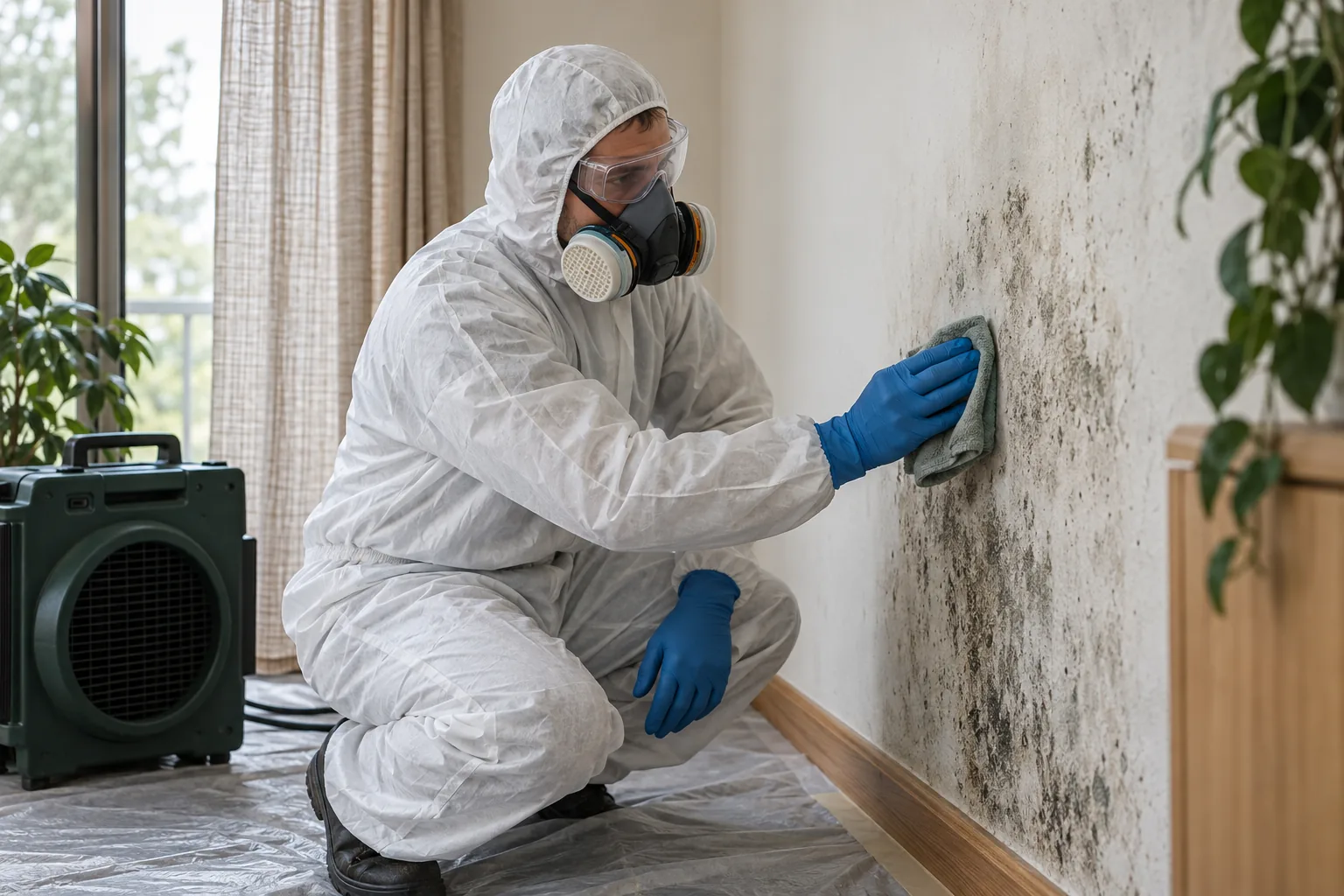
Remediation includes assessment, air protection, appropriate application and physical removal of visible mould on agreed accessible finishes. Describe the fixed item and how much wall remains exposed around it. That helps avoid a promise that every portion of the wall has been reached or considered.
The remediation outline does not add appliance servicing, dismantling or repair to standard surface work. If a fitting needs separate attention, arrange that through the appropriate provider. Furniture, textiles and concealed wall layers remain outside assumed treatment inclusions.
MOISTURE COMES FIRST
Visible water and hidden areas are different
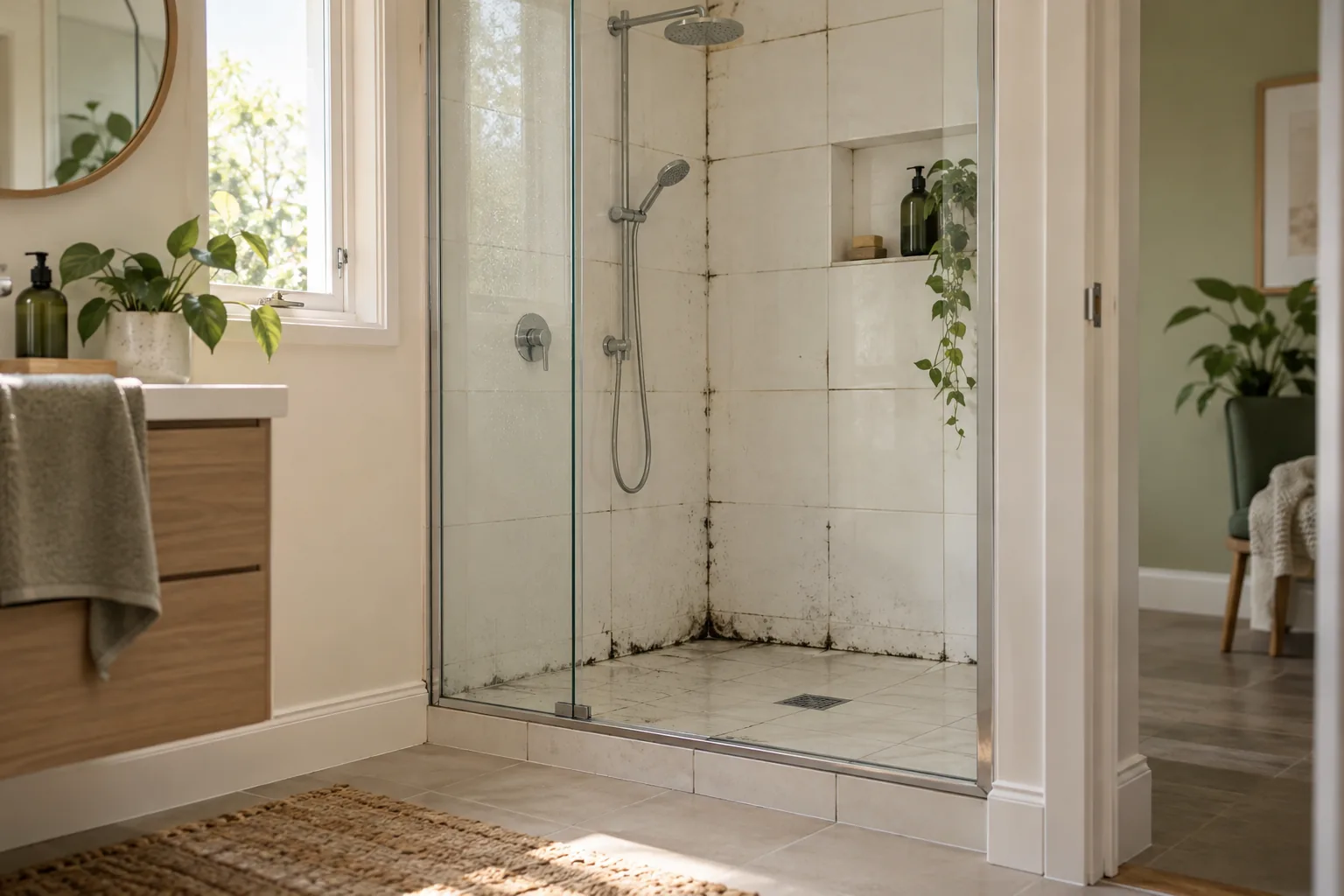
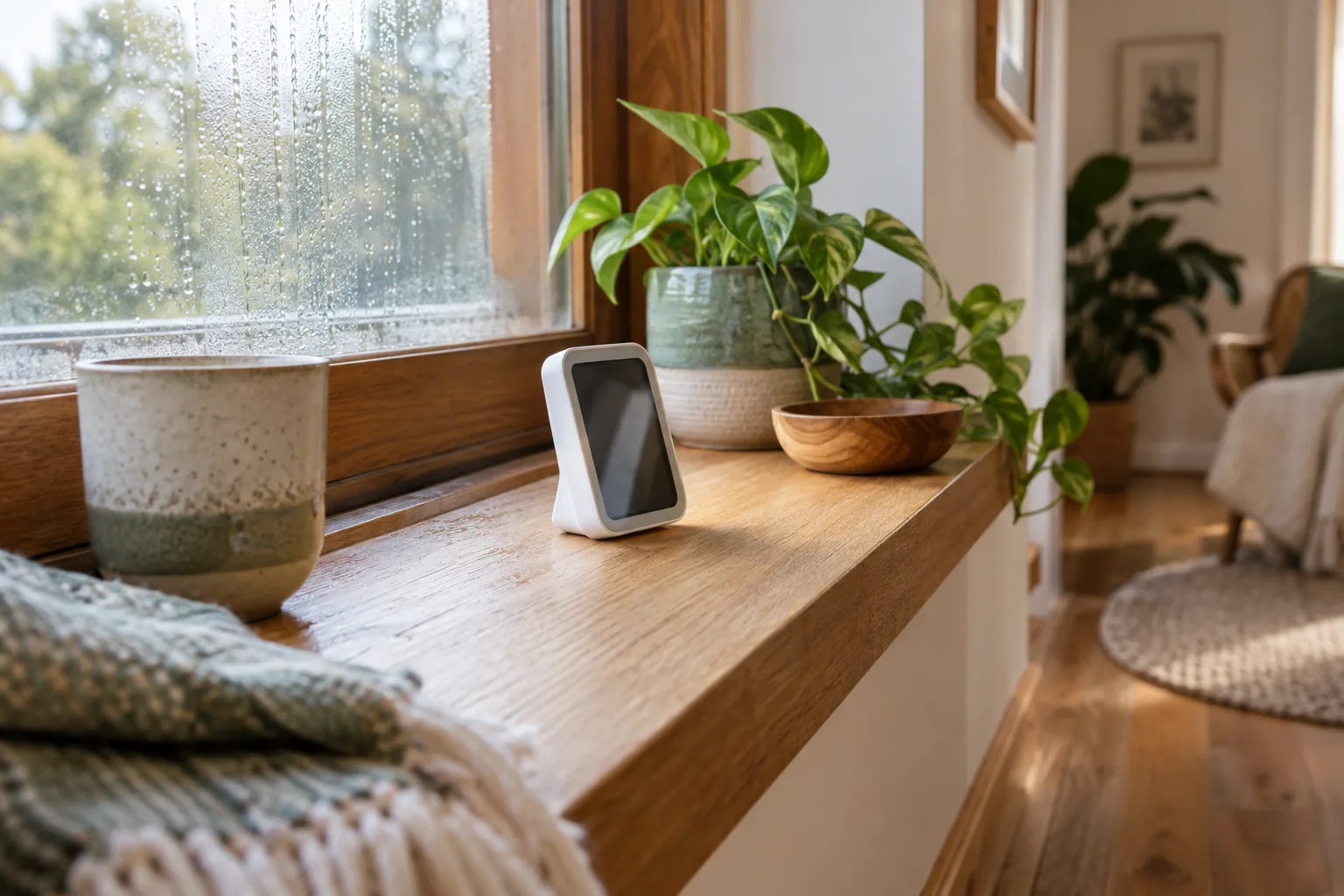
Explain where water or condensation has actually been observed around the fitting, without assigning a hidden cause from a narrow visible edge. Professional hygrometer information concerns room-air relative humidity; it does not measure material moisture behind the obstruction or assess an appliance’s internal condition.
A continuing leak or ventilation concern may need separate correction. Visible treatment cannot guarantee prevention while dampness persists. Discuss accessible-condition inspection when the exposed boundary needs clarification, keeping unconfirmed appliance or concealed-material checks out of the enquiry.
FROM PREPARATION TO FOLLOW-THROUGH
Treat the available finish within its limits
1
Agree the accessible scope
Assess the reachable exposed finish, identify the fixed obstruction and agree suitable checks and any untreated remainder.
2
Begin air protection
Begin confirmed HEPA air-scrubber filtration before application, arranging equipment around safe available working clearance.
3
Choose the treatment application
Apply appropriate HOCl treatment, with ULV dry fog conditional and no promise that it resolves inaccessible surface work.
4
Remove visible growth
Remove visible mould using professional H-class filtered equipment within the agreed reachable finish, without dismantling fixed fittings.
5
Continue final air cleaning
Continue HEPA air cleaning during and after treatment, explaining remaining access limitations and the particular return instructions.
Name the exposed surface beside each fitting
Walls
Wall work beside fixed units should define visible edges, avoiding a claim about the hidden wall behind them.
Ceilings
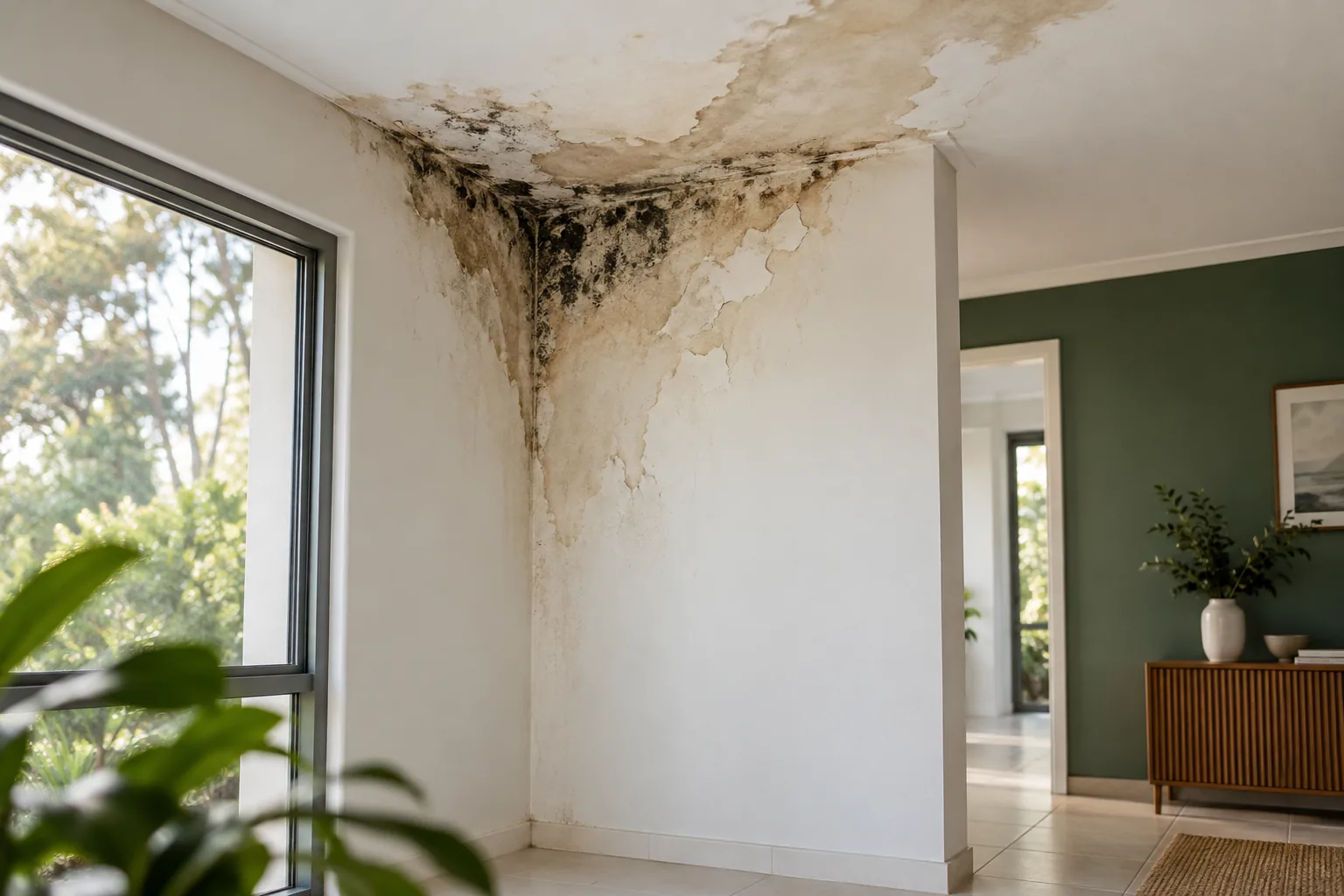
Ceiling spots need their own safe access and finish description, even when a nearby wall section is reachable.
Bathrooms
Bathroom fixtures can restrict access; distinguish exposed joints and paint from covered backing areas.

Kitchens
Kitchen wall requests should identify accessible finishes around fittings without assuming cabinet or appliance removal.
Accessible affected surfaces
Other affected accessible floors, ceilings or walls need agreement; hidden layers and textile contents are excluded.
PREPARE FOR THE ACTUAL JOB
Prepare without dismantling fixed items
Do not disconnect or dismantle fixed equipment merely to prepare the room. Discuss safe access and movable-content clearance before attendance. People and pets leave during treatment. Approximately three hours per room is average source guidance, varying with size, contamination and accessibility rather than a fixed slot for resolving obstructions.
The treatment outcome should acknowledge any area that remained unavailable. Residual cosmetic stains may need separate decorating, while equipment or building repairs remain distinct. Obtain technician-specific return advice instead of assuming the room is fully cleared because a visible edge looks different or filtered machinery is operating.
AFTER THE TREATMENT
Keep the exposed edge observable
Keep follow-up focused on the accessible boundary agreed for treatment.
Report newly visible growth or water around the exposed edges.
Arrange any necessary fitting or source repair separately.
Avoid describing a hidden section as unchanged when it has not been viewed.
Quote for reachable work and exclusions
For the quote, describe the fixed obstruction and reachable surface area, including any part that will remain inaccessible. Our published examples are labelled Mould Removal, so confirm applicability to remediation. Appliance removal, servicing and complete hidden-wall treatment should not be inferred from a room amount.
CRAIGIEBURN · EXACT ADDRESS & ACCESS
Enquiries for nearby addresses
Give the full Craigieburn address and identify the room and fixed fitting that limit the requested wall access. An entry contact should understand that limitation rather than promise a cleared wall. Nearby pages offer navigation for other premises; this booking needs its own availability and reachable-surface agreement.
Somerton · Roxburgh Park · Yuroke · Coolaroo
Questions about remediation
Does room access mean the whole wall can be treated?
No. A fixed obstruction may leave sections unavailable. Describe reachable edges and agree the actual treatment boundary before assuming full-wall coverage.
Will the heater be removed during remediation?
No removal or servicing is promised. Arrange any fitting work separately and explain the existing access limitations before booking surface treatment.
Can fogging substitute for access behind the unit?
Do not assume that. Appropriate ULV application does not turn an inaccessible wall into confirmed treatment scope or promise complete hidden coverage.
Should I disconnect the fitting beforehand?
Do not do so merely as preparation. Discuss access and any necessary separate equipment work with the appropriate provider.
Can an unseen remainder be described as treated?
No. The scope and follow-up should distinguish the reachable finish from an area that remained covered or unavailable.
What if another edge becomes visible later?
Describe it as newly available information and explain any visible growth or water. Do not assume the earlier quote covered a section that could not be accessed then.
Explain what the fixed fitting covers
Phone 03 8652 1296 with the fixed obstruction, exposed finish and available clearance. Establish what can be reached before agreeing the treatment.