
SURFACE TREATMENT · MOISTURE FOLLOW-THROUGH
Mould Remediation Park Orchards
If a marked wall is covered again before the proposed appointment at your Park Orchards address, explain changed access instead of relying on an earlier view. Describe the new fitting as well as the mark because earlier photographs may no longer show workable access.
Present layout checked
New fitting limits recorded
Treatment boundary updated
TREATMENT & FOLLOW-THROUGH
UNDERSTANDING THE AFFECTED ROOM
A new fitting changes the agreement
An earlier photograph may no longer describe the reachable wall after a fitting is installed. Update the booking with the present arrangement and any newly covered sections. A clear current boundary is more useful than expecting the technician to proceed on obsolete access assumptions. Review remediation scope before selecting the structural-surface job.
A changed room should be assessed as it is, including the section now covered. The professional sequence can be considered only against an agreed reachable scope, not a promise based on an obsolete image. Separate fitting access or repair may be needed before the intended surface is available. Keep those tasks distinct rather than interpreting conditional fog application as automatic coverage of the blocked area.
MOISTURE & CONTAMINATION
Covered does not mean corrected
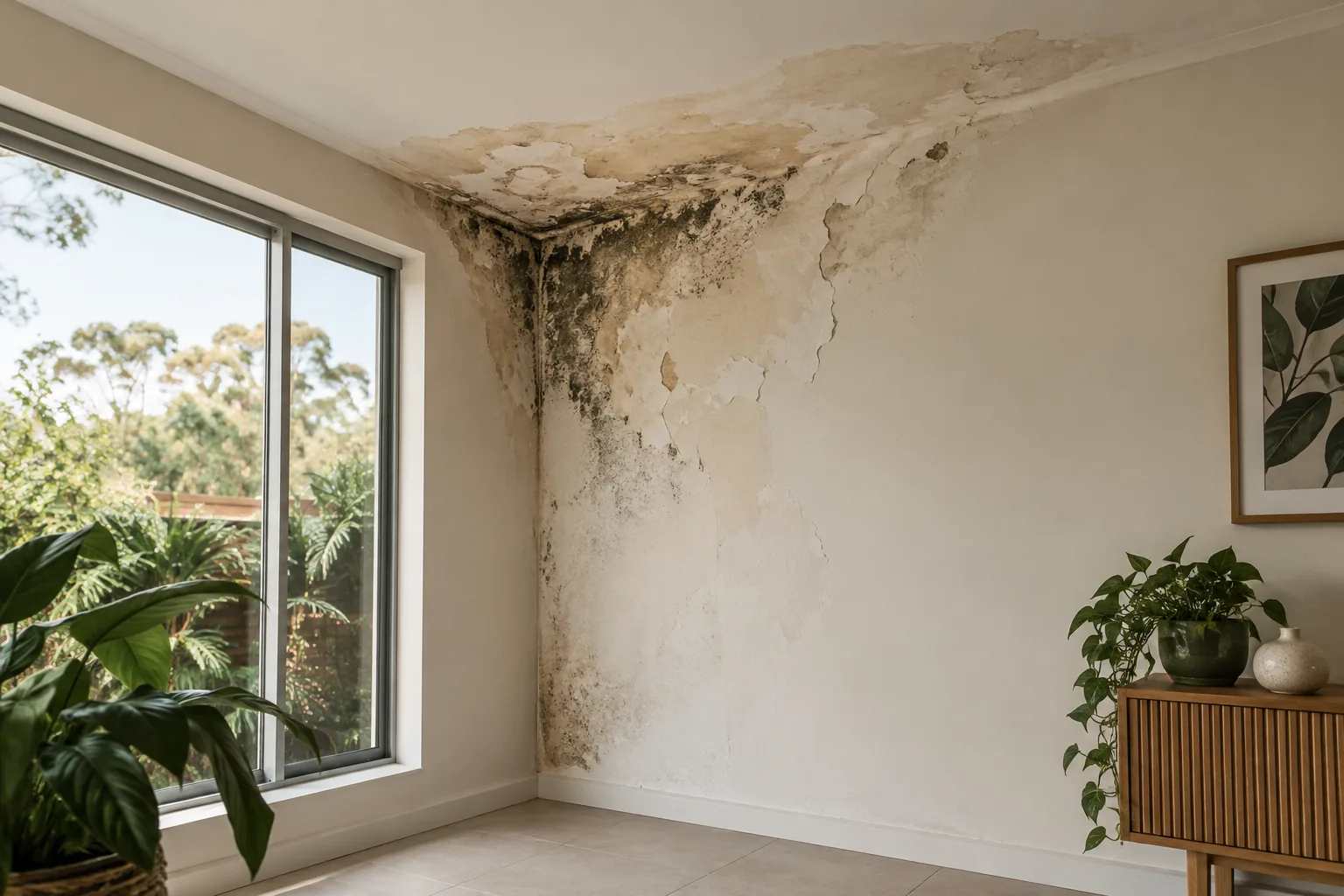
Explain any dampness noticed before the area was covered and any change still visible now. A new fitting can obscure evidence without resolving its source. Discuss accessible assessment rather than assuming the hidden section is dry.
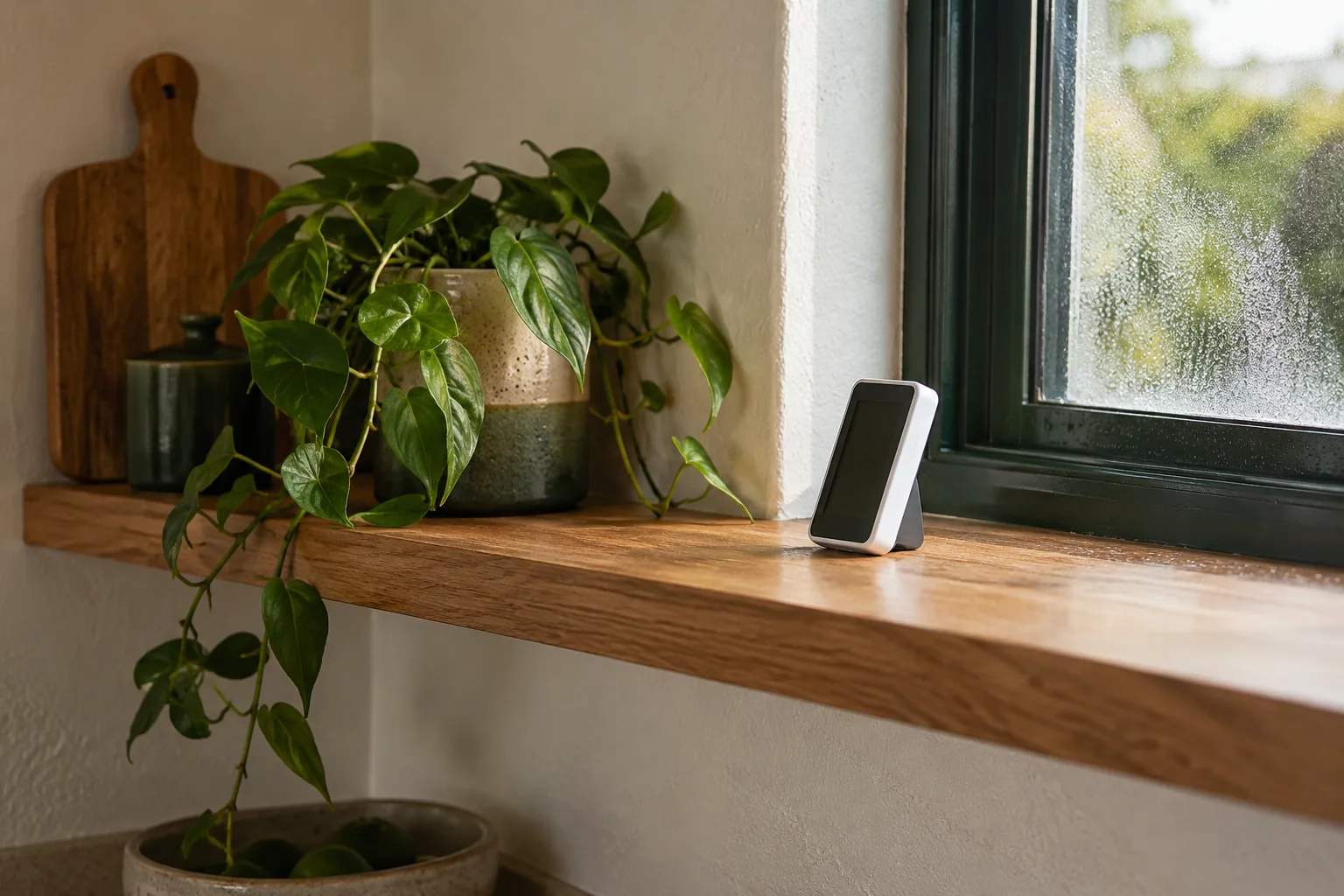
A hygrometer reading describes room-air humidity at the visit, not moisture behind a fitting that now conceals part of the wall.
A DEFINED TREATMENT SEQUENCE
A sequence for the present wall layout
1
Assess the accessible scope
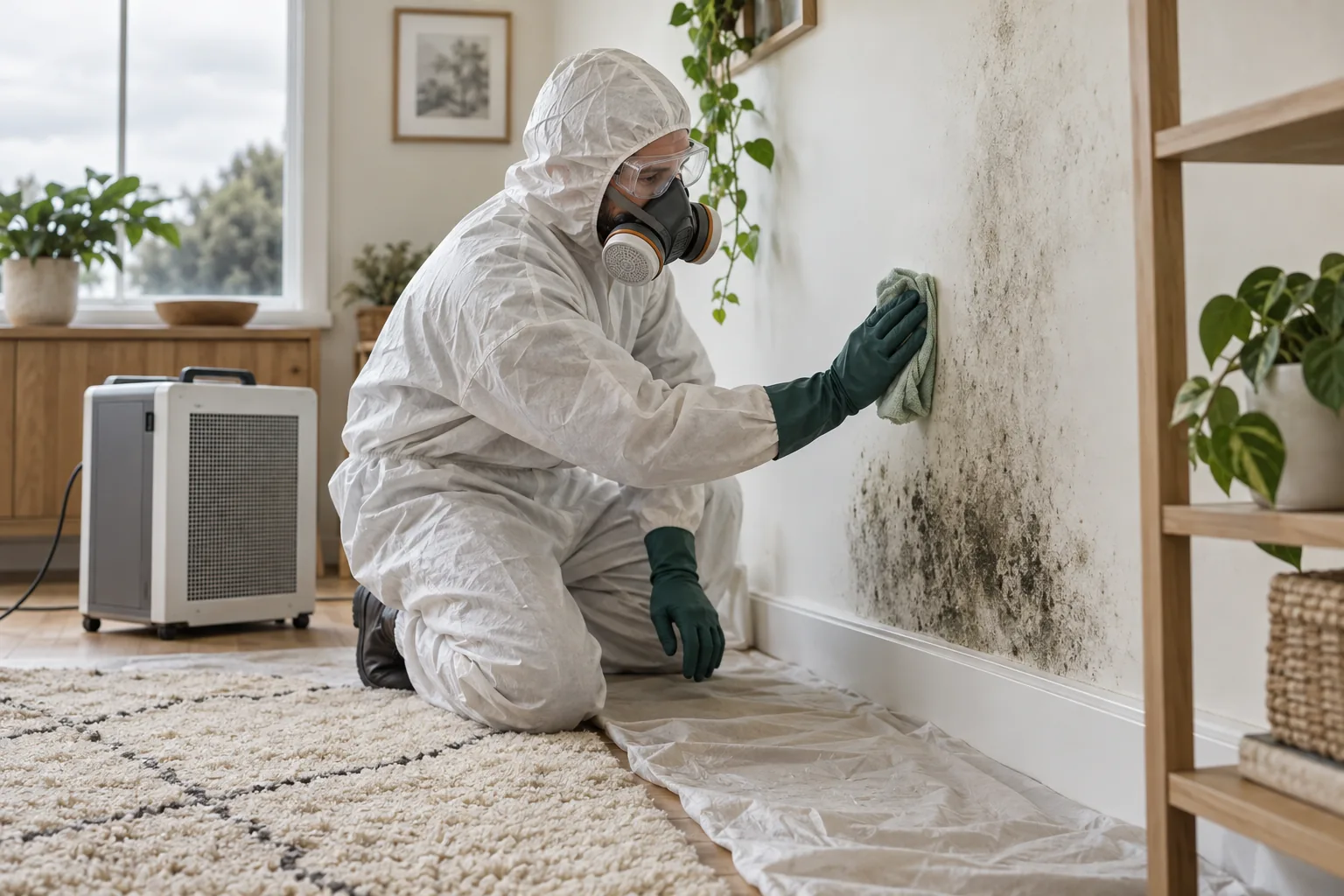
Check the present wall arrangement and new fitting, agreeing only the surfaces that can now be reached.
2
Set up HEPA protection
Prepare the HEPA air scrubber before treatment with current clearance, rather than relying on equipment space shown in an old photograph.

3
Choose suitable application
Apply suitable HOCl within the revised scope; ULV dry fog remains conditional and cannot guarantee the newly covered section is treated.
4
Remove visible contamination
Use professional H-class filtered equipment for visible removal on current accessible finishes, leaving fitting removal outside implied inclusion.
5
Continue final air cleaning
Maintain HEPA air filtration during and after the work; explain return advice and the changed boundary of the result.
Materials that remain exposed
Walls
Describe the wall as presently arranged, including the section newly hidden by the fitting.
Ceilings
Report overhead changes separately if the room alterations affect ceiling reachability.
Bathrooms
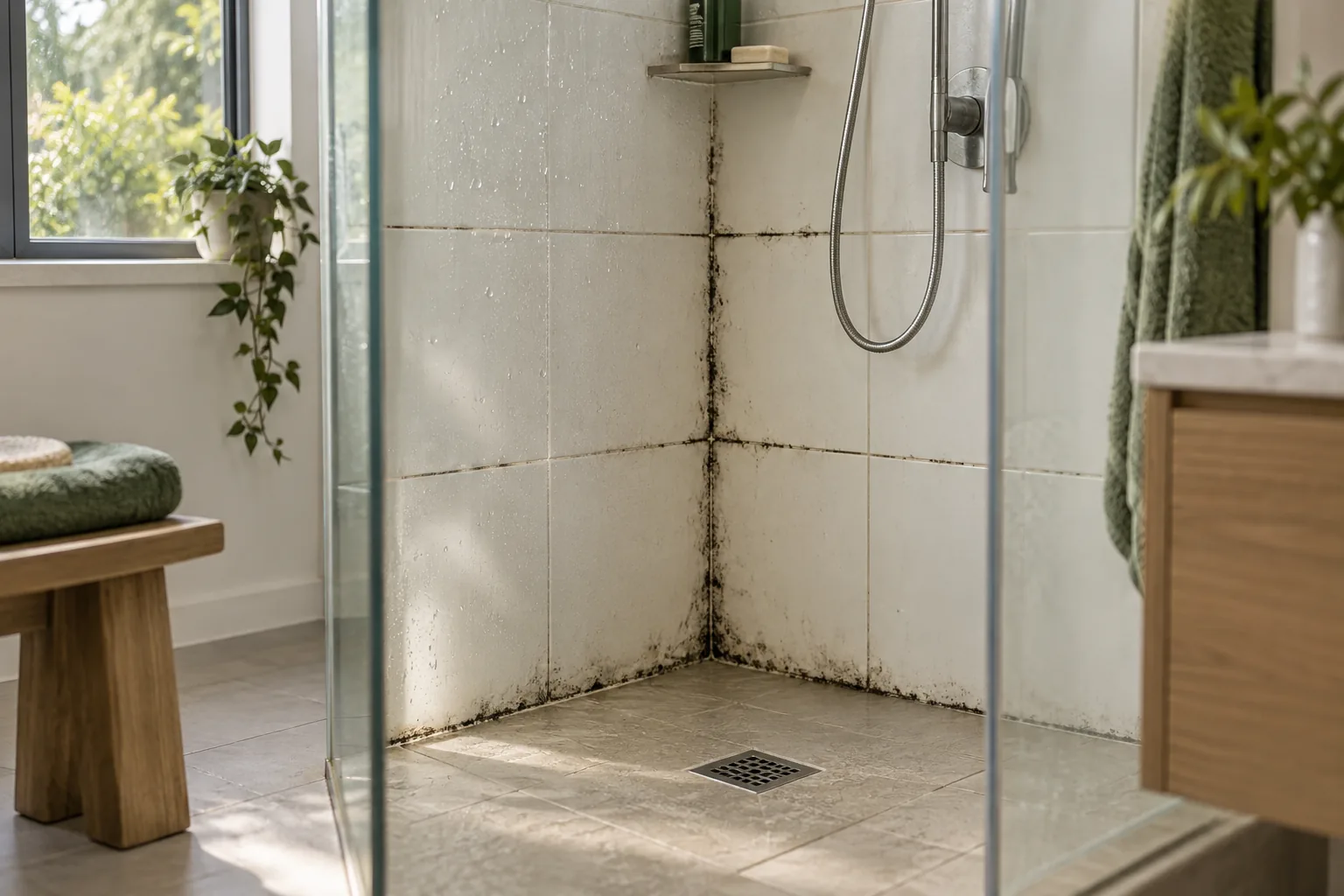
Bathroom surface scope should use current access information instead of earlier photographs.
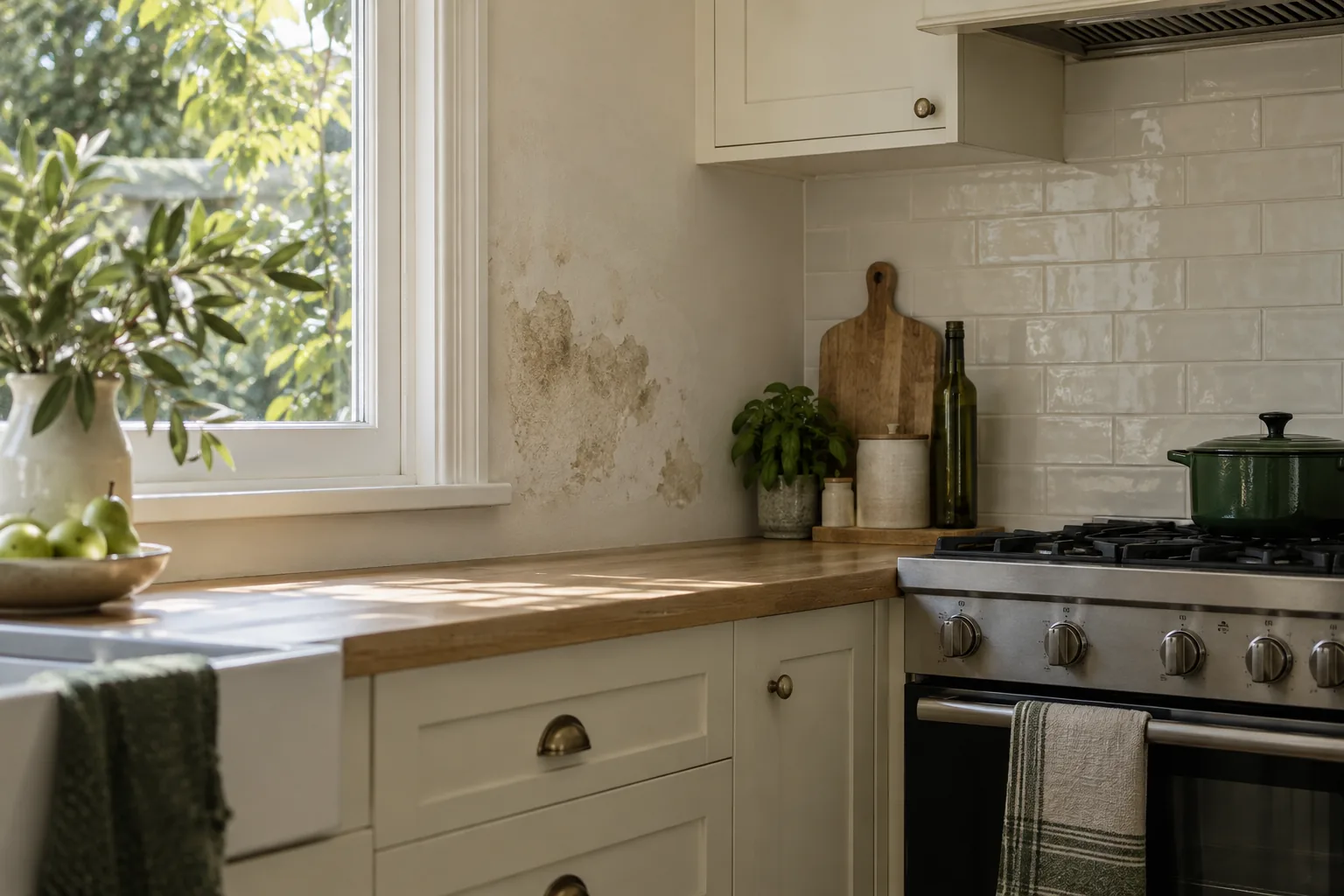
Kitchens
Kitchen fixed features may conceal a requested face; current exposure needs confirmation.
Accessible affected surfaces
Previously pictured surfaces are not automatically accessible; furnishings, textile items and covered layers retain their exclusions.
AFTER TREATMENT
Update access before attendance
Explain the new fitting before attendance and agree whether suitable access can be arranged. Do not rely on an older image to represent the current room. Household departure and return instructions remain part of the treatment preparation. People and pets leave the property while treatment is underway; the technician provides the relevant return instructions.
The source’s approximate three-hour room average depends on extent and access, so changed reachability should be discussed before a schedule is assumed. The treatment arrangement is not an hourly fitting-removal task.
KEEP MOISTURE IN VIEW
Keep old images distinct from current reach
Keep records of the surface before and after the fitting changed access, while labelling what can actually be observed now. A hidden section should not be called treated merely because another part of the wall improved. New water or growth at the exposed edge needs appropriate follow-up, with separate access work arranged where required. Follow return advice and retain realistic cosmetic expectations. The practical aim is to preserve an honest boundary between the reachable result and the area still covered, rather than using the earlier photograph as permanent proof of current condition.
Keep current images distinct from earlier room arrangements.
Describe any later fitting-related access change.
Address moisture rather than treating coverage as correction.
Cost against the revised wall scope
Explain the changed fitting and remaining reachability before confirming cost. Use price information as a starting point, without inferring unchanged pricing, dismantling or hidden coverage from the earlier enquiry.
PARK ORCHARDS · EXACT ADDRESS & ACCESS
Enquiries with current fitting detail
At the Park Orchards address, give up-to-date access information rather than relying on an older room photograph. Confirm availability after the fitting change is explained.
Warranwood · Donvale · Ringwood · Heatherdale
Questions about remediation
Can you treat a wall now hidden behind a new fitting?
Not as a confirmed accessible surface. Explain the changed arrangement and discuss separate access before expecting the earlier plan to proceed.
Will the earlier photo guarantee the same quotation?
No unchanged-price promise is established. Confirm the current visible extent and practical access.
Does a new fitting mean the mould problem is fixed?
No. Covering does not establish treatment or correction of the moisture source.
Should I remove it on the day without discussion?
Agree the access plan beforehand rather than improvising removal during the appointment.
Can filtration certify the covered area?
No. HEPA air cleaning does not establish the condition behind an obstruction.
What should the booking contact be told now?
Describe the fitting, which surfaces remain reachable and any new wetting. Keep the proposed scope current before attendance.
Update the reachable wall request
Call 03 8652 1296 to update the Park Orchards wall access. Settle the reachable scope before expecting the original treatment plan to proceed.