
SURFACE TREATMENT · MOISTURE FOLLOW-THROUGH
Mould Remediation Camberwell
If a treatment request is made before another trade covers the visible area at your Camberwell address, settle the work sequence while the requested surface is still exposed. Explain the planned covering work before arranging treatment, including which provider is responsible for subsequent preparation.
Exposed work sequence planned
Separate trades coordinated
Future lining limits explained
TREATMENT & FOLLOW-THROUGH
UNDERSTANDING THE AFFECTED ROOM
Agree treatment before the area is covered
Covering a visible area changes the treatment opportunity, so trade sequencing matters. Explain the proposed work before a new lining obscures the finish. The remediation agreement should remain tied to accessible contamination and should not be described as approval of future construction. Review remediation scope before selecting the structural-surface job.
Treatment and construction can be coordinated without either being described as acceptance of the other’s work. Agree which exposed finish will remain available and report any change before the appointment. The confirmed process does not guarantee later dismantling or certify new lining. Keeping the sequence explicit helps avoid concealing an unresolved concern or expecting a bounded contamination service to deliver a complete building-restoration outcome.
MOISTURE & CONTAMINATION
Planned work does not prove source correction
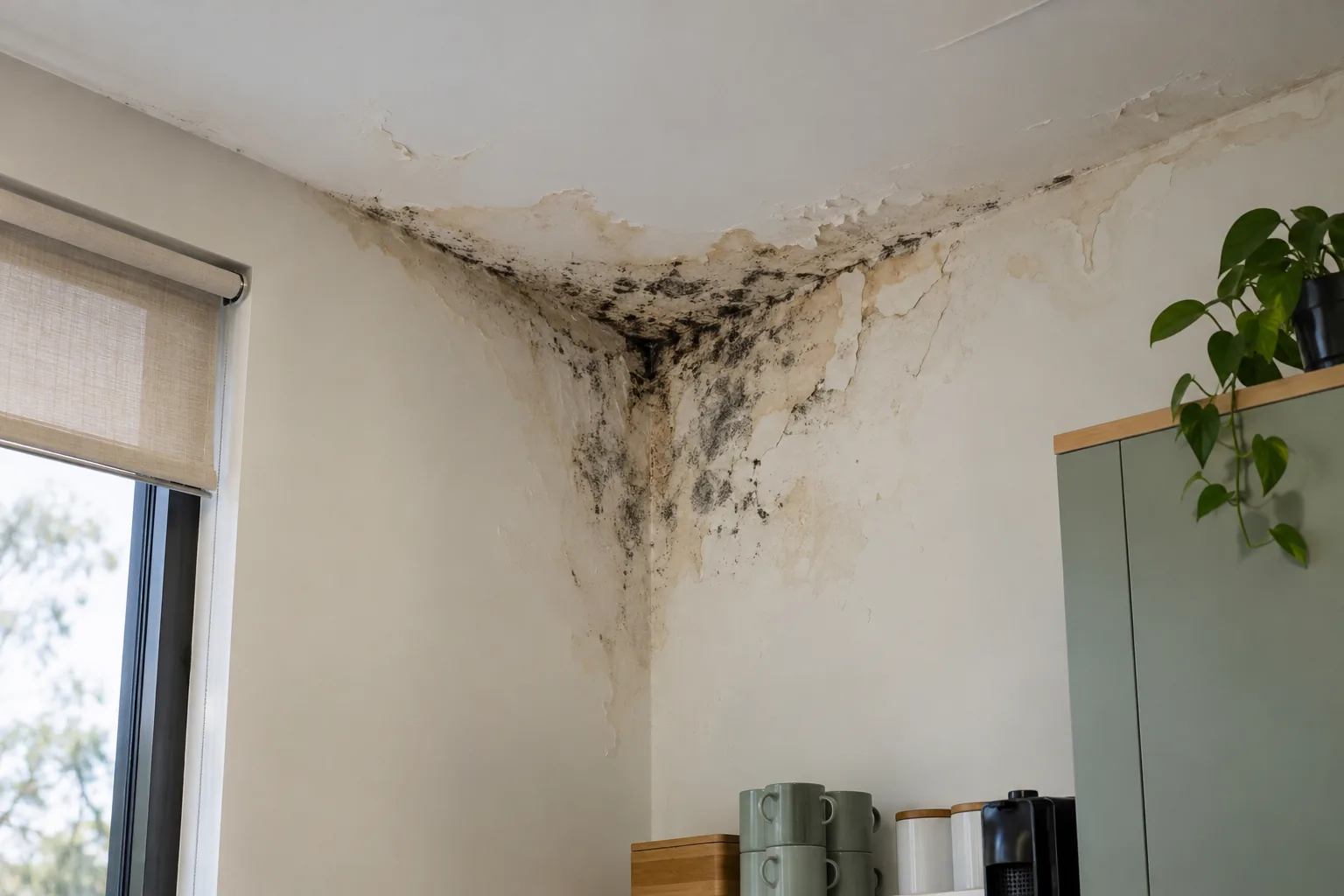
Planned covering work does not establish that the moisture source has been corrected. Describe confirmed repairs and continuing observations before access changes. Discuss assessment if the current exposed condition needs clarification before treatment.
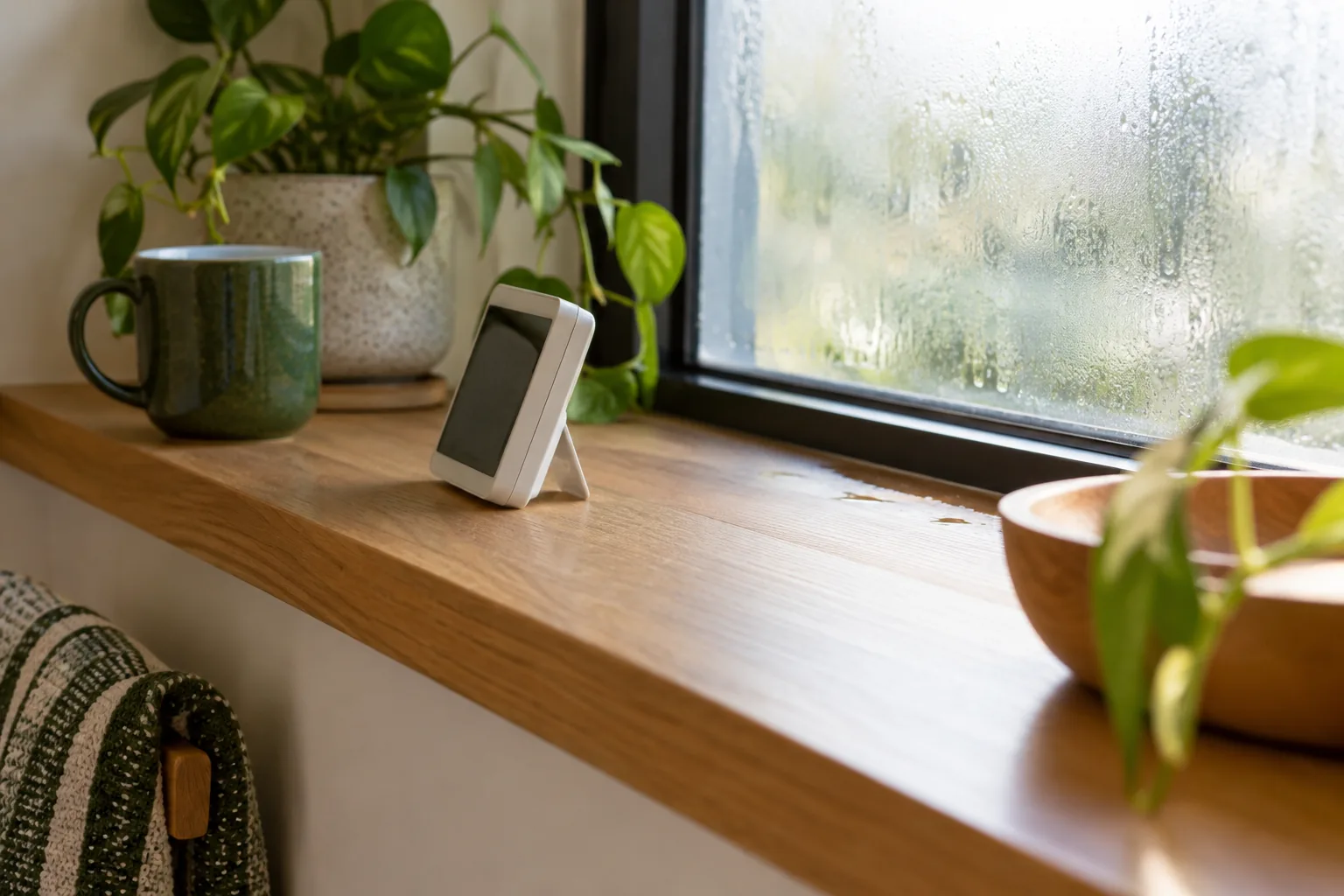
Professional hygrometer information describes room-air humidity; it does not approve planned lining or measure water behind a covered finish.
A DEFINED TREATMENT SEQUENCE
A visible sequence before new lining
1
Assess the accessible scope
Assess the still-exposed finish and agree treatment before planned covering work changes the room’s access.
2
Set up HEPA protection
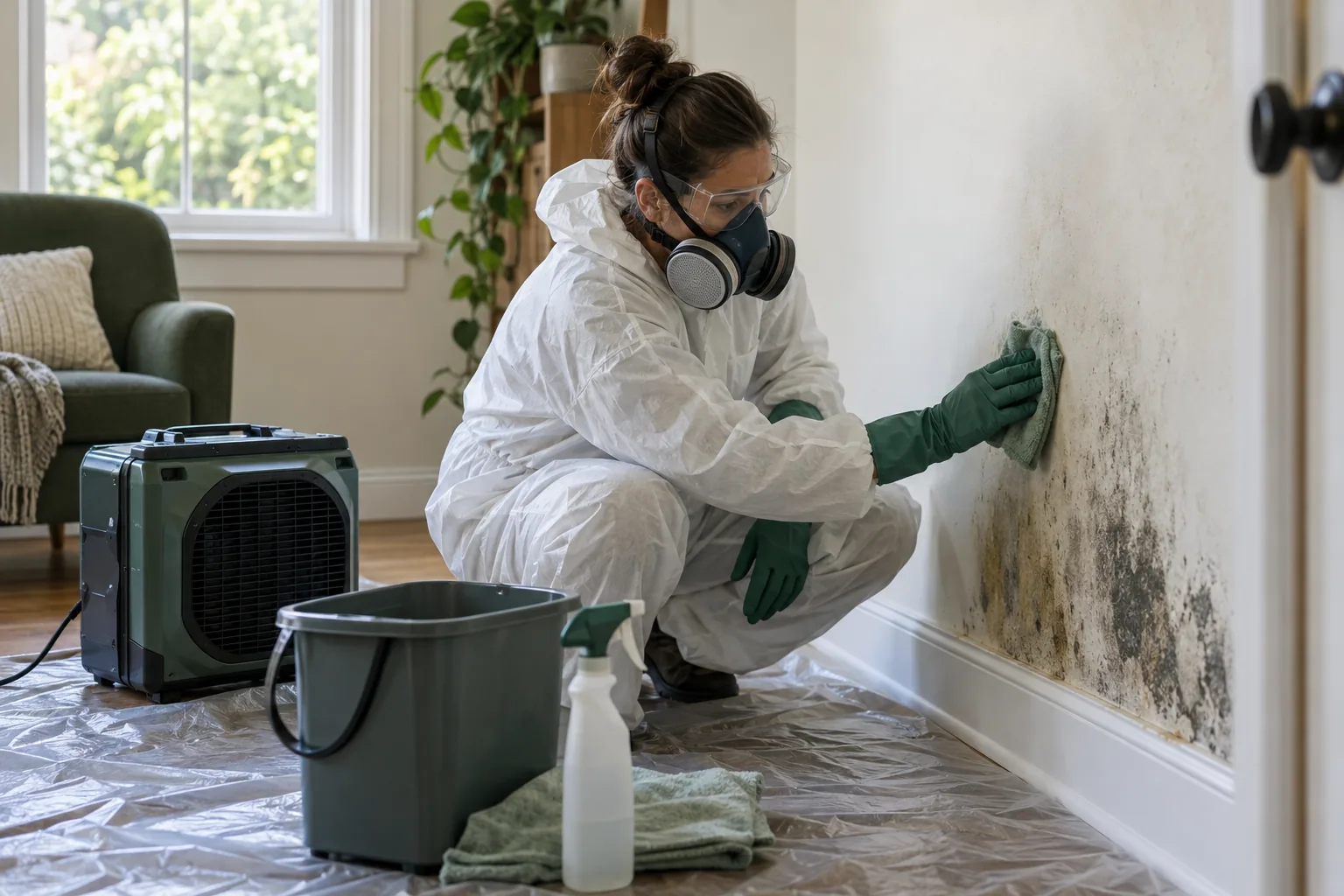
Set up HEPA scrubber protection before application, coordinating the cleared work area separately from another trade’s attendance.

3
Choose suitable application
Select appropriate HOCl application, using ULV dry fog where suitable without approving construction or promising treatment behind future lining.
4
Remove visible contamination
Physically remove visible mould with H-class filtered equipment from the current agreed surface, not through unconfirmed dismantling work.
5
Continue final air cleaning
Keep HEPA air filtration running during and after treatment; confirm return advice before separate providers resume their tasks.
Structural areas available before covering
Walls
Keep the requested wall exposed where agreed before another trade covers it.
Ceilings
Ceiling lining plans should be discussed before current visible access changes.
Bathrooms
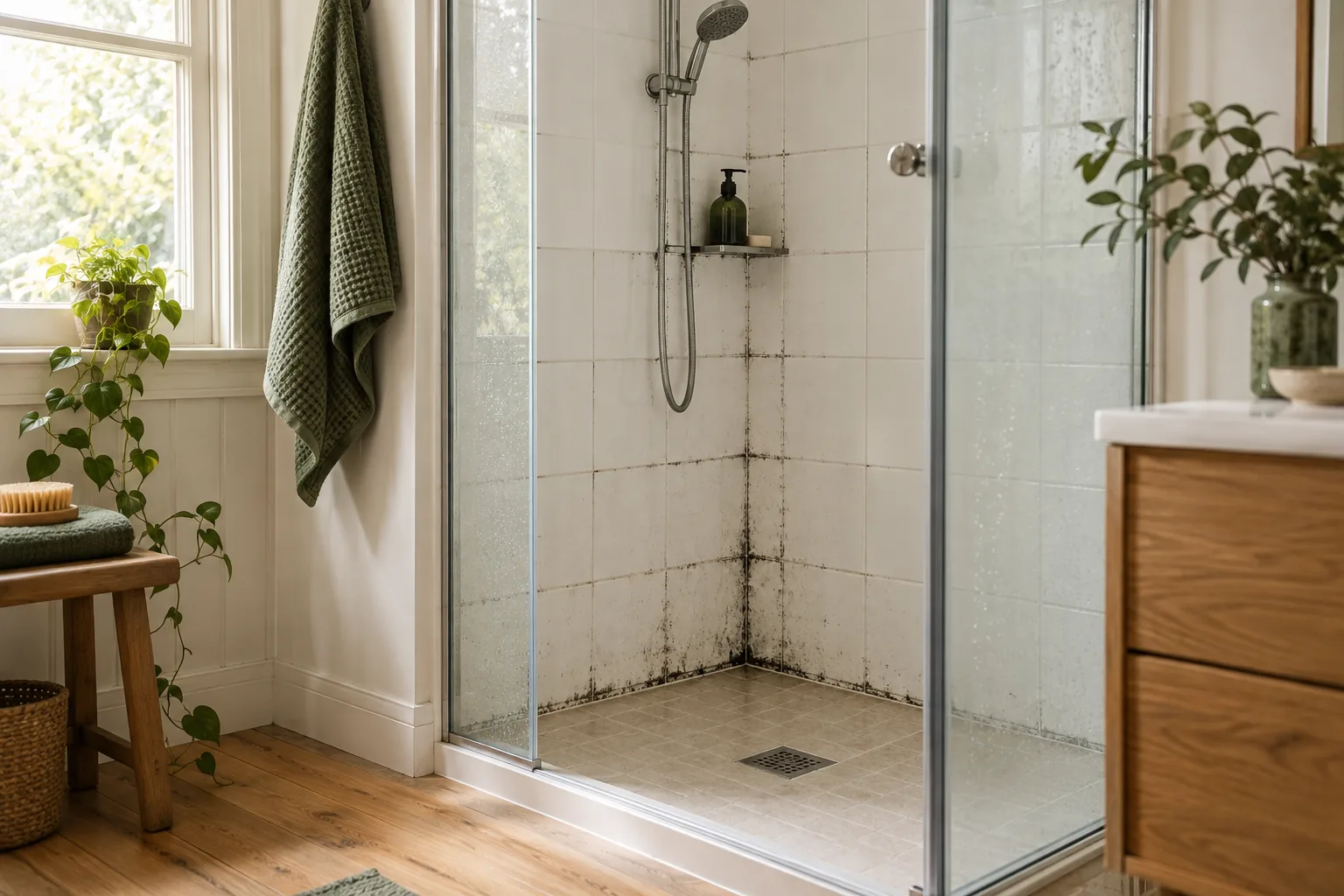
Bathroom surface treatment is separate from new waterproofing or fixture installation.

Kitchens
Kitchen finishes awaiting covering still need an explicit accessible treatment boundary.
Accessible affected surfaces
Further hard surfaces require inclusion before construction proceeds; hidden layers, fabric coverings and furniture are separate.
AFTER TREATMENT
Coordinate separate providers and departure
Settle the treatment and covering-work sequence before either provider starts. Do not schedule another trade inside the active treatment property or assume later dismantling is included. Arrange people and pets to leave and clarify the return instructions.
Source guidance averages about three hours per room, varying with extent and accessibility rather than another trade’s planned finishing slot. This treatment is separate from any hourly arrangement another trade may use.
KEEP MOISTURE IN VIEW
Pass reliable information between trades
Pass reliable treatment information between providers before another finish covers the area. Keep planned work labelled as planned and avoid representing remediation as approval of new lining or construction. Address relevant moisture issues through the appropriate separate provider, and retain a practical record of any fresh changes while the finish remains observable. Follow return instructions before resumed use or another trade’s attendance. Remaining cosmetic marks can require separate decisions. The purpose is coherent sequencing, not a guarantee that future materials, hidden layers or every later decorating choice were certified by the visible treatment.
Keep planned covering work accurately labelled as planned.
Share the confirmed surface scope with separate providers.
Observe accessible areas before later finishes obscure them.
Cost while the proposed finish remains exposed
Explain the exposed finish and proposed covering work before cost is settled. Check price applicability for remediation without implying later stripping, construction approval or another trade’s tasks are included.
CAMBERWELL · EXACT ADDRESS & ACCESS
Address and covering-sequence enquiries
For Camberwell, give the premises and planned room-access changes. Confirm availability before separate trades cover the requested surface or arrange work around an assumed treatment slot.
Deepdene · Glenferrie · Canterbury · Balwyn
Questions about remediation
Should the surface be lined over before remediation?
Discuss the sequence first. Covering changes access and does not establish that existing contamination was addressed.
Can the new trade remain during treatment?
People leave during treatment. Coordinate separate appointments instead of assuming simultaneous work is suitable.
Does remediation include stripping a new lining later?
No dismantling service is confirmed. Agree accessible scope before the area is concealed.
Can a completed repair be described before it happens?
No. State that the work is planned, and update the treatment enquiry when its status changes.
Will filtration certify the planned construction?
No. HEPA air cleaning is a treatment stage, not approval of another trade’s building work.
What should be passed between providers?
Share the actual visible condition, intended scope and confirmed schedule. Avoid treating a treatment booking as acceptance of every later finish.
Discuss treatment before access changes
Phone 03 8652 1296 before the Camberwell area is covered. Coordinate accessible treatment and separate trade sequencing while the intended finish remains exposed.