
SURFACE TREATMENT · MOISTURE FOLLOW-THROUGH
Mould Remediation Hampton
If a lining may be removed after surface treatment, explain that proposal before arranging remediation. For a Hampton enquiry, identify the finish available now and what the separate building work would change. Treating visible mould does not open the construction, replace damaged material or establish the condition of layers exposed later.
The currently exposed scope is identified.
Separate building work is coordinated.
Hidden condition remains qualified.
TREATMENT & FOLLOW-THROUGH
UNDERSTANDING REMEDIATION
A future opening is different from present access
Describe the current patch and genuine replacement proposal, including whether the separate provider’s work is agreed. An exposed-face enquiry does not include backing that another trade plans to reveal, or approve an undecided repair sequence.
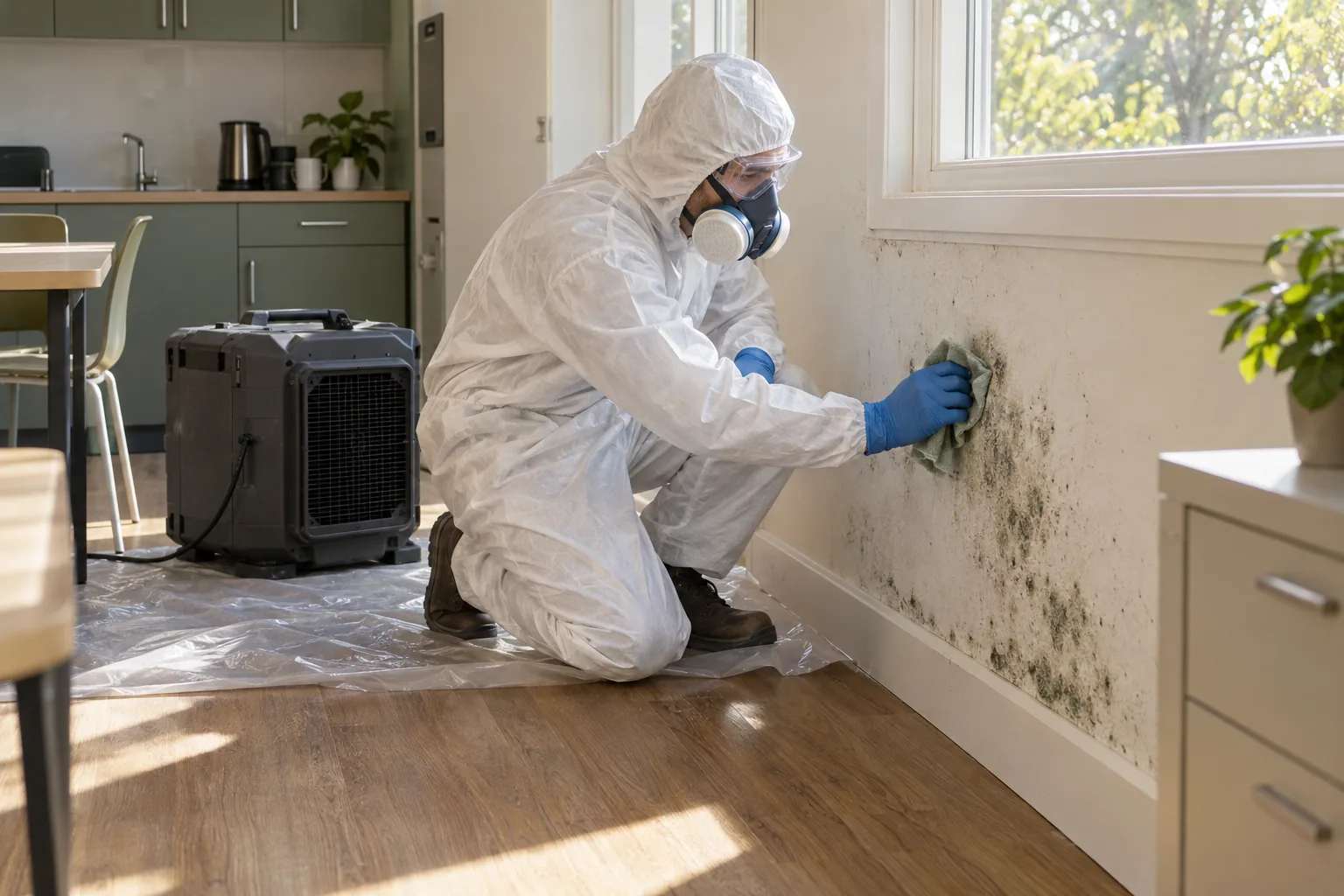
The remediation process addresses existing visible accessible structural contamination through assessment, filtration, suitable treatment and physical removal. Furniture and textiles are excluded. Demolition, replacement, hidden investigation and decorating require separate scope. Clarifying the intended building work lets the treatment discussion follow actual available surfaces instead of a presumed whole-assembly result.
THE MOISTURE CONNECTION
Explain repair findings without inventing concealed dryness
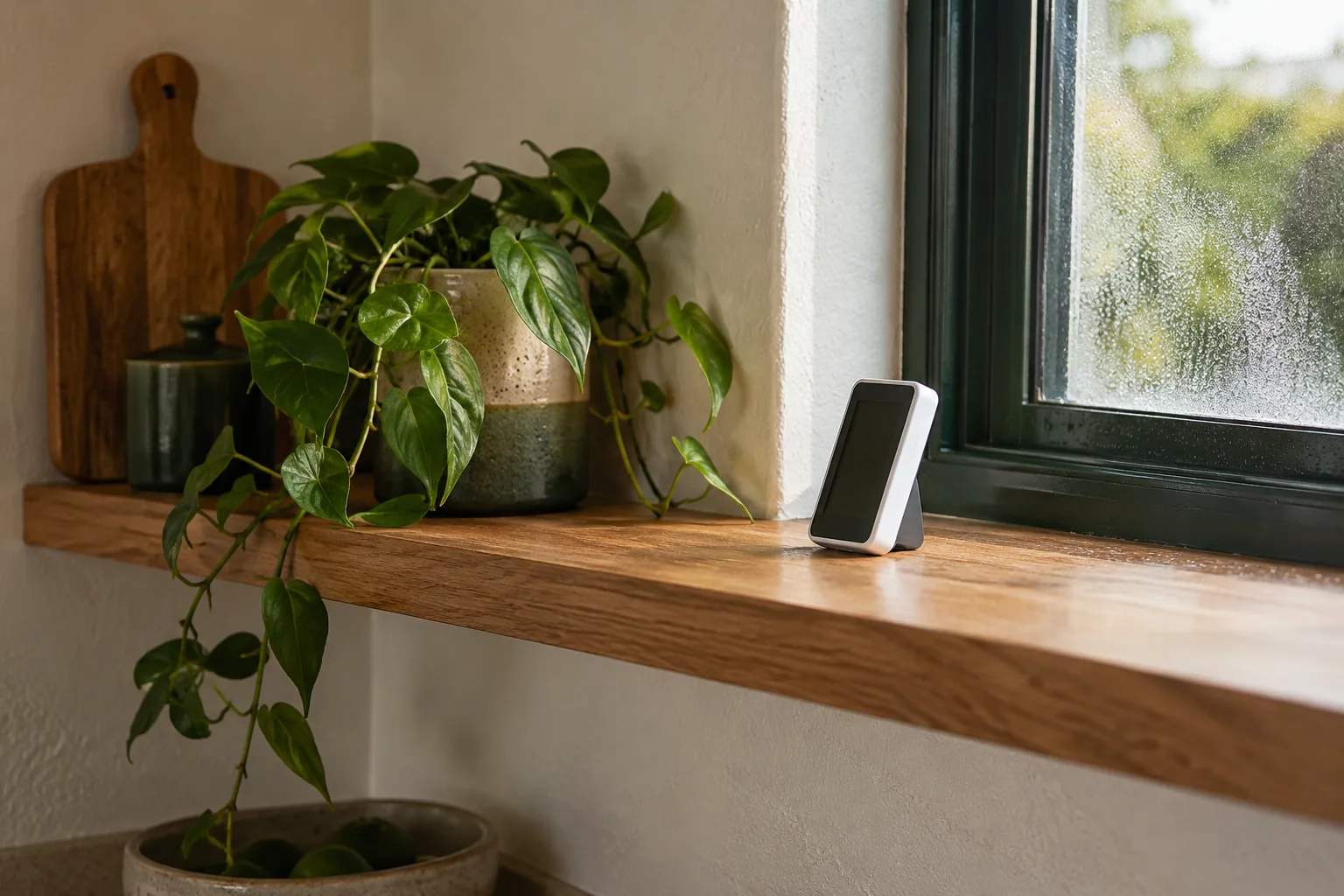
Give actual water observations and any confirmed repair information. A professional hygrometer provides room-air relative humidity, not moisture within an unopened lining or proof that a proposed replacement solves the source. Label unknown construction condition as unknown, even when the exposed face appears dry.
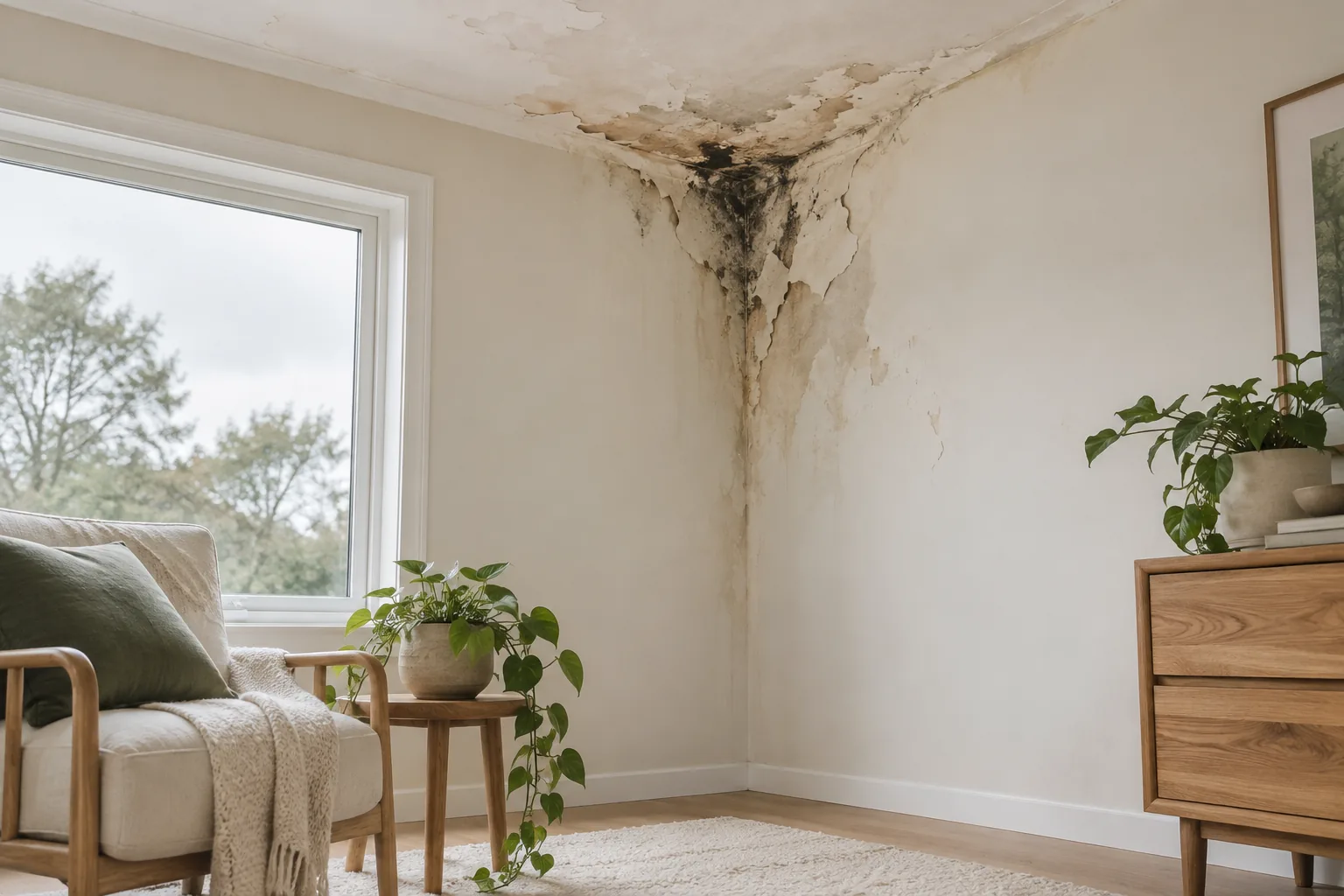
An accessible inspection discussion can clarify visible symptoms before a treatment decision. Leaks and structural repairs remain separate. Continuing moisture may permit recurrence, so communicate the current repair status and new wetting rather than treat a future building task as already completed source correction.

PLAN · FILTER · TREAT · REMOVE · CONTINUE
Apply the confirmed sequence to the accessible finish
1
Assess what is exposed now
Agree the visible contamination, material suitability and available reach, keeping proposed replacement and unknown backing outside present treatment assumptions.
2
Establish air protection first
Set up the HEPA air scrubber before surface treatment, with equipment access coordinated around the actual room and separate work.

3
Choose suitable application
Apply HOCl under the assessed plan; ULV dry fog is used in most cases where appropriate, without promising treatment through unopened linings.
4
Remove the visible mould
Use professional H-class filtered equipment for physical removal within agreed scope; rebuilding or demolition does not follow automatically from contamination removal.
5
Continue final HEPA cleaning
HEPA air filtration continues during and after treatment, alongside specific return advice and discussion of remaining building or finish tasks.
Name the building faces available for treatment
Walls
Identify the exposed wall face and replacement proposal, distinguishing it from backing that has not been opened.
Ceilings
Describe overhead growth safely and separate a lining replacement request from treatment of the visible ceiling.
Bathrooms
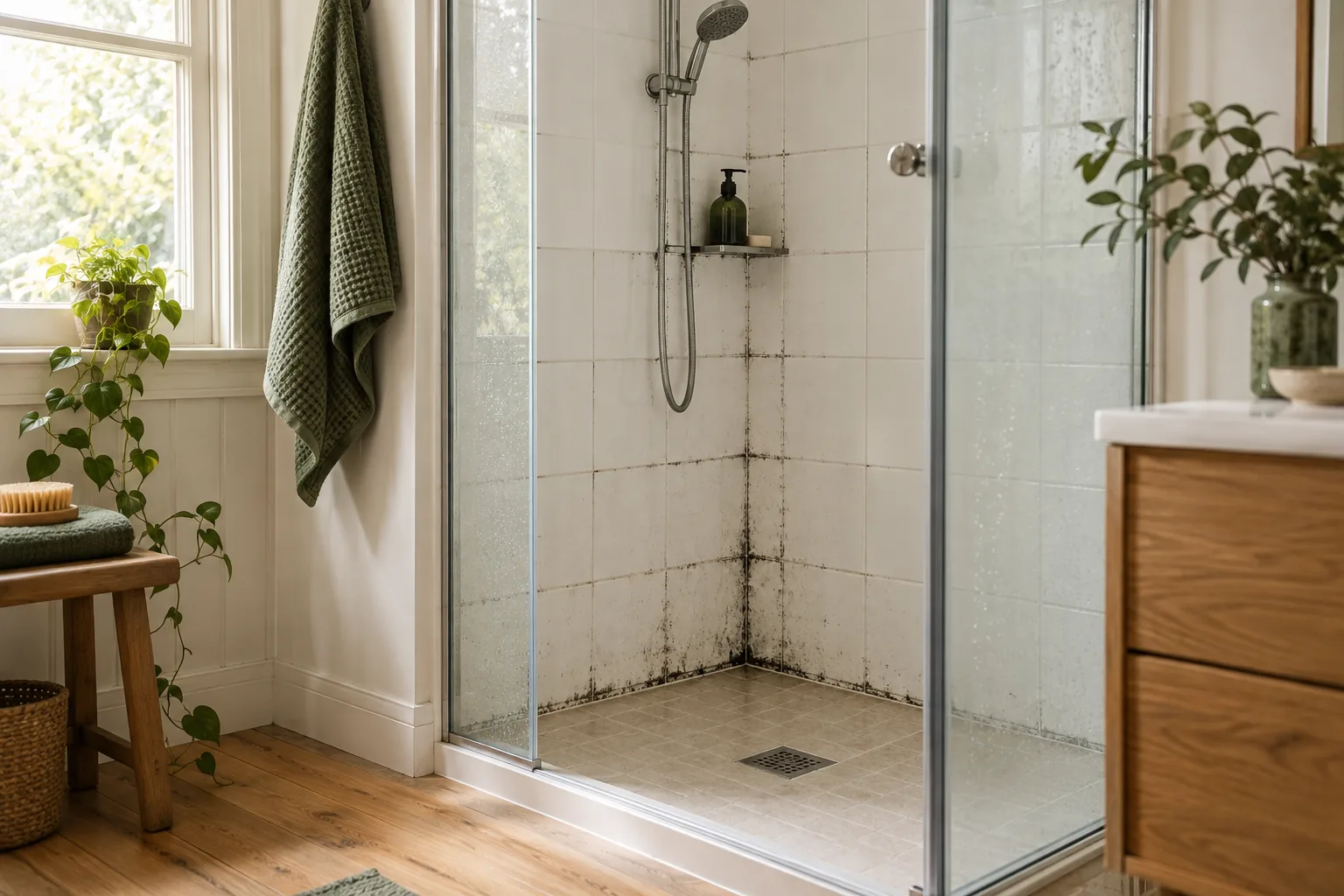
Locate bathroom paint or joints; tile backing and seal replacement require their own repair and access decisions.
Kitchens
Explain accessible kitchen marks without adding cabinet reconstruction, appliance work or plumbing repairs to the enquiry.
Accessible affected surfaces
Request affected hard-floor treatment explicitly where exposed and suitable; carpet and concealed floor layers remain outside standard scope.
WHAT TO EXPECT
Settle preparation around the actual work agreed
Tell the technician about planned trade attendance and avoid assuming concurrent work can proceed in the property. Follow clearance advice without opening the lining merely as preparation. People and pets leave during treatment and obtain the technician’s return instructions. Source guidance averages approximately three hours per room, varying with size, contamination and access rather than the repair schedule.
The service is not hourly based. Residual cosmetic staining may remain and decorating is separately arranged. Ask what was treated before another provider changes the finish. No hidden-material certificate, laboratory result or approval of a replacement method is promised by completion of accessible remediation.
FOLLOW THE MOISTURE
Follow the source task through separately
Distinguish the treated surface from the building provider’s later responsibilities when discussing new observations.
Record renewed water or growth on the identified surface.
Describe newly exposed material as new information after separate building work.
Maintain suitable extraction and follow through on confirmed leak or structural repairs.
Quote treatment without assuming replacement inclusions
Describe available finishes and the proposed lining work when using price information. Its table is labelled Mould Removal, not a confirmed Remediation tariff. Ask what the structural treatment quote includes; replacement materials, demolition and later exposed areas should not be inferred from a room example.
HAMPTON · EXACT ADDRESS & ACCESS
Confirm the Hampton premises and trade plan
Give the address and contact who can explain separate building arrangements. Nearby pages navigate other enquiries rather than establish attendance or responsibility for this repair.
Questions about remediation
Does treating a wall include removing its lining later?
No lining-removal service is confirmed. Discuss that building task separately and identify the exposed surface presently requested.
Should an undecided replacement be described as booked work?
No. State its actual status so treatment access and sequencing are not planned around a commitment that does not exist.
Can fogging establish the condition behind the lining?
No concealed-condition finding is promised. Appropriate ULV use does not convert an unopened layer into assessed or treated scope.
Will remediation approve the repair provider’s sequence?
No universal repair-sequence approval is established. Raise the proposed arrangements with the relevant providers before assuming they are compatible.
What if replacement reveals another marked layer?
Describe it as newly exposed information and seek a separate scope decision. Do not call it included under an earlier visible-face agreement.
Can the repair provider start as soon as three hours pass?
No fixed interval follows from average work guidance. Coordinate attendance and follow the technician’s actual return instructions.
Discuss Hampton treatment before changing the lining
Call 03 8652 1296 with the exposed finish, repair proposal and access contact. Agree visible treatment and separate building responsibilities.