
SURFACE TREATMENT · MOISTURE FOLLOW-THROUGH
Mould Remediation Brighton
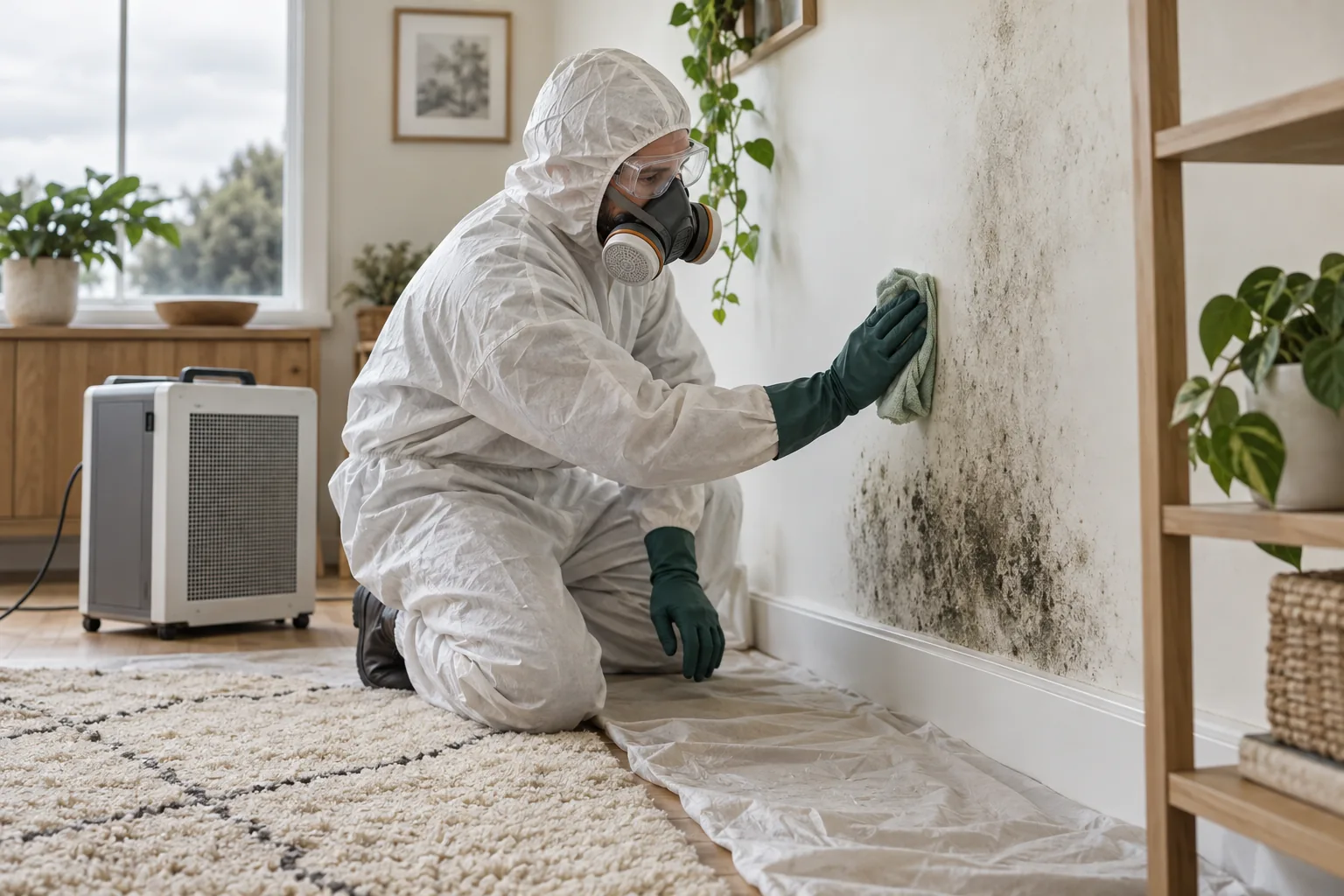
Protective sheets can obscure the surface you want treated. For a Brighton enquiry, identify the visible wall edge and what a covering hides. Agree preparation before assuming everything should be wrapped or uncovered; protecting possessions and accessing building finishes are different decisions.
Protection is discussed before preparation.
Exposed boundaries are identified.
Belongings remain outside assumed treatment.
TREATMENT & FOLLOW-THROUGH
UNDERSTANDING REMEDIATION
Protection should not silently redefine the request
Explain why the covering is present and whether agreed clearance can expose the wall. Wrapping an object does not mean it is treated. Describe fragile belongings without making another surface unavailable as preparation.
Our remediation overview concerns assessment, air filtration, suitable application and physical removal of visible accessible structural mould. Furniture and textiles are excluded even when they need preparation arrangements. Concealed layers, contents restoration and building repairs are separate; protective coverings do not turn them into standard inclusions.
THE MOISTURE CONNECTION
A covered finish needs an honest observation history
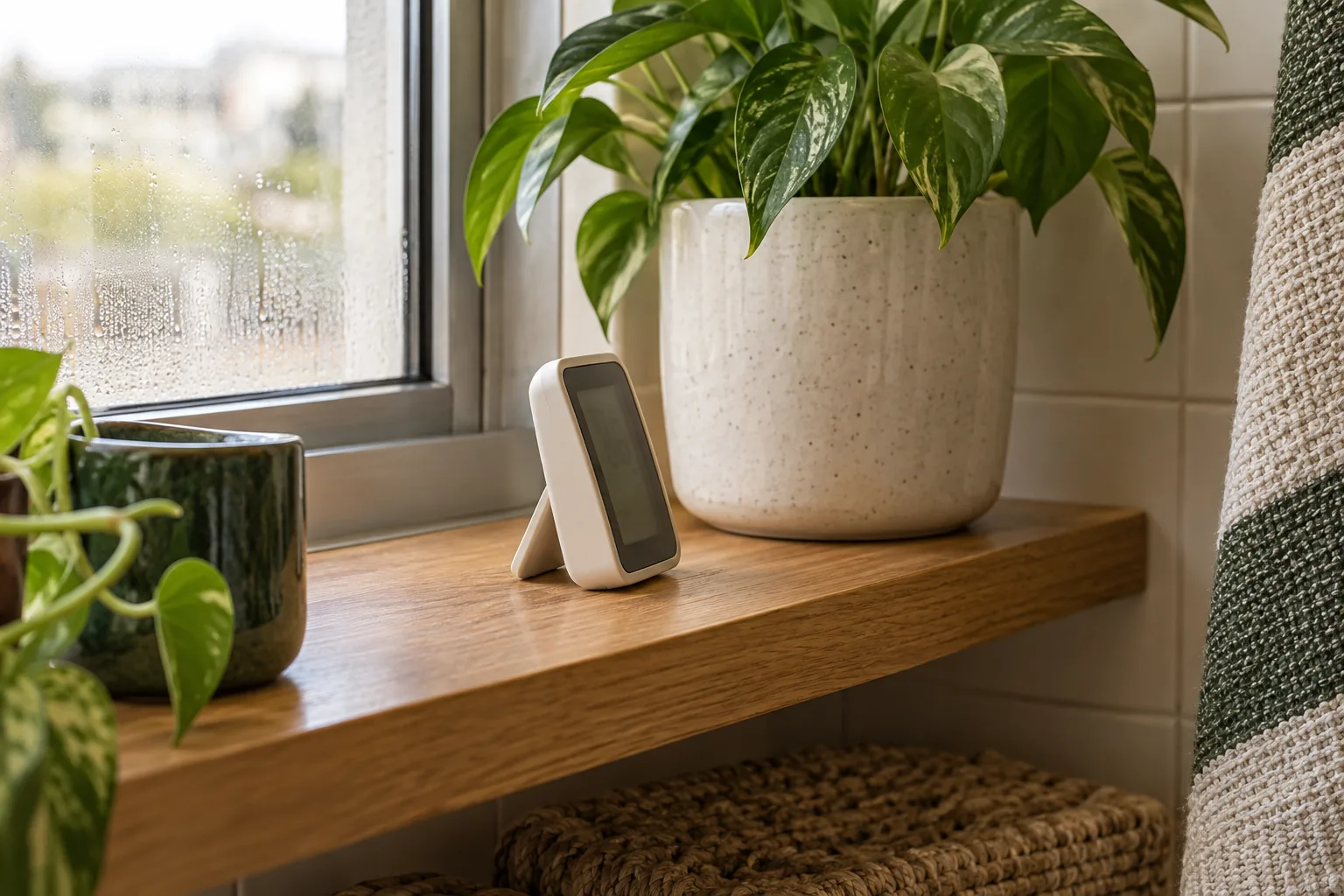
Give actual dates and locations of water or condensation rather than infer current condition from an old picture. Explain what remains unseen without guessing its extent. The professional hygrometer measures relative humidity in room air, not moisture under plastic, behind linings or inside an excluded object.
An accessible-surface inspection discussion can clarify the visible request without promising destructive investigation or material probes. Pursue known leaks and ventilation faults through separate maintenance. Treatment of exposed growth cannot guarantee prevention where dampness continues, and adding a covering is not evidence that the moisture source has been corrected.
PLAN · FILTER · TREAT · REMOVE · CONTINUE
Work within the protection and access agreed
1
Assess visible finishes and clearance
Identify contamination, material and fragile surroundings, defining the accessible boundaries rather than assuming covered areas are available.
2
Prepare HEPA air filtration
Set up the confirmed HEPA air scrubber before treatment begins, coordinating equipment space with the agreed room preparation.

3
Apply suitable HOCl treatment
Use HOCl on suitable assessed surfaces, with ULV dry fog in most cases where appropriate; covering possessions does not promise their treatment.
4
Physically remove exposed mould
Professional H-class filtered equipment removes visible contamination within accepted scope, without automatically shifting fixed objects or restoring finishes.
5
Continue HEPA after surface work
Maintain HEPA air cleaning during and after treatment, clarifying remaining boundaries, cosmetic expectations and the technician’s return instructions.
Keep protection separate from material suitability
Walls
Locate the actual wall mark and the boundary obscured by coverings, leaving unavailable sections explicit rather than presumed treated.
Ceilings
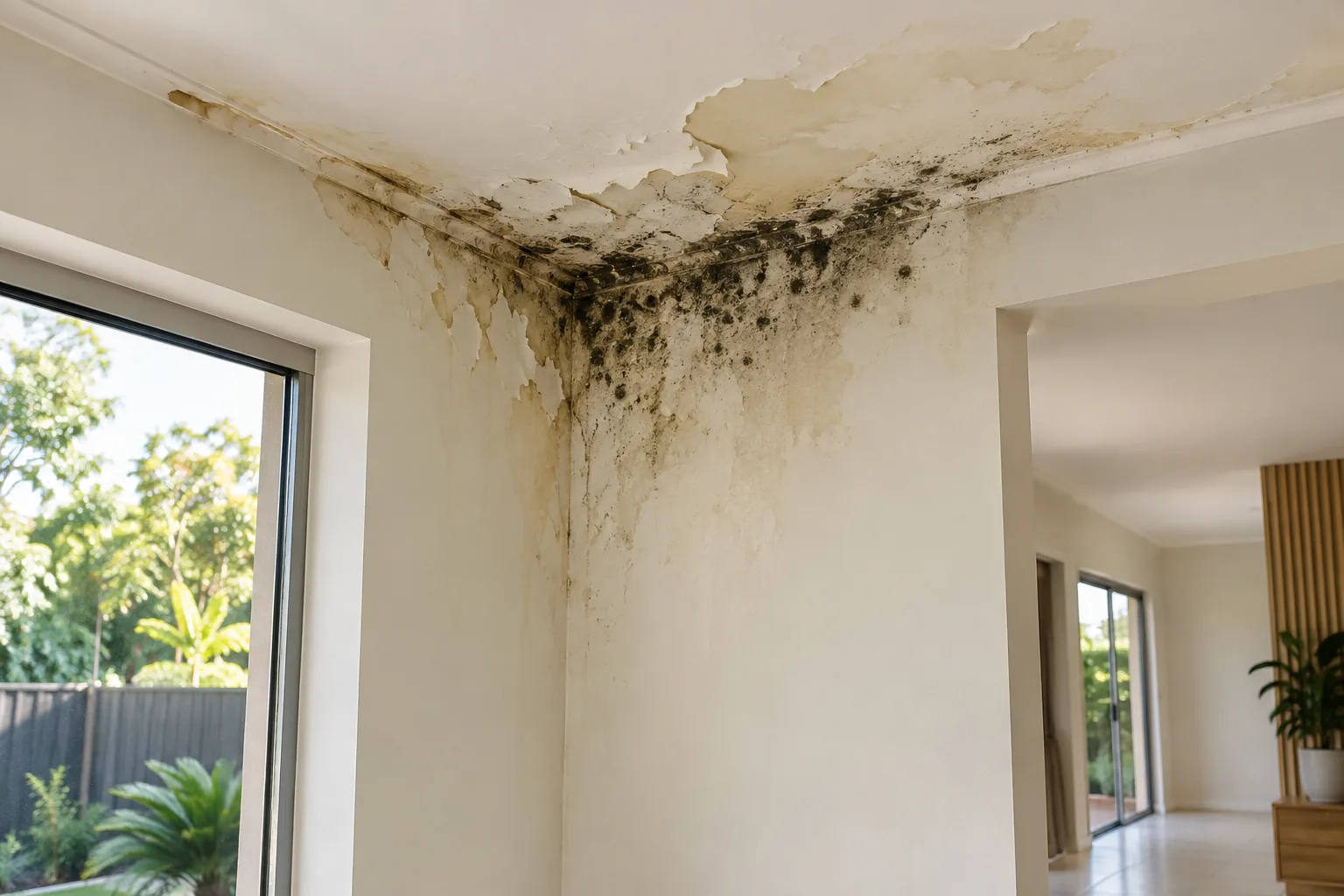
Describe overhead growth safely and flag fragile fittings; a sheet below does not establish accessible condition above the lining.
Bathrooms
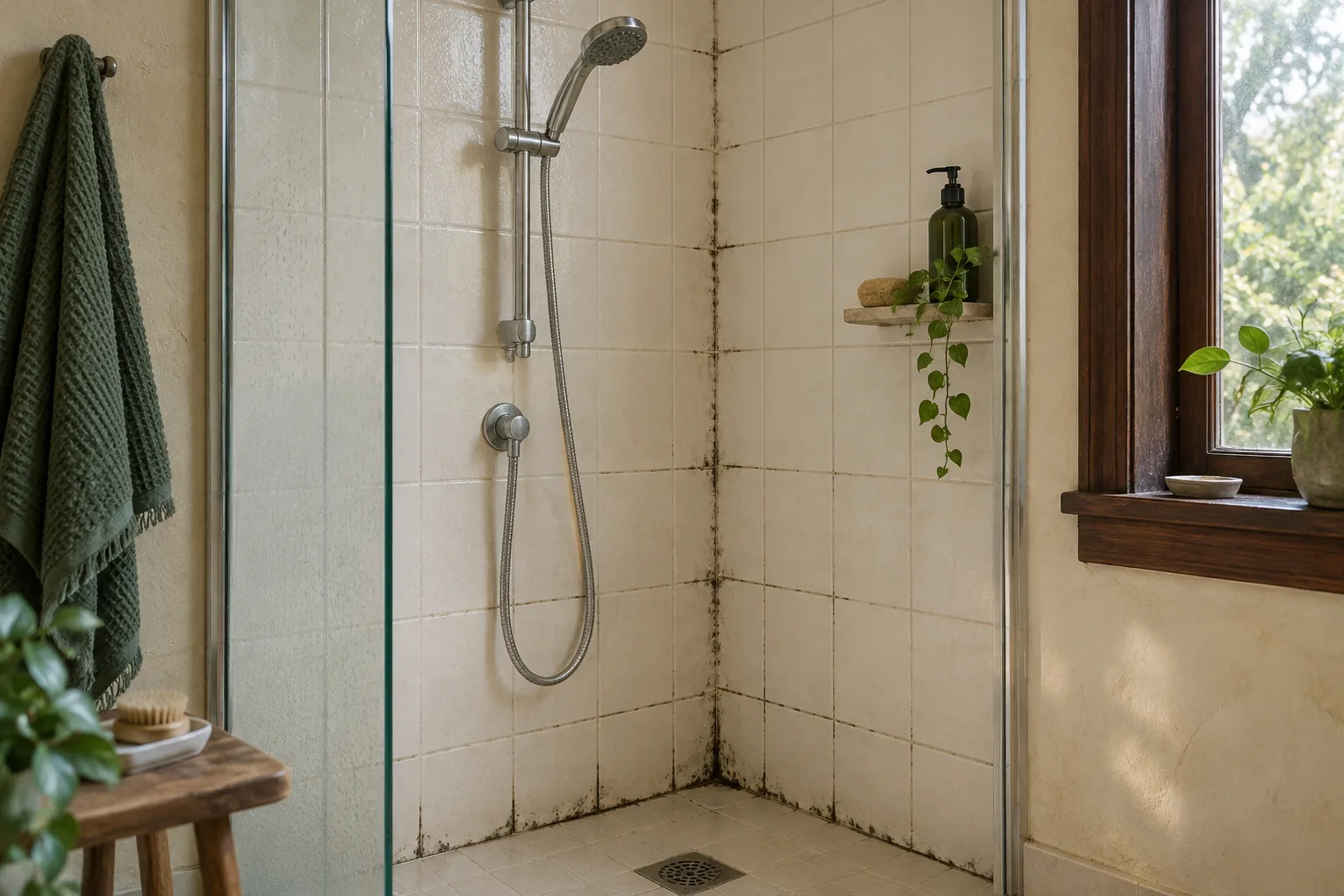
Identify exposed bathroom paint or joints and agree personal-item clearance, keeping towels and other fabric out of standard scope.
Kitchens
Discuss reachable kitchen growth and safe clearance around equipment, separate from appliance repair or treatment of stored contents.
Accessible affected surfaces
An affected hard floor can be considered with finish and reach agreed; protective sheets, rugs and carpet are not structural treatment surfaces.
WHAT TO EXPECT
Ask about preparation before adding more coverings
Describe delicate belongings and ask how they should be handled rather than assume a universal wrapping method. Resolve the nominated wall’s access before attendance. People and pets leave the property during treatment, with return instructions confirmed by the technician. Average guidance is around three hours per room, affected by size, contamination and access rather than the amount of plastic used.
The service is not hourly based. Cosmetic marks may remain and decorating is separately agreed. Ask which finishes were treated before replacing coverings; standard treatment does not certify hidden dryness or restore every colour.
FOLLOW THE MOISTURE
Keep later changes observable
Follow return advice, keep the agreed finish observable and pursue known moisture repairs; covering it does not establish source correction.
Record fresh water or growth on the building surface, not just changes in a sheet.
Maintain suitable extraction and follow through on unresolved leaks.
Explain any newly uncovered area separately before calling it part of the earlier work.
Clarify preparation and treatment inclusions
Use the pricing discussion to identify accessible extent and fragile belongings. The room table is labelled Mould Removal, not a confirmed Remediation rate. Ask what preparation is agreed instead of assuming general packing, object restoration or hidden-area work is purchased through the treatment amount.
BRIGHTON · EXACT ADDRESS & ACCESS
Confirm the Brighton premises and entry arrangement
Give the full address and contact familiar with its coverings and fragile items. Nearby pages navigate other requests; they cannot confirm preparation or attendance for this interior.
Gardenvale · Hampton · Elsternwick · Elwood
Questions about remediation
Should I wrap everything before the technician arrives?
Discuss the actual preparation first. Extra coverings can hide requested surfaces or obstruct equipment, and no universal wrapping instruction is supplied here.
Does a protected sofa become part of the treatment?
No. Furniture and textiles remain excluded even when room preparation involves protecting or moving them.
Can a wall behind a sheet be counted as accessible?
Only once its actual access and suitability are agreed. Describe the covered remainder rather than assume it is included.
Will the technician remove fixed protective structures?
No dismantling service is confirmed. Explain the structure beforehand and arrange any necessary separate access work explicitly.
Can plastic conceal a source problem after remediation?
A covering does not establish source correction. Record actual wetting and arrange appropriate leak or ventilation work rather than infer dryness from what is hidden.
What should I ask before replacing the room coverings?
Confirm the actual return advice and which finishes were treated. Identify new or unavailable surfaces separately instead of extending the completed scope by assumption.
Discuss Brighton access before protecting the room
Call 03 8652 1296 with the marked finish, covering arrangement and fragile belongings. Agree practical preparation and suitable structural treatment.