
SURFACE TREATMENT · MOISTURE FOLLOW-THROUGH
Mould Remediation Kalorama
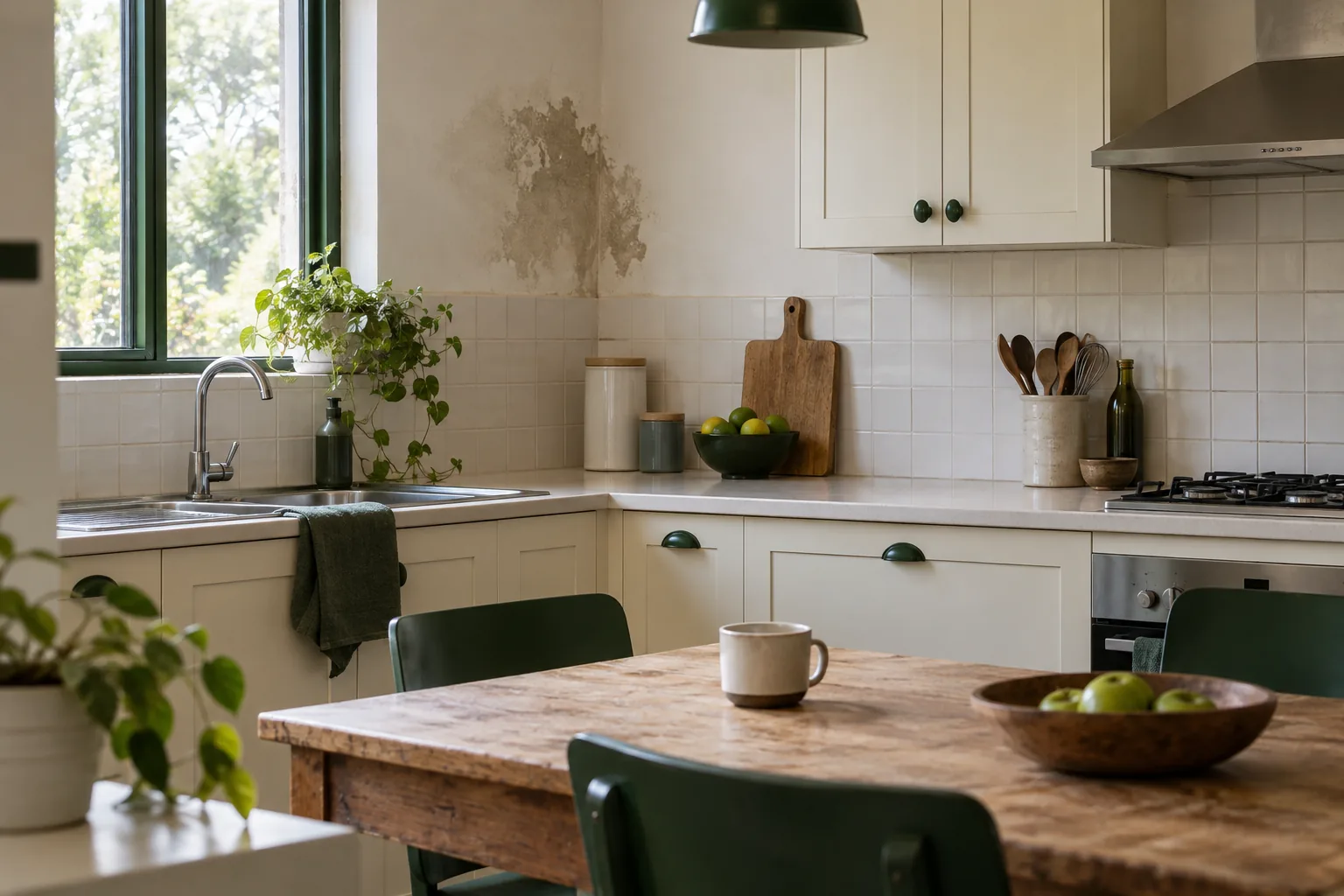
A textured wall can make the visible patch harder to describe than a smooth painted face. If that is your Kalorama concern, identify the actual finish and any damaged or inaccessible recess rather than assuming one method reaches every contour. Agree suitable structural treatment and realistic cosmetic expectations before preparation.
The actual textured finish is identified.
Reachable contours are discussed explicitly.
Cosmetic preservation is not assumed.
TREATMENT & FOLLOW-THROUGH
UNDERSTANDING REMEDIATION
Texture needs a material description, not a universal promise
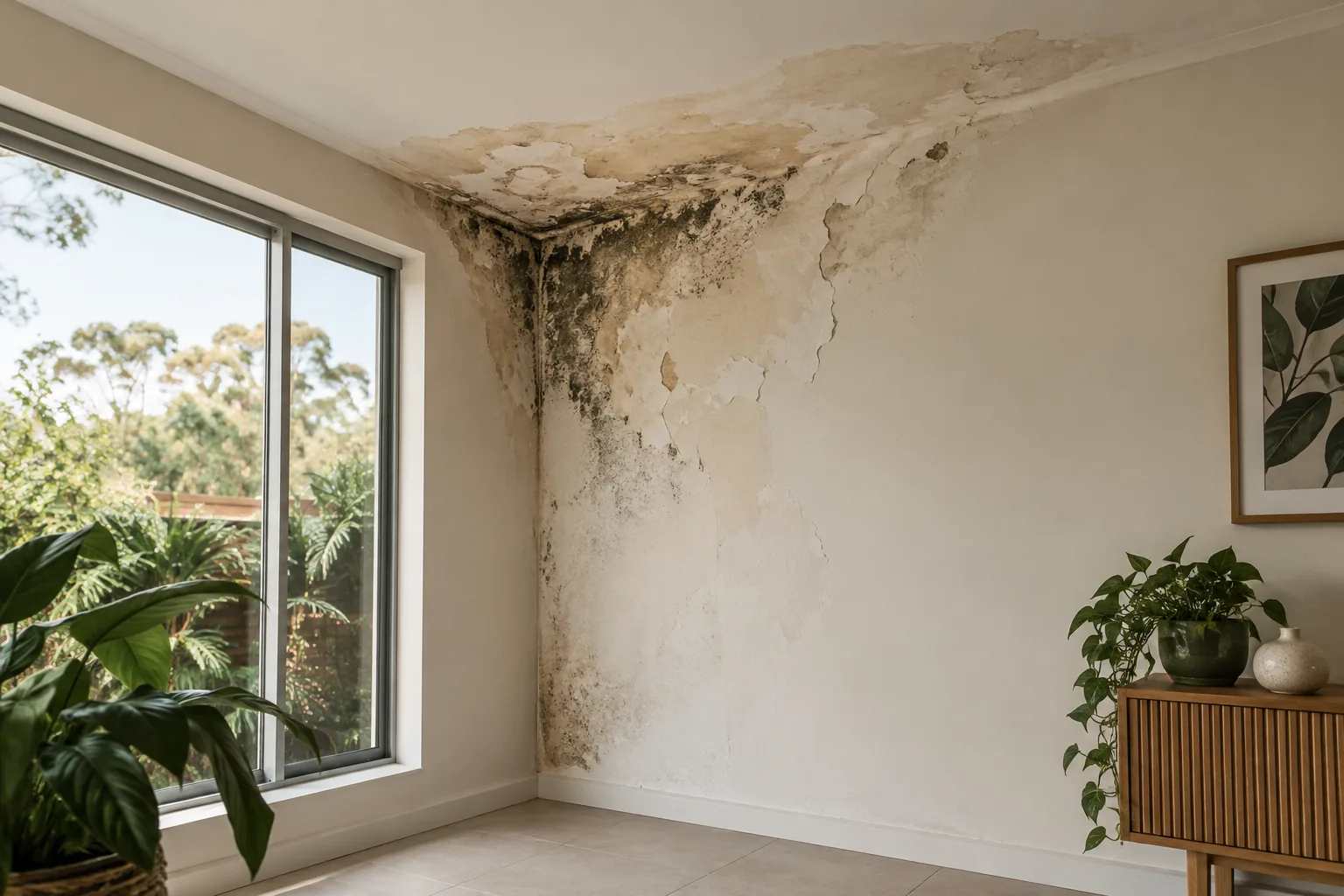
Explain whether the surface is sound, loose or of uncertain composition and where visible contamination lies. The professional remediation sequence must be suitable for the actual accessible finish. A decorative label alone cannot establish which application or physical work is appropriate.
Make unreachable contours explicit. Decorative conservation belongs to its appropriate provider; a treated exposed face does not establish preserved detail, hidden-layer clearance or treatment of belongings.
THE MOISTURE CONNECTION
Relate the patch to observed water rather than its pattern
Describe condensation, wetting and reliable repair history separately from the decorative texture. Growth following a contour does not establish the moisture source. An accessible inspection enquiry can clarify assessment limits when the surface condition is still uncertain.
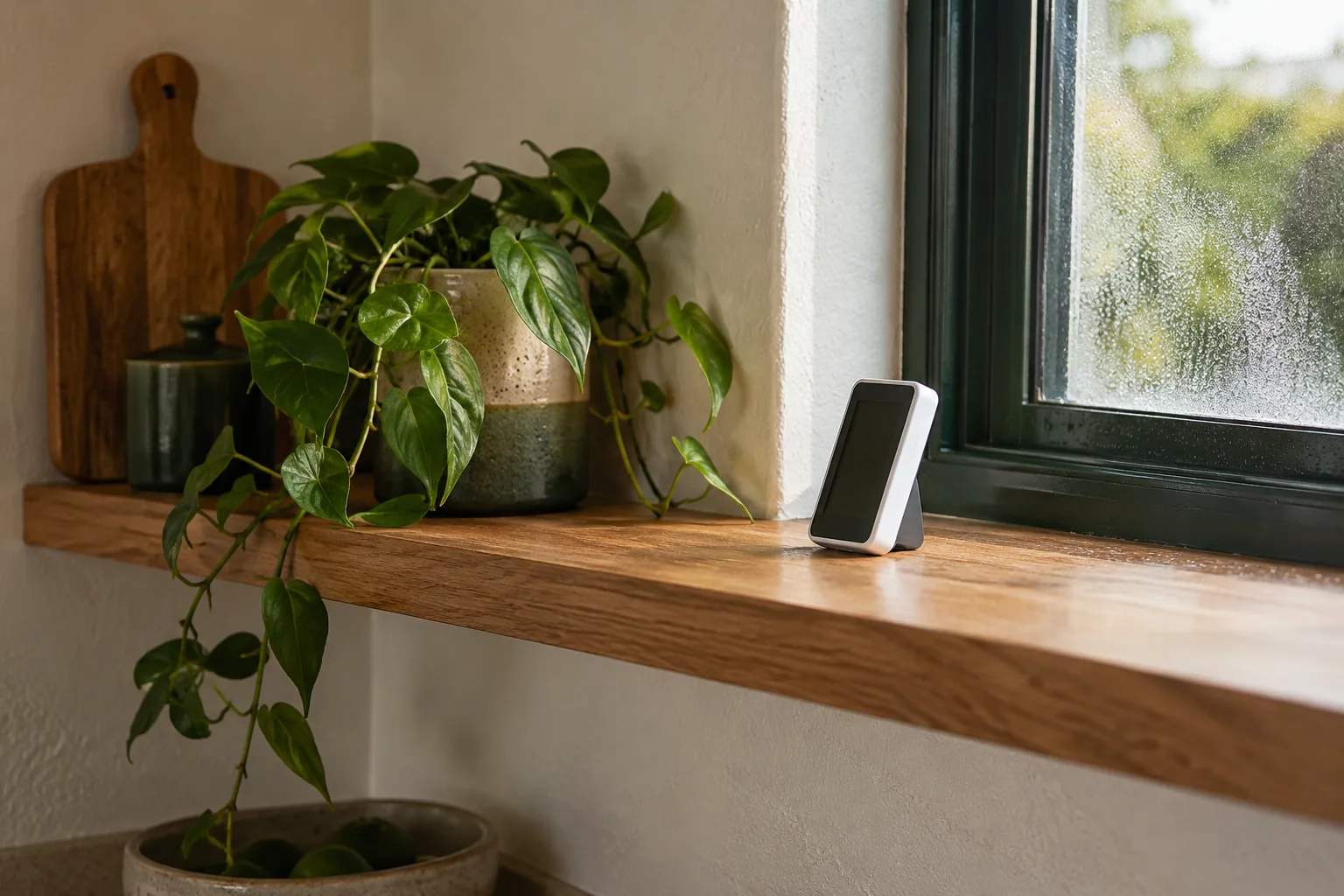
The professional hygrometer measures relative humidity of room air, not moisture within a decorative layer or hidden backing. It cannot certify that the coating is dry or suitable for restoration. Relevant leaks and building defects need separate correction. Ventilation and moisture follow-through matter, while treating the visible patch cannot guarantee that continued dampness will never support renewed growth.
PLAN · FILTER · TREAT · REMOVE · CONTINUE
A process tied to the exposed material
1
Assess finish and reachable extent
Review visible contamination and the textured surface’s condition, discuss uncertain material and agree contours actually suitable and accessible for treatment.
2
Begin protective air cleaning
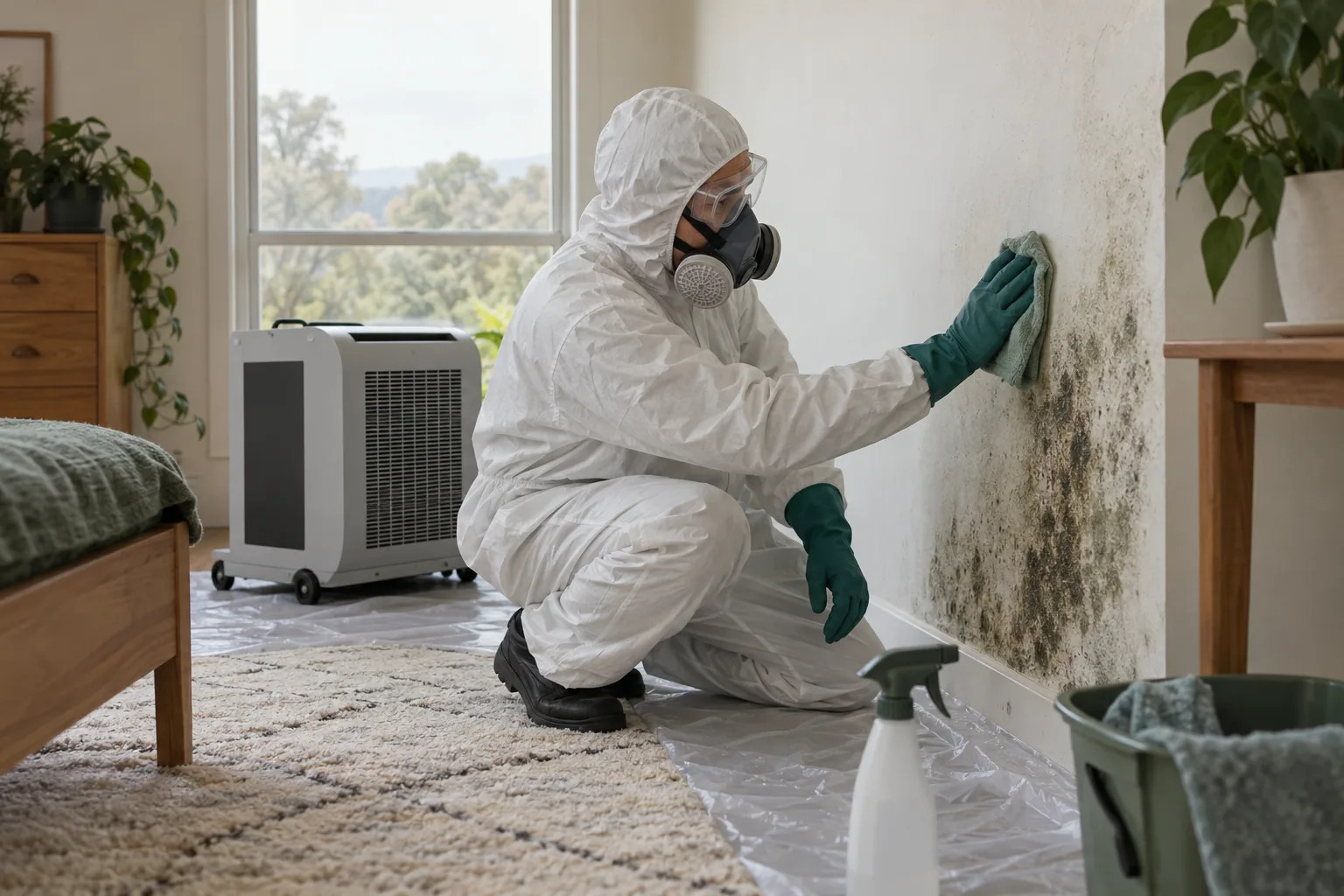
Set the confirmed HEPA air scrubber operating before application in the prepared area, without calling filtration a decorative-finish approval.

3
Select suitable HOCl application
Use appropriate HOCl treatment with ULV dry fog where suitable, retaining limits rather than guaranteeing every recess or coating tolerates the same method.
4
Physically remove visible mould
Use professional equipment with H-class filtration within the agreed reachable structural scope, keeping restoration and damaged-finish repair separate.
5
Continue filtration and explain cosmetic limits
Maintain HEPA air cleaning during and after the process, then discuss actual return advice and remaining marks or sections outside reach.
Describe each finish in its own place
Walls
Identify the textured wall’s condition and any fixed feature preventing reach to part of the face.
Ceilings
A decorative ceiling surface needs its own material and safe-access discussion, not transferred assumptions from the wall.
Bathrooms
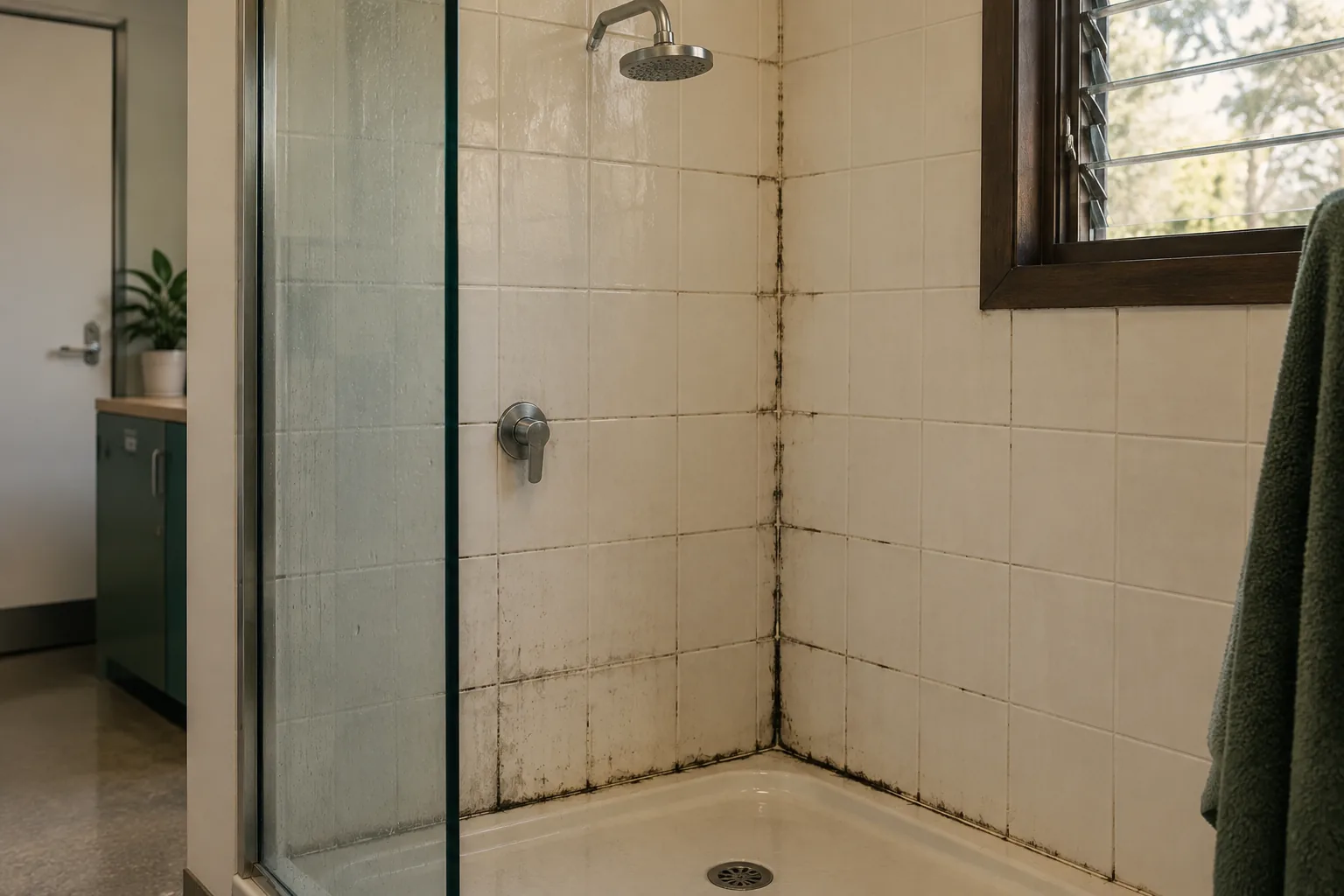
Bathroom paint and tile requests remain distinct from textured decorative items and excluded fabric.
Kitchens
Describe exposed kitchen finishes without including ornate contents, appliance cleaning or cabinet removal.
Accessible affected surfaces
Other exposed structural finishes can be considered individually; hidden backing, unreachable recesses and belongings are not implied inclusions.
WHAT TO EXPECT
Discuss the finish before disturbing it
Ask about preparation while explaining uncertain material or fragile sections. Do not scrape or flatten texture to create assumed access. People and pets leave during treatment, and return follows the technician’s job-specific instructions rather than a general cosmetic-cleaning interval.
The source gives roughly three hours per room as average guidance, dependent on contamination, size and accessibility. Textured finishes do not establish an hourly restoration task or a fixed completion promise. Staining or finish damage may require separate decoration or repair. No universal preservation guarantee, hidden dryness certificate or laboratory clearance is confirmed.
FOLLOW THE MOISTURE
Observe a changed section without judging every contour
After advised return, locate fresh growth or water precisely and distinguish it from stable texture or cosmetic colour. Follow relevant moisture repairs and ask the responsible provider about finish restoration. A newly revealed section requires a current description rather than being treated as part of the earlier reachable result.
Identify the changed finish and position when reporting a concern.
Keep decorative repair separate from contamination treatment.
Record actual water observations rather than assigning a cause from the pattern.
Quote the finish with realistic access limits
Give the visible extent, material uncertainty and recess restrictions when asking about cost. Confirm remediation applicability of the Mould Removal price table; it does not establish decorative restoration, complete stain removal or treatment behind the textured face.
KALORAMA · EXACT ADDRESS & ACCESS
Kalorama and nearby finish enquiries
Montrose and Mount Dandenong pages help with other nearby premises requests. Provide the Kalorama address and actual textured finish for this enquiry. Another property’s decorative surface cannot determine the material suitability or reachable contours here.
Mount Dandenong · Montrose · Olinda · Kilsyth
Questions about remediation
Does texture guarantee the same method suits the whole wall?
No. Describe material and condition so suitability can be discussed for the accessible finish.
Should I scrape a recess to expose more surface?
Do not assume that is preparation. Explain the restriction and agree any appropriate separate access or repair first.
Will every decorative detail be preserved?
No universal preservation outcome is promised. Keep finish restoration and cosmetic expectations explicit before treatment.
Can fog replace reach to a blocked contour?
No concealed or unreachable coverage is established. Conditional ULV application does not erase the accessible-surface boundary.
Does the growth pattern identify the water source?
It does not settle the cause. Provide actual wetting, condensation and repair observations instead.
What should be done with a remaining dark recess?
Describe whether it is an unchanged cosmetic mark or a new visible change. Do not diagnose hidden activity or add unagreed restoration from colour alone.
Describe the texture and reachable contamination
Call 03 8652 1296 with the Kalorama finish, visible extent and restrictions. Agree suitable treatment and cosmetic limits before disturbing or restoring the surface.