
VISIBLE SURFACES · THOUGHTFUL RESTORATION
Mould Remediation Tremont
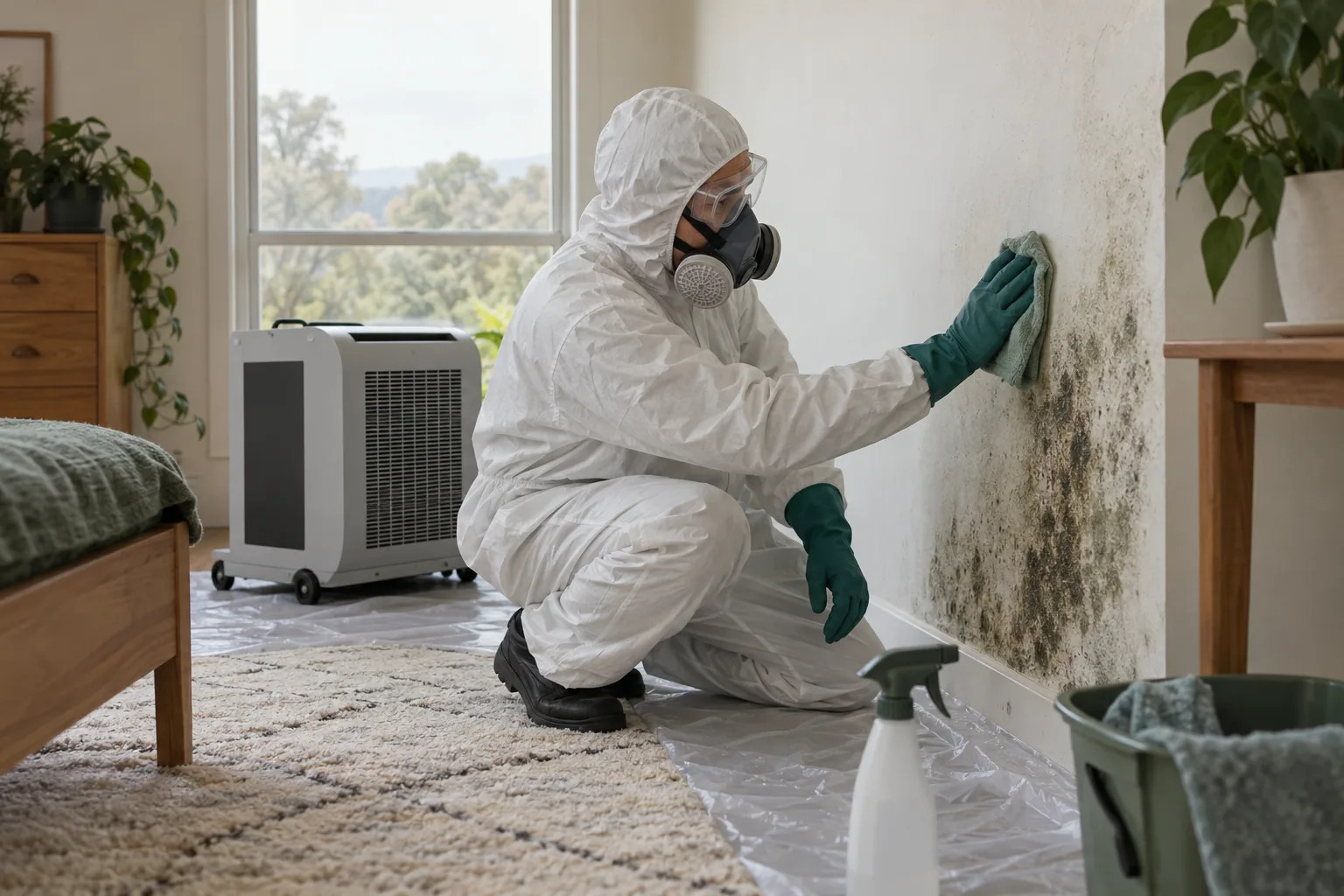
Removing one panel can reveal contamination without exposing the entire assembly. For Tremont, describe the structural surface now visible and who carried out the opening. Agree what can be treated before assuming the rest of the cavity, removed material or reinstatement is included.
ASSESS · FILTER · RESTORE
Actual exposure defined
Remaining layers qualified
Reinstatement kept separate
Explain the opening and what remains hidden
Mention the accessible material, visible growth and any remaining panel edge that restricts reach. Provide the status of further work honestly, without extending a small opening into a claim that the whole concealed space has been inspected. Do not remove more material solely for the enquiry.
The confirmed remediation work concerns visible accessible structural contamination. Destructive access, demolition, disposal and rebuilding are not automatic inclusions. An exposed area needs an explicit suitability and scope discussion; opening it does not guarantee every assembly component is treated.

Keep the repair and moisture account together
Describe known water entry, repair history and any dampness observed after opening. Exposure can reveal more information without establishing the source or proving that it is corrected. Plumbing and building defects require separate appropriate repair advice.
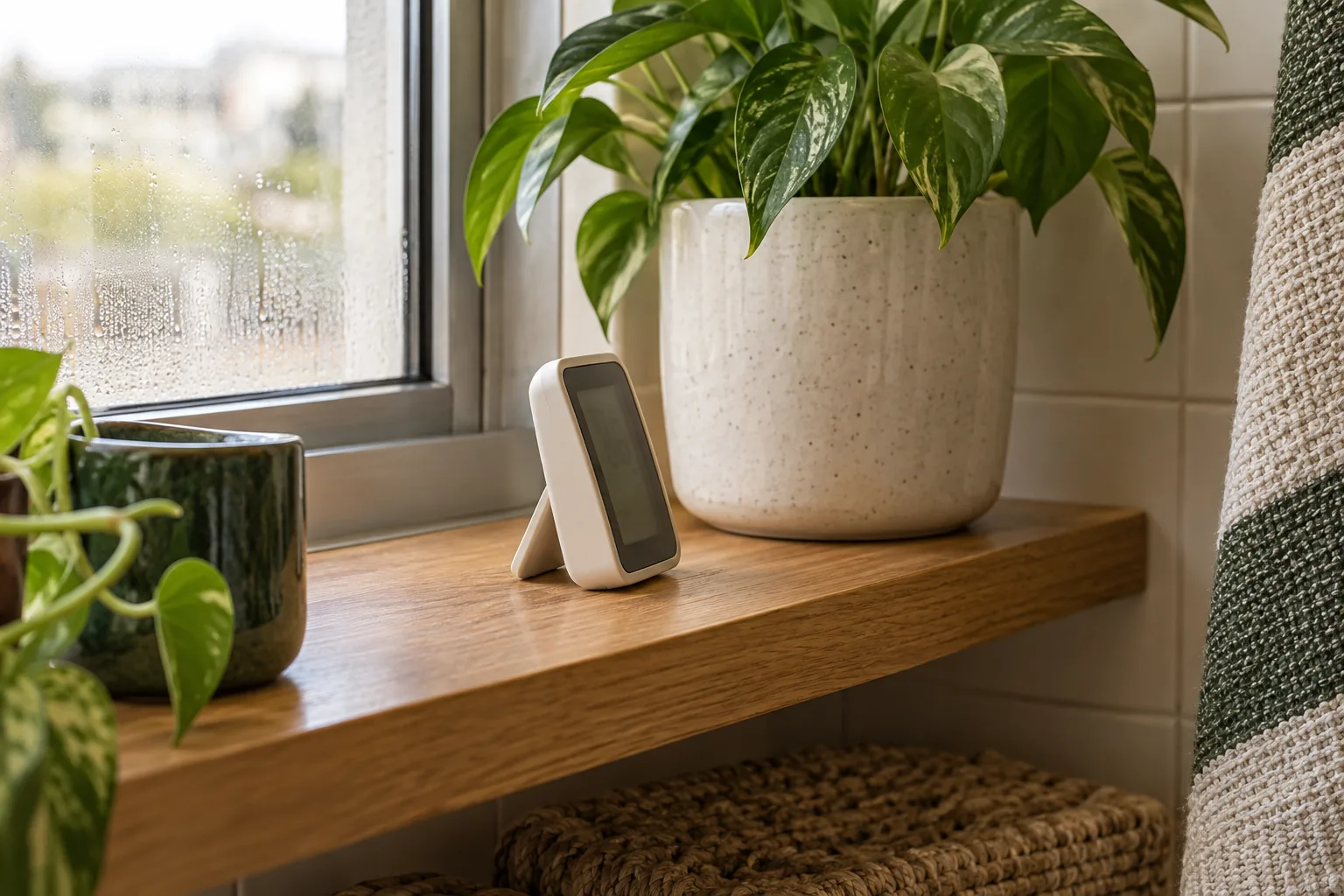
The professional hygrometer checks room-air relative humidity, not moisture inside the opened construction. If questions remain about materials or concealed extent, discuss assessment needs. A particular probe, laboratory test or hidden-area clearance is not confirmed by this treatment service.
PLAN · FILTER · TREAT · REMOVE · CONTINUE
Treatment of an agreed exposed surface
1
Assess material, reach and current growth
Review what is genuinely visible and accessible through the existing exposure. Explain planned further opening so included surfaces are not confused with unavailable layers.
2
Establish air protection before treatment
The confirmed HEPA scrubber is arranged before application. Clear equipment access and a workable route are needed around the unfinished area.

3
Apply suitable treatment
Within the suitable exposed area, the confirmed application uses HOCl and appropriate ULV dry fog, used in most cases. An opening does not promise treatment through every concealed part of the assembly.
4
Physically remove accessible contamination
Professional H-class filtered equipment removes visible growth within agreed scope. Removing additional panels, disposing of materials and reconstruction remain separate tasks.
5
Continue air cleaning afterwards
HEPA operates during and after treatment. Obtain return advice and clarify remaining appearance or moisture questions before another provider closes the area again.
List the structural surfaces actually exposed
Walls
For walls, identify the visible material and the opening’s limit rather than calling the entire cavity included.
Ceilings
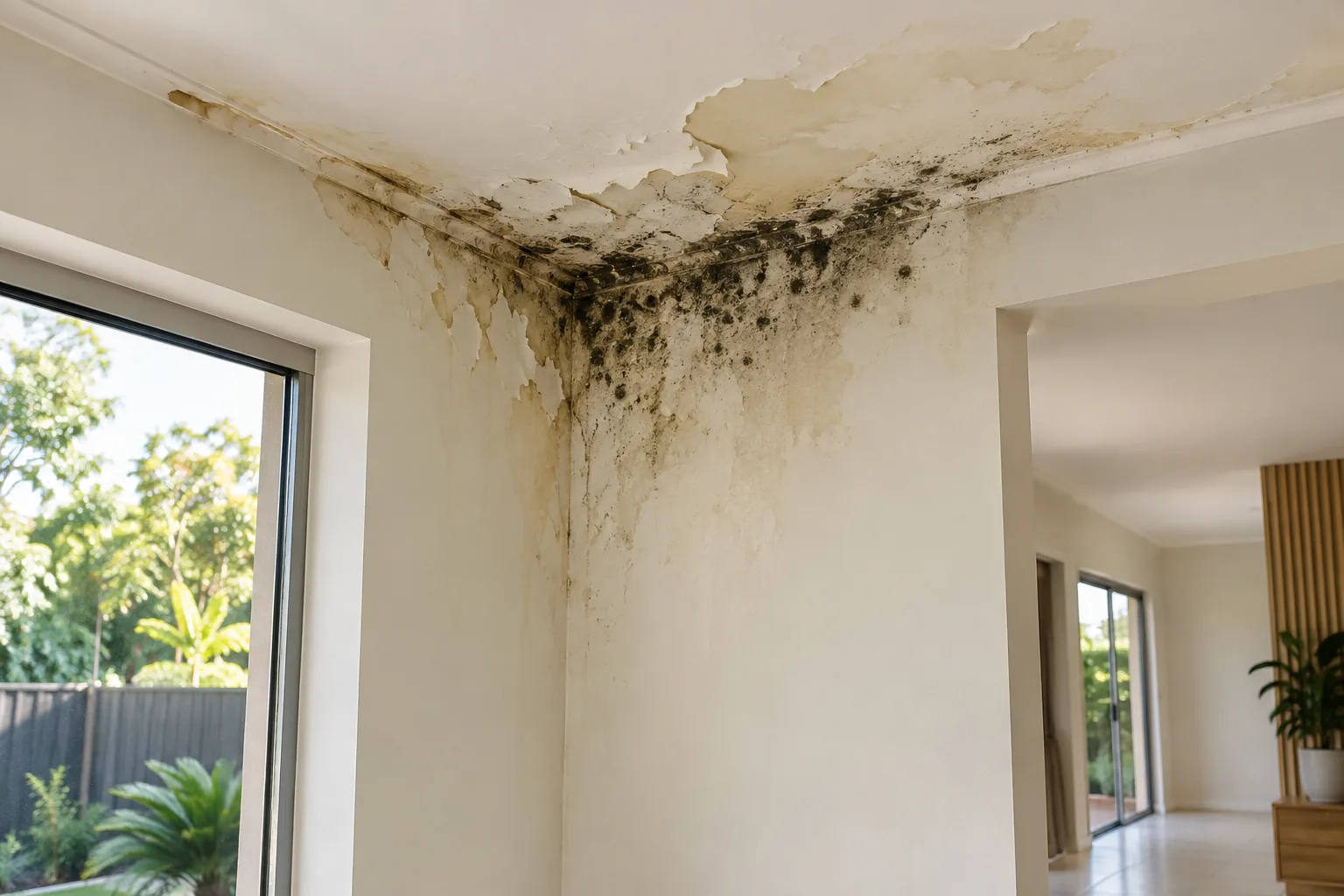
For ceilings, describe separate marks or exposure with access below it; one removed panel does not assess the roof space.
Bathrooms
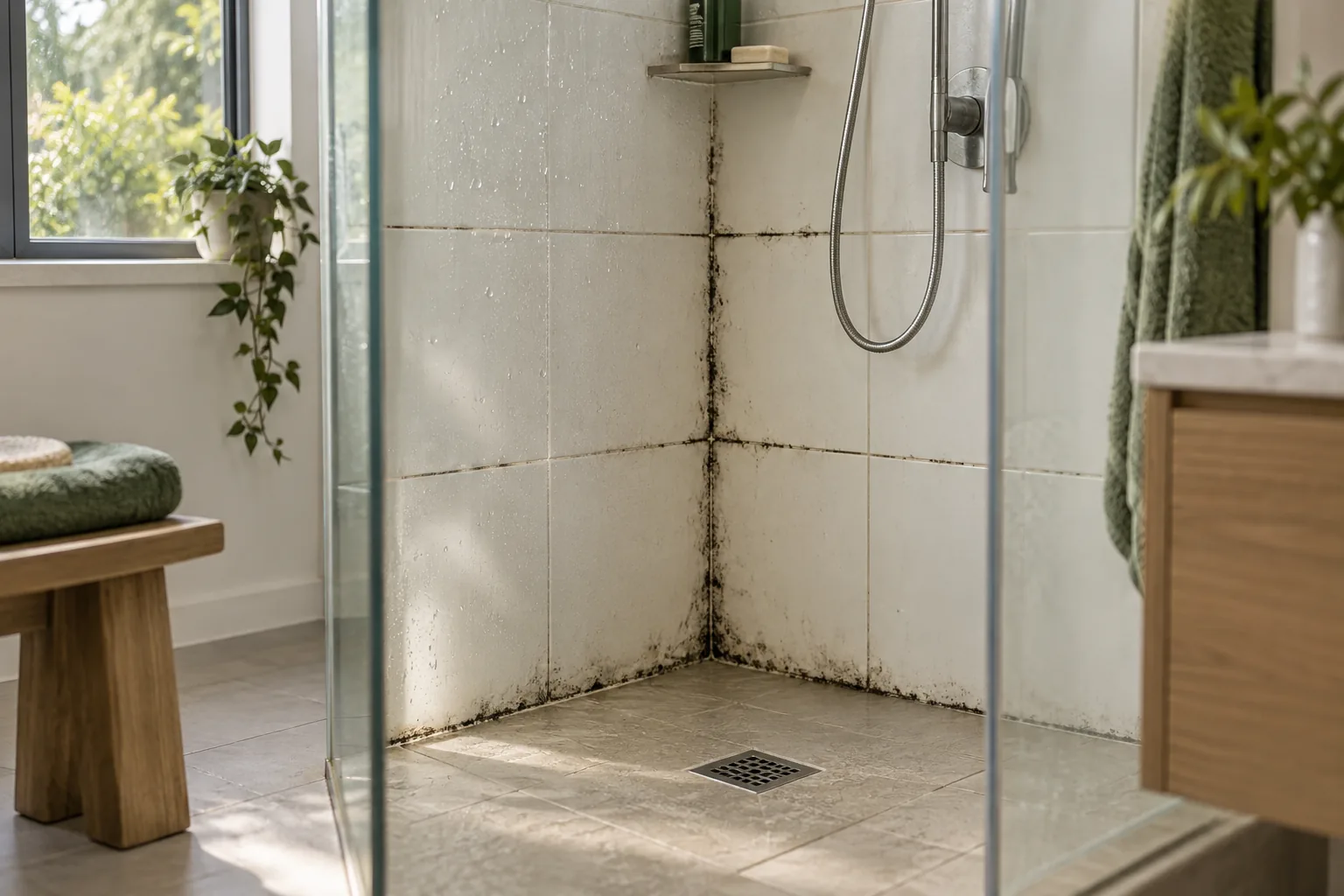
Bathroom structural treatment needs its own scope, with plumbing or waterproofing repairs and textiles kept separate.
Kitchens
Kitchen wall or floor growth should be distinguished from cabinetry removal, appliance work and plumbing tasks.
Accessible affected surfaces
An exposed structural floor may be discussed, while carpet, rugs and unavailable underlying layers remain outside an assumed inclusion.
WHAT TO EXPECT
Coordinate preparation and closing-up work
Discuss access, fragile edges and the responsible repair contact before attendance. The repair programme must allow occupants and pets to be away during treatment; obtain departure and return advice for this appointment. Average guidance is around three hours per room, varying with size, extent and accessibility rather than a guaranteed timetable for panel removal and reinstatement.
Residual stains may remain and decorating is separately scoped. Standard treatment does not certify the concealed remainder dry or prevent recurrence under continuing dampness. Ask what was included so the repairer’s next step is based on an honest account rather than assuming the entire assembly has been cleared.
FOLLOW THE MOISTURE
Keep the outstanding layers and repairs clear
Follow-up should distinguish treated exposure from areas that remained unavailable.
Record newly revealed growth before assuming an earlier quote includes it.
Identify who will address continuing water entry and unfinished construction before the existing opening is closed.
Maintain ventilation and discuss unresolved moisture before covering the included area.
Quote treatment separately from opening and rebuilding
Use the pricing information with exposed materials, extent and access. The Mould Removal examples do not establish a separate open-panel remediation-and-repair package. Confirm applicability without assuming demolition, disposal, concealed treatment or reinstatement is priced in.
TREMONT · EXACT ADDRESS & ACCESS
Other Tremont-area enquiries
A nearby property needs its own opening status, approving contact and exposed surface description. Similar repair work does not establish identical material condition or appointment availability; scope must be agreed for each address.
Questions about remediation
Does an existing opening include the whole cavity?
No. Define the visible reachable surfaces and keep unavailable layers explicit; an opening does not establish concealed coverage.
Should I remove another panel to enlarge the scope?
Do not remove material merely for the enquiry. Explain the present exposure and discuss any suitable separate access work.
Is the removed material cleaned or disposed of?
No automatic material-care or disposal service is confirmed. Arrange those tasks separately from the accessible structural treatment.
Can fog prove the assembly is clear?
No concealed clearance follows from application. Suitable ULV use remains within the agreed scope and does not provide a laboratory result.
When can the repairer close the opening?
No universal closing-up interval is established. Discuss moisture questions and the separate repair programme before reinstatement.
What if another provider exposes a new layer later?
Treat it as newly available information and request a scope decision. Do not retrospectively call it included in earlier limited exposure.
Define what is exposed before closing it again
Call 03 8652 1296 with the visible material and repair programme. Agree suitable treatment and separate access or reinstatement tasks.