
VISIBLE SURFACES · THOUGHTFUL RESTORATION
Mould Remediation Tynong
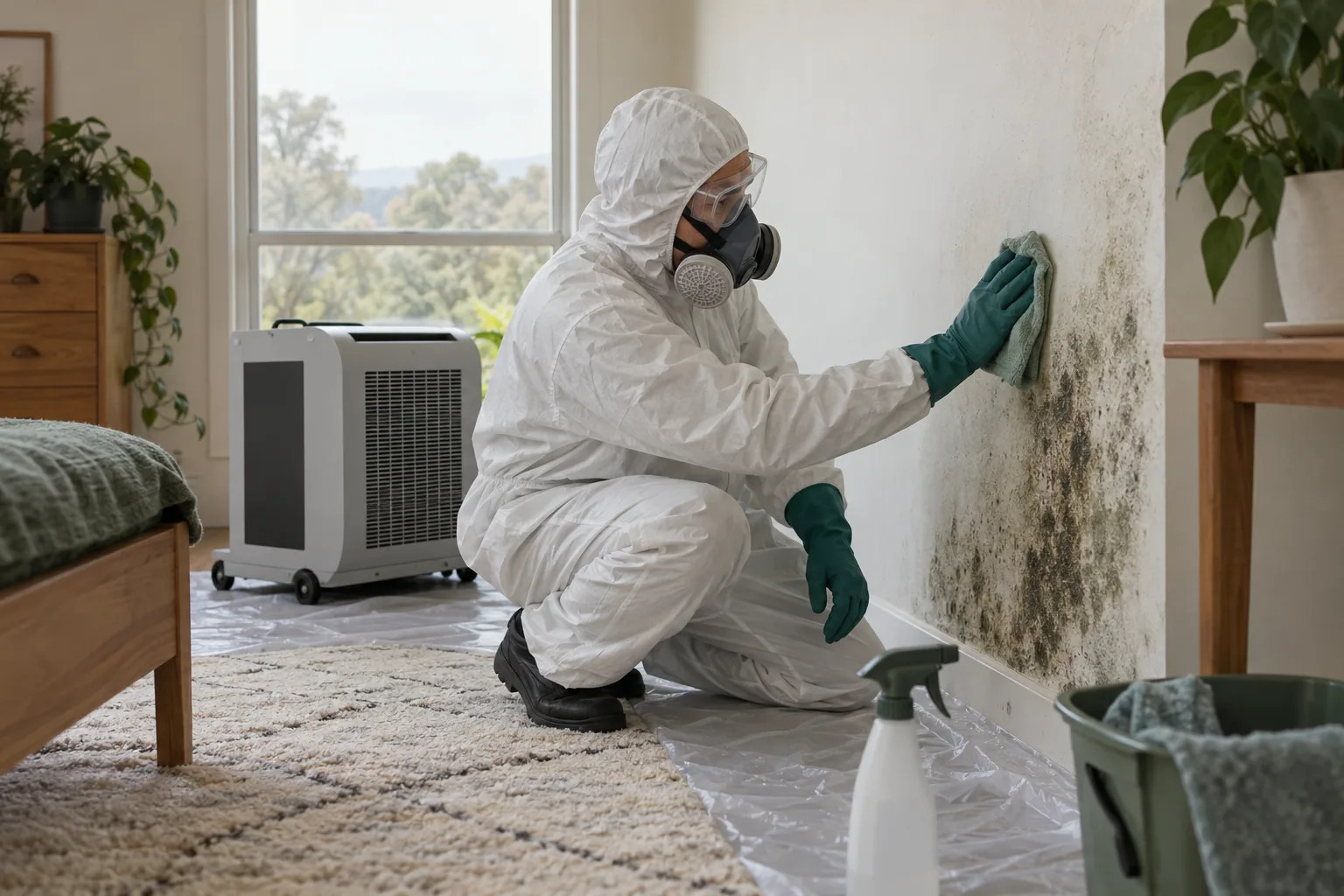
A roof-repair appointment is different from a confirmed correction of water entry. For a Tynong enquiry, describe the visible ceiling or wall growth and the repair’s actual status before arranging remediation. Treatment addresses agreed accessible contamination; it does not complete roofing work, certify the cavity above or guarantee that an unresolved source cannot support another occurrence.
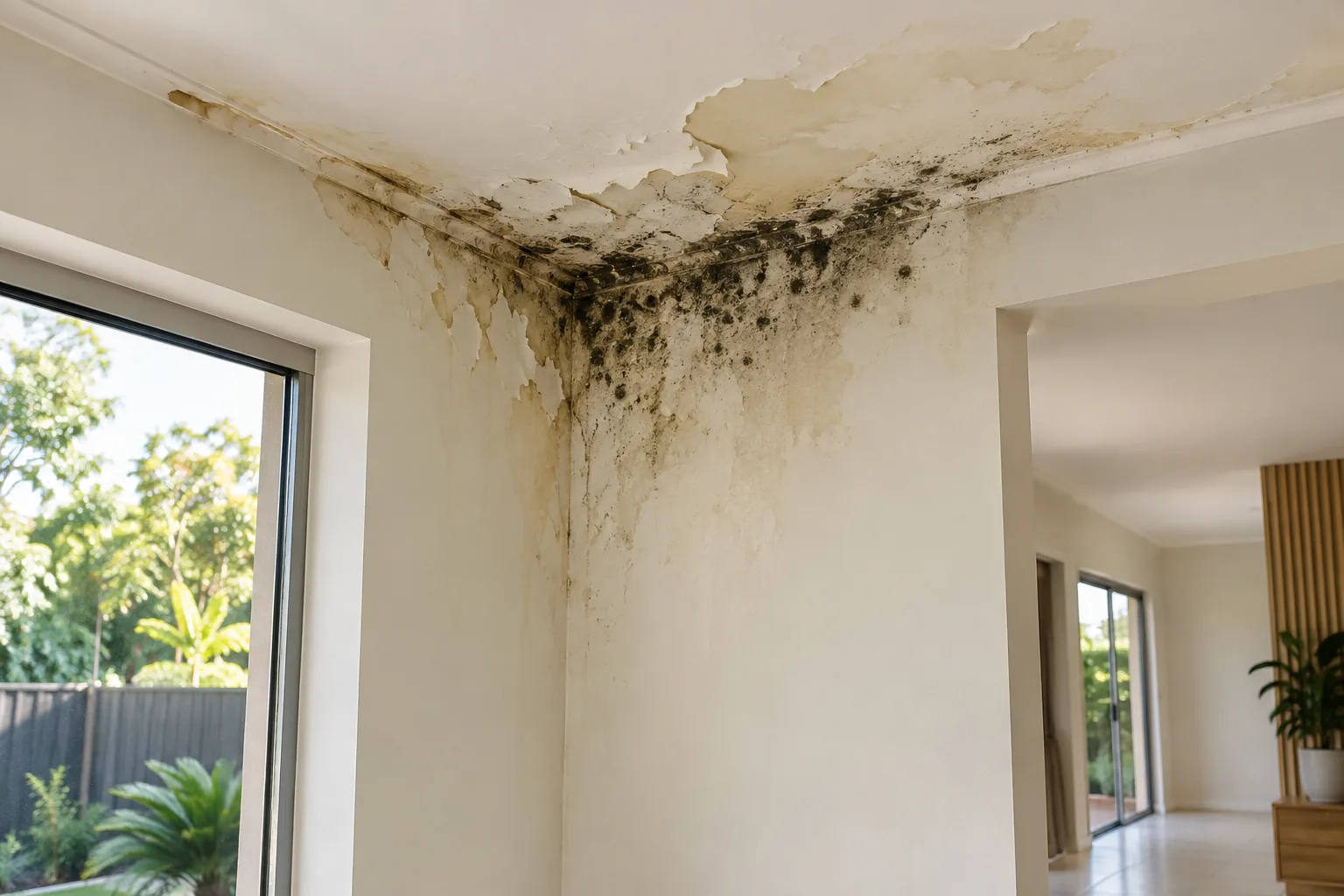
ASSESS · FILTER · RESTORE
Repair status is described accurately.
Visible treatment remains separately scoped.
Continuing water concerns are kept explicit.
Identify the present surface before relying on a repair date
Locate the marked finish safely and explain material damage, reach and any known earlier applications. Say whether the roof task is booked, provisional or completed without turning a plan into a finding. A visible ceiling request should not include insulation, hidden lining or structural repair through an assumption that another provider will address them.
The remediation service combines assessment, filtration, suitable application and physical removal on visible accessible structural surfaces. Furniture and textiles remain excluded. Roofing, demolition, concealed investigation and decorating require separate arrangements; the current contamination scope is not a complete roof-restoration package.

Current wetting still matters while repairs are pending
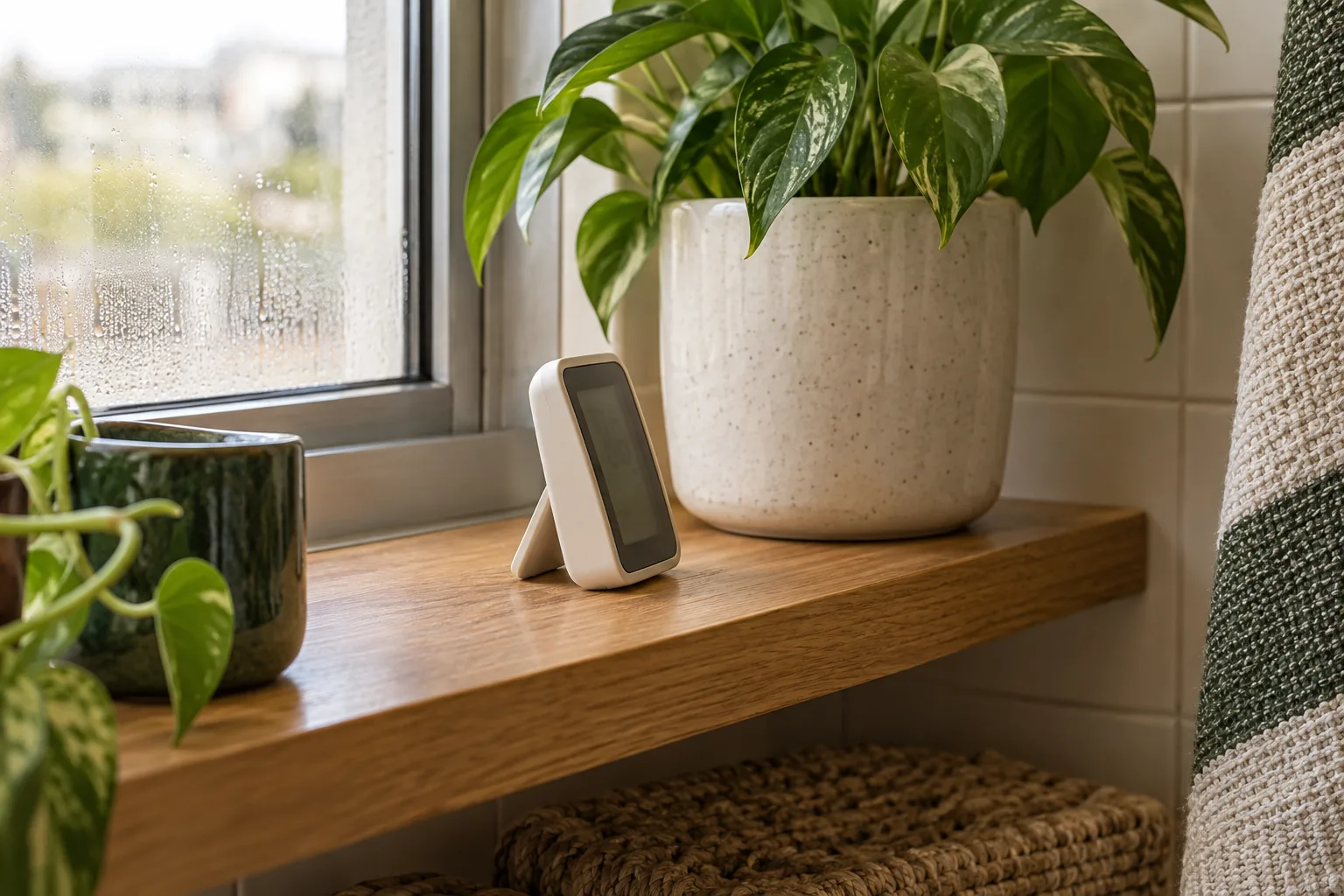
Give genuine dates and locations of water or condensation and confirmed repair information. The professional hygrometer provides relative humidity in room air, not moisture inside ceiling lining or proof that an uncompleted roof task has stopped entry. Surface appearance and a planned repair date cannot certify concealed dryness.
An accessible-condition enquiry may clarify visible uncertainty before treatment is accepted. Discuss continuing water and appropriate sequencing directly with the relevant providers rather than assume a universal repair-first or treatment-first rule. Persistent dampness may permit recurrence, so reliable source follow-through remains important after existing growth is addressed.
PLAN · FILTER · TREAT · REMOVE · CONTINUE
Follow confirmed methods within current suitability
1
Assess growth and actual material condition
Identify accessible contamination, damage and working reach, with the pending roof task accurately labelled rather than treated as complete source correction.
2
Establish HEPA before surface work
Set up the confirmed HEPA air scrubber before treatment begins, arranging clearance for the agreed interior scope.

3
Apply suitable HOCl treatment
Use HOCl appropriately, including ULV dry fog in most cases where suitable, without promising treatment of insulation or concealed roof-space materials.
4
Physically remove visible mould
Professional H-class filtered equipment supports removal within accepted accessible reach, separate from roof repair or replacement of damaged lining.
5
Continue final HEPA operation
HEPA air cleaning runs during and after treatment; obtain technician return advice and clarify residual marks or remaining source tasks.
Keep exposed finishes separate from the roof assembly
Walls
Identify wall growth genuinely observed beside the ceiling concern, without assigning hidden spread from proximity alone.
Ceilings
Describe overhead growth and deterioration safely, keeping insulation and structural work outside standard treatment assumptions.
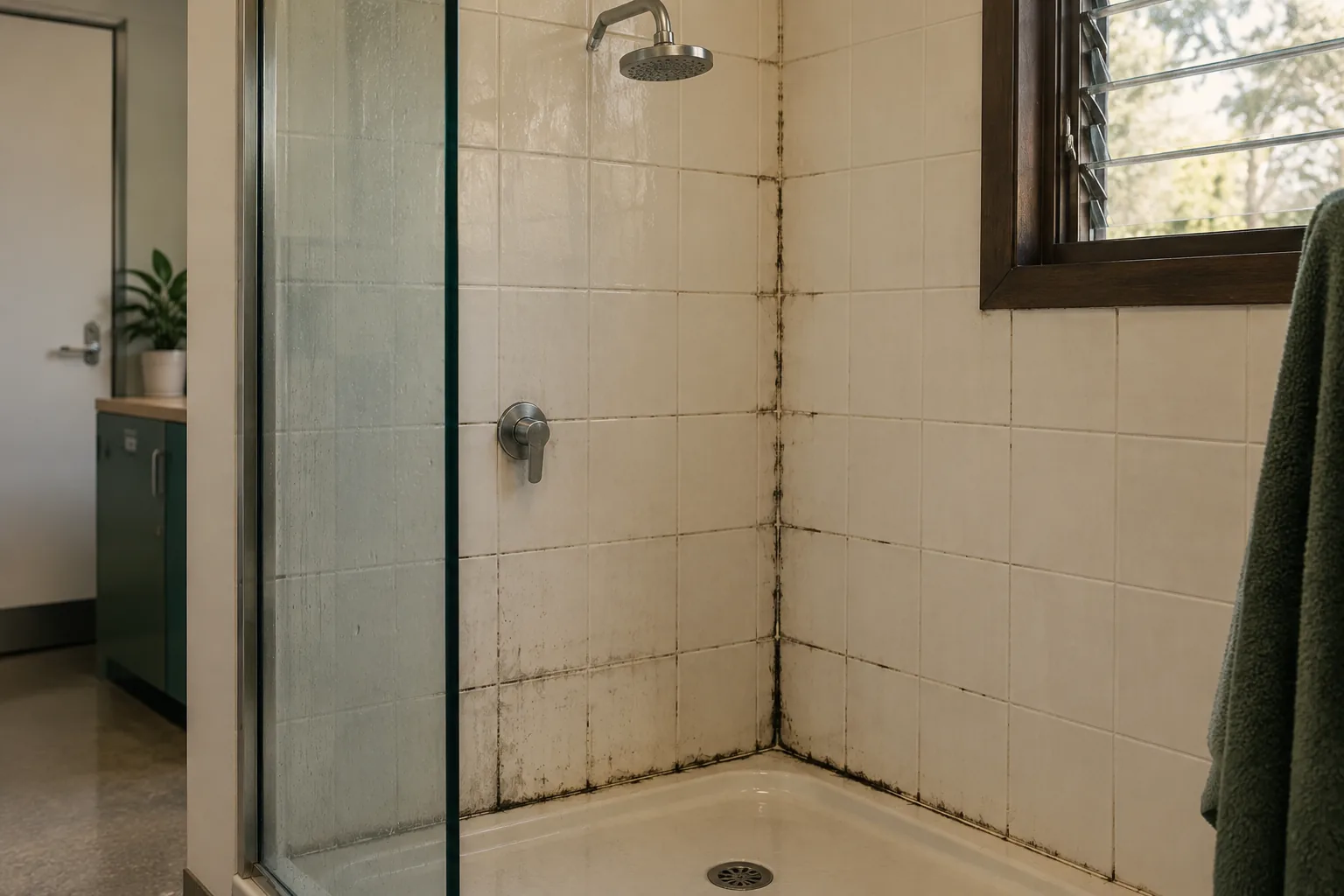
Bathrooms
Locate bathroom paint or joint concerns separately from a roof claim, with textiles and fitting renewal excluded.
Kitchens
Explain reachable kitchen growth and actual water history, distinct from appliances, contents or plumbing repairs.
Accessible affected surfaces
Affected exposed hard floors require suitable scope agreement; carpet and hidden layers are not included because water entered above.
WHAT TO EXPECT
Coordinate the actual appointments and preparation
Tell the technician about continuing wetting and any provisional trade date. Discuss fragile material before clearance and do not create destructive access as preparation. People and pets leave the property during treatment and follow specific return instructions. Average guidance is approximately three hours per room, varying with size, contamination and accessibility rather than a guaranteed gap before the roofer arrives.
The service is not hourly based. Cosmetic staining or existing damage can remain and decorating is separately quoted. Ask which surfaces were included. No laboratory clearance, signed roof-repair approval or hidden-material dryness certificate is confirmed by standard visible-surface treatment.
FOLLOW THE MOISTURE
Follow the roof task through honestly
A useful maintenance account distinguishes an accepted repair booking from actual completion and later observations.
Record renewed water or growth with surface positions and dates.
Update the contact if planned source work is delayed or changes.
Maintain suitable extraction and arrange confirmed source corrections separately from decorative covering.
Quote contamination without a roofing allowance
Describe exposed extent and repair status using the published examples. Their room table concerns Mould Removal; confirm applicability to the proposed remediation. Roofing, insulation work and ceiling replacement should not be inferred from treatment figures, and no guaranteed repeat visit is established if an unresolved source later causes new growth.
TYNONG · EXACT ADDRESS & ACCESS
Confirm the particular Tynong interior
Give the address and informed contact for the repair history. Nearby links navigate separate enquiries without confirming attendance or the status of this roof work.
Garfield · Nar Nar Goon · Maryknoll · Iona
Questions about remediation
Does a booked roof repair mean the source is already corrected?
No. Describe the actual status and current wetting rather than treat a booking as completed work.
Must remediation always follow roof repair in one fixed order?
No universal sequence is established. Explain current conditions and discuss suitable arrangements with the relevant providers.
Will ceiling treatment certify the insulation above is clear?
No concealed-insulation finding is promised. Standard scope concerns agreed visible accessible structural contamination.
Can a dry-looking ceiling validate the roofer’s work?
No repair certification follows from appearance. Share actual new water and confirmed findings while keeping the repair provider’s task separate.
Should a delayed roof appointment be reported?
Yes. Explain the revised status and current observations so the treatment discussion does not rely on obsolete assumptions.
Is another remediation visit guaranteed if water enters again?
No free-repeat or permanent-prevention term is confirmed. Report the current concern and pursue the continuing source response separately.
Discuss Tynong surfaces and the actual repair status
Call 03 8652 1296 with visible growth, access and reliable roof-work information. Agree treatment and clear source responsibilities.