
VISIBLE SURFACES · THOUGHTFUL RESTORATION
Mould Remediation Iona
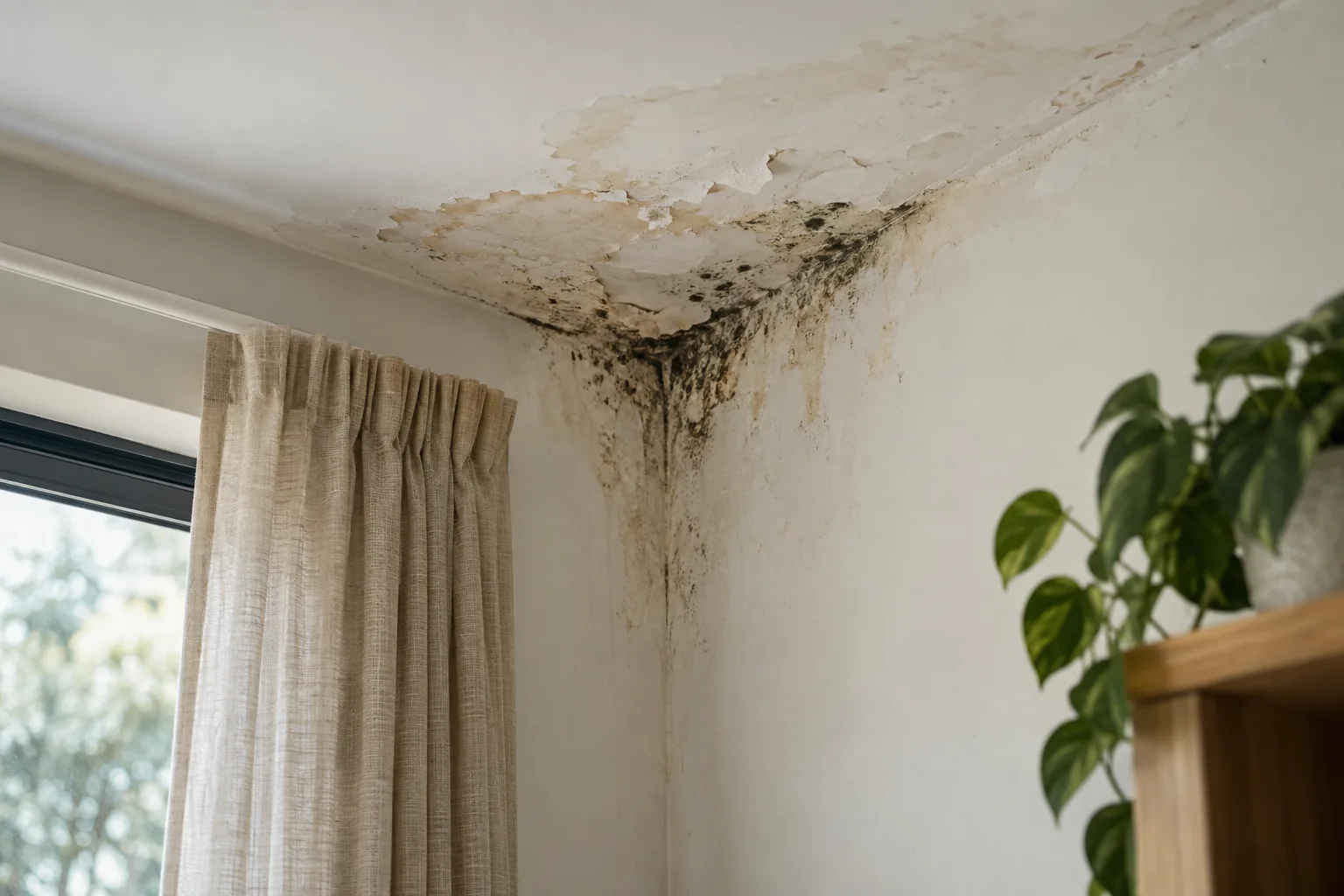
A peeling finish can reveal a layer whose material or condition is uncertain. For an Iona enquiry, describe what is actually exposed without pulling more away merely to define a larger request. Visible mould treatment, material repair and investigation behind the finish are different decisions. Agree suitability from the current accessible condition rather than assume every revealed layer is automatically included.
ASSESS · FILTER · RESTORE
Exposed material is described honestly.
Fragile preparation is discussed first.
Repair and treatment scopes remain distinct.
Unknown layers should stay qualified
Locate the visible mark and damaged finish, noting genuine coating information if available. Say whether the backing is known or uncertain without identifying it from a photograph alone. Peeling can change reach and cosmetic expectations, but it does not establish the structural state of the whole wall or make stripping a confirmed remediation inclusion.
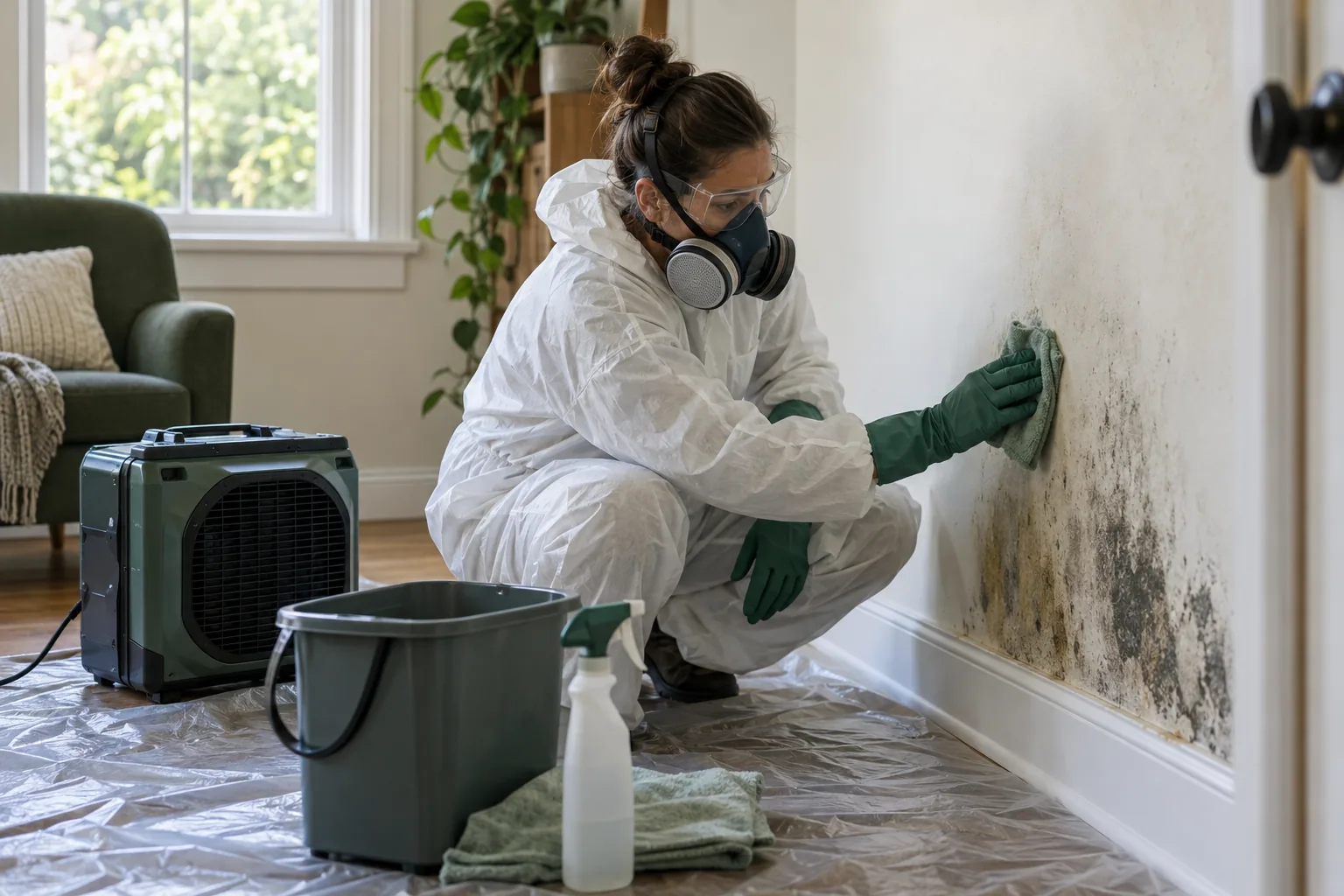
The remediation service outline describes assessment, filtration, suitable application and physical removal of accessible visible structural contamination. Furniture and textiles remain excluded. Coating removal, rebuilding, concealed investigation and decorating need separate scope; a deteriorated finish is not automatically restored to its original appearance through treatment.

Finish damage is not a complete moisture finding
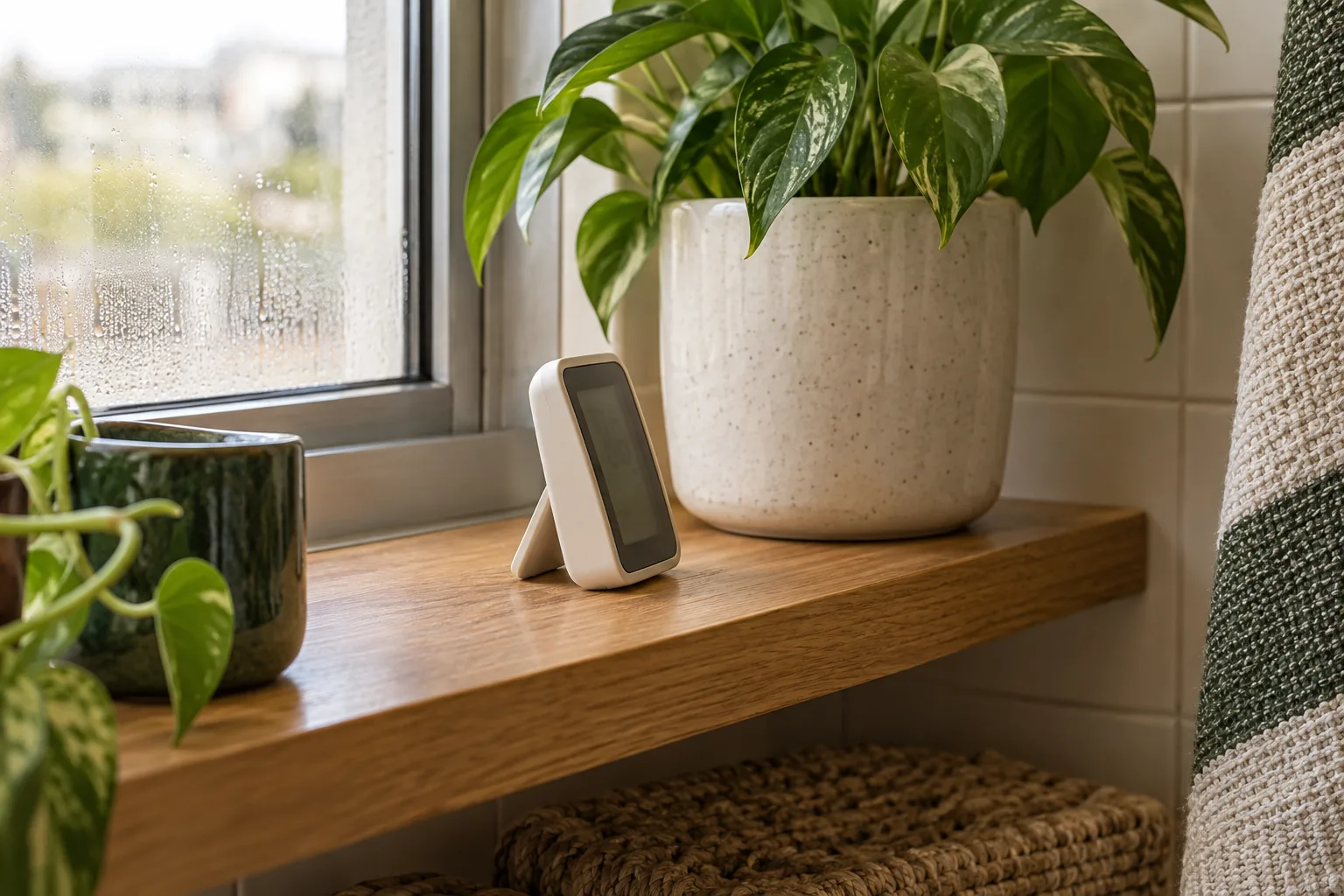
Give actual water or condensation observations and confirmed repair dates. Do not assign every lifted edge to one unverified source. The professional hygrometer supplies room-air relative humidity, not moisture in the substrate or proof that layers beneath the coating are dry. A current surface view cannot certify concealed construction.
An accessible-condition discussion may clarify visible uncertainty before suitable treatment is agreed. Arrange known leak and ventilation faults separately. Continuing dampness can support recurrence, so practical source follow-through remains important without expecting a new coat or removed flake to guarantee lasting prevention.
PLAN · FILTER · TREAT · REMOVE · CONTINUE
Use confirmed methods within material suitability
1
Assess current visible material
Identify contamination, fragility and working reach, keeping unknown substrate and further access needs outside the accepted exposed-face assumptions.
2
Establish HEPA air protection
Set up the confirmed HEPA scrubber before treatment begins, with room clearance agreed around the actual damaged finish.

3
Apply appropriate HOCl treatment
Use HOCl as assessed, including ULV dry fog in most cases where suitable, without promising preservation of every weakened coating.
4
Physically remove included mould
Professional H-class filtered equipment supports removal of accessible contamination, separate from stripping, replastering or decorative reconstruction.
5
Continue final HEPA operation
HEPA air cleaning runs during and after treatment; obtain technician return advice and clarify residual appearance or material tasks still separate.
Describe finishes by current condition
Walls
Identify visible wall growth and peeling coating, leaving unknown material beneath unopened sections accurately qualified.
Ceilings
Describe overhead deterioration safely and actual wetting, with lining replacement or source work above separately considered.
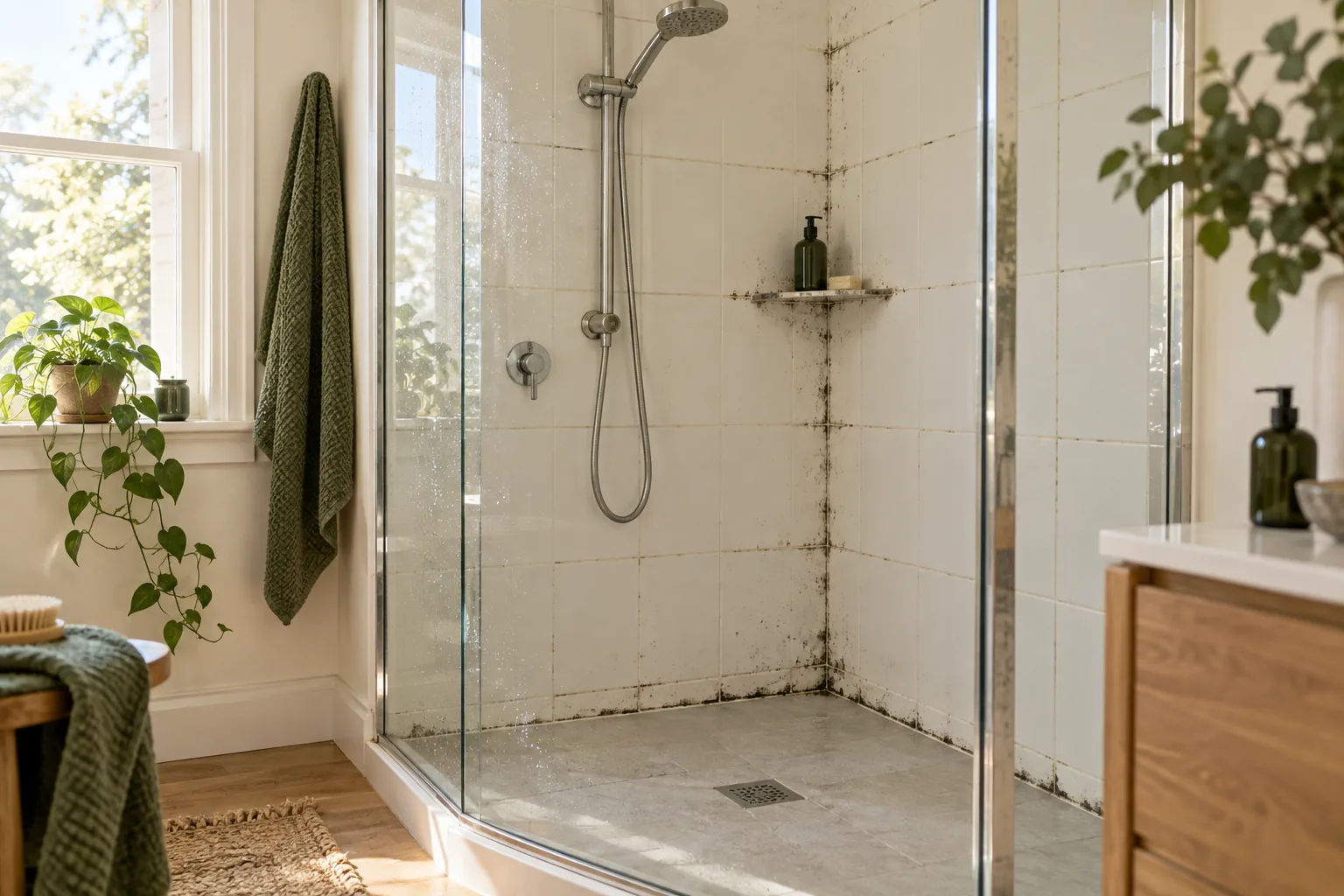
Bathrooms
Name bathroom paint or joints and known previous applications, retaining separate scope for renewal or fabric items.
Kitchens
Explain reachable kitchen growth and finish condition independently of contents, appliance work and plumbing repairs.
Accessible affected surfaces
Affected exposed hard floors need suitable agreement; carpet and concealed construction layers are not included by a peeling-finish concern.
WHAT TO EXPECT
Prepare without stripping material on assumption
Explain fragility and repair proposals before clearing belongings. Do not scrape the finish merely to improve the enquiry or assume removal must precede treatment. People and pets leave the property during work and receive the technician’s specific return instructions. Average guidance is approximately three hours per room, affected by size, contamination and accessibility rather than a fixed paint-preparation interval.
The service is not hourly based. Cosmetic stains and existing damage may remain, with decorating separately quoted. Ask which finishes were treated. No laboratory identification, written clearance or certificate that damaged substrate is ready for every new coating is confirmed by the standard process.
FOLLOW THE MOISTURE
Keep new observations distinct from existing deterioration
A useful account identifies fresh water or growth while following known source repairs through separately.
Record the location and date of genuinely new surface changes.
Maintain suitable extraction and arrange correction of confirmed leaks.
Describe layers revealed by later repair as newly available information, not presumed earlier treatment.
Quote contamination work without a finish-replacement allowance
Describe visible extent and material uncertainty using pricing applicability. The affected-room examples concern Mould Removal; confirm figures for the accepted remediation. Stripping, substrate repair and recoating should not be inferred from treatment amounts, and no universal fragile-finish tariff or restoration guarantee is established here.
IONA · EXACT ADDRESS & ACCESS
Confirm the Iona premises and current finish
Provide the full address and informed access contact. Nearby pages navigate separate enquiries rather than certify this material’s suitability or confirm regional attendance.
Questions about remediation
Should more coating be pulled away before the enquiry?
Do not disturb it merely as preparation. Describe the current exposed condition and discuss any necessary separate access or repair first.
Does a revealed layer automatically join the treatment scope?
No. Identify its actual material, condition and reach and request a suitability decision rather than assume inclusion.
Will remediation restore the peeled finish?
No complete finish restoration is promised. Keep repair and decorating tasks separate from visible contamination removal.
Can a photograph identify the uncertain substrate definitively?
Do not rely on appearance for definitive material identification. Supply genuine information and acknowledge what remains unknown.
Does a dry-looking flake certify the wall beneath is dry?
No. Surface appearance and room-air humidity are not concealed-material moisture findings.
What if later repair reveals another marked section?
Describe the newly available surface with its current condition and extent. Do not extend the earlier accessible result into layers that were unavailable.
Discuss Iona fragility before changing the finish
Call 03 8652 1296 with exposed growth, material uncertainty and repair proposals. Agree suitable treatment and separate finish responsibilities.