
THE JOURNAL · KITCHEN MOISTURE
How to Check Kitchen Moisture and Mould Around Cabinets
Kitchen moisture can be easy to overlook because cooking, washing dishes and wiping benches are everyday activities. A damp cabinet base or a patch beside a window may be noticed only when the cupboard is emptied. The useful first step is to identify the affected material and observe when water appears. This guide covers safe checks of accessible surfaces and the information to collect before arranging repair or mould work.
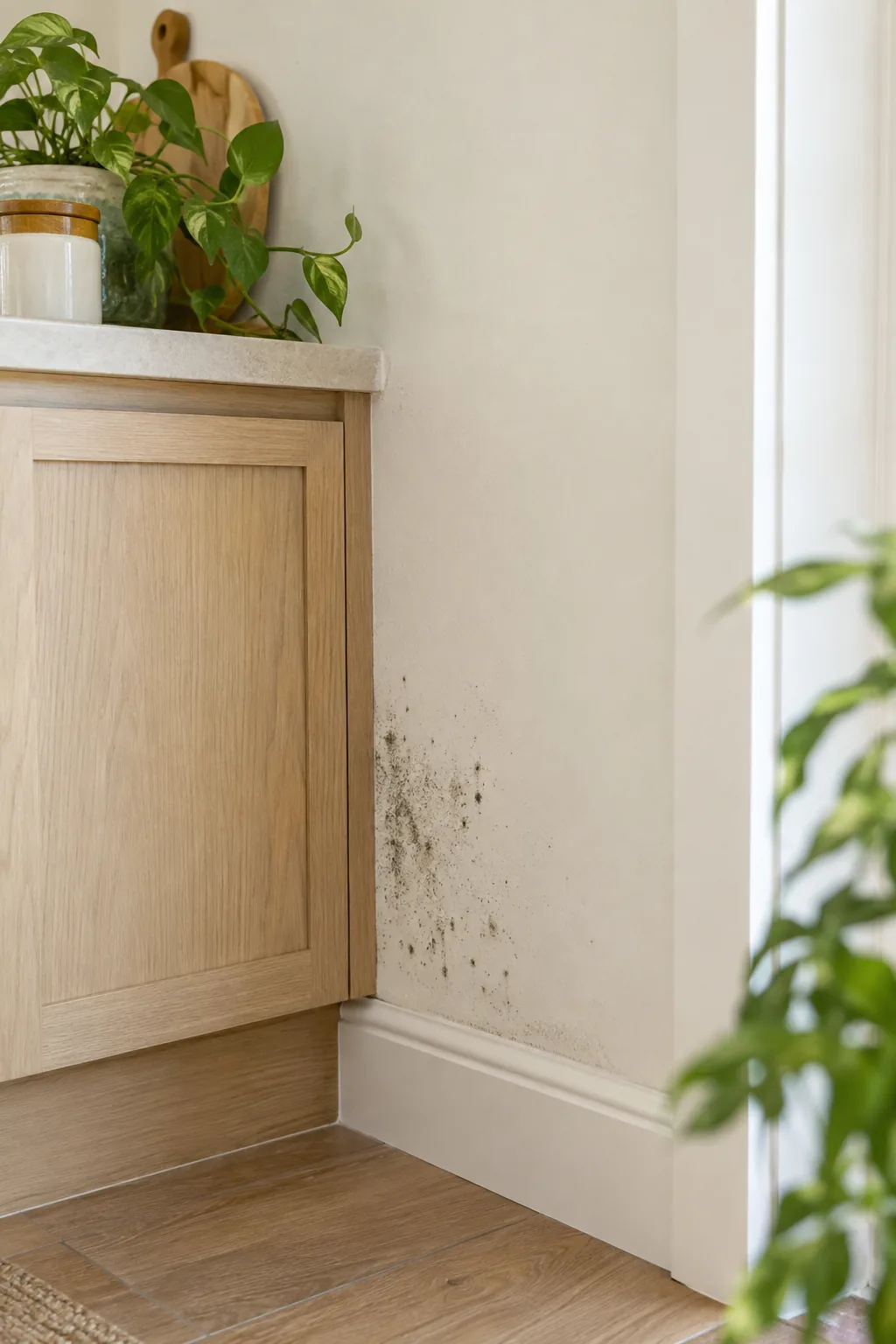
Do not move built-in appliances, disconnect hoses or dismantle cabinetry to investigate. Water around electrical fittings or appliances requires appropriate professional advice. Extensive growth, swollen materials or a suspected concealed leak should be assessed before cleaning. Keep food and utensils away from affected surfaces, and avoid spraying products indiscriminately inside storage areas. Kitchen checks should preserve safety and evidence while clarifying the next task.
Inspect the accessible storage areas first
Open the affected cupboard and look at the visible base, side panels, shelf edges and back without touching growth. Note whether the material is coated board, timber, masonry or another finish. A sound washable surface is different from a swollen board with a lifting coating. Photograph the entire cupboard opening, then a closer view. Include the position of visible pipes or fittings without trying to remove or adjust them.
If clean items can be moved safely without contacting affected material, place them in a separate clean location. Do not drag stored bags across growth or carry visibly contaminated material through the home unnecessarily. Record any belongings that need separate cleaning or disposal advice. Avoid treating food packaging, utensils and cabinet panels with the same product just because they were stored together. Each has different handling and care requirements.
Look for where water collects. A damp lower corner beneath the sink, a mark behind the dishwasher and condensation on a nearby window represent different observations. Keep the descriptions separate. Do not label all of them as a plumbing leak without confirmation. A clear list lets a plumber, appliance technician or mould assessor understand which accessible place needs attention and what remains concealed.
Observe ordinary sink and appliance use
From a safe, dry position, note whether moisture becomes visible after normal sink use or an appliance cycle. Do not deliberately run equipment that is leaking or electrically unsafe to create a test. If you see an active leak, stop using the affected fixture where appropriate and contact the relevant professional. Record the timing and visible location without reaching into a wet space to find the exact connection.
Check whether water is coming from above the bench, around a splashback joint or from visible plumbing below. A wet cabinet base can have more than one possible route. Tell the plumber what happened and provide photographs. Avoid tightening unfamiliar fittings or applying sealant over a joint as a temporary experiment. An improvised change can conceal the original condition or cause damage without addressing the fault.
For built-in appliances, follow the manufacturer’s instructions and arrange service when necessary. Do not pull a dishwasher forward to inspect a hose if you do not have the skills and safe access to do so. The floor, water supply, electrical connection and cabinetry can all be involved. A mould removal contractor should not be expected to diagnose or repair an appliance as part of a visible-surface cleaning appointment.
Check how cooking moisture leaves the room
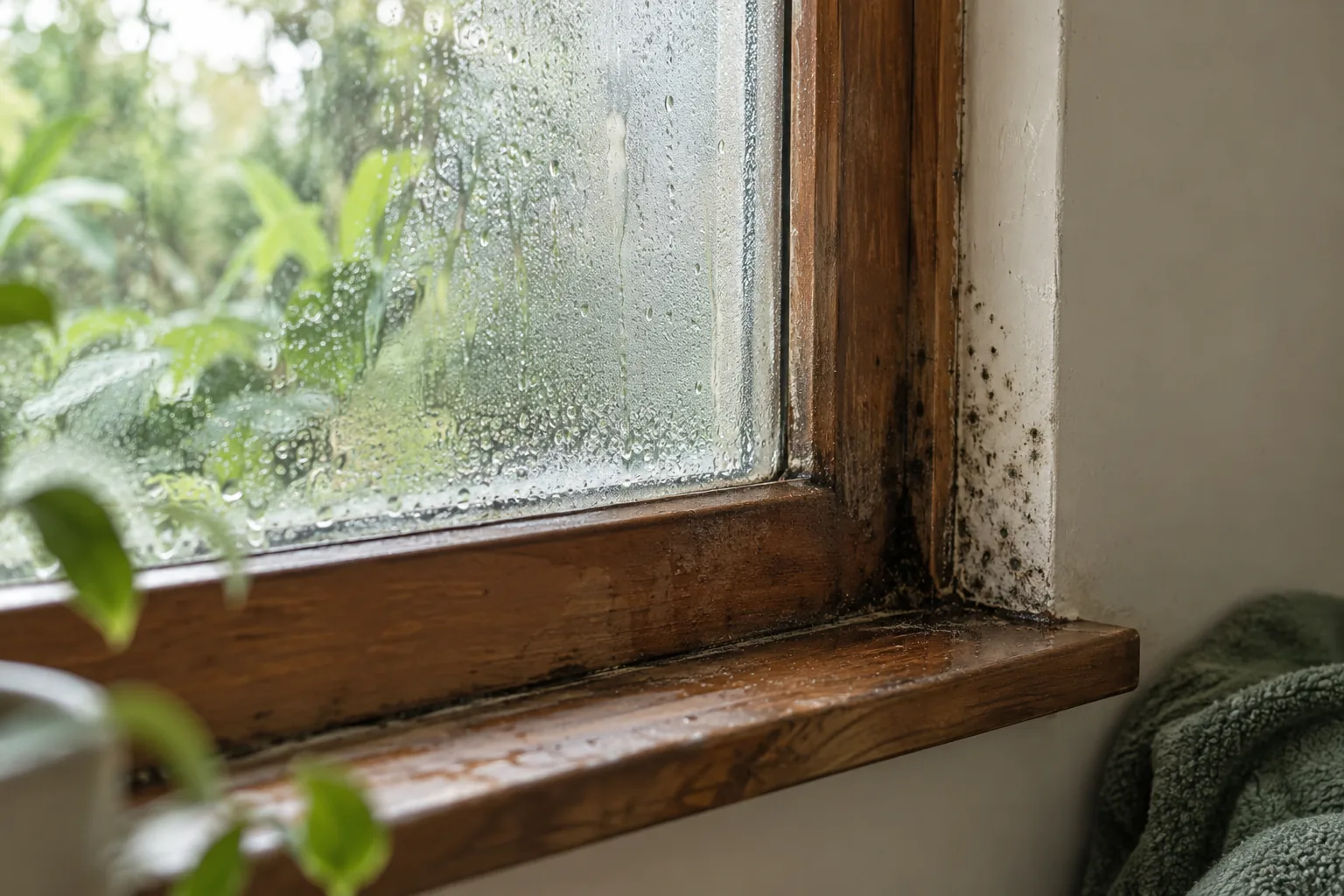
Notice steam during ordinary cooking. Is the rangehood used, and does the room clear afterwards? Is there visible condensation on a window or a cool wall? Note the rangehood type if you know it, but do not assume every hood exhausts air outdoors. A recirculating unit and an externally ducted system have different arrangements. A suitable professional can assess what is installed and how it is operating.
Maintain accessible filters according to the manufacturer’s instructions, with equipment isolated as directed. Do not reach into ducts, modify wiring or block openings. If extraction seems ineffective, ask about airflow and installation rather than judging it by noise alone. Record whether the problem occurs during one activity or throughout the day. This helps separate a cooking-related moisture pattern from a cabinet that remains damp even when the kitchen has not been used.
The YourHome ventilation and airtightness guidance explains ventilation as part of the building’s overall operation. In your kitchen, the practical task is to use appropriate extraction and investigate remaining moisture. Opening a window may be useful when conditions allow, but it does not repair a pipe, failed joint or appliance fault. Keep those tasks distinct when asking for advice.
Assess the cabinet material before cleaning
Many cabinet components have a thin finished surface over an absorbent core. If edges swell, coatings separate or the board softens, vigorous cleaning can make deterioration worse. Do not soak the panel in an attempt to reach hidden growth. Ask a cabinetmaker or appropriate building professional whether the material is serviceable, and obtain a defined mould scope for accessible surfaces that can be retained.
For a limited patch on a sound suitable hard finish, follow the surface care instructions and cleaner label, with appropriate precautions. Keep products away from food and utensils and prevent residues from spreading to preparation surfaces. Never mix cleaners. Use a controlled method rather than dry brushing. Stop if the finish deteriorates or the affected area extends into inaccessible spaces. An apparently simple cupboard clean should not become an unplanned removal of cabinetry.
Our mould treatment page explains why the method must suit the material. If the concern is around an accessible wall or floor beside a cabinet, describe that surface separately from the cabinet itself. Do not assume a service for walls, ceilings and floors automatically covers joinery, food storage, upholstered seating or other belongings. Confirm inclusions so the proposed work matches the actual concern.
Preserve a clear record of repairs and drying
Once the water source is addressed, record who carried out the repair and what was repaired. Ask about the condition of adjacent materials and any drying needed before ordinary use. A repaired pipe does not itself confirm that an absorbent cabinet base is dry or sound. Keep the repair invoice with photographs so a later assessor can connect the visible condition with the water history.
Avoid covering a damaged base with a liner immediately. A liner may make storage look tidy while hiding recurring moisture. Keep the area accessible until the repair and material condition have been assessed appropriately. Follow any instructions for replacement panels, sealants or finishes, including curing time. If you need to use the kitchen while work continues, agree a safe arrangement with the people responsible rather than improvising around wet equipment.
Read how to respond to a water leak if the issue involved substantial water entry. A kitchen leak may require coordination between plumbing, appliance service, cabinetry repair and mould removal. Write down the remaining tasks and the responsible contact. This prevents visible cleaning from being mistaken for completion of the whole restoration job when wet or damaged material still needs attention.
Improve routine visibility and drying
Keep the affected storage area organised so a small new leak can be noticed promptly. Avoid packing objects tightly against visible plumbing or blocking access required for maintenance. Use containers that can be moved easily, while respecting the care instructions for stored items. Do not install a makeshift drip tray as a permanent substitute for repairing an active fault. A container can catch water while the cabinet around it continues to deteriorate.
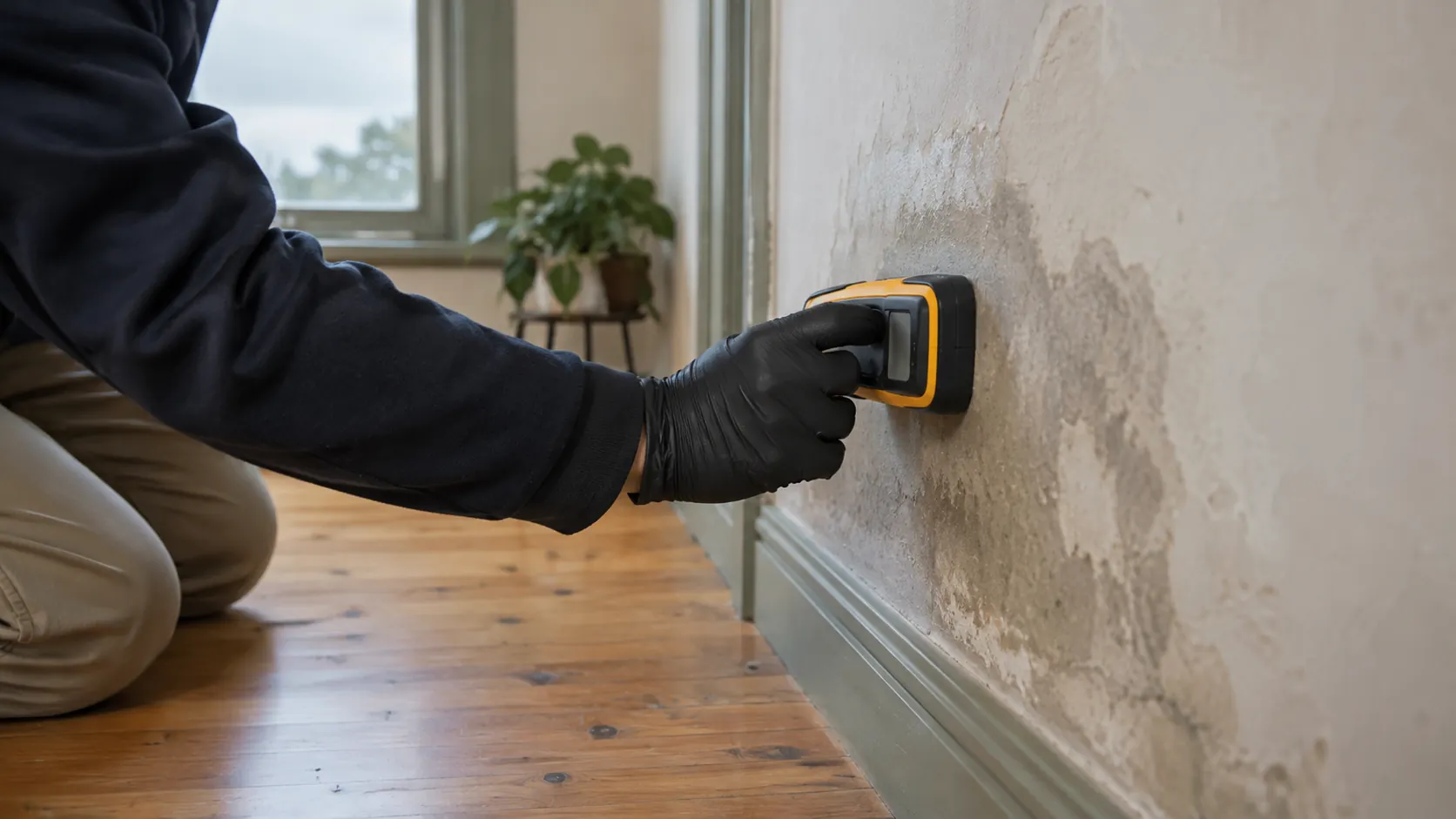
After ordinary wet tasks, wipe accessible pooled water and allow suitable surfaces to dry. Notice persistent dampness around bench joints and the lower edges of splashbacks. Check the window and sill if cooking creates condensation. Small habits are useful when they match the actual location, but they do not establish responsibility for a building defect. If moisture continues despite a workable routine, return to the assessment rather than increasing the amount of cleaner.
Arrange the right enquiry
Provide the room, precise location, material, approximate affected area and the timing of moisture. Mention confirmed repairs, appliance issues and any parts that cannot be reached. Ask which visible surfaces can be assessed and what needs another trade. The mould inspection page can help frame that conversation. A clear scope is especially valuable in kitchens, where several materials and services meet in a small space.
Call 03 8652 1296 for an inspection or visible-surface mould enquiry. Share photographs of the accessible wall, ceiling or floor and explain the kitchen water history. If the affected item is cabinetry or an appliance, make that clear before booking. The goal is to repair the moisture problem and deal appropriately with affected materials, while avoiding a cosmetic clean that leaves the source or damaged joinery unresolved.