
THE JOURNAL · WATER DAMAGE
How to Respond to a Water Leak Before Mould Becomes a Bigger Job
A leak creates several jobs at once: stopping the water, protecting people, recording damage and finding out what needs to dry or be replaced. It is easy to focus on the visible puddle and miss the wet material beside it. A clear sequence helps, especially when different trades or a property manager are involved. This guide covers safe first observations and planning after a household leak, rather than instructions for opening walls or repairing plumbing yourself.
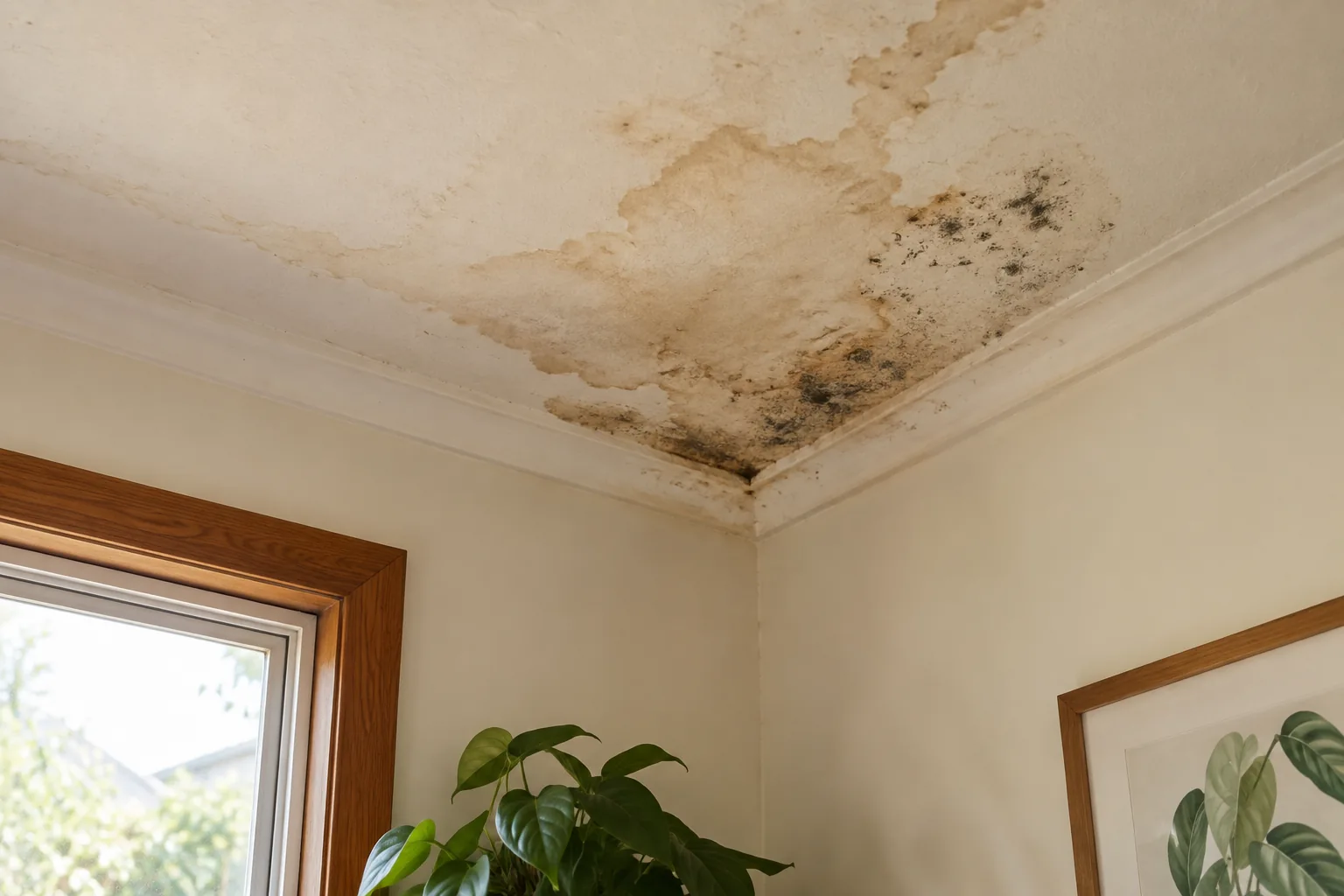
Treat electrical hazards, an unstable ceiling, contaminated water and structural damage as priorities. Do not enter a flooded area to retrieve belongings or operate equipment. Do not assume water is clean because it looks clear. If there is immediate danger, contact the appropriate emergency service or qualified trade. The mould work comes after the urgent hazards have been addressed and access is safe.
Establish a safe boundary around the problem
Keep people and pets away from the wet area until the hazards are understood. Look from a safe position for water near power points, appliances, lights and switchboards. A ceiling can hold water and fail unexpectedly. Do not stand under a bulge or puncture it to release water. Describe the condition to a qualified professional and follow their directions about access. A bucket is useful only where placing it does not expose someone to danger.
If you can safely identify and operate the relevant water isolation valve, do so, or ask the appropriate trade for help. Do not force unfamiliar valves or touch wet electrical switches. In an apartment, water may originate elsewhere and building management may need to arrange access. Record whom you contacted and when. That simple log helps separate the immediate response from the later restoration work and avoids repeated calls without a shared picture of the incident.
Leave wet electrical equipment for an electrician to assess before reuse. A device that turns on is not necessarily safe after water exposure. The same caution applies to extension leads, power boards and drying equipment. Do not improvise a system of cables across a wet floor. Safe drying depends on safe power and suitable equipment, not just finding a fan that happens to be available in the garage.
Record the water event before cosmetic work starts
Take photographs from safe positions, including a wide view of the room and closer views of visible staining, wet finishes and affected belongings. Note the approximate time the water was first seen, whether it was still flowing and what repair or isolation took place. Keep plumber or roofer reports. A later mould assessment benefits from knowing which materials were wet and how the leak was addressed.
Describe the source only as far as it is confirmed. “Water appeared below the upstairs bathroom” is an observation; “the shower waterproofing failed” is a conclusion that may require investigation. Record both observations and professional findings, clearly separated. If you are dealing with insurance or a rental provider, ask what documentation they need before disposing of materials, while ensuring that urgent safety and moisture measures are not delayed for photographs.
Avoid painting over a stain immediately. New paint can make the room look repaired while obscuring whether moisture is continuing. Similarly, moving all belongings back against a wall can make follow-up checks difficult. Preserve access and a record of the affected locations until the responsible person confirms the repair and the drying or restoration plan. Appearance alone is not evidence that concealed materials have dried.
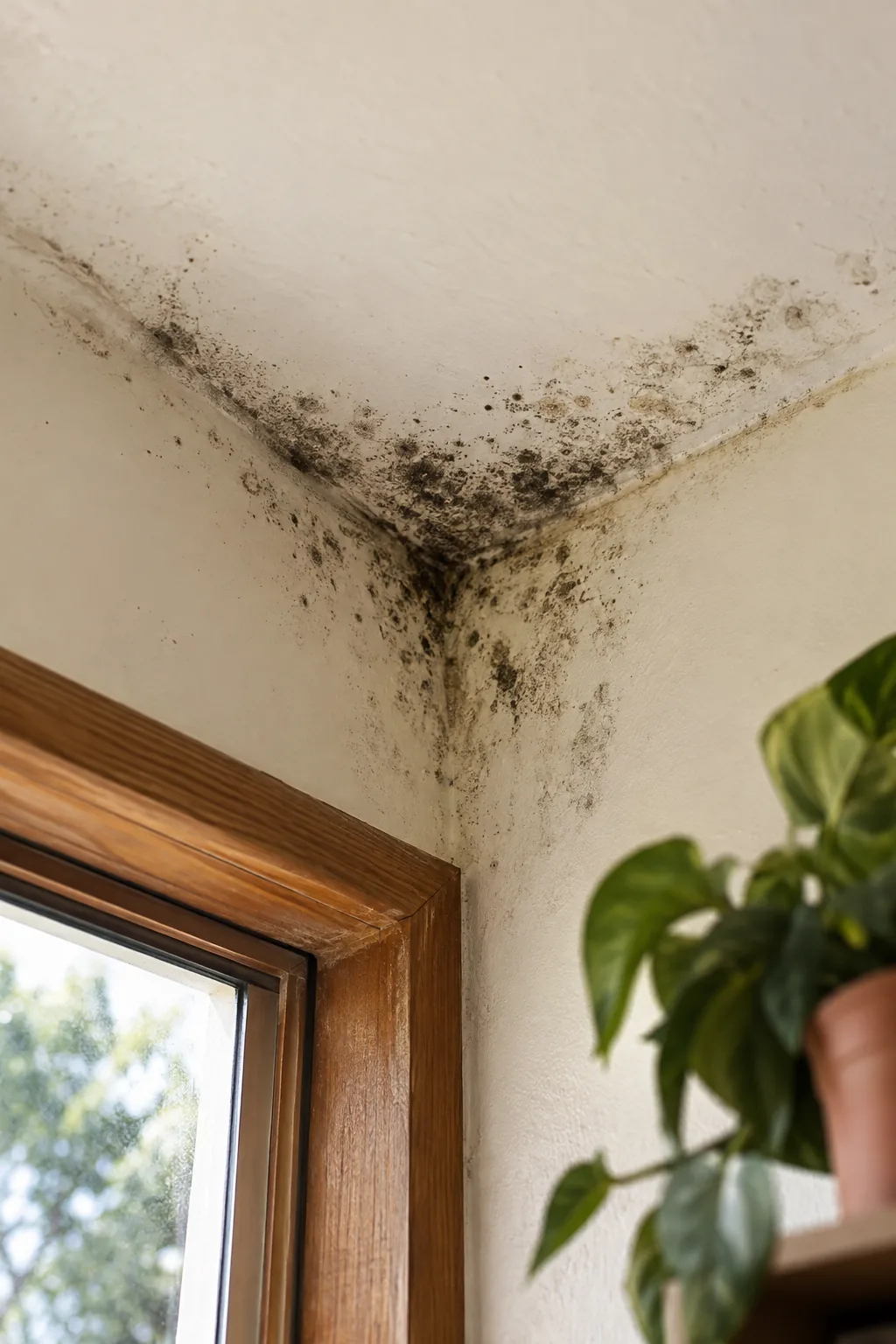
Ask what is wet beyond the visible surface
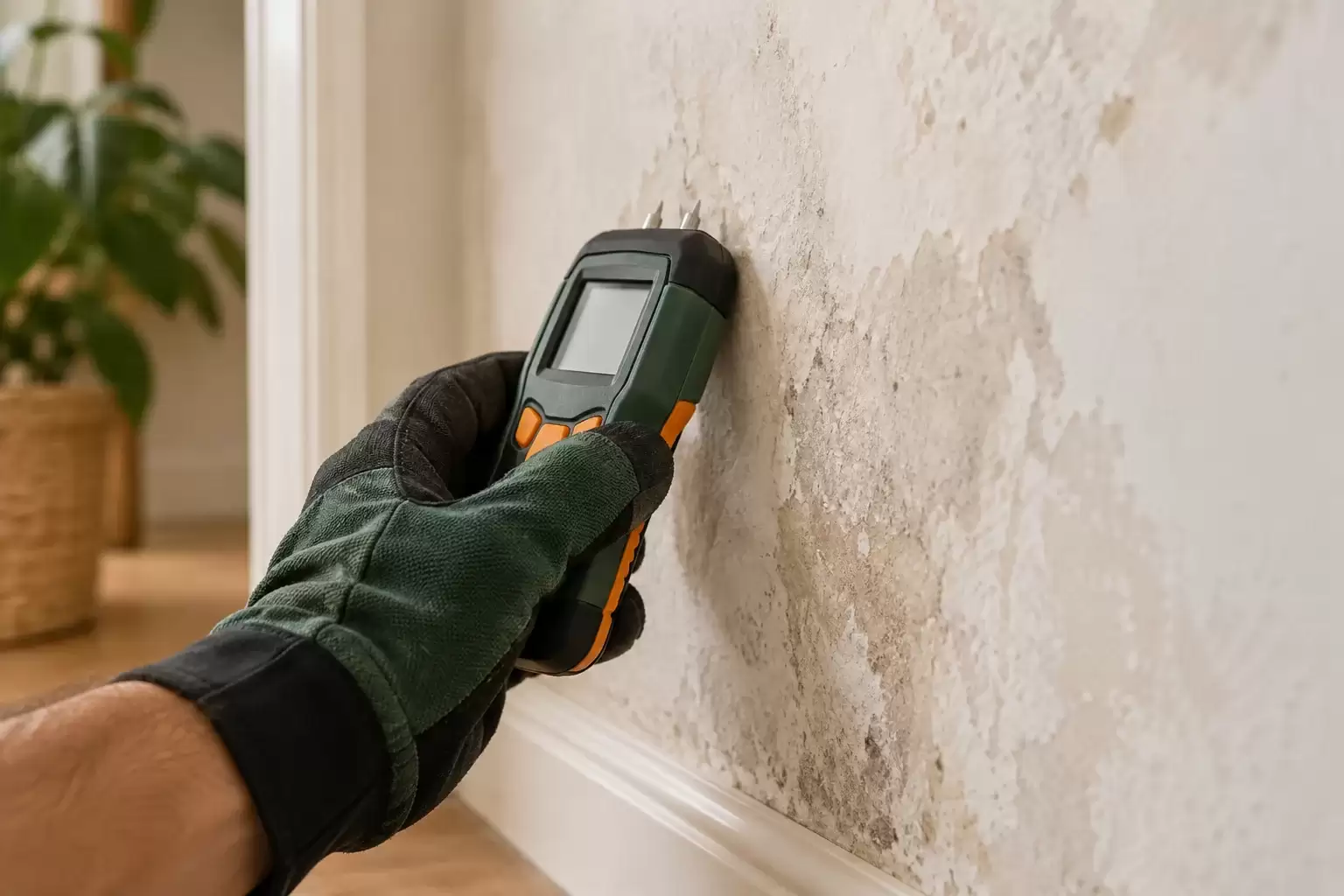
Water can reach joints, flooring edges, insulation and the backs of finishes. You cannot establish the full extent by touching the top surface with your hand. A professional may use suitable moisture assessment alongside the history and material condition. Ask what has been checked, what remains inaccessible and whether further investigation is required. Do not lift carpet or remove wall linings just to see whether they feel damp.
Distinguish water removal from drying. Removing standing water can improve access while leaving absorbent materials wet. Conversely, a dry-looking paint surface may sit over material whose condition is uncertain. Ask the restoration professional to explain the proposed drying approach and how its progress will be assessed. Different materials and water sources may require different decisions; there is no single timetable that certifies every room as ready for normal use.
The NSW Health household clean-up guidance highlights hazards that can accompany storm and flood damage. A household leak can also involve risks outside mould removal. If asbestos-containing materials may be present, do not cut, sand or remove them yourself. Separate electrical, plumbing, building and material hazards from the visible mould enquiry so the appropriate people handle each part.
Arrange drying as a controlled job
Explain the source, approximate duration, affected rooms and materials to the person arranging drying. Ask how equipment will be positioned, whether occupants can remain nearby and who will monitor progress. Equipment should be selected and used appropriately for the situation. Do not point household fans across visible mould, because that can disturb and spread material. Drying is not a reason to blow debris from one room through the rest of the home.
If a dehumidifier is used, follow its instructions for power, clearances, drainage and operation. Check that collected water is handled safely and that hoses cannot leak onto the floor. Keep doors and windows managed according to the drying plan; conflicting instructions from different people can make the process ineffective. Write down the agreed arrangement so occupants do not unknowingly move equipment or change settings because the room feels warm or noisy.
Ask how drying completion will be determined and documented. A fixed number of days is less useful than a clear explanation of the materials and observations involved. Some finishes may be too damaged to retain, and some concealed areas may require separate investigation. Keep those decisions distinct from mould treatment. The mould remediation service describes the role of visible removal and preparation, while leak repairs and building restoration may require other trades.
Watch for mould without disturbing damaged finishes
Note new marks, a persistent musty smell or changes at the margins of the affected area. Do not scrape a patch or pull away skirting to identify growth. Colour and smell do not establish the species or the full extent of contamination. Share the observations with the professional handling the job, along with the water history. A visible mould patch after a leak needs a scope based on material condition and access.
Do not spray every damp surface as a preventive substitute for drying. Cleaning products can be incompatible with finishes, and unnecessary wetting can complicate the problem. Never mix products. If material is soft, delaminating, swollen or otherwise deteriorated, obtain advice before cleaning. A surface may need restoration or removal rather than another application of cleaner. Discuss any affected furniture and textiles separately because they are not automatically included in wall or ceiling removal work.
Our mould inspection page explains the information useful for an appointment. Say that there was a recent water event and provide the date, repair status and drying records. If water is still entering, make that clear before booking. An inspection can help define visible concerns, but it does not itself repair the pipe, roof, waterproofing or drainage feature that allowed the water to reach the room.
Coordinate the different people involved
Keep a short action list: urgent hazard addressed, water source repaired, affected materials assessed, drying arranged, mould scope agreed and finishes restored when appropriate. Assign a contact for each action. In rented premises or apartments, confirm who has authority to approve work and access. A contractor attending to clean visible mould should not be expected to make unapproved decisions about building repairs or dispose of belongings without agreement.
When comparing proposed work, ask for inclusions and exclusions in plain language. Identify whether a quote covers inspection, removal, equipment, material replacement or repainting. Do not compare totals as if the scopes were identical. Keep earlier reports available so a new contractor can see what has already been established. A consistent record reduces the risk of repeating cosmetic work while the leak or drying issue remains unresolved.
Check the room before returning it to ordinary use
Before replacing furniture and decorations, confirm which repairs and drying checks have been completed. Inspect the previously affected areas from accessible positions and keep photographs for comparison. Follow any curing instructions for repaired finishes. Watch those locations during subsequent rain or normal plumbing use, as relevant to the original event. A successful response includes a repair history and a follow-up plan, rather than simply a room that has been repainted.
If mould appears or returns, read how to investigate recurring growth and organise a defined assessment. Call 03 8652 1296 to discuss visible mould on accessible walls, ceilings or floors. Explain the leak and the work already completed. That history helps determine whether removal is appropriate now or whether another repair or safety issue needs attention first.