
MOISTURE & VISIBLE CONDITIONS
Mould Inspection Burwood
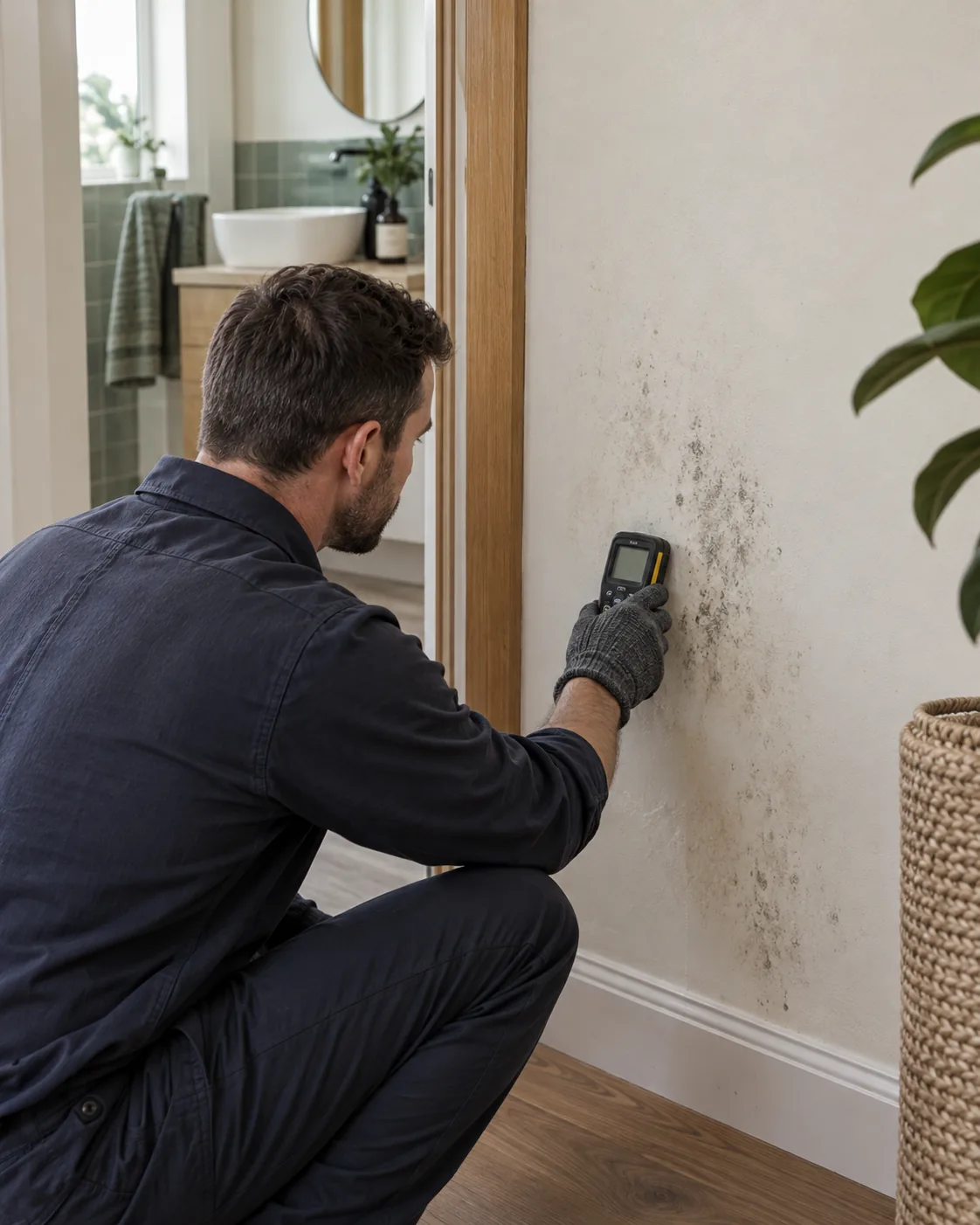
Marks where tiles meet kitchen plaster may involve different finishes. At your Burwood address, photograph both sides of the junction and explain what has changed. An accessible inspection can consider the distribution alongside moisture observations. It should not jump from the appearance of one material to conclusions about concealed backing or the neighbouring finish.
Material junctions considered separately
Professional hygrometer observations
Separate next steps explained
BEFORE THE APPOINTMENT
What to notice around a tile-to-plaster junction
A useful description connects a kitchen splashback with adjacent plaster marks with dates, room use and the surfaces available to view.
The visible boundary
For the tile-to-plaster junction, note the edge of the marks and any separate patches.
An entry-time smell
If the room smells different on entry, record where it is strongest.
Droplets and timing
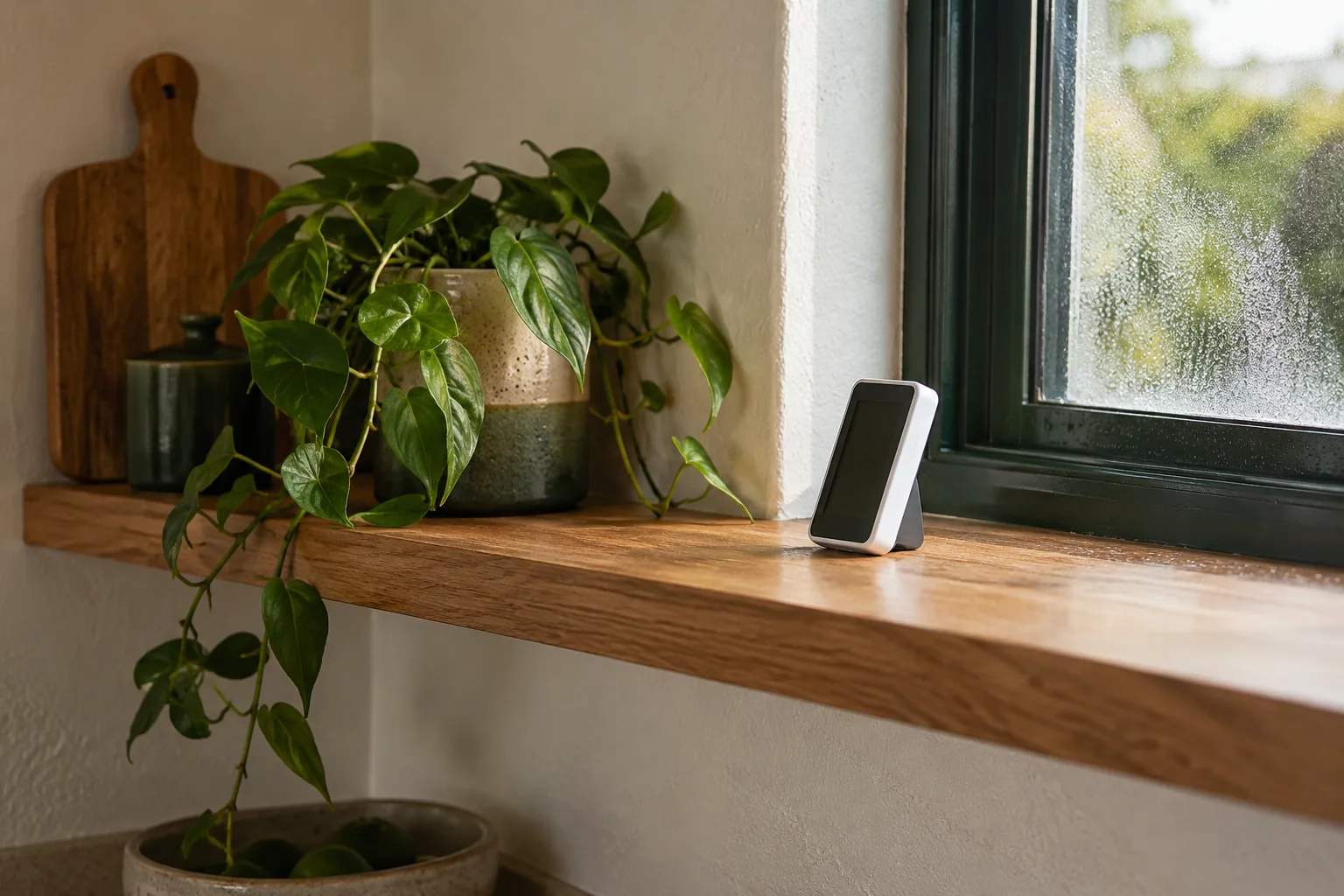
Condensation observations are most helpful when timed.
A changing stain
Compare recent photographs with older ones of a tile-to-plaster junction.
A damp interval
Explain any wet-to-dry changes around a tiled surface meeting a painted wall.
What has been altered
Cleaning, repainting or shifting furnishings can change visible evidence.
READ THE ROOM
Moisture observations need the history of this room
Bring photographs showing both sides of the junction to explain earlier conditions. Humidity information describes the visit; it cannot reconstruct every damp interval.
For a tile-to-plaster junction, distinguish a visible mark, an observed wet event and an instrument reading. None alone establishes every concealed material’s condition.
OBSERVE · MEASURE · DISCUSS
From a tile-to-plaster junction to a practical decision
A defined inspection, with clear limits
Our inspection service considers a tile-to-plaster junction within an agreed, accessible scope.
Look at accessible finishes
A tile-to-plaster junction can be viewed alongside nearby exposed finishes. The appointment must acknowledge any restriction involving a tiled surface meeting a painted wall.
Read the room conditions
Professional hygrometer information is interpreted with your account of photographs showing both sides of the junction. The reading describes visit conditions, not every concealed material.
Discuss the open questions
Discuss whether visible growth crosses the material junction. If access or a suspected water source remains unresolved, further investigation may be separate from this appointment.
01
Explain the concern
Explain the discovery of a tile-to-plaster junction. Bring photographs showing both sides of the junction and agree entry arrangements.
02
View the available surfaces
Consider a tile-to-plaster junction without forcing access behind fixed fittings.
03
Add moisture context
Consider humidity observations alongside photographs showing both sides of the junction, keeping current readings distinct from earlier events.
04
Separate the next work
For the tile-to-plaster junction, distinguish inspection findings from any proposed surface work or repair.
Compare the accessible rooms
Bathroom
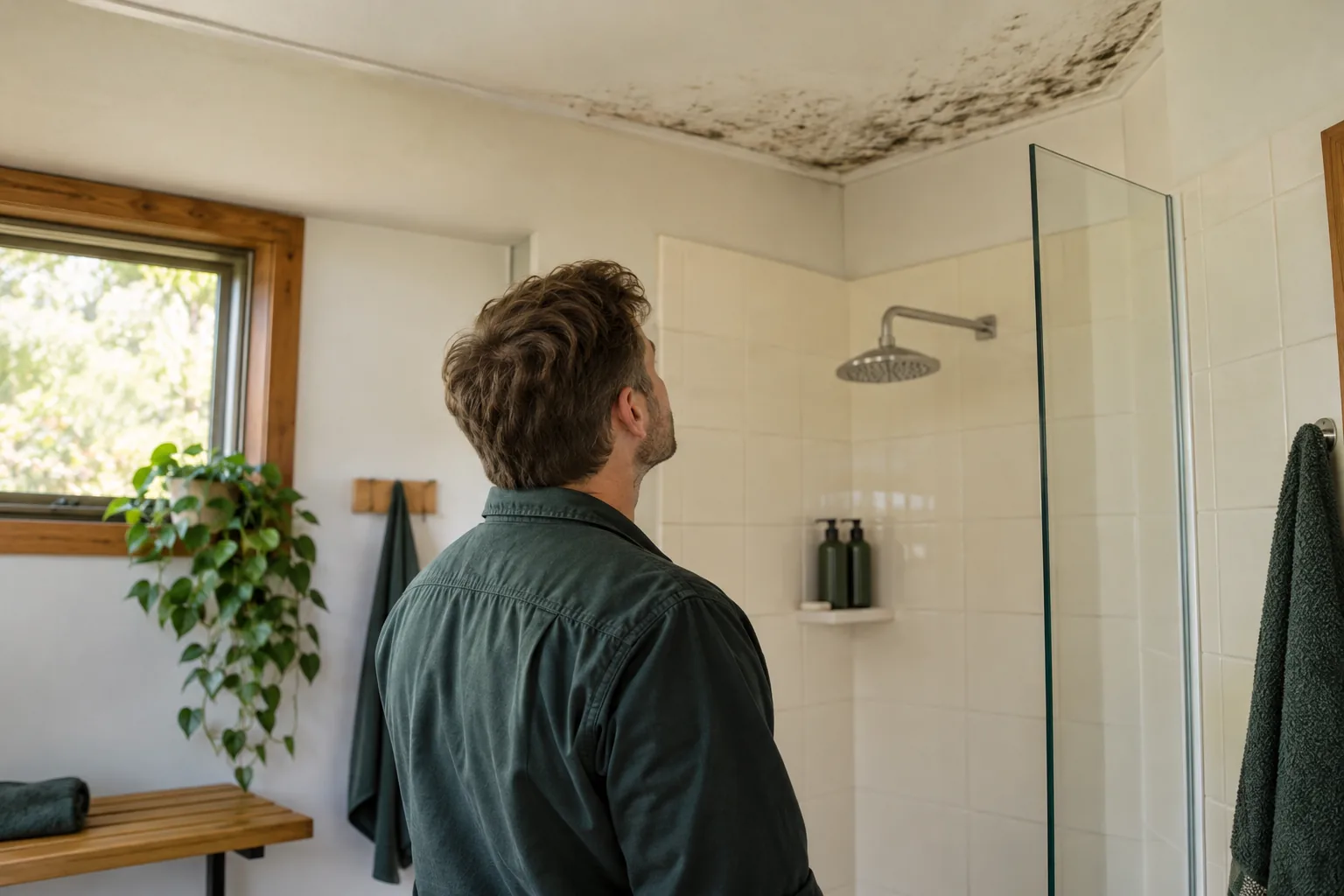
Describe condensation after ordinary shower use and photograph marks on paint separately from sealant.
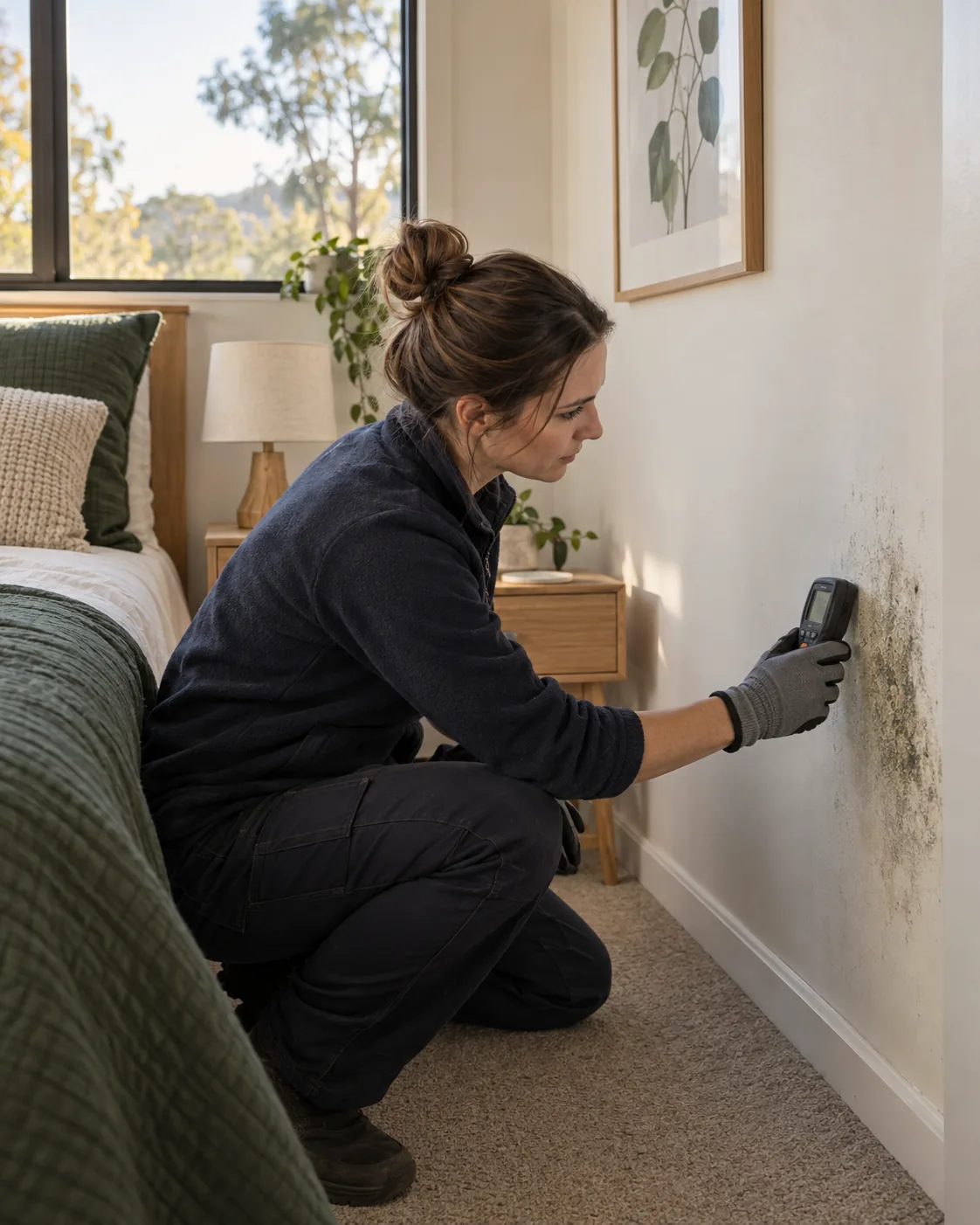
Bedroom
Explain furniture positions and photograph the accessible wall without shifting heavy belongings unnecessarily.
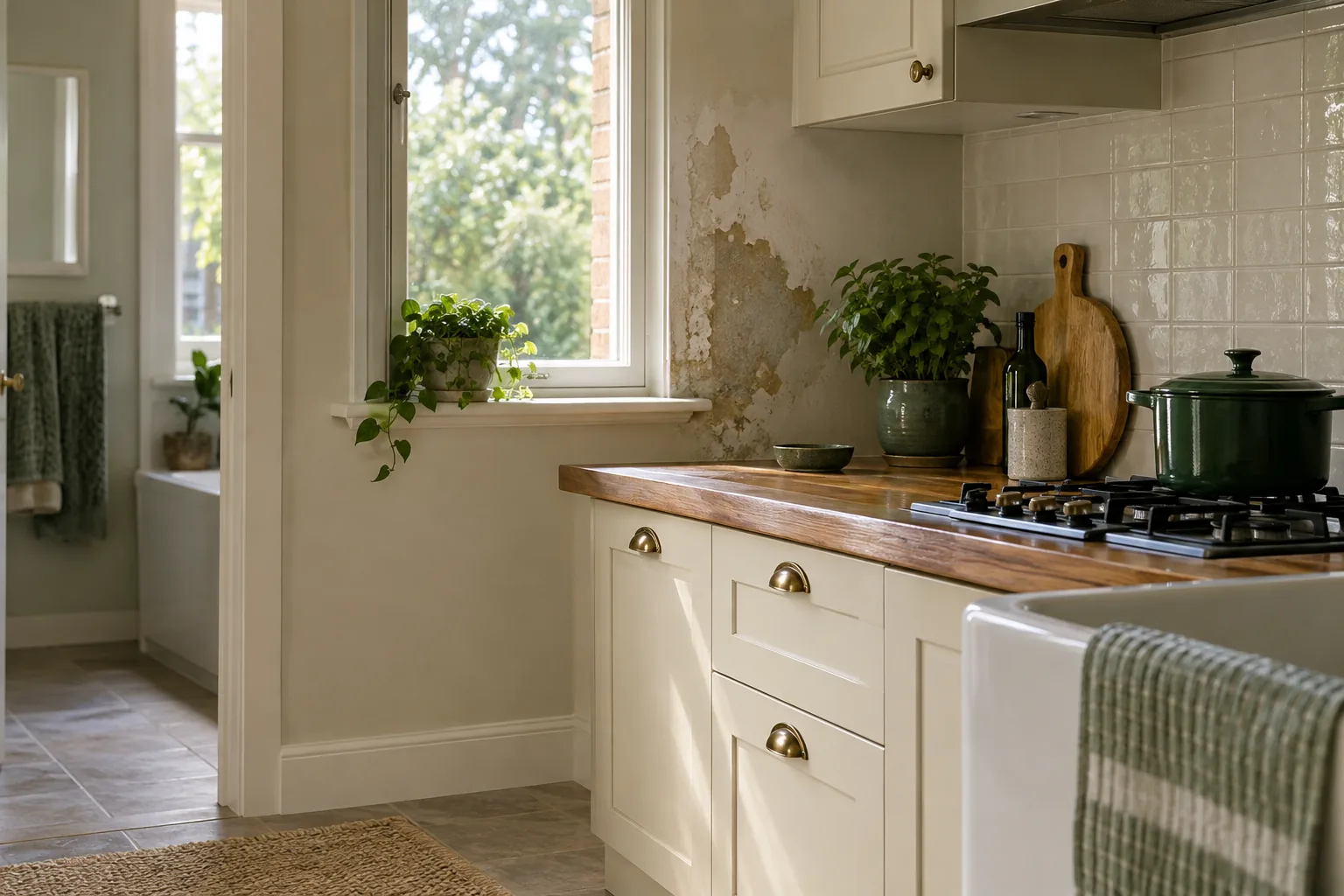
Kitchen
Mention cooking steam, visible drips and the location of kitchen marks without assuming a cause.
Walls and ceilings
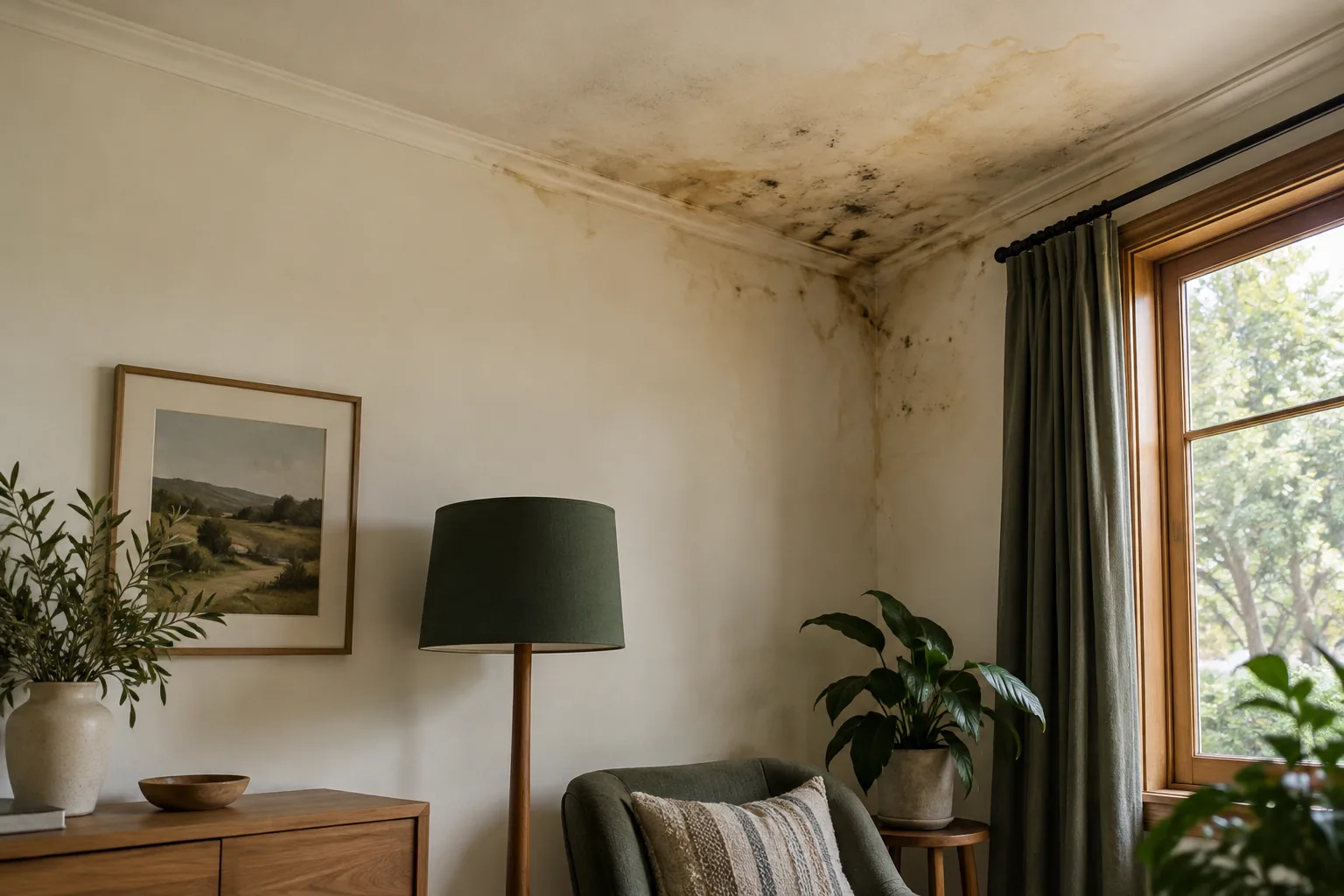
Include wider wall and ceiling views so the patch’s location and visible boundary are clear.
CONDITIONS, NOT ASSUMPTIONS
An observation can lead to different next steps
Any mould removal for a tile-to-plaster junction needs a separate scope. Inspection pricing is not a treatment quote.
Keep photographs showing both sides of the junction available for follow-up discussion. An unresolved moisture question can require further assessment or an appropriate repair trade.
Confirm the appointment for your Burwood address
AUD $100
Paid Inspection · approximately 30 minutes · non-member reference price
The paid non-member inspection reference is AUD100, approximately 30 minutes. Confirm accessible scope at your Burwood address against the prices page. Separate removal or repairs are not included.
The Corporate AUD0 survey reference requires confirmed eligibility for the proposed Burwood enquiry. Ask before booking; it is not an automatic free inspection.
BURWOOD · INSPECTION ENQUIRIES
Book using the actual property address
For Burwood, provide the complete street address and explain a tiled surface meeting a painted wall. The coverage directory helps with location navigation; address eligibility and appointment arrangements still need confirmation.
Questions before your inspection
Should the tile and plaster be photographed together?
Include both surfaces and their junction in context. Then identify where the marks actually appear, avoiding a photograph that implies the whole splashback is affected.
Do I need to remove a tile?
Tile removal is not an assumed part of inspection. Agree visible access and identify concealed backing as a limitation rather than disturbing it yourself.
Can humidity information explain the material junction?
Humidity information cannot fully explain a material junction. The different surface appearances and event history need consideration without inferring the condition behind tiles.
Will backing behind the splashback be examined?
Backing is concealed even when the tile face is clear. The accessible view does not certify it or automatically include removing the splashback.
Does the inspection include replacing finishes?
Replacing finishes is outside the inspection reference. Clarify any proposed treatment or repair scope after the accessible observations have been considered.
What if only the plaster side has marks?
Identify the plaster-side marks separately and include the neighbouring tiles in a wider photograph. A clear tiled face cannot certify the backing or adjacent concealed finish.
Talk through your Burwood inspection
Call 03 8652 1296 with the address, photographs showing both sides of the junction and any restrictions around a tiled surface meeting a painted wall. Confirm the assessment scope before the appointment.