
MOISTURE & VISIBLE CONDITIONS
Mould Inspection Mitcham
Noticed a newly exposed wardrobe wall at your address in Mitcham? The furniture has concealed the finish, so the first useful detail is when that surface last looked clear. Discuss visible areas, access and moisture information before deciding whether treatment or a separate repair enquiry is appropriate.
Visible surface condition considered
Wardrobe clearance discussed
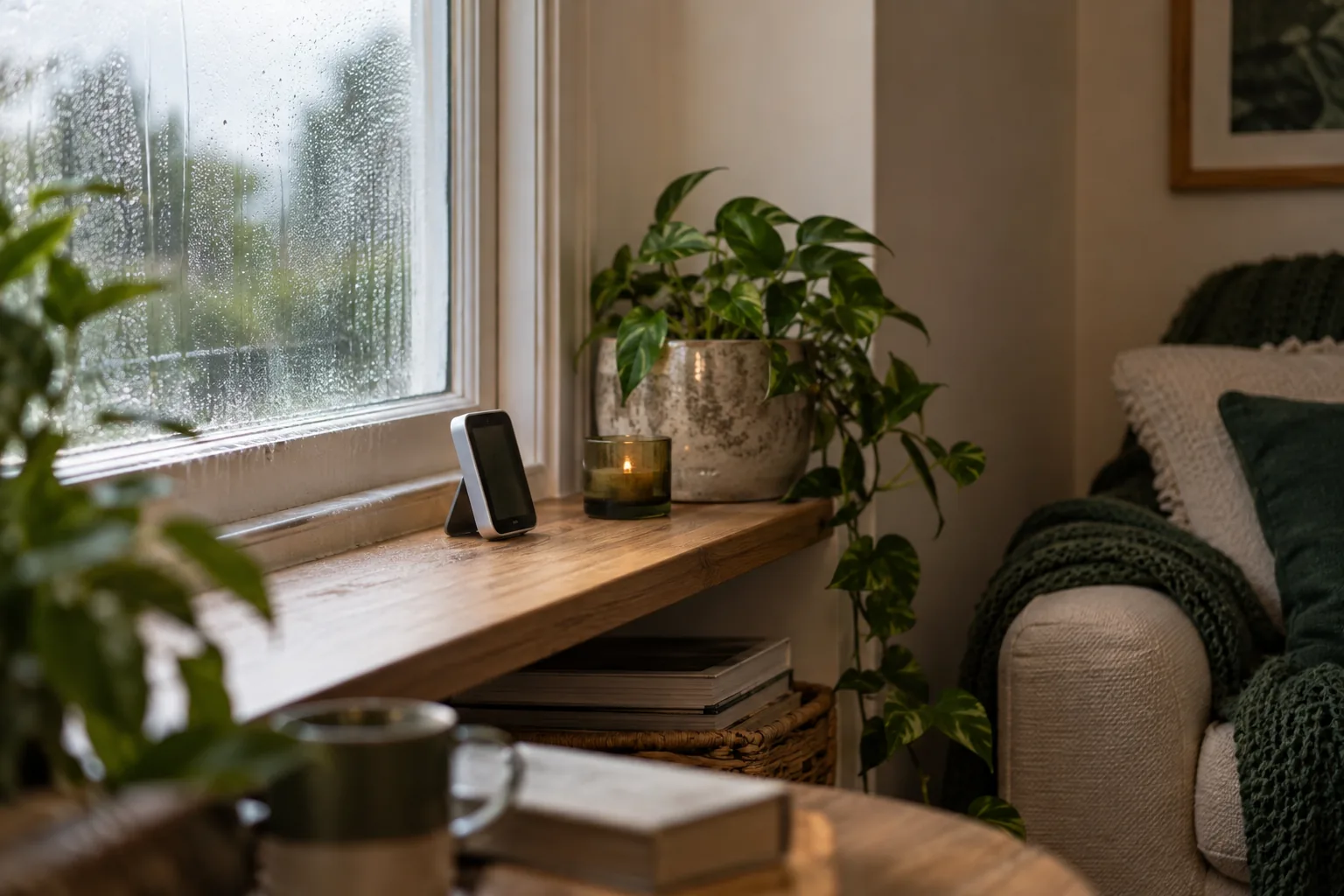
Professional hygrometer information

BEFORE THE APPOINTMENT
Changes to the exposed wardrobe wall
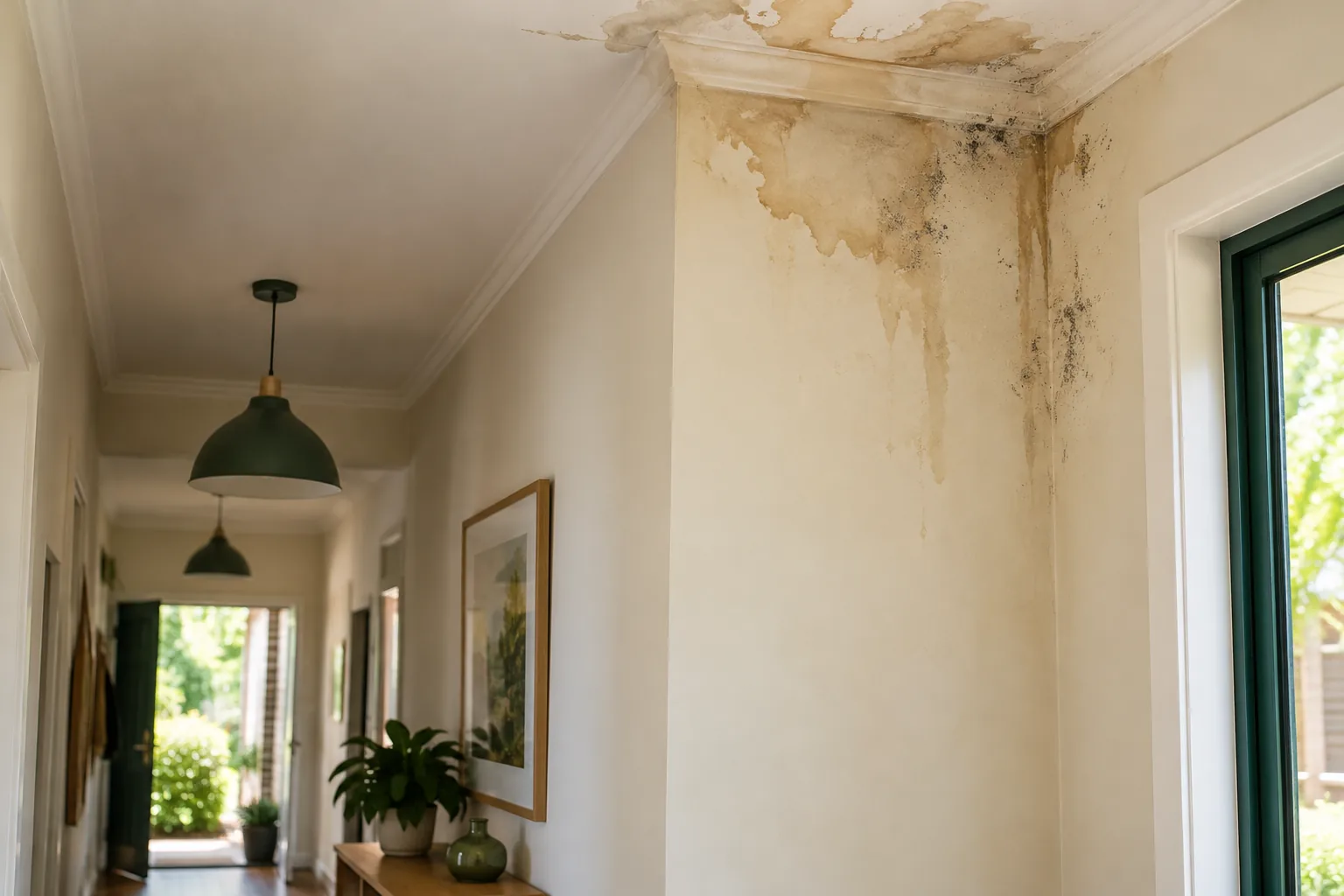
Marks on the exposed wardrobe wall are an observation, not a confirmed explanation of the moisture source. Bring the available history and describe what is currently visible.
Visible marks
Show the exposed wardrobe wall and adjoining clear finishes in the same wider photograph.
A change in smell
Explain when the room smells different and whether that coincides with a visible change.
Droplets or wetness
Distinguish water you have actually seen from an assumption prompted by a stain.
A spreading stain
Compare dated photographs of the exposed wardrobe wall where available; explain expansion, fading or a changed outline.
Repeat dampness
Note when wetness returns, the room activities around it and any known water event.
Earlier cleaning
Describe any wiping of the exposed wardrobe wall and how the finish appeared afterwards.
READ THE ROOM
Understand the moisture history, not just the furniture position
The furniture has concealed the finish, so the first useful detail is when that surface last looked clear. Also note whether the room was aired, heated or unused before a reading; humidity at one moment does not describe its whole history.
For the exposed wardrobe wall, the inspection service is a starting point for accessible observations. Continuing water entry or failing materials may need separate investigation or repair. A visible inspection cannot provide clearance for areas concealed behind the finish.
OBSERVE · MEASURE · DISCUSS
An agreed inspection sequence
An inspection suited to the Mitcham enquiry
Agree visible access before assessing marks on the exposed wardrobe wall.
Accessible surfaces
For the exposed wardrobe wall, visible growth, extent and accessible surface condition are considered. Concealed cavities and fixed obstructions remain outside these observations.
Humidity and moisture information
A professional hygrometer contributes room-air relative-humidity information alongside observations of the exposed wardrobe wall. Explain the relevant room history; a reading does not identify every water source.
Decisions within scope
For the exposed wardrobe wall, distinguish surface concerns from damage needing another trade. Ask what observations will be supplied afterwards; laboratory analysis and a particular written report are not assumed inclusions.
01
Describe the change
Tell us when marks first appeared on the exposed wardrobe wall and what changed afterwards.
02
Agree safe access
Confirm the rooms, authorised entry and anything obstructing a view of the exposed wardrobe wall.
03
Consider the observations
Consider the visible condition and hygrometer information alongside furniture position.
04
Separate the next tasks
Discuss whether the affected finish needs treatment, monitoring or advice from a repair trade.
Rooms and surfaces to consider
Bathroom
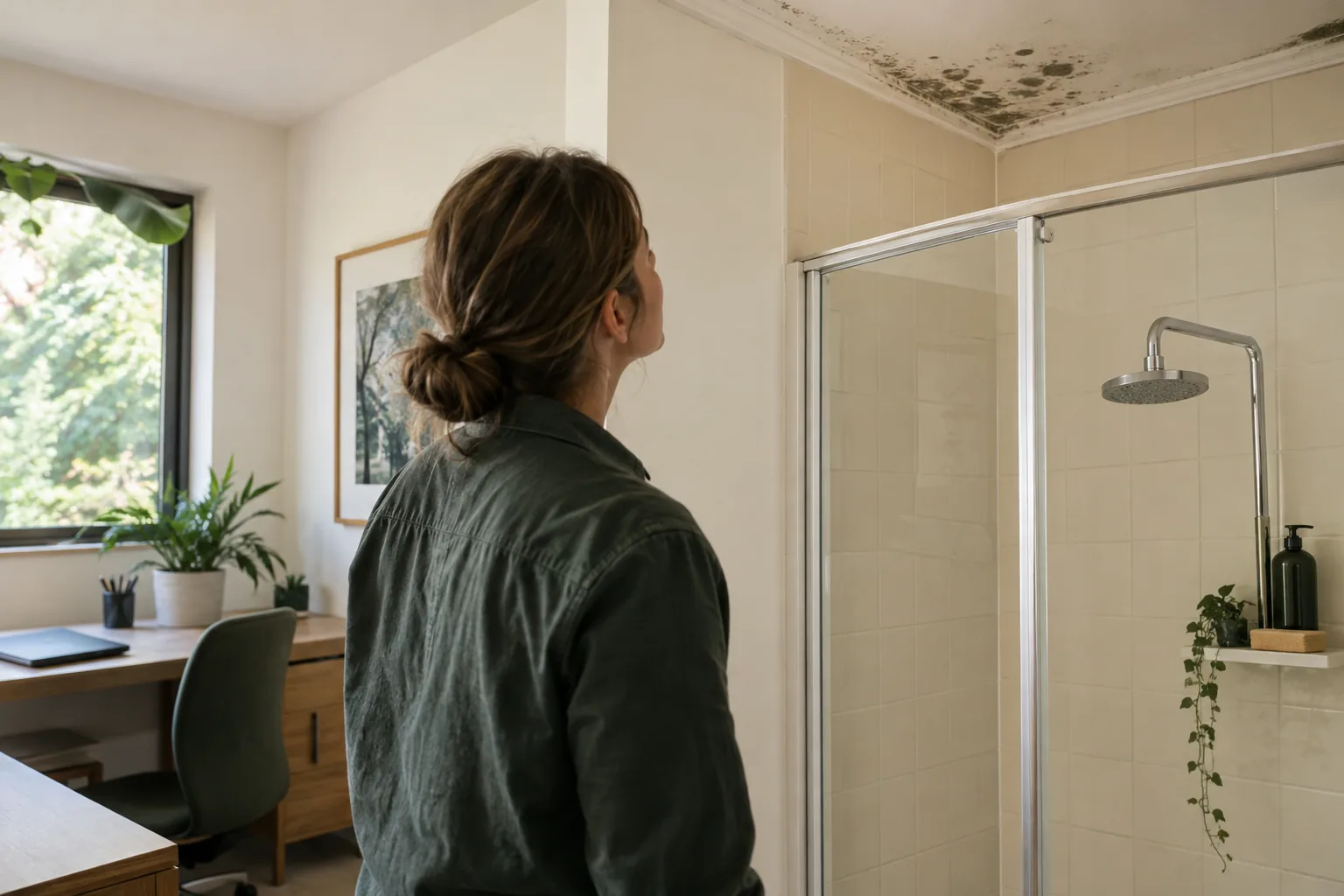
Describe shower use and any visible changes around the enclosure.
Bedroom
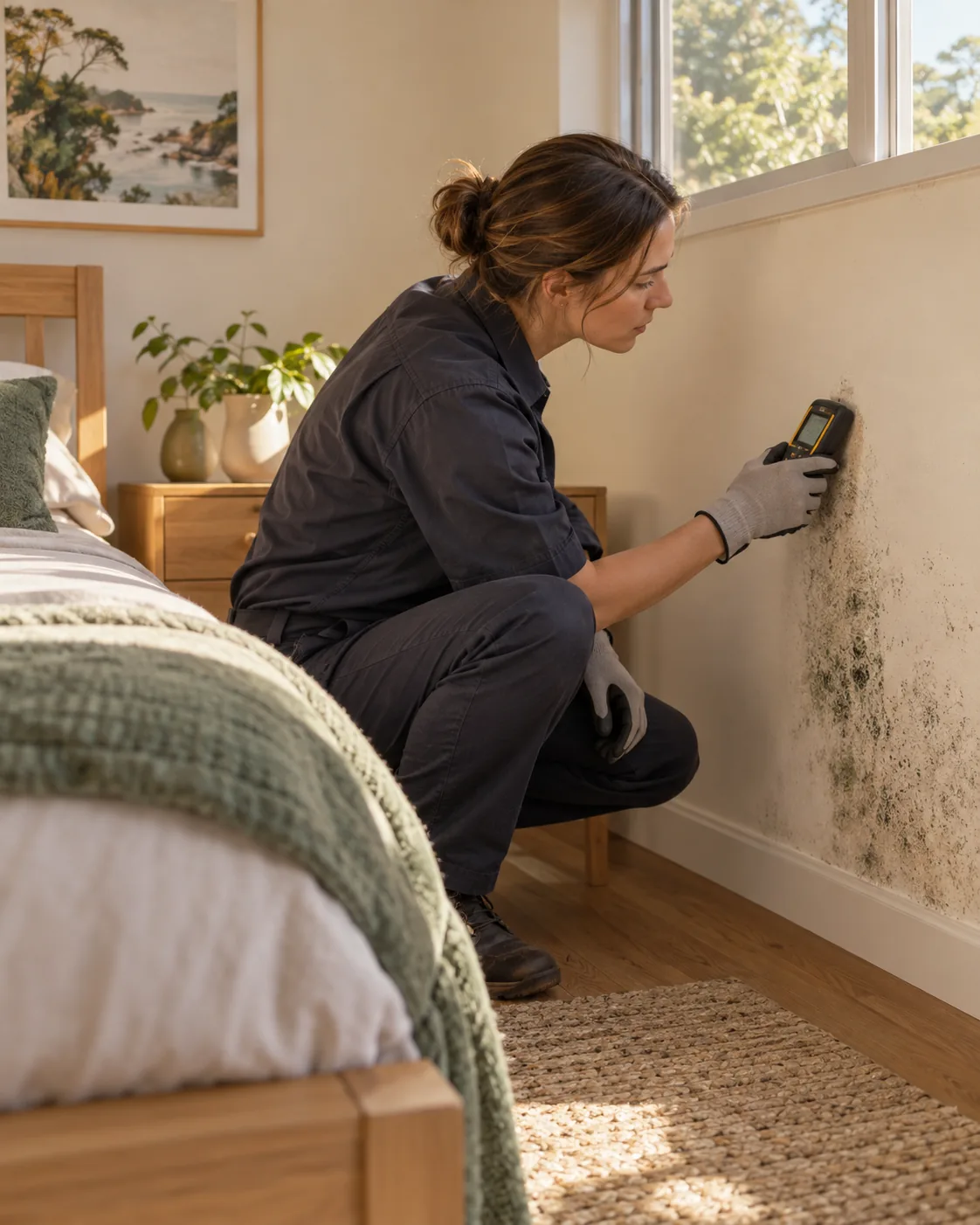
Identify furniture or curtains obscuring bedroom walls.
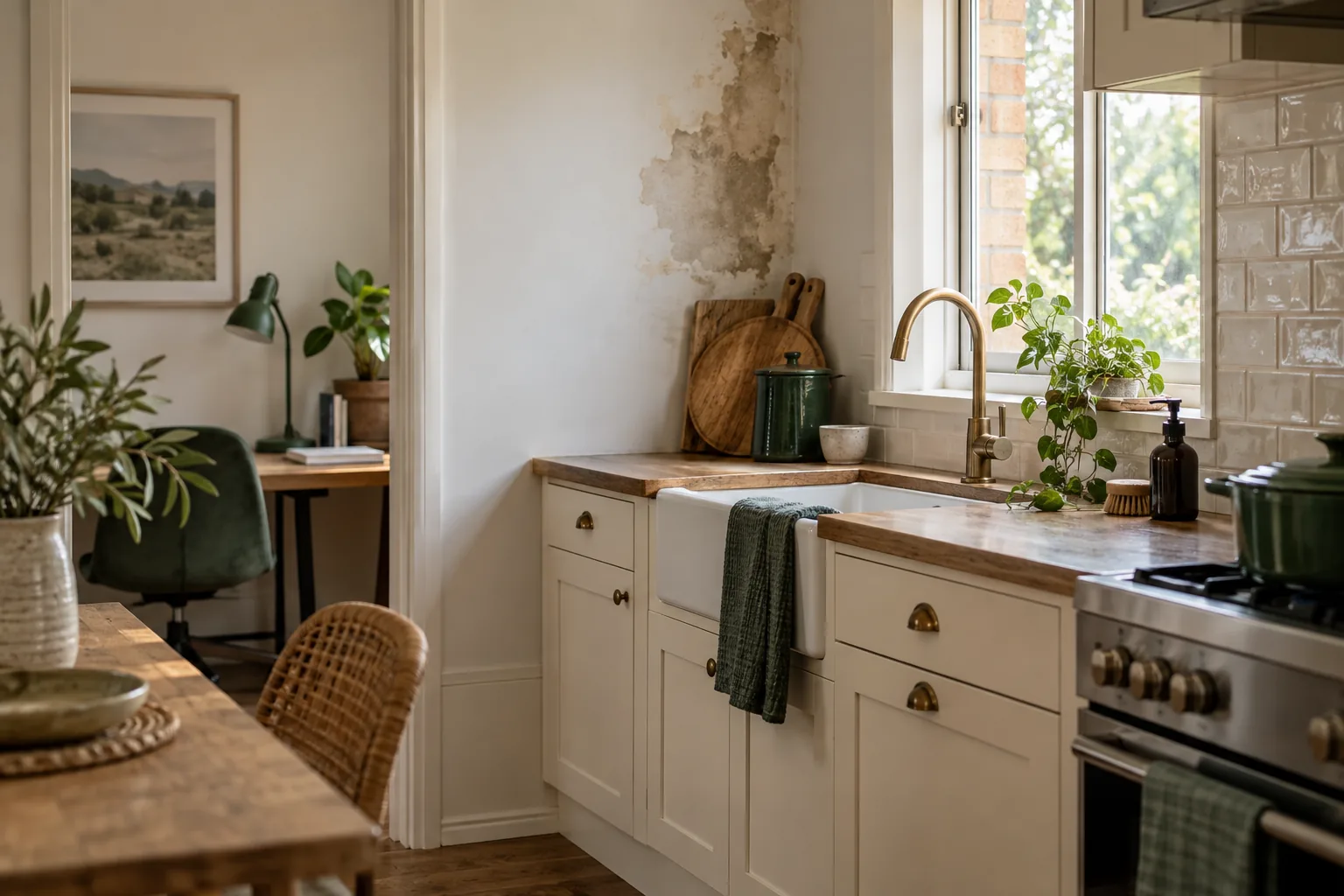
Kitchen
Mention kitchen leaks, appliance positions and accessible cupboard finishes.
Walls and ceilings
Include adjoining walls and ceiling edges in wider photographs.
CONDITIONS, NOT ASSUMPTIONS
Keep inspection and treatment decisions separate
Treatment of the exposed wardrobe wall is separate from inspection. Agree scope, material limitations and preparation before authorising mould removal; the appointment price does not include that work.
If dampness continues around the exposed wardrobe wall, discuss water entry or damaged materials with the appropriate trade. Remediation has a separate scope; future growth cannot be ruled out by inspection.
Confirm the appointment price
AUD $100
Paid Inspection · approximately 30 minutes · non-member reference price
For the exposed wardrobe wall, the paid non-member inspection reference is AUD100, approximately 30 minutes. Confirm accessible rooms and scope before booking; the prices page provides service references.
An AUD0 corporate survey requires confirmed eligibility. Visible marks on the exposed wardrobe wall do not automatically qualify for free attendance. Confirm which appointment applies before booking.
MITCHAM · INSPECTION ENQUIRIES
Confirm the actual Mitcham address
Provide your full address in Mitcham for your appointment. The location directory assists navigation; availability and access still need confirmation.
Questions before your inspection
Should I move the wardrobe myself?
Discuss its size and position first. Heavy furniture should not be moved simply to expose a finish for this appointment.
What if the back panel is also marked?
Mention the panel separately from the wall and photograph both. Belongings and building finishes may need different decisions after inspection.
Does a clear wardrobe front mean the wall is clear?
No. Only accessible surfaces can be considered. A clear front panel says little about the concealed wall behind the wardrobe.
Are furniture gaps worth recording?
Describe how closely the wardrobe stands to the wall and whether its position changed. That context helps explain the accessible patch.
Can I book before the furniture is moved?
You can discuss the enquiry first. Explain what is visible now so access limitations can be agreed before attendance is arranged.
Should I repaint the exposed wall?
Keep a record of the existing condition and discuss assessment first. Repainting can hide detail without resolving any continuing dampness.
Describe the visible change before arranging attendance
Call 03 8652 1296 with your address in Mitcham and details of marks on the exposed wardrobe wall. Confirm access, inspection scope and the applicable price before arranging attendance.