
VISIBLE & ACCESSIBLE ASSESSMENT
Mould Inspection Ormond
AIR · SURFACES · CONTEXT
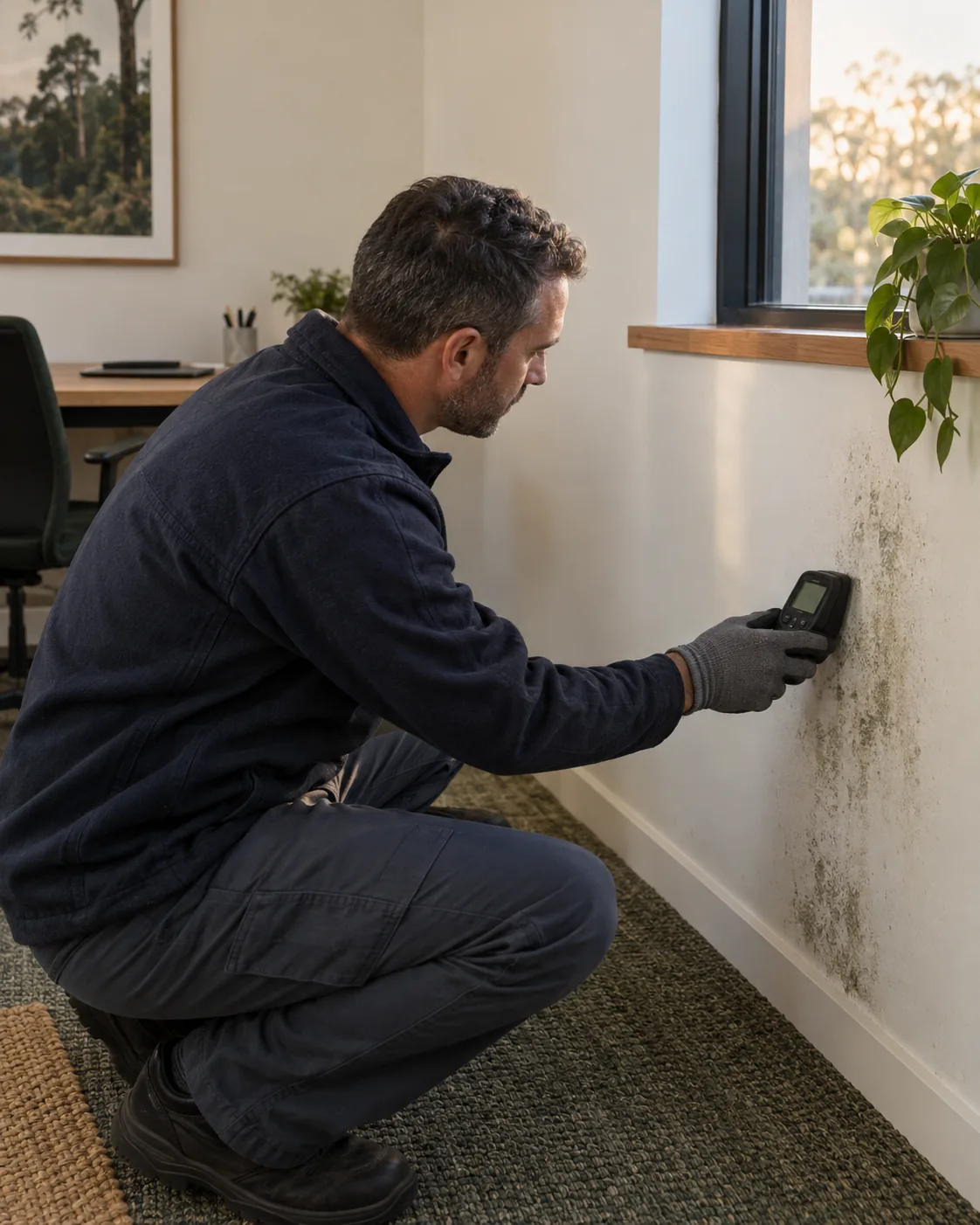
A wall described as “cold and damp” still needs the actual observations separated from the description. For your Ormond address, identify visible changes and when wetness was genuinely noticed. Assessment considers accessible condition and room-air information without treating touch, temperature or a humidity percentage as confirmed material moisture content.
Touch and measurements distinguished
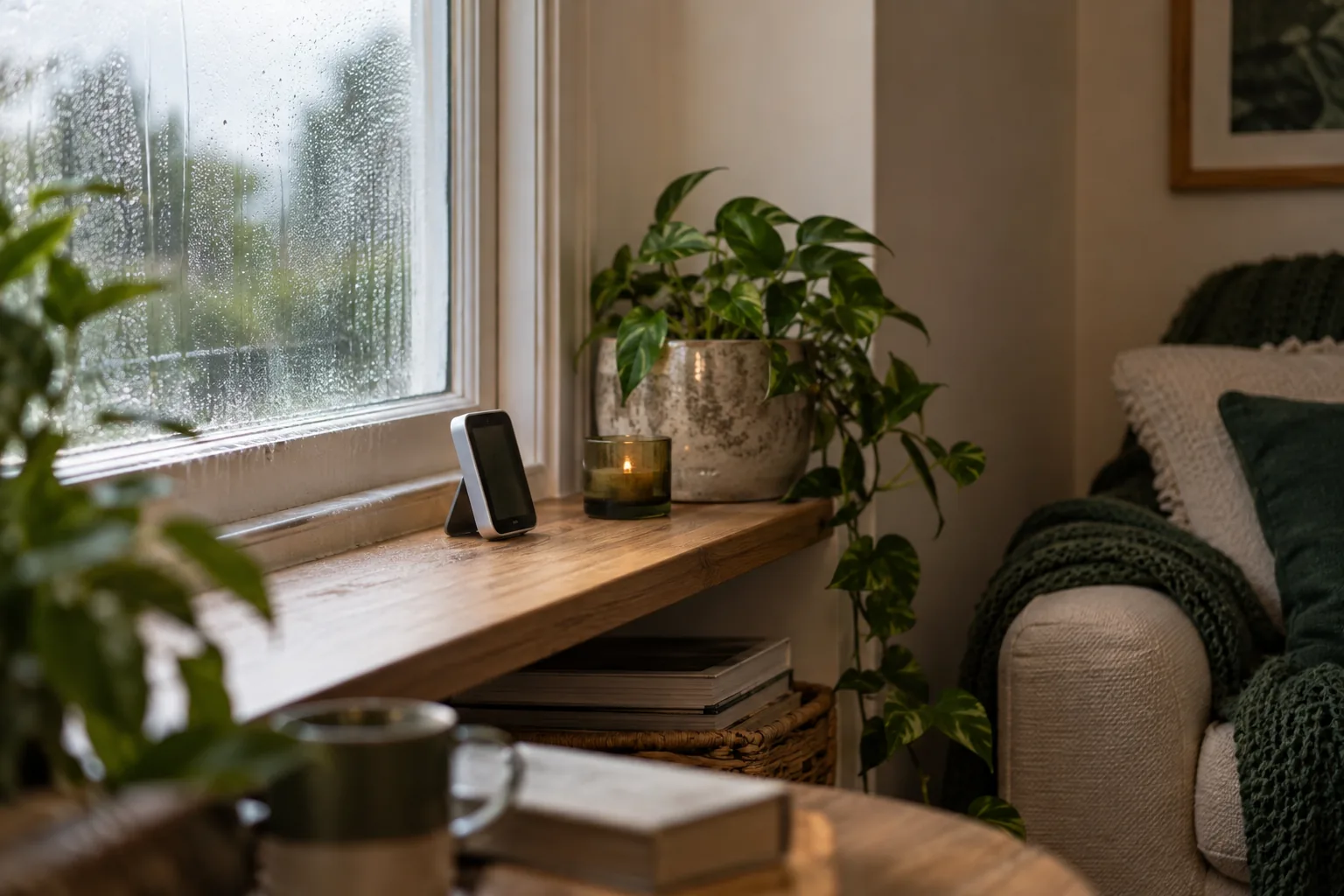
Professional hygrometer information
Separate follow-up scope discussed
WHEN CONDITIONS CHANGE
Describe what you actually observed
For your Ormond enquiry, dates and surface locations are more useful than an assumed cause.
Visible growth
Photograph paint changes without pressing the affected finish.
Smell
Describe smell independently of a cold-wall impression.
Condensation
Record visible droplets rather than calling cool paint wet.
Discolouration
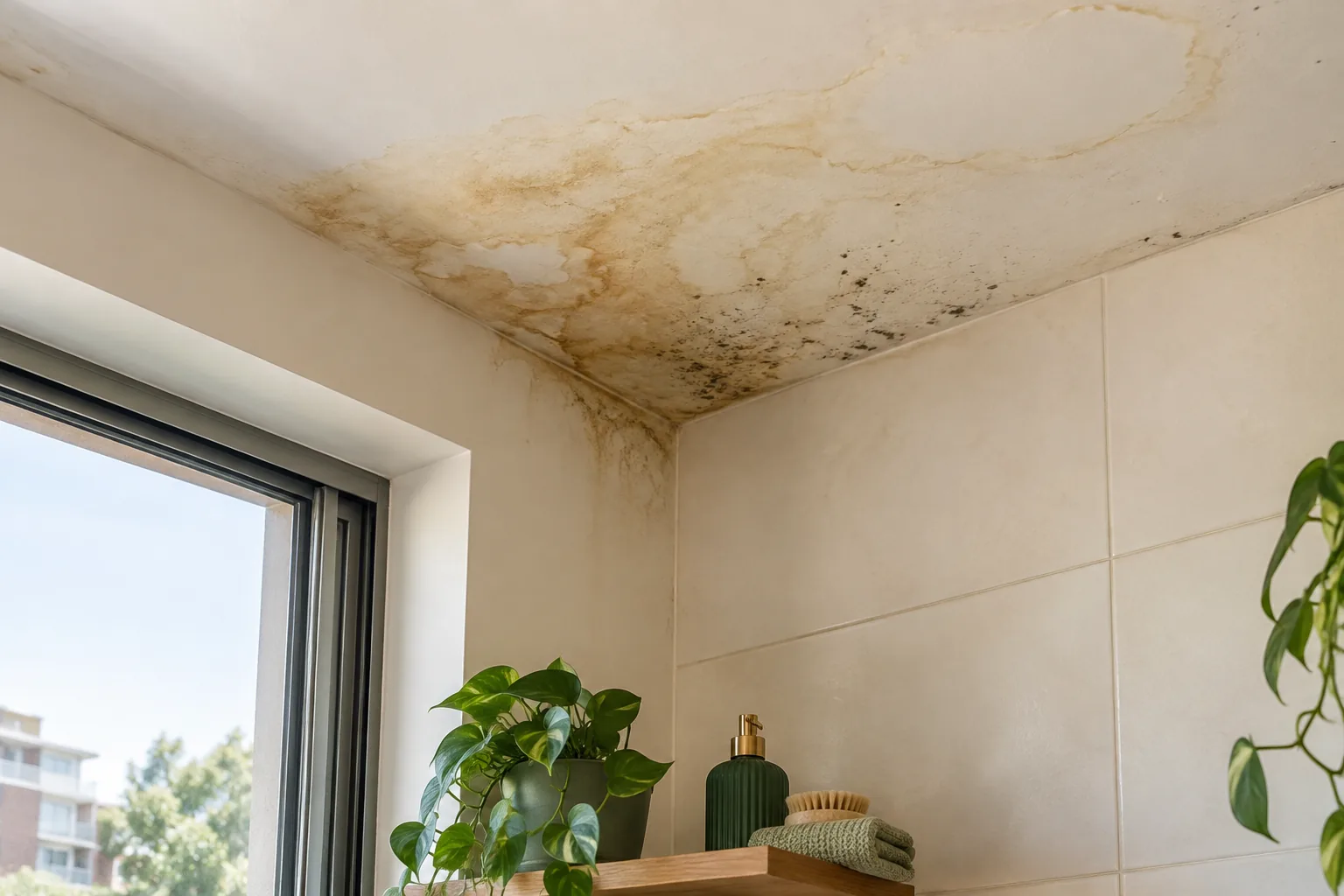
Date any expanding discolouration accurately.
Observed wetness
Separate observed water from how the wall felt.
Changes after cleaning
Explain cleaning or heating before the overnight comparison.
A READING NEEDS CONTEXT
Keep air information separate from material condition
Record whether droplets were seen, paint changed or dampness was merely inferred from a cool-feeling surface. If the patch feels cooler at night, record that as an impression rather than proof of wet material. Any actual droplets, finish changes and household readings need their own clearly identified observations and timing.
Separate a cool impression, a visible droplet and a paint change in the description. The inspector can discuss those observations alongside air information without presenting touch as a measurement within the wall.
OBSERVE · MEASURE · DISCUSS
From an enquiry to the next practical question
01
Describe the change
Use dated observations for the Ormond enquiry, keeping the discovery distinct from any unknown onset.
02
Confirm the view
Before entering the property in Ormond, agree permission, rooms and any obstruction that limits what can be viewed.
03
Consider room air
Professional hygrometer information adds context to the Ormond visit; a room-air percentage is not a material-moisture result.
04
Agree what follows
For this Ormond address, distinguish observed surfaces from a separate treatment, repair or additional investigation decision.
Different rooms need their own descriptions
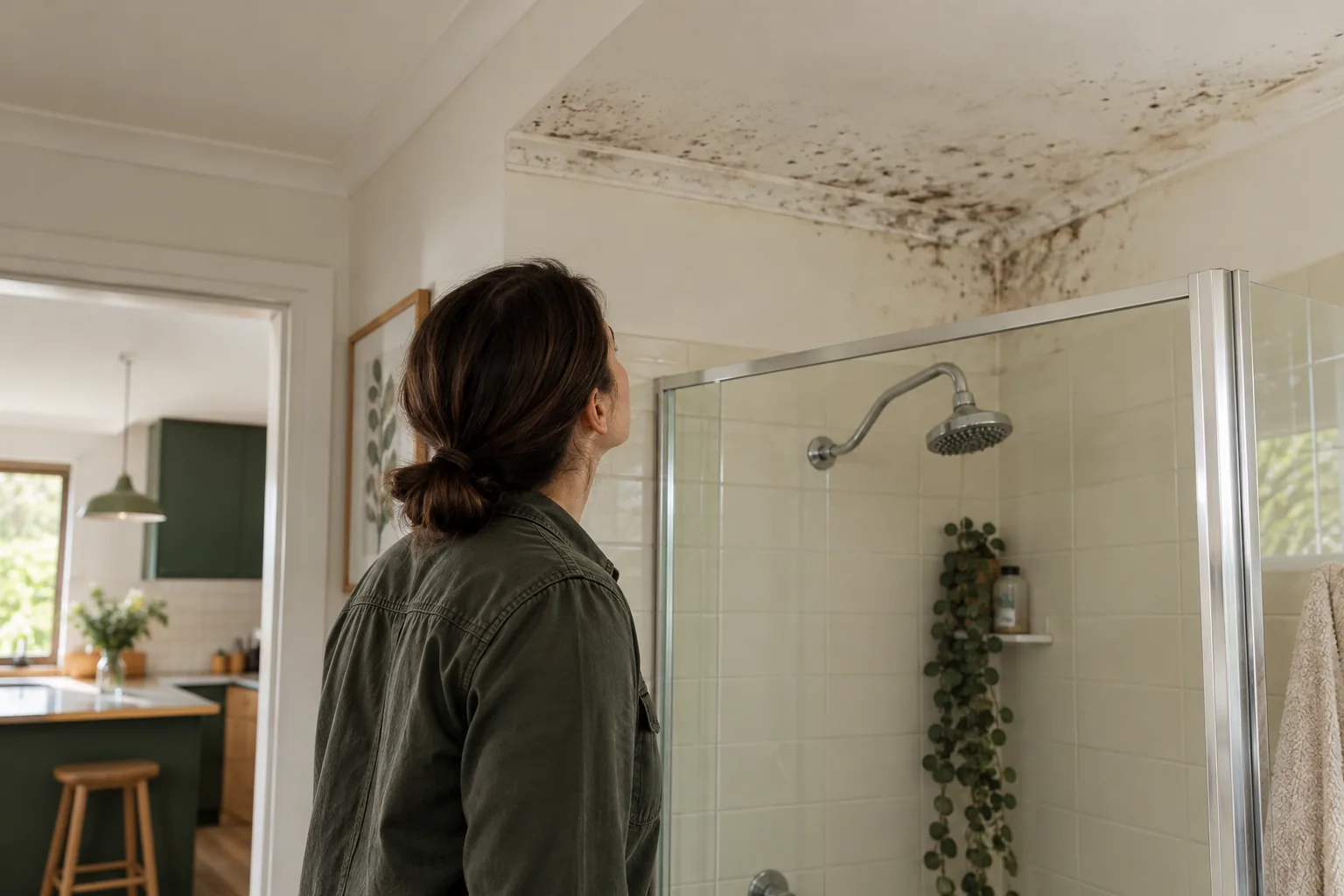
Bathroom
Identify shower-area marks and the visible finish before comparing them with other bathroom changes.
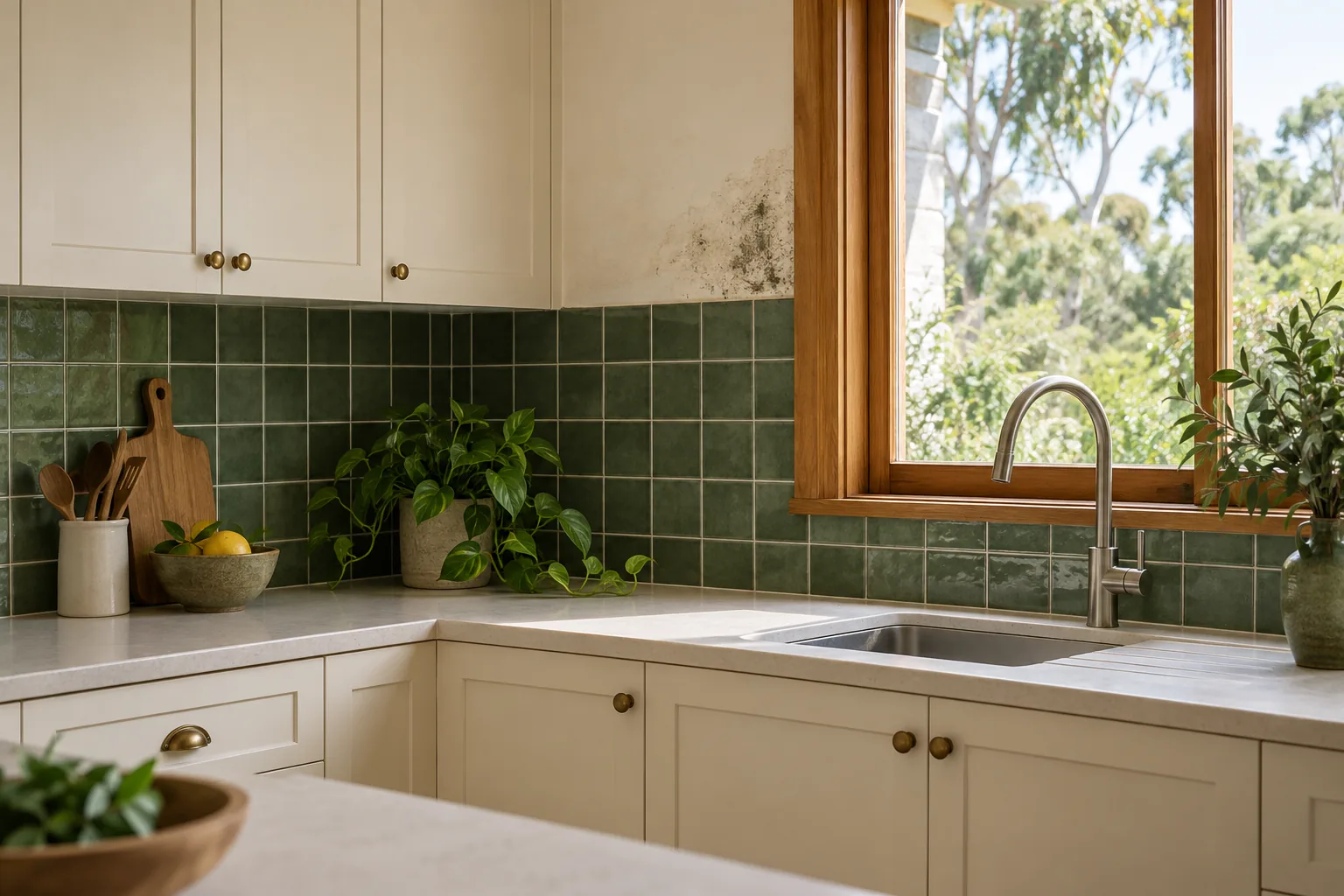
Kitchen
Mention cooking steam and confirmed drips without treating either as a diagnosis of the kitchen wall.
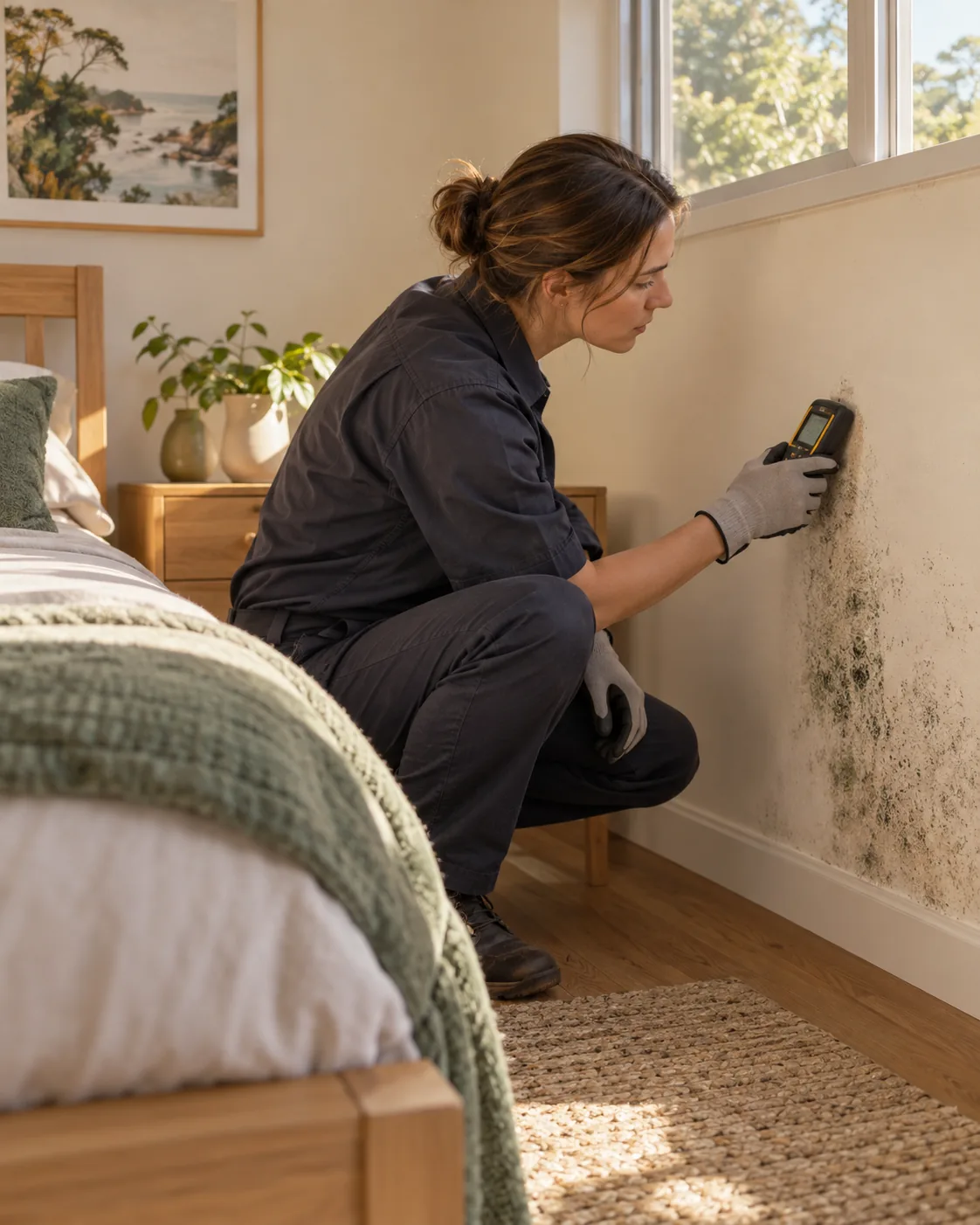
Bedroom
Show bedroom marks in relation to furniture and windows, identifying sections unavailable for a direct view.
Ceiling
Explain any known ceiling stain history and avoid opening lining merely to demonstrate the concern.
Wall
Show wall junctions and obstructions in context so the available surface extent is clear.
KNOW WHAT WAS OBSERVED
Inspection is the starting point for separate decisions
A cold impression is not a treatment specification. Discuss any removal using the visible finish and available extent, keeping observed water, temperature impressions and current air humidity as different information rather than a single material test.
If material condition remains important, ask what appropriate assessment is available before broader work. Remediation and repairs need separate scopes; no scanner or concealed-layer clearance should be inferred from the confirmed humidity instrument.
An agreed view of the available conditions
Confirm the actual interior and available access for the inspection appointment in Ormond.
Accessible finishes
Avoid pressing or rubbing fragile paint to demonstrate the concern; explain the available surface view instead.
Confirmed instrument scope
Air relative humidity and a person’s impression of surface temperature do not quantify water held within plaster.
Unresolved questions
If material condition remains the important question, ask which checks are suitable and available rather than assuming a probe or scanner will be used.
CONFIRM BEFORE BOOKING
Confirm the Ormond appointment reference
AUD $100
Paid Inspection · approximately 30 minutes · non-member reference price
For Ormond, the paid non-member inspection reference is AUD $100, approximately 30 minutes. Confirm the proposed rooms and accessible scope against the price information; further services are not automatically included.
The Corporate AUD $0 survey reference applies only in eligible, confirmed cases. Your Ormond enquiry needs that confirmation before booking; it should not be treated as an automatically free inspection.
ORMOND · ACTUAL ADDRESS & ACCESS
Arrange the visit using the actual address
Provide the full address in Ormond, the available rooms and the contact controlling entry. The areas directory assists navigation; scope and attendance arrangements still require confirmation.
McKinnon · Bentleigh · Glen Huntly · Carnegie
Questions about your inspection
Does a cool-feeling wall prove it is wet inside?
No. A temperature impression is not a material-moisture measurement. Describe any visible droplets or finish changes separately from what the wall felt like.
Should I touch the patch to demonstrate dampness?
Avoid handling a fragile or affected finish simply for demonstration. Explain what you observed and provide photographs without rubbing or pressing the surface.
Can a hygrometer measure the plaster’s water percentage?
Air relative humidity does not give plaster moisture content. Ask which surface checks are appropriate and confirmed within the appointment scope.
What if there are no visible droplets?
State that clearly. A cold impression and marks remain different observations; do not add a wet event that was never actually seen.
Will a temperature scanner be included?
No scanner inclusion is confirmed. The agreed service uses accessible observations and professional hygrometer information, with additional methods discussed separately.
How should I describe a patch that changes overnight?
Record the times and take dated images from a consistent viewpoint. Explain the visible changes without assuming that an overnight pattern identifies one source.
Discuss your Ormond inspection
Call 03 8652 1296 with your Ormond address and the visible concern. Confirm permission, available access, appointment scope and the applicable reference price before arranging attendance.